 Isabella Mueller Baroness of Stainton le Vale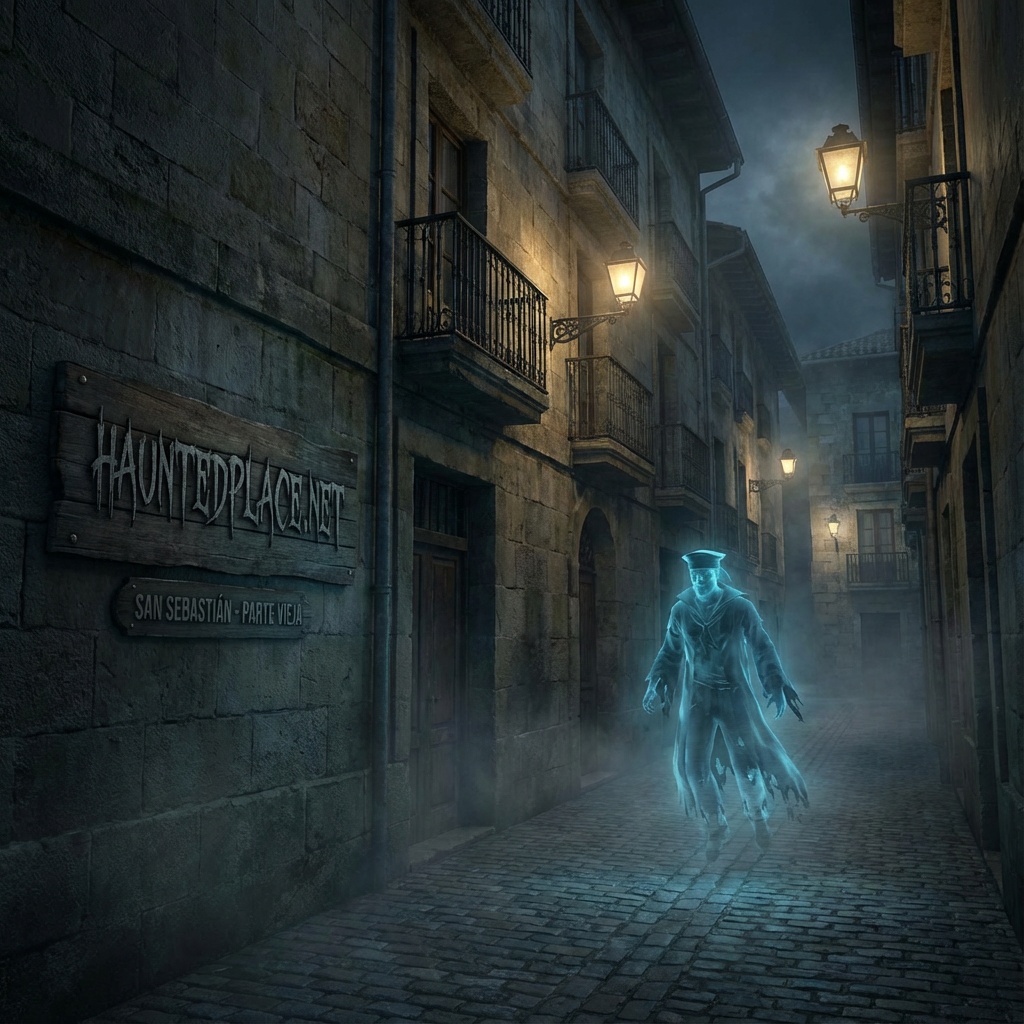
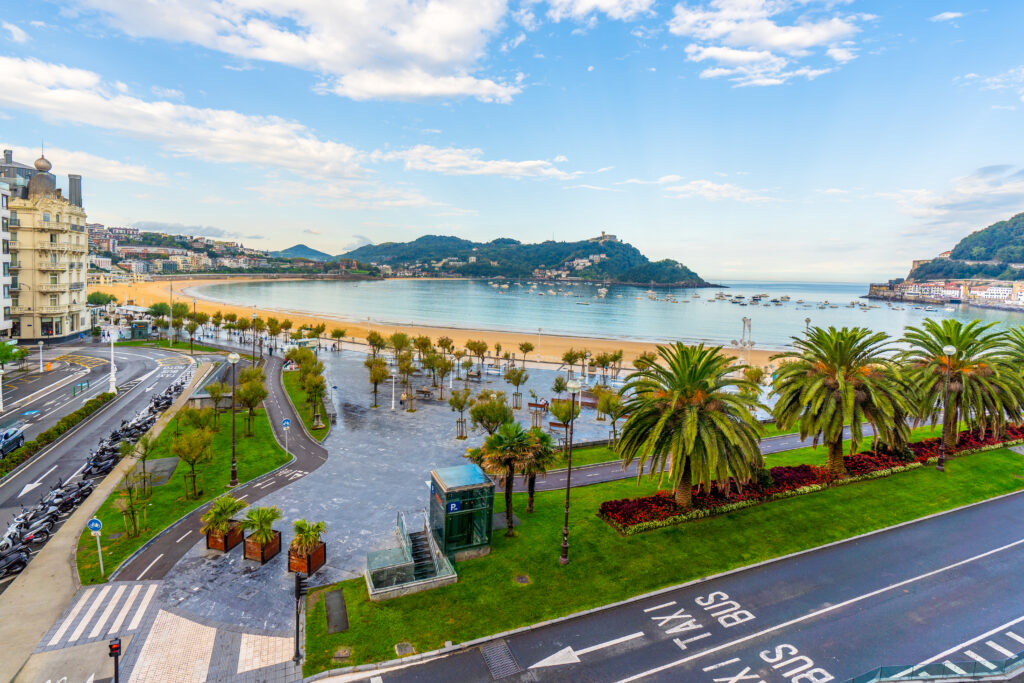
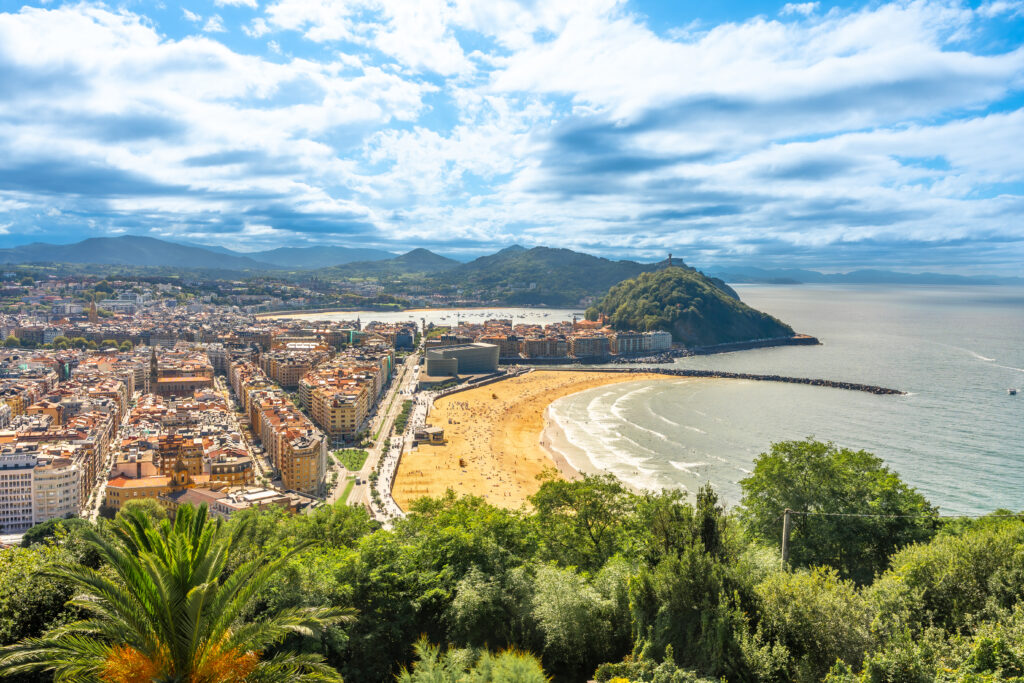
Donostia-San Sebastián is located on the picturesque coast of the Bay of Biscay and is known for its breathtaking beaches and lively gastronomic scene. However, behind its sun-kissed facade lies a gruesome history that terrifies locals and visitors alike. Eerie whispers echo through the city’s ancient streets, suggesting that it is not only the living who walk these cobblestones.
For centuries, San Sebastián has been the scene of eerie hauntings and uncanny apparitions. Among the spookiest stories is that of the “Ghost of Gaspar,” a ghostly figure who is said to haunt the Old Town (Parte Vieja), where the narrow streets seem to distort time and transport unsuspecting visitors to a bygone era. According to legend, Gaspar was a sailor who died at sea during a storm off the Cantabrian coast and now roams the city as a restless ghost, seeking solace and revenge.
Recent reports speak of Gaspar’s apparitions at nightfall, eternally dripping wet from the salty sea water, with empty eyes but full of sorrow. His ghostly silhouette often appears near the city’s waterfront promenade before disappearing into the fog as mysteriously as it came, leaving only wet footprints as evidence. On stormy nights, his moans are said to mingle with the wind, a sad melody that sends a shiver down the spines of the brave souls who venture into the dark streets.
But the ghostly history of San Sebastián does not end with Gaspar. The Monte Urgull fortress, which towers over the city, harbors its own tales of terror. Originally built as a military fortress, this stone guardian has witnessed countless battles, each of which has carved a piece of horror into its historic walls. Soldiers who met an untimely death on its grounds are said to still march through its corridors, their ghostly boots echoing ominously in the silence. Witnesses claim to have seen shadowy figures on the watchtower, their presence felt rather than seen.
In 2020, an amateur paranormal investigation group ventured into the fortress with state-of-the-art ghost-hunting equipment. Their recordings captured terrifying EVP (electronic voice phenomenon) sequences—disembodied voices pleading for release or muttering incomprehensible curses. The footage reignited interest in the fortress, attracting both skeptics and believers to explore its ghostly secrets.
Another eerie legend that fuels fear is that of Miramar Palace. Built in 1893 for the Spanish royal family, this historic site is surrounded by opulence—and even darker shadows. Rumor has it that Queen Maria Christina held séances during her visits and invited spiritualists to communicate with the otherworldly. Some claim that the palace grounds became a conduit for spirits, leading to unexplained occurrences to this day. These legends suggest that ghostly galas take place every night in the palace’s grand halls, with phantoms dancing invisibly across the marble floors.
A particularly disturbing incident occurred when a photographer was documenting the tranquil beauty of the Miramar Gardens. While reviewing his snapshots, he discovered ghostly anomalies—female figures in elaborate 19th-century dresses who appeared to be laughing, but were not visible to the naked eye at the time. Attempts to reproduce the phenomenon were unsuccessful, leaving behind a mystery as impenetrable as the palace walls themselves.
The ghostly reputation of Donostia-San Sebastián is fueled by folklore and historical tragedies that blend seamlessly into the city’s cultural mosaic. Even as the region modernizes, these stories persist and remain deeply ingrained in the consciousness of the locals. Tourists flock here in droves, drawn as much by the prospect of Michelin-starred dining as by the ghostly allure of whispered tales—a triple-threat of pleasure, intrigue, and unease.
The local government has embraced this haunted reputation, offering ghost tours that promise thrills and chills. Guides entertain participants with tales of encounters between mortals and spirits, painting vivid pictures of candlelit vigils and nocturnal escapades. Each story told is a new thread in the complex web of myth, history, and the supernatural that surrounds this city.
While skeptics dismiss these stories as pure fantasy or clever marketing strategies, those who have experienced the inexplicable in San Sebastián feel changed and avoid being alone near the city harbor or climbing Monte Urgull in peace. After all, the truth often lurks in the shadows of a story, just as ghosts are said to lurk in the alleys of this bustling city.
Despite the radiant beauty of its landscapes, Donostia-San Sebastián harbors secrets that thrive under the cloak of night, blending history and horror into an eerie dance. Whether believer or skeptic, the uncanny mystery of this coastal gem beckons, reminding us that sometimes the past refuses to remain buried.