 Isabella Mueller Baroness of Stainton le Vale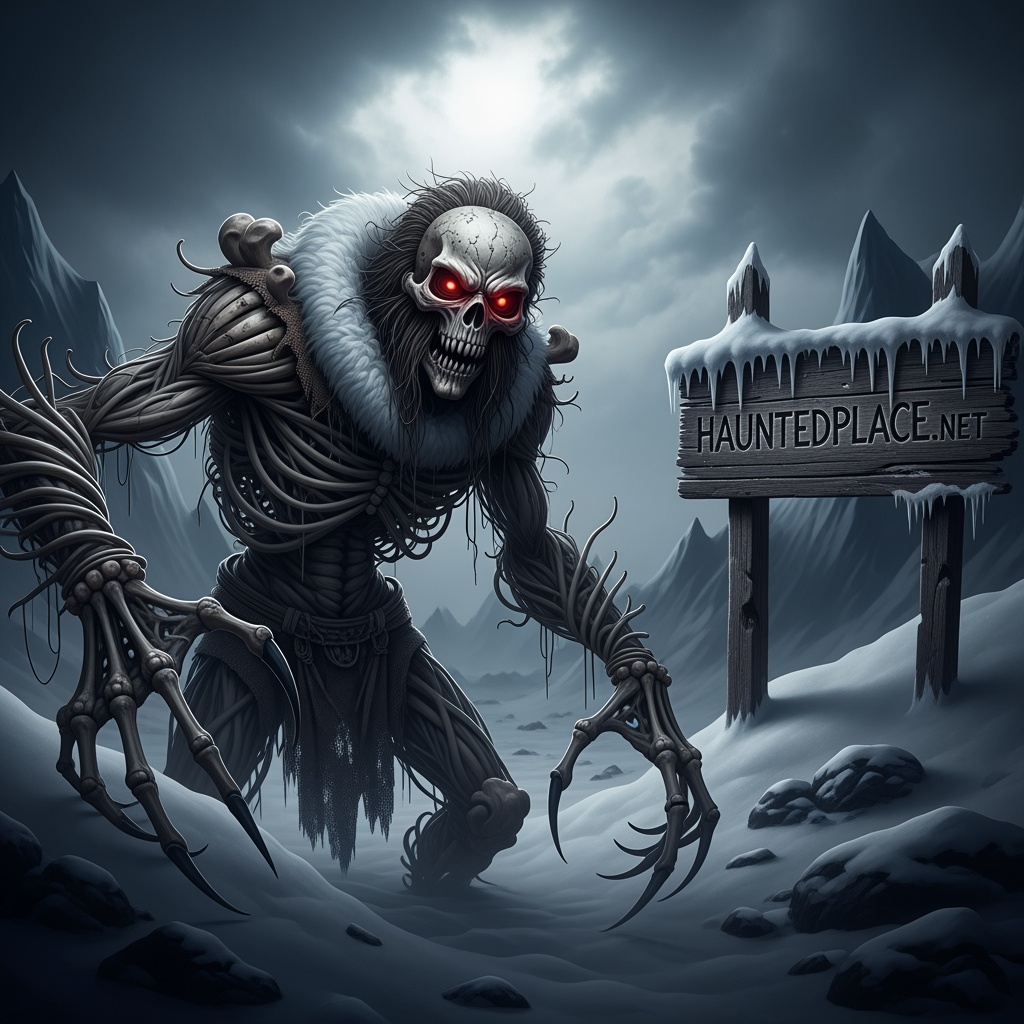
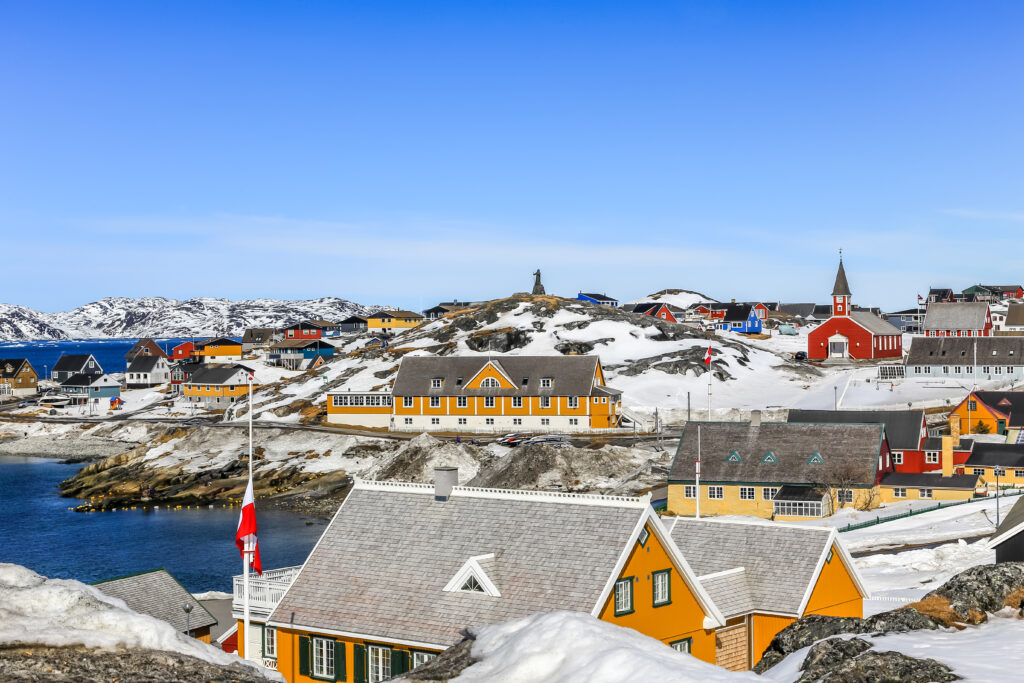
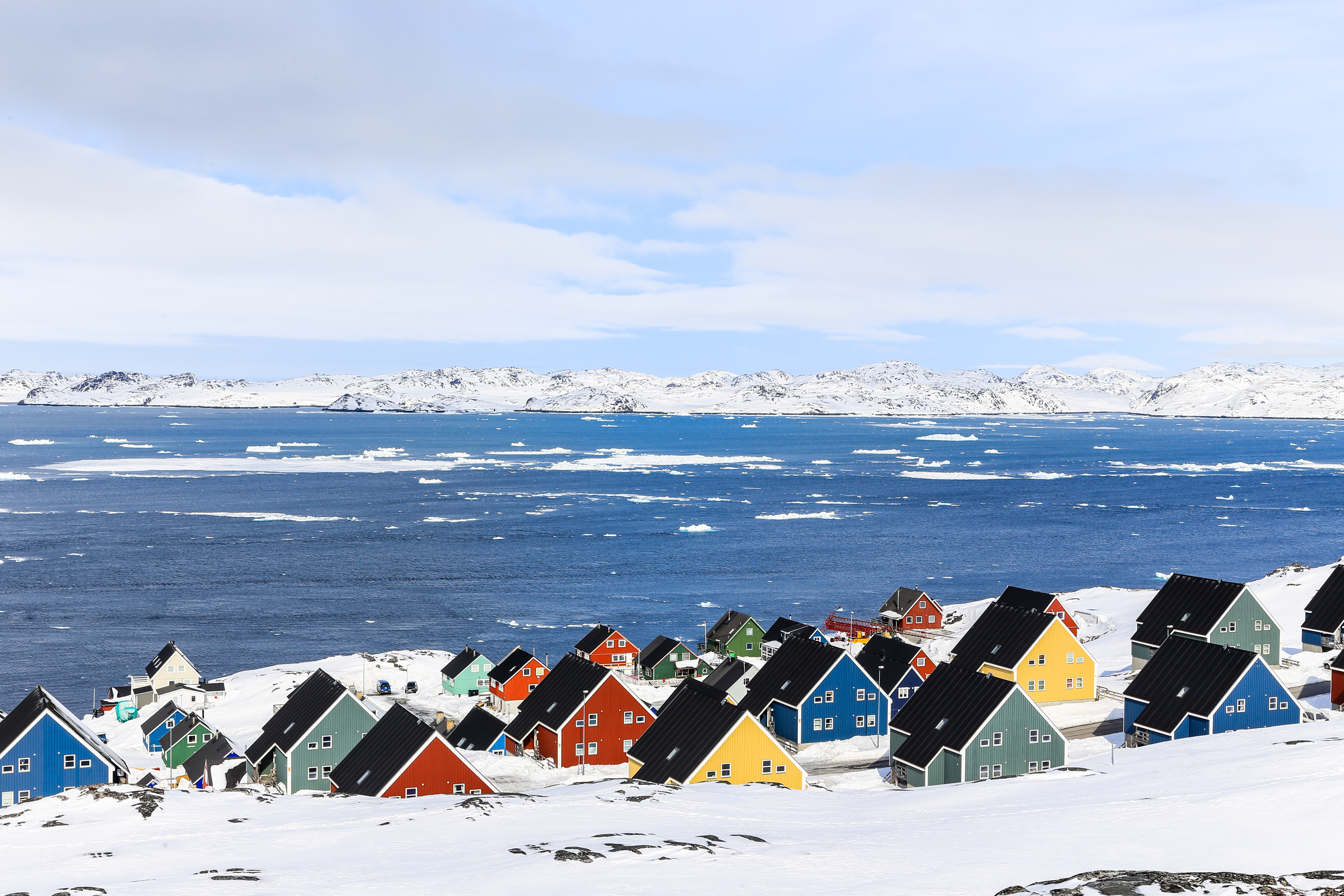
In the icy expanses of Greenland, surrounded by the silent infinity of the Arctic winter, myths and legends entwine around the mysterious beings known as Tupilak. In recent years, these ancient creatures have cast a dark shadow over the capital city of Nuuk. What began as the superstitions of ancestors now seems to be intruding into our reality in a disturbing way.
The Tupilak are a fascinating part of Greenlandic mythology. They were originally created by shamans who could destroy enemies with supernatural help. The materials used to make them—bones, fur, wood, and other natural components—symbolize the connection between the physical world and the invisible spirit world. In ancient times, these figures were feared because they could bring illness, misfortune, or even death. But what if the tupilak don’t just exist in the past?
In the remote community of Nuuk, reports of strange events are piling up. People talk of eerie encounters and inexplicable phenomena. At night, screams echo through the streets and shadows flit across the moonlit snow. A feeling of fear has gripped the town, causing unrest even among the most hardened residents.
The legend of the Tupilak has its origins in the deep-rooted traditions of the Inuit. To destroy their enemies, shamans took parts of animals and plants, shaped them into grotesque creatures, and breathed life into them with a secret ritual. These beings obeyed the will of their creator, lurking in the darkness and ready to strike when the command came. But the shaman’s power was not unlimited. It is said that creating a Tupilak comes at a high price, as an unrefined conscience could cause the creature to turn against its master.
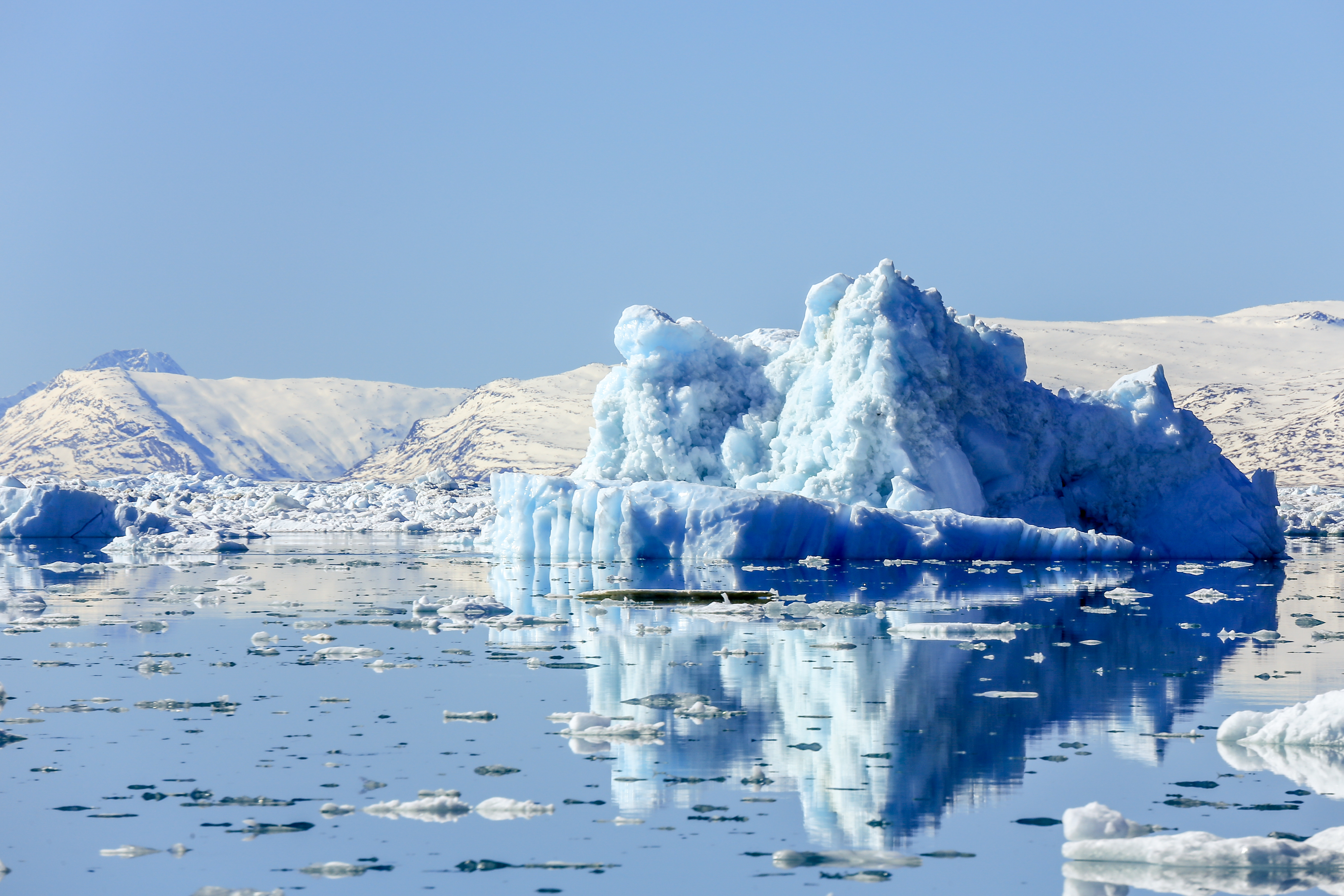
But how can the resurgence of this myth in the modern world be explained? Some speculate that recent environmental changes may have led to the reawakening of ancient powers. Melting glaciers are revealing secrets that have been hidden for centuries. Could it be that an ancient tupilak has been freed by the melting ice masses? Others believe that new generations of shamans are recklessly experimenting with traditional practices, inadvertently opening the gates to the spirit world.
Researchers and historians are skeptical but take the reports seriously. Dr. Lena Petersen, a renowned ethnologist specializing in Arctic cultures, points out that many indigenous beliefs have a core that is not yet fully understood. “It is possible that we are dealing with a cultural phenomenon that is amplified by collective fears,” she says. “But we should not jump to conclusions. Inuit culture holds many mysteries that challenge the Western mind.”
Nevertheless, various expeditions have recently been organized to get to the bottom of the truth. Teams of researchers are searching areas near the city where Tupilak have allegedly been sighted. The residents of Nuuk hope that the investigation will shed light on the mysterious events, but there is also growing concern that poking around in old myths could do more harm than good.
One Nuuk resident, who wishes to remain anonymous, says: “I saw something moving in the snow, but when I got closer, there was nothing there. I had the feeling that someone was watching me.” Such stories are becoming more frequent and contribute to the eerie atmosphere.
Another factor exacerbating the situation is the role of modern media. Sensational reports attract international attention, which further unsettles the local population. While some reports are written out of pure curiosity, others can cause more harm than good due to their sensational nature.
Technology also continues to play a role: people post nighttime recordings of eerie noises and blurry images of strange figures on social media. But the question remains: are these elaborate pranks, mass hypnosis, or real threats?
The Greenlanders have experienced how realistic nightmares can sometimes surpass fiction. The particularly cool wind that blows through Nuuk seems to tell stories—of times long past and of those who never seem to find peace.
Perhaps that is why many hope that this is just another myth that will eventually lose its power as the secrets of the ice world continue to be unraveled.
Even if the threat of the Tupilak may only exist in the imagination, its story nevertheless offers a deeper insight into the fears and longings of the human soul. For whether myth or reality, the eerie presence in the corners of our minds is always there, whispering in the constant alternation between light and shadow. And who knows, perhaps it is precisely these myths that remind us that the world we live in is full of wonders and mysteries – as long as we open our eyes to see them.