 Isabella Mueller Baroness of Stainton le Vale
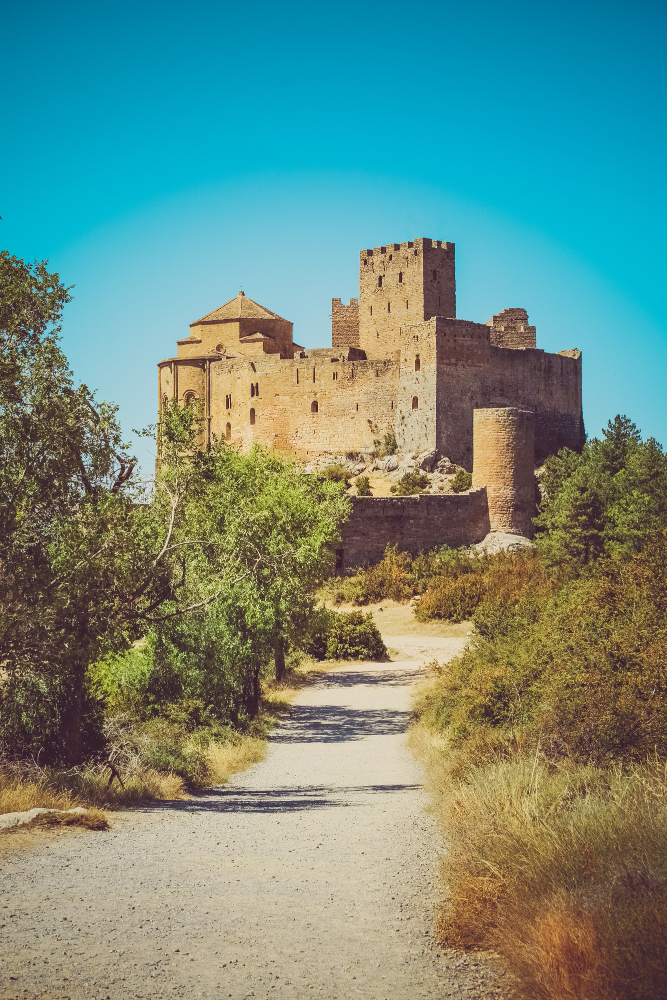
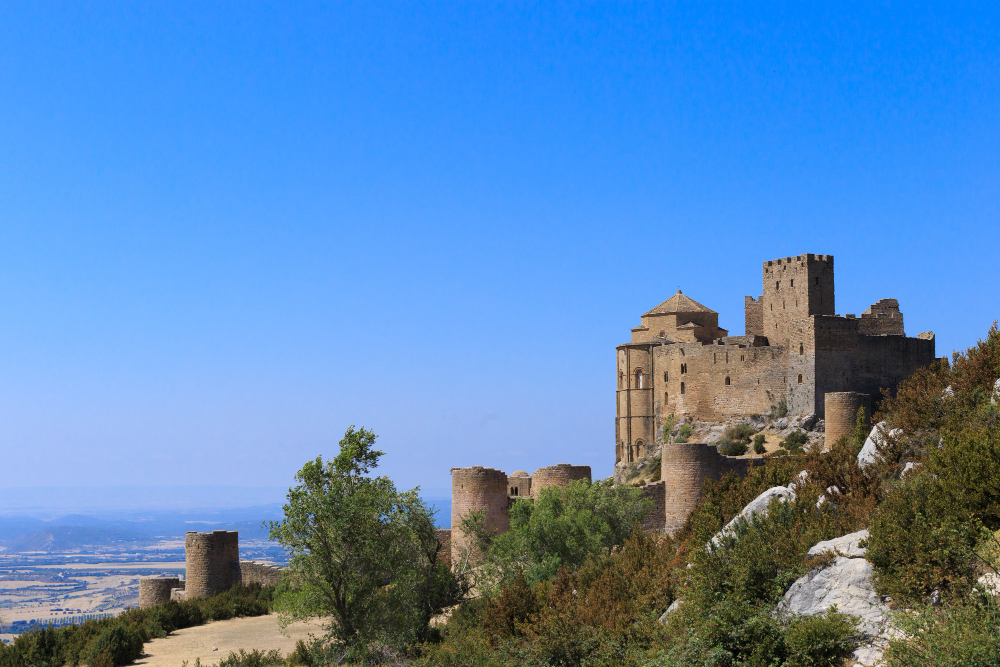
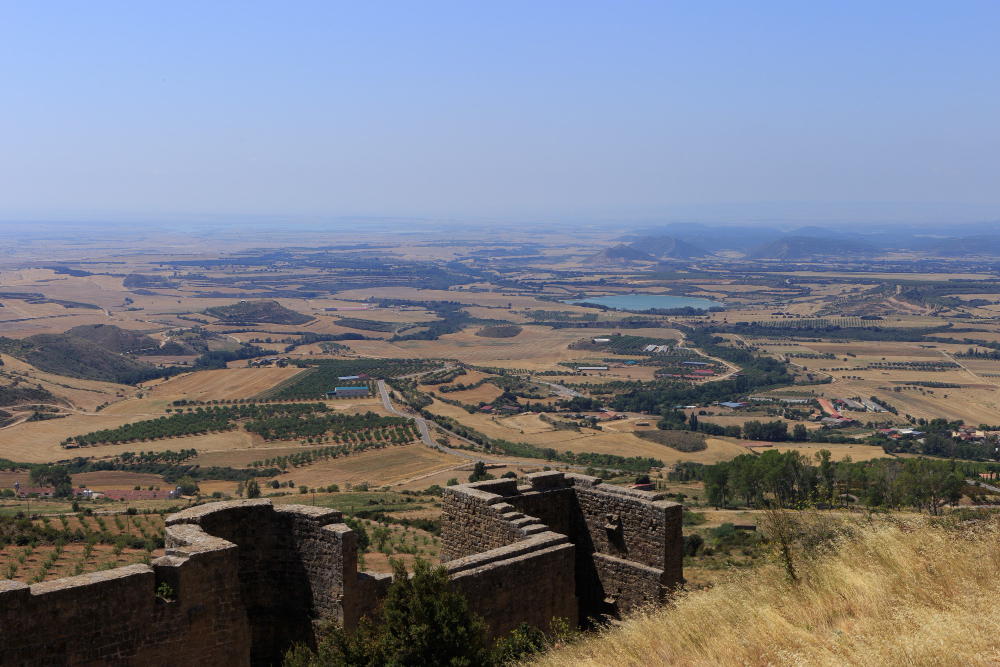
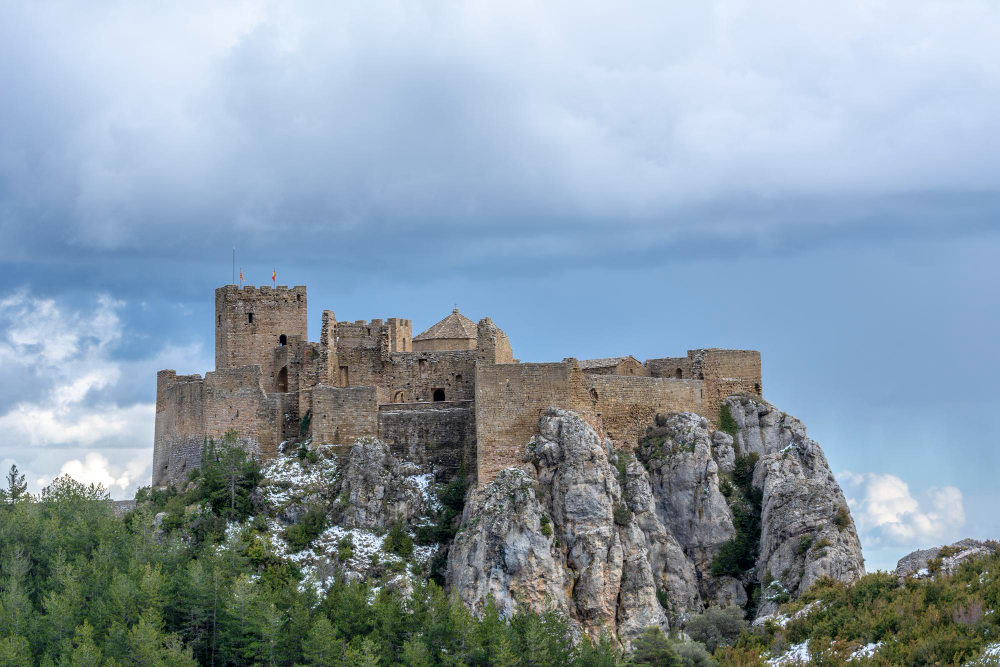
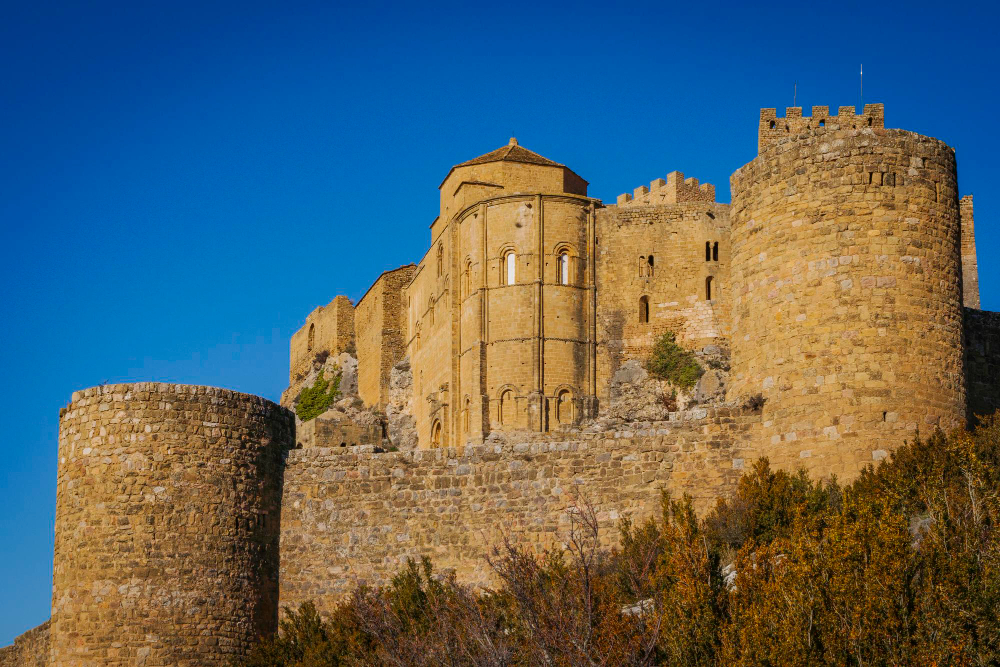
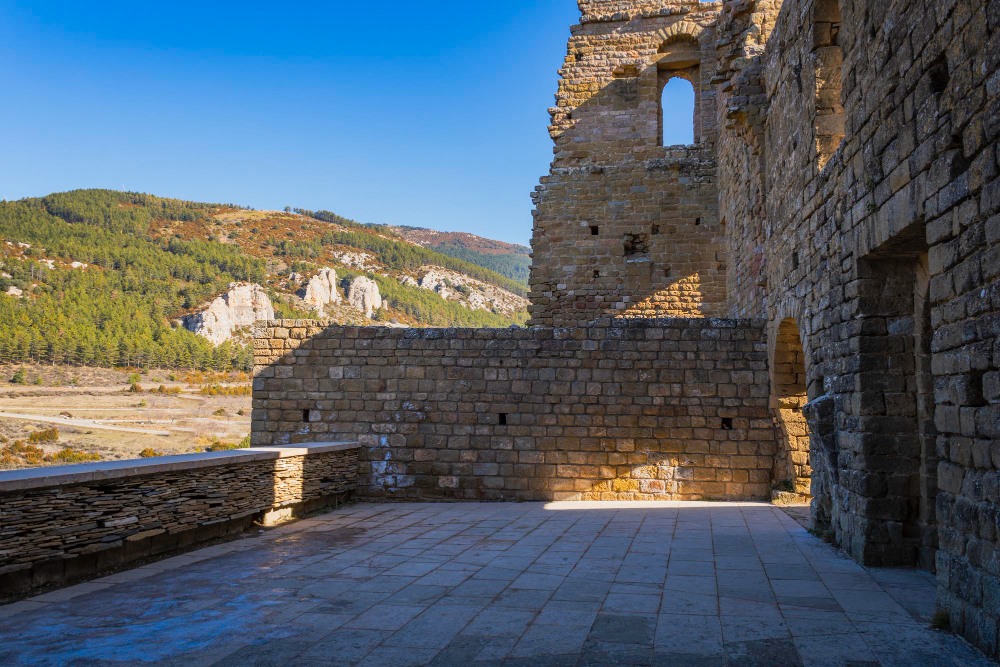
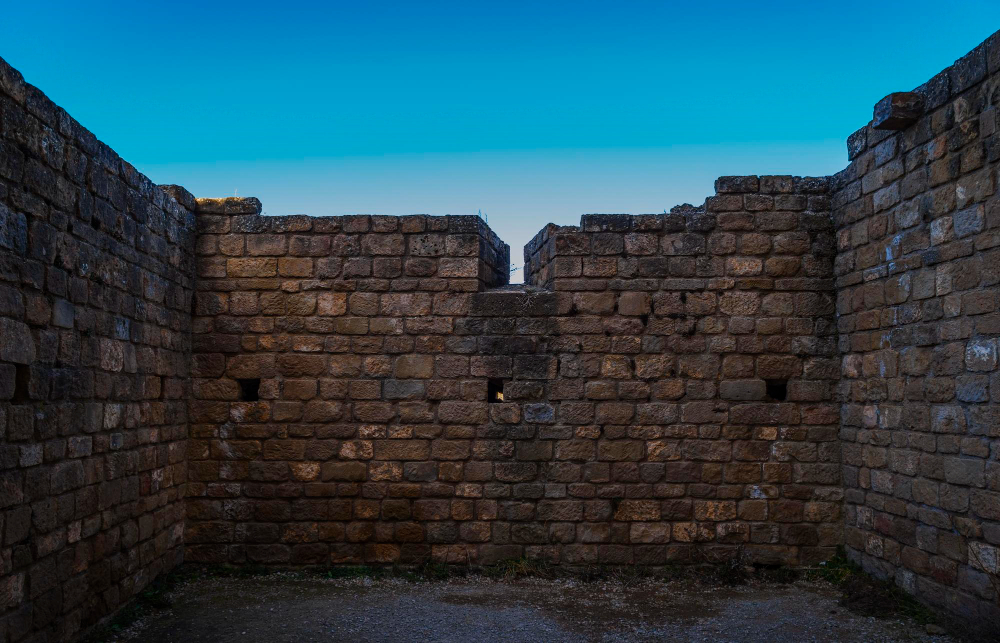
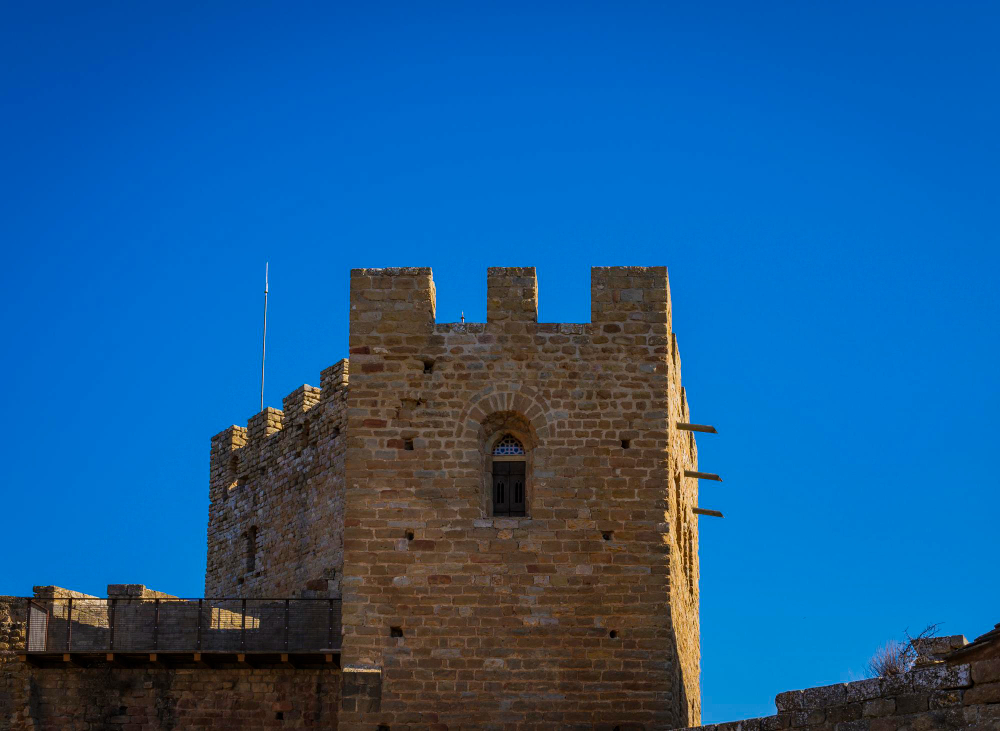
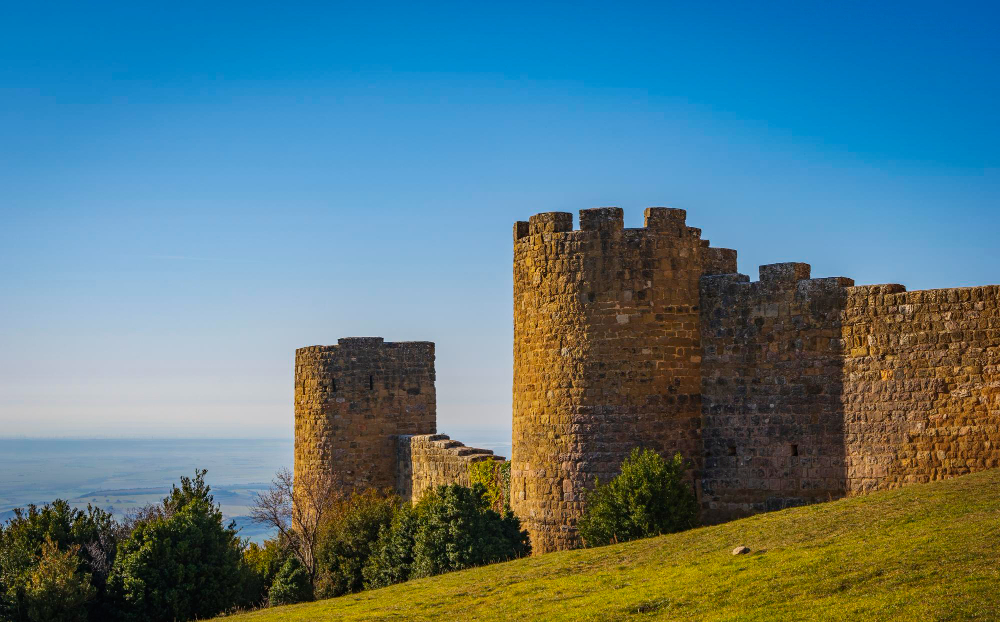
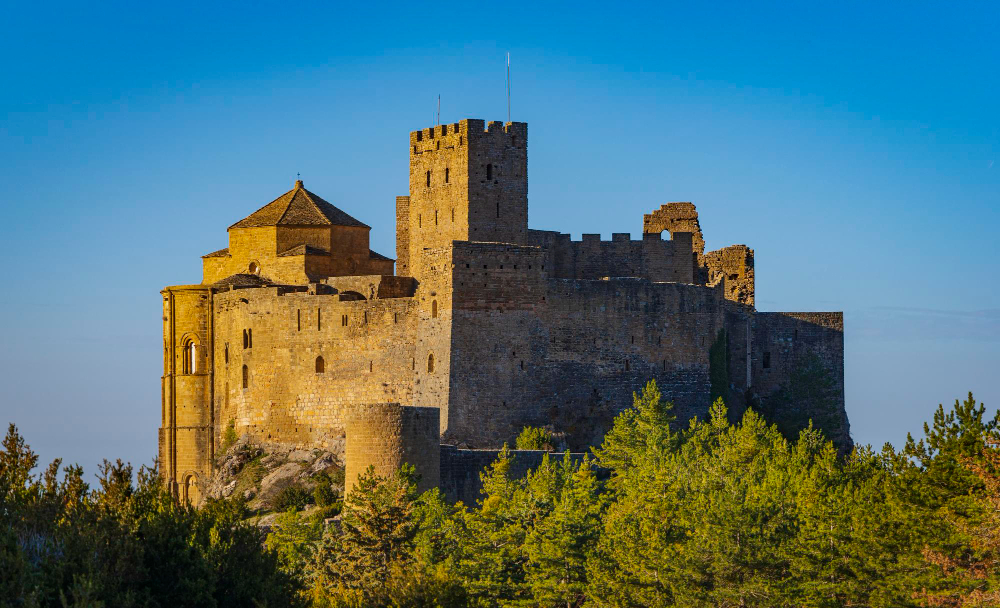
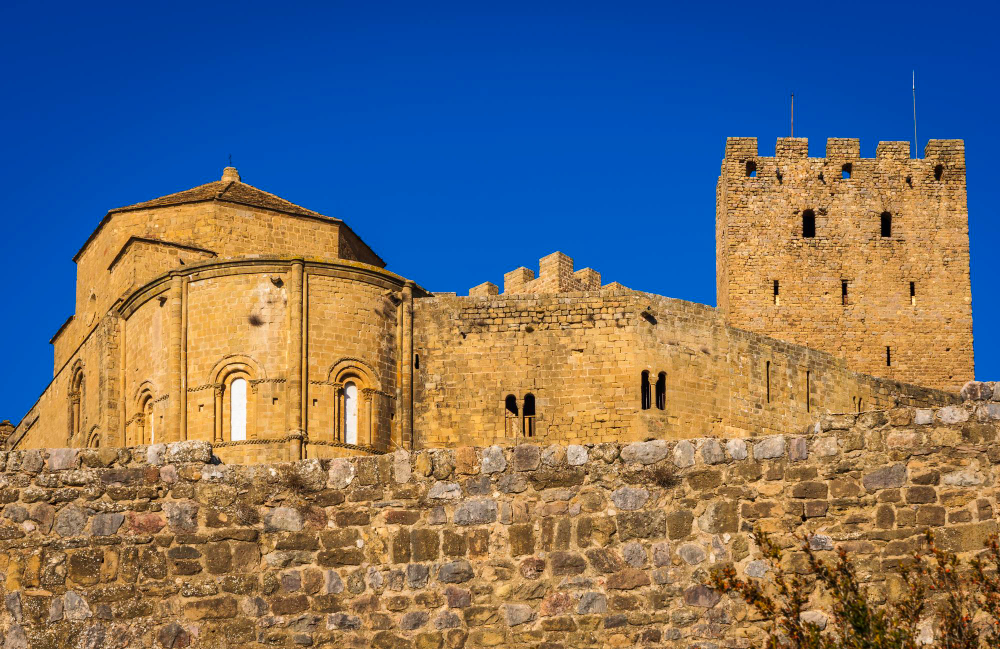
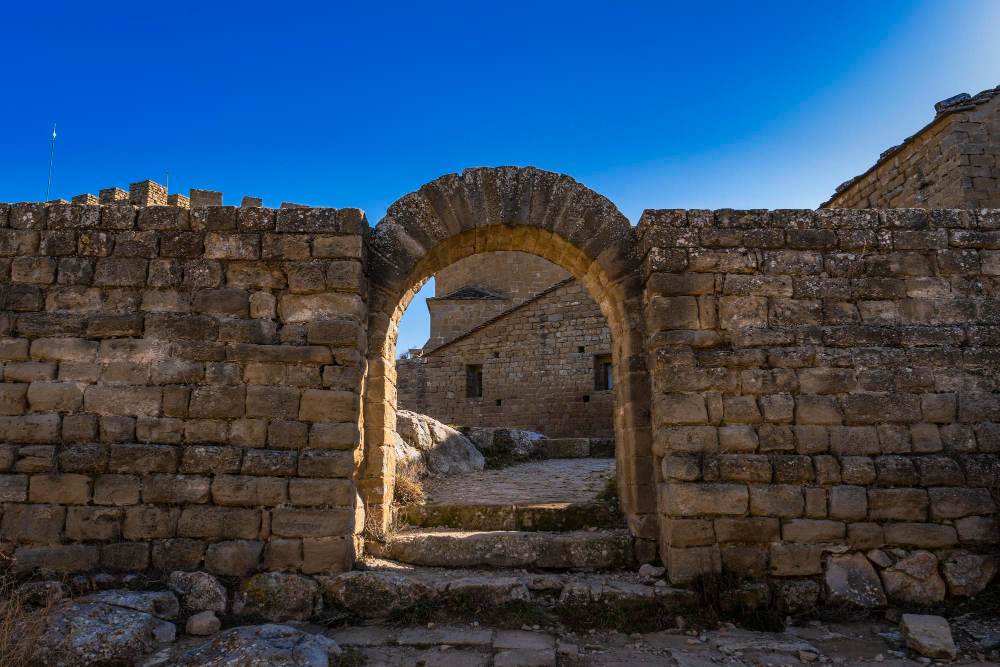
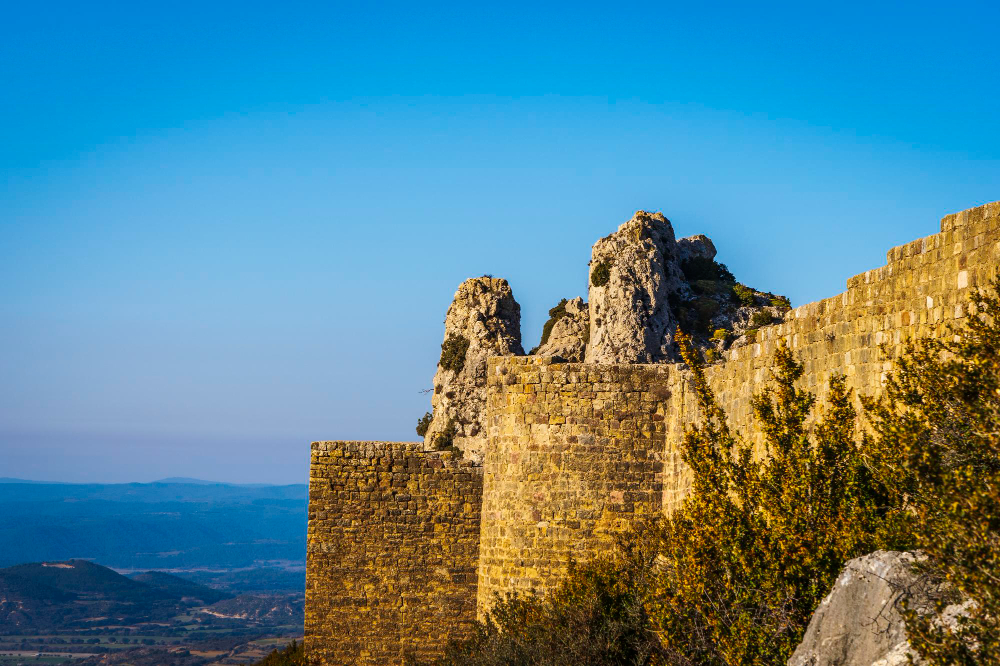
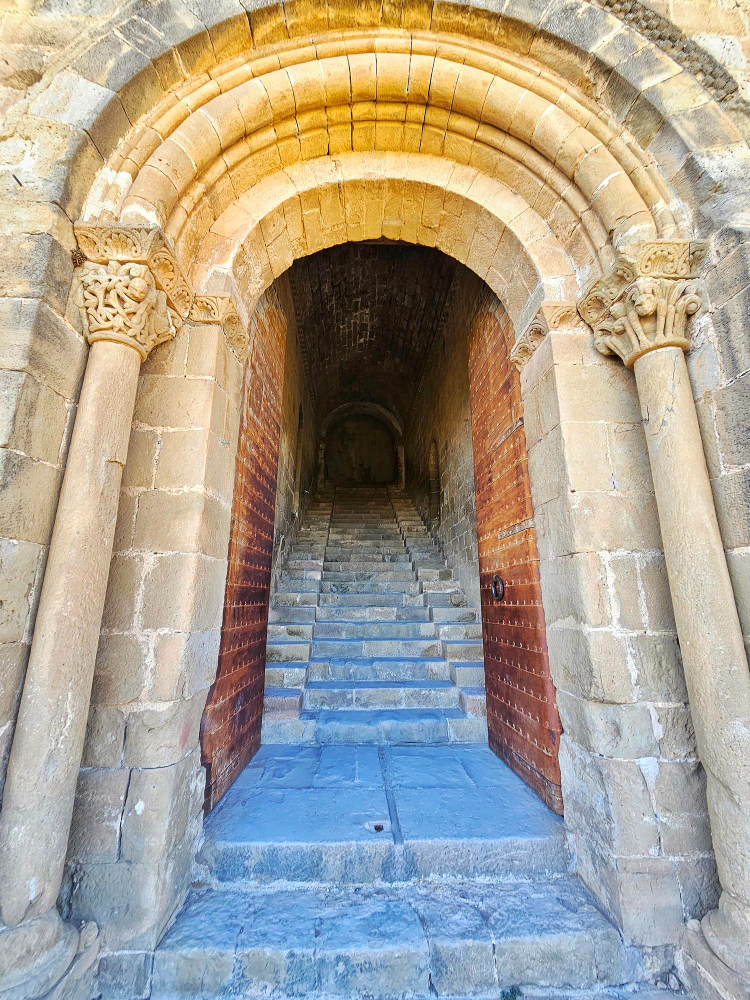
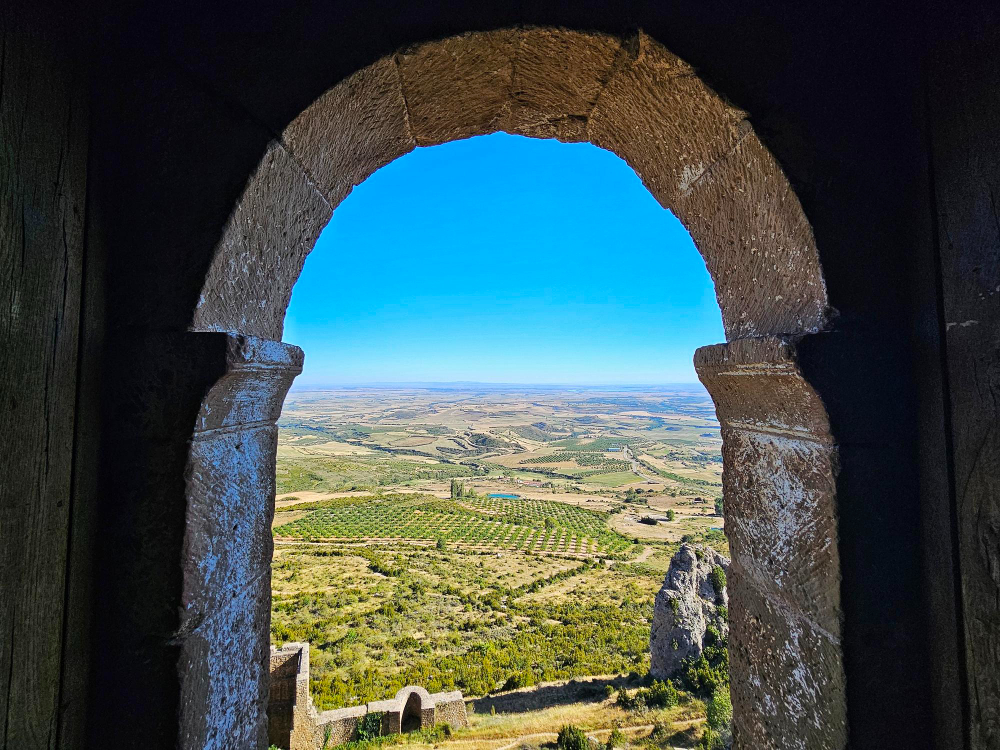
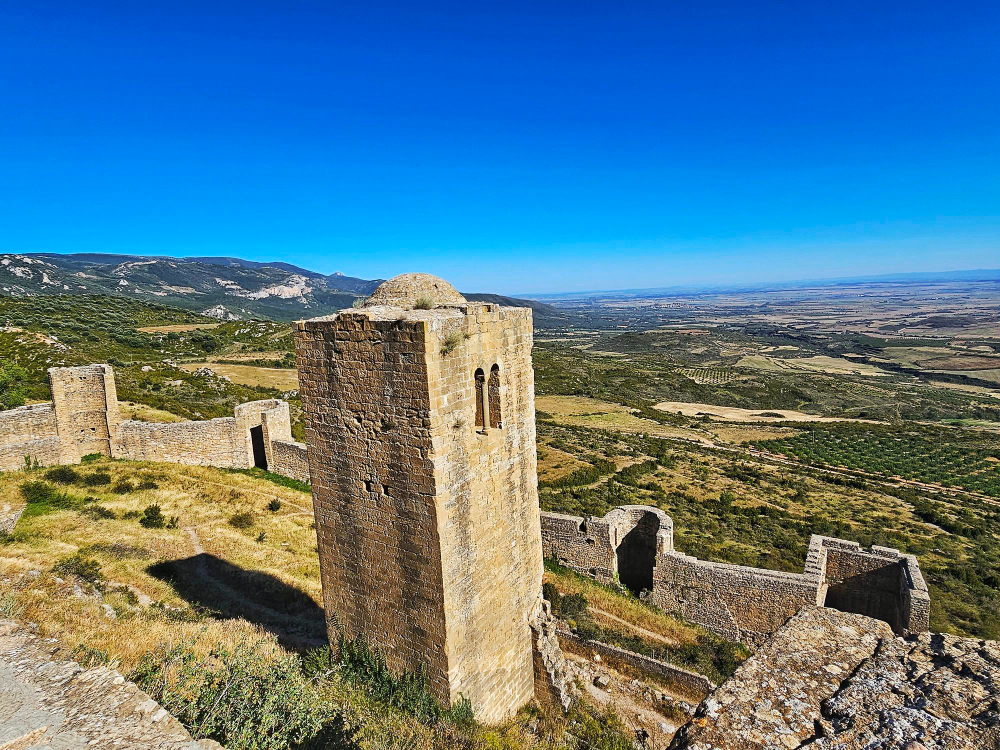
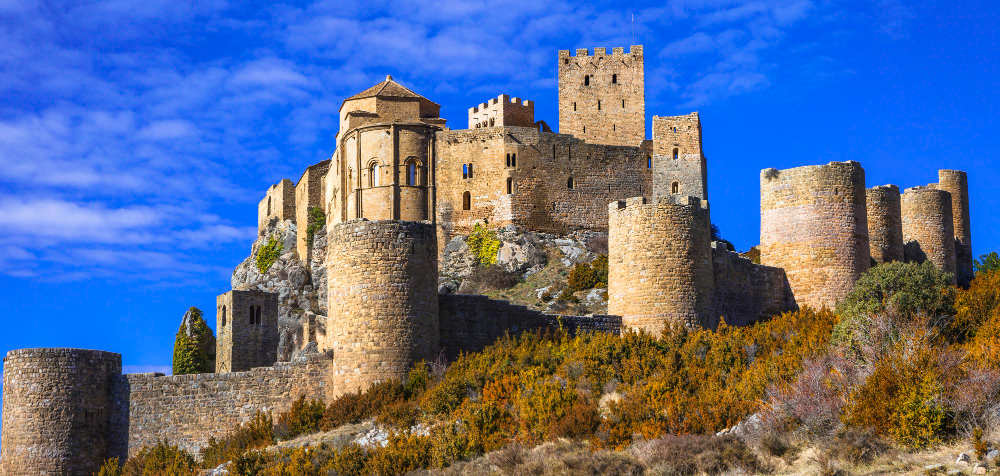
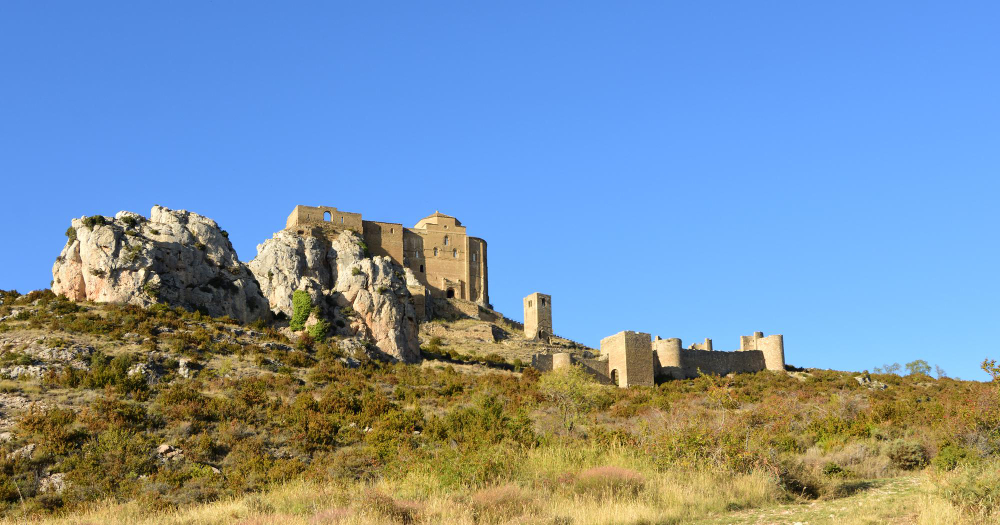
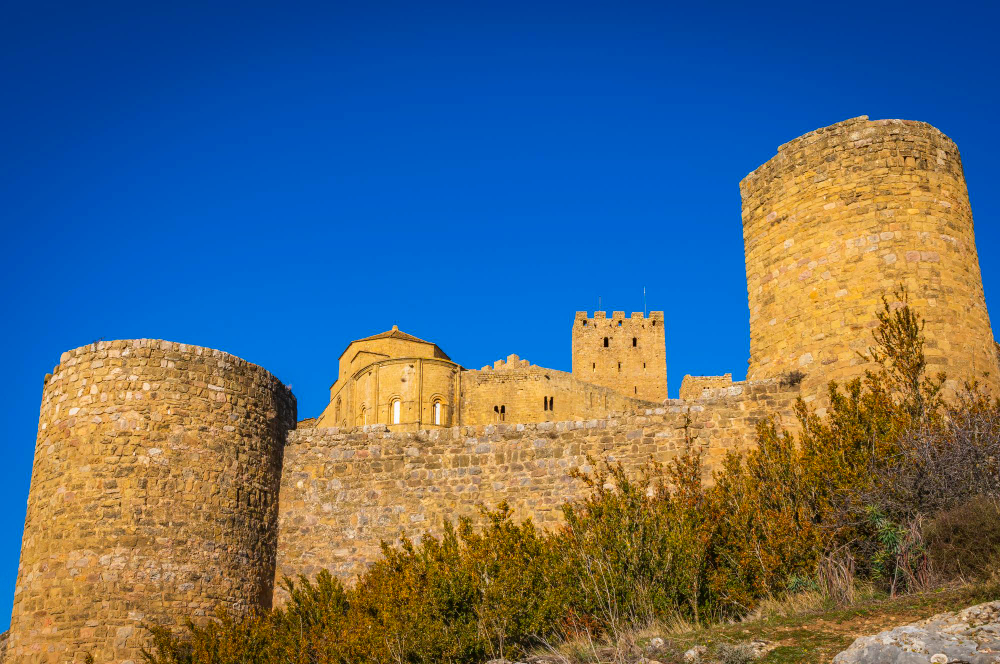
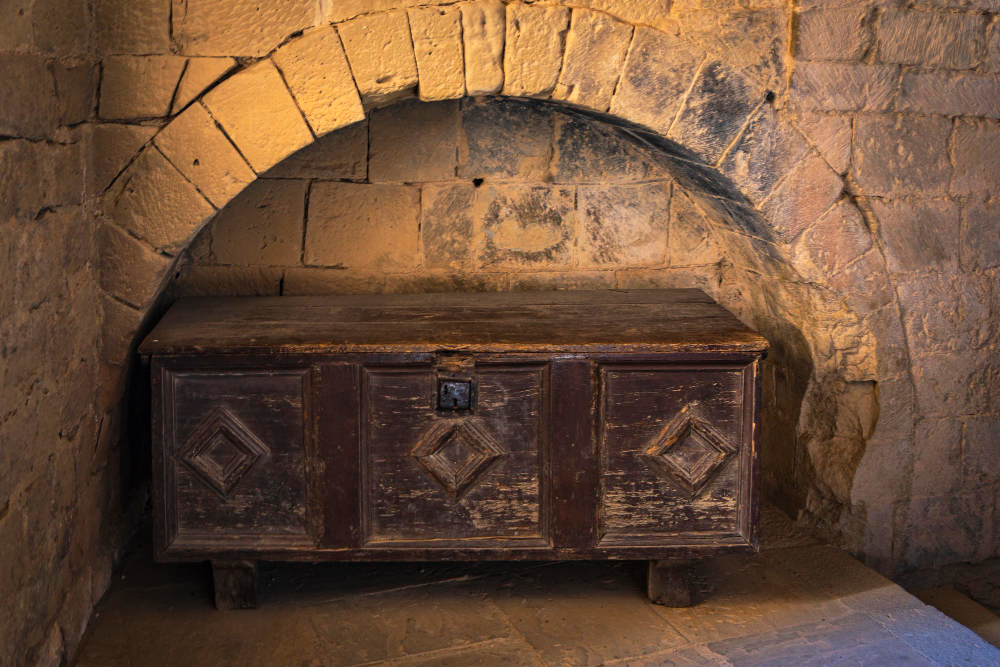
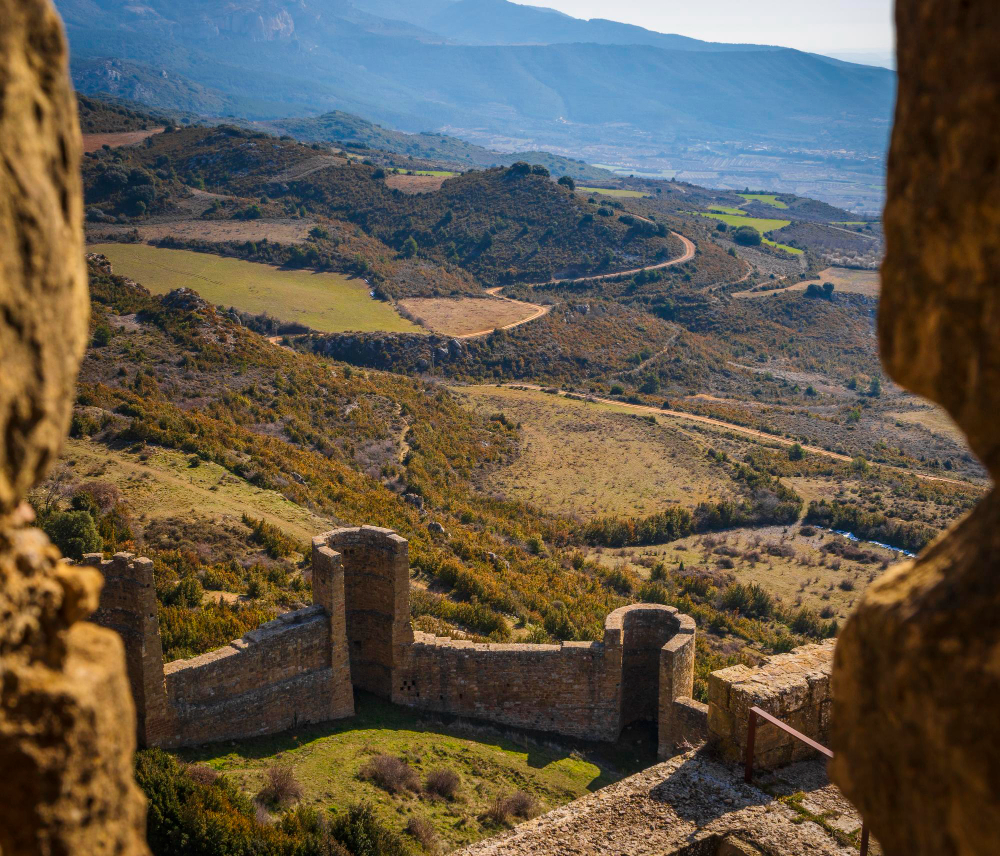
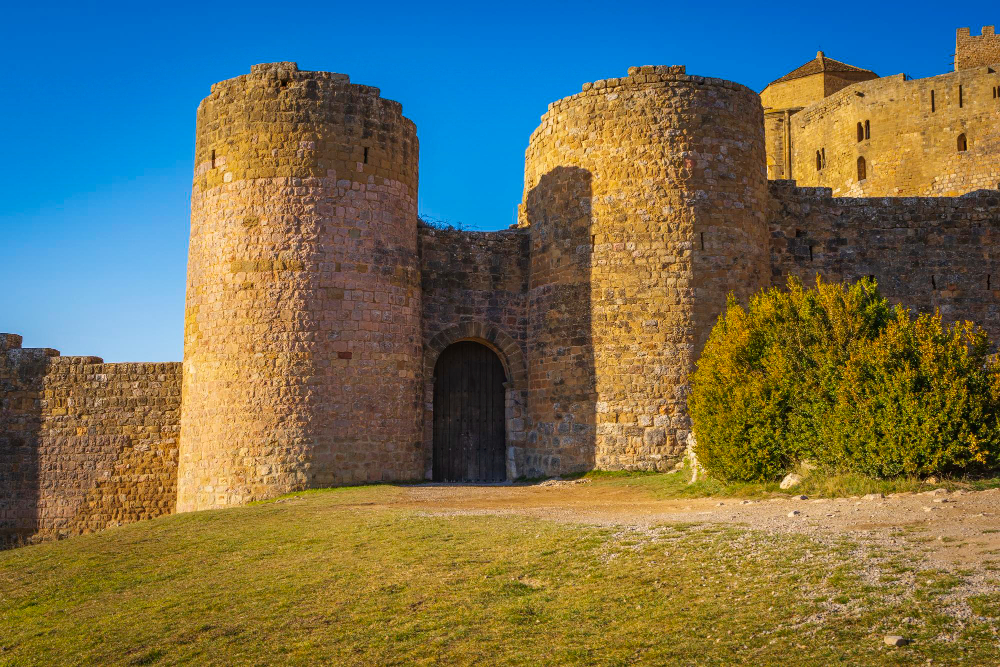
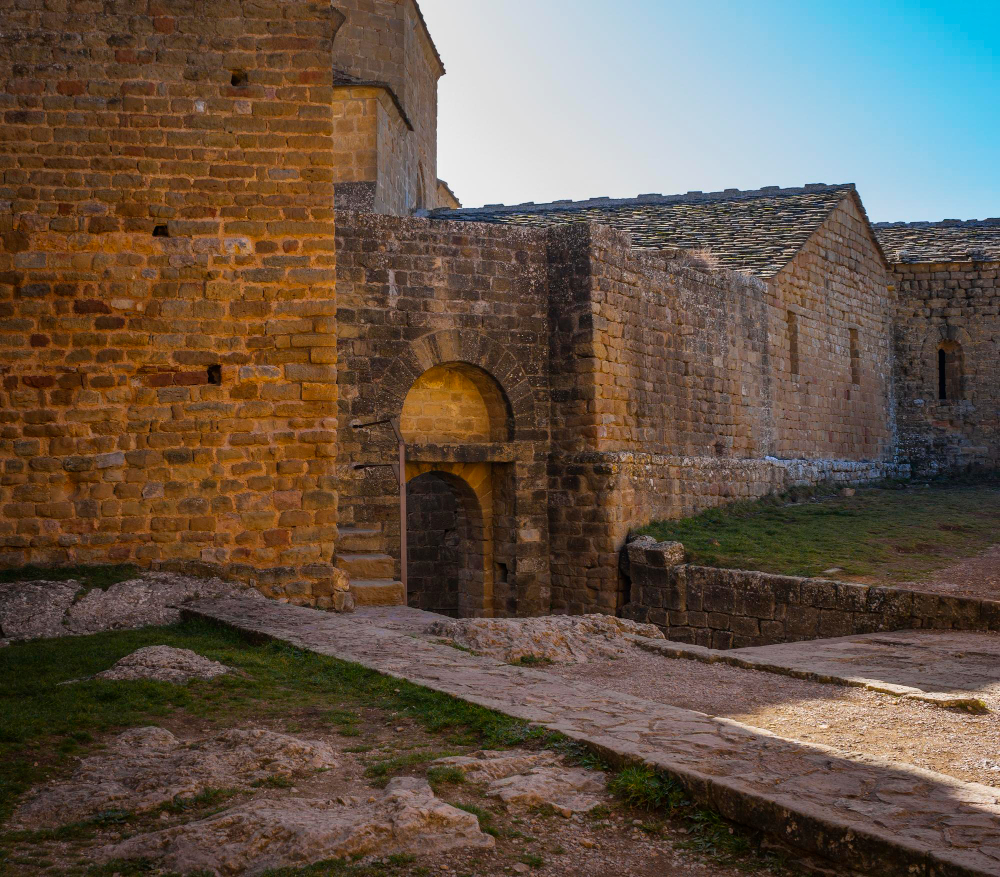
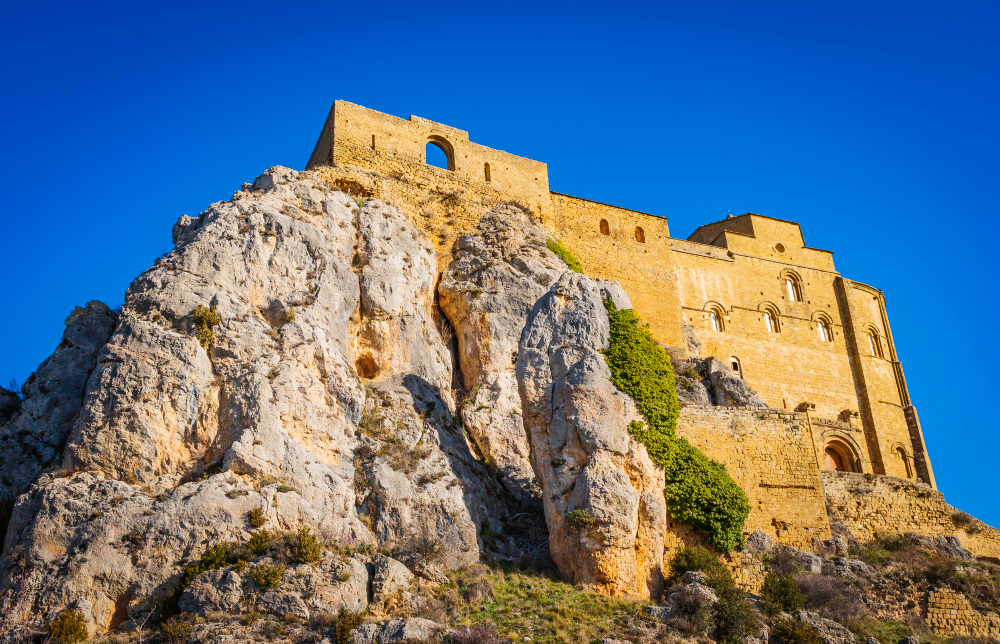
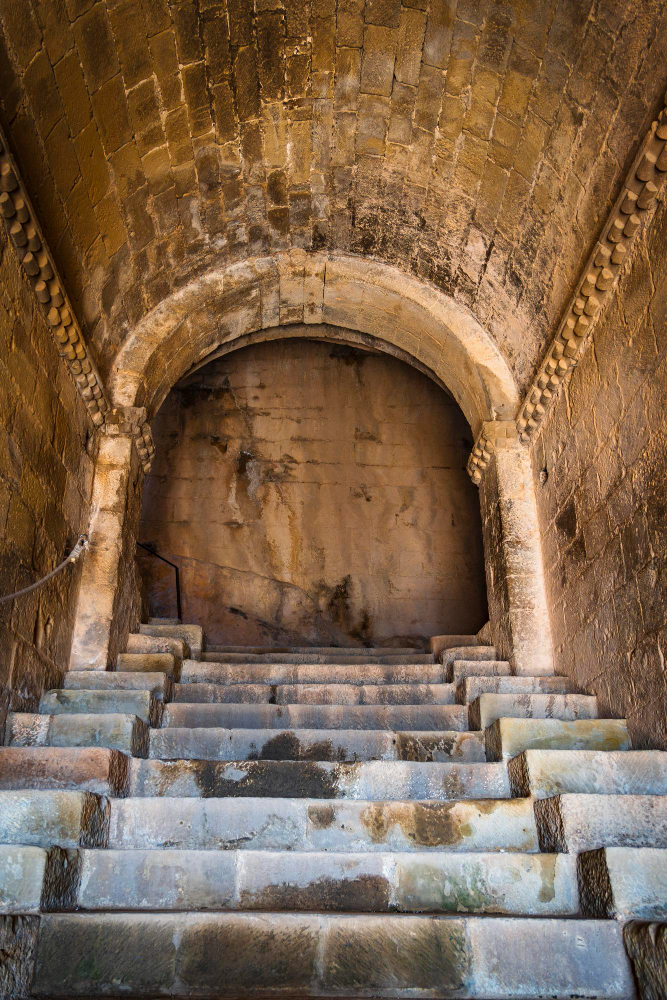
High above the breathtaking landscape of Aragon stands the Castillo de Loarre, a masterpiece of Romanesque architecture and, at the same time, a place of dark secrets and eerie tales. Built in the 11th century, the fortress is often hailed as the best-preserved mountain castle in Europe – yet behind its beauty lies an eerie, dark side. For centuries, a chilling legend has been passed down, one that permeates the very walls of this castle: The story of the Abbess of Loarre, whose restless spirit is said to haunt the dark corridors and dungeons of the fortress.
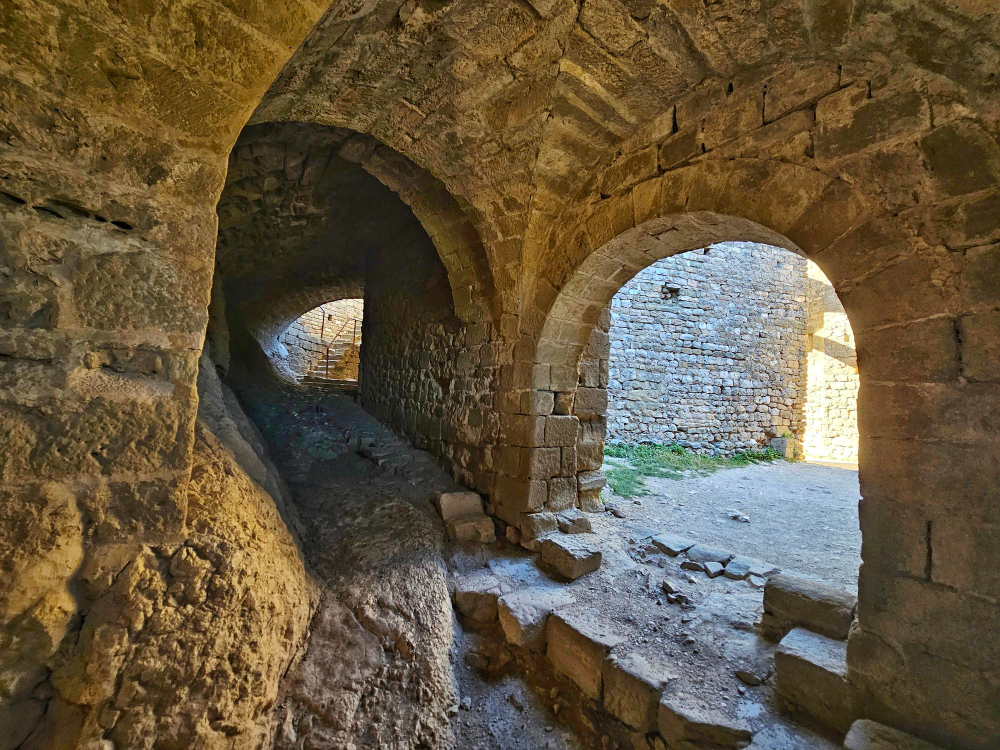
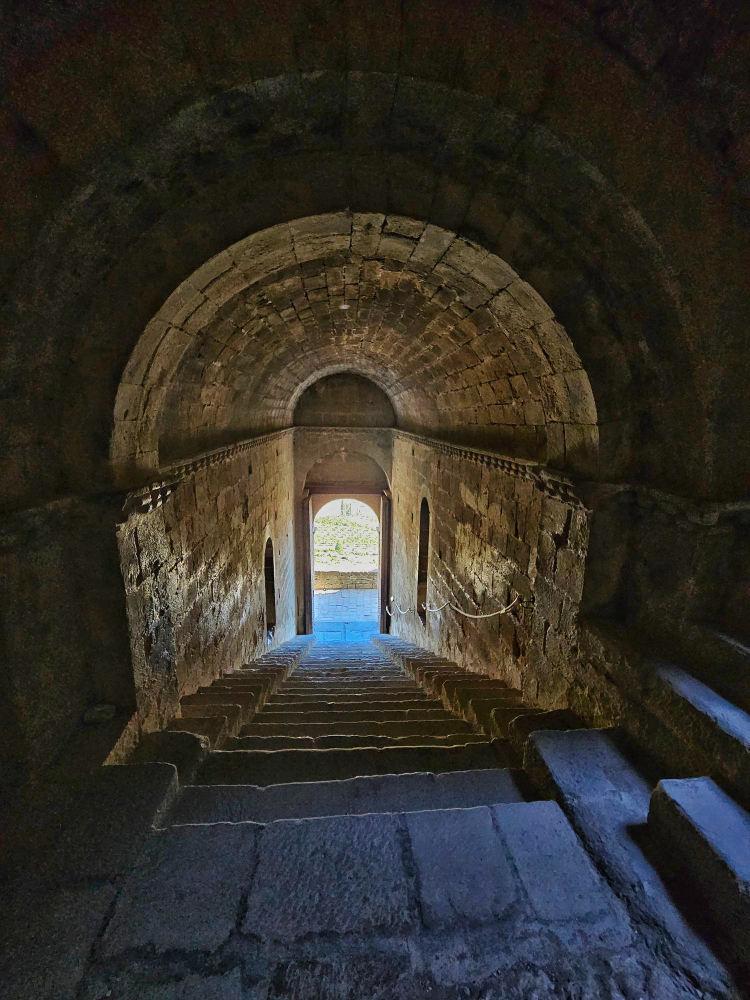
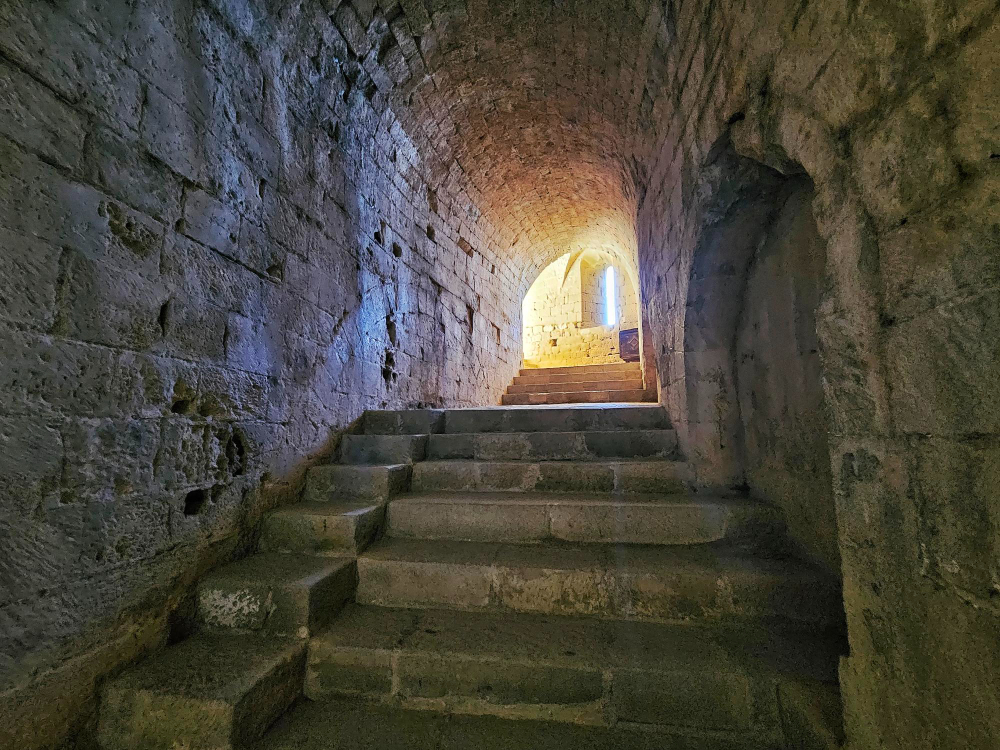
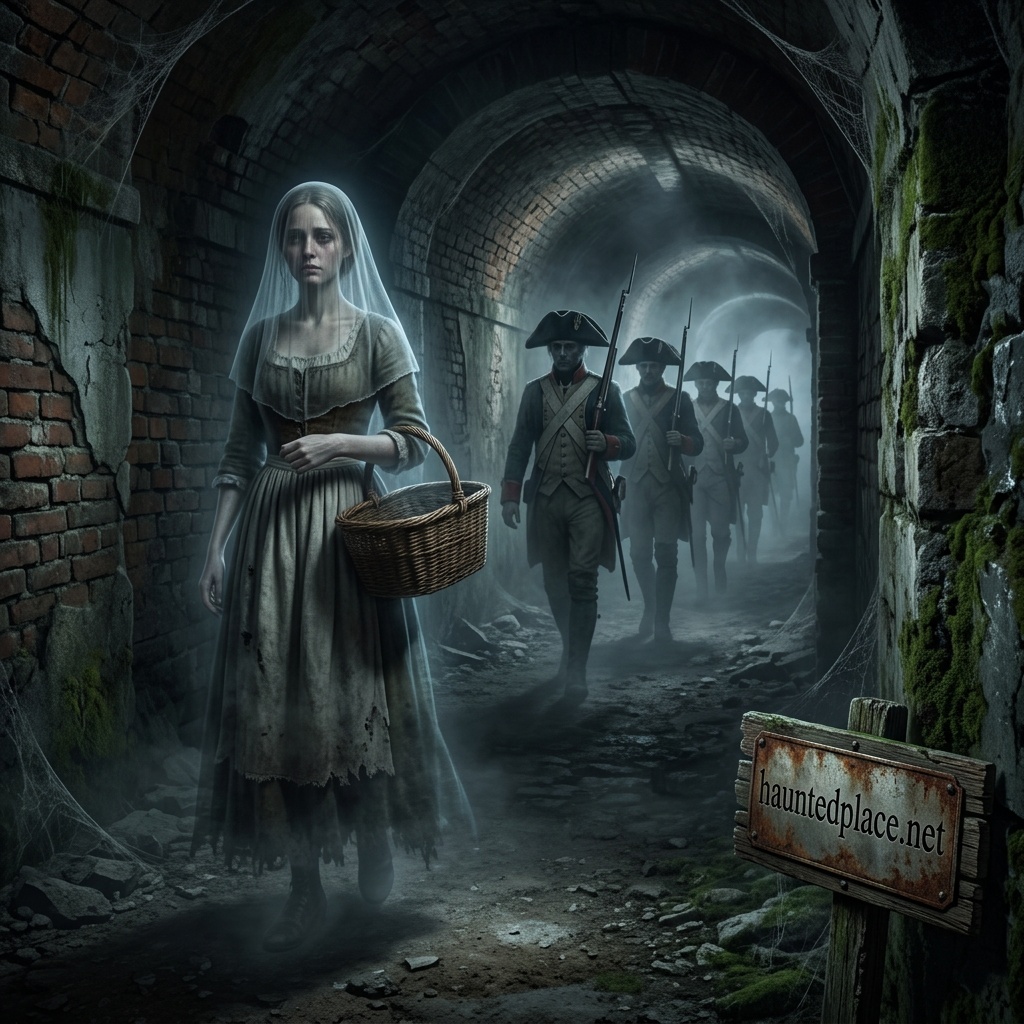
The Story of the Abbess – The legend begins in a time of chaos and violence, amidst a medieval military conflict. According to the tales, the abbess of a nearby convent was captured by enemy troops and dragged into the depths of the castle. Her fate was cruel: she was imprisoned in the dark and damp dungeons, where cold and solitude became her constant companions. The exact reason for her imprisonment remains unclear – some say she was the target of a political intrigue, whilst others believe she was handed over to the enemy on suspicion of treason. All this, however, remains speculation. Only one thing seems certain: the Abbess remained behind the cold stone walls for several weeks or even months before disappearing without a trace. The moment of her disappearance remains a mystery to this day. It is said that her cell was found empty one morning. There was no sign whatsoever that she had managed to escape. The doors were firmly locked, and no sound had alerted the guards. Was it a miraculous escape? A secret murder? Or perhaps something supernatural? No one could explain these events, and so wild rumours and stories began to circulate.
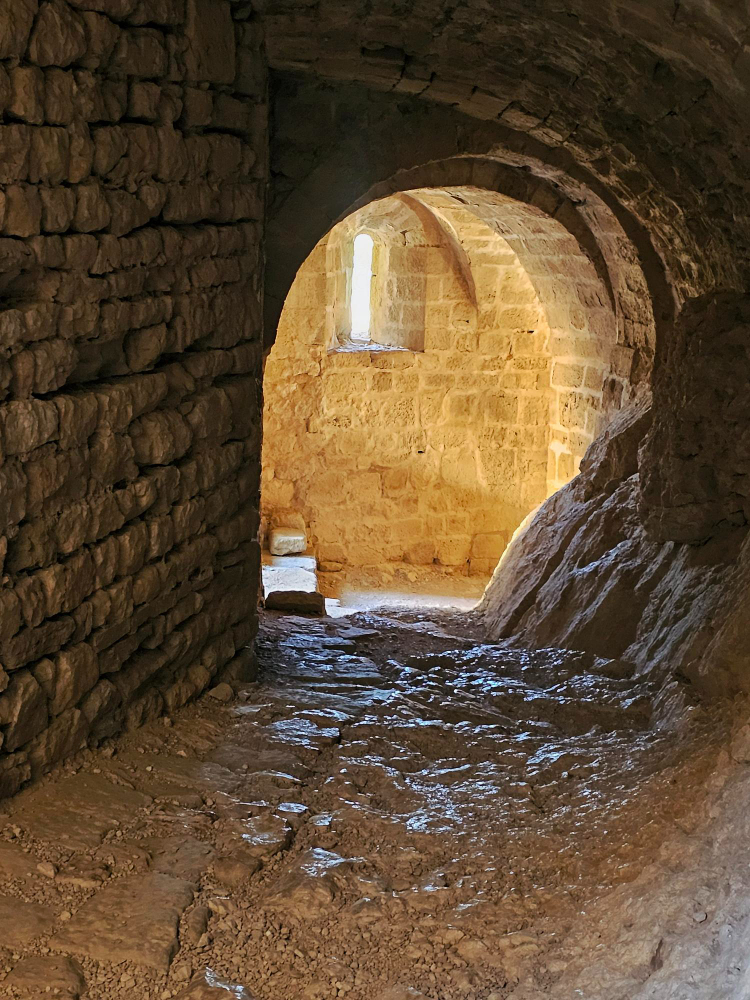
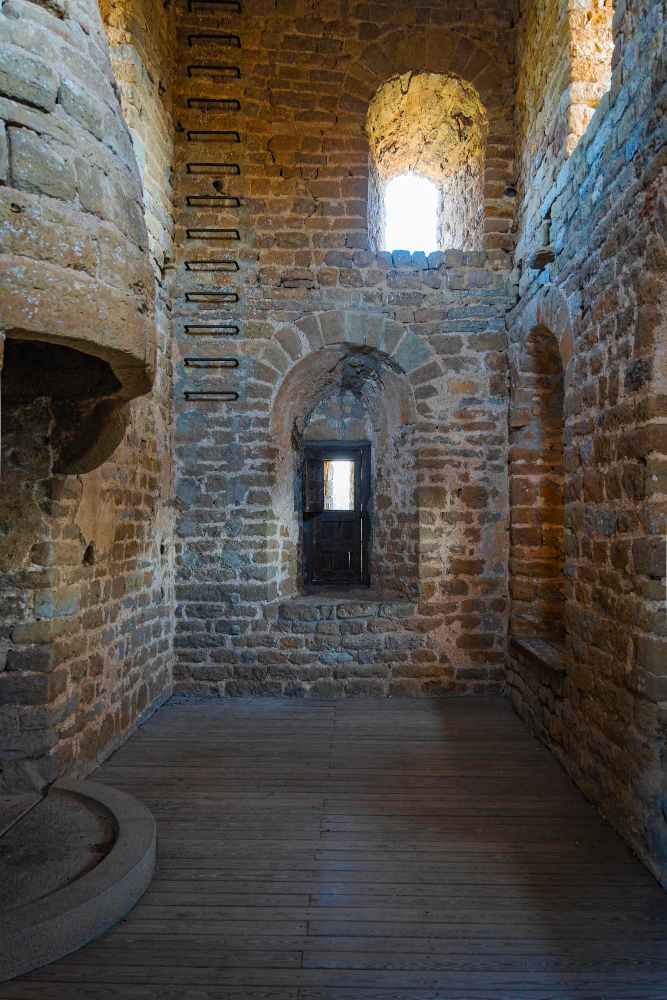
The Haunting Begins – Shortly after her disappearance, a series of eerie incidents occurred, striking fear into the hearts of both the castle’s inhabitants and later visitors. Voices, the source of which no one could identify, echoed through the corridors. Soft footsteps could be heard, even though the rooms were empty. Some even claimed that the portrait of the abbess – wearing a veil and white robes – peered through the barred windows at night, as if searching for her lost freedom. According to legend, her spirit never found peace and has lingered ever since in the dark corners of the Castillo de Loarre. It is said that she is seen particularly often near the dungeons, where she was once held captive. Some report that her appearance brings with it an icy wind and a feeling of paralysing fear. People who dare to roam the castle at night often speak of inexplicable occurrences: flickering candles, shadows that move, and voices that come from nowhere. Some visitors have even claimed that the abbess spoke to them. It is not clear speech, but a whisper, a plea for redemption – or a warning to leave the castle before it is too late. Historians and researchers who have investigated the legend have found no concrete evidence of the abbess’s life or her tragic death. Nevertheless, the stories that have been passed down for centuries continue to capture people’s imagination.
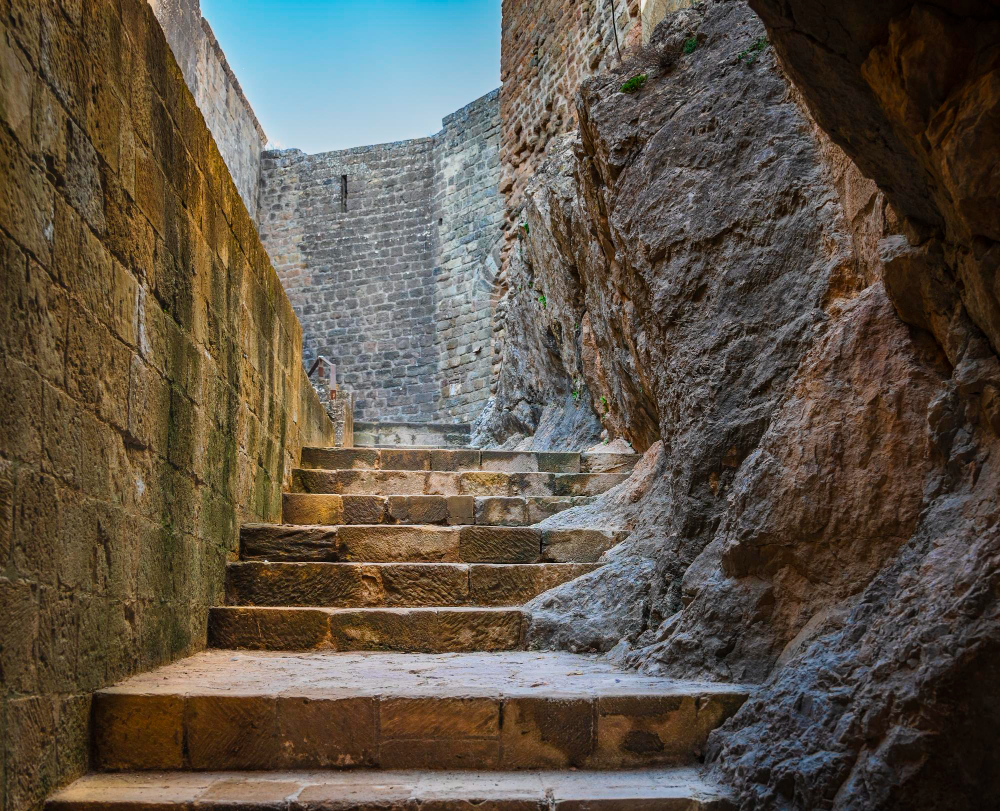
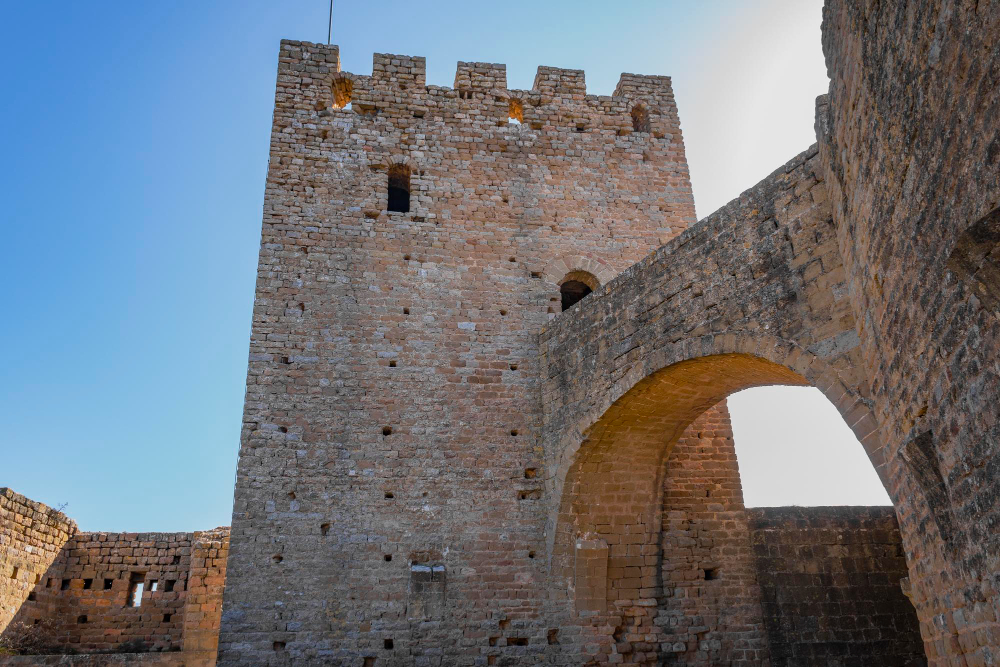
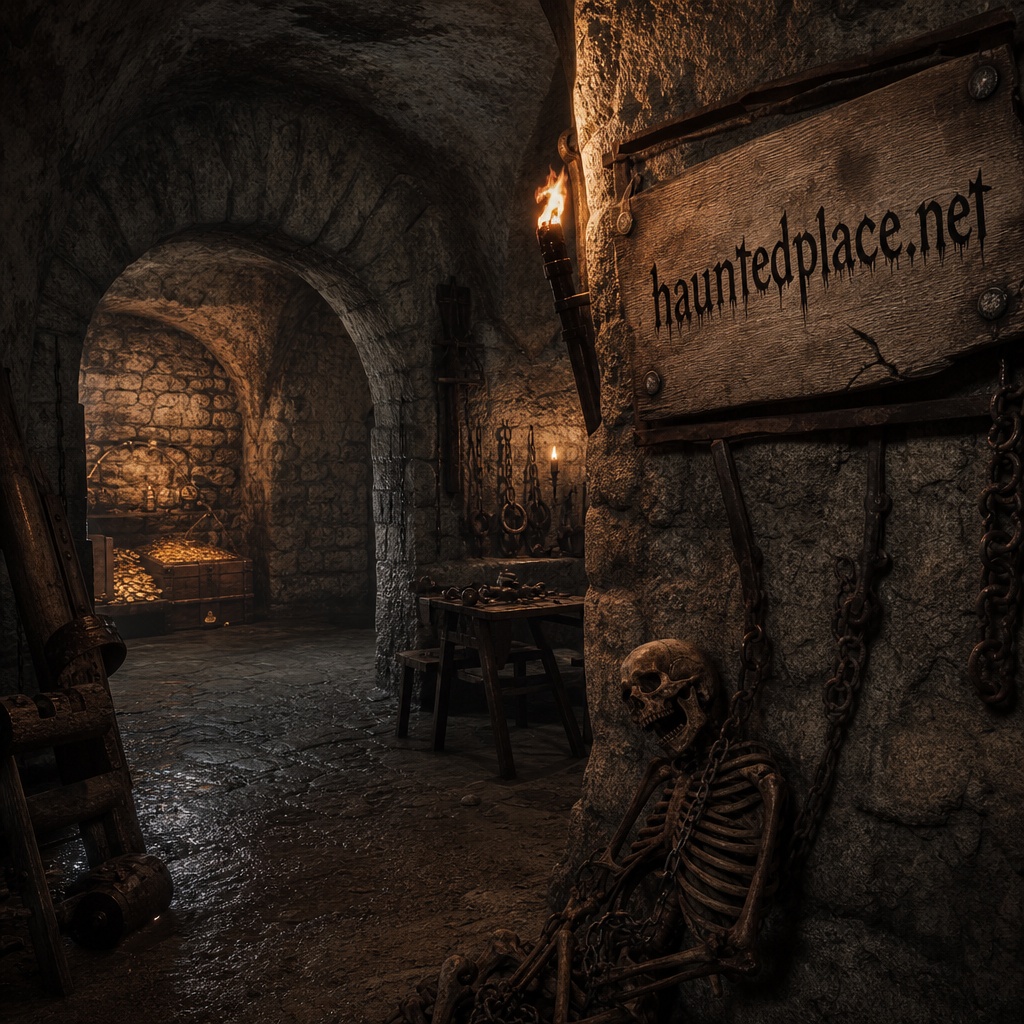
The historical context – Whilst the legend itself belongs to the realm of the supernatural, there are certainly historical facts that could explain its origins. For many centuries, the Castillo de Loarre was the scene of wars and political power struggles. As a strategic fortress, it served both to protect the region and to expand territorial claims. These often brutal conflicts brought suffering and injustice to many people – including religious communities such as monasteries. The castle itself was notorious for its merciless dungeons. Sources suggest that the dungeons at Loarre were often used to imprison opponents or hold political prisoners. The darkness and isolation of the prison cells provided the perfect breeding ground for stories of pain, fear and death. Some historians speculate that the legend of the abbess may well be based on actual events – perhaps linked to an unfortunate nun or someone who was wrongfully imprisoned. Others view the story more in the context of folklore, which frequently associates historical sites with supernatural phenomena to emphasise their symbolic and cultural significance.
Its influence today – To this day, the Castillo de Loarre remains a popular destination for tourists and history enthusiasts. Many visitors are drawn to the castle’s sombre atmosphere and its mysterious past. The legend of the Abbess of Loarre is an integral part of the fascination surrounding this fortress. Guided tours of the castle often include stories about the ghost and its alleged apparitions, which arouse both curiosity and unease among visitors. The legend also inspires numerous artists, authors and filmmakers. Horror novels, short stories and even documentaries draw on the eerie story of the Abbess, often enriched with creative elements. References to the Castillo de Loarre and its haunting appear time and again in Spanish popular culture, further spreading the legacy of the legend. A particularly fascinating aspect is the way in which the local population deals with the story. Whilst some dismiss it as mere folklore, others firmly believe in the ghost’s existence. Local myths and customs that have grown out of the legend of the Abbess keep the memory alive. Stories about the Abbess are often told on cold winter evenings, when the wind whistles through the mountains of Aragon and the howling in the darkness fires the imagination.
Thrills, Faith and Mysteries – What makes the legend of the Abbess of Loarre so captivating? Perhaps it is the unique combination of historical context, mysterious events and universal themes such as injustice and revenge. It reminds us how easily the supernatural can capture our imagination, especially in places already steeped in a sombre atmosphere. Whether you believe in ghosts or not, the story of the Abbess of Loarre is a striking example of the power of legends and their ability to fascinate people across generations. It serves as a reminder to respect the mysteries of the past, whilst also inviting us to explore the boundaries between reality and myth. The Castillo de Loarre may be a place steeped in history today, yet its gloomy corridors and cool walls tell of more than just wars and architectural styles. They whisper of loneliness, pain and, perhaps, a soul that has never found rest. Who dares to venture deep into the shadows of the Castillo de Loarre? The Abbess might be waiting there for the brave – or for those who are too curious to resist the call of the uncanny.