 Isabella Mueller Baroness of Stainton le Vale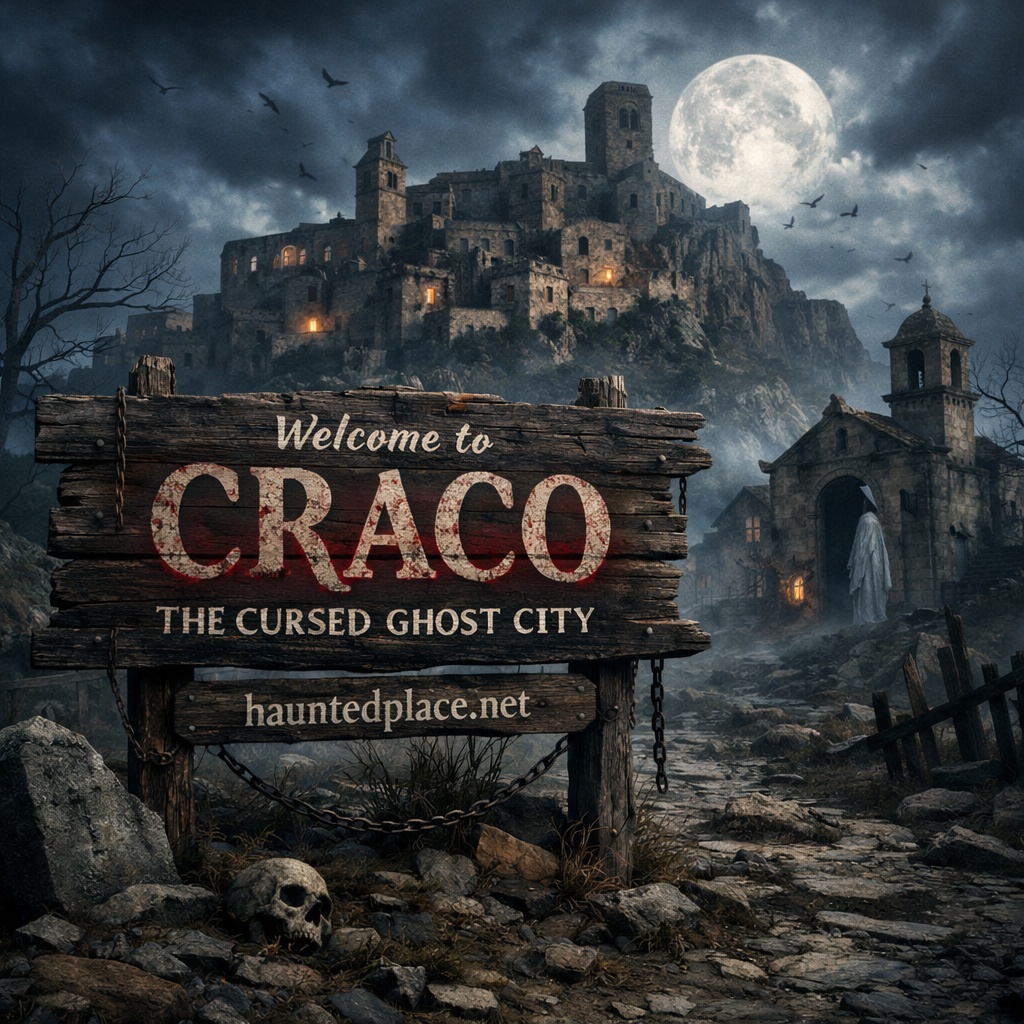
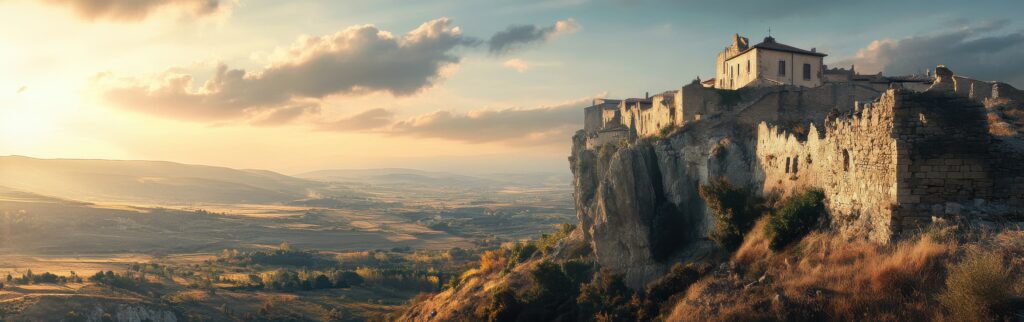
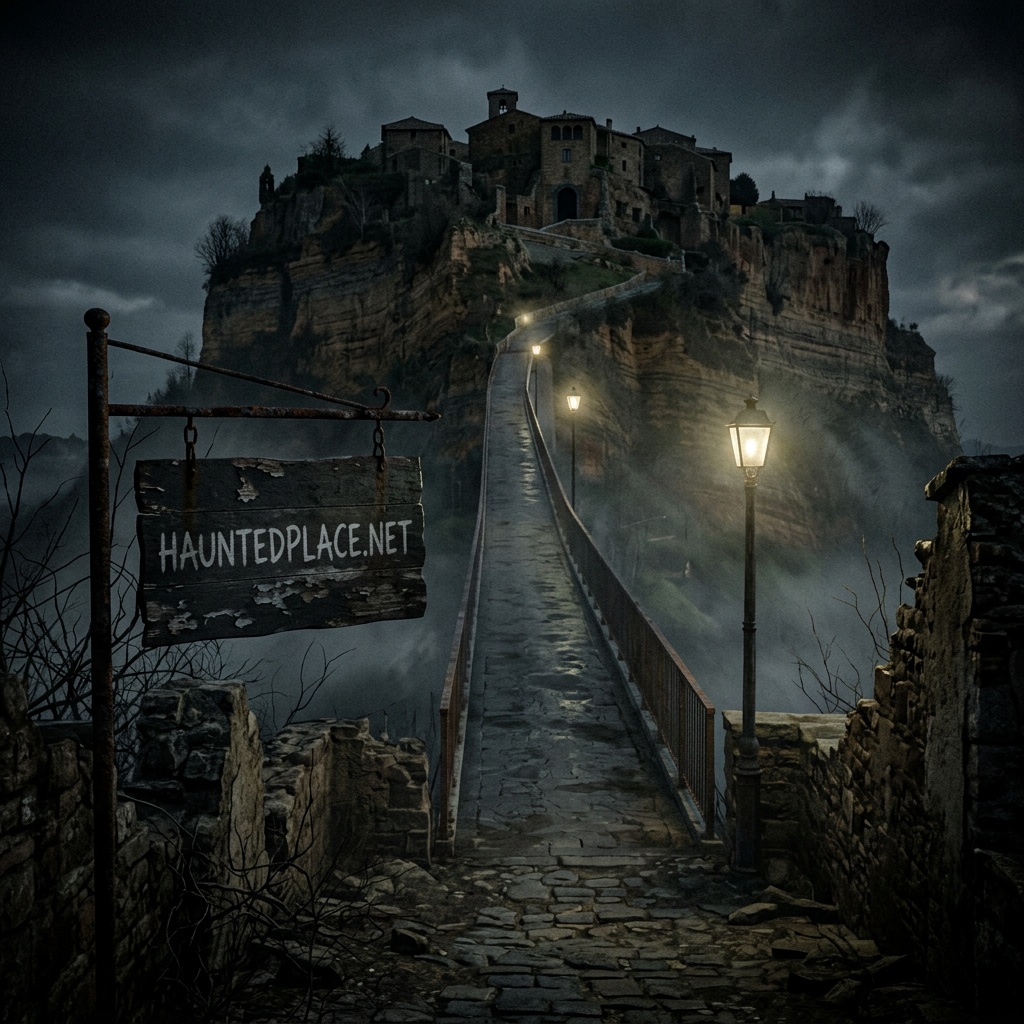
In the remote hills of southern Italy, hidden from prying eyes and shrouded in a gloomy aura, lies Craco, the abandoned and infamous ghost town. What was once a thriving community is now an eerie place that attracts only the bravest. The history of Craco is full of tragedy and mystery, providing the perfect backdrop for spooky stories about the supernatural. Welcome to Craco, the town of the curse.
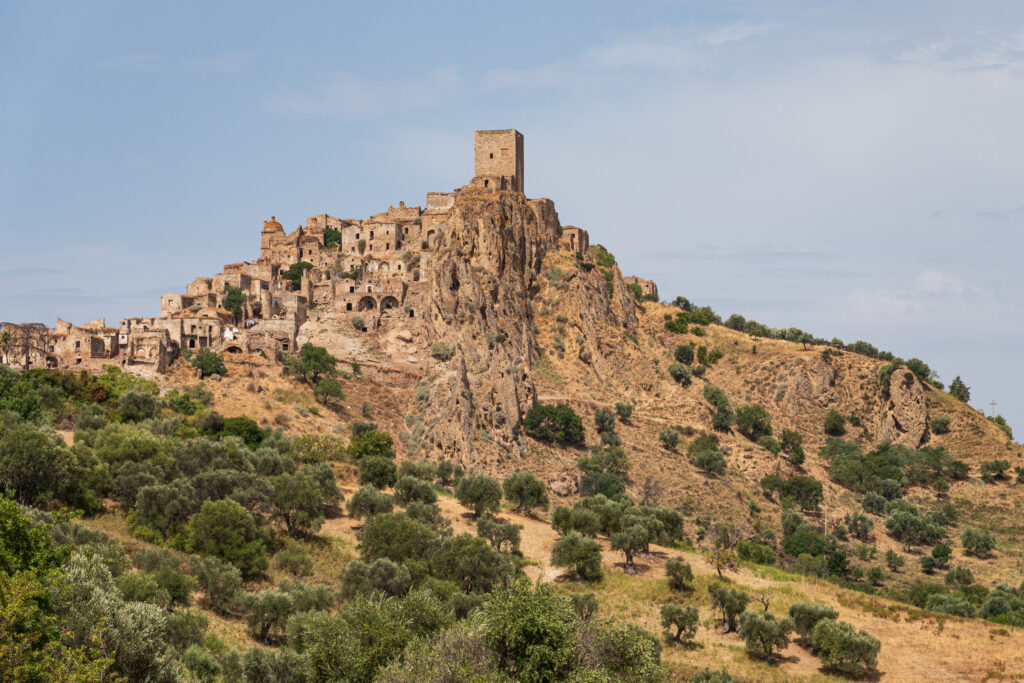
Craco was founded in the 8th century and grew thanks to its strategic location on a high hill with sweeping panoramic views of the surrounding countryside. The first settlers saw this natural protection as an advantage, but what they thought was a blessing soon turned out to be a curse. It quickly became apparent that the town had been built on unstable ground. Time and again, the earth shook beneath the feet of the inhabitants, but Craco bravely defied the forces of nature.
The village experienced its heyday in the Middle Ages. The inhabitants lived in simple but solid stone houses, and agriculture flourished. But even this idyll was repeatedly shaken by disasters. In 1656, Craco was struck by the plague, which wiped out a large part of the population. This tragedy left deep wounds in the collective soul of the village, and many believed that Craco was haunted by dark forces.
However, the worst ordeal was yet to come. In the 1960s, heavy rainfall and the seismic instability of the region caused severe landslides that washed away entire houses. The ground beneath the town continued to collapse, and it seemed as if Craco would fall into the abyss at any moment. Desperate and with no hope of a safe life, the last residents finally left Craco in 1963. What remained was a town haunted by the shadows of its past.
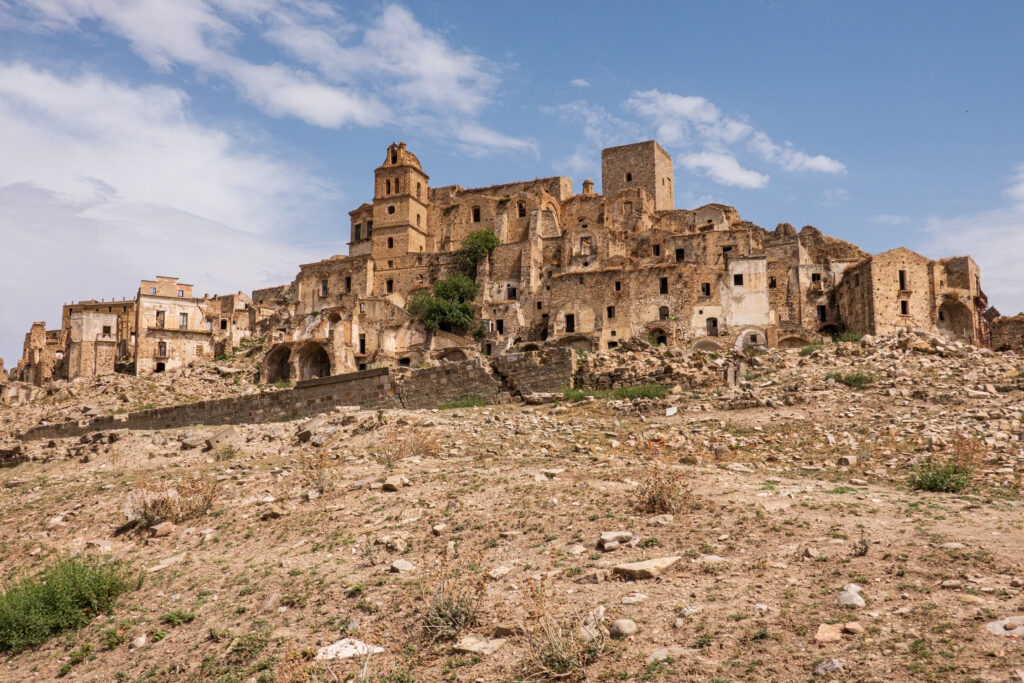
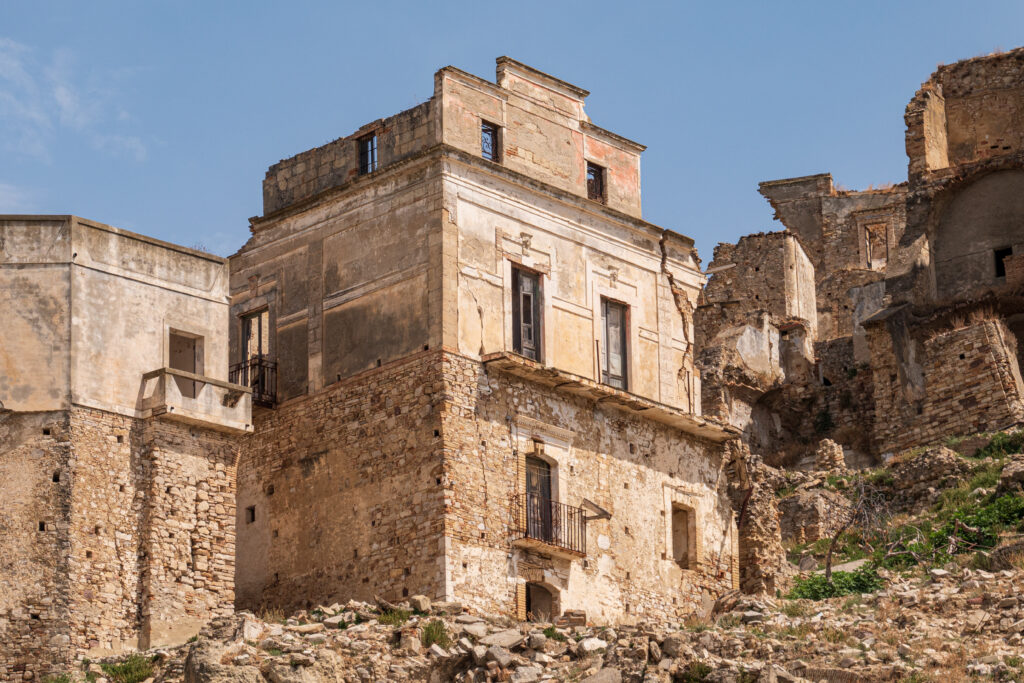
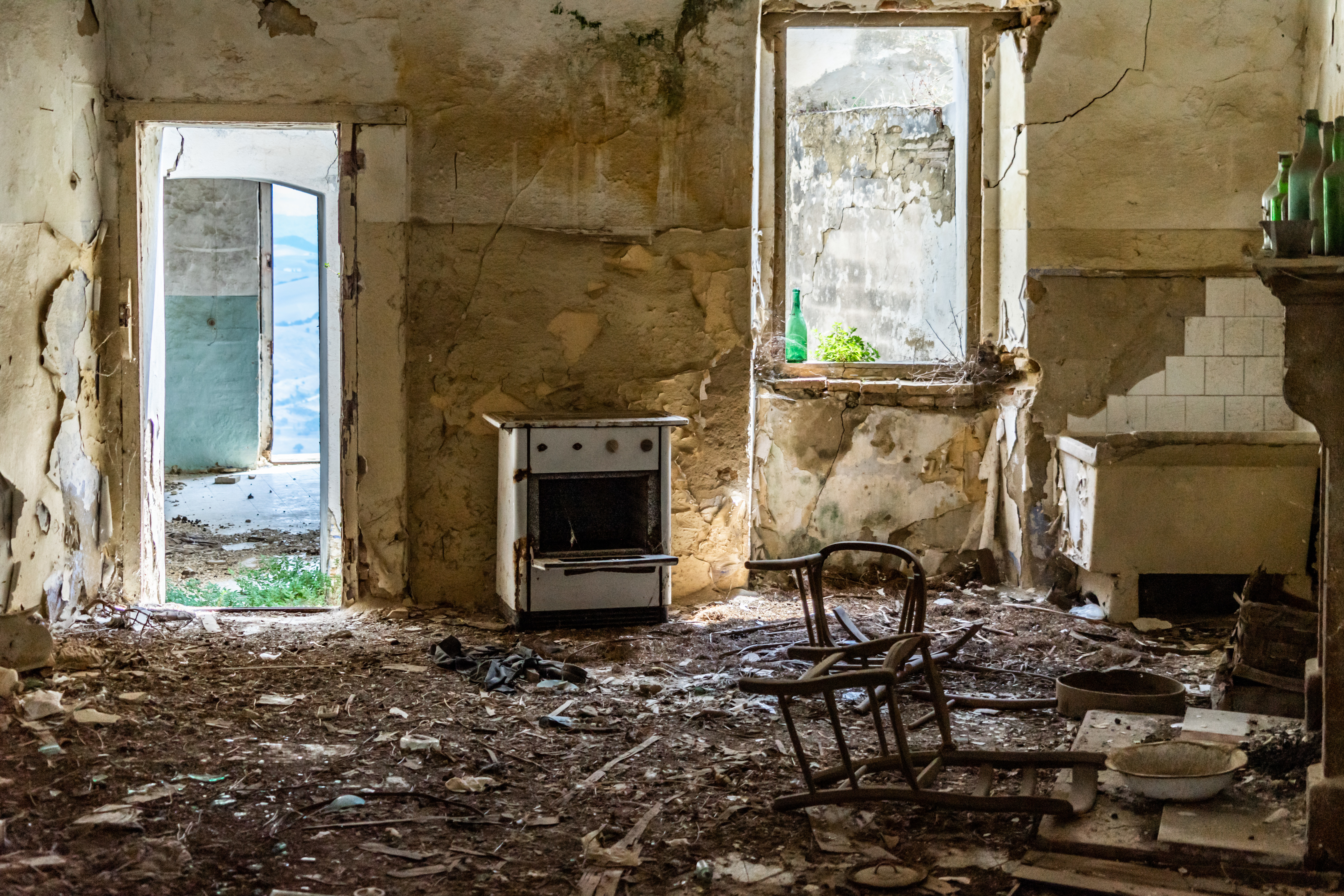
Today, Craco stands abandoned, a monument of stone and silence. The empty streets, crumbling buildings, and overgrown squares tell of a time long past. But the silence is deceptive. Visitors often report inexplicable phenomena: sudden drops in temperature, whispering voices in the wind, and shadows that move as if by themselves. Many are convinced that the spirits of the former inhabitants still wander through the ruins, unable to find peace.
A particularly well-known phenomenon is the apparition of a woman in a white dress who wanders the streets at nightfall. According to legend, she is the restless soul of a young bride who died in a landslide. Her desperate cries for her groom can still be heard on quiet nights, sending shivers down the spines of the few brave visitors who stay after dark.
Archaeologists and historians who want to explore Craco are often perplexed by the multitude of inexplicable incidents. Tools that disappear overnight, strange noises coming from the deepest shadows of the old walls, and cold hands suddenly and unexpectedly touching your shoulders even though you are all alone – these are just some of the experiences they have time and again.
One theory suggests that Craco was built on an ancient pagan cult site. Historical records indicate that long before the first stone buildings were erected here, ritual acts took place that may have awakened the dark forces of the place. This theory is supported by the discovery of ancient artifacts and symbols that suggest a connection to pre-Christian beliefs.
Another element that contributes to the eerie atmosphere are the stories of hidden catacombs and secret passages beneath the town. Sometimes you hear about brave souls who have set out in search of these mysterious places, only to never be seen again. Whether these are true stories or mere horror tales remains open to question, but one thing is certain: Craco holds more secrets than meets the eye.
What sets Craco apart from other ghost towns, however, is its eerie beauty. The majestic towers rising against the sky, the crumbling walls entwined with vines, and the narrow alleys leading into the unknown create an atmosphere that is both enchanting and menacing. It is as if the town is trapped in a time capsule, a monument to inexorable decay and transience.
Craco offers filmmakers and photographers a unique backdrop, and numerous films have already been shot here. Films such as “The Passion of the Christ” and “Quantum of Solace” used the surreal landscape to bring their dark stories to life. Nevertheless, visitors to Craco should be warned: the fascination of the unknown can quickly turn to fear if you surrender to the mysterious forces of the place.
Craco is now a protected historical site and a destination for numerous tourist groups and researchers who want to get to the bottom of the mystery of this cursed city. Whether you believe in ghosts or not, a stay in Craco leaves a lasting impression on every visitor. Perhaps it is the silence that speaks louder than a thousand words, or the dark history hidden in every crack of the old walls – one thing is certain: a visit to Craco is a journey into the dark corners of the human imagination.
Thus, Craco, Italy’s ghost town, remains a place full of secrets and horrors. A silent testimony to times past, reminding us that not all secrets have been revealed and not all stories have been told. So, the next time you visit southern Italy, follow in the footsteps of the past and enter the dark world of Craco—if you dare.