 Isabella Mueller Baroness of Stainton le Vale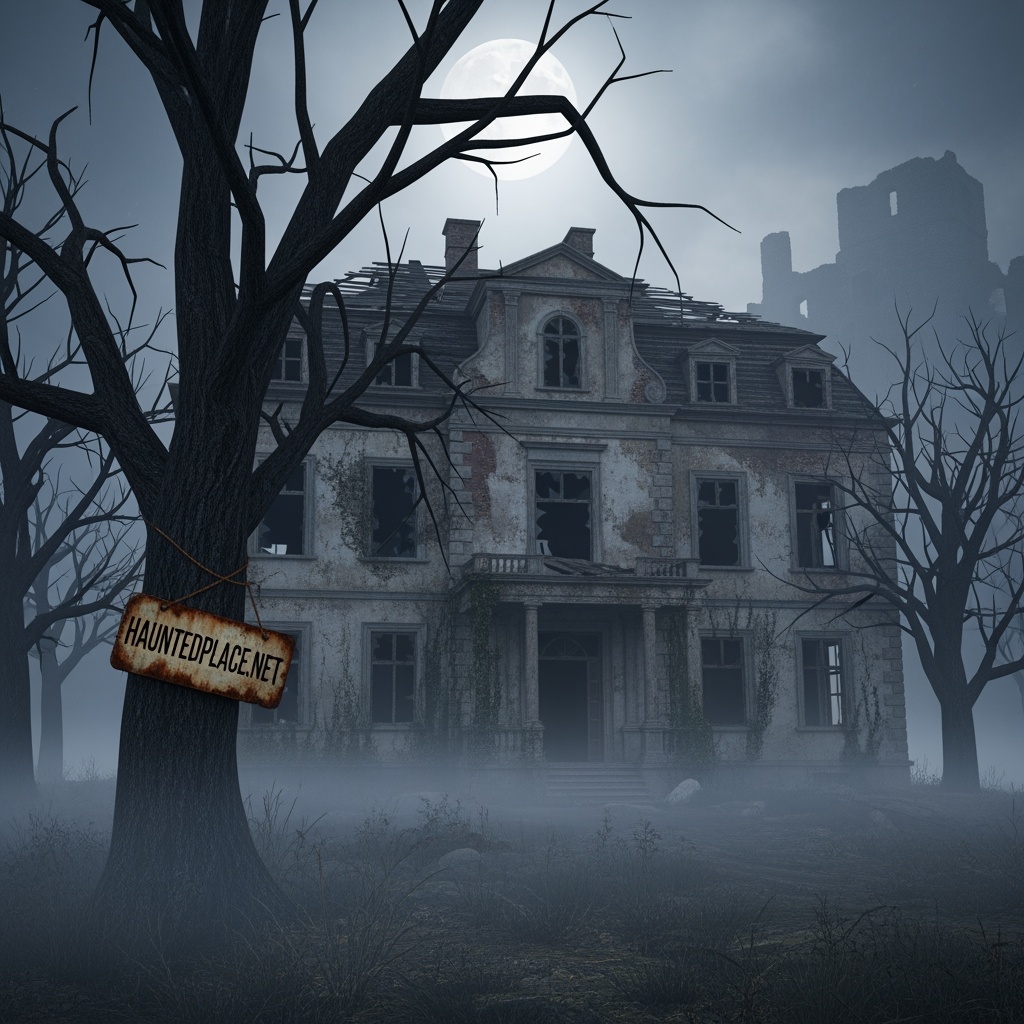
Nestled ominously near the ruins of the medieval Hohensyburg Castle, the once grand residence known as Hohensyburg House, or simply the Haunted House of Syburg, stood on a sprawling, partially wooded estate. This 19th-century manor, abandoned since the late 1970s, became a crumbling beacon of horror and legend before its ultimate demolition in 2009. Revered in paranormal internet forums throughout the 1990s and early 2000s, it earned infamy as one of Germany’s most notorious haunted locations.
Constructed in 1880 from robust Ruhr sandstone, the house offered around 120 square meters of living space on a 20,000-square-meter estate. Originally home to the Scholle farming family, tragedy struck when the matriarch succumbed to old age and her husband met a grisly end under a bus while inebriated. By 1979, their descendants from Hagen found maintaining the vast property too burdensome, leaving it to decay.
To deter vandals, the new owners fortified the house with bricked-up entrances and barred windows. Yet paradoxically, a new electrical line was installed in 1991 to serve a neighboring plot, casting an eerie juxtaposition of abandonment and modernity. This only fueled the fires of local legends that transformed the derelict house into a macabre magnet for thrill-seekers.
Whispered stories and online speculations painted Hohensyburg House as a den of unspeakable horrors. An entire discussion thread on the Allmystery forum amassed over 2,000 posts between 2004 and 2011, each recounting increasingly grotesque tales. Accounts ranged from a murderous pastor and nuns who worshipped Satan, to headless horsemen roaming the grounds and boys dying horrific deaths. At midnight, blood allegedly seeped from the walls, while a bloody dress was said to hang in the attic’s shadowy wardrobe. Cameras reportedly malfunctioned around the house, and noxious odors emanated from hidden underground tunnels, relics of historic sandstone mining.
Inevitably, these chilling myths drew fans of the supernatural, turning the property into a popular albeit illicit gathering place. Paranormal enthusiasts, alongside adventurous youths, frequently breached the premises for seances, occult rituals, and reckless revelry. The repeated intrusions prompted roughly 300 police interventions from the Dortmund-Hörde precinct, keeping neighbors in a state of uneasy vigilance. Halloween nights saw the site’s ghostly allure reach its zenith, attracting hordes of spook-chasers.
This nightmarish notoriety even caught the attention of the television show “World of Wonders” in September 2008, which listed Hohensyburg House among Europe’s top ten scariest places. The following year, a fabricated article claiming a young man had vanished in Syburg circulated in chat forums, exacerbating the hysteria. Though swiftly debunked by the Westfälische Rundschau newspaper, the hoax underscored the restless fascination with the haunted manor.
By 2007, the house’s physical degradation paralleled the growing spectral folklore surrounding it. Concerns over imminent collapse rallied local politicians to advocate for its demolition, prompting municipal authorities to evaluate legal avenues against the absentee owners. Ultimately, in October 2009, the city of Dortmund ordered the house’s demolition due to safety hazards.
The razing of Hohensyburg House marked the end of an era steeped in eerie mystique. Its ghostly whispers and sinister legends remain etched in the memories of those drawn to its dark allure. Long after its destruction, the haunted echoes of Hohensyburg Manor continue to resonate, a chilling testament to the enduring power of folklore and human imagination.