 Isabella Mueller Baroness of Stainton le Vale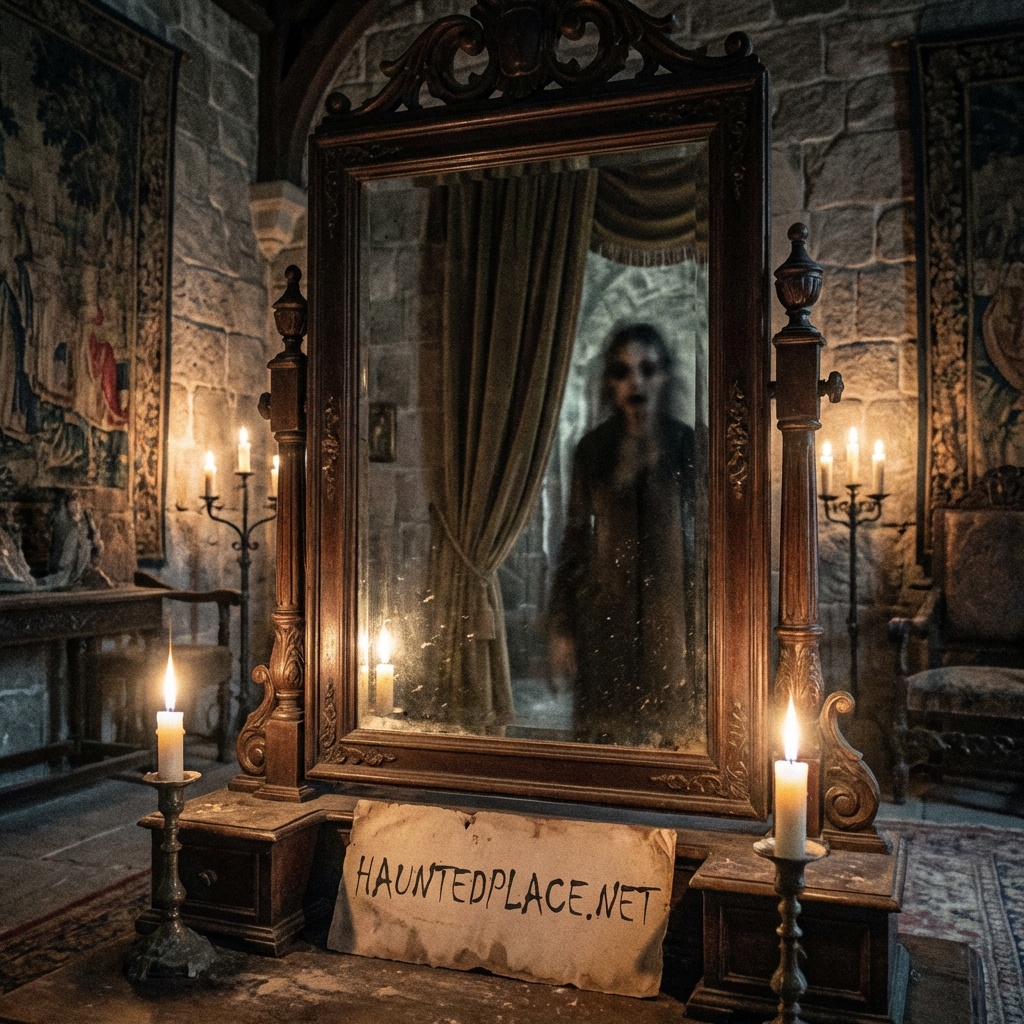
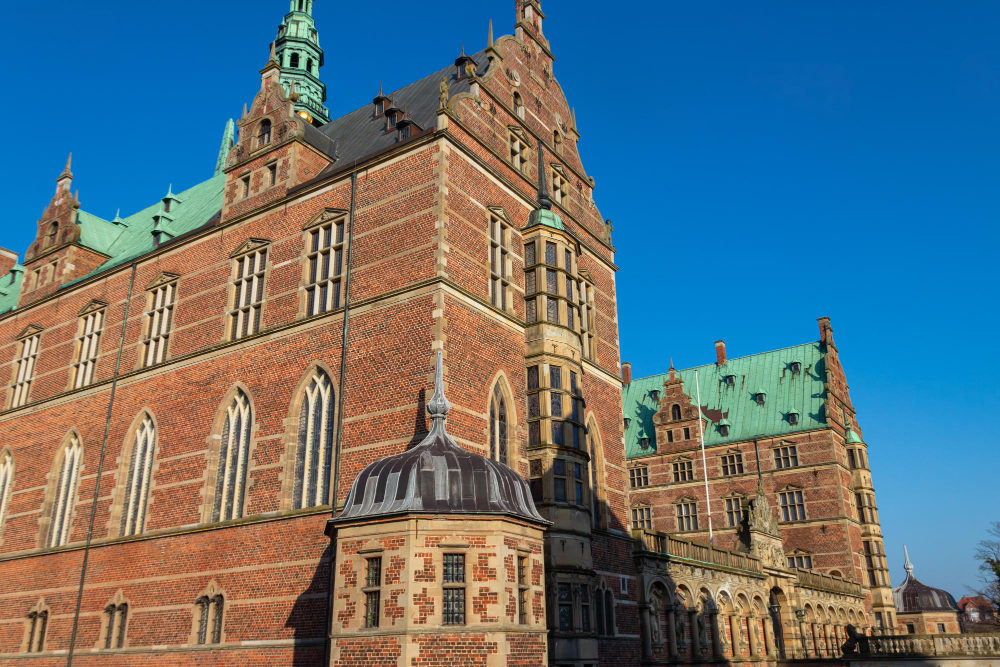
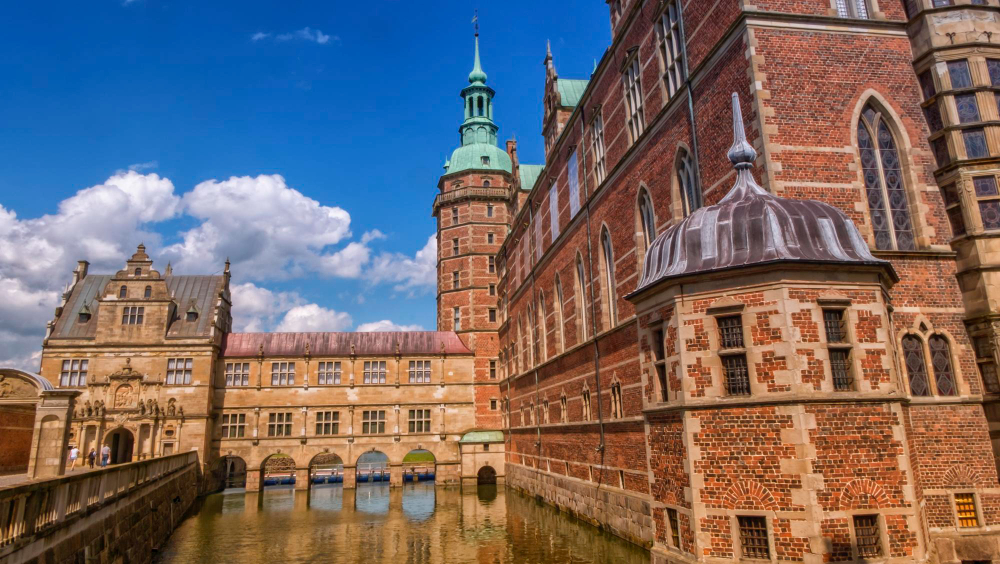
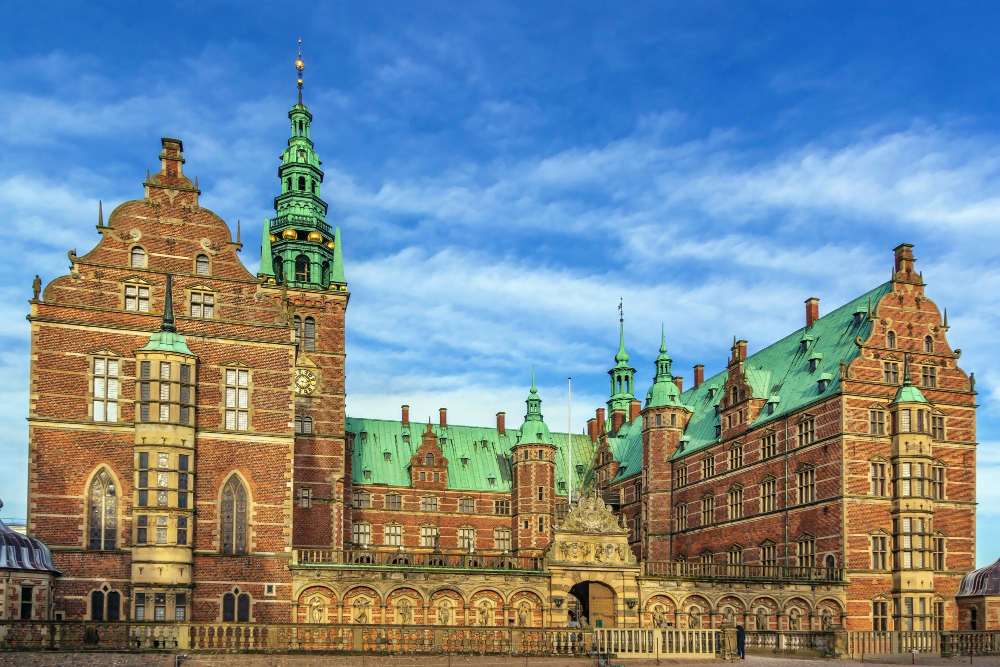
There are stories that send a chill down the spine of even the bravest adventurers and the most skeptical historians. One of them is the legend of the cursed mirror in the majestic Frederiksborg Castle, a historic gem in Denmark. This eerie tale has drawn curious visitors for centuries—those brave enough to face the supernatural.
The origins of this dark legend date back to the time of a mysterious queen who once resided in the castle’s magnificent chambers. This queen is said to have been so obsessed with her own beauty that she spent hours admiring her reflection. But one day, she noticed that her reflection was no longer her own, but had begun to take on a sinister life of its own. From then on, she was plagued by nightmares and visions that slowly drove her mad. Her spirit and soul ultimately remained trapped within that mirror until the curse can be broken—or so the legend goes.
Over the years, there have been repeated reports that those who dared to look into this mirror were overcome by a sense of unease and fear. Some claim to have seen a distorted reflection of themselves doing things they themselves would never do. Others spoke of shadowy figures lurking in the depths of the glass, waiting for a moment of weakness.
This horror story gained credibility through reports from security guards and museum staff who noticed unusual noises and fleeting shadows at night. Many refused to stay near the mirror alone during the night shift. A former museum employee recounted an incident in which she suddenly felt an icy chill down her spine and had the unsettling sensation of being watched from behind. When she turned around, she saw nothing, but heard a soft, malicious chuckle.
The mirror itself is now kept safely behind a glass barrier to keep out the gaze of overly curious ghost hunters. Nevertheless, it attracts many visitors who wish to pay their respects to the dark tales. Some scientists and historians who attempted to uncover the facts behind the legend found references to ancient rituals and occult symbols that were popular during the queen’s time. These findings fuel speculation that the mirror may indeed have been part of a dark ritual that promised the queen power or eternal youth, but instead demanded a terrible price.
Interestingly, there are similar stories about cursed mirrors in other parts of Europe. For example, there is a tale of an Italian count whose mirror is said to have also become the dwelling place of a restless spirit. Such parallels suggest that mirrors were viewed as portals that could lead to other worlds, and that this notion is deeply rooted in European folklore.
Aside from the dark myths, mirrors have fascinated humanity since time immemorial.
In many cultures, they are symbols of both truth and deception. In fairy tales, they are often depicted as magical objects that open up both wishful dreams and nightmarish scenarios. This dualistic nature makes them ideal vehicles for stories about the supernatural, reflecting both people’s longings and their fears.
While modern psychologists often explain such phenomena as projections of one’s own psyche, for passionate lovers of the supernatural, the question remains open as to whether these stories might not contain a grain of truth after all. The unknown and the inexplicable simply exert a special fascination that all too often undermines rational explanations.
Although Frederiksborg Castle is today primarily an impressive testament to Danish architecture and history, this eerie legend ensures that it remains a place of mystery and fascination with the paranormal. It invites us to pause and reflect on the fine line that separates reality from our secret fears and fantasies. Perhaps that is precisely where the true curse lies—in our insatiable urge to know and understand what is actually hidden behind the silver surface of the mirrors.