 Isabella Mueller Baroness of Stainton le Vale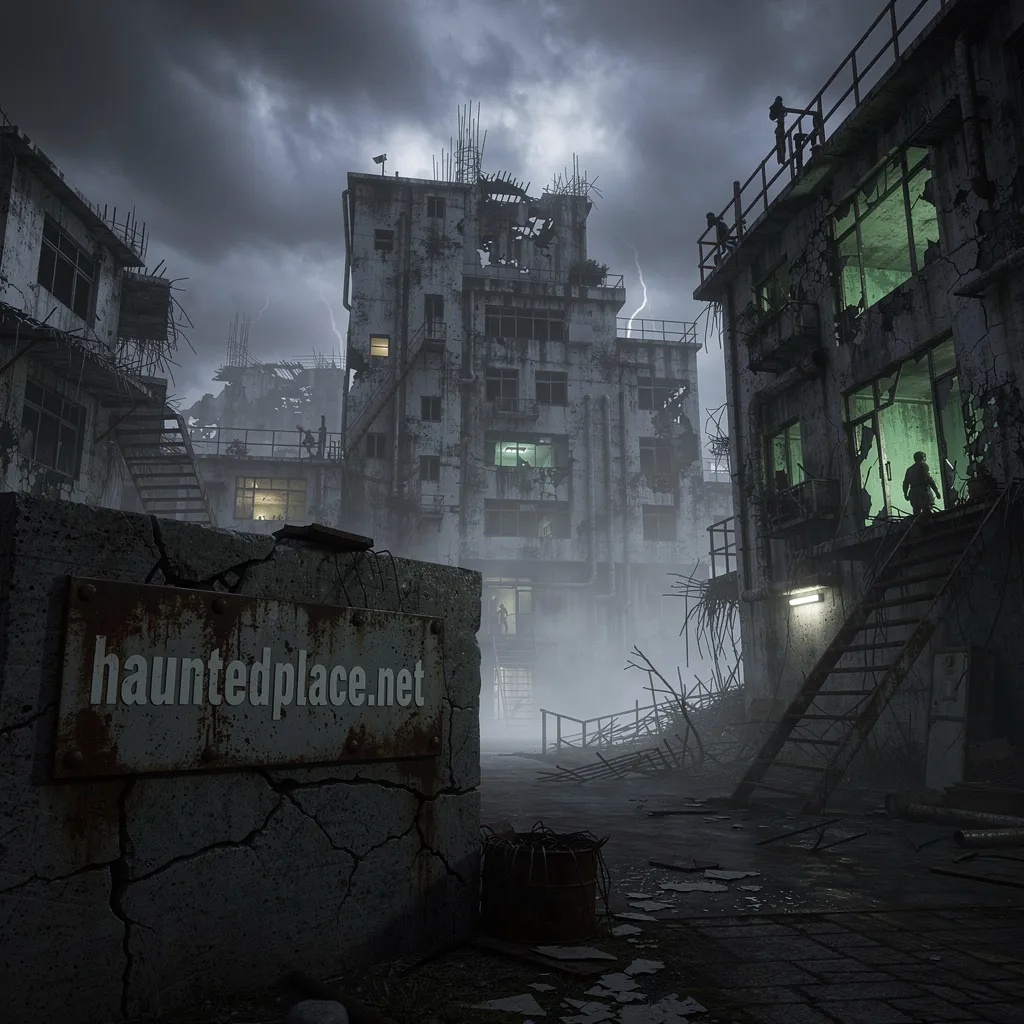
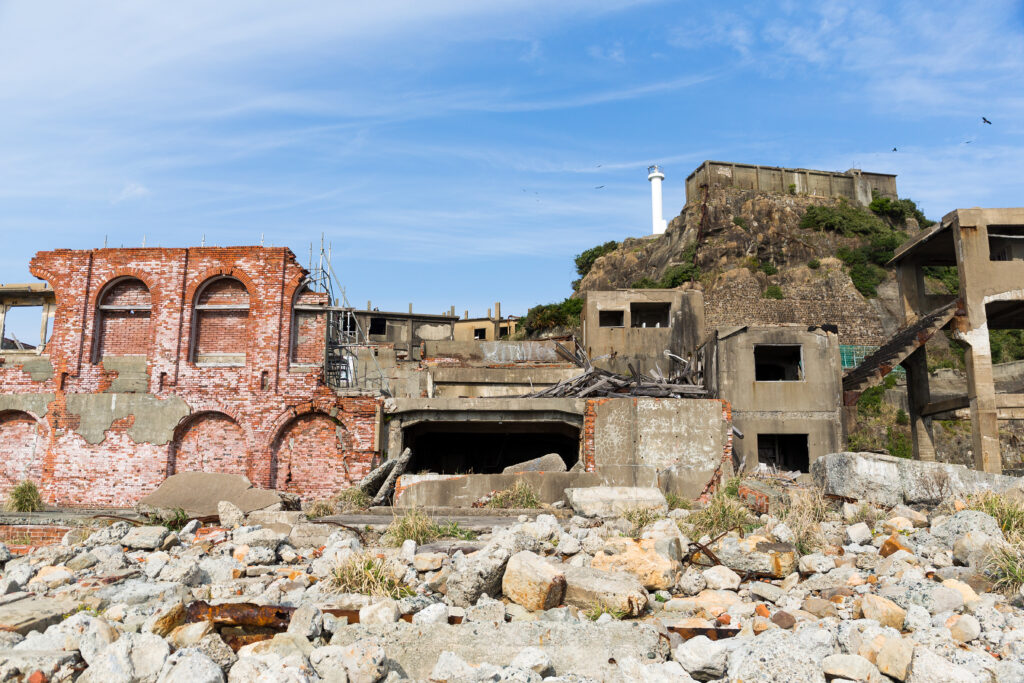
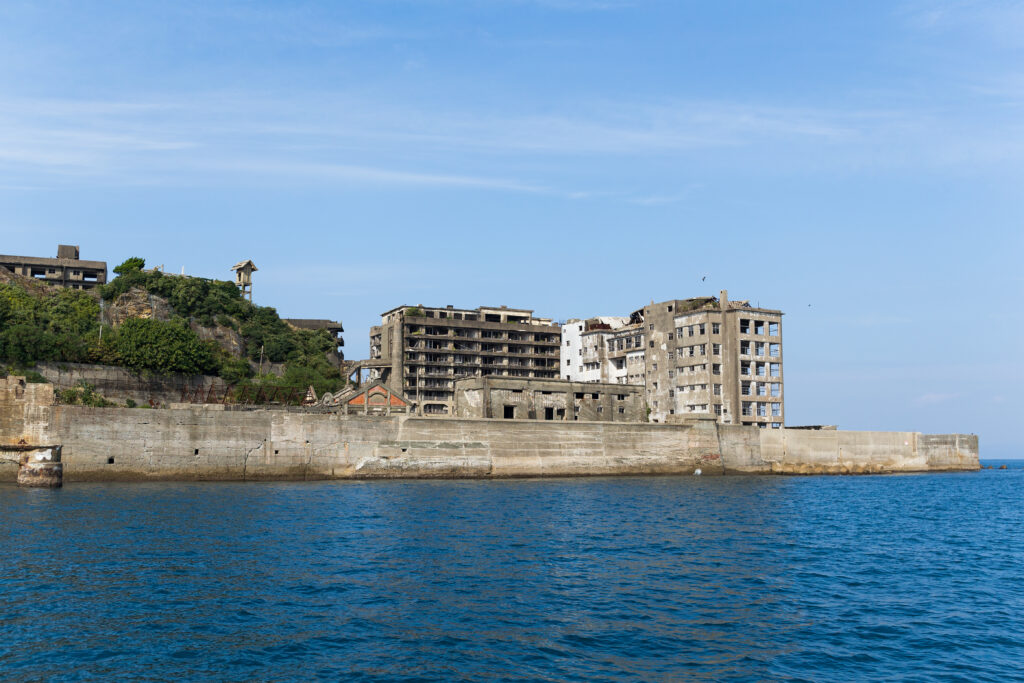
Hidden in the shadowy waters off the coast of Nagasaki, Japan, lies one of the world’s most eerie places—Gunkanjima, also known as Hashima Island. This deserted island, with its towering concrete ruins and skeletal buildings, is a haunting reminder of the once-thriving coal mining community. Today, it stands abandoned, a ghostly relic frozen in time that inspires both fear and curiosity.
The island’s nickname, Gunkanjima, means “battleship island” and derives from its uncanny resemblance to a mighty warship. However, the name belies the dark and terrifying history that surrounds this remote rock. From the grueling working conditions during World War II to stories of restless ghosts, Gunkanjima exudes an aura of horror and evil that is difficult to shake.
A disturbing history – At the end of the 19th century, Mitsubishi purchased the island to exploit its rich coal deposits. By 1916, a concrete block had been built to house the workers, which was an architectural marvel at the time. As the industrial revolution progressed in Japan, the population of Gunkanjima also grew. At its peak in the 1950s, over 5,000 people crowded onto the 16-hectare island, making it one of the most densely populated places in the world.
However, behind this facade of progress lay a brutal reality. During World War II, Korean and Chinese forced laborers were brought to the island and subjected to appalling conditions. They worked tirelessly in the dangerous mines below sea level, enduring extreme heat and the constant danger of collapse. Reports of abuse, malnutrition, and deaths were commonplace, casting a long, dark shadow over the bustling activity on Gunkanjima.
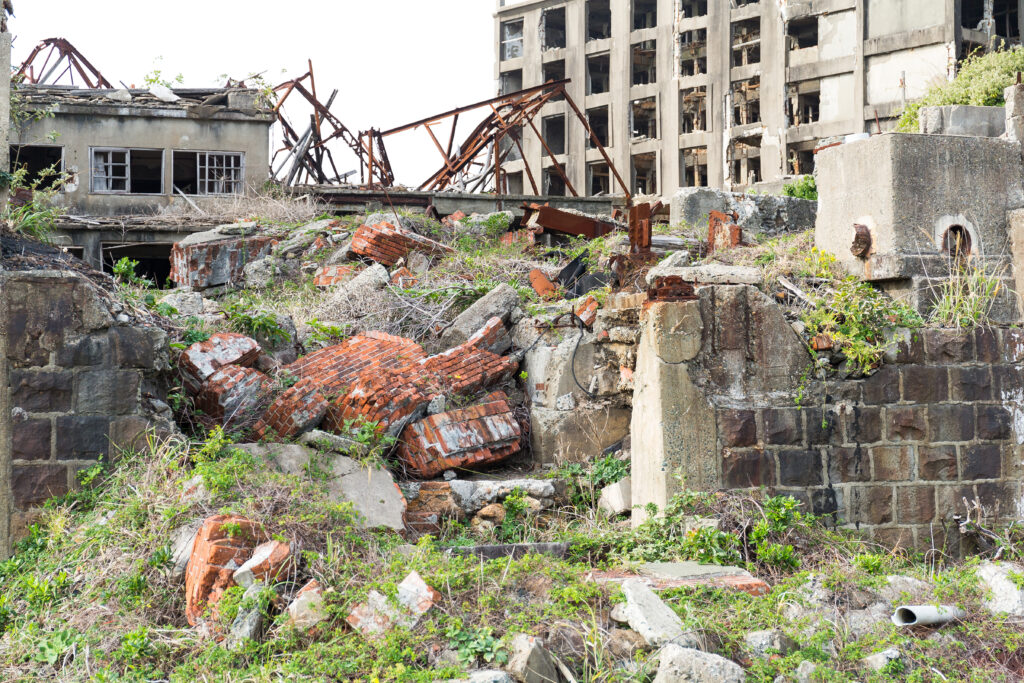
In the 1960s, demand for coal declined as petroleum became the dominant energy source. As a result, Mitsubishi closed the mine in 1974, leading to a massive overnight exodus. What remained were decaying buildings—apartments, schools, and even a movie theater—which are gradually being reclaimed by nature and stand as silent witnesses to the island’s morbid past.
Whispers of the supernatural – When darkness falls on Gunkanjima, the island transforms into a playground for the paranormal. Visitors, though few, report eerie encounters with the supernatural. Some claim to hear whispering voices echoing through the empty corridors, while others say they have seen ghostly apparitions of miners in worn uniforms wandering aimlessly. One of the most disturbing legends concerns a particular apartment building haunted by the ghost of a widow who lost her husband in the mines.
It is said that she still roams the dilapidated corridors, her mournful cries piercing the silence of the night. Those who dare to approach the building often describe an overwhelming feeling of fear, as if invisible eyes are watching their every move.
A beacon for dark tourism – Despite its terrifying reputation – or perhaps because of it – Gunkanjima has become a magnet for adventurers and thrill seekers. It was featured as a villain’s hideout in the James Bond film “Skyfall,” sparking renewed interest in its eerie appeal.
Guided tours are available, but they are strictly regulated for safety reasons. Guides lead groups through certain areas that are considered sufficiently stable, recount the island’s history, and admonish visitors not to stray from the path. But even under these controlled conditions, the oppressive atmosphere of decay and abandonment is palpable. Every creak of a rusty door and every sudden gust of wind reinforces the island’s ghostly presence.
Connection to the past – For those who cannot visit Gunkanjima in person, numerous documentaries, books, and virtual tours offer insights into this macabre world. These narratives often delve deeply into the lives of the miners and their families, painting a vivid, if harrowing, picture of the daily struggle for survival in an isolated industrial fortress.
Historians and archaeologists have also taken a keen interest in Gunkanjima, viewing it as a time capsule of early 20th-century industrialization. Efforts have been made to preserve some of the site’s more iconic structures, although the battle against the elements is a constant challenge.
Eternal vigilance – In 2015, Gunkanjima was designated a UNESCO World Heritage Site, recognized for its role in Japan’s industrial revolution during the Meiji period. This status ensures a degree of protection and preservation, although the creeping advance of time and the corrosive marine environment pose a relentless threat. There is something ironic about this recognition—a place that once stood for human exploitation and suffering is now praised for its historical significance. As researchers, tourists, and adventurers continue to grapple with the island’s haunting legacy, Gunkanjima remains a powerful reminder of the ghosts we create in our relentless pursuit of progress.
A haunting reminder—Gunkanjima may appear on the surface to be nothing more than a crumbling collection of concrete, but its essence is steeped in horror and sorrow. The island’s ability to evoke such strong emotions as fear and fascination ensures that its history will not be forgotten. In the interplay of light and shadow, between the whispers of the past and the eerie silence of the present, Gunkanjima is one of the darkest and most unsettling places on Earth, attracting those brave enough to unravel its secrets.
When we reflect on the fate of Gunkanjima, we are reminded of the delicate balance between human ambition and the risks we take. Its decaying structures and the stories they hold serve as both a warning and a testament to the indomitable spirit that once thrived against all odds—even in the face of horror.