 Isabella Mueller Baroness of Stainton le Vale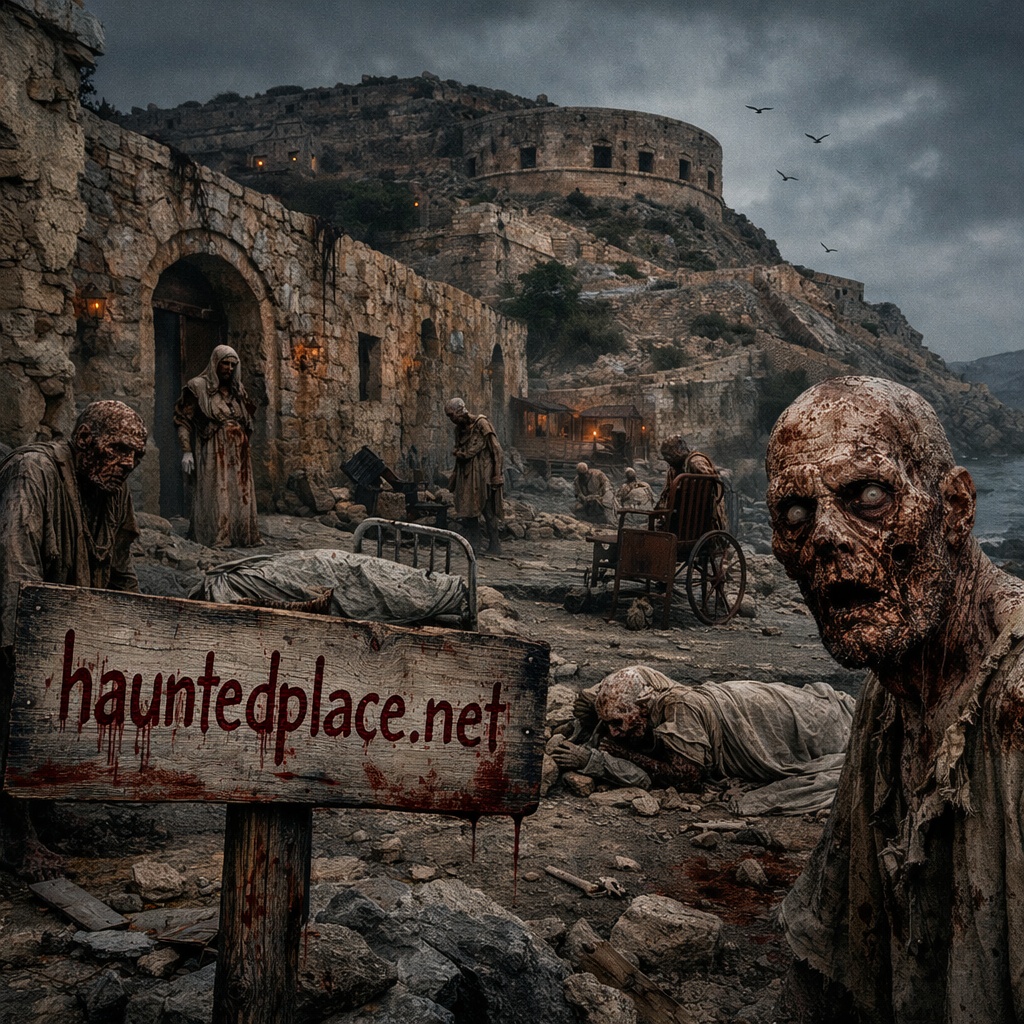
The sun sinks like a glowing ball into the sea, while shadows flit across the ruins of Spinalonga. The wind carries the whispers of long-gone souls who once lived—and suffered—on this remote island in northern Crete. Once a bastion of survival, this island turned into a nightmare of fear and death, and remains to this day a silent witness to human misery and brutal isolation.
In the 16th century, Venetian builders laid the foundation for the fort, which originally served as a military defense structure. But Spinalonga only gained its true, grim fame centuries later, when it became one of the last leper colonies in Europe. Around 1904, the first lepers were brought here, cast out by civil society to eke out an existence in solitude. Like ghosts, they wandered among the barren walls.
It is said that a single doctor visited the island sporadically, his visits offering only fleeting moments of hope amid an endless stream of despair. His presence offered little comfort against the cruel fate these people had to endure. Medical care was rudimentary, and a cure seemed a distant dream until 1948, when a new drug brought light into the darkness. Nevertheless, years of suffering passed before the last inhabitants left the island, hoping to leave the dark ghosts of their past behind them.
What remains are empty houses, their windows staring out at the sea like fixed eyes, as if waiting to tell their sleepless stories. The lonely alleys still echo with the voices of those who once lived here. It is said that the last inhabitant, a priest, did not leave the island until 1962 to bless the last victims and give their restless souls peace.
It was not only lepers who found their final resting place in this strictly isolated paradise of despair. The island itself became an abomination, a nightmare that lodged itself in the minds of those who set foot on its soil. Rumor has it that even today, ghostly apparitions and eerie noises scare visitors away.
But Spinalonga is more than just a story of pain and death. It is also a reminder of the cruelty and resilience of humanity. Those who have visited the island describe it as a place of haunting beauty, where the melancholy of past sins is palpable. Nature has begun to reclaim the land, but the memories of the terrible suffering remain indelible.
The history and horror of Spinalonga inevitably draw comparisons with other human tragedies and remind us of the darkness that people are capable of when fear and ignorance prevail over compassion and understanding. Similar to the dark chapters of the plague epidemics that depopulated cities across Europe, Spinalonga reminds us that isolation and seclusion can often be a fate even more cruel than death itself.
However, the horror of Spinalonga does not end with the lepers. The island also holds tragic stories of those who cared for the sick and had to face the demons of discord and social stigmatization far more than the actual risk of infection. Their fates remain largely untold, but the sparse reports point to a community that tried to achieve the impossible: humanity in the midst of hell.Visitors who set foot on the island between April and October often feel a cold hand on their hearts as they wander through the ruins.
Every step echoes like a beat on the drums of past wars. Some believe they hear whispers coming from the abandoned buildings—an unfathomable, plaintive cry that finds no redemption.The travel guide soberly describes Spinalonga as a tourist destination, but those who venture into the darker corners of history quickly realize that this island is more than just a relic of the past. It embodies the horrors that arise when people are forced to live in isolation, with no prospect of rescue or companionship.Spinalonga remains a dark pearl of the Aegean, a warning and at the same time a monument to staring into the abyss that lurks in the human soul.
And so, every year, the ruins wait for new visitors who are willing to listen to the tormented voices of the past. Every stone, every shadow tells of torment and lonely resilience that should never be forgotten.Perhaps it is the cruel truth that Spinalonga will never truly be empty. Even when the sun sets and night plunges the sky into blackness, the stories will echo forever in the stone-walled alleys, a constant reminder and memorial to the dark days that made happiness and freedom seem so distant.
For all those who dare to set foot on the island, not only will they encounter an oppressive past, but they will also realize that the wounds that were once inflicted here will never fully heal. For the spirits of Spinalonga do not rest—they continue to whisper their stories of pain, of longing for redemption, and of the eternal struggle in the hearts of those who once spent their lives here.