 Isabella Mueller Baroness of Stainton le Vale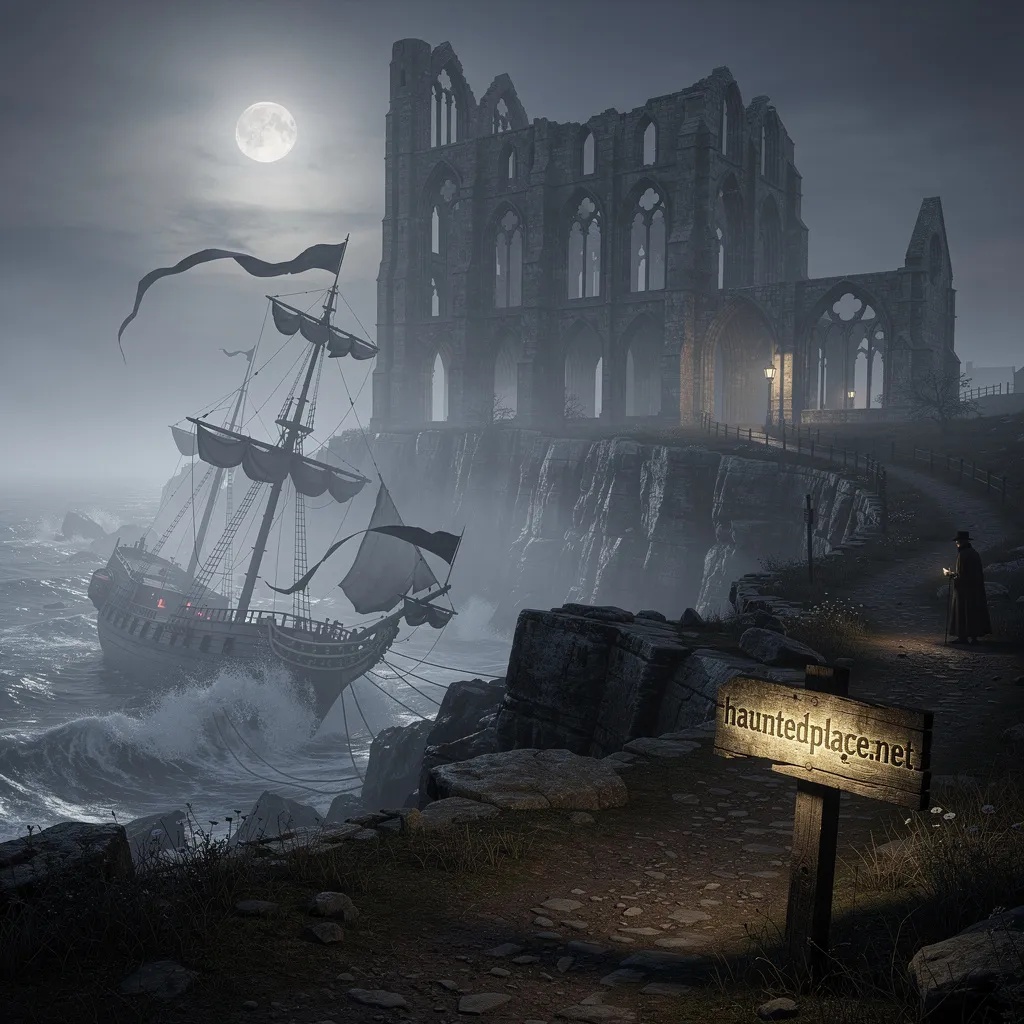
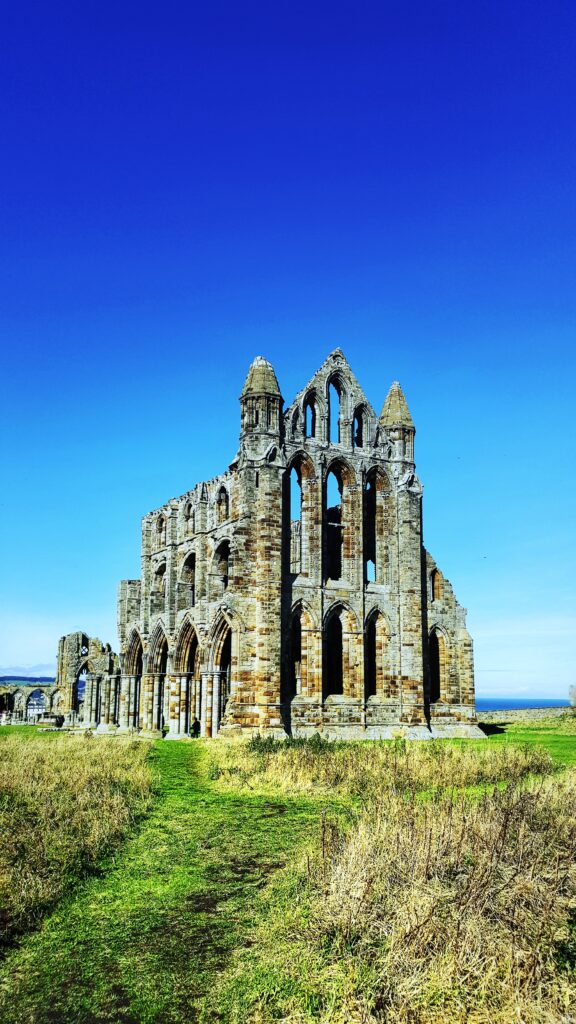
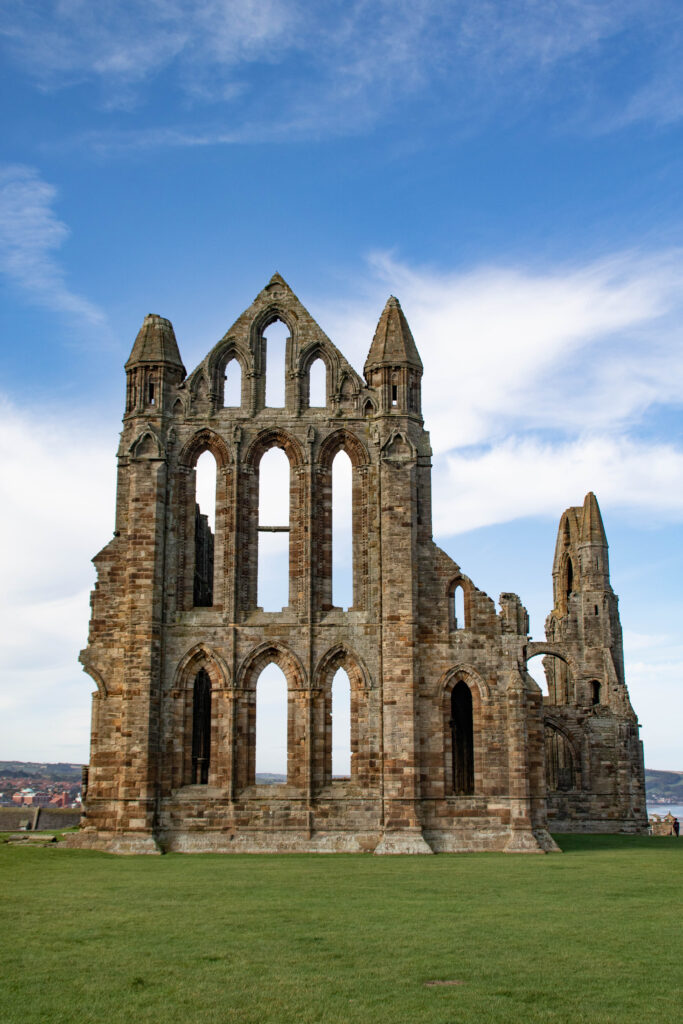
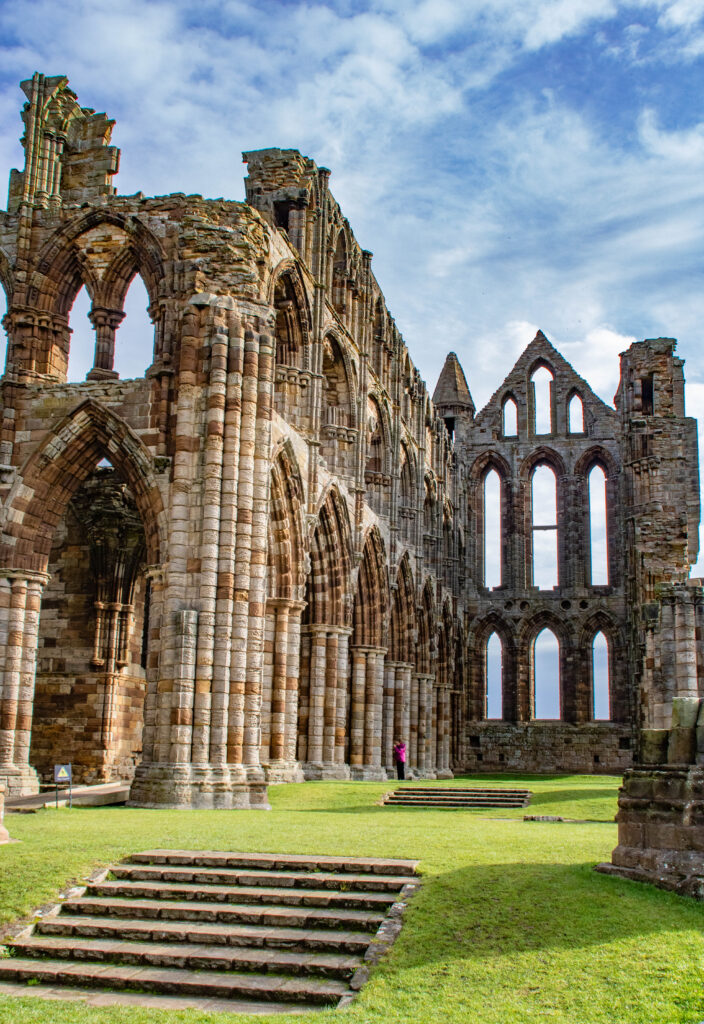
Perched on the windswept cliffs of North Yorkshire, Whitby Abbey towers like a haunting guardian over the stormy North Sea. Its ancient stones, steeped in history and legend, exude an eerie fascination that attracts visitors from all over the world. This Gothic masterpiece, with its soaring arches and towers, has inspired countless artists, dreamers and writers, cementing its place in both literature and supernatural tales.
In the summer of 1890, Irish author Bram Stoker visited Whitby in search of inspiration for his next novel. The atmospheric ruins of the abbey, shrouded in mist and myth, offered him exactly what he needed. Fascinated by the ghostly beauty and sombre aura of the abbey, Stoker incorporated Whitby into his legendary novel ‘Dracula’. The image of Count Dracula’s shipwreck on the English coast, with the abbey casting long shadows over the desolate landscape, forever linked this place with the macabre and mysterious.
Behind its Gothic façade, Whitby Abbey harbours secrets that have been whispered for centuries. The abbey was originally founded in 657 AD by King Oswy of Northumbria and was a centre of religious power during the Anglo-Saxon period. It became a melting pot of cultural and theological ideas and was most notably the venue for the Synod of Whitby in 664, which aimed to resolve the differences between Roman and Celtic Christianity. The echoes of these profound discussions reverberate through the ruins, adding depth to their haunting past.
As you walk across the uneven ground where monks once walked, the relentless sea breeze carries stories of Viking raids and monastic devotion. It is said that on stormy nights, the cries of the Norse invaders can still be heard, mingled with the mournful chants of long-dead monks. The abbey’s storied past is written into its very foundations – a tapestry woven from threads of faith, conflict and survival.
Modern stories of paranormal encounters within the abbey also contribute to its mysterious charm. Many claim to have seen phantom figures wandering through the stone arches, dissolving into the mist like smoke before dawn. Others report feeling an inexplicable chill or hearing softly spoken prayers in the middle of the night, as if the spirits of the abbey’s former inhabitants were still praying.
These ghostly tales have been further embellished by local folklore. One such story is that of Constance de Beverley, a nun who, according to legend, fell in love with a knight and was subsequently walled up alive within the abbey walls as punishment for her worldly desires. On quiet evenings, her mournful wails are said to echo across the cliffs, a testament to the tragic consequences of forbidden love.
The town of Whitby itself is passionate about its Gothic heritage. Every year, it hosts Whitby Goth Weekend, a festival dedicated to all things dark and mysterious. During this festival, enthusiasts in elaborate costumes bring the streets to life, while the abbey serves as an iconic backdrop for photo shoots and gatherings. This lively event reinforces Whitby’s connection to the supernatural, transforming the town into a living homage to Stoker’s vampire lore.
Furthermore, the abbey’s appeal extends beyond literature and folklore, captivating modern filmmakers and television producers as well. It has been the setting for numerous Gothic dramas and documentaries, all attempting to capture its ethereal essence. These visual representations cement Whitby Abbey’s status as an icon of the uncanny and mysterious.
For travellers and adventurers who dare to visit, Whitby Abbey offers more than just old stones and picturesque views.
It promises an experience steeped in the supernatural – a chance to walk among the phantoms of history and fiction. Whether silhouetted against the moonlit sky or shrouded in sea mist, the abbey invites its visitors to immerse themselves in the world of the unknown and challenges them to unravel the mysteries hidden behind its weathered walls.
As dusk falls and shadows descend upon the land, Whitby Abbey stands proudly as a monument to the enduring power of storytelling. Its architectural splendour and moving history continue to inspire us and remind us of our fascination with the dark and mysterious worlds that exist parallel to our own. The legends that surround this ancient structure are not confined to the pages of books or whispered stories – they are a testament to the boundless reach of the human imagination.At Whitby Abbey, the line between reality and fantasy blurs, inviting all who come to explore its ruins to participate in the eternal dance of history, legend and ghostly wonder.