 Isabella Mueller Baroness of Stainton le Vale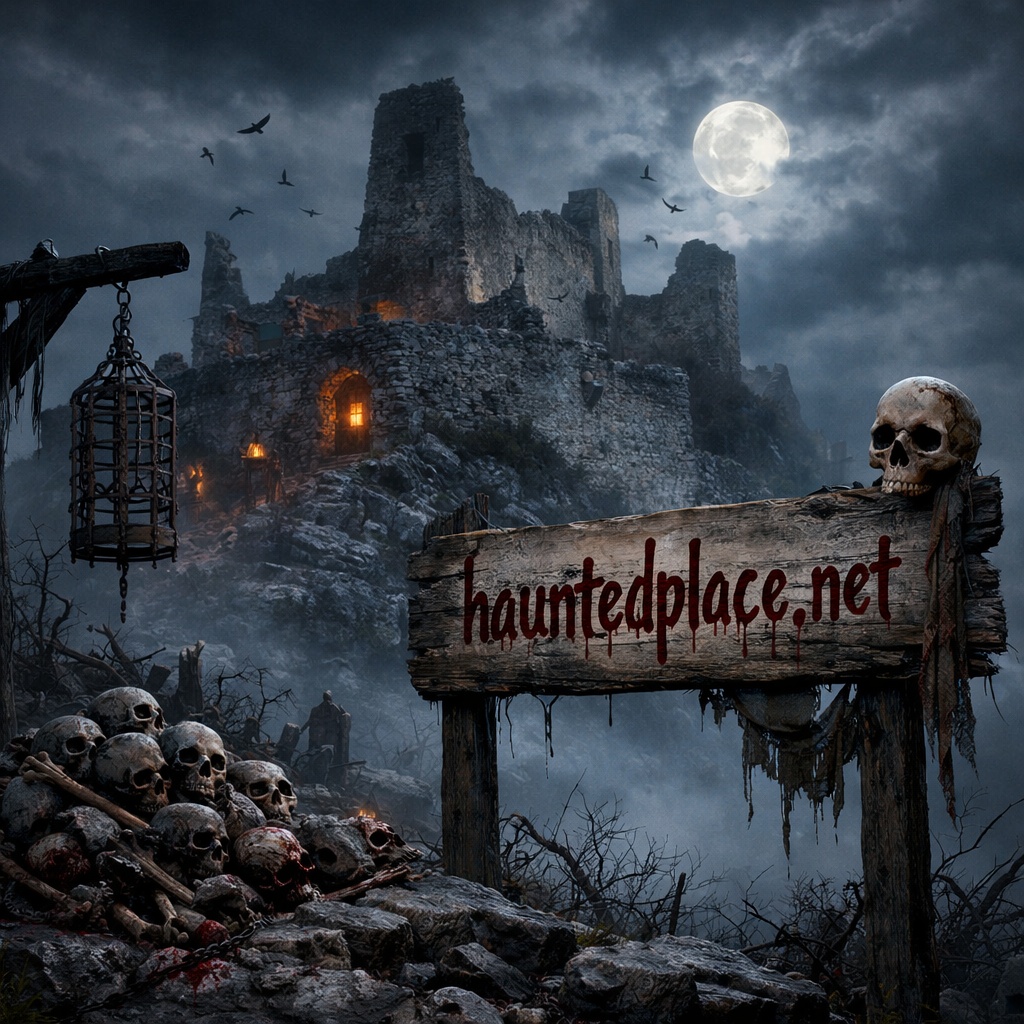
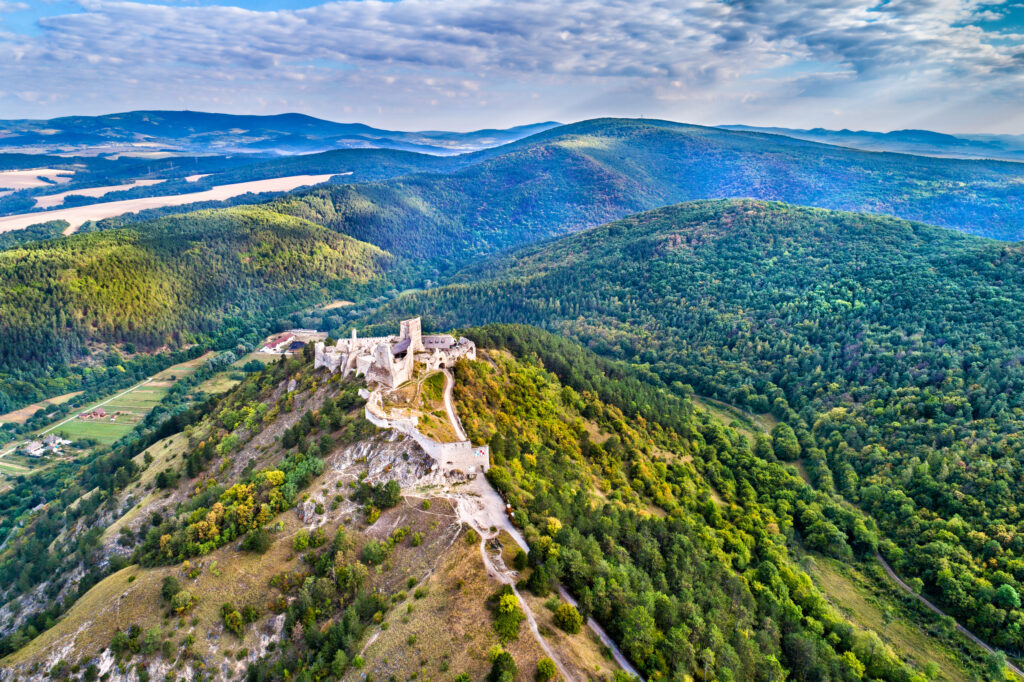
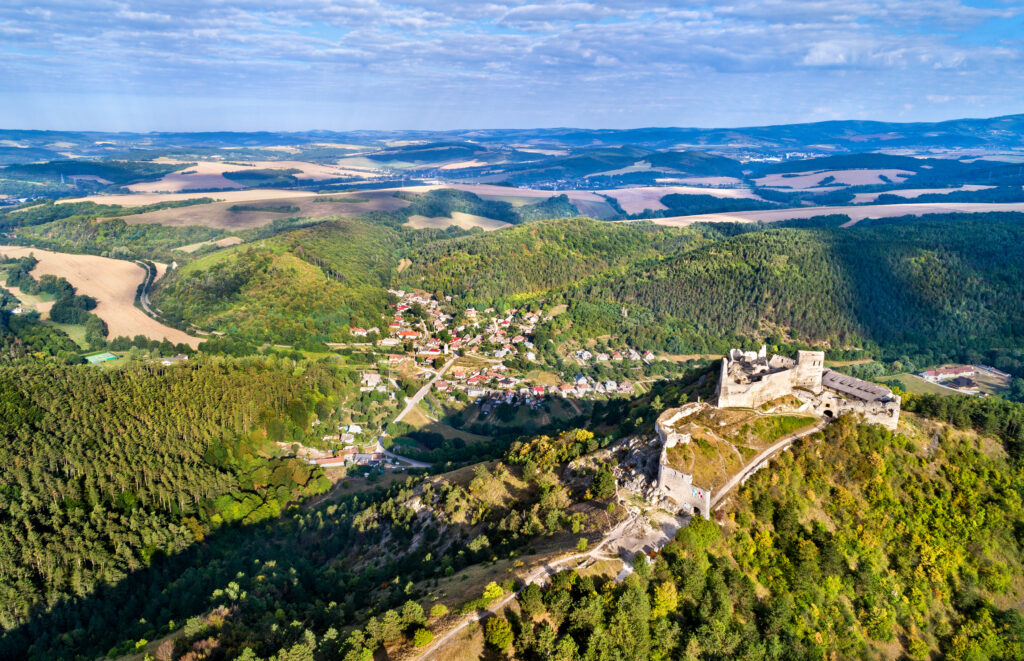
There are places shrouded in grim legends, tales filled with horror and bloodshed. One of the most famous—and at the same time most eerie—places in Europe is Čachtice Castle in Slovakia. A place where terror still seems to echo through the crumbling walls and the past refuses to rest.
The once-magnificent fortress, built in the 13th century, stands in ruins on a hill above the small town of Čachtice. But what makes this castle so infamous is less its impressive architecture than the cruel deeds that took place behind its walls. This was the residence of Elizabeth Báthory, the woman who went down in history as the “Blood Countess.”
According to legend, Elizabeth Báthory is said to have kidnapped, tortured, and murdered numerous young women in the late 16th and early 17th centuries. The number of her victims ranges from 30 to 650, and it is claimed that she bathed in the blood of virgins to preserve her beauty. To this day, gruesome stories circulate about the cruel methods she used to torment her victims.
But who was Elizabeth Báthory really? Born in 1560 into one of Hungary’s most powerful families, she grew up in an environment marked by power struggles and intrigue. Even at a young age, she showed signs of a disturbed personality. Historians speculate that her sadistic behavior was influenced by trauma, mental illness, or even the torture she endured in her youth.
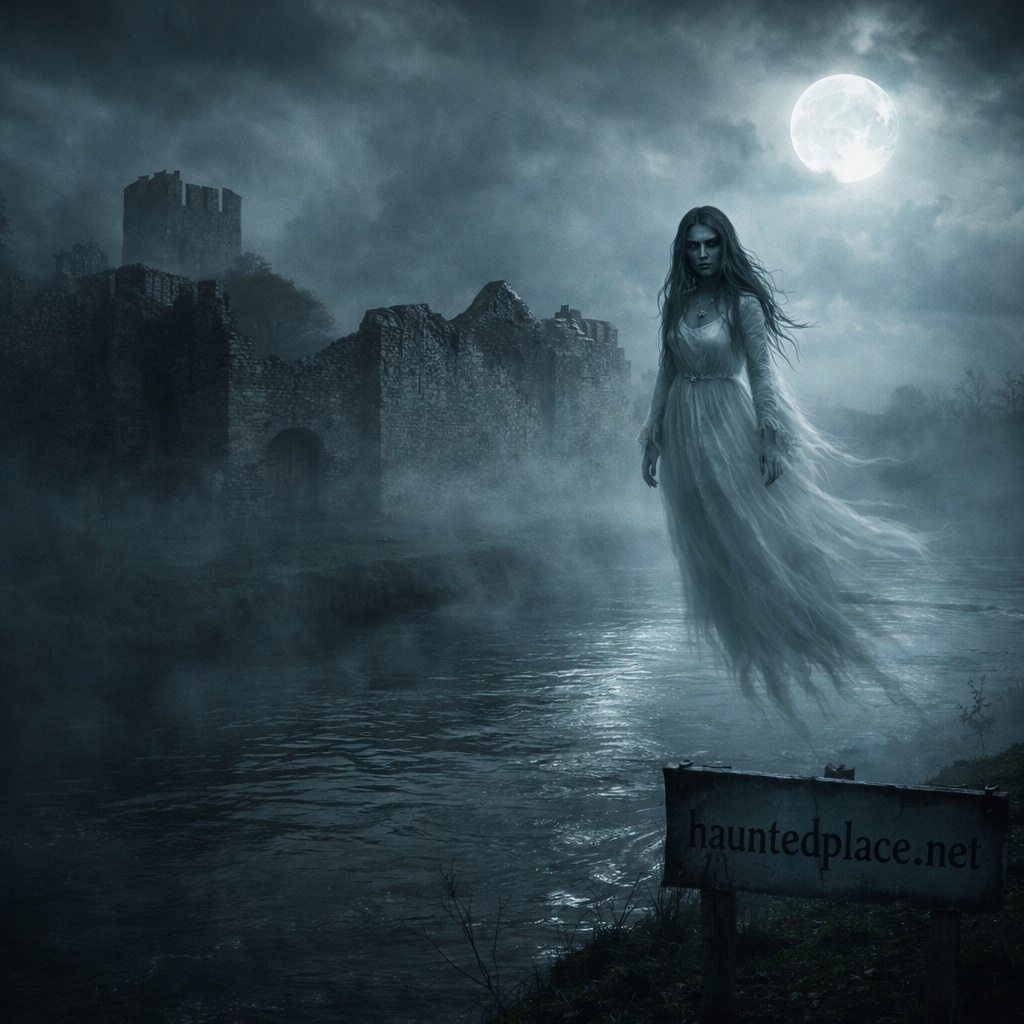
Since the first accusations against Báthory, there have been numerous reports of shadowy figures and ghostly screams echoing through the ruins. Visitors describe an oppressive atmosphere, as if the spirits of the victims were still seeking redemption. These apparitions contribute to Čachtice Castle’s reputation as one of the creepiest places in Europe.
The castle and its grim history have become the site of numerous investigations and expeditions. Paranormal researchers have attempted to fathom the evil that dwells within these walls. Using modern equipment such as infrared cameras and highly sensitive microphones, they comb through the ruins in search of evidence of supernatural phenomena. But so far, no one has been able to present concrete evidence—perhaps because the darkness runs too deep to be easily captured.
Further research suggests that the atrocities attributed to Báthory may also have been politically motivated. At that time, a power struggle was raging among the noble houses in Hungary, and Elizabeth’s strong influence and position of power made her a target for her envious rivals. Some historians believe that the stories about her bloody deeds were deliberately spread to bring her down and secure her possessions.
Nevertheless, the question remains: What actually happened behind the walls of Čachtice Castle? Was Elizabeth Báthory a ruthless serial killer or merely a victim of political intrigue? What is certain is that the truth lies somewhere in between, hidden in the shadows of the past. Čachtice Castle has been restored several times in recent years, yet the ravages of time continue to gnaw at it relentlessly.
Visitors can explore the ruins, guided by the eerie tales that not only spark the imagination but also leave a sense of unease. The cold stones and endless corridors whisper stories that send a chill down the spine of even the bravest.
Beyond the castle, other dark legends swirl around the region. It is said that the ghost of Elisabeth Báthory still haunts the area to this day. Hikers report sudden chills and the feeling of being watched as they explore the area. It is said that, especially on stormy nights, strange lights and shadows dance around the ruins, like ghosts of times past who have never found rest.
Another eerie detail of the story is the fate of the young maidservants who were at the mercy of the countess. Many of these girls were never seen again; their stories serve as a warning that power and madness sometimes go hand in hand. It is said that their tormented souls are trapped in the depths of the castle, their screams an echo from the darkest chapters of human history.
Even today, brave souls find their way to Čachtice Castle, driven by a morbid fascination with evil. Some come to explore its historical significance, others to indulge in the thrill of hunting for ghostly traces. The eerie stories unfold their full effect especially on dark, fog-shrouded nights.
In summary, Čachtice Castle remains a memorial to past atrocities, a place where myth and reality blur. Although historical evidence is interpreted in various ways, the legend of the Blood Countess has found a permanent place in the darkness that surrounds these walls. The screams of the past echo indelibly, and even though the murderer herself has long since turned to dust, the fear she sowed lives on.
For all who dare to visit this uniquely terrifying place, Čachtice Castle offers a journey into the heart of horror, into a world where the line between life and death was all too often crossed. The bloody history of Countess Báthory and the dark secrets of her castle remain a fascinating, if terrifying, chapter in European history that continues to capture the imagination to this day.