 Isabella Mueller Baroness of Stainton le Vale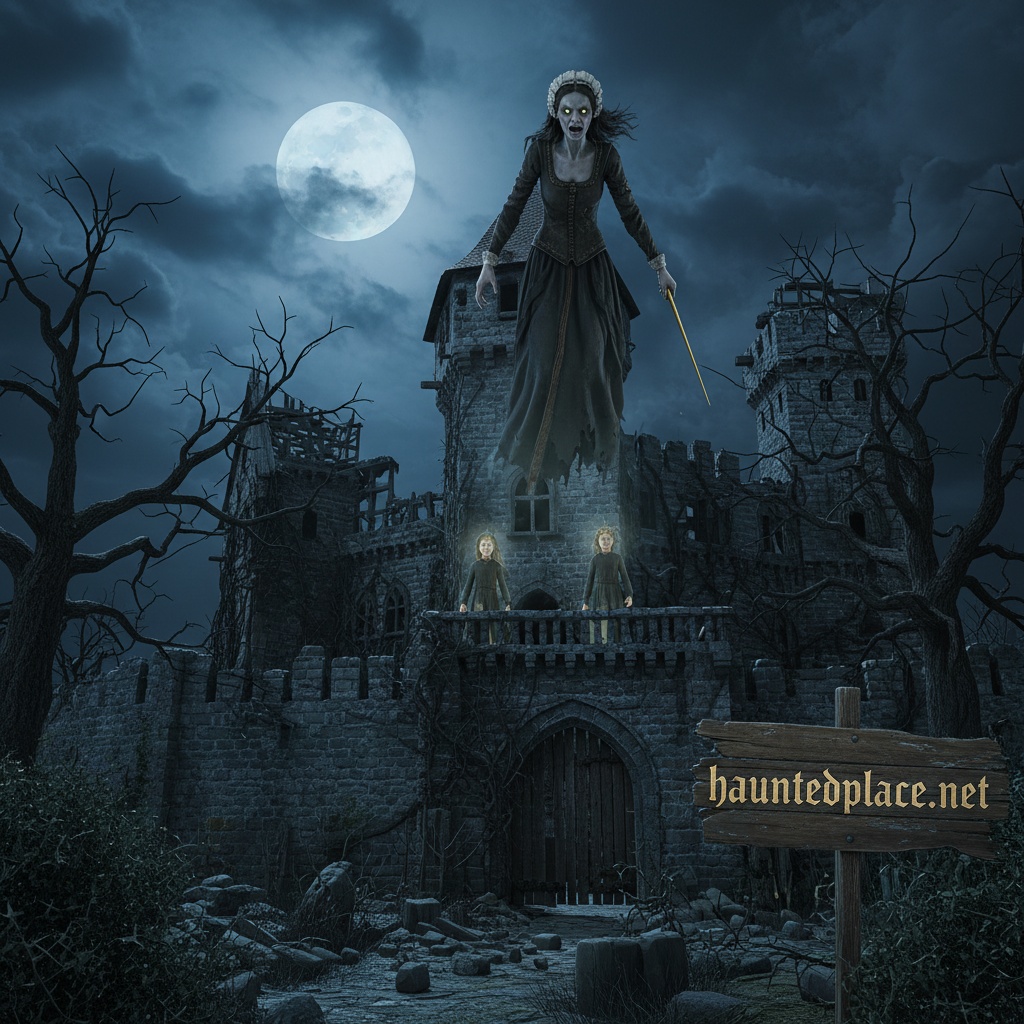
In the annals of medieval lore, amid the flickering torchlight of castles and the whispers of forgotten corridors, there is a story that sends a chill down the spine. It is a story that is not only carved in stone, but also in the dark memories of those who dare to remember it. It is the legend of Countess Agnes, whose evil deeds and restless spirit haunt the walls of her former fortress to this day.
Countess Agnes was a woman of immense beauty and ambition, married to Sir Heinrich, a noble knight who died in the Crusades in 1340. Widowed and penniless, Agnes saw an opportunity to regain her influence and secure her fortune by arranging a union with Burgrave Albrecht of Nuremberg. However, standing between her ambitions and the coveted marriage were her own children—a son and a daughter—whose existence complicated her plans.
Driven by a sinister determination, Countess Agnes hatched a plan so malicious that it would stain her soul for all eternity. Under cover of darkness, she led her unsuspecting children to a secluded chamber within her fortress. There, with the hands that had once caressed them with maternal affection, she committed an act of unimaginable horror. She took a golden needle, a symbol of nobility that now became an instrument of death, and thrust it into their skulls to end their innocent lives.
However, her macabre deed did not produce the desired result. News of the heinous act spread like wildfire and reached the ears of Burgrave Albrecht. Disgusted and horrified, he rejected her advances, leaving Agnes not only childless but also with no prospect of remarriage. When the people of the land learned of the abomination of her crime, they demanded justice. Stripped of her title and wealth, Countess Agnes was banished to a remote convent, where she spent the rest of her days in penance and isolation.
But death brought no comfort to Agnes’ tormented soul. According to local legend, her spirit found no rest. Instead, it lingered in the very castle where she had committed her unforgivable sin, bound to this place by chains of guilt and remorse.
The castle, once a symbol of noble lineage and grandeur, became a place of horror. Visitors and residents reported strange occurrences. At night, whispers filled the halls, cold drafts chilled the air despite blazing fires, and ghosts roamed the corridors, their presence marked by an eerie aura of melancholy and malice.
Among the most frightening reports is that of the Golden Needle. Many claimed to have seen the ghostly figure of a woman floating through the castle in faded, magnificent clothes. In her hand she held a golden needle, its tip shining ominously. Those who came too close to her reported feeling intense pressure in their skulls, as if the ghostly needle were piercing them. Such experiences left witnesses in a state of shock, and some were even driven mad by the supernatural encounter.
Over the years, scientists and paranormal enthusiasts have attempted to uncover the truth behind the hauntings. They delved into historical records and folklore and found corroborating stories from neighboring regions. Stories of ghostly apparitions and cursed relics painted a picture of Agnes’ endless torment.
A particularly harrowing story comes from a monk at the monastery where Agnes spent her last days. He wrote of a night when the countess, tormented by her conscience, confessed her sins in a feverish delirium. Her lamentations echoed through the stone walls, telling of the murder of her children and her insatiable ambition. The monk who wrote down her delusions claimed to have seen a shadowy figure above her bed, a harbinger of the restless spirit she would become.
Modern ghost hunters and historians alike are drawn to the castle, eager to experience or document the supernatural. Some leave the castle convinced of Agnes’s continuing presence after taking inexplicable photographs or recordings of disembodied voices. Others, skeptics and believers alike, report an oppressive feeling in the castle, a palpable sadness and remorse that hangs in the air.
Despite the passing of centuries, the legend of Countess Agnes remains a haunting reminder of the consequences of unbridled ambition and maternal betrayal. Her story is a dark thread woven into the rich tapestry of European folklore, a cautionary tale that has endured through time and continues to capture the imagination.
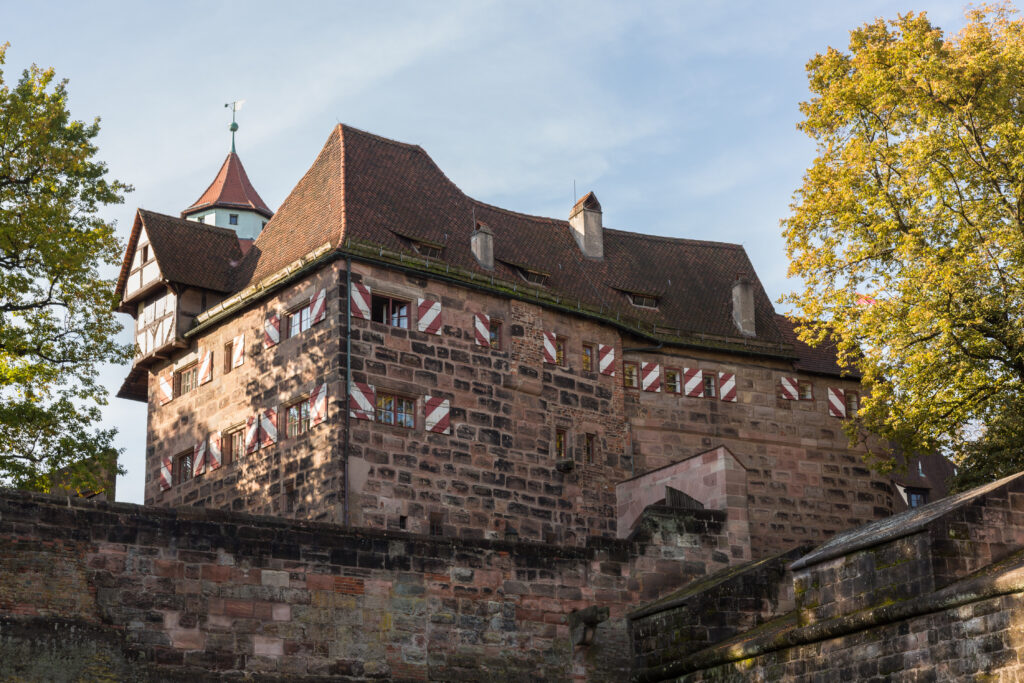
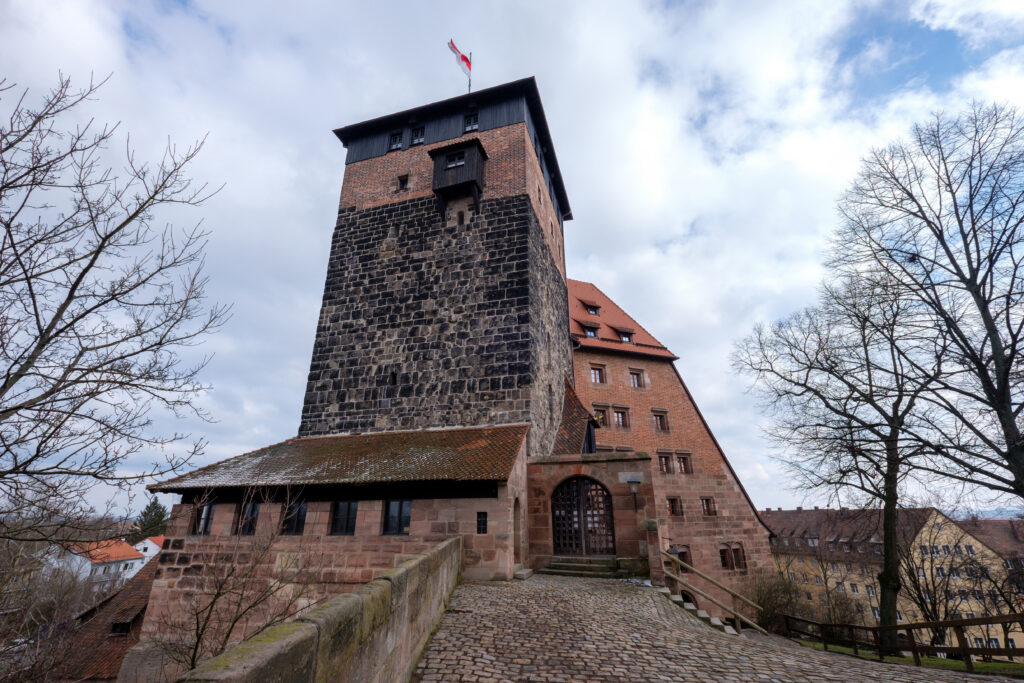
The castle still stands today, a testament to both historical grandeur and ghostly secrets. Visitors walk through its ancient halls, tread carefully on its stone floors, and whisper of the tragedies that have unfolded within its walls. And when the sun sets and the shadows grow longer, many believe that Countess Agnes takes shape again, bound to her eternal penance by the golden needle she wielded in life and carries with her in death.
Whether you believe in ghosts or not, the haunting story of Countess Agnes is a chilling tale of how the past can influence the present, echoing through the centuries with a message of caution and reflection. For in her restless wandering, Agnes reminds us that some sins are too great to be forgiven and live on long after death.