 Isabella Mueller Baroness of Stainton le Vale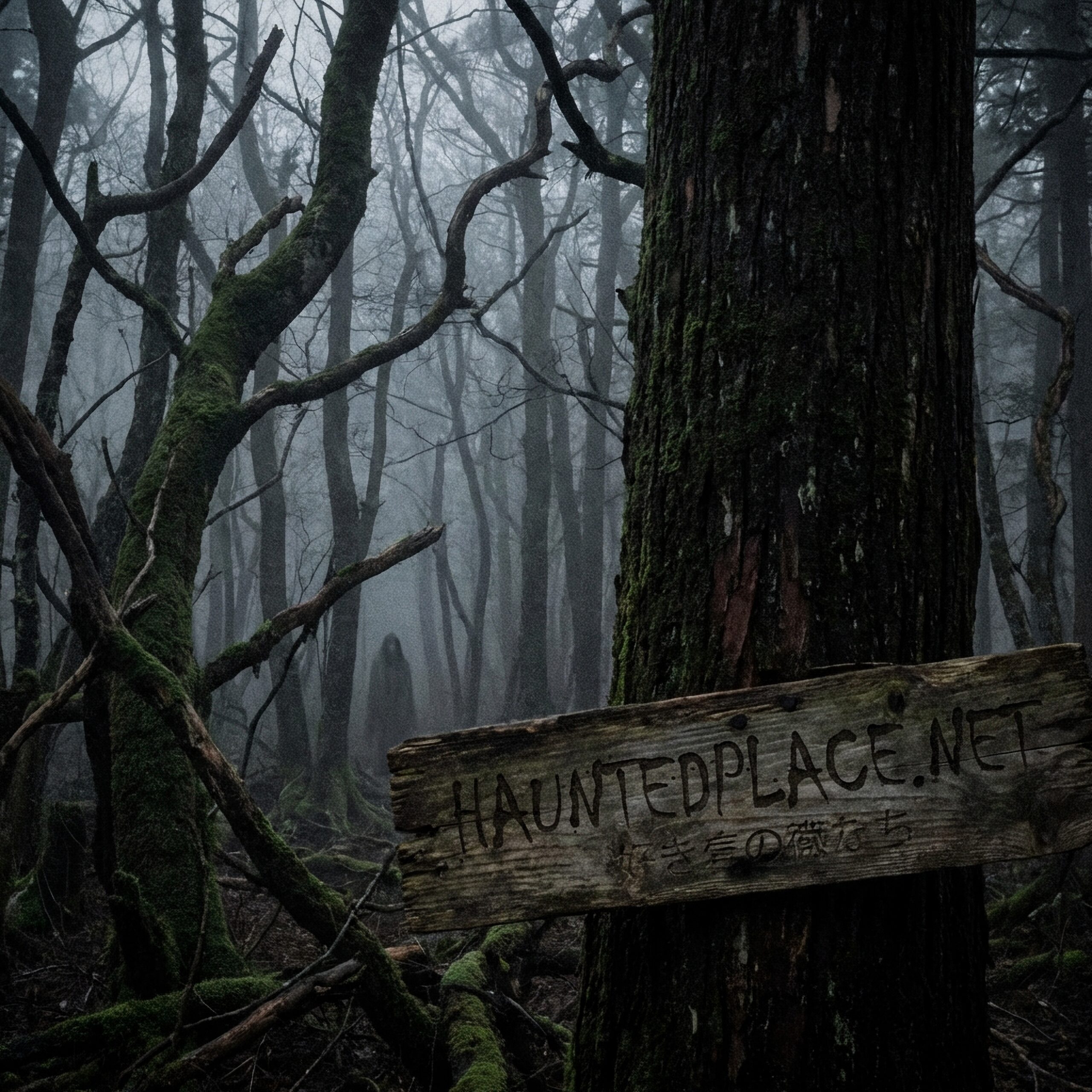
Deep in the shadow of the revered Mount Fuji lies a forest so steeped in horror and legend that its name sends shivers down the spines of those who dare to utter it—Aokigahara, often referred to as the infamous Sea of Trees. This forest, with its gnarled roots and dense canopy, is not only a wonder of nature, but also a magnet for the macabre and mysterious.
Aokigahara undoubtedly has a notorious reputation. Known worldwide as the “suicide forest,” it has sadly become the final refuge for many seeking relief from their earthly suffering. However, behind this tragic facade lie even darker stories—rumors of curses, ghosts, and an evil lurking among the ancient trees.
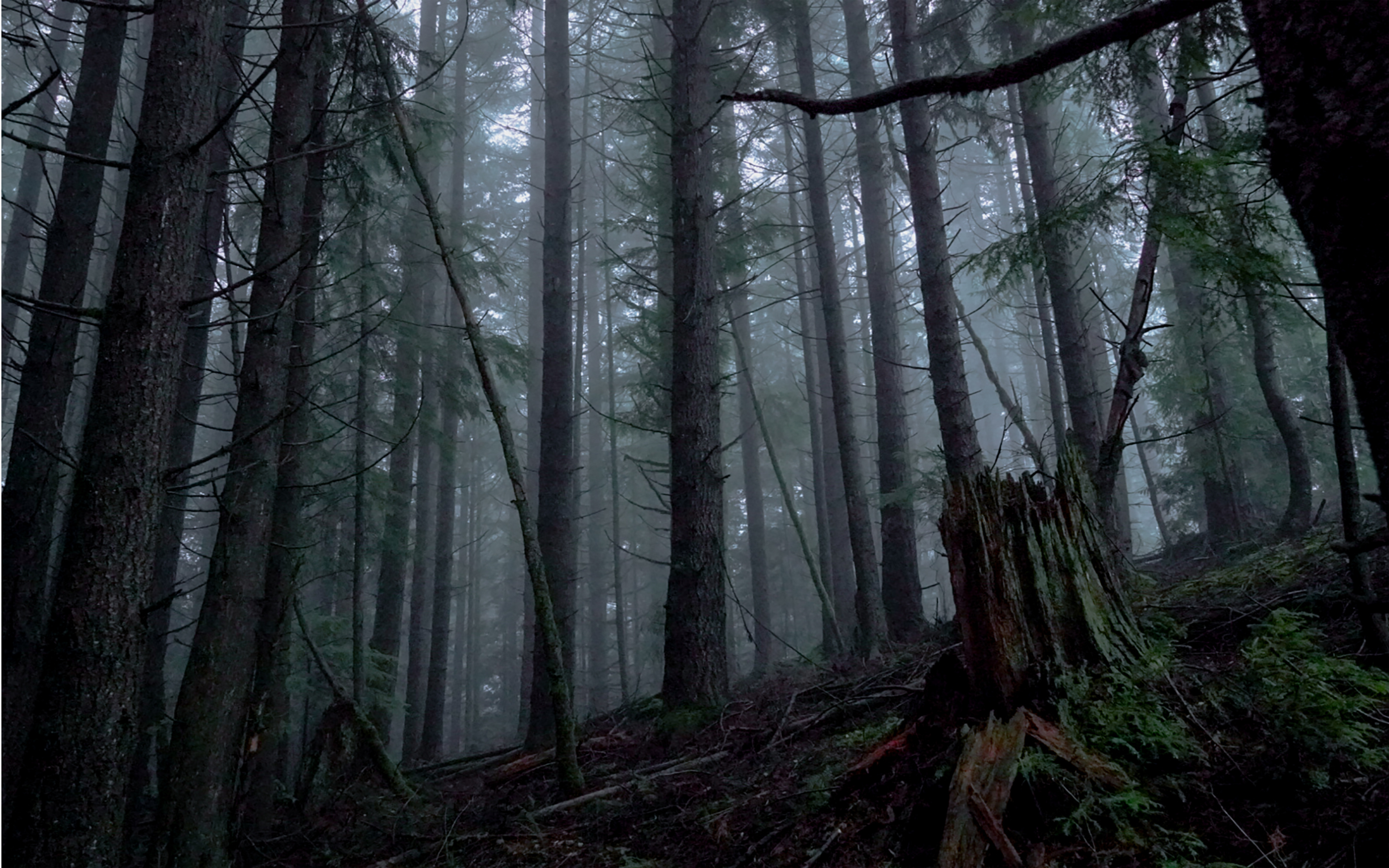
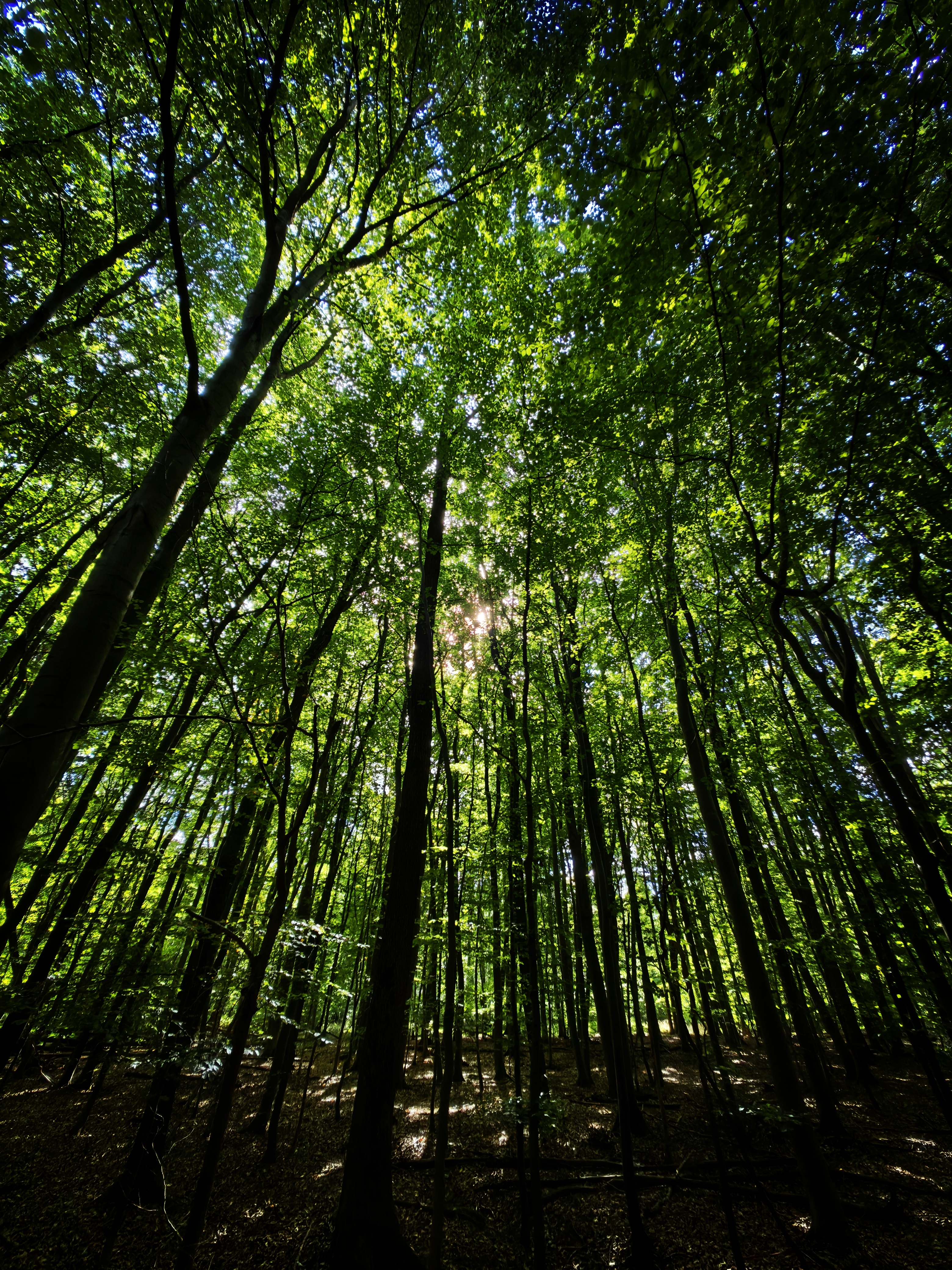
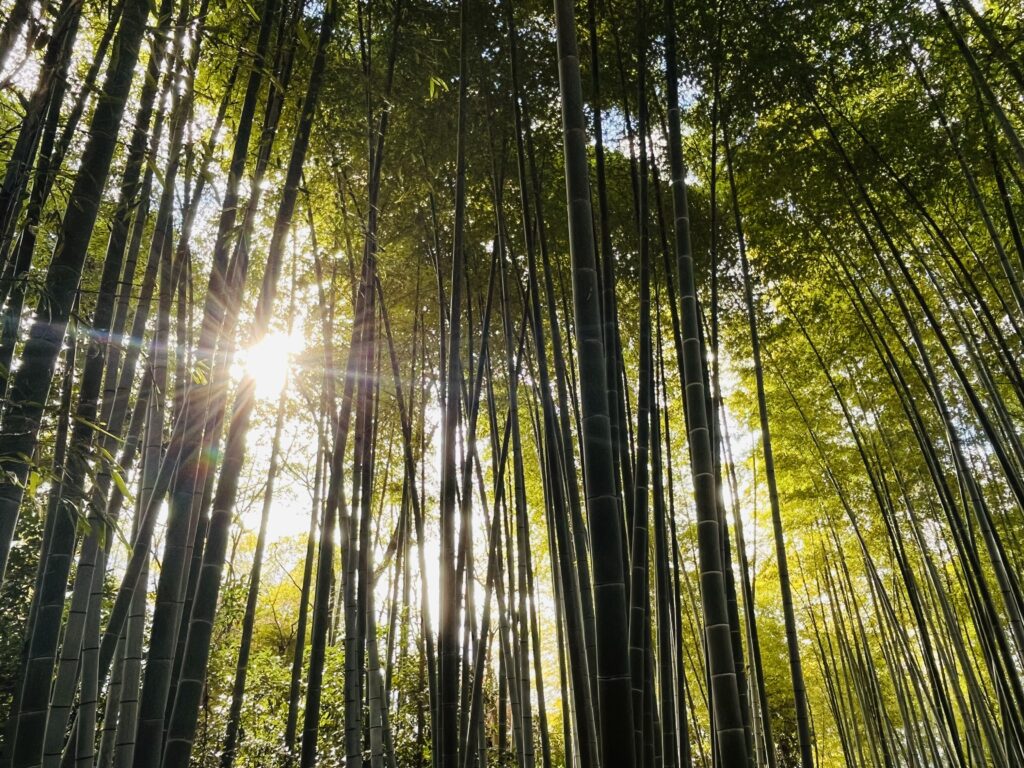
Imagine entering Aokigahara on a clear autumn morning. The bright colors of the trees paint a picturesque picture, but there is an unnatural silence that envelops you like a shroud. The birds refuse to sing, and the usual rustling of small animals is suspiciously absent. Sunlight struggles through the dense foliage, casting eerie shadows that writhe and dance across the forest floor, forming unsettling shapes that seem almost alive.
There are countless stories of people who entered Aokigahara and never returned, swallowed up by a being that feeds on despair. The locals speak in hushed tones of the yūrei, vengeful spirits bound to the forest by the lingering energy of violent deaths. These spirits, cloaked in white mourning robes, are said to wander silently among the trees, their mournful wails echoing through the still air.
Adding to the unease is the fact that Aokigahara is crisscrossed by lava tubes and rock caves created by the volcanic eruptions of Mount Fuji. These underground passages are often mentioned in stories about missing persons, suggesting that they may serve as gateways to unknown worlds. Some believe that these caves are the hiding places of demonic beings waiting to capture unwary travelers and drag them into eternal darkness.
There are those who claim that the forest itself is malevolent, a living entity with an insatiable hunger for human souls. Legends say that the roots of Aokigahara reach deep into the underworld, drawing energy from the torment of the dead. The ground, they whisper, is cursed, and every step taken within its boundaries intensifies this curse. It is believed that compasses do not work properly here, causing visitors to become hopelessly lost in a labyrinth from which there is no escape.
Among the most terrifying reports are sightings of a shadowy figure known as the “Guardian of the Damned.” Descriptions reveal a gaunt, skeletal physique with glowing red eyes that pierce the darkness. This creature is believed to be the embodiment of all the suffering and evil that the forest has absorbed over centuries. Those who encounter the guardian are said to be paralyzed with fear and lose their will to live, as if an invisible force is sucking it out of them.
Despite efforts by local authorities to deter visitors, Aokigahara’s appeal remains undiminished. Signs are posted along the access roads asking visitors to reconsider their plans and seek help. Volunteers regularly patrol the area, offering assistance to those in need and collecting the remains of those who have succumbed to the forest’s call.
Adding to its malevolence, Aokigahara is also the site of a number of unusual natural phenomena. Strange winds whip through the trees, and the temperature can suddenly drop, as if the essence of the forest is reacting to intruders. These anomalies are often attributed to the restless spirits that inhabit the area. People report feeling watched, hearing whispers, and seeing ghostly apparitions that disappear when approached.
One disturbing story tells of a young couple who, fascinated by the occult, ventured into the Aokigahara Forest. As night fell, they found themselves surrounded by an impenetrable fog and decided to set up camp until morning. Throughout the night, they heard soft whispers that grew louder and louder, eventually culminating in a cacophony of voices singing in an unknown language. Frightened, they fled in the direction they believed led to the exit, only to find themselves deeper in the forest. Their bodies were found months later, their faces contorted into masks of sheer terror, suggesting that they had seen something indescribable.
Another story tells of a shrine deep in the forest dedicated to a forgotten deity, whose purpose is to appease the spirits of the dead. A local legend says that at dusk, the shrine emits an eerie glow, and those who visit it are given a choice: either say a prayer and leave a sign, or be cursed by the spirits forever. Many have refused to talk about their experiences there, and their silence perhaps says more than any story ever could.
The mystery and terror of Aokigahara have not gone unnoticed outside Japan. The forest has inspired numerous books, documentaries, and films that attempt to capture its frightening essence. Yet no artistic medium can fully convey the palpable fear and overwhelming presence one feels when traversing its haunted paths.
Even today, Aokigahara stands as a testament to the complex interplay between nature and the supernatural. It is a place where beauty and terror coexist in a delicate balance, forever intertwined. For those brave—or foolish—enough to venture into its depths, Aokigahara offers an unforgettable experience that leaves an indelible mark on both body and soul.
In summary, Aokigahara Forest remains one of the most mysterious and eerie places in the world. Its relentless darkness, compounded by an ever-present sense of foreboding, ensures that it retains its reputation as the most terrifying forest on Earth. A visit here is not just a walk in nature, but a journey into the heart of fear itself—a fear that clings to you like a curse and never lets go.