 Isabella Mueller Baroness of Stainton le Vale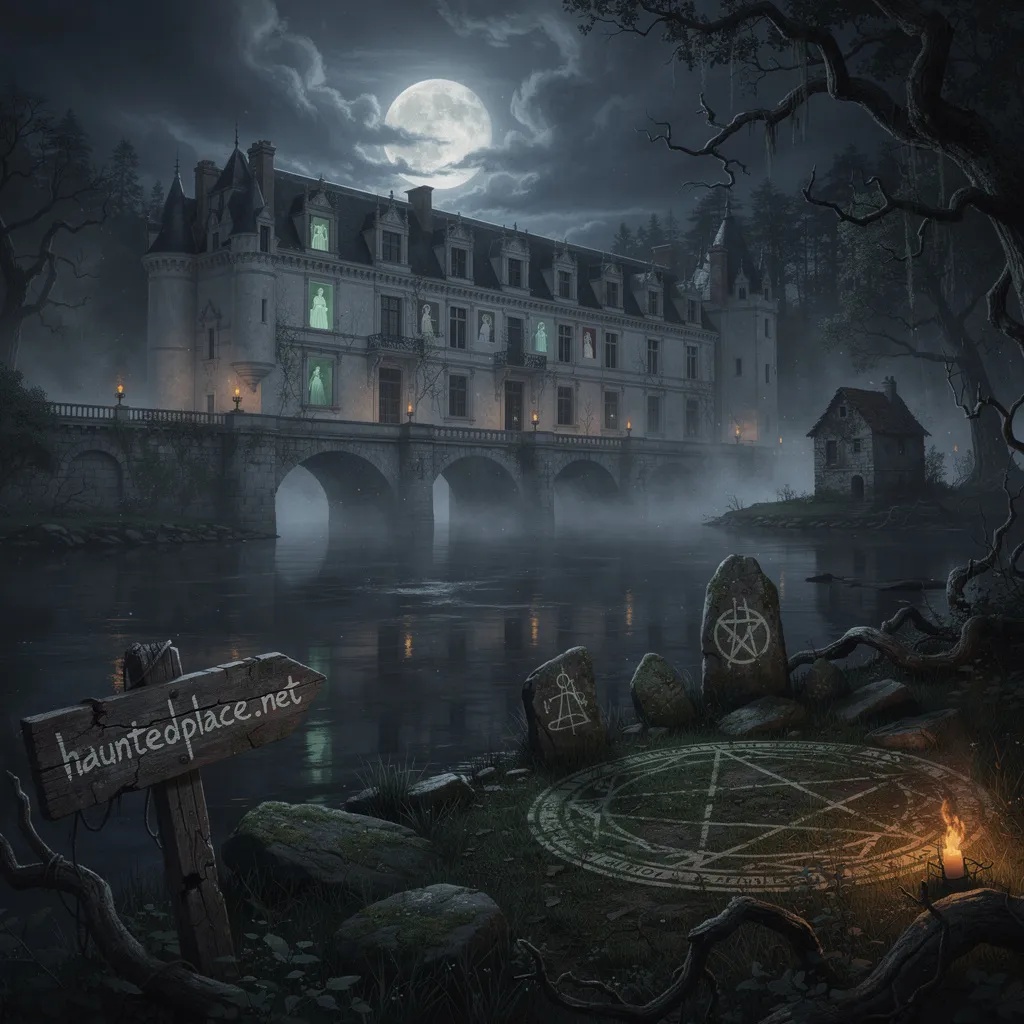
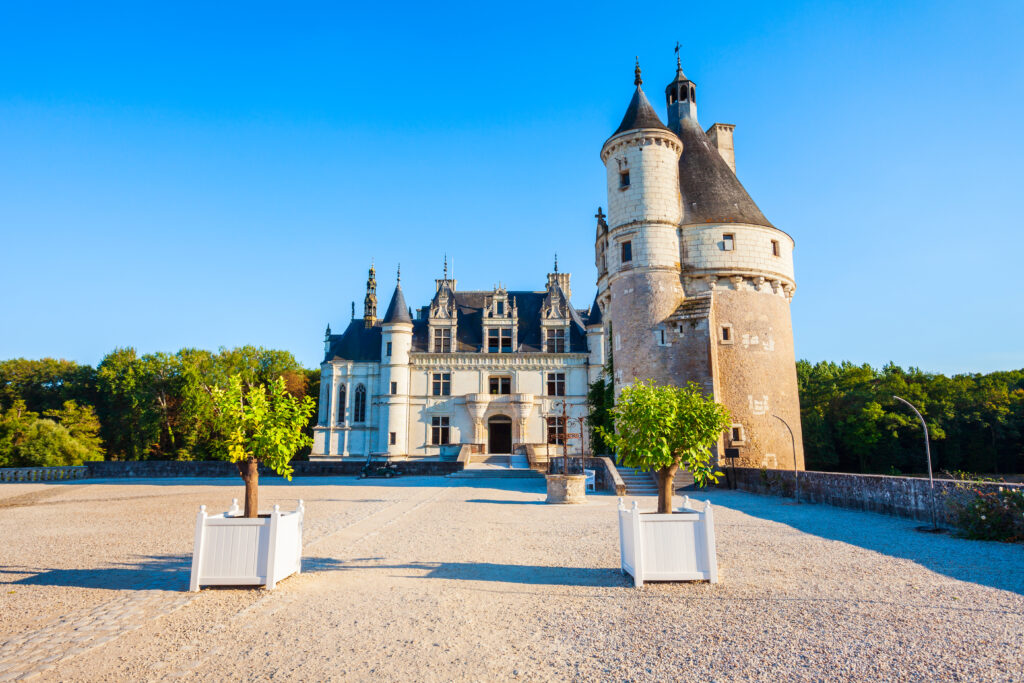
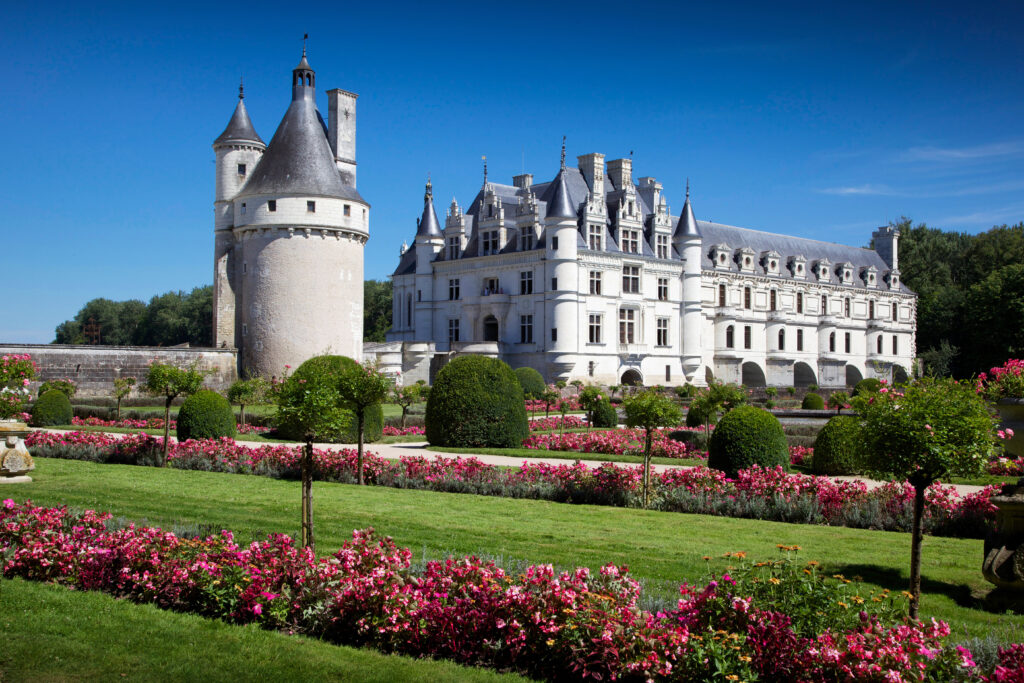
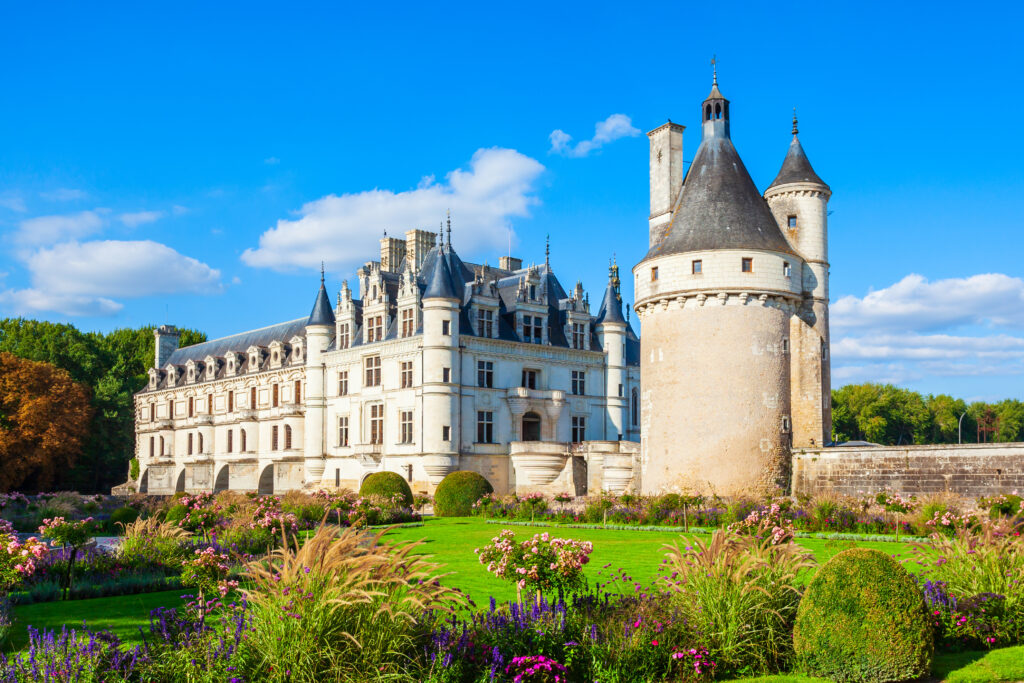
Nestled in the picturesque Loire Valley, the breathtaking Chenonceau Castle stands as a magnificent testament to Renaissance architecture. Its imposing arches, sprawling gardens and tranquil river views are an unforgettable sight. However, behind its beauty lies a dark and sinister history that locals rarely speak of, but which is passed on in hushed tones by those who dare to remember it – an evil that has lurked within the castle walls for centuries.
According to legend, the castle, often referred to as the ‘Château des Dames’ due to the influential women associated with its history, was built on cursed land. The curse is said to date back to the time of its construction at the behest of Thomas Bohier, who began building the castle in 1513. Before Bohier’s acquisition, the land was inhabited by a reclusive alchemist known only as Maître Jean. Rumours circulated that he practised black magic and sought immortality through forbidden spells and rituals.
When Maître Jean’s estate was demolished to make way for the new castle, he swore revenge on Bohier and all future inhabitants of the place. With his last breath, he cursed the land and claimed that his spirit would haunt anyone who dared to live there. Although Bohier dismissed these claims, strange occurrences began almost immediately after construction began.
Workers reported hearing eerie whispers and seeing shadowy figures wandering around the construction site at night. Tools disappeared and were found in inexplicable places, sometimes splattered with blood. Some workers mysteriously vanished and were never seen again, while others fell ill for no apparent reason. Despite these disturbing events, Bohier continued, determined to realise his vision.
After the castle was completed, the haunting seemed to subside, but it never disappeared completely. Over the years, paranormal activity continued to occur, often with tragic consequences for the castle’s inhabitants. The most frightening incidents occurred during the reign of Catherine de Medici, one of the castle’s most famous residents.
Catherine, known for her fascination with astrology and the occult, discovered ancient texts hidden deep in the castle library – texts that had once belonged to Maître Jean. In these texts, she found cryptic references to summoning spirits and communicating with beings from another world. Fascinated and perhaps power-hungry, Catherine performed several rituals, unwittingly awakening the alchemist’s dormant curse.
Soon after, the castle was plagued by unexplained deaths and disappearances. Servants were found lifeless in their beds, their bodies contorted into agonising positions, their faces frozen in horror. Catherine herself claimed to have seen apparitions of Maître Jean warning her to cease her dark practices. Desperate, she attempted to exorcise the castle, but failed miserably and only made the situation worse.
The curse grew stronger with each passing year, casting a shadow over the castle even after Catherine’s death. In the 18th century, during the French Revolution, the castle was abandoned for a short time. When it was recaptured, the soldiers stationed there reported terrifying incidents. One soldier, Jean-Luc Sauvage, documented his encounters with the supernatural in a diary that was later found hidden in the castle walls.
Sauvage wrote of nocturnal terrors – phantom footsteps echoing through empty halls, ghostly moans reverberating from the depths of the dungeons, and an overwhelming sense of fear permeating the air. He described how a comrade, Pierre Dubois, went mad after seeing a gruesome ghost. Dubois raved about demons dragging him to hell before taking his own life in a fit of madness.
The castle’s modern history is no less disturbing.
In the mid-20th century, a team of paranormal investigators led by Dr. Marianne Beaumont conducted an extensive investigation into the hauntings. They spent several nights within the castle walls, equipped with state-of-the-art equipment to gather evidence of the supernatural. What they found surpassed their worst nightmares.
Dr Beaumont’s team recorded terrifying EVPs (electronic voice phenomena) in which voices from beyond spoke of torment and suffering. They captured images of shadowy figures and inexplicable light anomalies. One investigator, François Delacroix, suddenly felt a cold grip on his arm that left marks that looked like claw scratches. Another saw a woman in historical clothing staring blankly before vanishing into thin air.
Their findings suggested that the castle was a hub of supernatural energy, a hotspot for restless spirits. Dr Beaumont theorised that Maître Jean’s curse had created a conduit for malevolent beings, trapping them eternally within the castle’s confines. This theory was supported by locals who, while hesitant to speak openly about the castle’s reputation as a haunted site, admitted to experiencing strange phenomena near the property.
Even in the 21st century, the Château de Chenonceau remains a popular tourist destination, attracting thousands of visitors who come to admire its magnificent architecture and lush grounds. However, few of these visitors are aware of the castle’s sinister past. Those who stay there – especially during the quieter seasons when there are fewer tourists – report hearing soft murmurs and feeling an unshakeable sense of being watched. Some say they have woken up in the middle of the night to see shadowy figures at the foot of their bed or hear disembodied voices reciting incomprehensible incantations.
The curse of Maître Jean continues and is inextricably linked to the Château de Chenonceau. It remains a place where beauty meets horror, history mingles with legend, and the boundary between life and death blurs in a ghostly way. Visitors should tread carefully, for the spirits that linger in the shadows of Chenonceau are ever vigilant, waiting to trap new souls in their eternal misery.