 Isabella Mueller Baroness of Stainton le Vale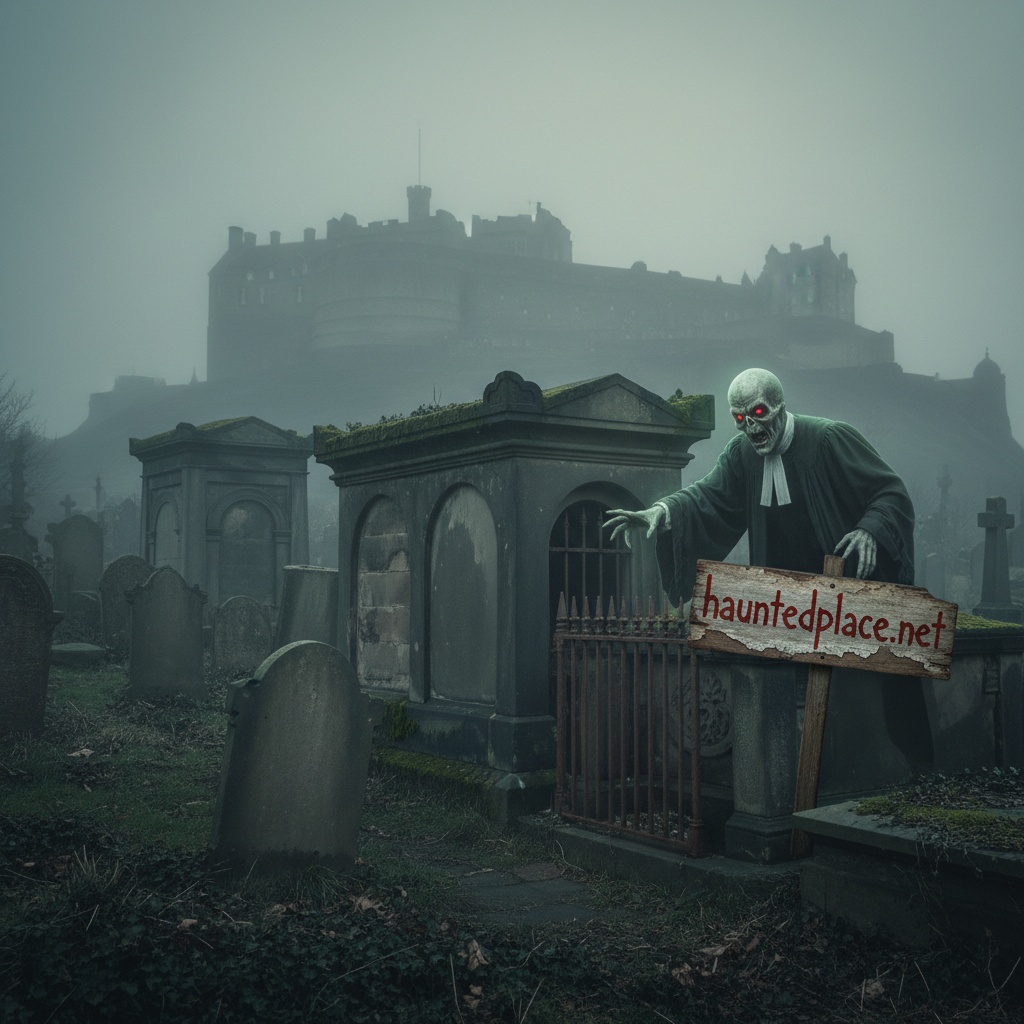
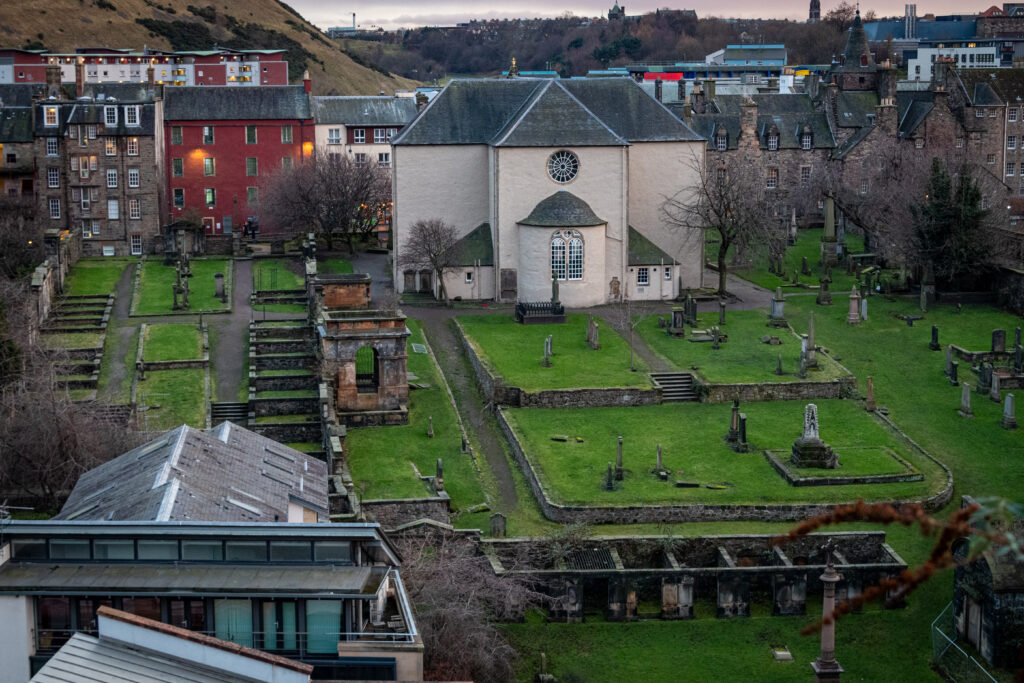
Edinburgh, the capital of Scotland, is known for its rich history and stunning architecture. However, beneath its picturesque surface lies a darker, more sinister side – a side shrouded in ghostly apparitions and spine-chilling tales of terror. At the centre of these spooky tales is Greyfriars Kirkyard, a cemetery known for its reputation as a haunted site and its eerie atmosphere.
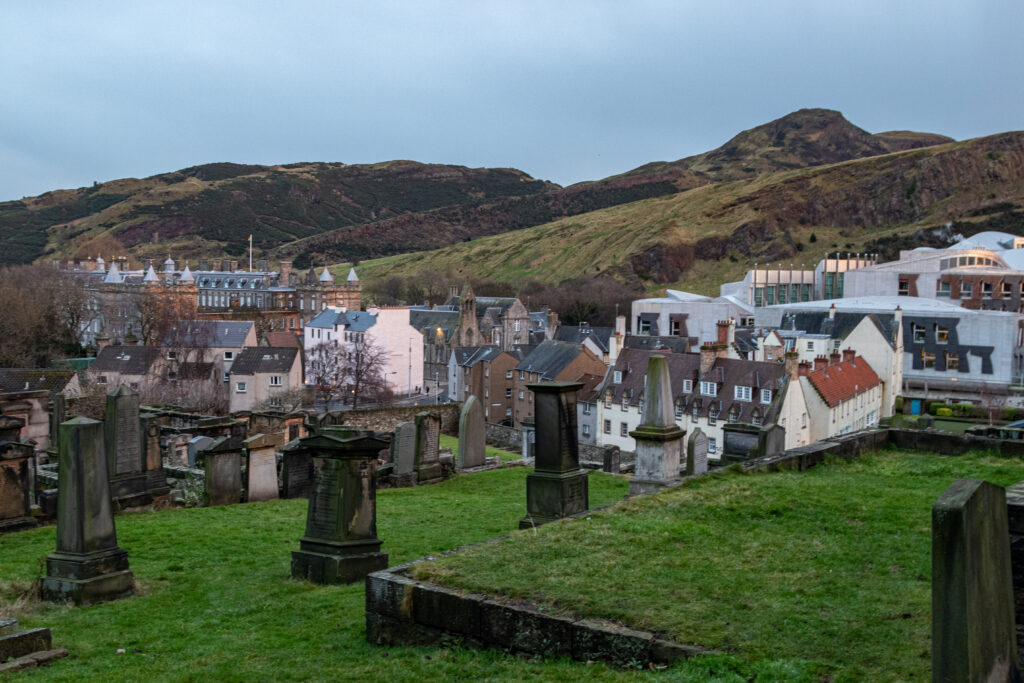
Greyfriars Kirkyard lies in the shadow of Edinburgh Castle, and its ancient gravestones and moss-covered graves tell silent stories from centuries past. Among these graves, one name stands out in particular: George Mackenzie. Known as ‘Bloody Mackenzie’, the former Lord Advocate of Scotland is considered one of the most notorious ghosts haunting the cemetery.
Mackenzie’s malevolent spirit is said to haunt the Black Mausoleum, a gloomy structure within the cemetery walls. Stories of his ghostly presence began in 1999 when a homeless man broke into the mausoleum in search of shelter. According to local lore, he unwittingly unleashed Mackenzie’s vengeful spirit, triggering a flood of paranormal activity that has haunted visitors ever since.
Over the years, numerous reports have surfaced describing encounters with Mackenzie’s ghost. Visitors report sudden drops in temperature, the feeling of being watched, and unexplained scratches and bruises on their bodies. Some have even fainted or been knocked unconscious by invisible forces. These terrifying experiences have earned Mackenzie the fearsome title of ‘Mackenzie Poltergeist’.
While Mackenzie’s ghost plays a prominent role in the stories about Greyfriars Kirkyard, the cemetery itself has a gruesome history that adds to its eerie appeal. Founded in the 16th century, Greyfriars has long been a burial place for the dead of Edinburgh. The site gained notoriety in the 17th century when it became associated with the Covenanters, a group of Presbyterian dissidents who opposed the king’s interference in church affairs.
In 1679, after the Battle of Bothwell Bridge, the Covenanters were imprisoned in a section of the cemetery now known as Covenanters’ Prison. Hundreds of men were held captive in brutal conditions, many of them dying of starvation, disease or violence. The torment suffered by these prisoners has left an indelible mark on Greyfriars, and some claim that their anguished cries still echo through the night.
The macabre mystique of Greyfriars is heightened by the underground vaults hidden beneath the grounds. These vaults were originally built as cellars and storage rooms, but have since become intertwined with the haunted legend of the graveyard. The dark, cramped chambers are said to be inhabited by restless spirits, their tormented souls trapped in the shadows forever.
But it is not only the tormented souls of the vault’s inhabitants or the slain Covenanters that contribute to the cemetery’s notoriety. Greyfriars Kirkyard is also known for its connections to corpse theft, a gruesome practice that was widespread in early 19th-century Edinburgh. As medical schools paid high prices for fresh corpses to dissect and study, grave robbers, known as ‘resurrectionists’, would exhume recently buried bodies under the cover of darkness. Greyfriars quickly became a favourite target due to its isolated location and abundant supply of corpses.
Many of these grave robbers met a gruesome fate themselves, often falling victim to suspicious townspeople or even other resurrectionists defending their turf. The area around Greyfriars is said to be littered with unmarked graves of these unfortunate criminals, whose restless spirits are said to contribute to the cemetery’s paranormal activity.
Despite its ghostly inhabitants and gruesome history, Greyfriars Kirkyard remains a popular destination for tourists and lovers of the paranormal.
Ghost tours, which take visitors through the darkest corners of the cemetery and recount its eerie stories, have become a major attraction. These tours are not for the faint-hearted, as participants often report strange occurrences and emotional disturbances during the excursions.
Another layer to the Greyfriars legend is the story of the loyal Skye Terrier named Greyfriars Bobby. This steadfast dog is said to have guarded the grave of his owner, John Gray, for 14 years until he himself died. While Bobby’s story is heartwarming and lacks any of the macabre elements that characterise Greyfriars’ reputation, some claim that even this story has a supernatural twist.
It is said that Bobby’s spirit still roams the graveyard, continuing to watch over his master’s final resting place.
Greyfriars Kirkyard is undoubtedly a place where history and horror intertwine, creating an atmosphere that is both fascinating and terrifying. Its storied past and ghostly legends make it one of Scotland’s most haunted places, attracting visitors from all over the world who want to experience its supernatural phenomena first-hand.
But despite all the horror stories and ghost tales, Greyfriars is also a poignant reminder of the passage of time and the inevitability of death. The gravestones, smoothed by centuries of wind and rain, are silent witnesses to the lives and deaths of those who came before us. And while the ghosts of Greyfriars may inspire fear, they also inspire awe for the history that shapes our present.
In summary, Greyfriars Kirkyard is more than just a graveyard; it is a place where the past refuses to remain buried. From the eerie apparitions of Bluidy Mackenzie and the agonising cries of the Covenanters to the loyal ghost of Greyfriars Bobby, this graveyard holds a wealth of stories that continue to fascinate and frighten. Whether you are a sceptic or a believer, a visit to Greyfriars Kirkyard is sure to leave a lasting impression as you wander among the gravestones and feel the weight of history – and perhaps something supernatural watching from the shadows.