 Isabella Mueller Baroness of Stainton le Vale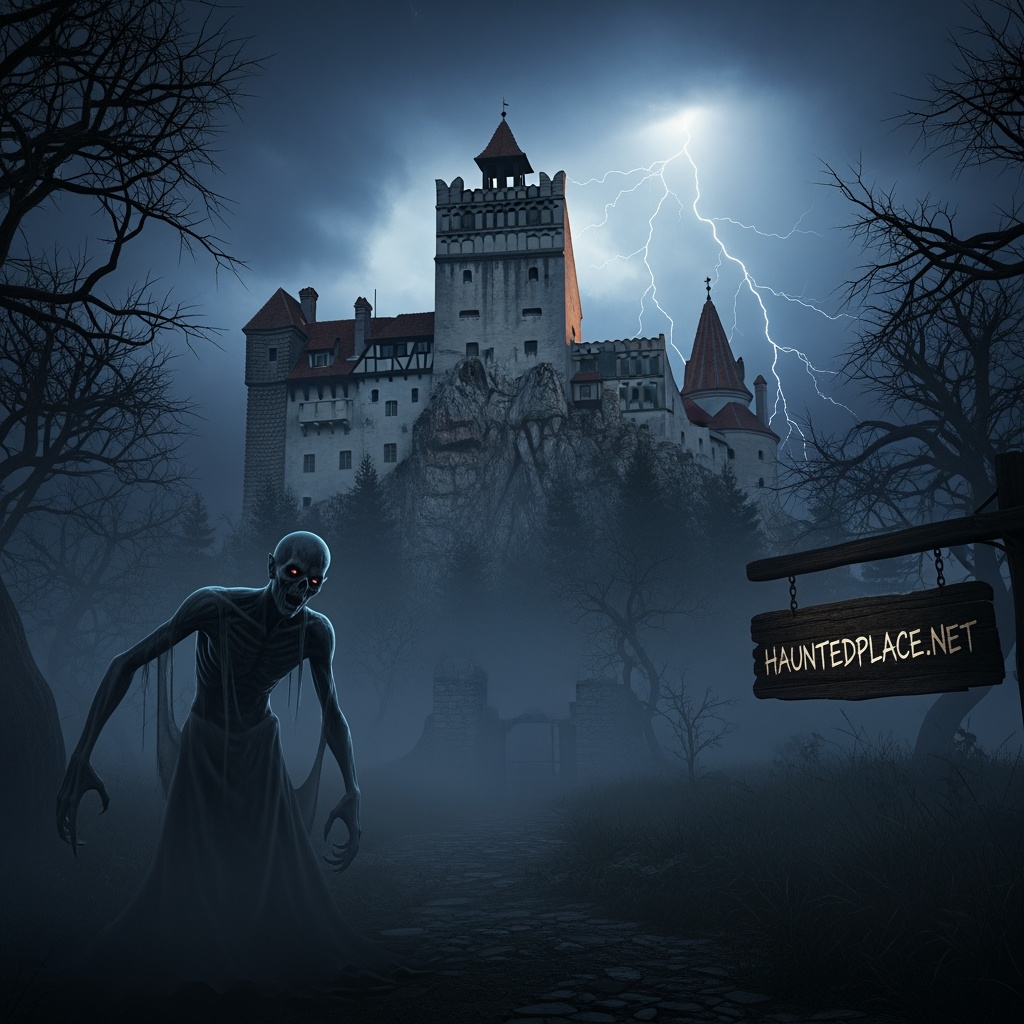
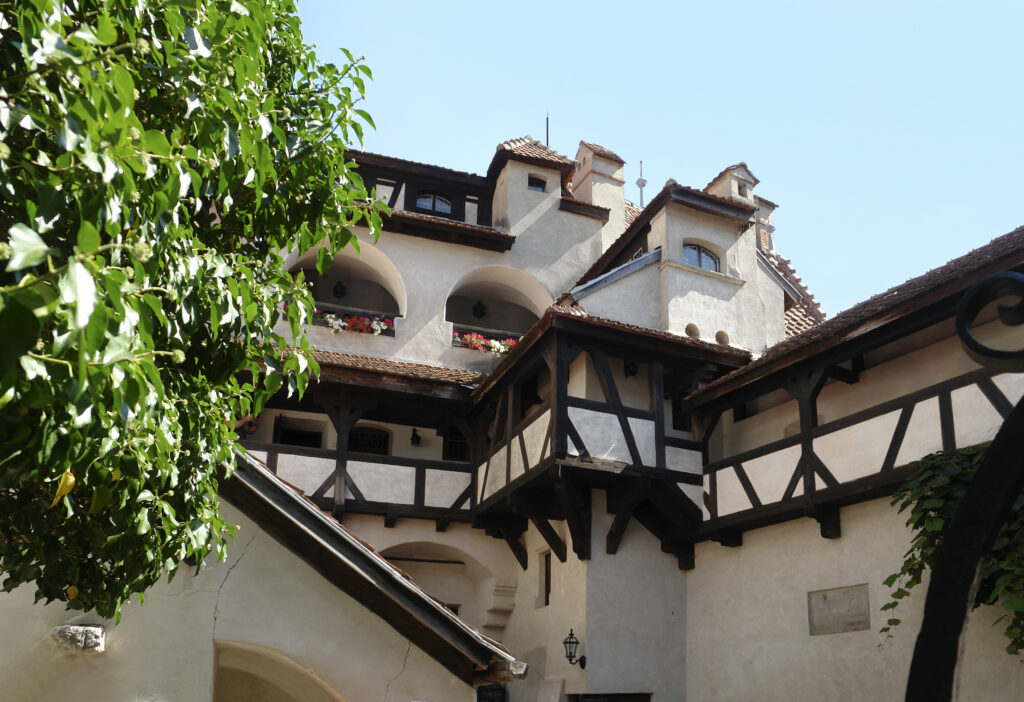
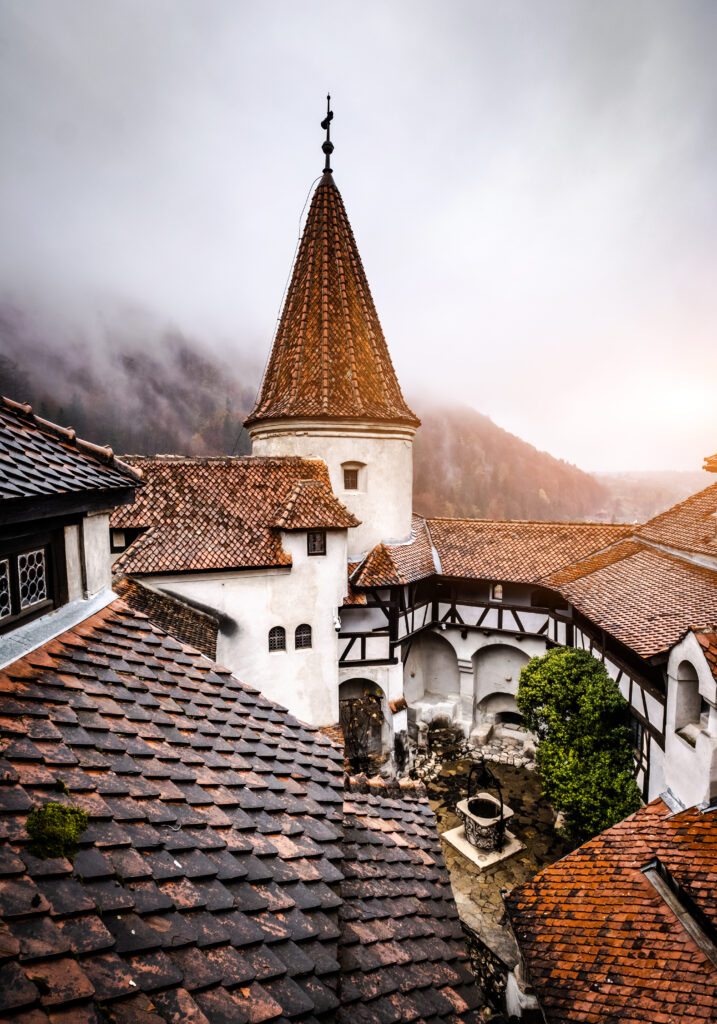
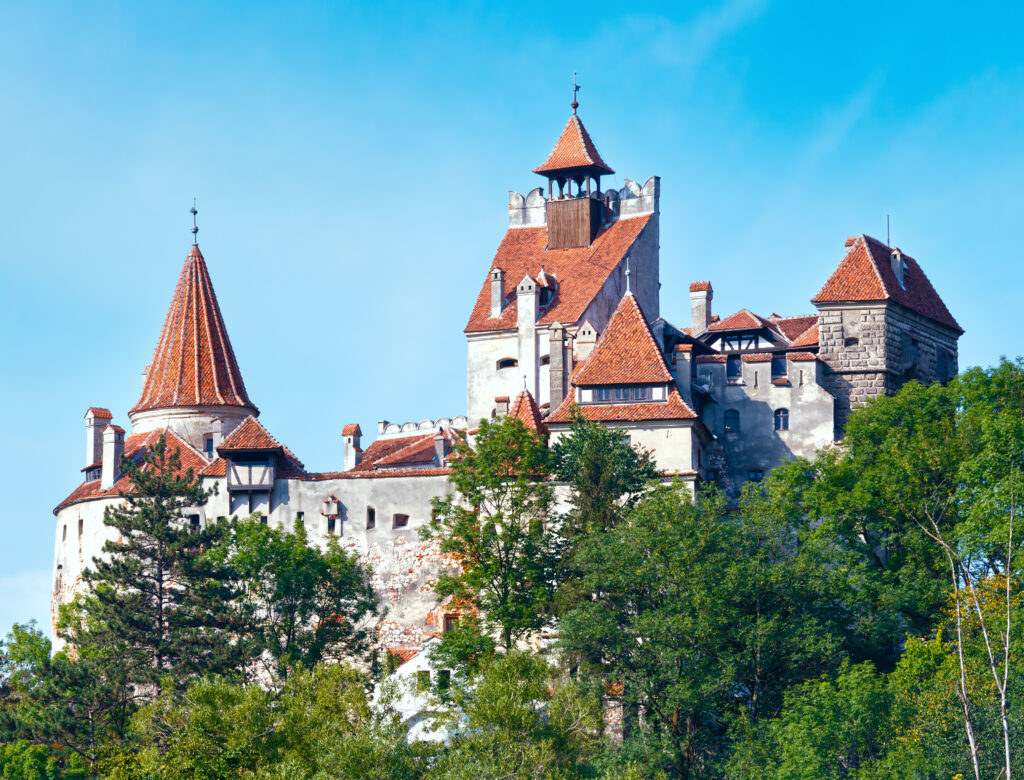
In the shadowy Carpathian Mountains of Romania stands Bran Castle, an imposing relic of history and mythology. Often associated with the infamous Count Dracula, this eerie fortress has become a hotbed for stories about the supernatural. But behind the well-known vampire legend lies a far darker legend – that of the Strigoi. Local myths warn of these malevolent spirits, who are said to leave their bodies at night to torment the living.
The origin of the Strigoi legend is deeply rooted in Romanian culture and dates back centuries. These undead beings are considered revenants, souls that cannot find peace in death. Unlike traditional ghosts, Strigoi have a physical form during the day and blend seamlessly into human society. At night, however, they transform into gruesome apparitions that threaten both the physical and mental well-being of the living.
Residents of the surrounding villages report eerie encounters with these nocturnal terrors. According to folklore, signs of a strigoi’s presence include unexplained deaths, mysteriously dying livestock, and incessant night terrors. The strigoi’s ability to change shape and become invisible only adds to the palpable fear surrounding their existence.
Historical accounts suggest that fear of strigoi was so widespread that communities resorted to drastic measures to protect themselves. Graves were often exhumed to check for signs of vampirism – unusual decomposition, fresh blood around the mouth and physical movements in the coffin. Those suspected of being strigoi were subjected to brutal rituals: a stake was driven through their hearts, they were beheaded or burned to prevent them from rising again.
A particularly harrowing story comes from the village of Marotinu de Sus, where in 2004 six villagers desecrated the grave of a deceased local because they believed him to be a strigoi after a series of unexplained illnesses had afflicted their community. They removed his heart, burned it and mixed the ashes with water for his family members to drink, believing that this gruesome potion would ward off his evil spirit. Although this case is modern, it illustrates the continuing influence of ancient superstitions in Romania today.
Numerous reports of paranormal activity contribute to the eerie atmosphere of Bran Castle itself. Visitors and staff report disembodied voices, footsteps echoing through empty corridors, and cold spots where the temperature inexplicably drops. Some even claim to have seen ghostly figures on the castle grounds, leading many to wonder if the legends about the Strigoi are more than just myths.
Furthermore, the castle’s history is not without intrigue and horror. Originally built as a fortress against invading troops, it later served as a royal residence and strategic military outpost. Its labyrinthine architecture, with hidden passageways and damp dungeons, only adds to the sense of foreboding that hangs heavily in the air. It is easy to imagine how such a place could give rise to stories of restless spirits and undead beings.
The narrative is further complicated by scientific explanations for phenomena attributed to the strigoi. Sleep paralysis, a condition in which one is temporarily unable to move after waking up, could explain the feeling of an oppressive presence often associated with strigoi attacks. Similarly, decomposition processes in graves can create the illusion that a corpse has moved or fed, adding to the horror of resurrection myths.
Yet despite rational explanations, the legend of the strigoi persists, fuelled by both cultural traditions and people’s fascination with the macabre.
The stories about these undead spirits remind us of our deep-seated fears of death and the unknown, fears that manifest themselves in stories about beings that blur the line between life and death.
Today, Bran Castle is a popular tourist destination, attracting countless visitors who want to explore its haunted halls and perhaps catch a glimpse of the supernatural. The legend of the Strigoi continues to capture the imagination of people worldwide, adding a touch of dark fascination to Romania’s rich folklore.
So if you ever find yourself wandering the winding, mist-shrouded paths of the Carpathian Mountains, be careful. The night may hide more than just shadows, for the Strigoi are said to roam freely, forever trapped between the realm of the living and the dead, seeking solace in the eternal torment of their cursed existence. A visit to Bran Castle could bring you face to face with these ancient terrors – if you dare to believe the legends.