 Isabella Mueller Baroness of Stainton le Vale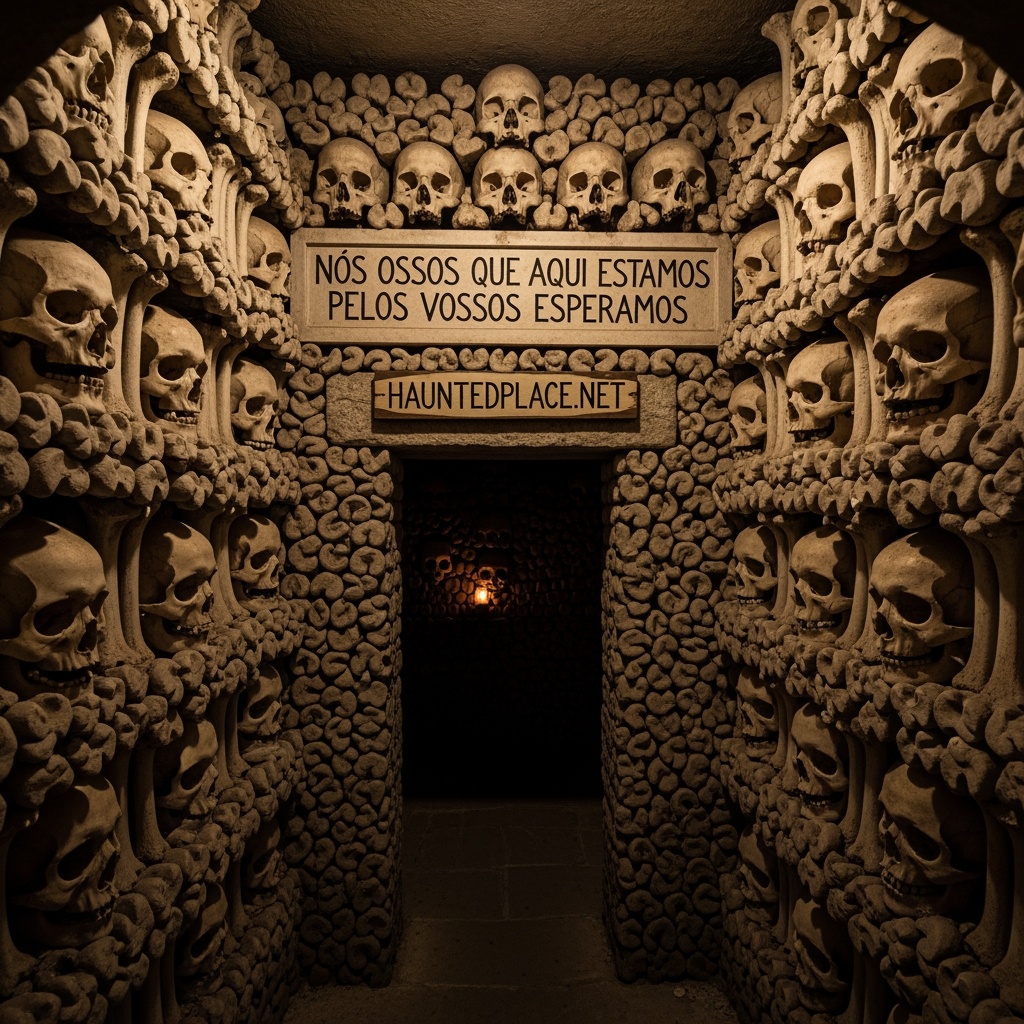
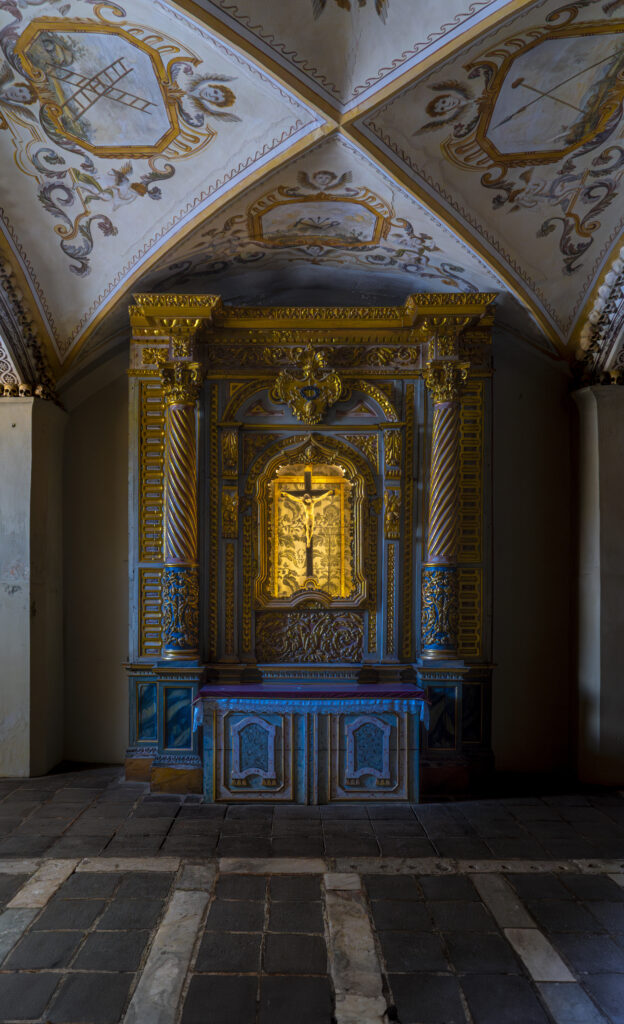
Nestled in the picturesque and tranquil city of Évora in Portugal lies a place that stands in stark contrast to its peaceful surroundings. The Capela dos Ossos, or Chapel of Bones, is a macabre monument to human mortality, surrounded by legends and eerie whispers. This bone-adorned chapel attracts thousands of curious visitors each year, drawn by the morbid fascination of its dark history and spooky decor.
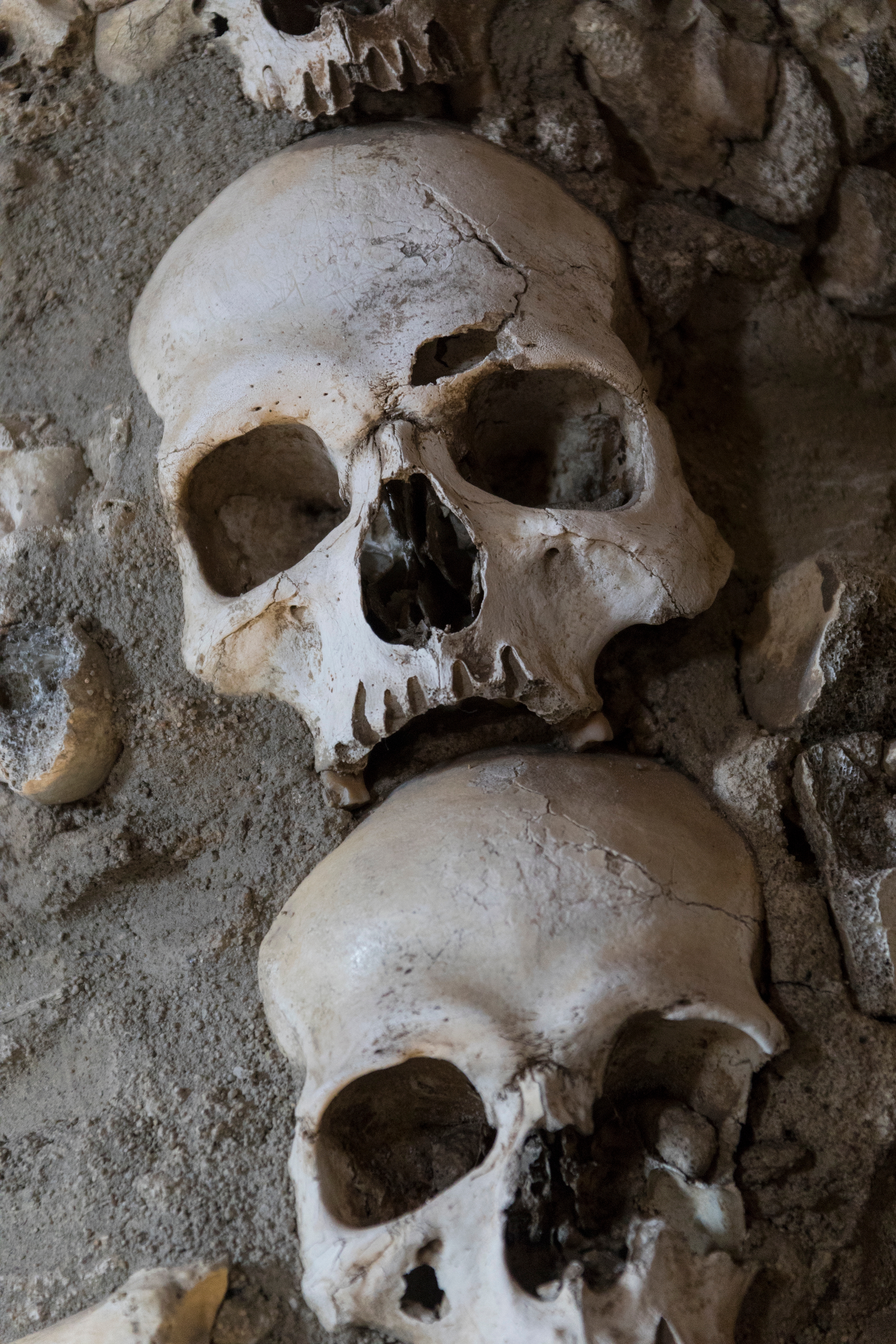
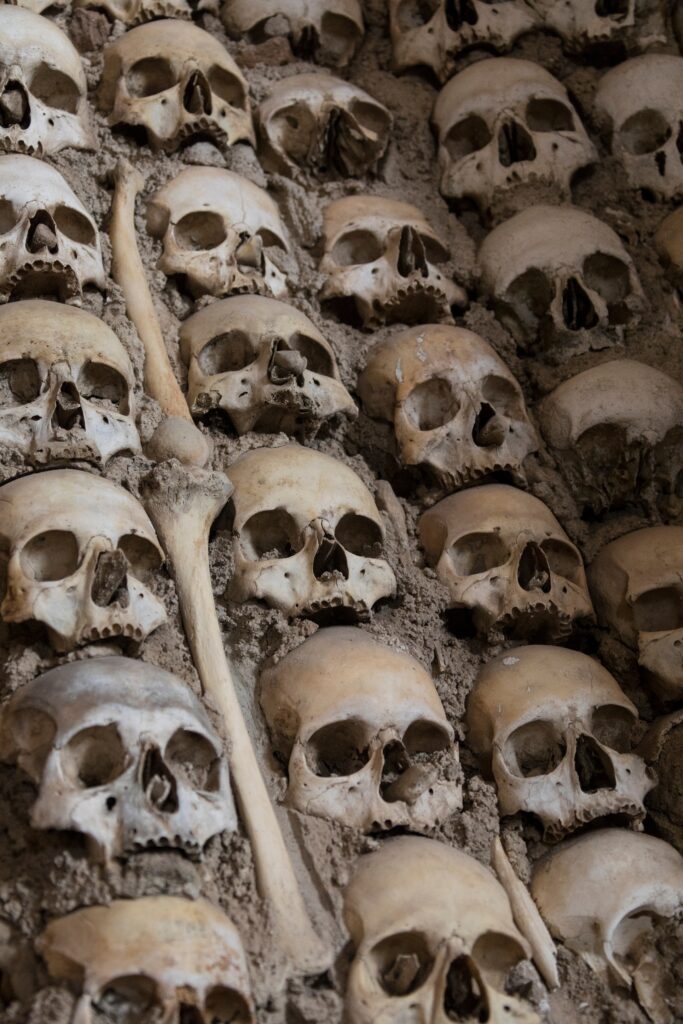
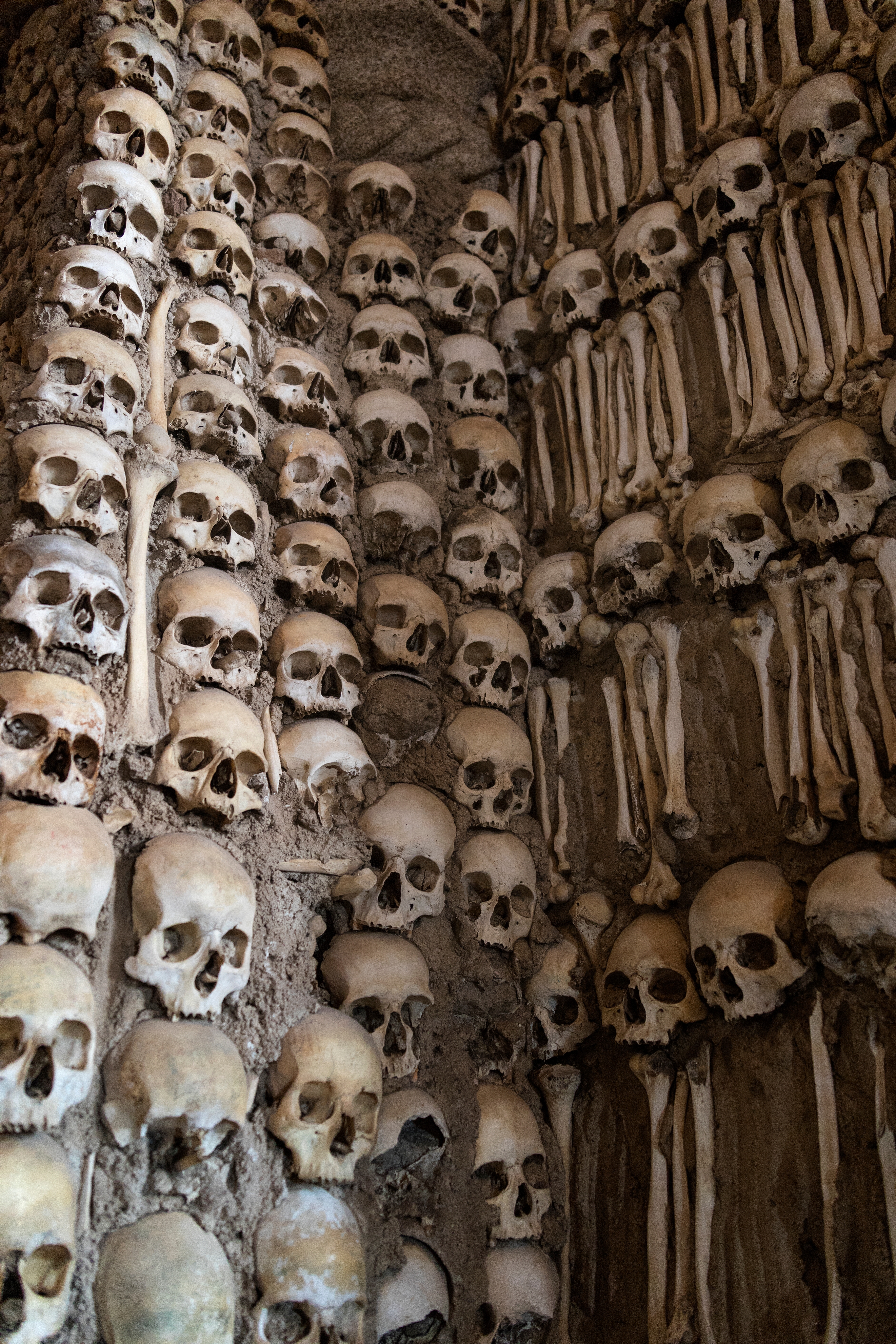
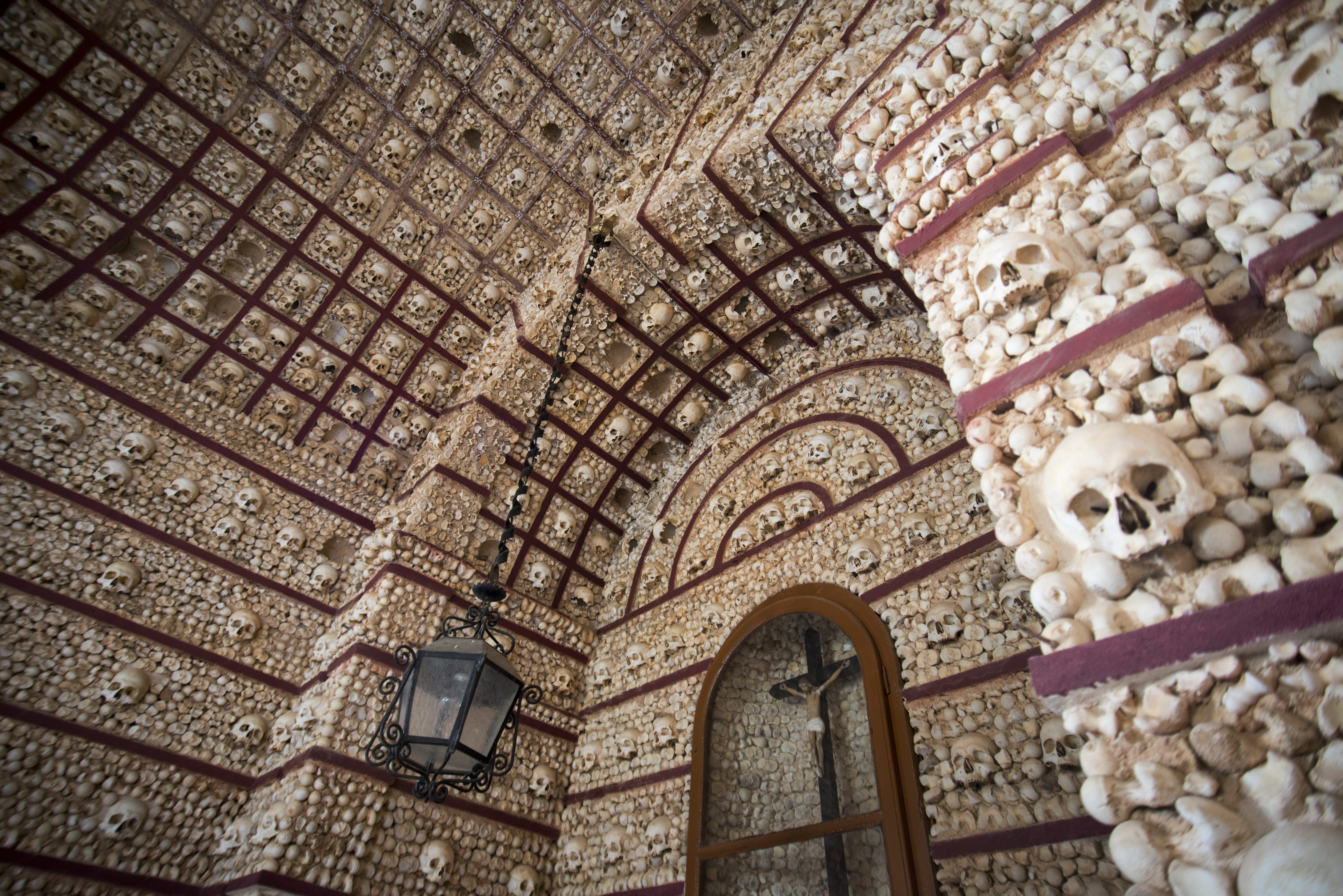
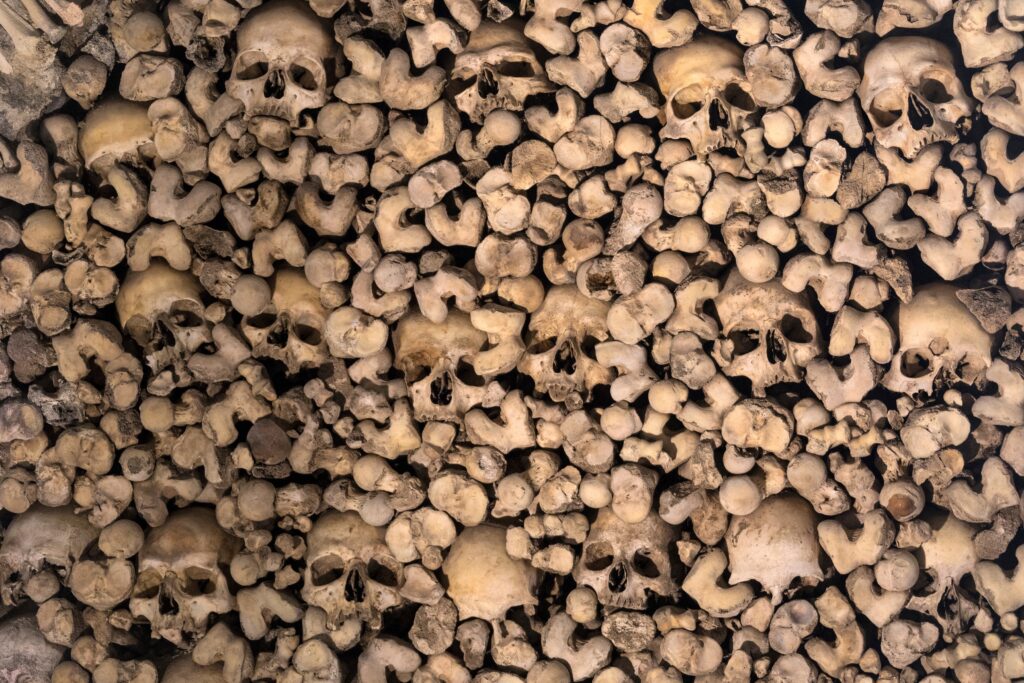
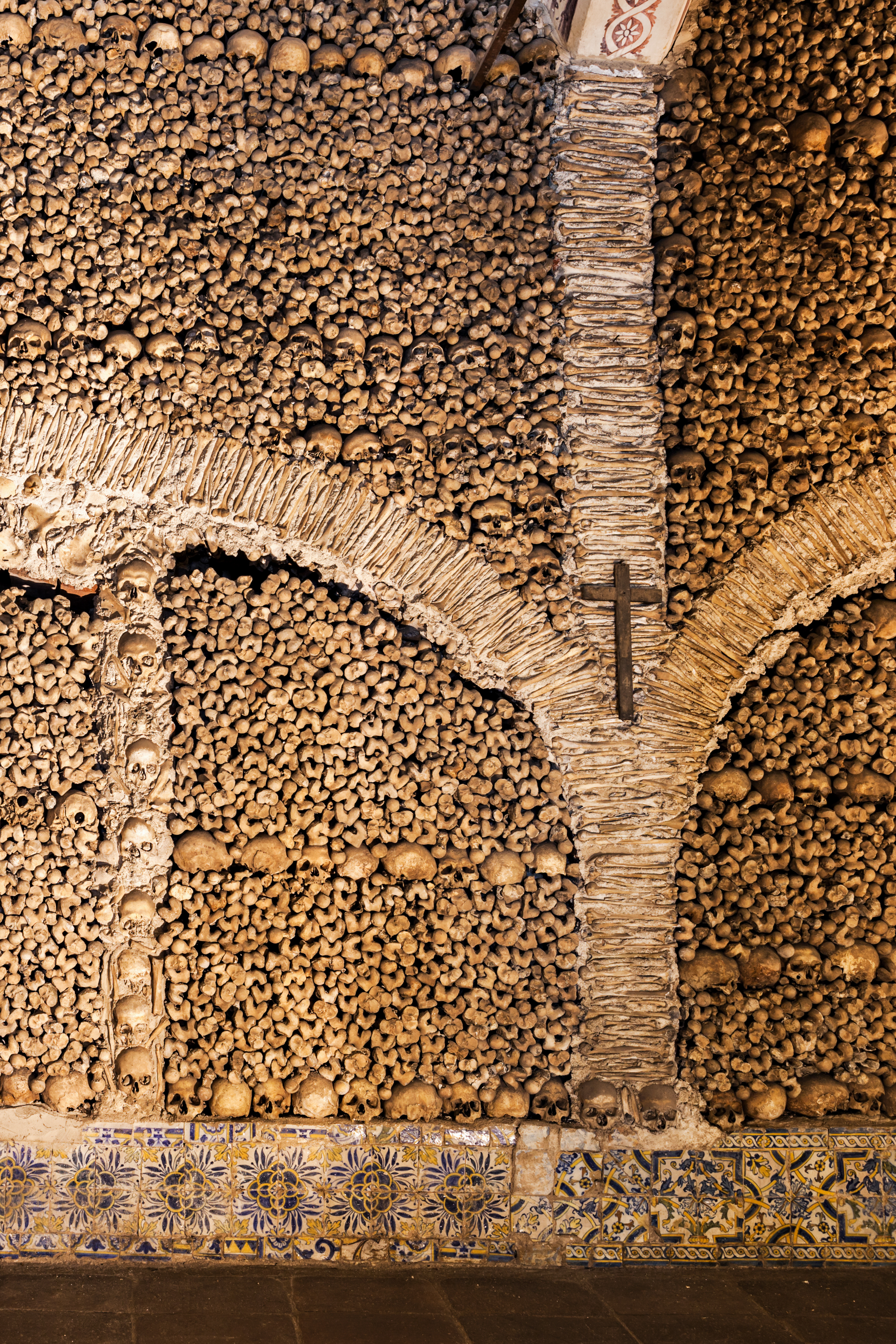
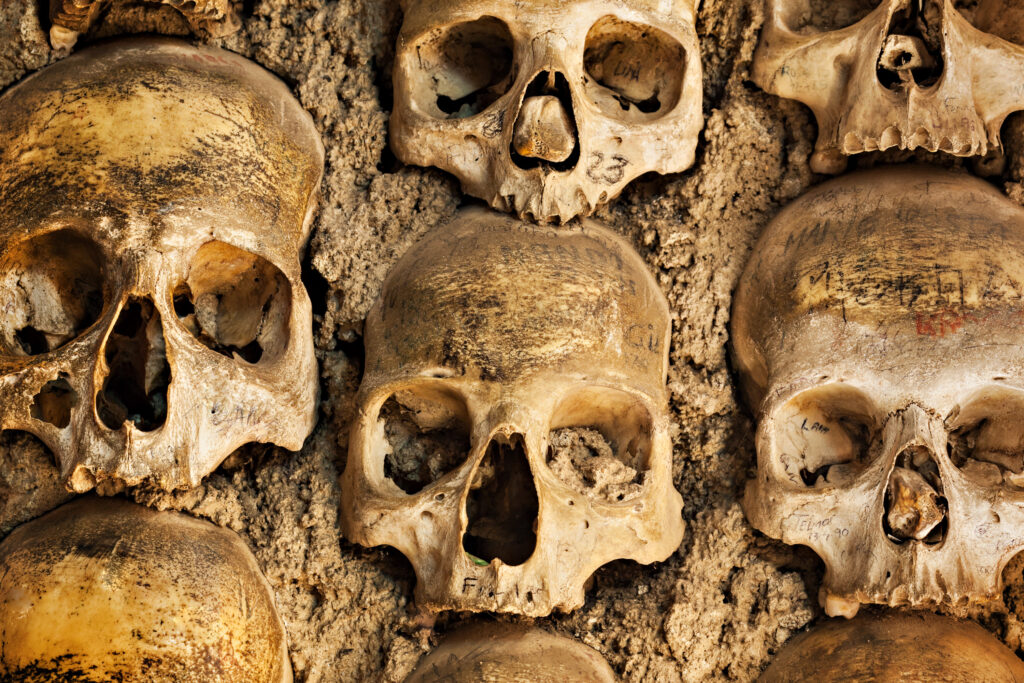
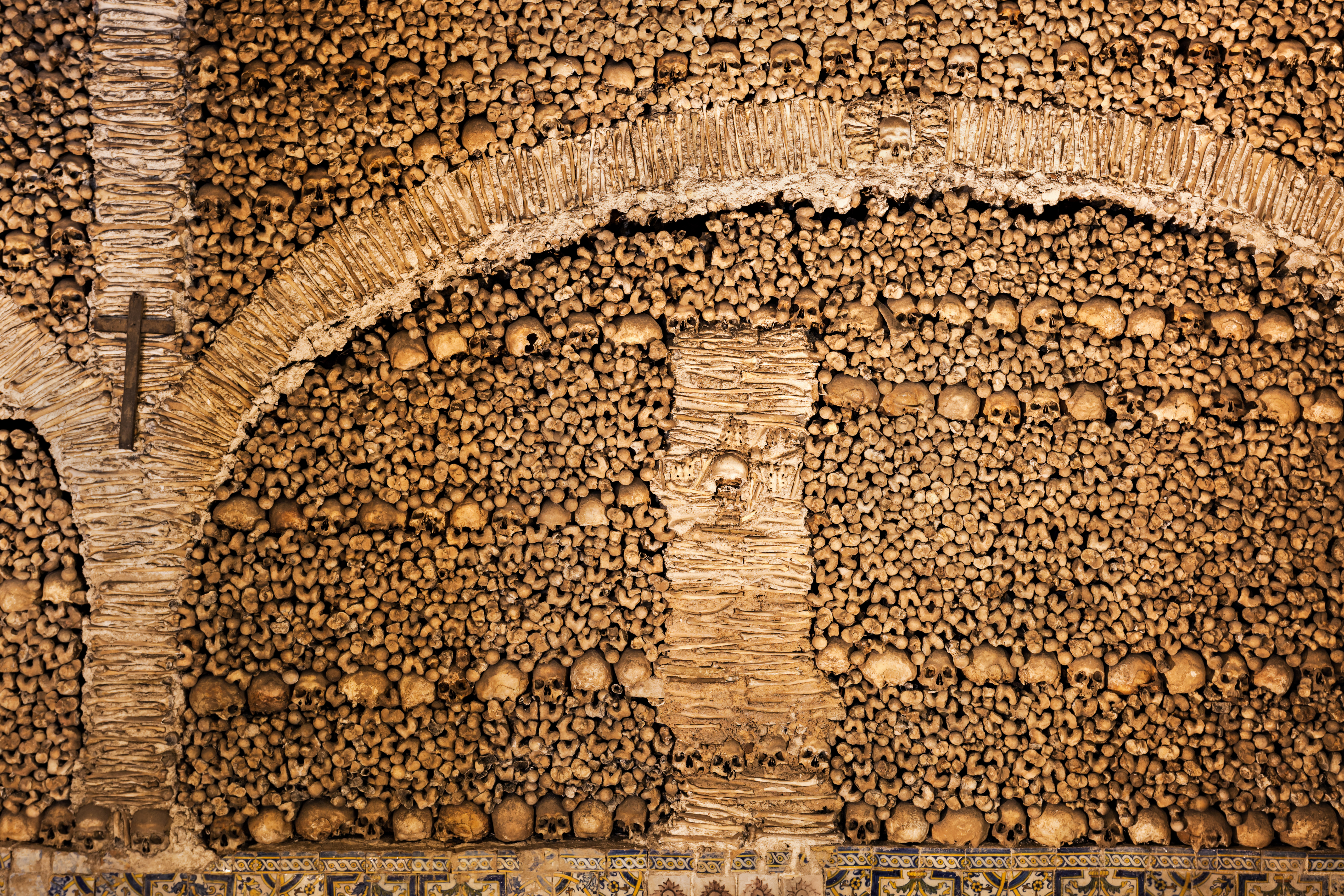
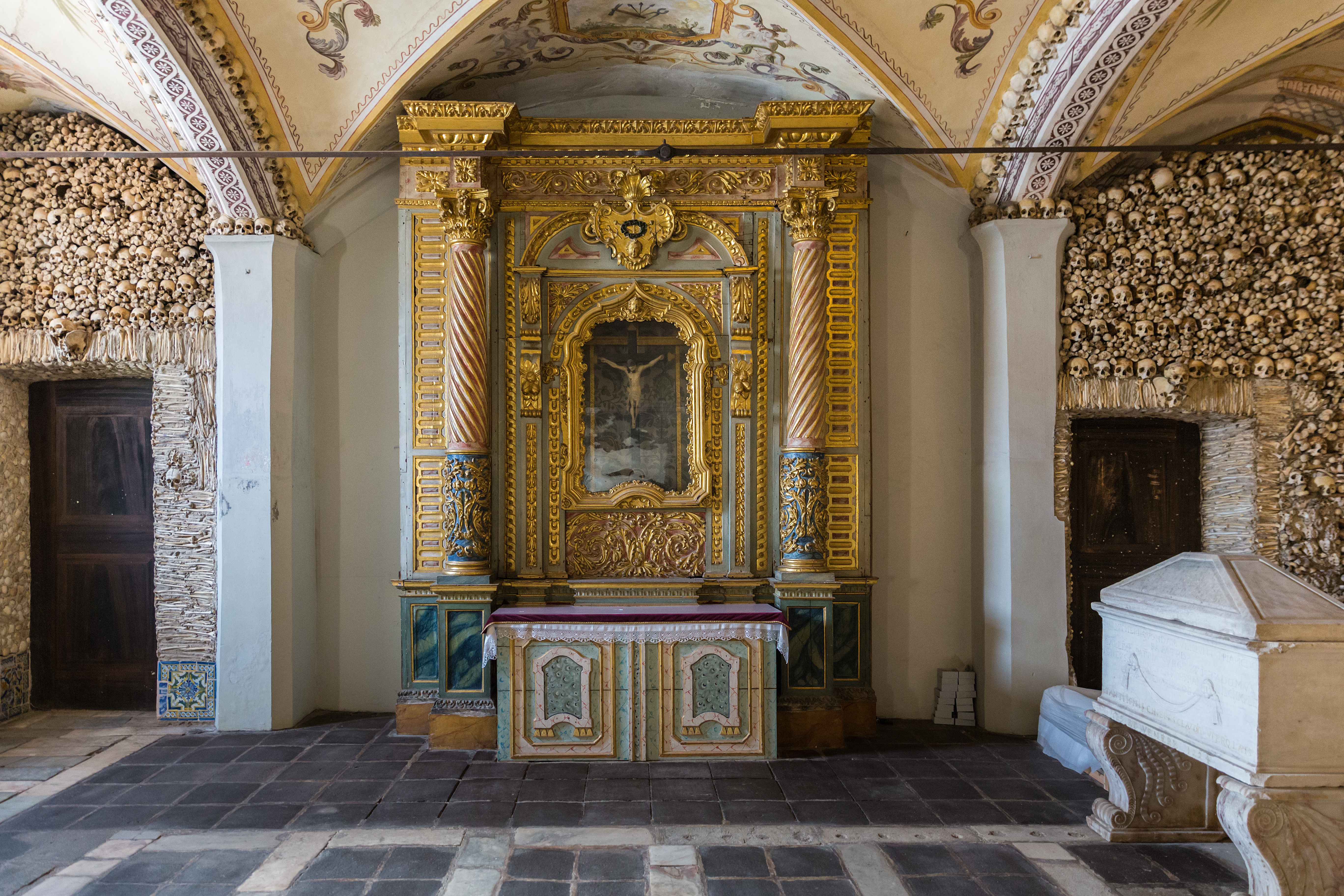
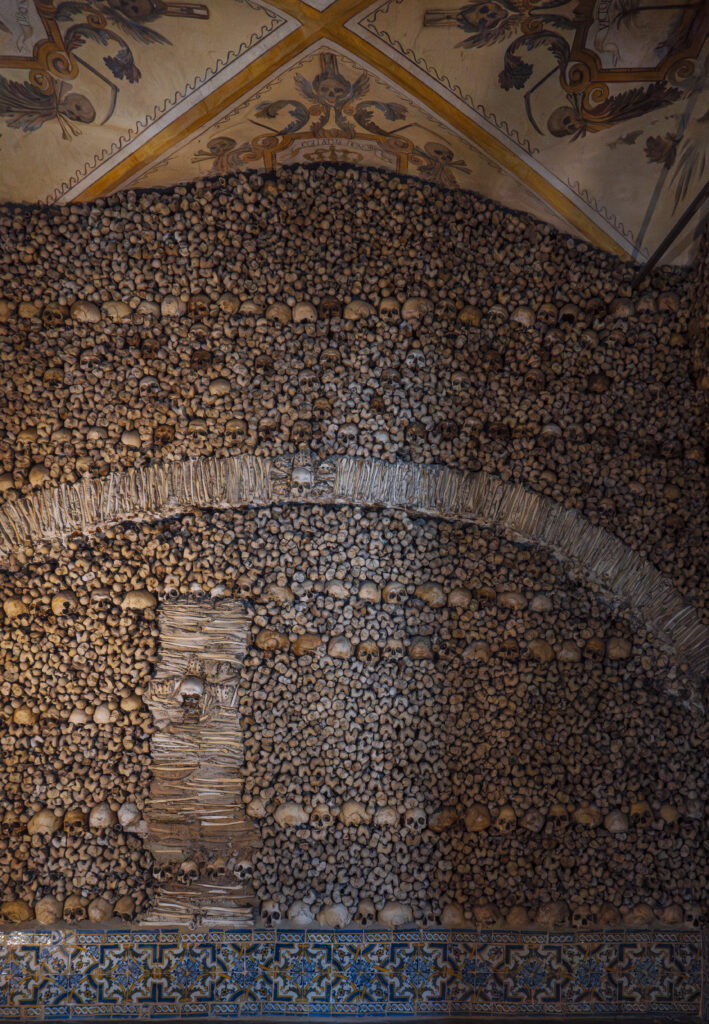
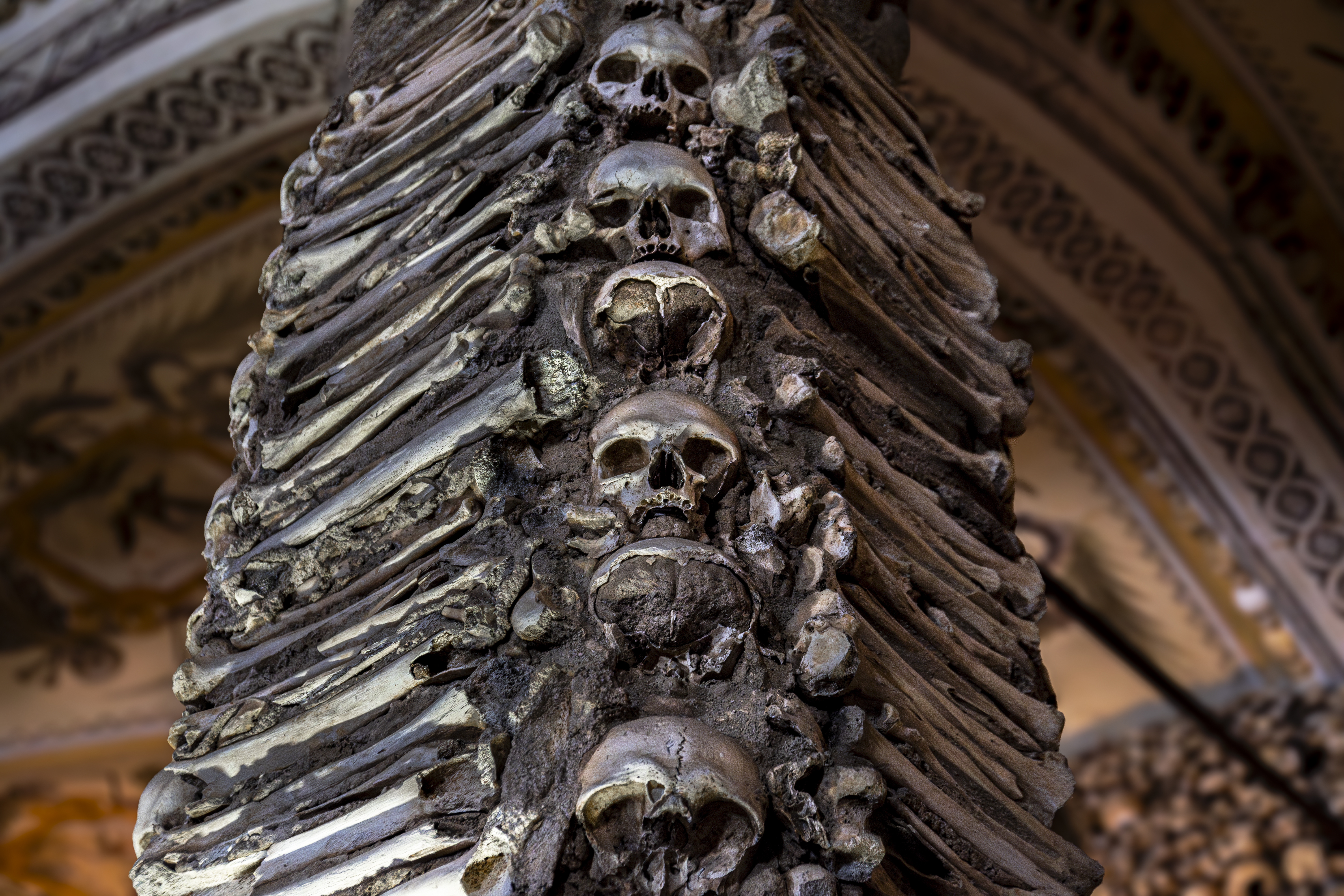
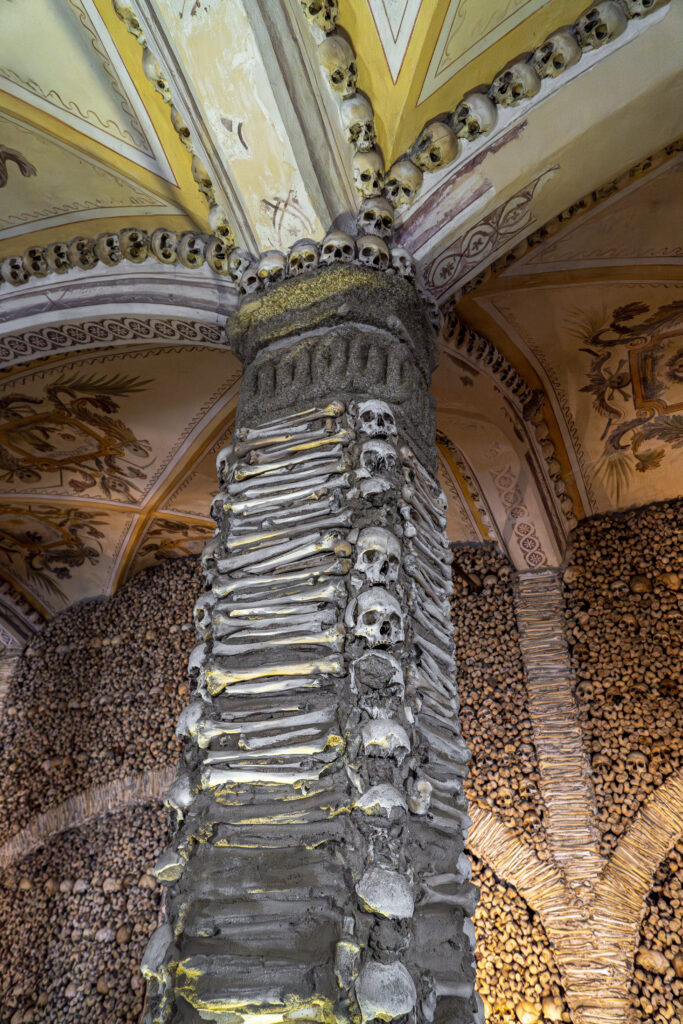
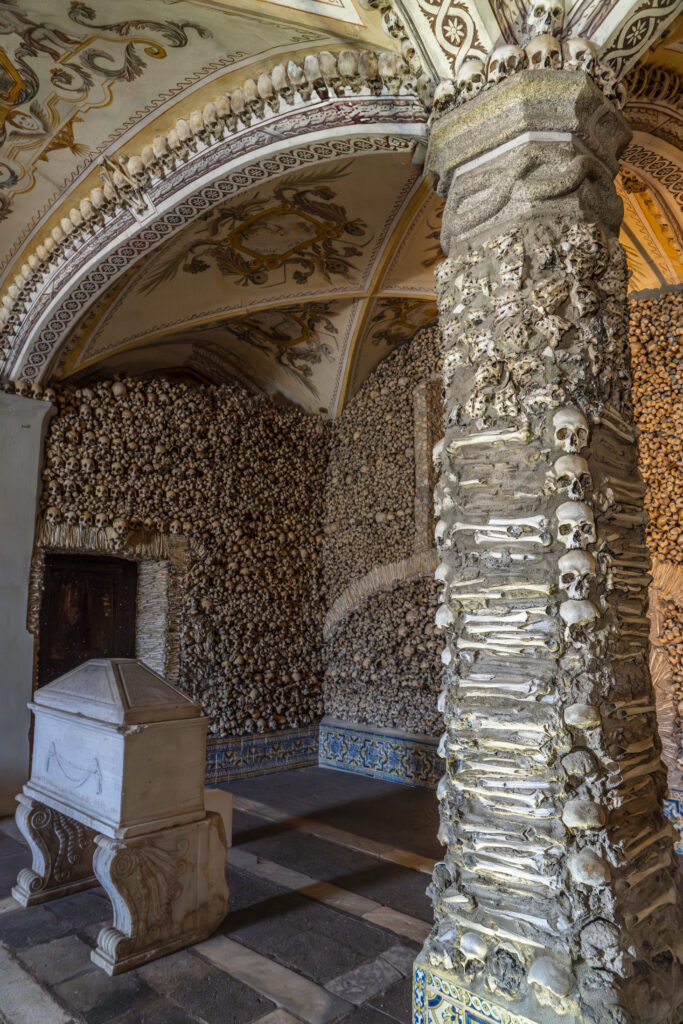
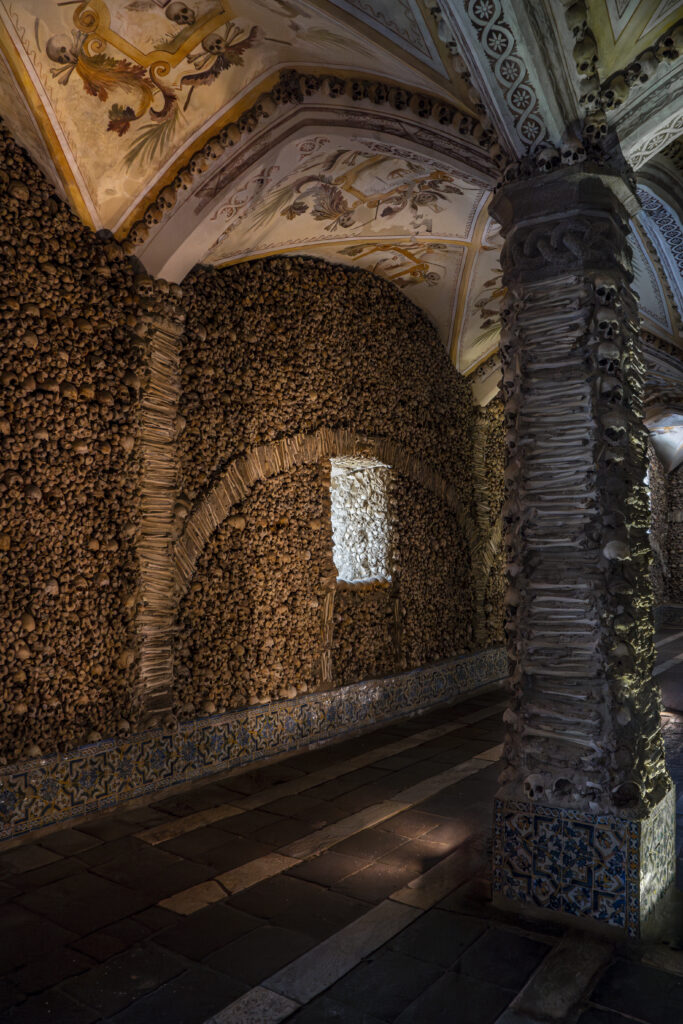
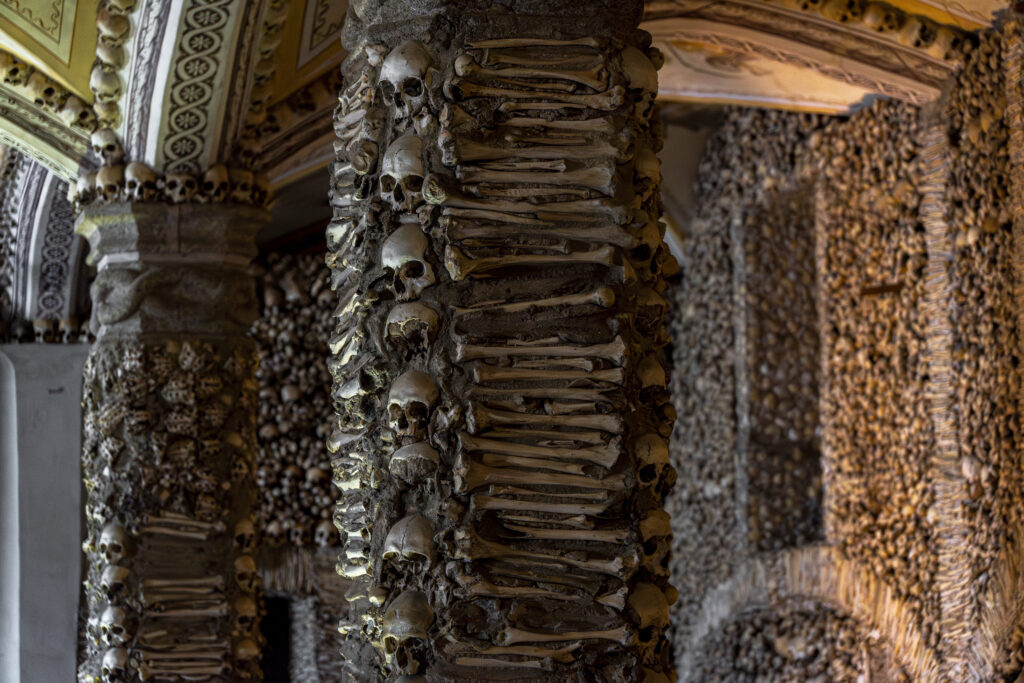
Imagine entering a small, dimly lit room where you are surrounded by walls made of thousands of human bones. Skulls peer menacingly out of the mortar, their hollow eyes seeming to follow your every move. The frightening inscription above the entrance, “Nós ossos que aqui estamos pelos vossos esperamos” (translated: “We bones that are here await yours”) is a cruel reminder of the inevitable fate that awaits all living creatures.
However, the true horror of the Capela dos Ossos lies not only in its bone-covered walls, but also in the harrowing stories that haunt its shadowy corridors. According to historical accounts, the chapel was built in the late 16th century by Franciscan monks. Faced with the unsustainable growth of local cemeteries, these monks saw an opportunity to create a poignant reflection on the transience of life. They exhumed bones from overcrowded cemeteries and carefully arranged them in the chapel, transforming it into a somber but fascinating memento mori.
The bones themselves bear the marks of timeless suffering and death, each one connected to a soul that once walked the earth. Among the skeletal remains are whispered stories of plague victims, soldiers who fell in long-forgotten battles, and townspeople who fell victim to the harshness of medieval life. Some of the bones are said to belong to people who suffered a cruel fate at the hands of the Inquisition, adding an extra layer of historical horror to the chapel’s mystique.
Visitors often report feeling an inexplicable coldness upon entering the chapel that goes beyond the physical cold. Many report hearing disembodied voices whispering softly, footsteps echoing in the silence when no one is around, and fleeting shadows darting at the edge of their vision. These ghostly occurrences have fueled speculation that the chapel is haunted, attracting paranormal enthusiasts and ghost hunters eager to unravel its mysteries.
The legends surrounding the Capela dos Ossos are full of supernatural encounters. One of the most famous legends tells of two mischievous children who entered the chapel after dark on a whim and disappeared without a trace. Locals claim that their spirits are now trapped in the chapel, doomed to wander its eerie rooms forever.
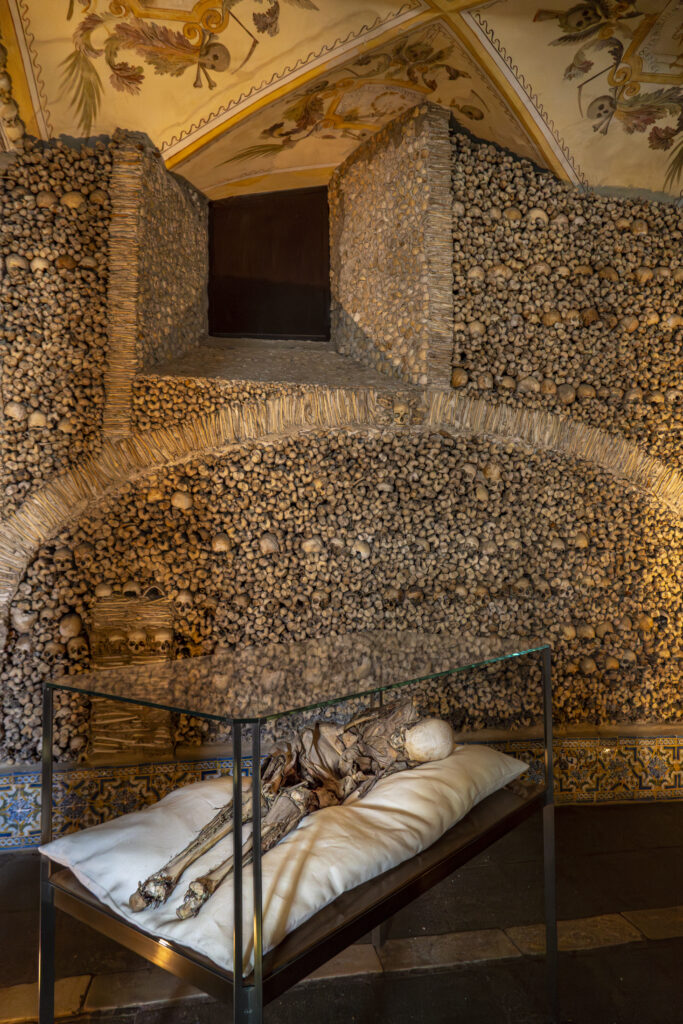
Another spooky story is about a devout monk who dedicated his life to the chapel. After his death, his fellow monks honored him by keeping his skeletal remains in a prominent place in the chapel. Visitors report seeing an apparition resembling a monk praying fervently. It is believed to be the pious spirit, still bound to his sacred duty.
Modern researchers and historians continue to investigate the mysterious origins and enduring legends of the Capela dos Ossos. Some speculate that more than just practical considerations of space may have played a role in the chapel’s construction. They suspect the possible influence of occult practices and rituals designed to harness the energy of the dead. The precise arrangement of certain bones and skulls has led some to theorize that the chapel is linked to ancient necromantic rites.
For centuries, the Capela dos Ossos has been a place where the boundaries between the living and the dead blur, creating an eerie atmosphere that both frightens and fascinates. Its uncanny ability to evoke profound reflections on mortality and the afterlife makes it a fascinating destination for those brave enough to face its unsettling truths.
Several gruesome artifacts kept in the chapel also contribute to the eerie atmosphere. Among them is a nightmarish painting depicting a scene from a horror novel: skeletons digging graves and dancing with macabre glee under the moonlight. This artwork, along with the haunting skeletal displays, contributes to the overwhelming sense of dread that pervades the chapel.
The discovery of hidden chambers within the chapel has only deepened the mysteries surrounding it. In recent years, researchers discovered a hidden room filled with even more bones, raising questions about its purpose and the extent of the chapel’s origins. There is much speculation, with some suggesting that these chambers were used for secret rituals, while others believe they served as storage space for the excess from the main chapel.
The Capela dos Ossos is also a grim reminder of the transience of life during the plague. Much of the bones come from people who died in the plague epidemic in the 14th century. Their presence in the chapel bears witness to the devastating destruction that once ravaged Europe, leaving behind only the remains of tragically cut-short lives.
Despite the chapel’s melancholic atmosphere, it remains a culturally and historically significant landmark. It offers a rare glimpse into a past when death was omnipresent and people faced their mortality with sober pragmatism. By preserving and displaying these visible symbols of death, the chapel invites us to reflect on our own existence and the transience of human life.
As dusk falls over Évora, the Capela dos Ossos takes on an even more ominous air. The fading light casts long shadows and heightens the sense of unease. During these hours, the chapel seems to come to life with its ghostly inhabitants whispering ancient secrets and capturing the imagination of all visitors who dare to enter.
In summary, the Capela dos Ossos is more than just a place; it is a terrifying experience that leaves a lasting impression on those who enter it. It is a haunting reminder of the omnipresence of death and invites us to reflect on the inevitability of our own demise. For those drawn to the macabre and mysterious, the Chapel of Bones offers an unparalleled journey into the depths of fear and fascination, making it a haunting highlight in the history of humanity.