 Isabella Mueller Baroness of Stainton le Vale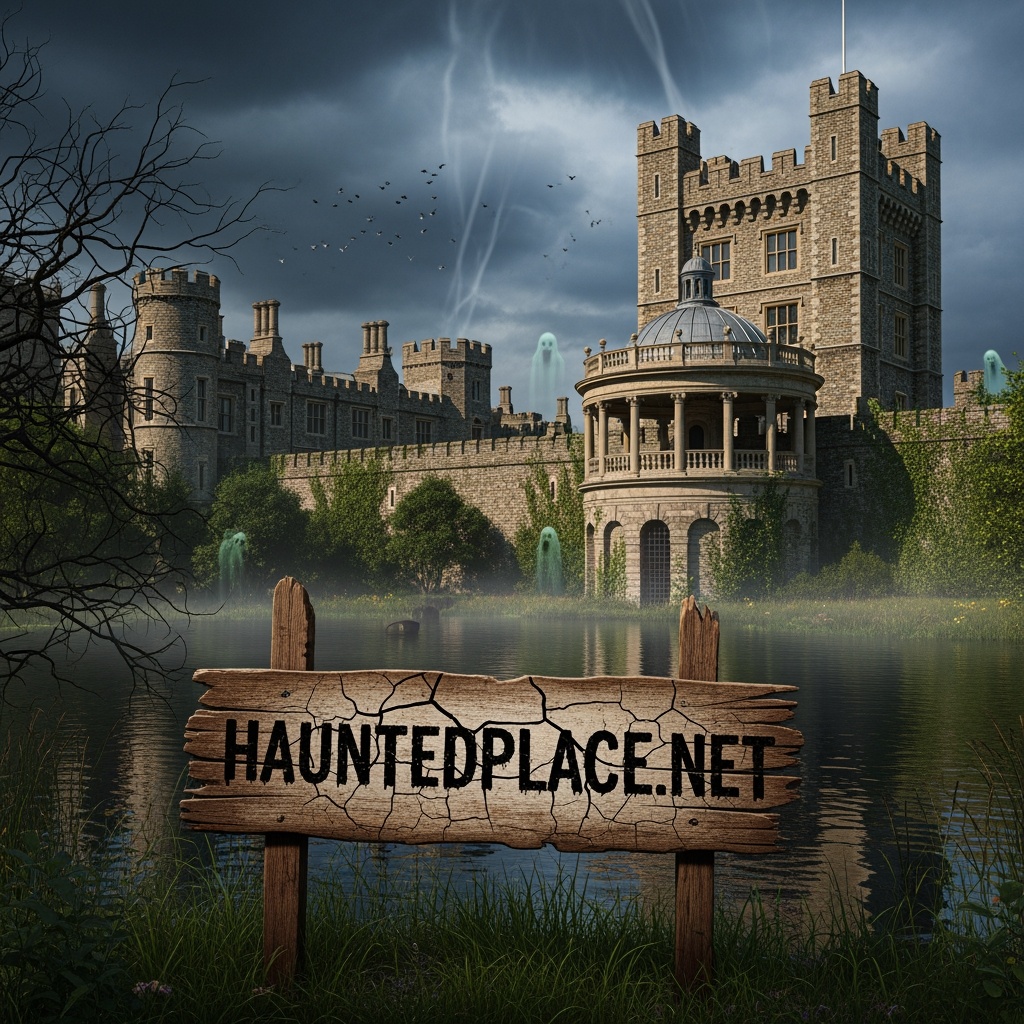
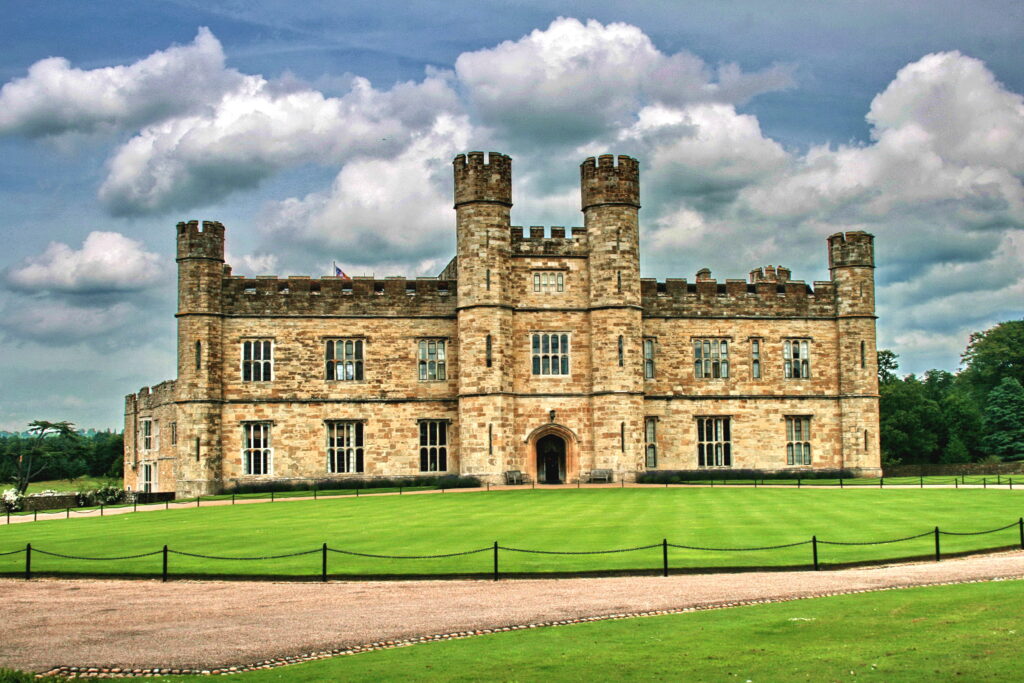
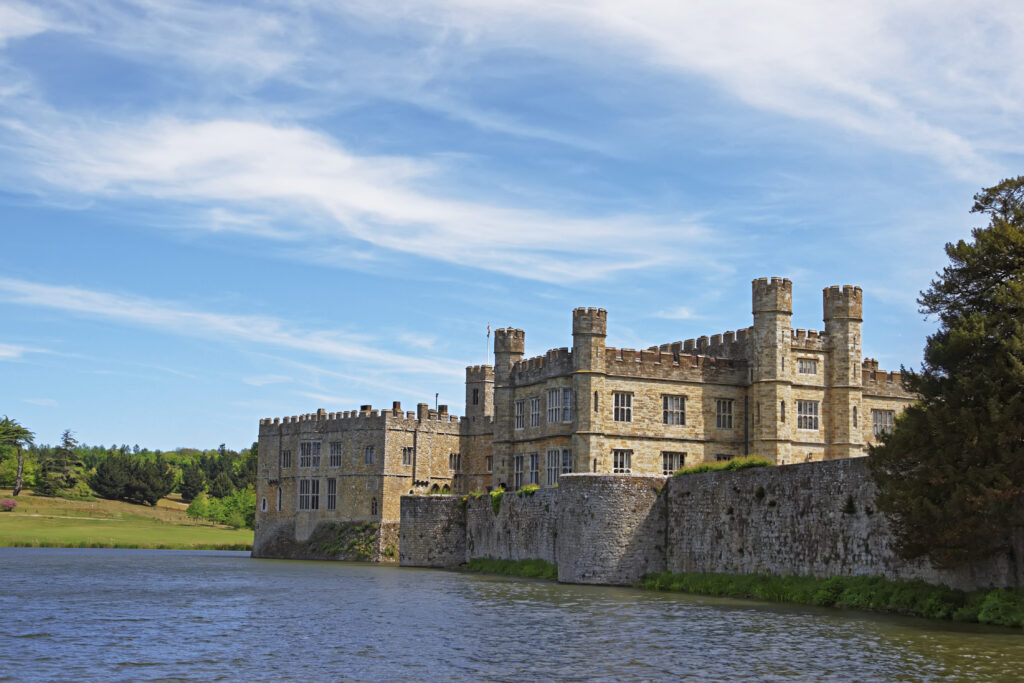
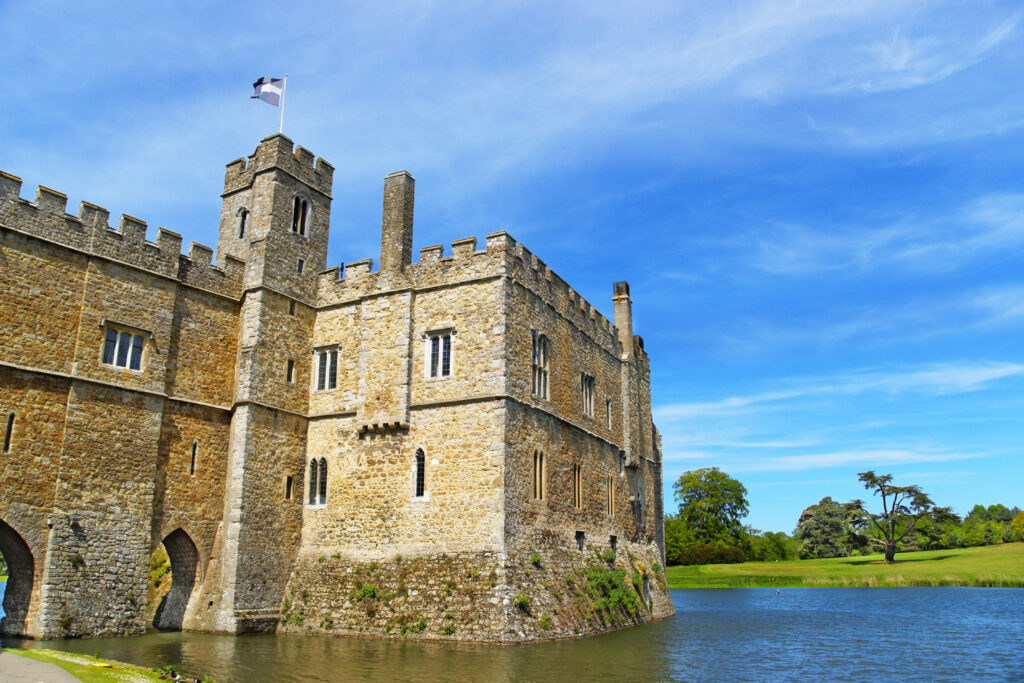
Leeds Castle in England, with its majestic towers and serene moat, stands as a beacon of historical grandeur. However, within its stone walls lies a chilling chapter that whispers tales of dread and despair. The area known as the Gloriette, which once served as a prison, is reputed to be haunted by the anguished cries and eerie sounds of imprisoned Dutch soldiers.
Dating back to the early 12th century, Leeds Castle has witnessed centuries of conflict and change. Its role as a fortress, royal residence, and prison has left an indelible mark on its legacy. The dark past of the Gloriette, however, is shrouded in a particularly sinister aura, attracting paranormal enthusiasts and historians alike.
It was during the turbulent times of the Anglo-Dutch Wars that the castle’s Gloriette became a holding cell for captured Dutch soldiers. These men were detained under harrowing conditions, with little hope of release or escape. The cold, damp stone walls of their confinement echoed their suffering, creating an atmosphere so oppressive that it seemed to soak into the very fabric of the building.
Local legends recount how these prisoners were subjected to severe mistreatment. Food was scarce, and disease rampant, their tortured existence matched only by the brutality of their captors. It is said that the soldiers’ desperate cries could be heard throughout the castle grounds, a haunting reminder of their plight.
Visitors to Leeds Castle today often report encountering unexplained phenomena in the Gloriette. Doors creak open on their own, strange cold spots appear without warning, and whispering voices seem to float on the air. One particularly disturbing experience shared by many is hearing agonized screams emanating from the depths of the Gloriette, especially after dusk.
There are numerous accounts of these supernatural occurrences. A well-documented incident involves a group of tourists who ventured into the Gloriette during an evening tour. Despite the guide’s reassurance that the rumors were mere myth, the visitors were soon gripped by an unexplainable chill. As they delved further into the dungeon-like space, their flashlights flickered ominously, and a cacophony of soft moans began to fill the air.
One brave soul decided to capture the phenomenon on his phone. The footage revealed faint, shadowy figures drifting in the darkness, accompanied by the unmistakable sound of chains rattling and muffled cries. Terrified, the group fled, their experience adding to the lore of the haunted Gloriette.
Paranormal investigators have also taken an interest in the site. Equipped with infrared cameras, EVP (Electronic Voice Phenomenon) recorders, and other ghost-hunting tools, these individuals seek to uncover definitive proof of the supernatural. One such team reported capturing distinct auditory anomalies in the form of sobbing and pleading voices on their recording devices.
Further study revealed frequencies and electromagnetic disturbances within the Gloriette that couldn’t be rationally explained. Some theorize that the tragic energies of the detained soldiers have somehow imprinted themselves on the environment, manifesting as residual hauntings that replay their agony perpetually.
Historical records corroborate the presence of Dutch prisoners at Leeds Castle and the harsh conditions they endured. It adds credibility to the notion that these souls might still dwell within the confines of the Gloriette. Preserved letters and documents from the period describe the squalid conditions and the desperation of the men held there, painting a grim picture of life within those walls.
Yet, the tale of the haunted Gloriette is not solely about the anguish of imprisoned soldiers. There are darker, more malevolent forces at play. Some believe that a vengeful spirit lurks within the shadows, potentially one of the guards or executioners responsible for the misery inflicted upon the prisoners. This entity is said to delight in tormenting visitors, manifesting as an oppressive presence that chills the heart and tightens the chest, paralysing those who dare confront it.
Intriguingly, the Gloriette’s pervasive gloom seems to intensify on certain dates, aligning with historical accounts of executions or death due to disease outbreaks. These particular nights are deemed too dangerous for tours, with guides often closing off the area to avoid exposing guests to its treacherous grip.
Speculation abounds as to why these spirits linger. Some suggest unfinished business, waiting for justice to be served or seeking acknowledgment of their suffering. Others propose that the sheer intensity of their pain created a rift in the veil between worlds, permitting their restless souls to wander.
In the end, Leeds Castle’s Gloriette stands as a testament to the darker side of human history. The architecture bears silent witness to the horror etched into its stones, a monument to the suffering endured within. Whether one believes fully in the supernatural or not, the unnerving experiences recounted by countless visitors cannot be easily dismissed.
The mysterious and macabre allure of the haunted Gloriette draws many, each seeking to glimpse the spectral echoes of a bygone era. And as long as there are those willing to listen, the haunted wails of the Gloriette will continue to reverberate through time, forever enshrined in the chilling annals of Leeds Castle’s legacy.