 Isabella Mueller Baroness of Stainton le Vale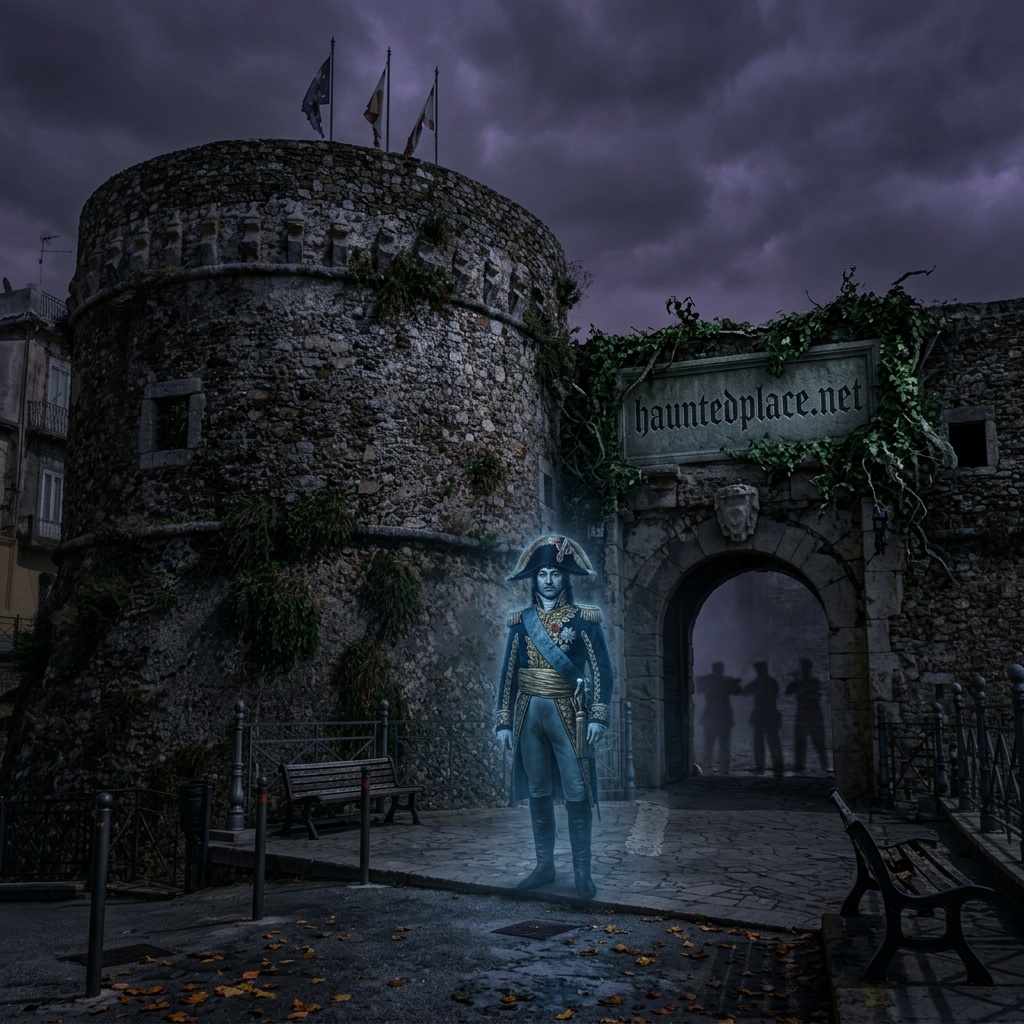
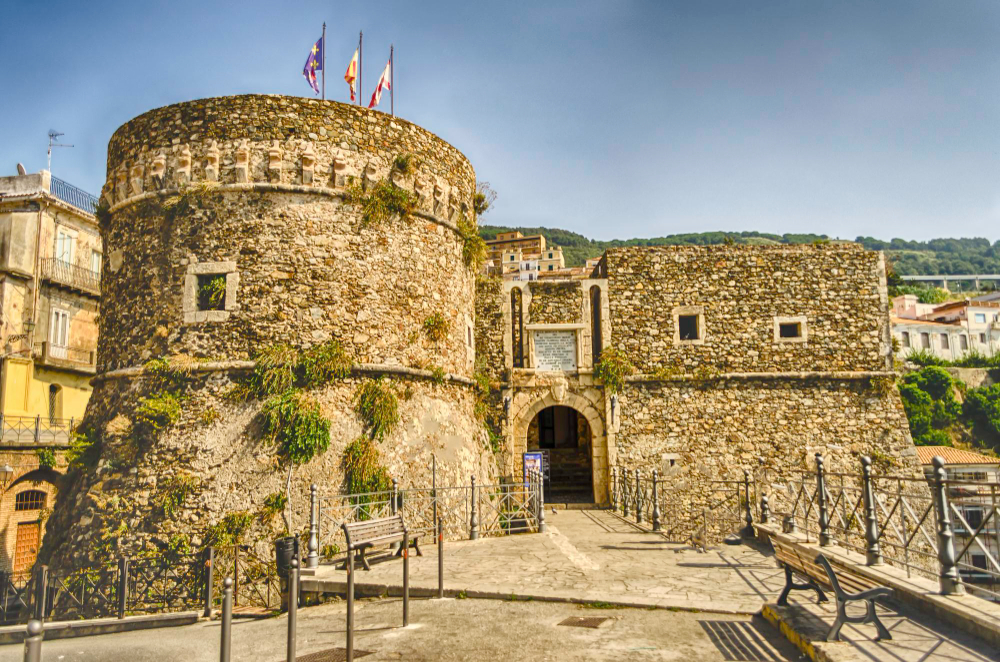
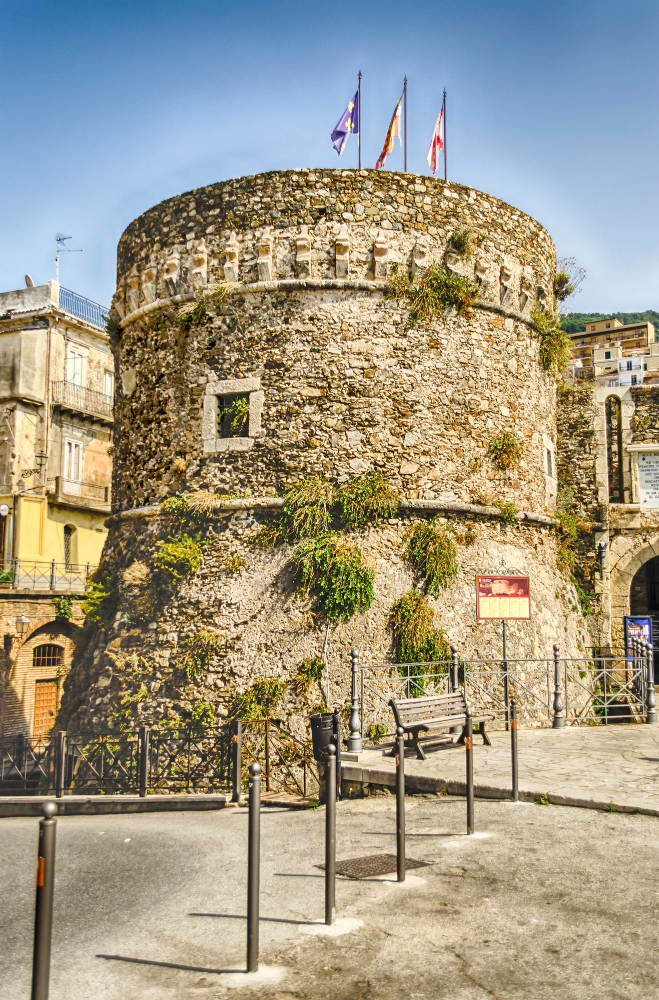
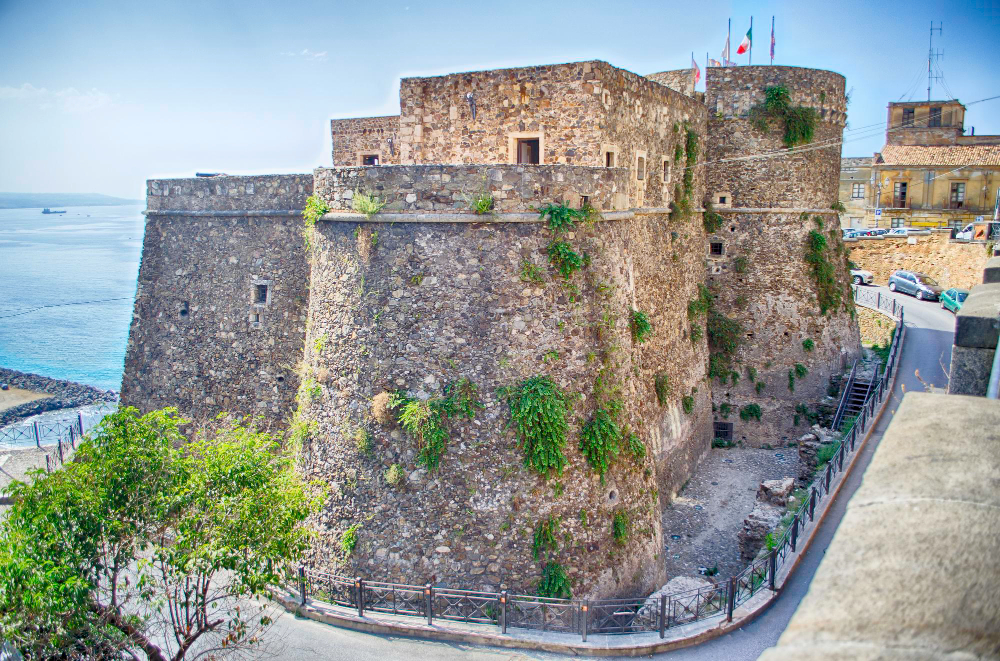
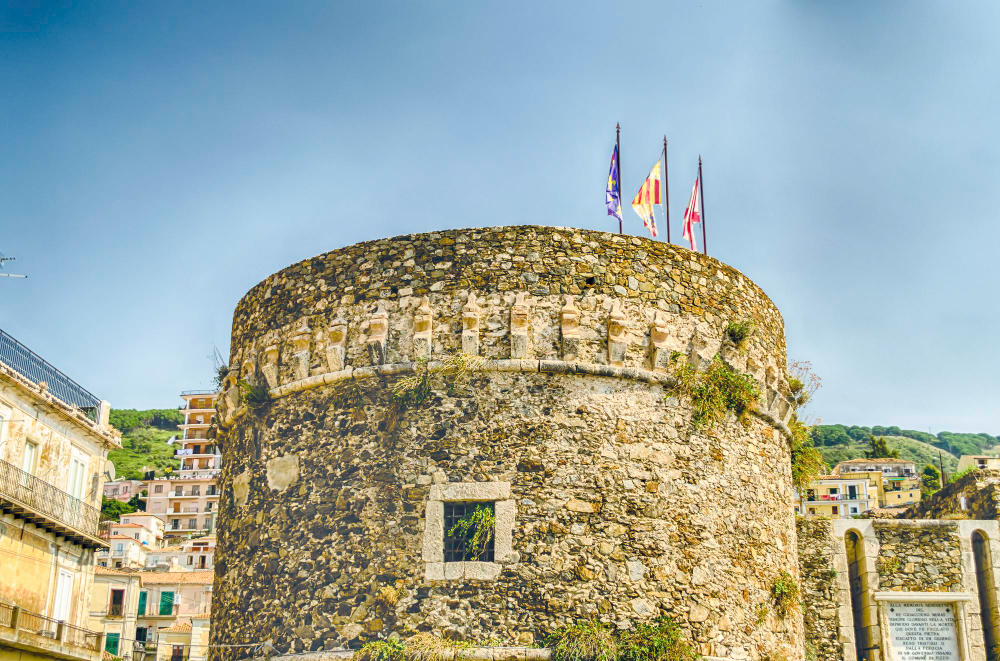
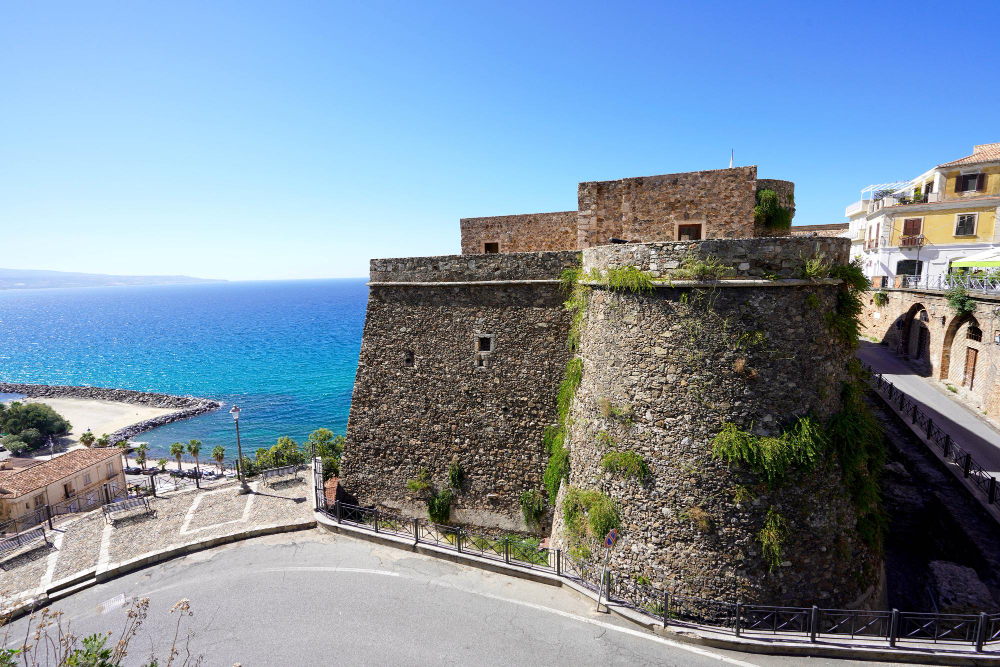
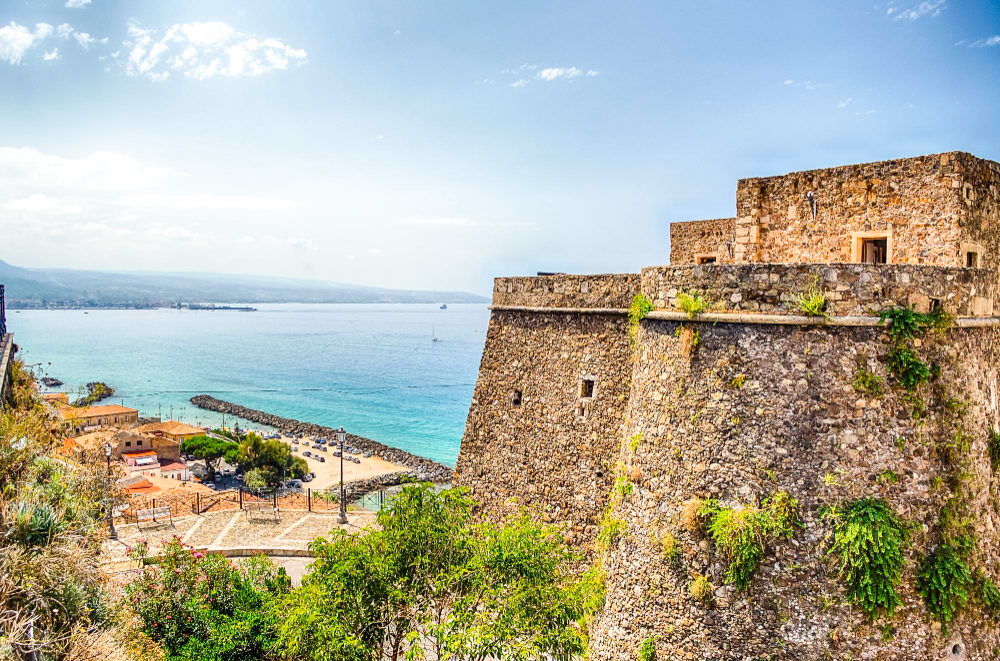
Deep in the southern Italian region of Calabria stands Castello Murat, an imposing stone castle steeped in history, myths, and ghostly secrets. Once a crucial fortress, its shadowy corridors now echo with eerie tales that blur the line between historical facts and ghostly legends. At the center of these stories is Joachim Murat, the dashing King of Naples and brother-in-law of Napoleon Bonaparte, whose tragic fall from power culminated in his execution within these walls. But has his spirit ever left the place?
The Fall of Joachim Murat: A Historical Background – Joachim Murat was as famous for his military prowess as he was for his extravagant demeanor. After rising through the ranks of Napoleon’s army, his loyalty earned him the Napoleonic throne of Naples in 1808. For years, Murat ruled with great ambition, striving to consolidate his authority while navigating the shifting currents of European geopolitics. Yet after Napoleon’s defeat, his fortunes took a turn as the Bourbon monarchy reclaimed southern Italy. In 1815, Murat, now a fugitive, attempted to gather support in Calabria to reclaim his lost throne. His mission was doomed from the start. Betrayed and captured by Bourbon troops, Murat was sentenced to death without trial and executed by firing squad at Castello Murat; his lifeless body collapsed within the fortress that would later bear his name. Yet many locals believe that Murat’s tragic end did not mark a final farewell, but rather the beginning of something far more eerie.
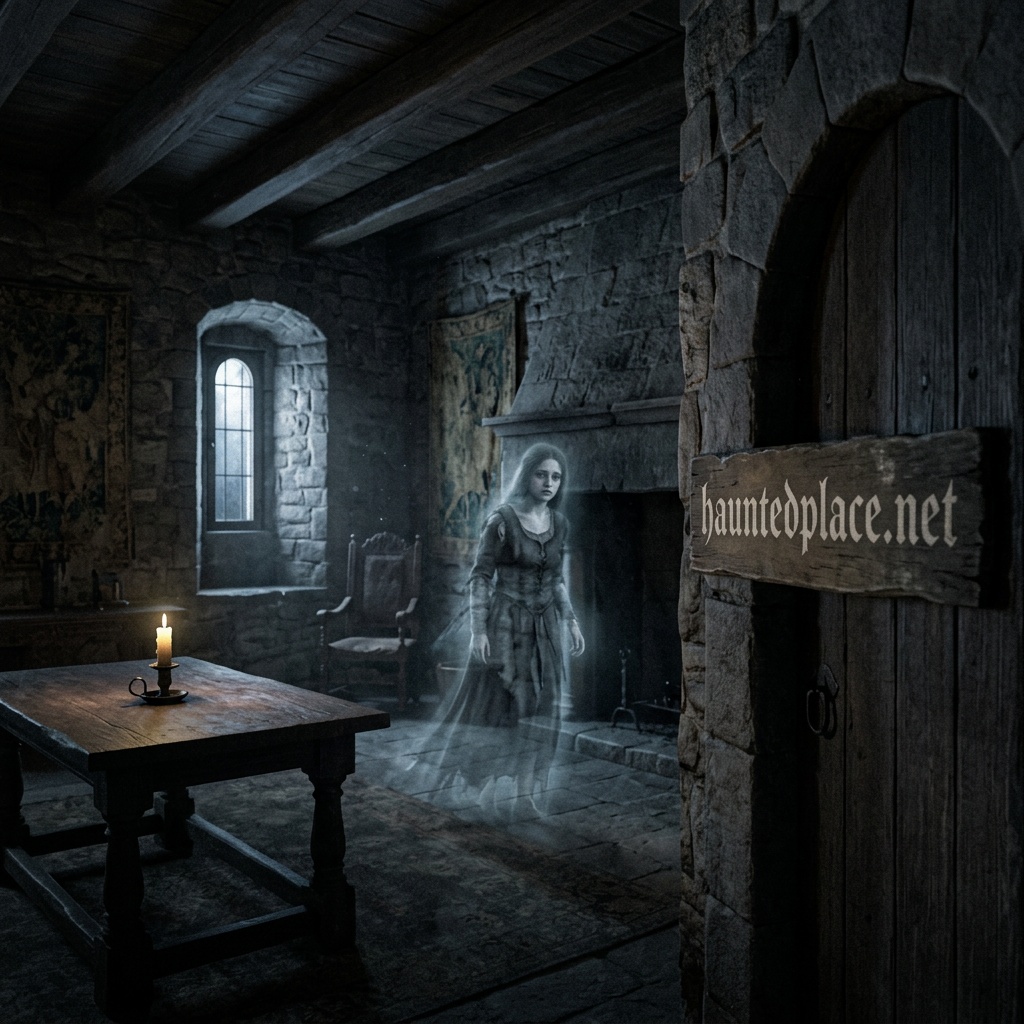
A Fortress Shrouded in Mystery – Castello Murat is not merely a relic of Calabria’s turbulent past; it has become a place synonymous with unexplained phenomena. Over the centuries, countless visitors and locals have reported sensing an unsettling presence within its ancient walls. It is said that after dark, eerie whispers, unexplained footsteps, and flickering lights haunt the halls. Some even claim to see figures dressed in early 19th-century attire, whose translucent outlines vanish as quickly as they appear. There are numerous legends surrounding the castle, but the most enduring story revolves around Murat himself. Witnesses report seeing a man in a royal military uniform—who bears an uncanny resemblance to the former king—standing solemnly at the presumed site of his execution. This apparition appears particularly frequently in October, the month of Murat’s death, lending weight to local beliefs that the fortress retains an imprint of his tragic demise.
The Eternal Wanderer: Why Murat’s Spirit Lingers – While skeptics dismiss such reports as folklore or suspect they are the result of overactive imaginations, believers argue that there is more to Murat’s posthumous presence than mere anecdotal eeriness. Paranormal investigators who have visited Castello Murat suspect that Murat’s premature and unjust execution has kept his soul trapped in a state of restlessness. Some view this as a classic case of a “residual ghost,” in which the intense emotions of a violent death repeat endlessly, like echoes trapped within the fabric of the surroundings. Others suspect that Murat’s spirit remains bound to the castle not out of vengeance or anger, but out of remorse. Known for his charisma and bravery, Murat might lament the failed uprising that led to his capture—or mourn his inability to reunite with his wife and children. Such emotional turmoil could bind his spirit to the site of his final earthly moments.
Local Legends and Eyewitness Accounts – Calabrian folklore surrounding Castello Murat is closely intertwined with regional beliefs in the supernatural. For centuries, stories have circulated about phantom soldiers marching through the courtyards—perhaps loyal followers of Murat who shared his fate. A particularly eerie tale involves the unmistakable sound of boots on stone, marching relentlessly back and forth as if preparing for battle—though no living figure is to be seen. Some residents of Pizzo, the coastal town where the castle is located, claim to have encountered Murat’s ghost while walking near the fortress at dusk. A fisherman told a local historian that he had seen a man dressed in Napoleonic-era clothing gazing out at the sea, who vanished as he approached. Others who have dared to enter the castle at night swear they felt icy hands touch them or heard disembodied voices murmuring in French. Even tourists unfamiliar with Murat’s story report strange experiences. A visitor from France once collapsed in the courtyard after claiming she had “felt the pain of someone who died here.” Her description of the figure she saw matched Murat almost perfectly, even though she had previously known nothing about the king or the castle’s history.
Historical Reality Meets Gothic Horror – Although the legends surrounding Castello Murat may seem fantastical, they reflect humanity’s fascination with the intersection of history and the supernatural. Murat’s life was marked by drama, ambition, and ultimately tragic betrayal—qualities that lend themselves perfectly to transforming historical events into compelling stories. Ghost stories often serve as a mirror for the emotional weight of the past, allowing modern audiences to connect with long-gone figures and their struggles. Psychologists point out that sites of historical violence, such as castles and battlefields, frequently inspire ghost stories due to the strong emotions they evoke. Murat’s execution, which was carried out swiftly and mercilessly, leaves an indelible mark on the region’s collective memory, making him not only a historical figure but also a ghostly symbol of unresolved conflicts.
A Visit to Castello Murat Today – Today, Castello Murat attracts curious travelers, historians, and lovers of the paranormal alike, all drawn by its reputation as a haunted site. The fortress houses exhibitions dedicated to Murat’s life and death, offering visitors the chance to explore the history behind the man and the myths. Yet for those brave enough to linger after hours, the eerie silence of the castle can feel alive, as if history itself were whispering in the dark.
Perhaps Murat’s ghost truly still haunts the place, wandering the halls in search of peace—or perhaps the stories are merely the product of an overactive imagination, inspired by the site’s grim history. Either way, Castello Murat stands as a monument to a bygone era, and its ghostly legends ensure that Joachim Murat’s story will continue to captivate and send shivers down the spines of future generations. Whether one believes in ghosts or not, the mysterious atmosphere that pervades this ancient fortress cannot be denied. And perhaps Murat himself watches over his legacy from a quiet corner of its shadowy halls—or relives his final moments, forever bound to the place where his dream of kingship met its tragic end.