 Isabella Mueller Baroness of Stainton le Vale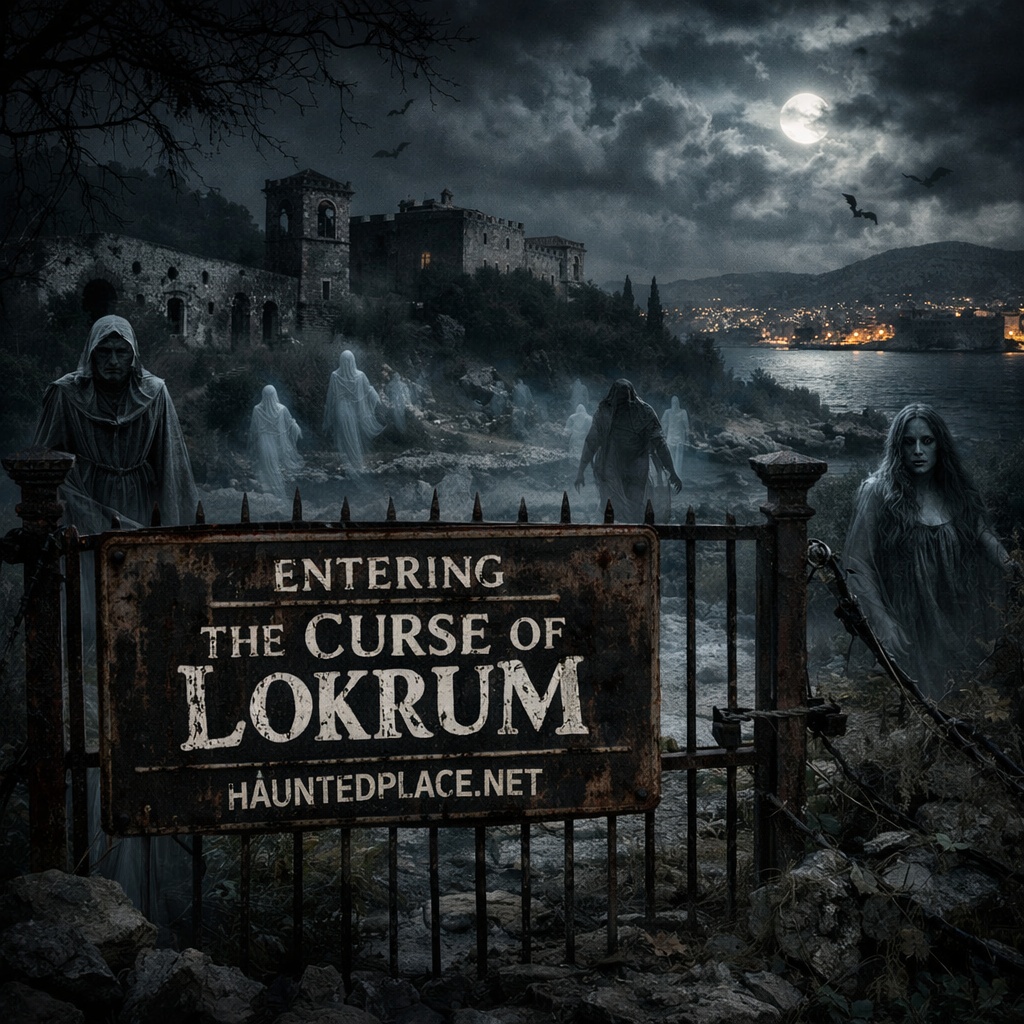
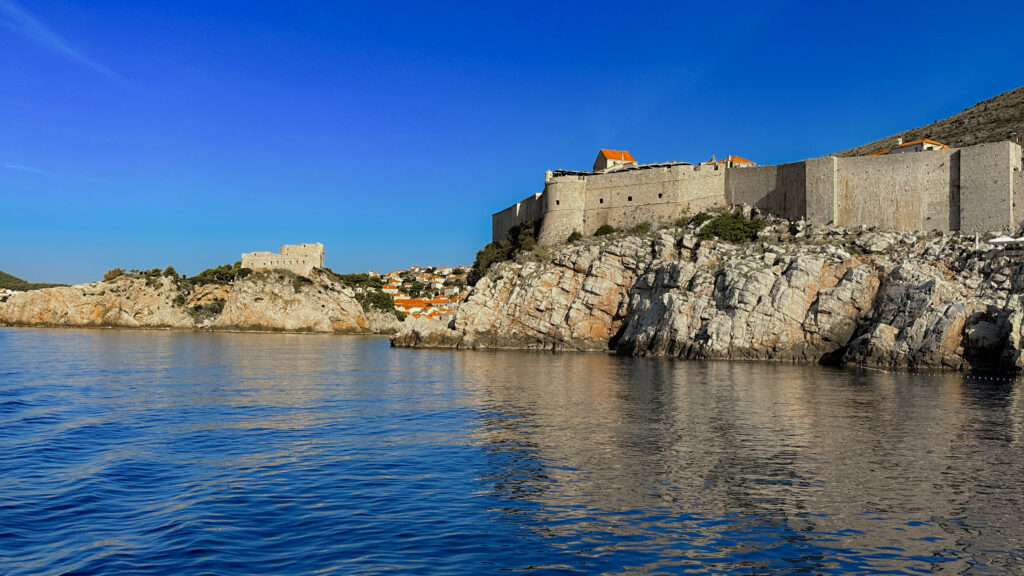
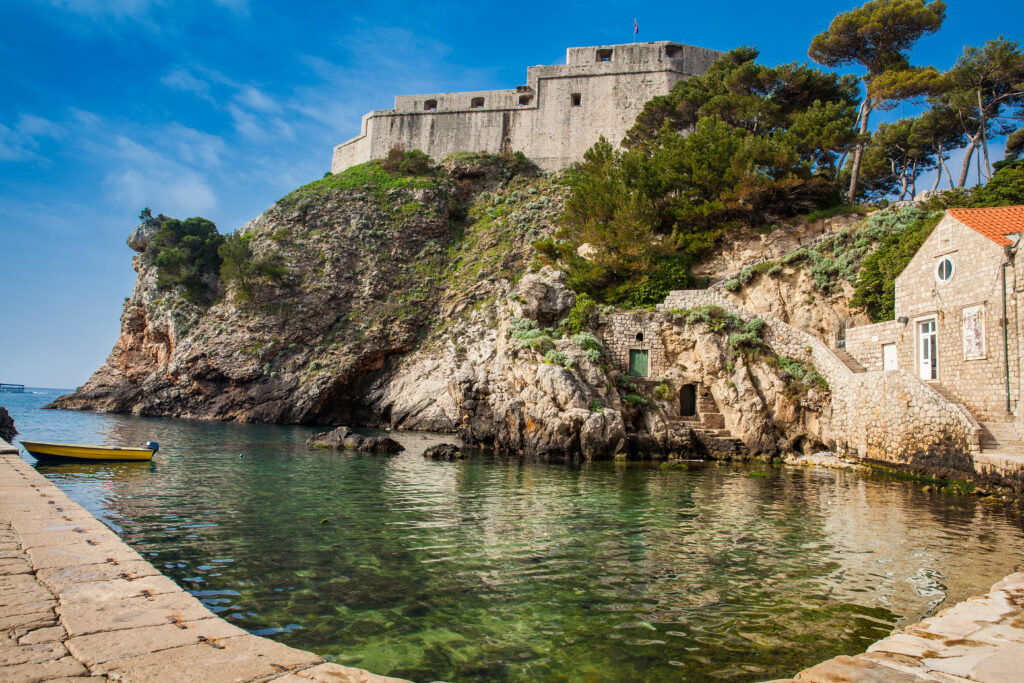
In the absence of saints, Dubrovnik’s defense has long been said to rely on ghosts, particularly those haunting the small island of Lokrum, nestled just off the city’s protruding peninsula. Lokrum, a charming yet eerie place, is sparsely built upon. One finds only the ruins of a French fort from the 19th century, an ancient Benedictine monastery, and a couple of petite harbors. Despite its modest size, the island holds deep historical significance and an air of mystique that beckons adventurous souls to explore its depths and take a dip in its tranquil salt lake.
However, as the sun dips below the horizon, an urgent call to return to the mainland echoes through the centuries-old forest. This isn’t merely a guideline; it’s a strict rule underscored by chilling local traditions. By nightfall, Lokrum transforms into a spectral realm where the ghosts of Benedictine monks purportedly emerge, roaming the island they once called home.
The eerie disturbances tracing back to these monks are attributed to a grave injustice perpetrated by the city dwellers ages ago. As the legend goes, prosperous lords of Dubrovnik coveted Lokrum for its serene beauty and strategical location. They ousted the monks from their sanctuary under the veil of darkness, seizing the island for themselves. The expelled monks, bitter and wronged, laid a powerful curse upon Lokrum: “Whoever seeks to use Lokrum for personal gain shall be damned.”
Over centuries, the legend asserts, those who attempted to exploit Lokrum met mysterious and often untimely demises. Such was the fate of Maximilian I, Emperor of Mexico, who bought Lokrum in hopes of carving out a private haven. His life ended abruptly before he could realize his dream, executed by firing squad during the Mexican revolution. Speculations arose, tying his death to the monks’ curse, painting a ghastly picture of the consequences of violating the sacred lands of Lokrum.
Subsequent owners and visitors of Lokrum similarly found their lives entangled in misfortune and eeriness. Archduke Ferdinand, who followed Maximilian’s pursuit of Lokrum, met a tragically familiar end with his assassination, igniting World War I. Yet again, whispers of the curse echoed through Europe, reinforcing the sinister symbolism associated with the island.
For modern-day explorers, Lokrum holds a subtle invitation wrapped in warnings of yore. The undisturbed landscape, echoing the eerie silence of its storied past, presents a serene facade. But listen closely, and the wind seems to carry murmurings of the aggrieved monks. Venture into the dense forest or the crumbling walls of the monastery, and you might feel a cold shiver, despite the warm Mediterranean breeze. Some say they’ve seen ethereal figures gliding among the olive trees when twilight sets in, while others recount hearing solemn chants carried by the wind.
More than just a haven for ghost stories, Lokrum has become a treasure trove for historians and paranormal enthusiasts alike. Researchers have delved into the island’s past, uncovering layers of history intertwined with tragedy and mystery. Archaeologists have conducted extensive excavations, revealing artifacts that hint at the monks’ life—though never without a lingering sense of unease, as if the island itself guards its secrets jealously.
Local lore continues to bolster the haunted reputation. Residents of Dubrovnik often share tales of strange lights flickering across the waters at night or peculiar sounds emanating from Lokrum’s shores. Some claim these phenomena are merely tricks of the mind, whilst others firmly believe they signify the restless spirits enacting their eternal vigil.
In contemporary times, guides taking tourists around Dubrovnik incorporate the haunting tales into their itineraries, blending historical facts with ghostly legends to create an immersive experience. Those visiting Lokrum cannot help but feel the weight of its ominous history. The island’s natural beauty juxtaposed with its spectral reputation creates an alluring yet unsettling atmosphere that captures the imagination.
Visitors are strongly advised against defying the long-standing prohibition on staying overnight. The rules are clear, yet every so often, a curious soul tempted by the thrill of the unknown decides to challenge Lokrum’s ancient curse. Their accounts, though few, often speak of an inexplicable dread, unexplainable occurrences, and, in some cases, sudden, inexplicable departure from the island, as if compelled by an unseen force.
Whether one believes in curses or not, the legend of Lokrum stands as a compelling narrative—a blend of history, myth, and the supernatural. It’s a testament to the island’s enduring mystique, a place where the past refuses to be forgotten, and where the line between the living and the dead seems perilously thin.