 Isabella Mueller Baroness of Stainton le Vale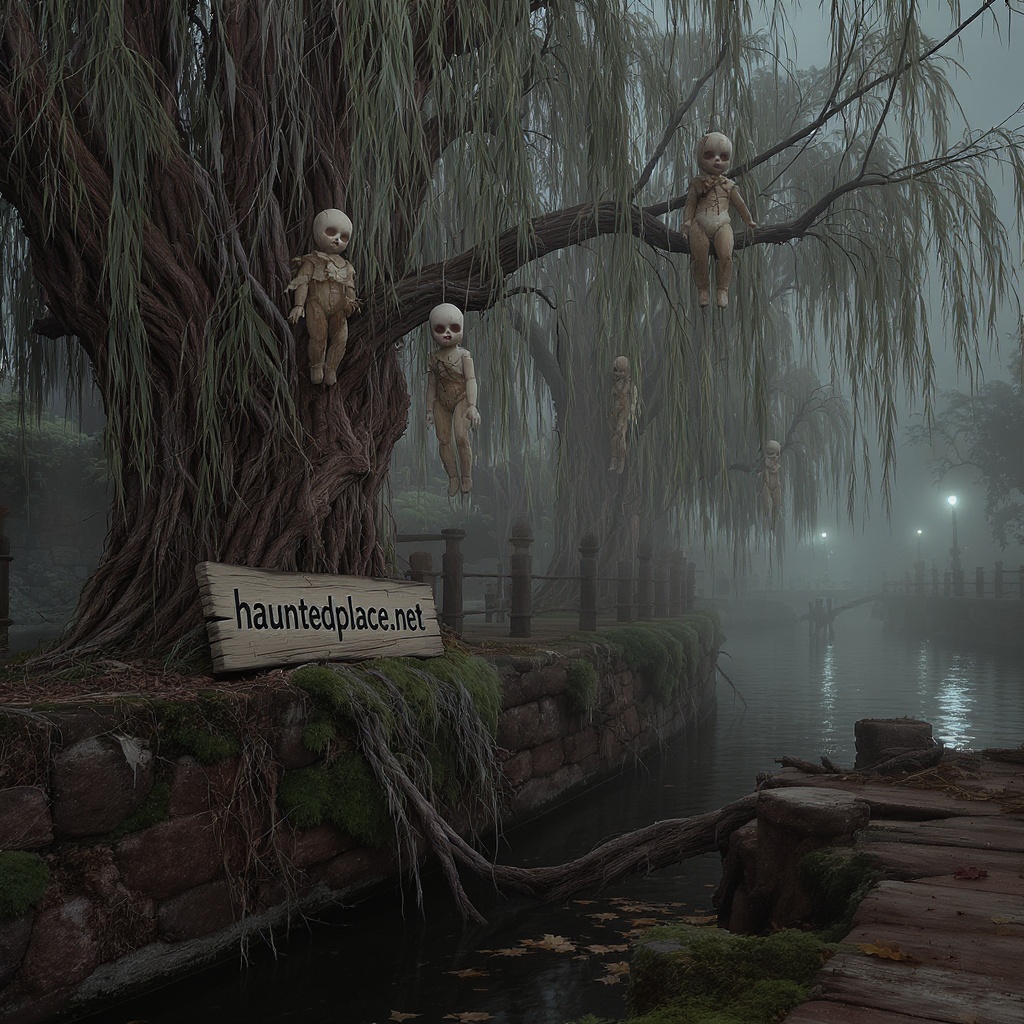
Nestled amid the tranquil channels of Xochimilco, not far from the buzzing heart of Mexico City, lies a place shrouded in chilling whispers and unsettling mysteries—the infamous Isla de las Muñecas, or the Island of the Dolls. This foreboding location has captivated the imaginations of thrill-seekers and horror aficionados worldwide, drawing them into a tale steeped in sorrow, superstition, and spectral manifestations.
The origin of this macabre venue traces back to the early 1950s with a tragic incident that forever altered the island’s destiny. According to local lore, a young girl met her untimely demise as she drowned along the murky banks of the chinampa (a type of artificial island) on which the legend now thrives. This child’s spirit, restless and seeking solace, found an unusual companion in Julián Santana Barrera, the island’s hermitic caretaker.
Barrera, deeply disturbed by the event, embarked on a quest to appease the wandering spirit. His solution was both unique and unsettling: he began hanging discarded dolls across the island. However, these were not ordinary dolls; many arrived in various states of disrepair, their eyes missing, limbs askew, and hair tangled in neglect. These figures, suspended eerily from trees, fences, and makeshift altars, transformed the serene landscape into a nightmarish realm that mirrored Barrera’s own growing obsession and paranoia.
As the years drifted by, Barrera’s collection of dolls swelled to encompass over a thousand grisly guardians, watching silently over the island with broken expressions. Visitors who dared to explore this morbid haven reported feeling unease, as if unseen eyes followed their every move. Some claimed to hear the whispering voices or see the dolls blink and move subtly as if animated by an invisible force.
Despite Barrera’s death in 2001, the legend of the Island of the Dolls only grew. Storytellers and conspiracy theorists alike spun tales of how Barrera himself became one with the ghastly collection he so diligently curated. Many speculate he too became a spectral figure, eternally tied to the island and its eerie inhabitants.
Adding further intrigue, the chilling story of Isla de las Muñecas parallels other infamous haunted locales around the globe. Take, for instance, the Winchester Mystery House in California—a sprawling mansion filled with corridors leading nowhere and staircases descending into oblivion. Similarly, like Sarah Winchester’s labyrinthine home, the Island of the Dolls is a place where humanity’s fears take physical form, where the line between the living and the dead blurs into obscurity.
Moreover, the island’s unsettling atmosphere finds resonance in historical accounts of ancient burial grounds, such as the iconic Khmer temple complexes adorned with haunting bas-reliefs of celestial dancers and decapitated deities—reminders of the spiritual world’s enduring influence over the mortal plane.
The fascination with such dark tourism destinations lies in humanity’s intrinsic attraction to what is forbidden and terrifying. Sites like Isla de las Muñecas challenge our perceptions of reality and death, inviting us to confront the unknown and question the stories that pulse beneath our superficial understanding of history and legend.
Visitors today can traverse the island under the watchful gaze of thousands of dolls, each telling a silent story of offering, fear, or perhaps unwitting companionship to the lonely ghost of the drowned girl. Some travelers claim to experience a tangible shift in air pressure as they pass through the labyrinth-like rows of peering porcelain faces—a phenomenon akin to the “cold spots” often reported at sites of paranormal activity.
Furthermore, the psychological implications of visiting such places cannot be understated. The Island of the Dolls taps into primal anxieties—fear of death, the uncanny valley effect of lifelike yet inanimate objects, and the cultural archetype of the haunted doll, echoing real-world cases like the infamous Annabelle doll or Robert the Doll, both said to be vessels of malevolent spirits.
Creepy as it may be, Isla de las Muñecas serves a potent reminder of humanity’s ongoing dance with the supernatural. It is a place where visitors can experience firsthand the palpable tension between superstition and skepticism, myth and modernity. Psychologists suggest that confronting these fears in controlled environments can offer cathartic experiences, allowing individuals to process deeper personal or existential anxieties.
Beyond mere entertainment and thrill, the Island of the Dolls presents an anthropological treasure trove. It offers insights into how cultures manipulate tangible objects to navigate intangible fears, using rituals, offerings, and symbolisms that connect individuals to the spiritual world.
In conclusion, Isla de las Muñecas remains one of the most chilling testaments to the power of folklore and the human psyche’s capacity for fear and wonder. Whether driven by curiosity or a darker quest for truth, those who visit this enigmatic isle leave with unforgettable memories and perhaps, an unsettling sense of having glimpsed another world hidden just behind the veil of our everyday existence.
The island stands as a chilling reminder that some legends never die—they only grow stronger with each retelling, as eternal as the thousand dolls awaiting the intrepid traveler seeking their own moment of spine-tingling discovery.