 Isabella Mueller Baroness of Stainton le Vale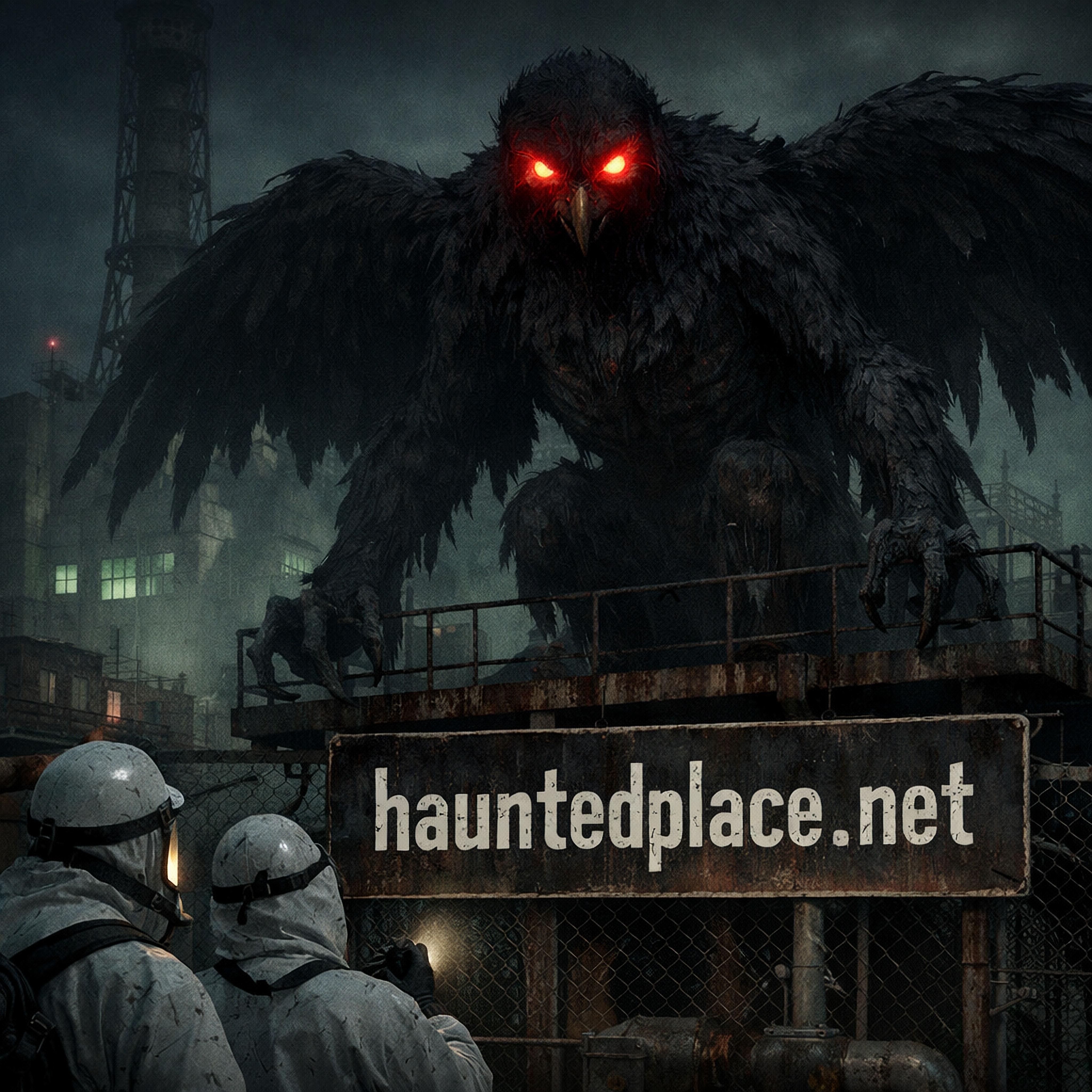
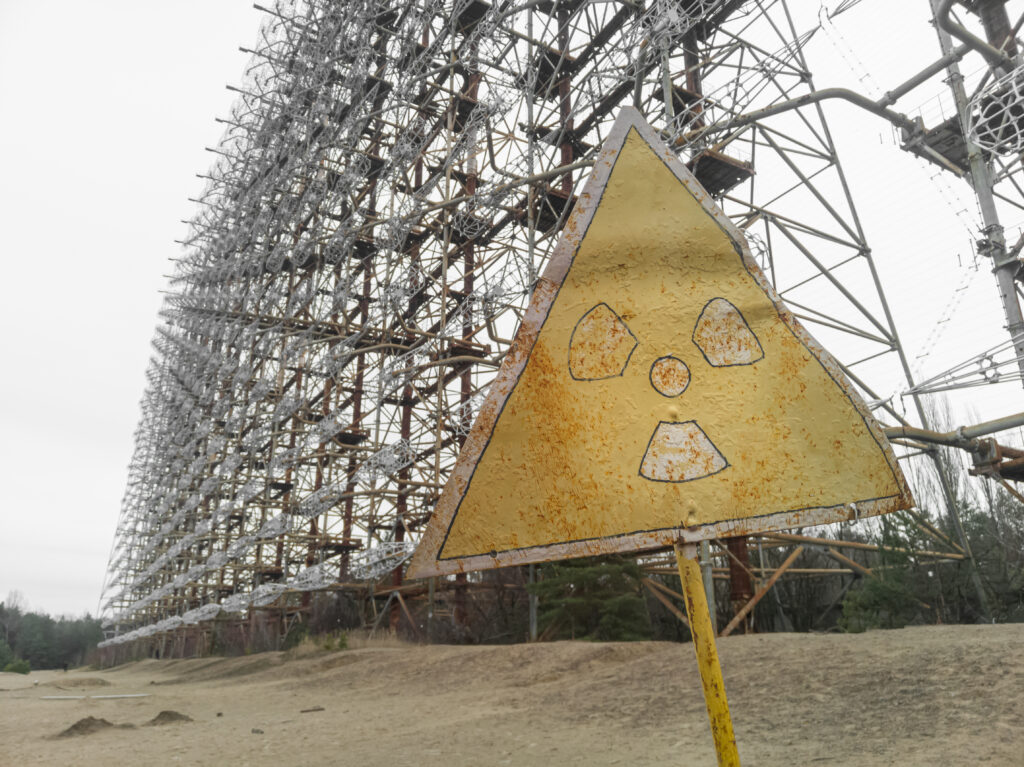
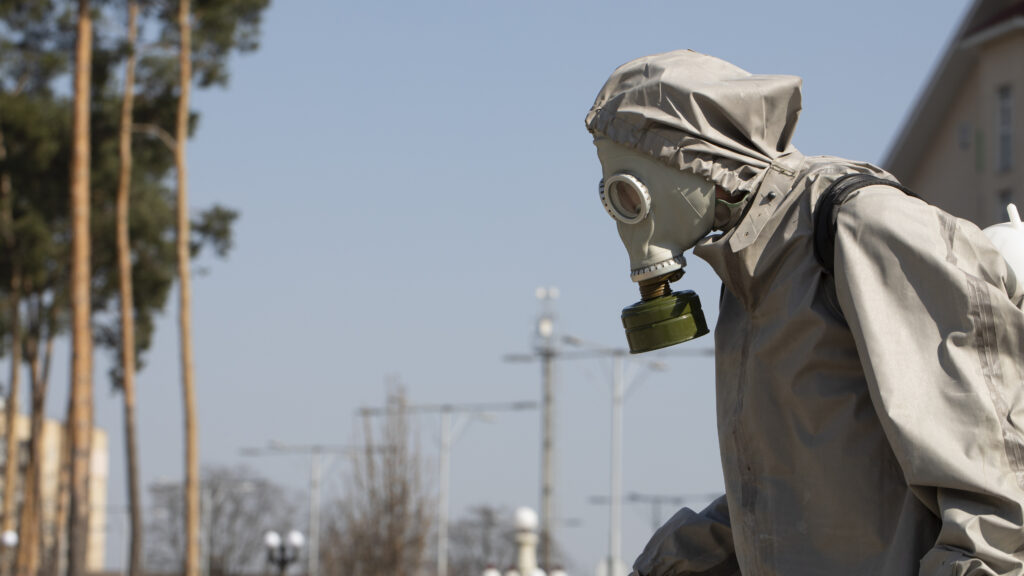
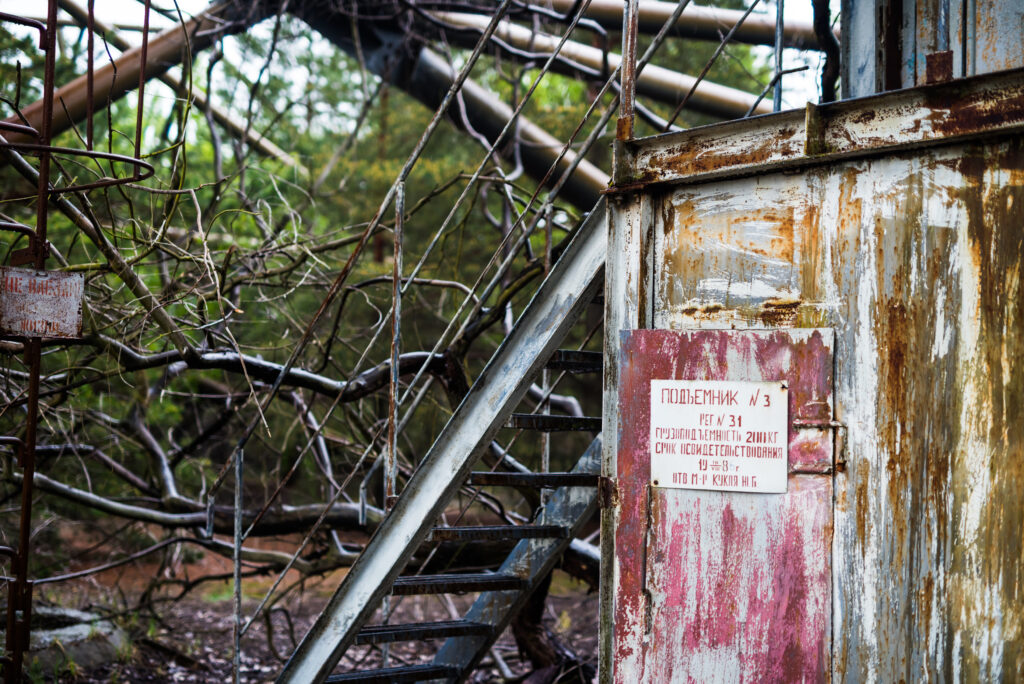
In the shadowy depths of Ukraine’s desolate interior, where the specter of the Chernobyl disaster still hangs over Pripyat, lurks an even darker legend. Known as “The Monster of Chernobyl” or, even more ominously, “The Black Bird of Chernobyl,” this eerie tale has captured the imagination of many since that fateful April in 1986. While a shiver runs down the spine of anyone who dares to tell this story, we delve deep into the macabre lore surrounding one of the most eerie urban legends that the nuclear age has produced.
The ghostly apparitions: A prelude to disaster – In the days leading up to the catastrophic meltdown on April 26, 1986, employees at the Chernobyl nuclear power plant reported a series of bizarre and disturbing sightings. Witnesses described a huge, dark, bird-like creature with a wingspan of up to 20 feet (approx. 6 meters). The most eerie thing about it were its eyes—glowing red orbs that seemed to pierce the souls of those unlucky enough to encounter it. This creature, dubbed “The Black Bird,” became a harbinger of doom in the days leading up to one of the worst industrial disasters in the modern world.
Eyewitness accounts tell of strange occurrences and inexplicable phenomena. Workers at the plant had terrible nightmares, received bizarre phone calls with no one speaking on the other end, and sometimes woke up drenched in sweat. The strange bird-like apparition was often sighted at dusk near the plant, spreading a sense of foreboding that further exacerbated the already tense atmosphere. As news of the sightings spread, an eerie narrative began to form. Some believed the black bird was an omen, a warning of the impending disaster. Others speculated that the creature was the embodiment of the energy released by nuclear fission, an abomination born of the deadly radiation of the core. There were numerous theories, each more terrifying than the last.
From myth to catastrophe: The day of reckoning – On the night of the disaster, the Black Bird was reportedly seen by several people near Reactor 4. The ensuing explosion turned the quiet night into a terrifying inferno. The sky glowed with an unnatural light, the force of the explosion clearly visible against the backdrop of the night. Firefighters who arrived at the scene reported seeing the creature amid the chaos, its ominous form silhouetted against the inferno. As they bravely battled the flames and risked their lives, many reportedly felt the unsettling gaze of those glowing red eyes upon them. The creature seemed to feed on the despair and tragedy, thriving as the disaster unfolded. Immediately after the disaster, thousands of people were temporarily relocated and Pripyat was abandoned. But the stories about the Black Bird did not disappear; instead, they found fertile ground in the void created by the evacuation. Reports of encounters with the creature continued to surface, weaving together to form a lasting legend.
A legacy of fear: From urban legend to immortality – In the years that followed, the legend of the Black Bird of Chernobyl became associated with the palpable fear that still emanates from the exclusion zone. Paranormal investigators and adventurers who ventured into the ghost town often returned with stories of strange noises, sudden cold spells, and the ever-present feeling of being watched. One particularly harrowing account comes from a group of urban explorers who claimed to have seen the creature on an old Ferris wheel in Pripyat. They described the apparition as distinctly bird-like, yet otherworldly, whose presence caused their equipment to malfunction and left them deeply unsettled. To further fuel the fire, some nuclear scientists and historians have drawn parallels between the legend of the Black Bird and other folk tales around the world. The Mothman of Point Pleasant, West Virginia, is one such comparison, where a similar creature was sighted before the collapse of the Silver Bridge in 1967. These connections point to a deeper archetype in which such creatures appear as a warning of impending tragedies.
Scientific skepticism and rational explanations – Despite the fear it evokes, there are also skeptics of the Black Bird legend. Many attribute the sightings to natural phenomena, psychological stress, and high radiation levels that impair witnesses’ perception. Birds of prey, which are common in this region, could be mistaken for something far more sinister under certain circumstances—such as the setting sun casting long shadows, heightened anxiety, and a shared sense of fear. Furthermore, the psychological strain of working in a high-risk facility such as Chernobyl should not be underestimated. The stress and anxiety associated with the possibility of disaster may have led to collective hallucinations or mass hysteria, phenomena that are well documented in other contexts.
The enduring fascination of the unknown—urban legends such as that of the Black Bird of Chernobyl serve as cautionary tales that reflect our deepest fears and the ever-present possibility of the forces of nature. They provide a narrative scapegoat for disasters beyond our control, offering a semblance of understanding in the face of an incomprehensible tragedy.
Even if the true nature of the Black Bird may never be known, its legacy remains, fascinating and terrifying future generations. As long as the ruins of Chernobyl stand, shrouded in mystery and radioactive silence, the shadow of the monster will linger—a grim reminder of the fragility of human endeavor and the dark secrets that may lie beyond our reach.
So the next time you find yourself near the exclusion zone, heed the warnings. Because if you see a shadowy figure with glowing red eyes darting through the twilight, you may be facing the monster of Chernobyl.