 Isabella Mueller Baroness of Stainton le Vale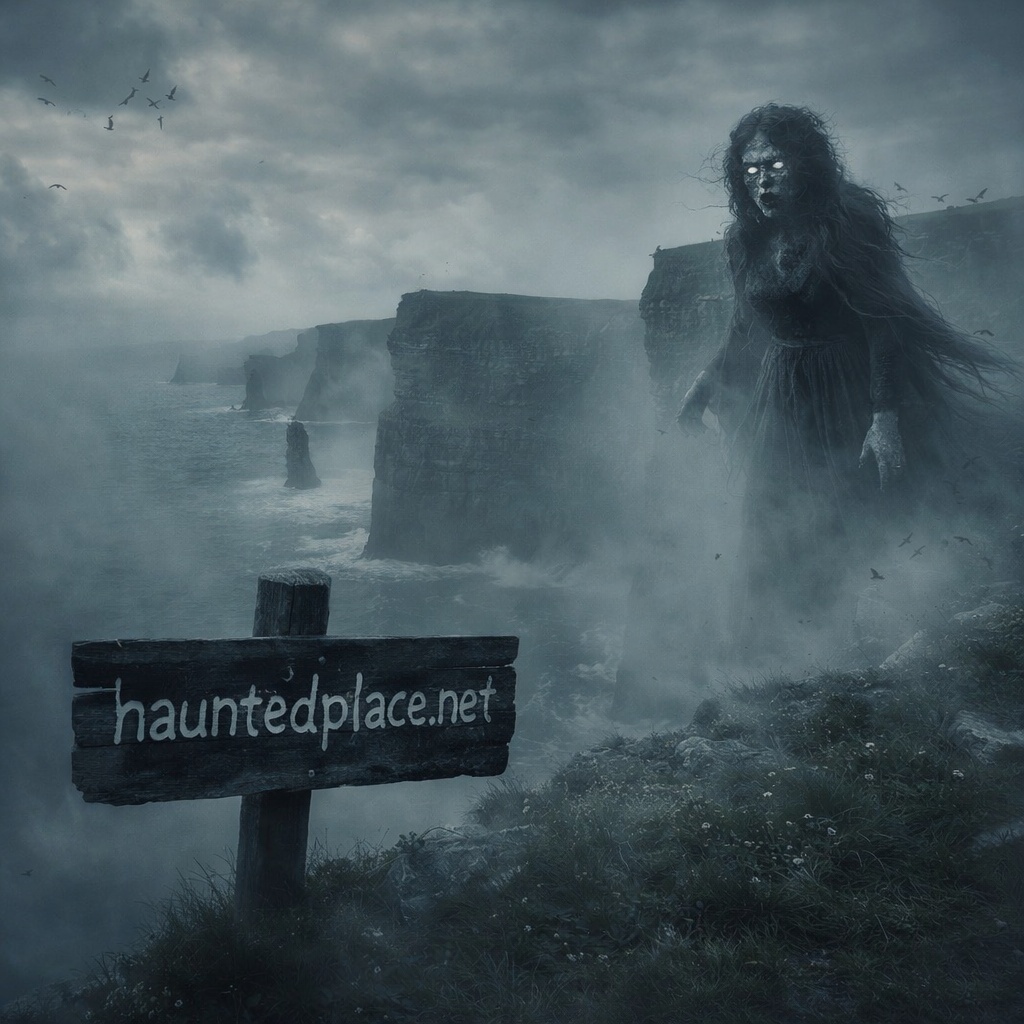
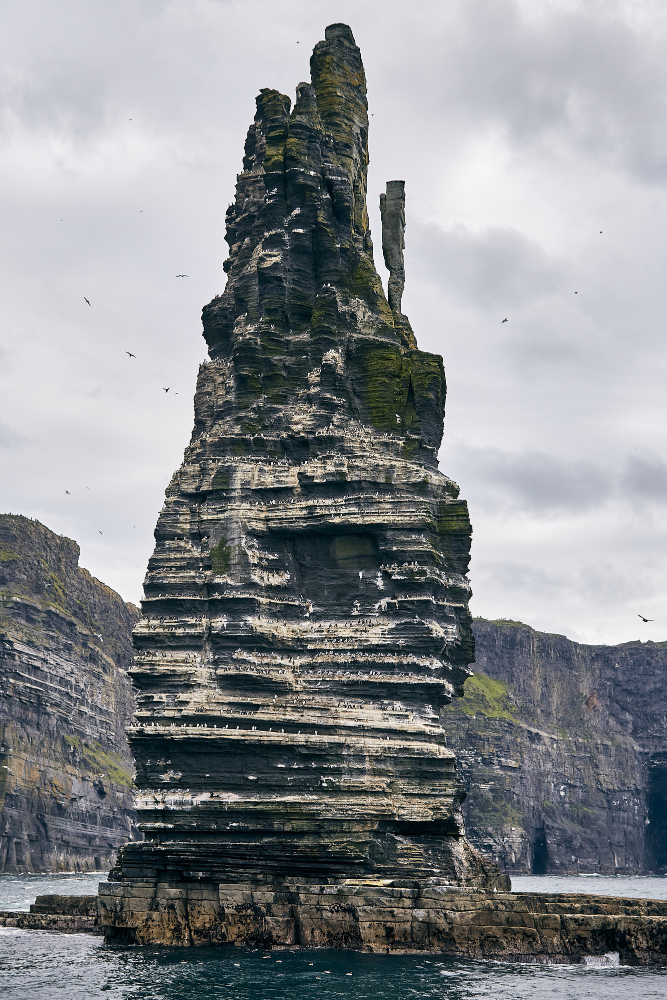
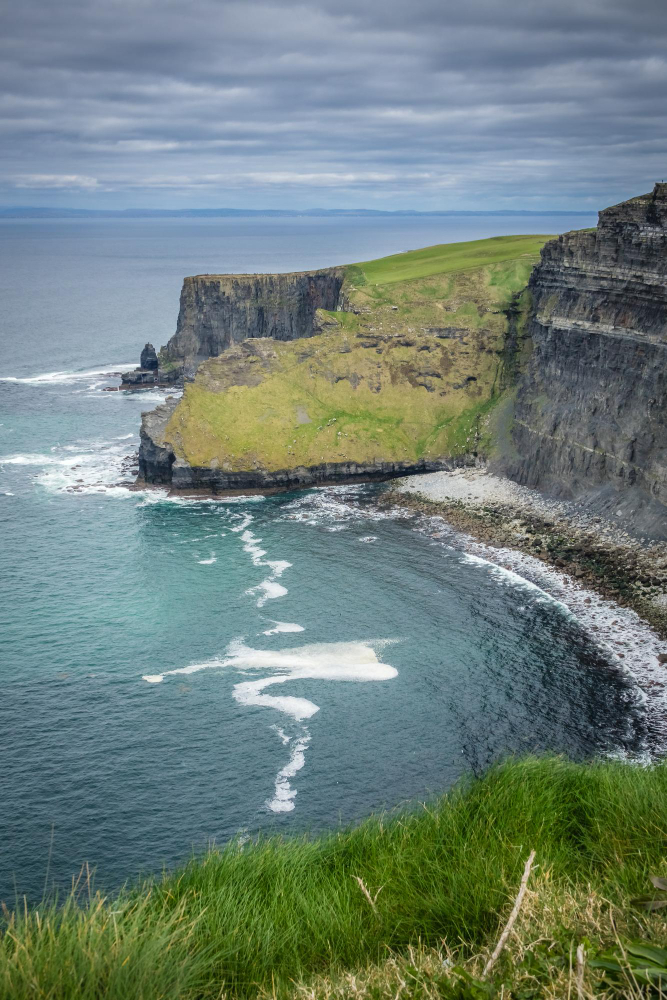
The Cliffs of Moher in Ireland attract countless tourists every year, not only because of their breathtaking beauty, but also because of their dark past. The Celts once regarded this area as a sacred place, a magical land full of myths and secrets. Yet no legend is as unsettling as that of Mal des Léim, the witch whose broken soul is said to remain trapped in the cold mist to this day.
In the old tales, Mal was not always the tragic figure we know her as today. Centuries ago, she lived in a small village near the cliffs, where she skillfully used her powers in the arts of healing and herbalism. The villagers often sought her advice and relied on her abilities to ward off illness and ensure good harvests. But all that changed when a mysterious sailor named Cú Chulainn entered her life.
Cú Chulainn was a charismatic man whose travels often brought him to the small coastal village. With his charm and spirit of adventure, he captured everyone’s attention—including Mal’s. The witch, who had previously shown little interest in worldly romances, fell in love with him with a passion she herself did not understand. She tried to win his favor, unaware that his heart was already taken.
Her advances went unrequited, and her despair grew. In her pain, she turned to the ancient Celtic gods to win back her lost love, whatever the cost. On a stormy night, as the wind howled around the cliffs and the waves crashed against the rocks, Mal summoned dark powers and promised to sacrifice everything she possessed.
But the gods remained silent. Determined to end her suffering, she climbed the highest cliff at Moher and leaped into the sea, which has borne her name ever since: Mal des Léim. But instead of finding peace, her soul became bound to this place. Her spirit, so the legends say, still wanders through the thick fog, a restless seeker of what she can never attain.
In 1872, fishermen from the region reported strange sightings. They spoke of a female figure hovering over the water at dawn. An eerie song, which seemed not of this world, echoed through the fog. Old records describe how boats that came too close to the cliffs were suddenly swallowed by massive waves. The sea, they claimed, continued to claim victims in the name of the betrayed witch.
Modern researchers and skeptics argue that the stories are triggered by natural phenomena—by unusual currents and acoustic anomalies created by the unique conditions of the cliffs. Yet the residents of the surrounding villages are convinced that there is more to it. It is said that on full moon nights, when the light dances silver across the rocks, one hears not only the howling of the wind but also the mournful wailing of a broken soul.
A nighttime walk along the cliffs requires courage. The air is cold and heavy; the wind carries the echo of times past.
Ghost hunters and adventurers are drawn time and again to this enchanted place, hoping to catch a glimpse of the famous ghost. And although many return empty-handed, some report encounters that make the hair on the back of their necks stand on end: shadows darting in the moonlight, or a sudden drop in temperature that chills the bones.
The question remains: Is the legend of the witch Mal des Léim merely a sad tale of unrequited love and profound loss, or is there actually more to it? Are the Cliffs of Moher just a beautiful natural site, or do they truly harbor the secrets of a dark force that finds no rest?
Thus, the captivating story of Mal continues to draw people from all over the world who wish to test their courage and imagination. But caution is advised: The Cliffs of Moher may be beautiful, but lurking in their shadows are the memories of those who have never found peace. Anyone who ventures too close risks being swallowed up by an ancient sorrow whose echo reverberates in the mist—an echo that cries out for redemption for all eternity.