 Isabella Mueller Baroness of Stainton le Vale
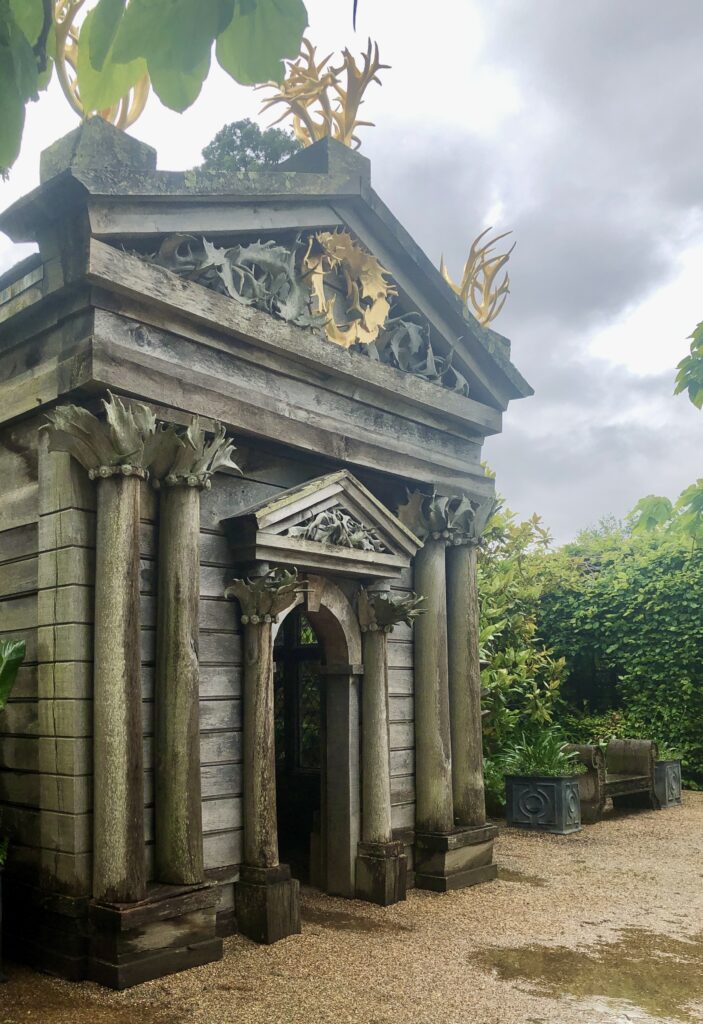
In the heart of England, shrouded by the mists of history, stands Arundel Castle. This ancient fortress has weathered countless storms and seen many a tale unfold within its stone walls. Yet, none are as bone-chillingly macabre as the legend of the kitchen boy, a tormented spirit said to haunt the castle’s kitchens with a malevolence that chills even the bravest souls.
Over two centuries ago, the castle was home to Lord Thorne, a man whose cruelty was matched only by his insatiable hunger for power. Among his numerous servants was a young boy named William, a kitchen apprentice known for his tireless work and gentle demeanor. The boy’s life, however, was far from peaceful, as he was the frequent target of Lord Thorne’s wrath. The nobleman’s dark temper seemed to find perverse pleasure in William’s suffering, fueling a cycle of fear and submission.
On a cold, moonless night, the castle bore witness to an act so heinous that it stained its very soul. Driven by inexplicable rage, Lord Thorne accused William of theft—an offense the boy vehemently denied. But mercy was a foreign concept to the cruel lord. In the dim light of the flickering candles, Thorne’s fury manifested in a brutal punishment; he beat William savagely before dragging him to the dungeons beneath the castle.
For days, the boy languished in the damp, fetid darkness, his frail body racked with pain, his spirit fading. Every scream that echoed through the stone corridors went unanswered, every plea for mercy met only silence. Then, with a final, pitiful cry, William’s life was extinguished by the very hands that should have protected him. Lord Thorne, in a grotesque display of hubris, ordered the boy’s lifeless body to be disposed of in the castle’s kitchens—a final insult to the innocent life he had snuffed out.
It wasn’t long after William’s demise that strange occurrences began to plague the castle’s kitchens. At first, the disturbances were minor—the inexplicable breaking of dishes, the disembodied whispers in the dead of night. The servants whispered among themselves, fearful but uncertain. As weeks turned into months, the phenomena grew more sinister. Pots would hurl themselves across the room, knives would be found embedded in the wooden tables, and an eerie, bitter cold would settle over the kitchen, no matter how many fires were lit.
The climax of these ghostly visitations came one night when the head cook, a grizzled veteran of many winters, decided to confront the restless spirit. Armed with nothing but a lantern and a rosary, he ventured into the kitchen after the day’s work had concluded. As the door creaked open, the temperature plummeted, and the faint sound of sobbing filled the air. The cook’s breath came in clouds, freezing in the unnatural chill.
“William,” he called out, his voice echoing. “If you are here, show yourself.”
For a moment, there was silence. Then, from the shadows emerged the translucent form of a boy, his eyes hollow and filled with unimaginable sorrow. His clothes, those of a servant, were tattered and bloodstained. The cook’s heart pounded in his chest, but he stood his ground.
“Why do you haunt this place?” the cook demanded, his voice trembling more from fear than the cold.
The spirit’s gaze hardened, and the cook felt an overwhelming wave of anger and pain. William’s spectral form pointed a bony finger towards the dungeon entrance, and in a voice that seemed to come from the very depths of hell, he spoke.
“Injustice. Vengeance. I seek retribution for what was done to me.”
With those words, the lantern’s flame flickered and died, plunging the room into darkness. The cook’s scream resonated through the castle as unseen hands seized him, pulling him towards the shadows. When the other servants found him the next morning, the cook was barely alive, his hair turned white from fear, his mind shattered. He muttered incoherently about eyes in the darkness and hands that wouldn’t let go.
From that day on, the kitchens of Arundel Castle were abandoned, left to the mercy of the malevolent spirit. None dared enter, and the memory of William, the kitchen boy, became a dark stain on the castle’s history.
Visitors to the castle today, if they dare to venture near the old kitchens, speak of feeling a sudden chill, of hearing the whispers of a tormented soul crying out for justice. The legend of William serves as a grim reminder of the cruelty that once stained these noble halls, and a warning to all who listen to respect the restless dead.