 Isabella Mueller Baroness of Stainton le Vale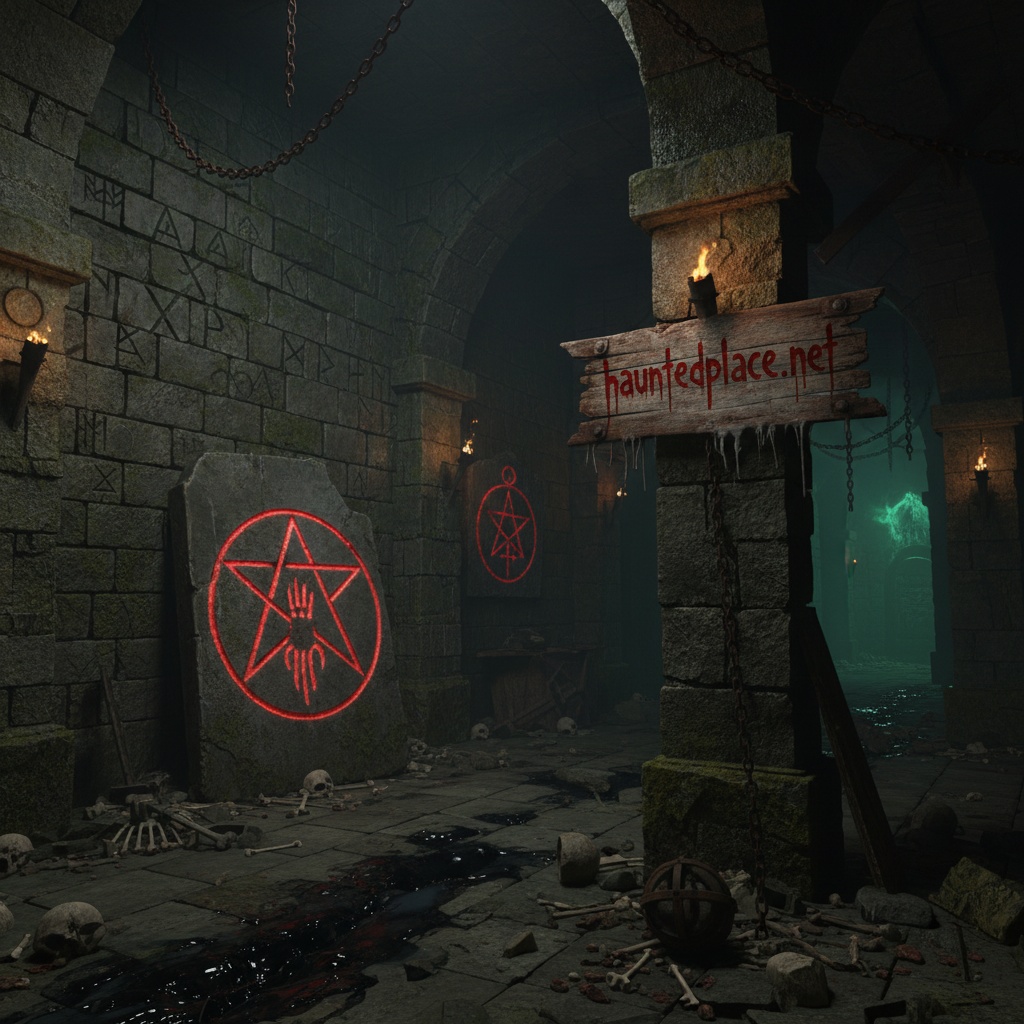
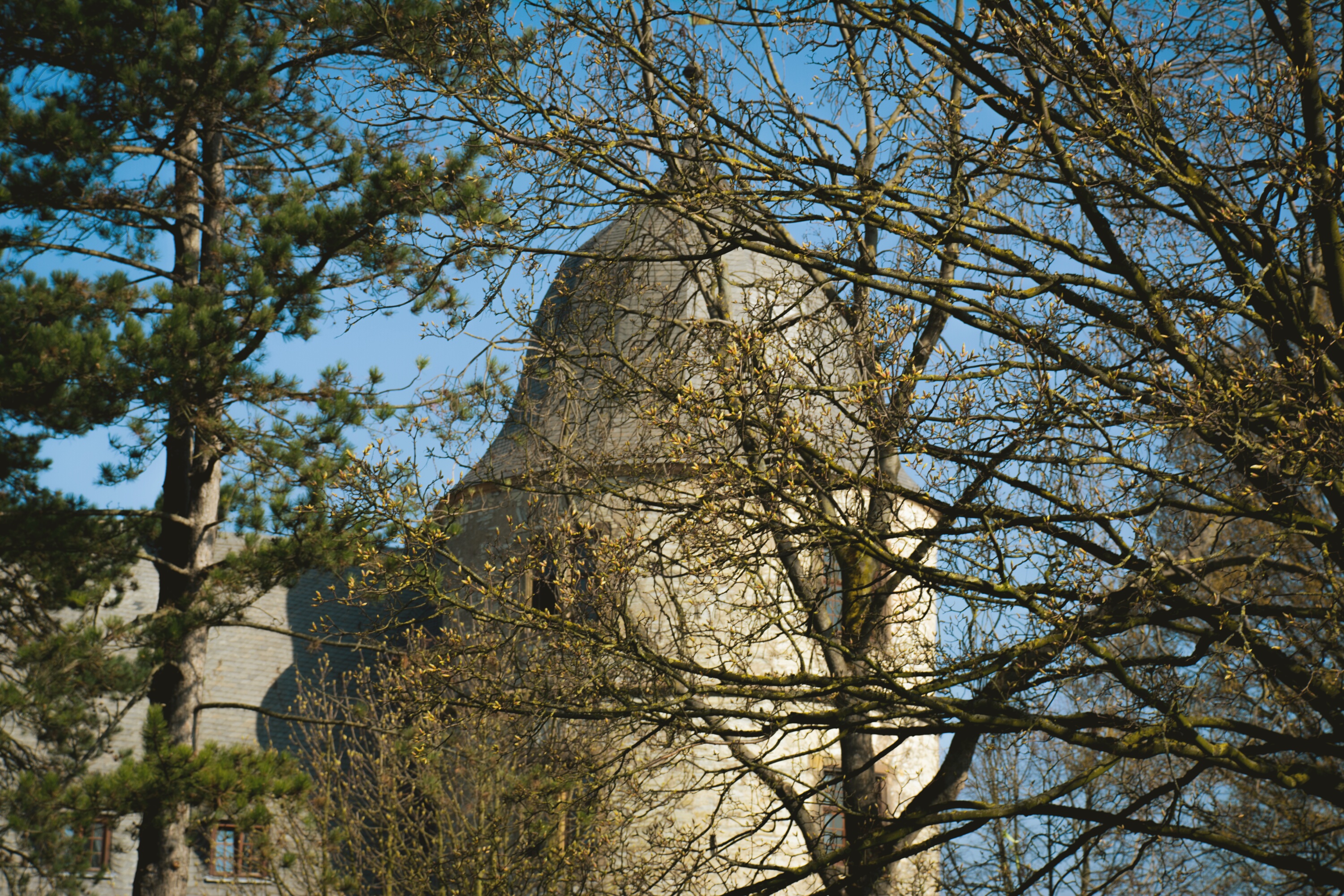
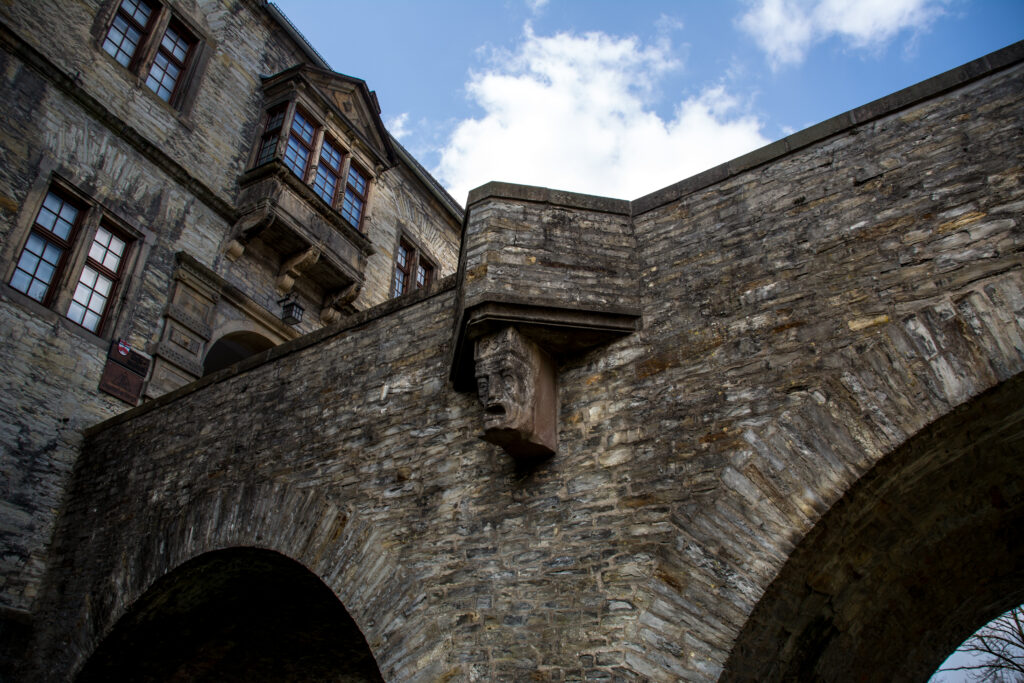
Nestled in the serene landscapes of North Rhine-Westphalia, Germany, lies an ominously triangular fortress known as Wewelsburg. Though at first glance it may appear as a silent sentinel of history, the castle is steeped in dark legends and sinister pasts that permeate its very stones. Infamous for its connection to the SS under Heinrich Himmler, Wewelsburg was more than just a military stronghold—it was a chilling ideological hub where dreams of a dark utopia were fostered.
Heinrich Himmler, in his quest to root Nazism in mystical lore, selected Wewelsburg Castle as the spiritual heart of the SS. Obsessed with the occult and Germanic mythology, Himmler envisioned the castle as a Camelot for the Third Reich. The central tower of the fortress, called the Obergruppenführersaal, was adorned with esoteric symbols and runes, reminiscent of Heinrich’s dark ambitions. It was here that the SS would assemble for sinister rituals, transforming the fortress into a dark chapel of horror.
But beneath its surface of eerie calm, Wewelsburg hides stories far darker than any mere fantasy. As visitors tread its cobbled paths and explore its labyrinthine corridors, the echoes of its blood-stained history seem to whisper amidst the chilling drafts. Tales abound of supernatural occurrences within those walls—accounts of ghostly apparitions, unsettling noises, and the oppressive sensation of being watched.
One particular legend speaks of the “The Wewelsburg Ghost,” a spectral figure believed to be an SS officer who met a gruesome end during a failed occult ceremony. Visitors claim to have seen a shadowy figure pacing the corridors, vanishing into thin air when approached. This ethereal presence, it is said, serves as a perpetual reminder of the castle’s sinister legacy and the lives consumed by its dark history.
Adding to the spine-tingling lore are the eerie discoveries made by subsequent owners and historians. Deep within the castle’s dungeons, hidden chambers and cryptic inscriptions were unearthed, suggesting secret meetings and mystical practices conducted in isolation. Pentagrams, runes, and cryptic sigils etched into ancient stone walls hint at rituals meant to summon or bind unknown forces. These unsettling findings suggest an attempt by the SS to channel powers beyond human understanding, perhaps to embolden their grip on power.
Public records from the time, alongside reports from projects like Operation Paperclip, reveal that the Nazis invested heavily in occult studies and pseudo-sciences. A notable document from 1938, unearthed from the archives of the Ahnenerbe—a Nazi research organization—details experiments in harnessing alleged supernatural forces. The document references an entity referred to only as “Der Schatten,” or “The Shadow,” speculated to have been central to the Nazi’s unholy pursuits within Wewelsburg.
Despite its haunting history, Wewelsburg remains a site of historical interest, drawing thousands of visitors each year who brave its eerie atmosphere. Guided tours dive deep into the castle’s disturbing past, unraveling tales of mysticism, horror, and the macabre ideologies that once defined its existence. From exploring the bone-chilling Room of the Dead, where the SS memorialized their fallen members, to venturing into the Hall of the Supreme Leaders, where echoes of chilling chants still seem to linger, tourists are offered a glimpse into a past inundated with dread.
Moreover, the castle’s aura finds mention in various paranormal investigations. Several high-profile ghost hunting groups have launched explorations within its premises, documenting unexplainable phenomena. Thermal cameras capture cold spots devoid of physical explanation, while EVP devices record disembodied voices—often speaking in German or in broken whispers—adding credence to the narratives of hauntings and curses.
The unsettling atmosphere of Wewelsburg has also inspired various works of fiction and films, further cementing its reputation as a beacon of horror and intrigue. Dark thrillers and gothic novels bring to life the macabre ambiance of the fortress, drawing readers into a world where the lines between reality and the supernatural blur seamlessly.
In contemporary times, efforts to preserve the castle serve as a somber reminder of a past that should never be forgotten. Educational programs and exhibitions aim to educate the public about the historical and moral lessons learned from its dark chapter.
As the sun sets behind its ancient towers, casting elongated shadows over its formidable structure, Wewelsburg stands as a powerful testament to humanity’s potential for both greatness and evil. Its walls, once echoing with the zealous ambitions of a twisted ideology, now resonate with an enduring silence—a silence filled with lessons, warnings, and the persistent presence of the past. In its shadowy halls, one cannot escape the feeling that the castle is watching, perhaps remembering, all those who dare to tread its haunted ground.
Wewelsburg is not just a fortress of stone and mortar; it is a monument to memory and myth. It draws us into a confrontation with the darker aspects of human nature, encouraging reflection on the cost of fanaticism shrouded in mysticism. Whether one believes in the supernatural or not, the castle impresses upon its visitors an unsettling awareness of the malevolence that once thrived within its ominous confines. The enduring fascination with Wewelsburg lies not only in its ghastly tales but in the underlying truths those tales illuminate about the human spirit and its vulnerabilities.