 Isabella Mueller Baroness of Stainton le Vale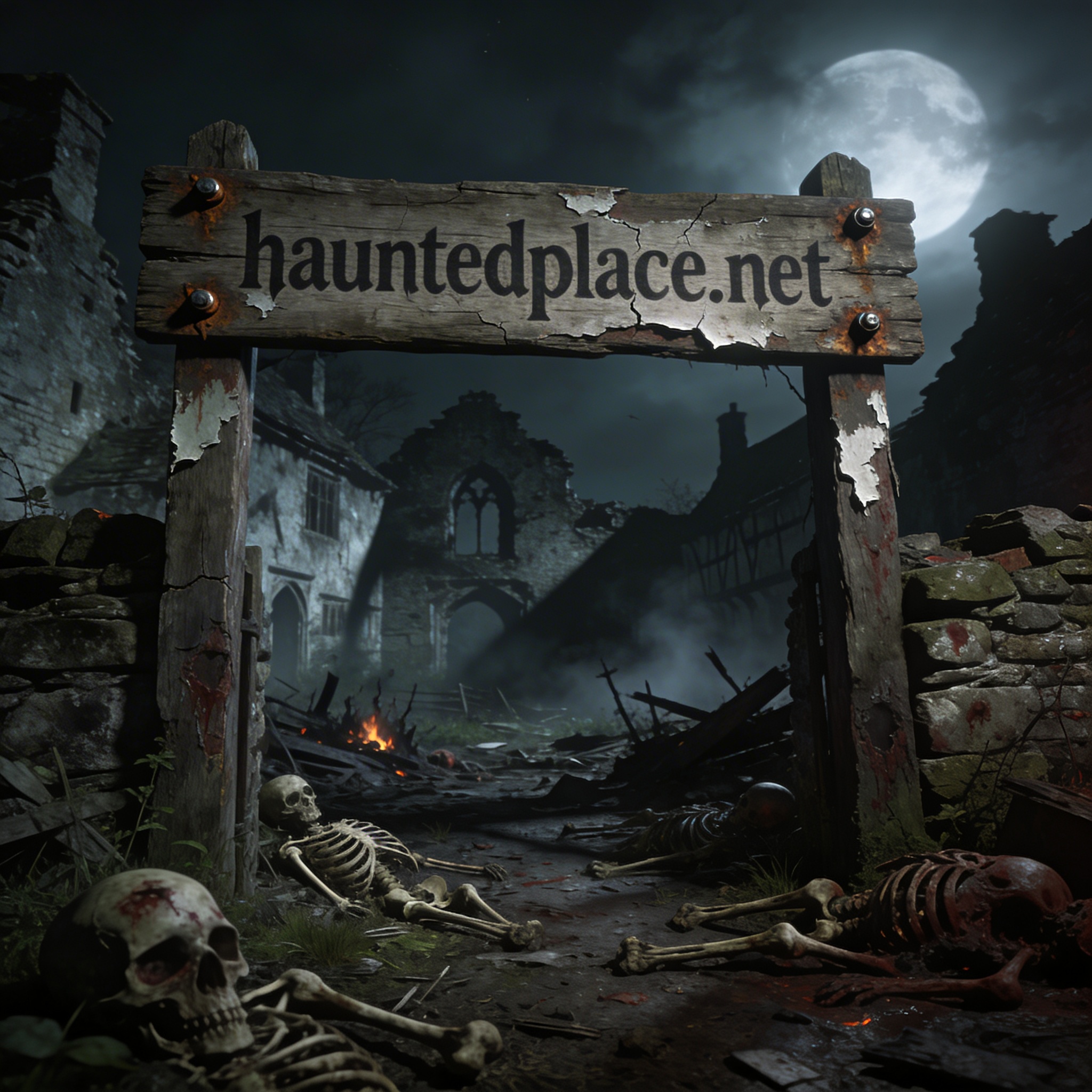
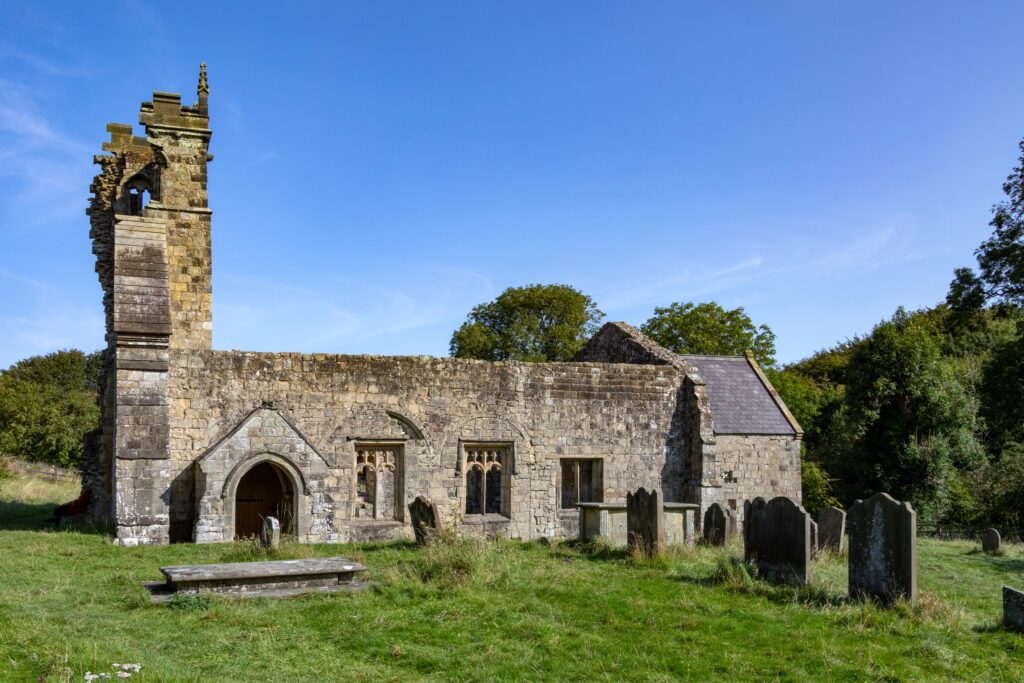
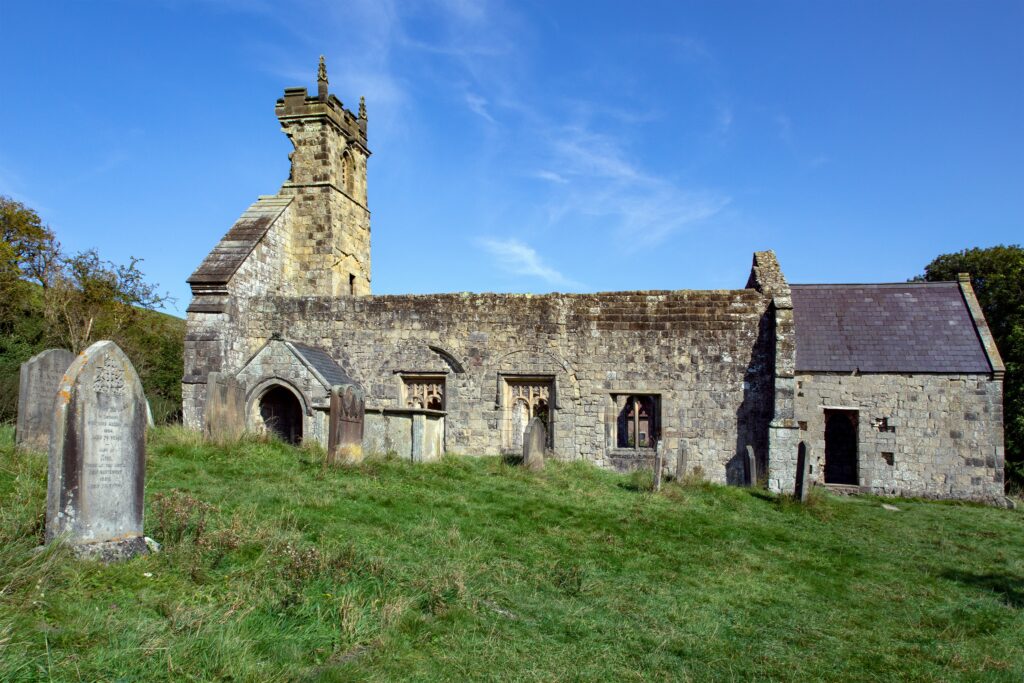
Deep in the heart of Yorkshire lies the abandoned village of Wharram Percy, a place so eerie and steeped in horror that it has become the subject of gruesome stories and spooky legends. Once a thriving medieval community, Wharram Percy is now a ghostly relic of the past, its crumbling ruins whispering secrets of horror, death, and inexplicable fear.
Wharram Percy was abandoned around the 16th century, but it is the gruesome discoveries within its boundaries that have cemented its reputation as one of England’s most haunted places. During excavations in this abandoned village, archaeologists discovered skeletal remains that sent shivers down the spines of even the most seasoned experts. These bones tell a story of fear and macabre practices—they show signs of post-mortem burning and mutilation, a sure sign that the villagers were gripped by an overwhelming fear of the undead.
The concept of the “revenant” or, as we would say today, the “living dead,” was widespread in the Middle Ages. People believed that those who died an unnatural death or harbored great resentment could return from their graves to haunt the living. The skeletal remains found in Wharram Percy suggest that the villagers took extreme measures to prevent such horrors. Corpses were mutilated, decapitated, and burned—gruesome measures that have been interpreted as attempts to prevent the bodies from rising again and terrorizing the survivors.
But what drove the inhabitants of Wharram Percy to such gruesome paranoia?
To fully understand the gruesome fate of the dead of Wharram Percy, one must examine the superstitions and fears that shaped medieval thinking. Famine, disease, and war were widespread during this period, plunging many communities into despair and hysteria. Those who died in mysterious or disturbing circumstances were often suspected of harboring vengeful spirits. In a village that had seen its share of hardship, the fear that the restless dead might seek retribution was frighteningly real.
Alongside this historical context, modern investigations of the narrative’s location have added new dimensions. Paranormal researchers equipped with advanced technologies have reported strange phenomena in the ruins of Wharram Percy. Unexplained cold spots, eerie whispers, and fleeting shadows are common, and several investigators have reported experiences that defy rational explanation.
A particularly harrowing account comes from a group of paranormal enthusiasts who visited the site in the middle of the night.
As they stood near the old cemetery, they claimed to hear distant singing, the sound of which rose and fell like an otherworldly dirge. Their devices picked up ghostly figures moving through the tall grass, and several members of the group suddenly felt inexplicable nausea and dizziness. The feeling of an invisible presence was palpable, the air filled with an almost tangible malevolence.
Contributing to the lore are several local legends that tell of a ghostly figure known as “The Watcher of Wharram.” The Watcher is described as a shadowy figure wrapped in rags who roams the village at dusk with glowing eyes. Witnesses claim that an encounter with the Watcher heralds a streak of bad luck, illness, or even death, prompting many to avoid the area after dark out of pure superstition.
Even though these stories spread fear and fascination, scientists continue to search for rational explanations for Wharram Percy’s ghostly legacy. Some suspect that the mutilation of corpses was a misguided attempt to stop the spread of disease, similar to the rituals observed during times of plague.
Others suggest that the eerie noises and apparitions may be natural phenomena misinterpreted by fearful minds.
However, the line between history and horror becomes blurred when it comes to Wharram Percy. The physical evidence of post-mortem violence cannot be ignored, nor can the stories that have persisted for centuries. Whether the truth lies in supernatural forces or in the depths of human psychosis, one thing remains clear: Wharram Percy is a place where the living and the dead coexist in an uneasy juxtaposition.
In our quest to understand the past, Wharram Percy serves as a powerful reminder of how deeply rooted fears can shape human behavior. It forces us to confront our darkest fears of death and what comes after, offering a chilling glimpse into the psyche of a people grappling with forces beyond their control.
As the sun sets over the abandoned village, casting long shadows across dilapidated buildings and empty fields, the air seems to grow colder and thicker with untold stories. The skeletal remains may have been exposed and the village itself left to decay, but the ghosts of Wharram Percy’s past linger, whispering their warnings to those brave enough—or foolish enough—to listen.
Do you dare to roam these haunted grounds? The ghosts of Wharram Percy await you, bearing witness to ancient nightmares that refuse to die. So be careful, and remember: in the silence that surrounds Wharram Percy, the echoes of fear still reverberate, timeless and immortal.