 Isabella Mueller Baroness of Stainton le Vale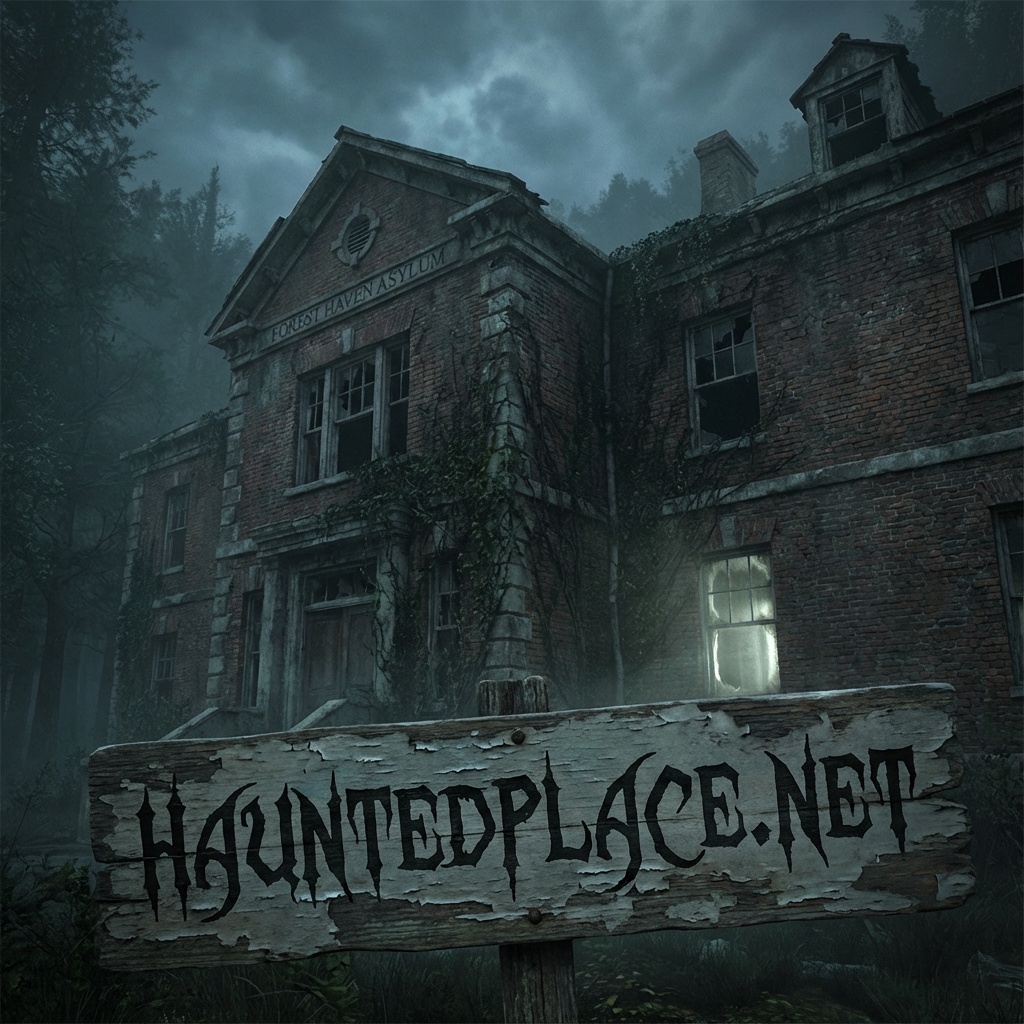
Nestled in the dense woods of Laurel, Maryland, lies the crumbling shell of Forest Haven Asylum, an institution that operated from 1925 until its closure in 1991. What once stood as a beacon of hope for individuals with mental illnesses and developmental disabilities has deteriorated into a haunting testament to a dark history, plagued by tales of sorrow, neglect, and the paranormal. The asylum has become an eerie destination for those drawn to the supernatural, with its decaying architecture providing a chilling backdrop straight from a horror film.
The establishment of Forest Haven was initially marked by optimism and the promise of progress. In the early 20th century, the need for institutions dedicated to mental health care was paramount. Public sentiment favored secluded facilities where vulnerable individuals could receive specialized treatment away from the societal judgment of the times. However, as years passed, this promise gave way to overcrowding, underfunding, and a series of controversial practices, culminating in the facility being engulfed by scandal.
Crucial to the enduring intrigue of Forest Haven are the exhaustive legal battles that led to its closure. In the decades preceding the shutdown, numerous lawsuits were filed against the institution, highlighting inhumane conditions and outdated therapeutic methods. Notorious amongst these was the use of electroconvulsive therapy (ECT) without proper oversight, a procedure that often left patients with more harm than healing. Documentation from these court cases paints a bleak picture of systemic neglect and abuse. These horrors have seeped into the walls of the abandoned asylum, leaving behind an atmosphere heavy with anguish and the echoes of past injustices.
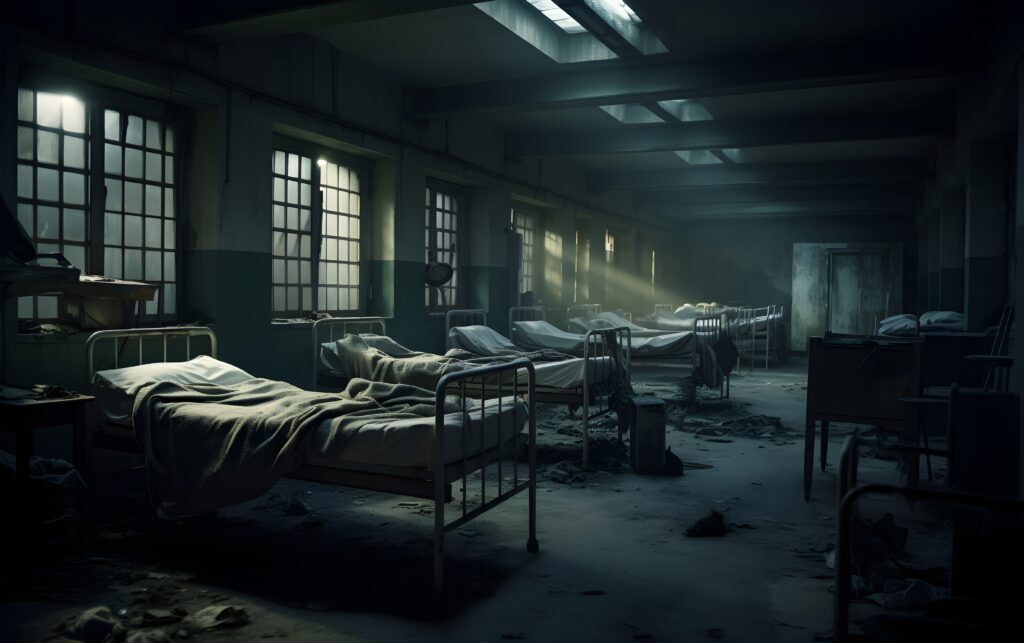
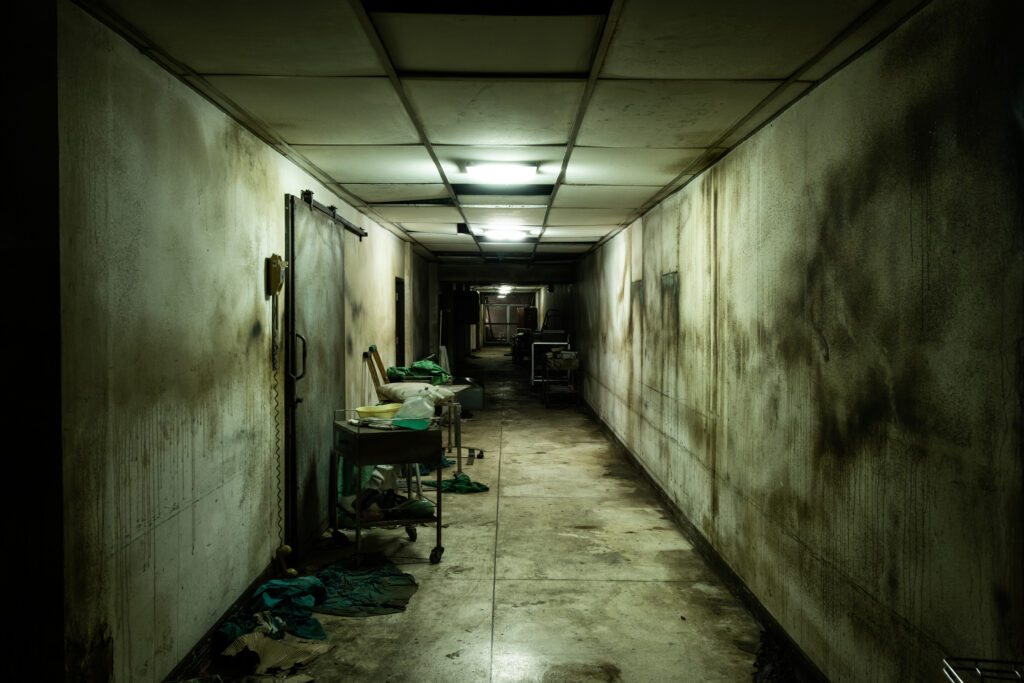
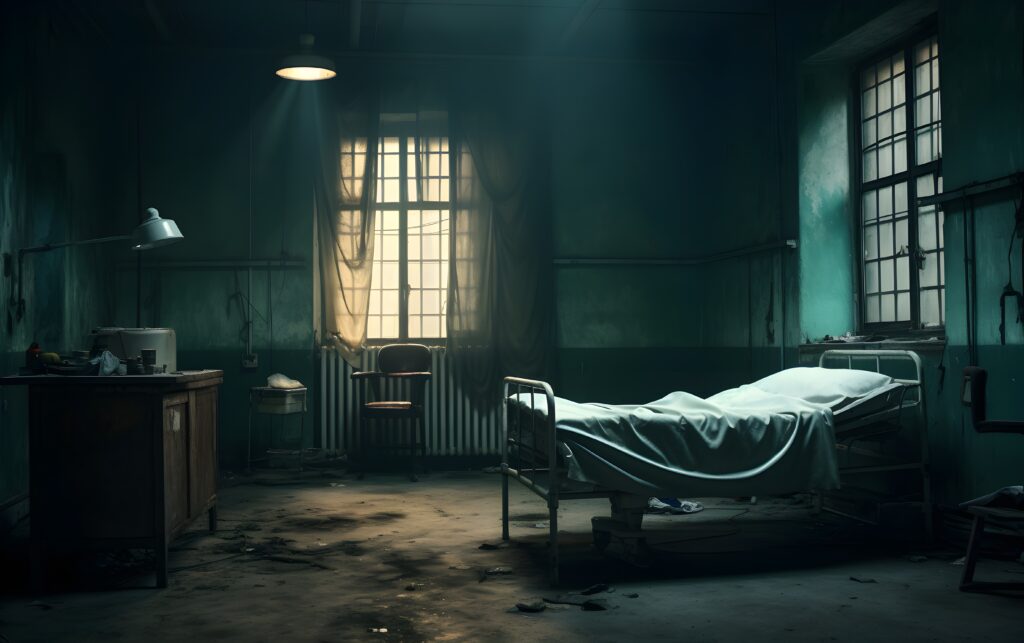
Following the closure, Forest Haven’s descent into ruin was swift. The once-bustling grounds were left to the mercy of nature, transforming over time into a ghostly landscape. Curious visitors who venture onto the site’s forbidden paths often report strange occurrences: the rustle of unseen footsteps, whispers in vacant corridors, and the unmistakable feeling of being watched. Inside the dilapidated buildings, remnants of its troubled history remain eerily intact. Dust-covered wheelchairs line the hallways, treatment tables stand abandoned in an eternal wait, and forgotten suitcases tell silent stories of the lives that once inhabited the space.
One cannot walk through Forest Haven without encountering the unsettling presence of the past. Patient records, still scattered across the floors of offices, provide grim insights into the lives interrupted by the facility’s controversial methods. Personal belongings, from clothing to ancient medications, remain as ghostly reminders of the individuals who once called the asylum home. Each item tells a story of hope turned to despair, adding layers to the already haunting narrative.
The stories of restless spirits wandering the deserted halls have only added to Forest Haven’s infamy. Local legend suggests that the souls of former patients are condemned to roam the empty corridors, their unavenged suffering binding them eternally to the place of their torment. These spectral inhabitants are said to manifest in shadowy figures and disembodied voices, seeking release from their unfinished earthly burdens.
Ghost hunters and paranormal investigators are frequently drawn to Forest Haven, eager to experience its haunted reputation firsthand. Many have emerged with chilling tales of encounters with the supernatural. One famous account describes a group of explorers who, upon entering the remains of the infirmary building, heard soft crying emanating from the darkness. Following the sound, they stumbled upon a translucent apparition of a young woman, clad in what appeared to be a vintage hospital gown, weeping silently before fading into the ether. Such stories perpetuate the chilling allure of Forest Haven, capturing the imagination and fear of all who hear them.
While direct access to the site is prohibited, the legend of Forest Haven continues to thrive, bolstered by the digital age’s fascination with the macabre. Online forums and social media platforms teem with photographs and stories from both daring trespassers and historical enthusiasts, weaving a tapestry of mystery that blurs the line between fact and fiction. This shared community narrative has allowed the haunting legacy of Forest Haven to endure, echoing throughout the realms of horror literature and film.
In examining the morbid fascination with places like Forest Haven, one must consider humanity’s intrinsic allure to the unknown and the fear it evokes. The juxtaposition of human suffering amidst the echoes of psychiatric experimentation taps into deep-seated anxieties about mortality and the fragility of the mind. Such locations, though rife with tragedy, offer a unique opportunity to confront these fears, allowing individuals to explore the darker facets of existence from a safe distance.
Moreover, Forest Haven serves as a cautionary tale, reminding society of the critical importance of ethical treatment within mental health practices. As discussions around mental health have evolved, so too has the emphasis on compassion, understanding, and justice for those affected by mental illness. In remembering the stories of Forest Haven’s patients, modern advocates strive to ensure such histories do not repeat themselves.
In conclusion, the haunting legacy of Forest Haven Asylum extends far beyond its physical decay. It stands as a monument to the countless lives touched by its history, both in life and thereafter. The stories of sorrow and spectral presence that envelop the site are a testament to the human capacity for endurance amidst suffering and serve as a lasting reminder of the importance of empathy and reform in mental health care. Whether driven by curiosity or the thrill of fear, those who explore Forest Haven engage with a piece of history steeped in mystery and the supernatural, forever echoing with whispers of the past.