 Isabella Mueller Baroness of Stainton le Vale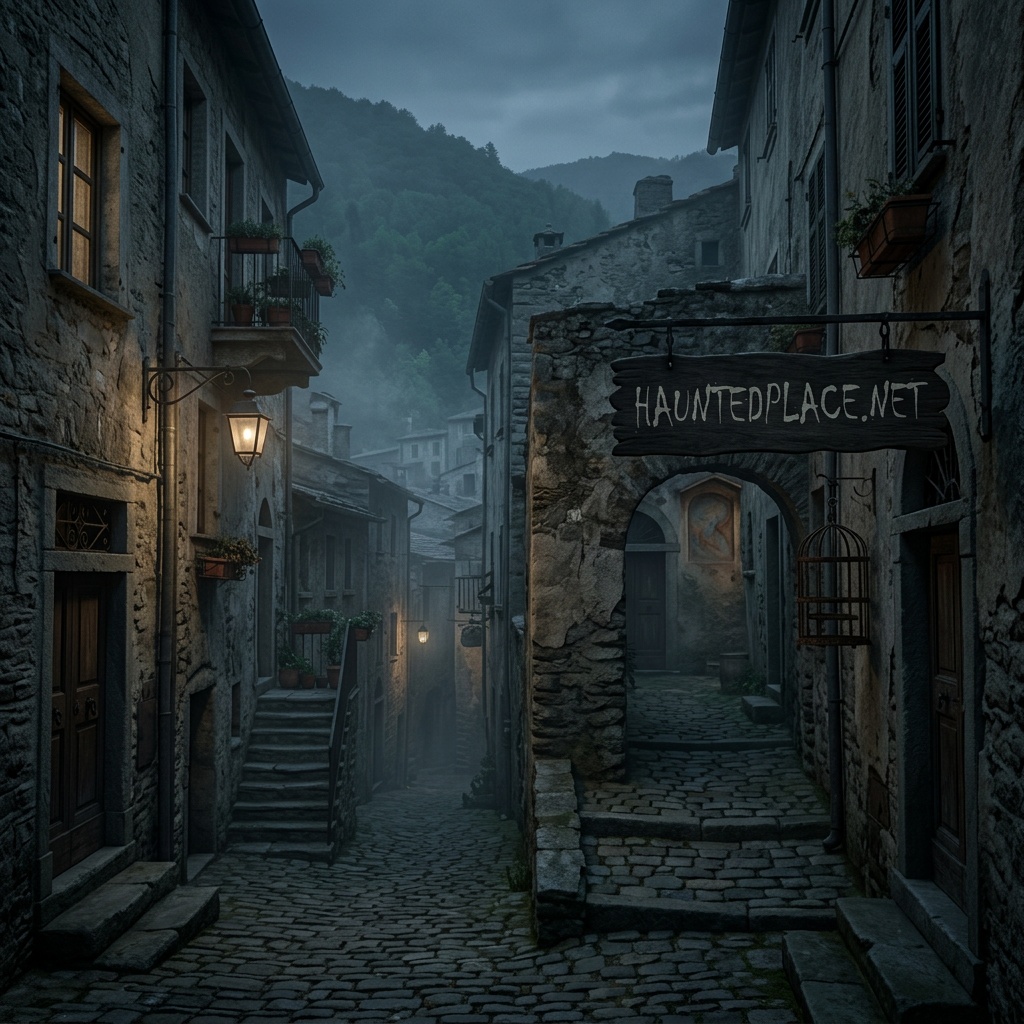
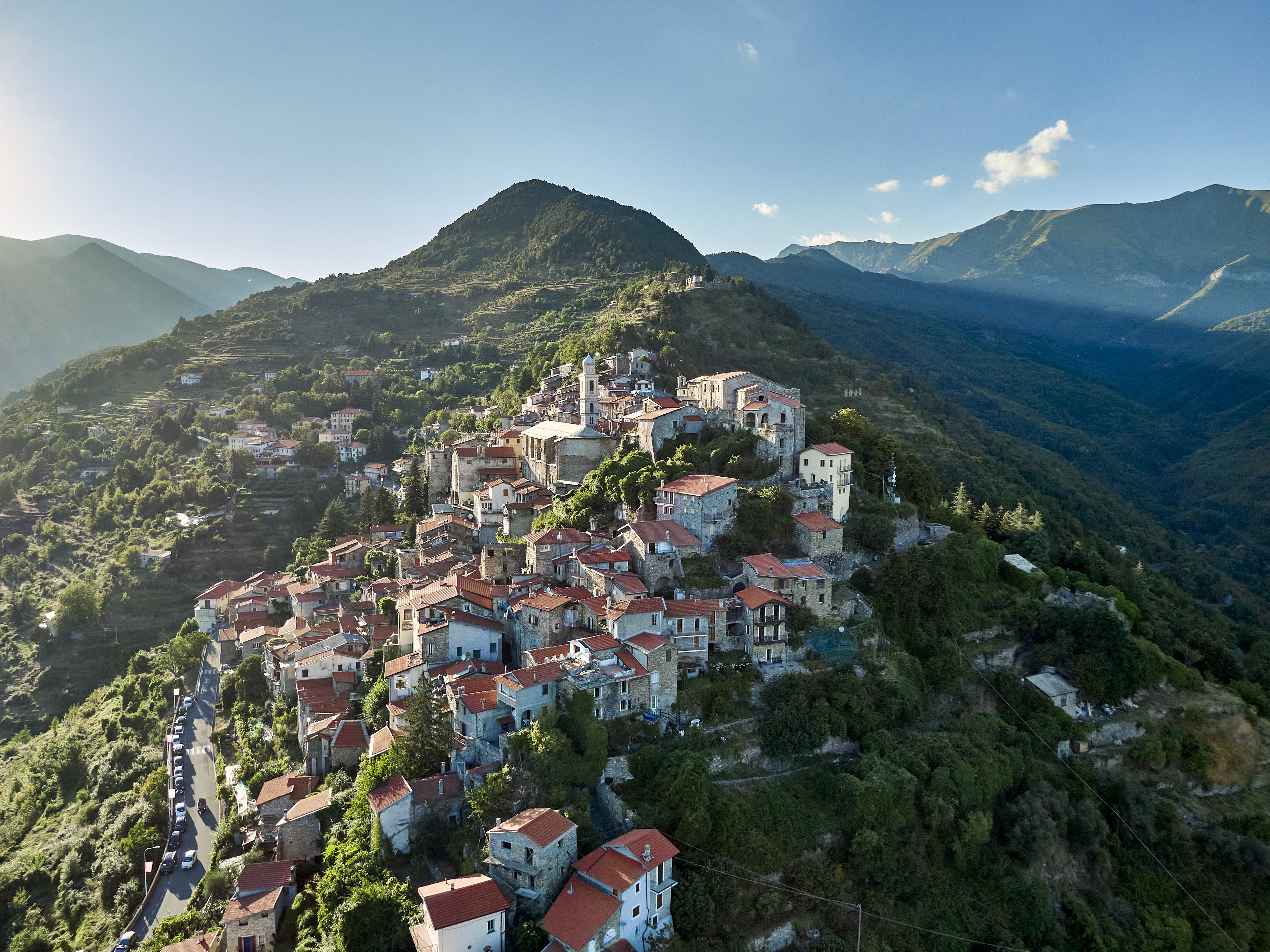
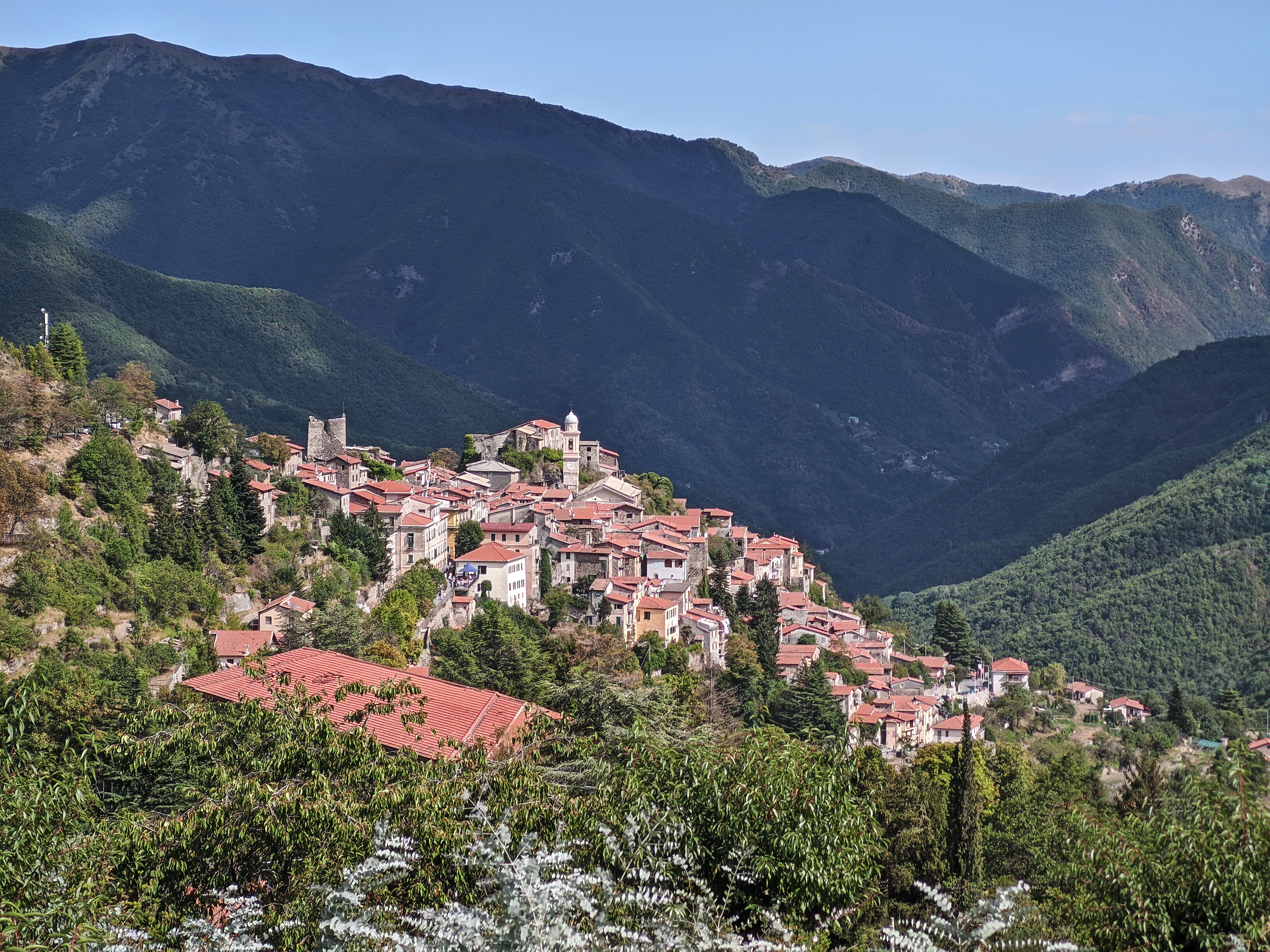
Hidden in the mysterious hills of Liguria lies the small village of Triora, a place still shrouded in dark legends and eerie stories. Triora, known as the “town of witches,” was the scene of one of Italy’s most notorious witch trials at the end of the 16th century. These dark chapters in history have left a lasting mark on the village, turning it into a place of horror and fascination that continues to this day.
A grim beginning – The year 1587 marked the beginning of an ominous period for Triora. The harvests were poor, diseases broke out, and the harsh climate exacerbated the plight of the inhabitants. In their desperation, the villagers sought a scapegoat, someone to blame for all their suffering. It didn’t take long for suspicion to fall on a group of women who lived on the margins of society. These women were accused of bringing misfortune to Triora through witchcraft and pacts with the devil.
The witch hunt begins – An unprecedented witch hunt began. The Inquisition reached Triora, and cruel interrogations were conducted. Under torture, many women—often under duress—made “confessions” ranging from devil worship to cannibalism. They were captured and imprisoned in the dark dungeons of the village, where they awaited trial under indescribable conditions. Stories and legends surround these atrocities. It is said that at night, the screams of innocent women echoed through the narrow streets of the village, while the villagers barricaded themselves in their homes for fear of the evil that supposedly lurked everywhere.
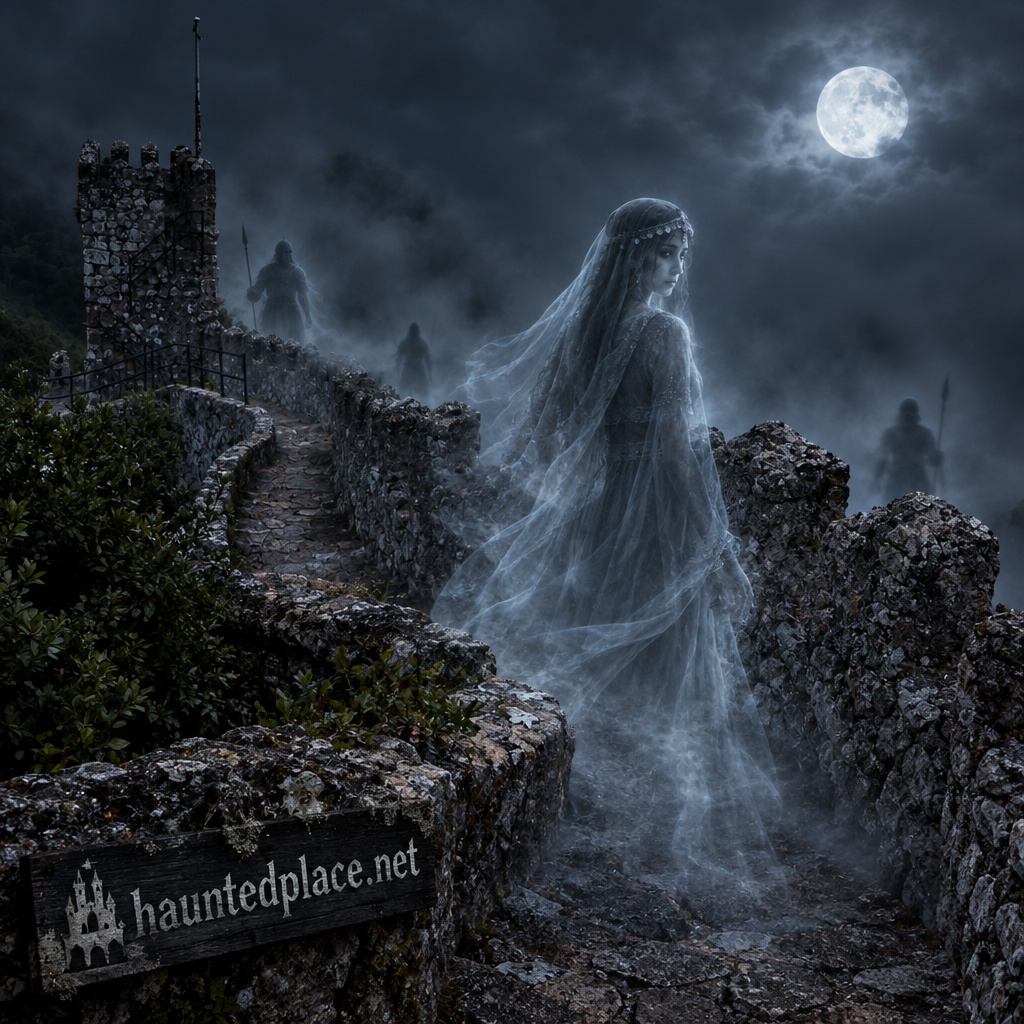
Myths and truths – Historical records meticulously document the witch trials of Triora, but the truth is often difficult to separate from myths and exaggerations. Some claim that the women accused of witchcraft were in fact only healers and herbalists who preserved ancient knowledge of medicine and nature. Others, however, tell of eerie rituals and mysterious apparitions that accompanied this dark period. There are reports of eerie shadow creatures sighted in Triora. Eyewitnesses report nocturnal encounters with ghostly figures and an eerie presence that can still be felt today within the old walls of the village.
Triora today – A place of horror and fascination – Today, Triora attracts numerous tourists and ghost hunters who want to follow in the footsteps of the witches. The ruins of the old fortress and the narrow, winding alleys provide an eerie backdrop that captivates visitors. The “Witches’ Square” (Piazza delle Streghe) and the Witch Museum are particularly popular with the curious and those interested in history. Every year in August, the “Witches’ Festival” is celebrated, which actually serves as a memorial and reconciliation, but also offers a spectacle that brings the village’s dark past to life. During these days, the alleys fill with costumed people and mystical rituals are reenacted – a spectacle that attracts tourists from all over the world.
The dark fascination – Why are we so attracted to the horror of witch trials and the uncanny? Perhaps it is the search for the hidden layers of history, for what lies beyond the visible and the known. Or perhaps it is humanity’s deep fascination with evil and the supernatural that draws us back to such places time and again. Triora embodies these fears and mysteries like no other place. The dark legends and gruesome events that took place here are now firmly anchored in the collective memory. Whether through literary works, historical treatises, or even films and documentaries, the stories of Triora live on and inevitably draw us into their spell.
More secrets and hidden stories – Beyond the well-known facts and legends, there are numerous lesser-known but equally creepy stories. Old residents report strange occurrences that perpetuate the village’s mystery. Some claim that sad voices echo from the depths of the earth and that balls of light float across the night sky—phenomena that no one can explain. Another dark secret surrounds the nearby forest, known as the “Forest of Shadows.” Here, it is said, there have been eerie encounters with ghostly figures. Hikers who venture into this forest report a sudden feeling of fear and something invisible following them. Some even speak of apparitions reminiscent of the victims of the witch trials.
A legacy of fear – Although the witch trials of Triora represent an incomparable horror, they are ultimately also a reflection of the fears and prejudices of an entire era. They show how easily a community can become radicalized in times of need and succumb to superstition and hysteria. Today, Triora serves as a cautionary tale, reminding us of the dangers that arise when judgments are based on fear and ignorance. The menacing shadow of the past still hangs over this otherwise picturesque Italian village, and that is precisely what makes it such a fascinating place, full of secrets and goosebumps.
Triora remains a symbol of the dark chapters of human history and, at the same time, a memorial against intolerance and superstition. Those who enter the narrow streets of the village are immersed in another world, where past and present, myth and reality merge. The horror that once raged here still echoes today, inviting us to remember, explore, and understand.