 Isabella Mueller Baroness of Stainton le Vale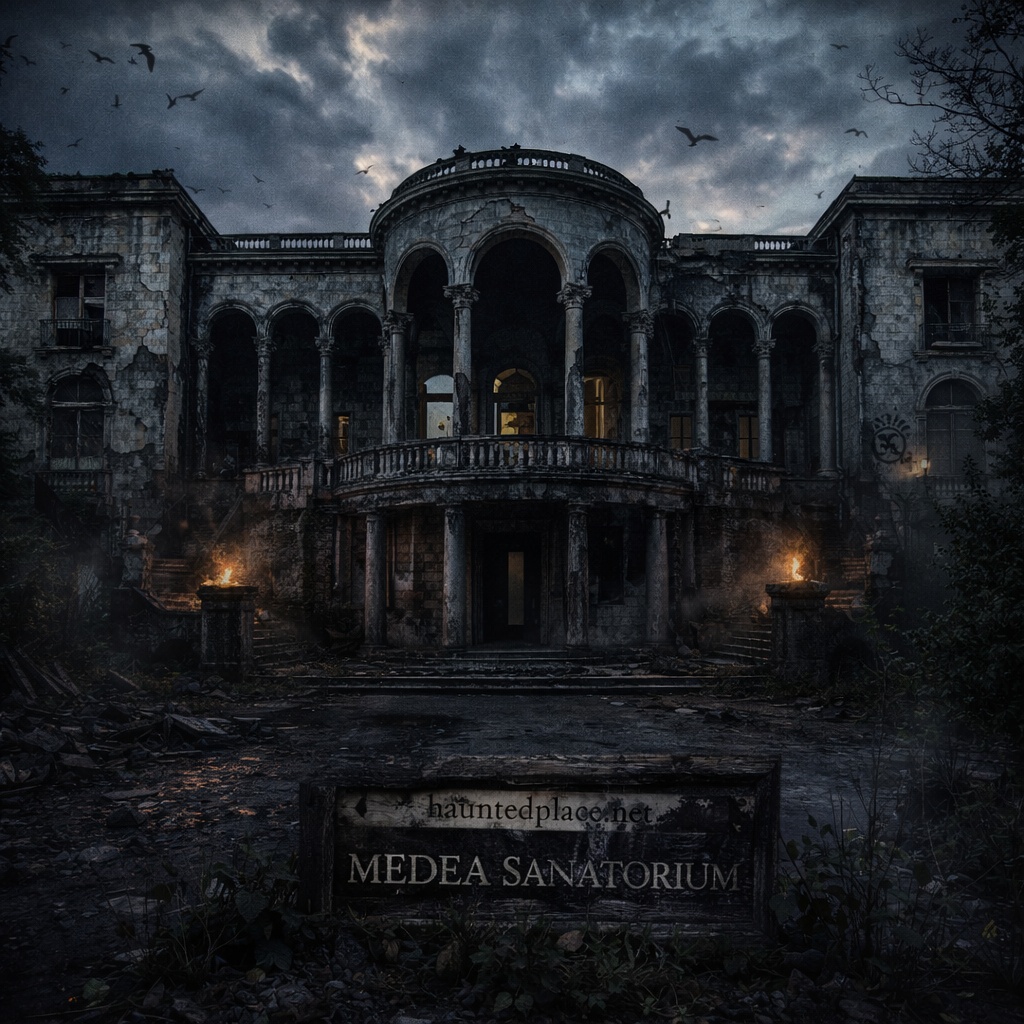
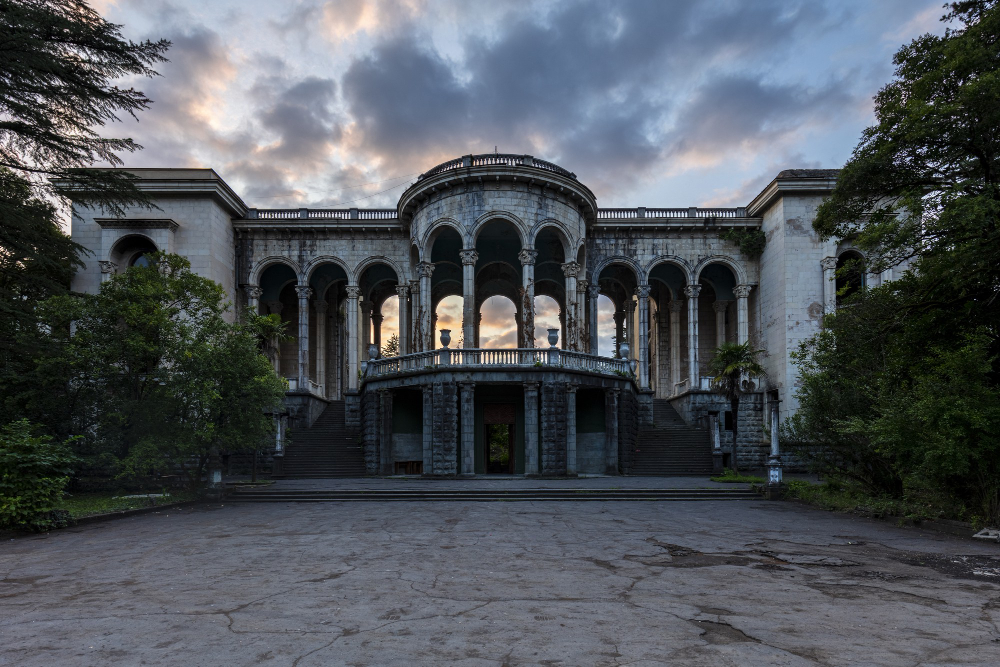
Nestled in the picturesque Georgian countryside, hidden among dense forests and rolling hills, lies the Medea Sanatorium in Tskaltubo. Once a place of healing and hope, it now attracts curious adventurers and fans of the supernatural—but not because of its former medical successes. Rather, dark rumors and eerie tales swirl around the crumbling walls and silent corridors of this abandoned building. Some say that evil forces are still at work here.
During the Soviet era, the resort town of Tskaltubo was famous for its healing thermal springs. Visitors from all parts of the country flocked here to treat illnesses or simply to recharge their batteries. With magnificent sanatoriums, luxurious interiors, and sprawling gardens, the town was a center of well-being. The Medea Sanatorium was among the first facilities built in Tskaltubo. But while other facilities were characterized by warmth and healing, rumors circulated around Medea from the very beginning—rumors that had nothing to do with health.
According to legend, the sanatorium was built on an ancient ritual site—a place where dark ceremonies were held centuries ago. Locals tell of a cursed priest whose spirit is said to still roam the area. When the sanatorium was built, this curse is said to have seeped into the building’s foundation. Whether this is mere superstition or if there is actually something supernatural behind it remains uncertain. What is certain, however, is that Medea has always had a special reputation that went far beyond medical treatments.
During its time in operation, the sanatorium quickly gained a grim notoriety as a place where strange occurrences were not uncommon. Patients reported strange shadows gliding through the hallways at night, eerie noises emanating from the ventilation shafts, and an oppressive atmosphere that never seemed to fully dissipate. Nurses spoke of sudden cold spots, even in the middle of summer, and of medical equipment that sometimes malfunctioned for no apparent reason. Even more unsettling were reports of people vanishing without a trace—both patients and staff.
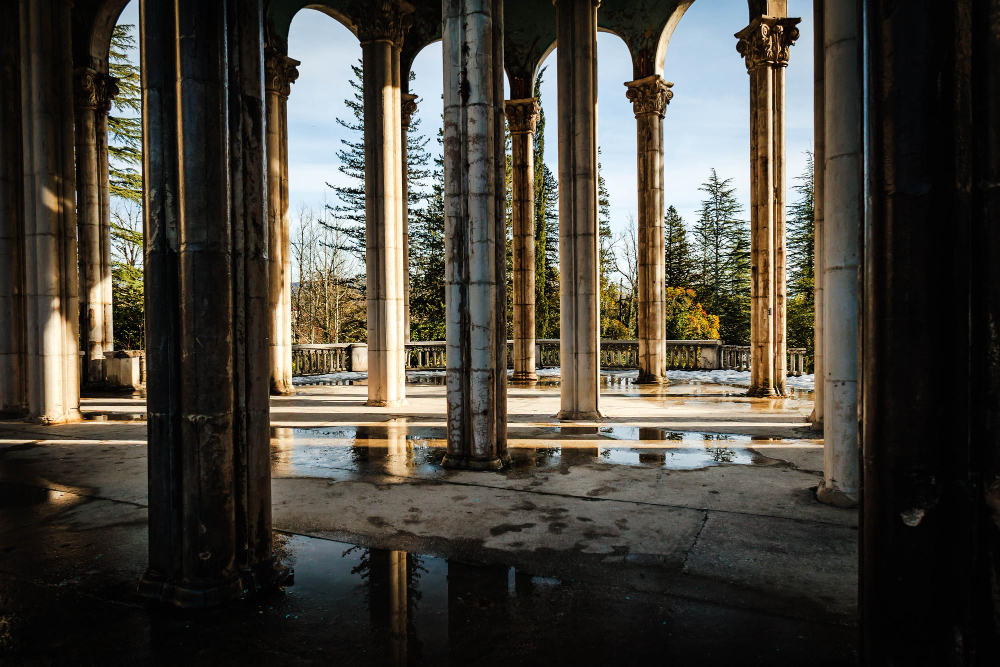
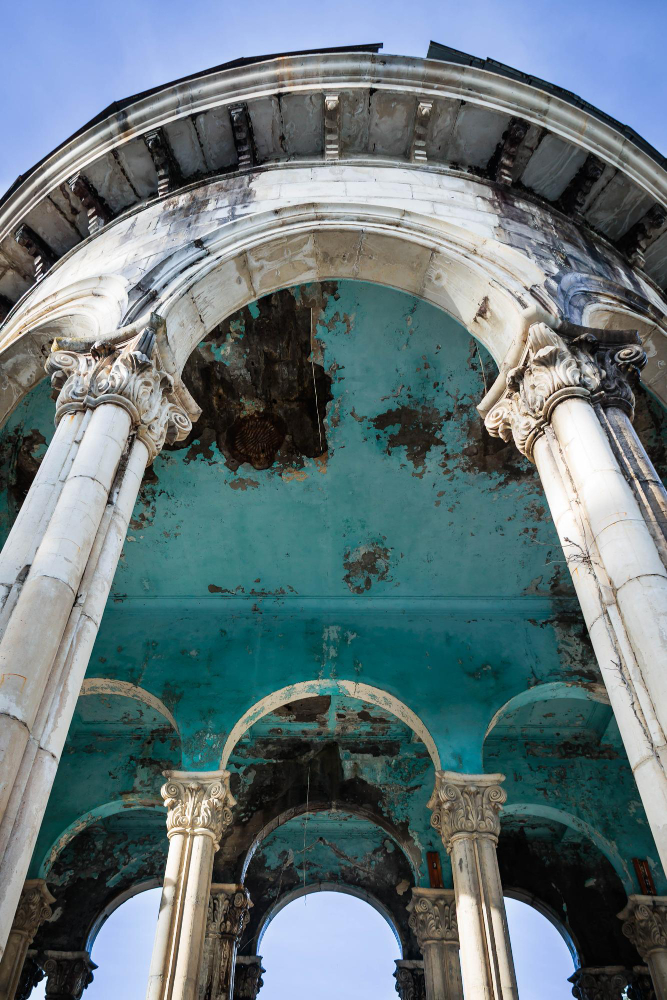
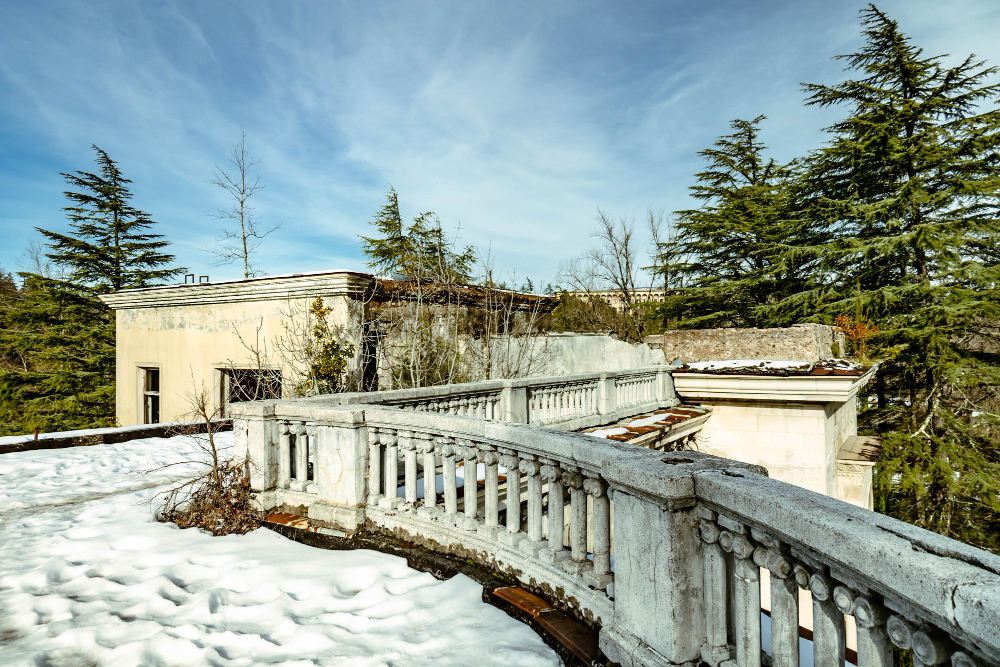
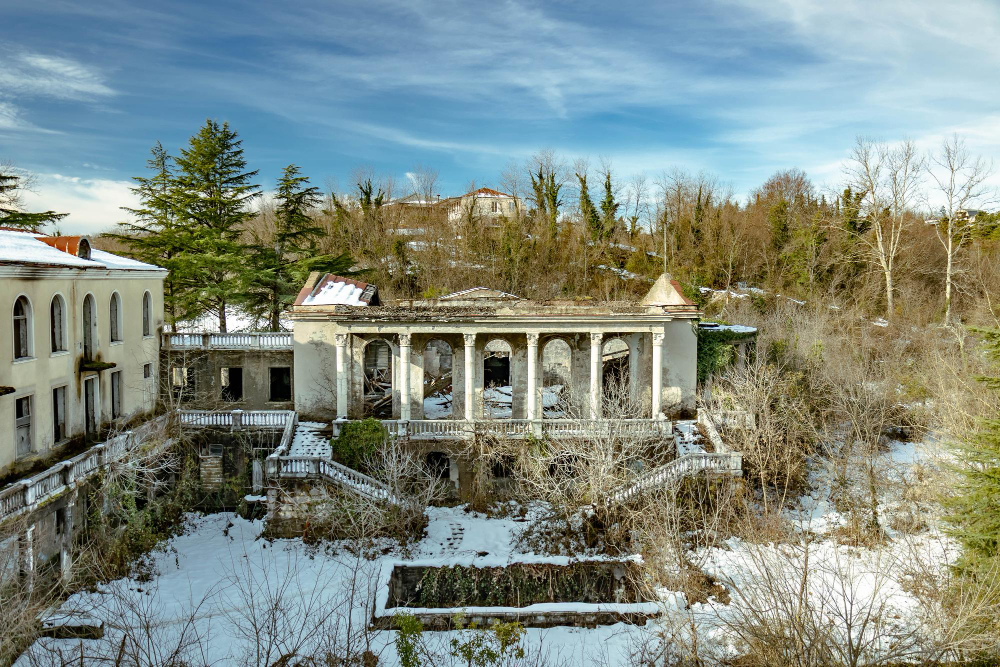
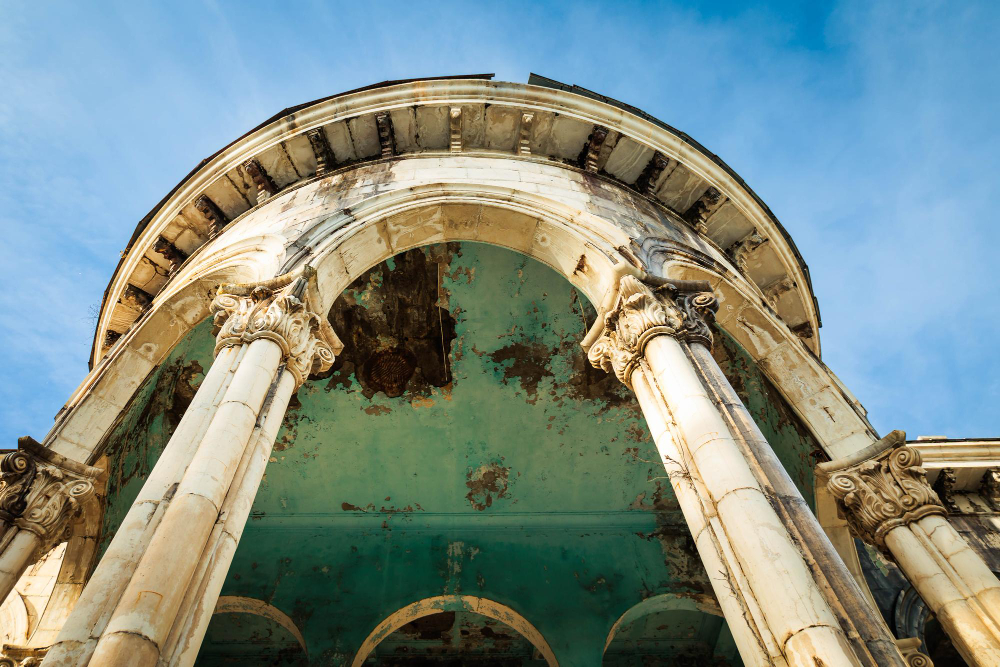
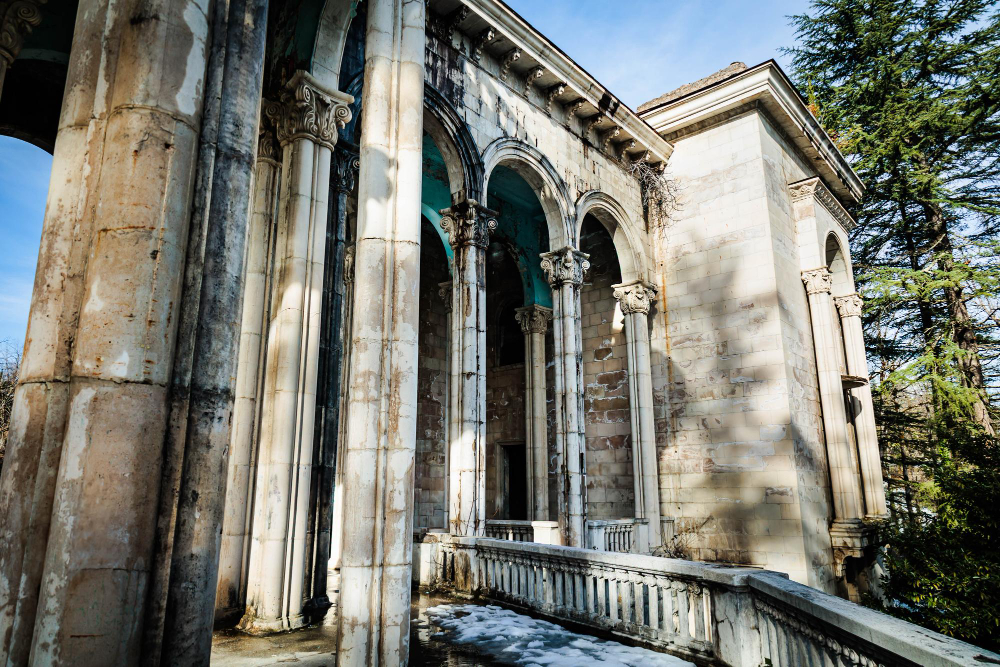
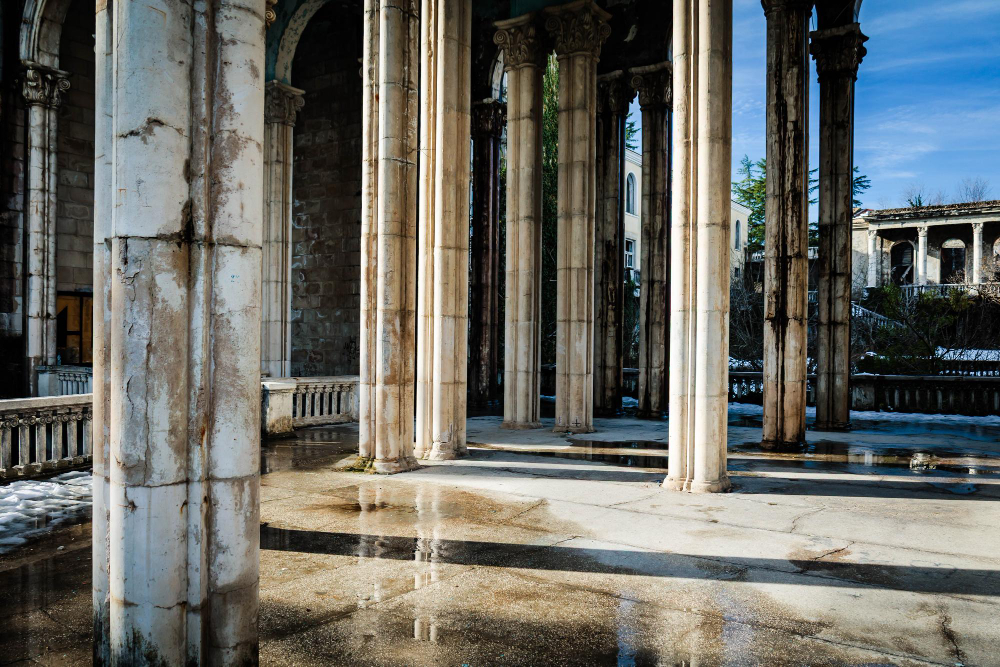
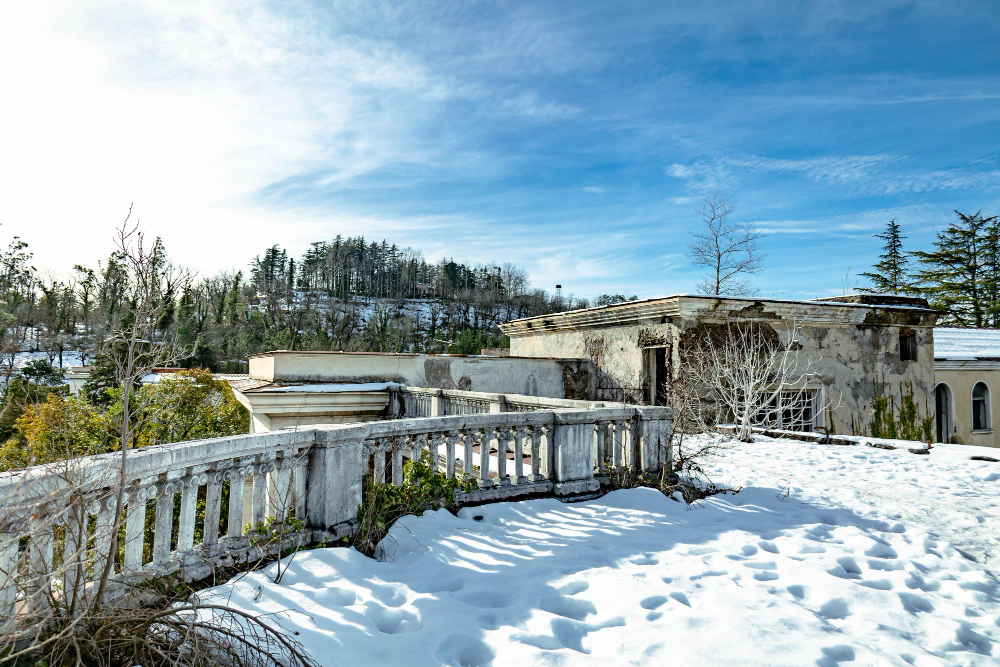
After the sanatorium was finally closed, the building fell into increasing disrepair. The once-magnificent architecture is now a ruin. The wallpaper is peeling from the walls, furniture is broken, and the once-spacious windows are either shattered or boarded up. Yet the more time takes its toll, the more vivid the myth surrounding Medea seems to become. Paranormal groups and amateur ghost hunters regularly visit the ruins, equipped with cameras, audio recorders, and other devices to find evidence of the supernatural. Many of them report strange experiences: voices that seem to come from nowhere, cold hands touching their backs, and flickering lights gliding through the darkness like will-o’-the-wisps.
A particularly eerie place is the sanatorium’s basement. According to former employees, this room was rarely used because it exuded an inexplicable sense of unease.
Some claim that secret healing rituals were performed there—rituals that had more to do with magic than with medicine. Anyone who ventures there today will see old medical equipment, rusted beds, and sometimes markings on the walls that vaguely resemble occult symbols. The air is stifling, almost suffocating, and some report hearing footsteps there—even though no one else was in the room.
Medea’s sinister aura seems to affect even outsiders. Locals warn visitors against approaching the grounds after dark, and some even say that the curse spreads to those who linger there too long. There are reports of tourists who, after their adventure in the sanatorium, suffered from severe nightmares or couldn’t shake the feeling of being followed.
Another noteworthy point is the name “Medea” itself. In Greek mythology, this is the name of a tragic figure who, through her actions, became a symbol of revenge and dark passions. Coincidence or a deliberate choice? The connection remains unclear, yet the parallels are unsettling.
Today, the Medea Sanatorium has become a magnet for fans of the macabre and a symbol of the transience of the Soviet heyday. Yet behind its crumbling walls lies more than just a historical memory; here, shadows from another world seem to roam. Is this merely a collection of stories that fuel the imagination, or is there more to it? One thing is certain: the Medea Sanatorium is not just a dilapidated building. It is a place where the line between reality and nightmare blurs.
If you ever feel the urge to discover the boundless beauty of Georgia, perhaps you should also explore the darker sides of this region. But be careful: the legends surrounding the Medea Sanatorium are not mere stories. Some claim that the malevolent energy lingering here is just waiting to haunt the next soul. Keep that in mind before you cross the threshold of this eerie place—because some doors are better left closed.