 Isabella Mueller Baroness of Stainton le Vale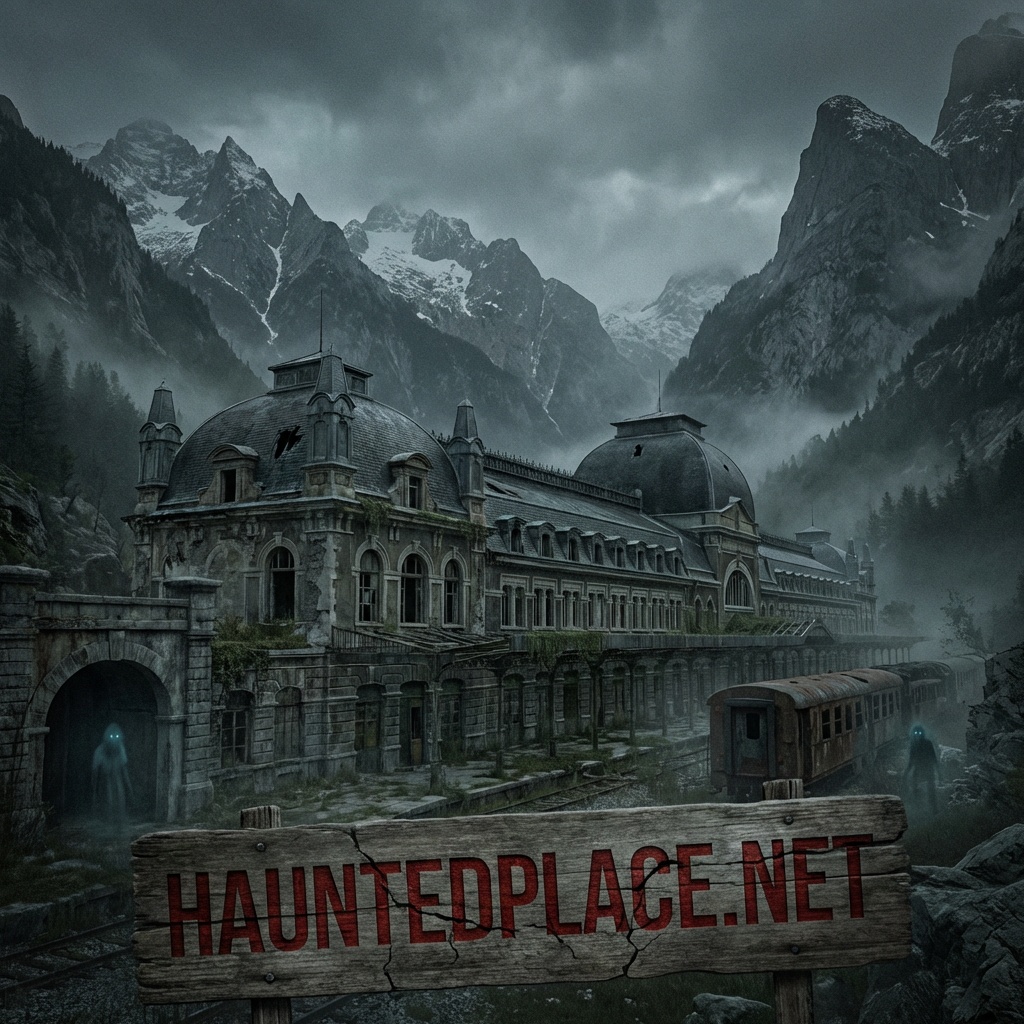
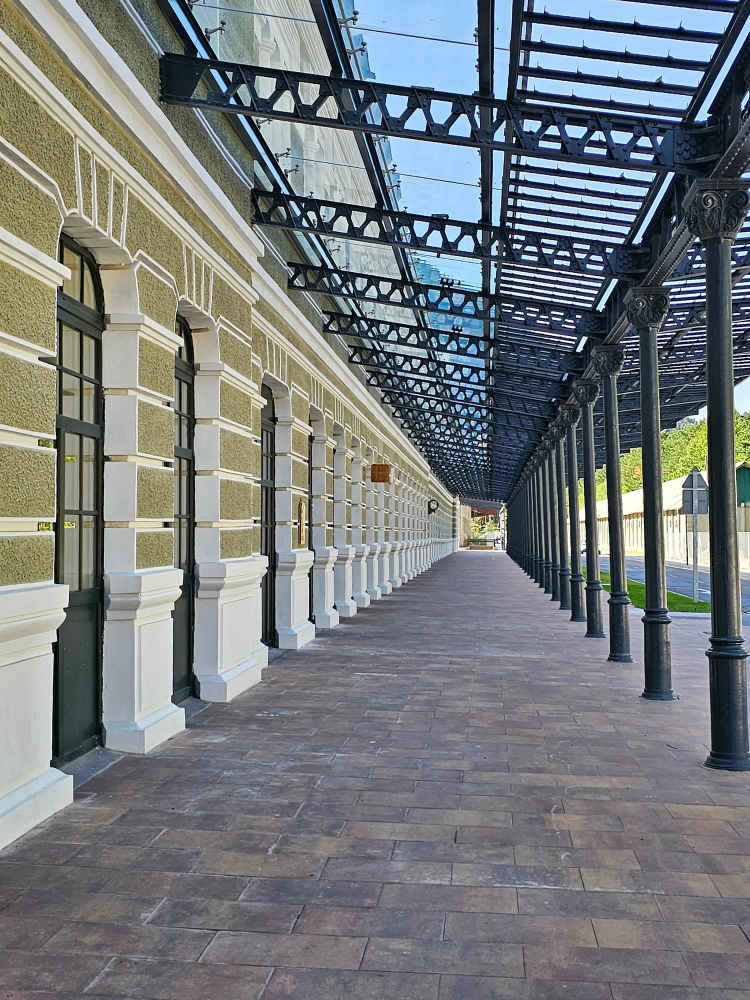
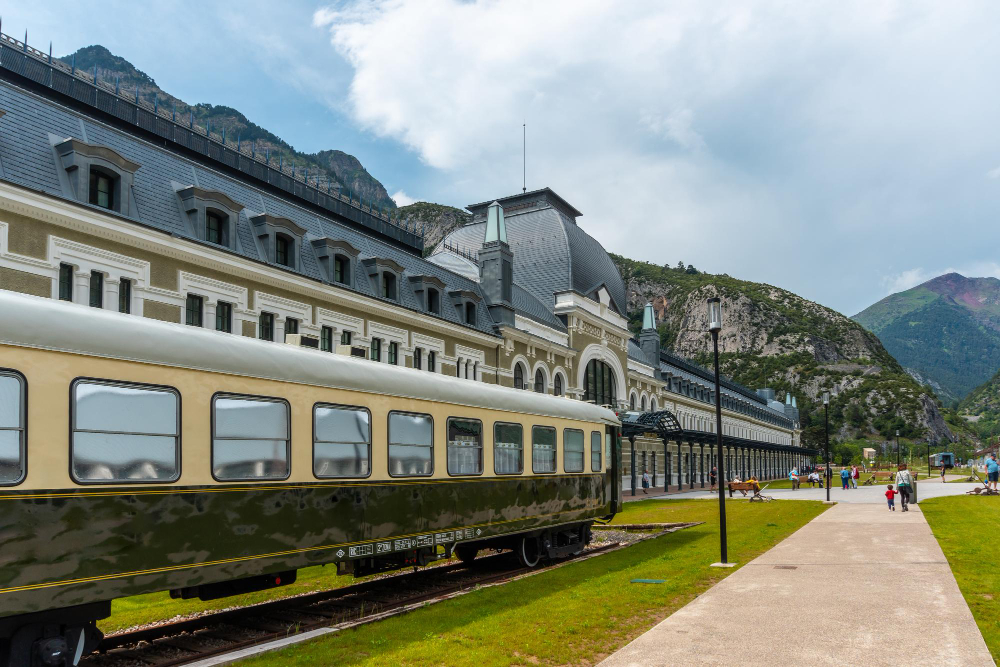
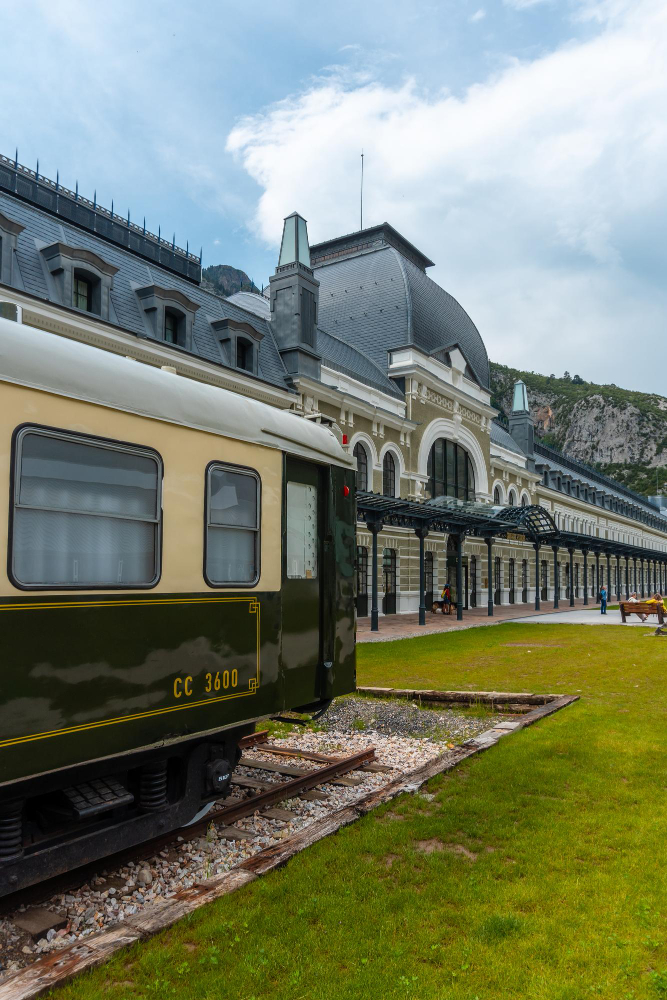
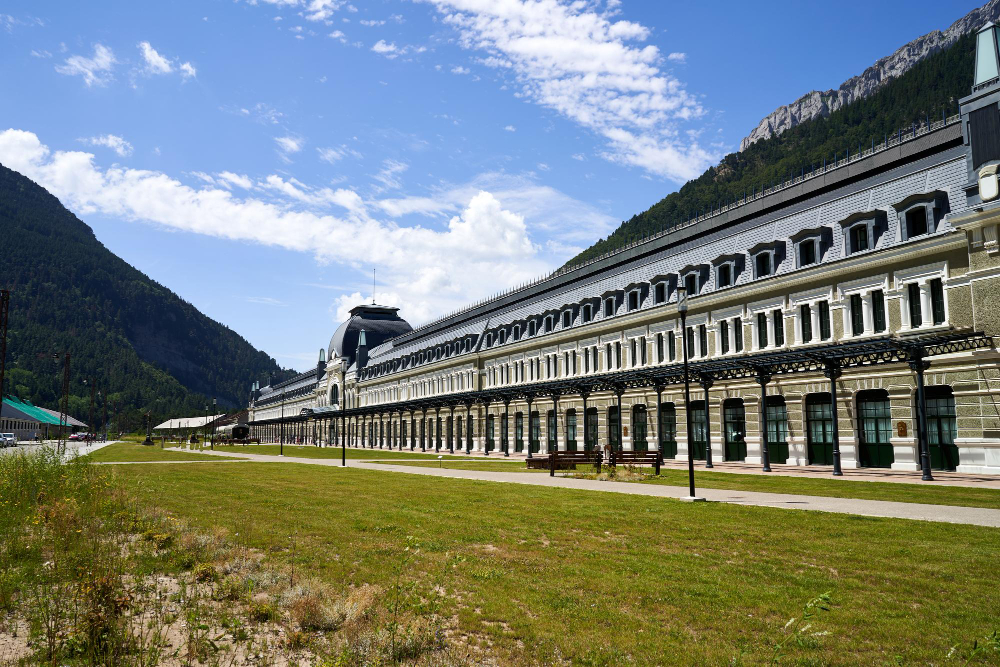
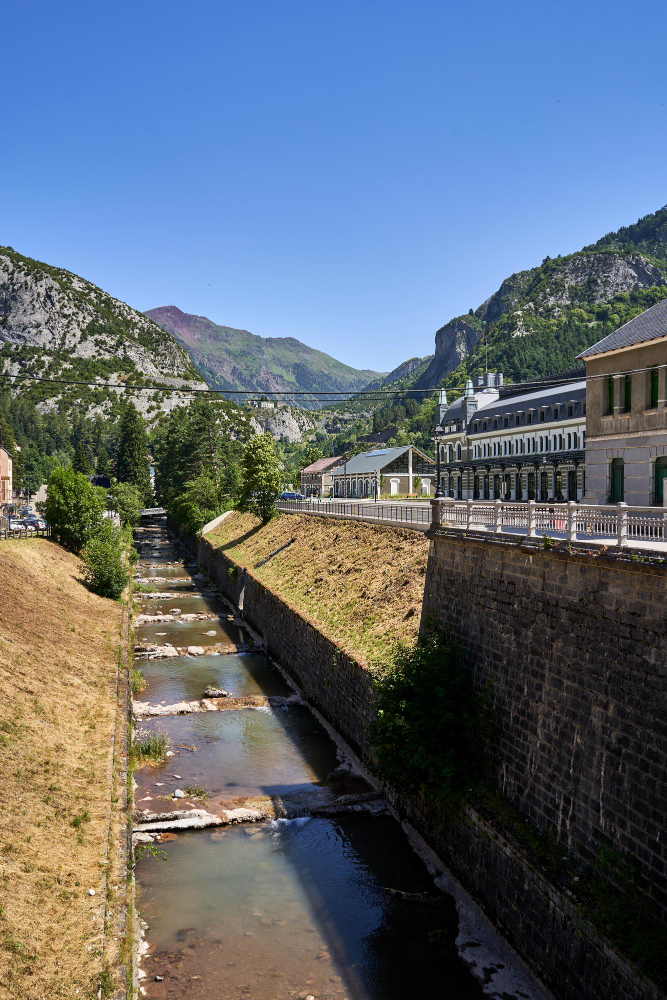
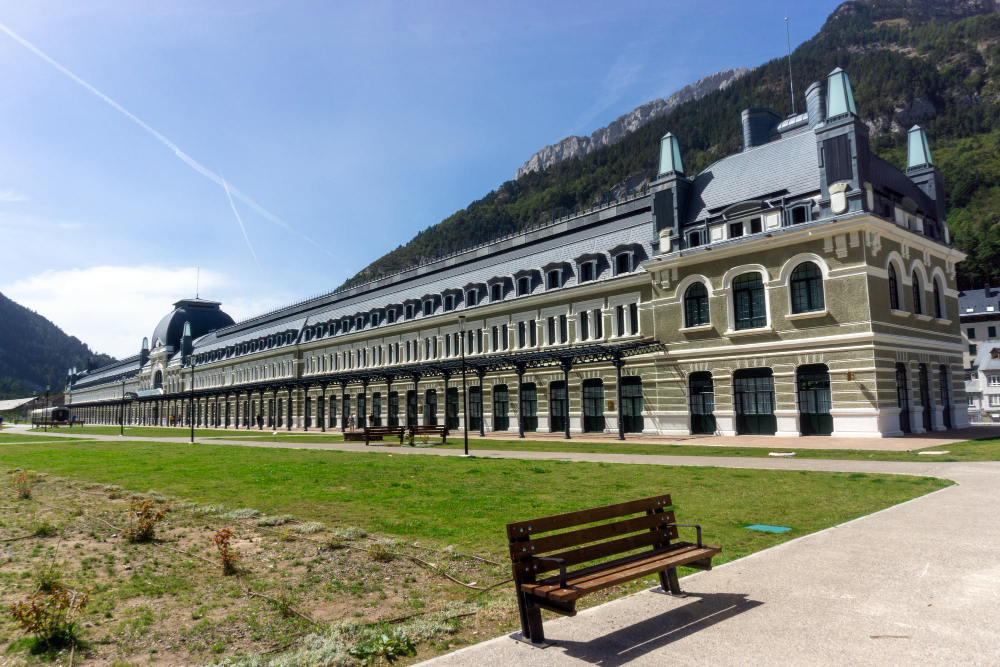
Deep in the Pyrenees, surrounded by rugged mountains and gloomy valleys, lies Canfranc Station, a once-magnificent border station between Spain and France. With its sheer size and elegant architecture, it was hailed as the “Titan of Rail Transport” when it opened in 1928. Yet behind its impressive facades lies a dark history that goes far beyond mere railway operations. Today, the station stands not only as a symbol of transience and missed opportunities, but also of ghostly tales deeply rooted in the shadows of history.
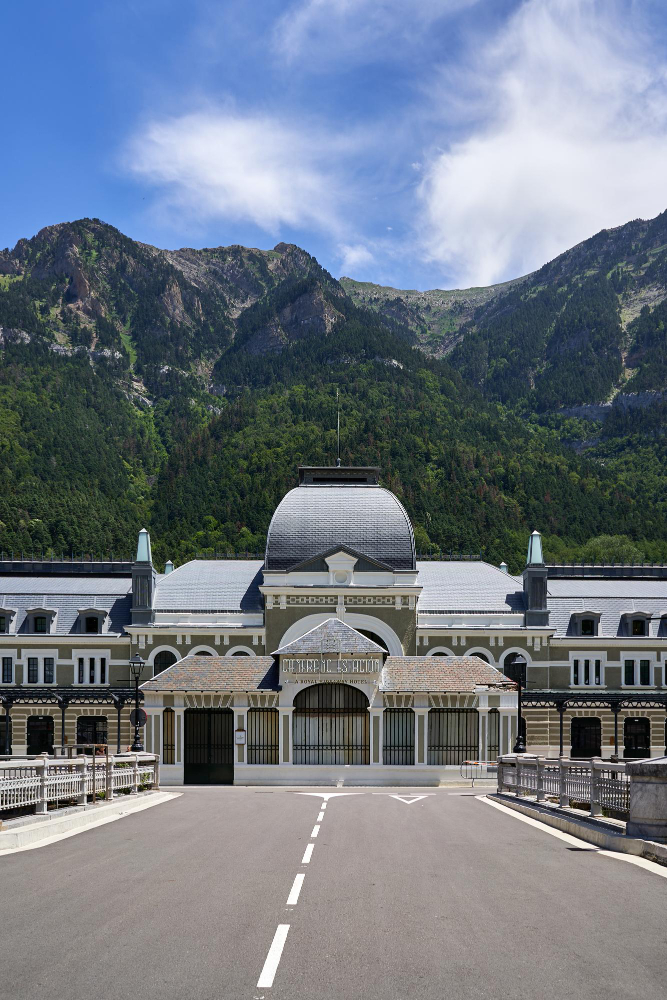
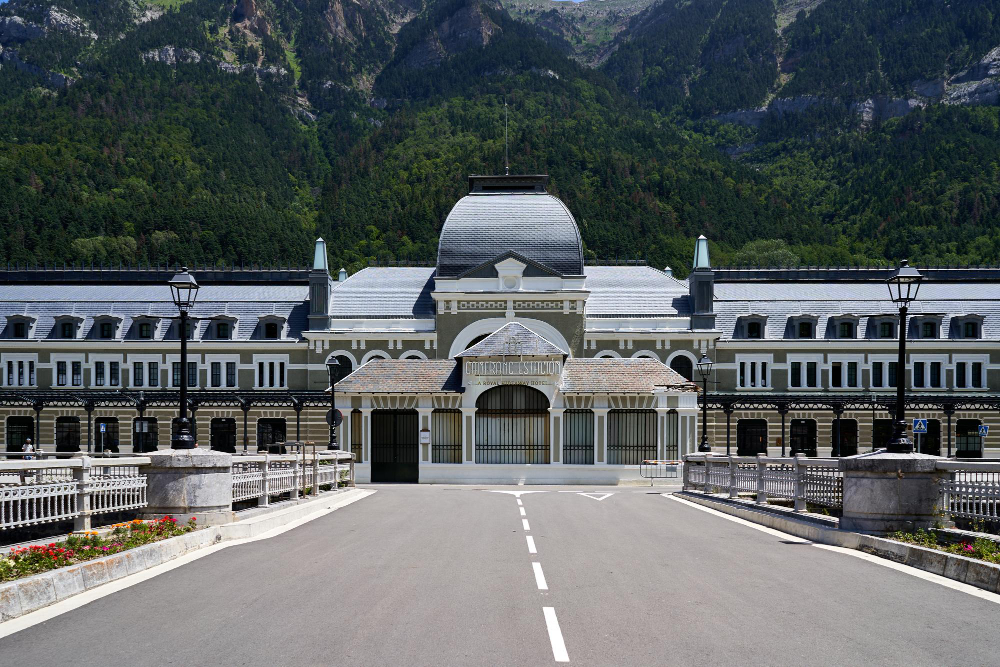
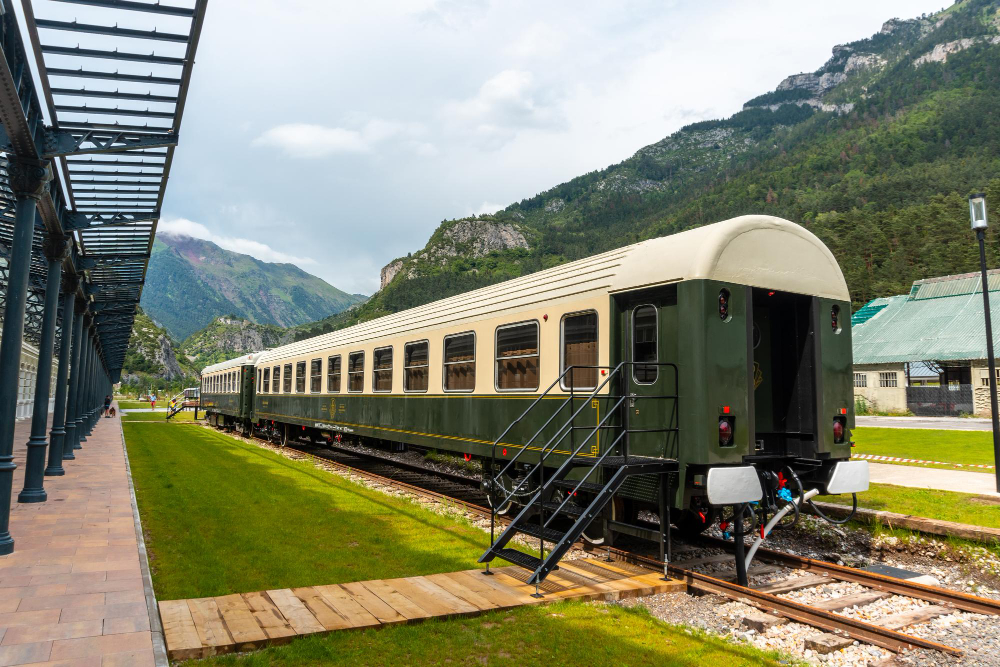
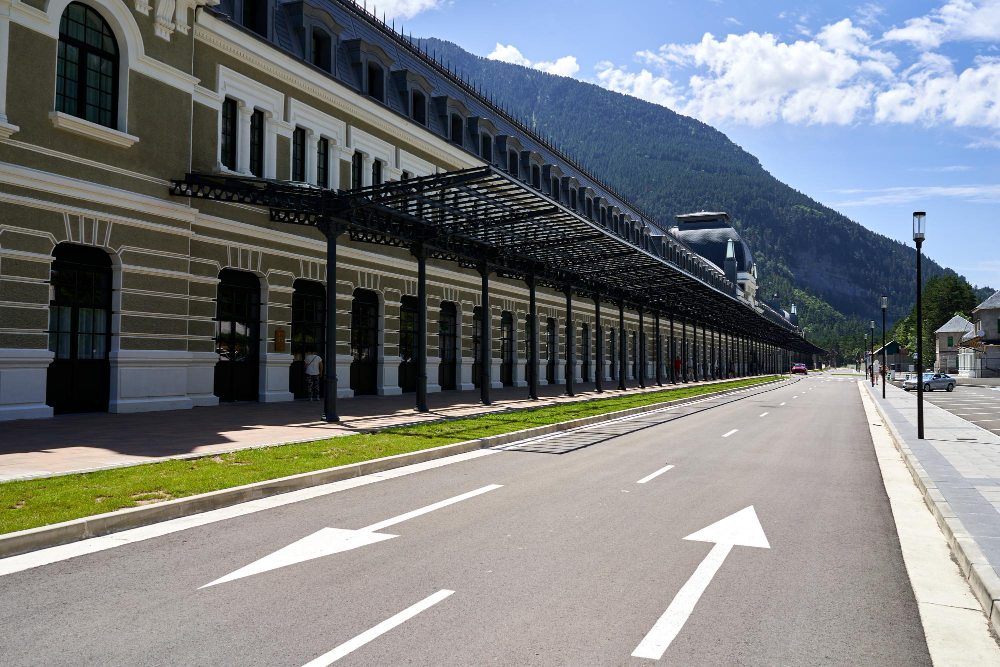
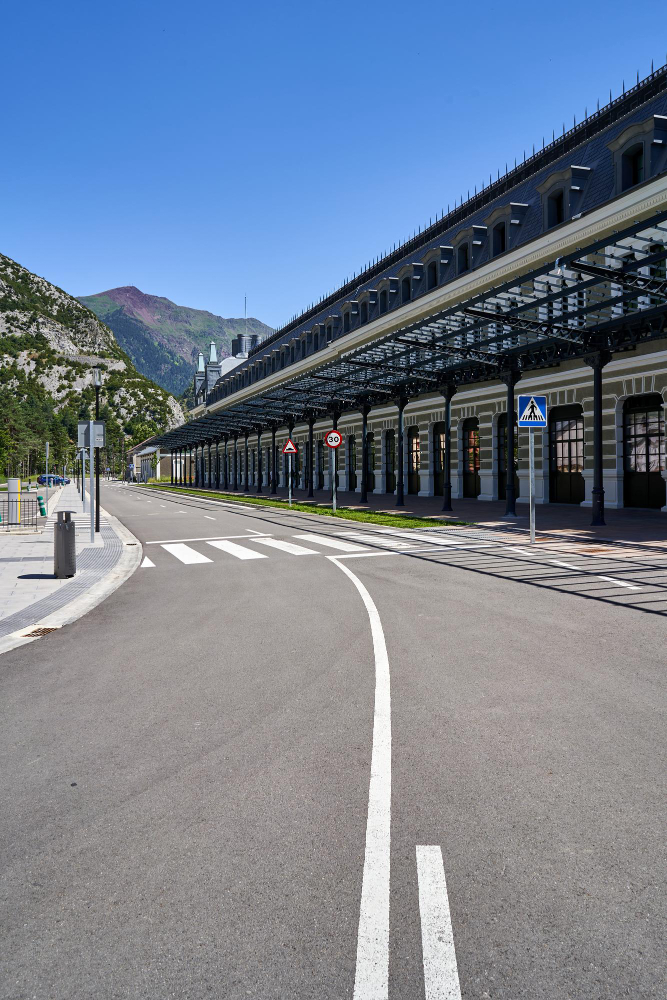
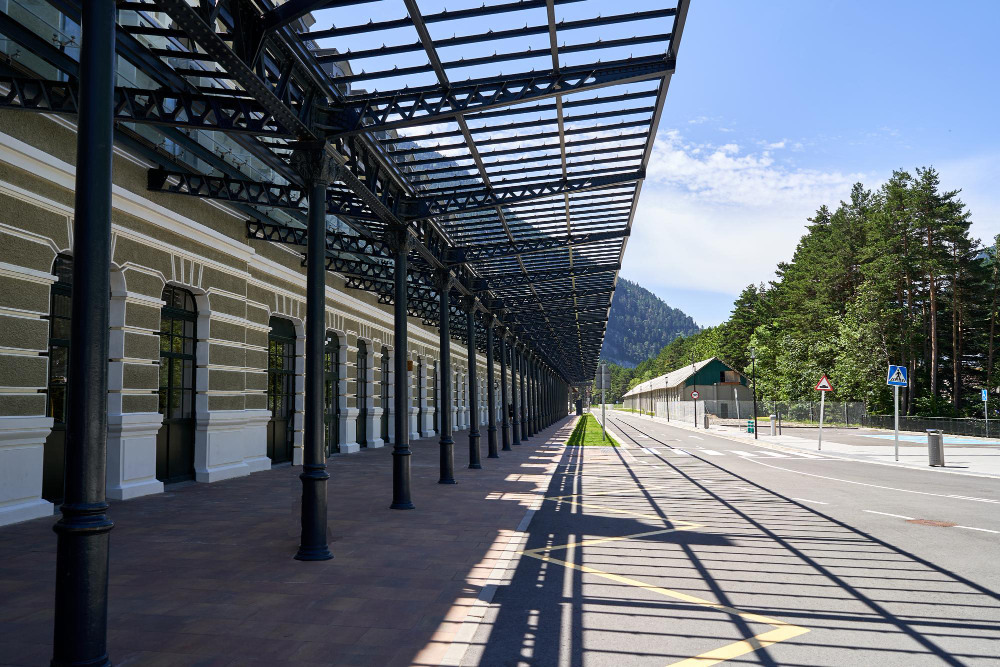
The Glorious Beginning and the Rapid Decline – Canfranc Station was inaugurated with great pomp. Even King Alfonso XIII of Spain and French President Gaston Doumergue were present at the ceremony, which symbolically opened international rail traffic between Pau and Zaragoza. The building itself was impressive: 241 meters long, with 75 doors on each side and constructed entirely of reinforced concrete—an architectural masterpiece of its time. The rail lines connected standard-gauge and broad-gauge tracks, but the technical challenges and the steep Pyrenean passes made cross-border traffic arduous and slow. The hoped-for international success failed to materialize. Instead, the station became a place of stagnation and tragedy. The Spanish Civil War (1936–1940) and World War II led to long interruptions in service. After a devastating accident in 1970, in which the Estanguet Bridge on the French side collapsed, traffic was permanently suspended. Since then, Canfranc has been a relic of bygone times, half-forgotten yet full of stories—some historical, others eerie.
Shadows of World War II – During World War II, the Canfranc railway station became a secret transshipment point for Nazi gold. Shiny bars were transported through the halls on their way to Portugal and Spain, where they were exchanged for war-critical raw materials such as tungsten. In the nooks and crannies of the station, deals were struck that were paid for with human suffering. Historians have found evidence that refugees attempted to escape the horrors of the Nazi regime via Canfranc—some successfully, others failed. But alongside historical facts, there are rumors of strange occurrences and travelers who vanished without a trace. According to legend, the gold was cursed. Some railroad workers directly involved in the transports died under mysterious circumstances. A well-known story tells of a worker named Miguel, who allegedly once took a piece of gold and hid it in his humble dwelling. A few days later, he was found dead in a warehouse at the station—with no visible injuries, but with a contorted face, as if he had experienced extreme fear. To this day, locals claim that the echo of his footsteps can be heard at the station at night.
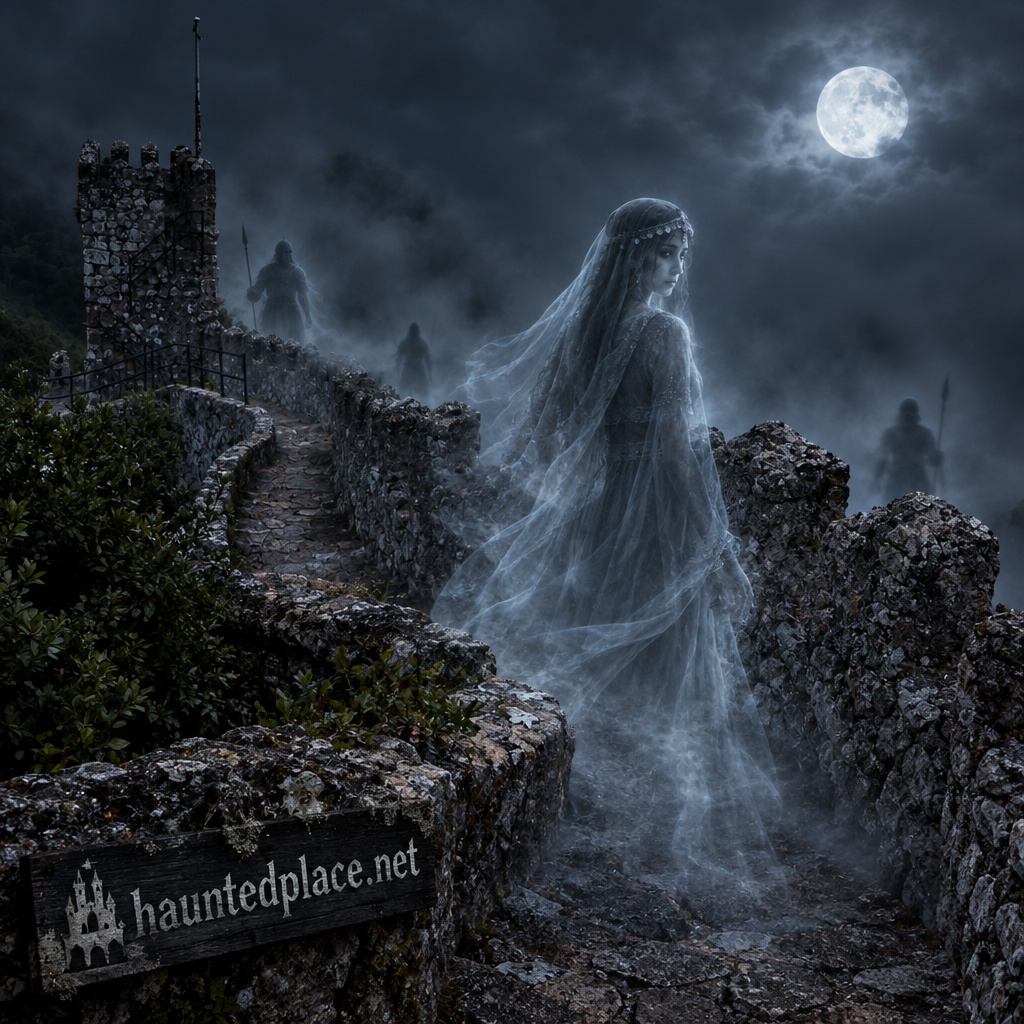
The Ghosts of Canfranc – After the station closed, decay set in: Windows shattered, roofs began to leak, and the tracks grew over. Yet it was precisely in this desolate atmosphere that rumors of paranormal activity began to flourish. Photographers and railway enthusiasts who visited the site reported unexplained phenomena. A particularly unsettling legend revolves around the main hall of the station building. It is said that this hall has been haunted by a ghost for decades. It is said to be the apparition of a woman—dressed in an elegant 1930s travel dress—who wanders aimlessly among the columns and looks from a distance like an ordinary traveler. However, if one approaches her, she vanishes into thin air. Some say she is a lost soul waiting for a train that will never come. Others believe she fell victim to a violent crime during the dark days of the war and now cannot find peace. Another well-known ghost is a man in uniform, possibly a customs officer, who has often been seen in the area of the old baggage hall. According to reports, he mutters incomprehensible words in French and suddenly vanishes as soon as you look at him. Paranormal investigators suspect that the intense emotions and tragedies that have occurred here over the years have left energetic traces that manifest in the form of such apparitions.
The Tunnel and the Underground Laboratory – Particularly unsettling is the story of the railway tunnel beneath the Somport Pass. At eight kilometers long, this tunnel was a masterpiece of engineering, yet its darkness harbors secrets that have never fully come to light. During World War II, the tunnel is said to have been used not only for transportation but also for secret experiments. Some of the older villagers in Canfranc report strange noises that emanated from the tunnel back then—metallic tapping, desperate screams, and sometimes a deep rumbling that shook the earth. Today, the tunnel houses a scientific laboratory where research on dark matter is conducted. Yet the researchers admit that they sometimes experience strange things there. One scientist reported anonymously that he once had the feeling someone was standing right behind him, even though he was alone. When he turned around, he saw nothing—yet the feeling of being watched persisted. The tunnel seems to be a place where the line between science and the supernatural blurs.
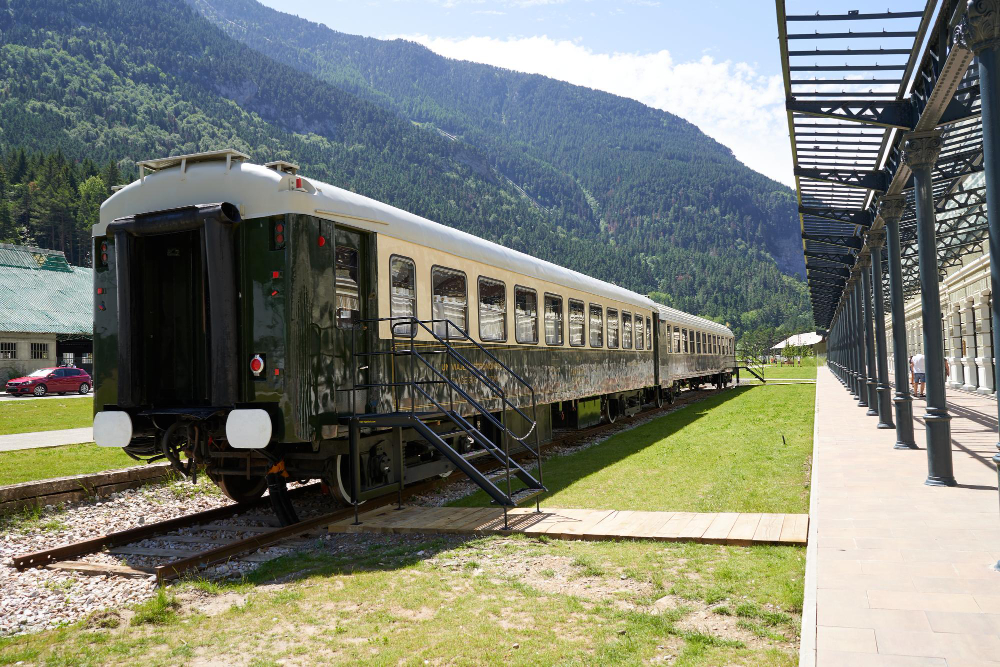
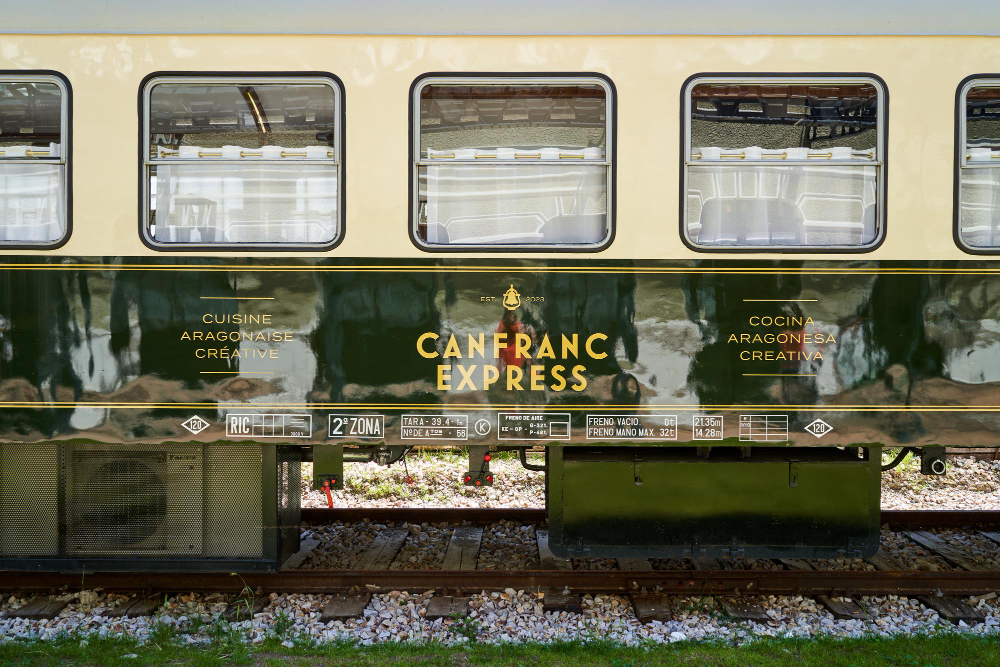
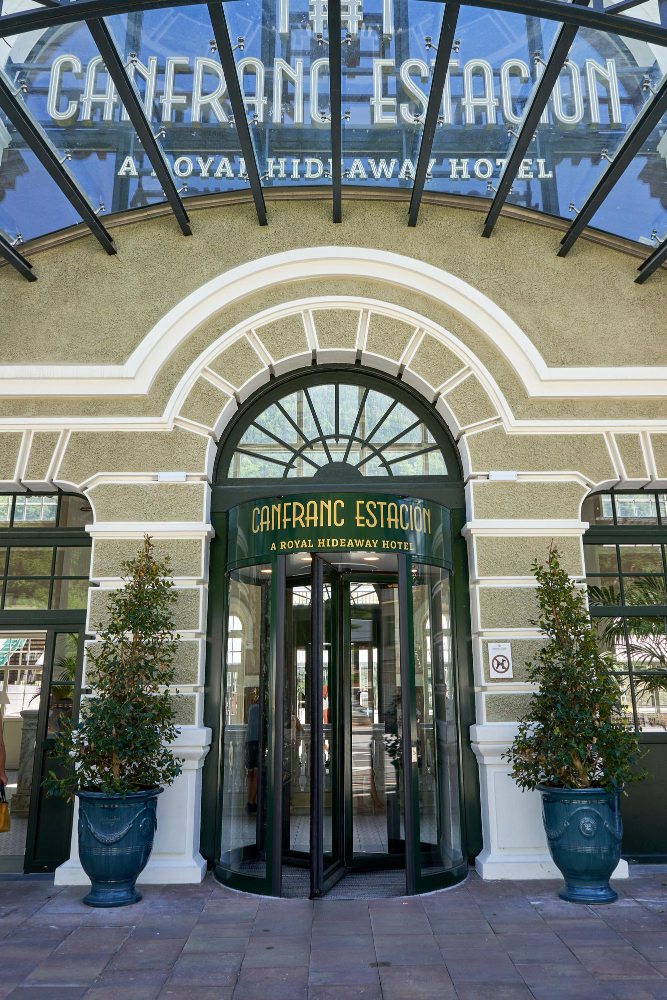
Revival of the Station—or a Curse? – The restoration of the Canfranc station buildings began in 2013. The main building is now a luxury hotel that opened in 2023. But with the revival, the old stories have returned as well. Hotel guests report strange noises in the hallways: doors opening and closing on their own, voices echoing in empty rooms, and sudden cold drafts. Some even claim to have seen the woman in the travel dress at night—this time through the glass doors of the new entrance area. The local population is divided. Some see the renovation as an opportunity to put the station back in the spotlight and attract tourists. Others warn that you can’t simply ignore old ghosts. An elderly lady who has spent her entire life in Canfranc once said: “This place has its own soul. And that soul is not pleased when it is disturbed.”
A Station Between History and Legend – Canfranc Station is a place full of fascinating contrasts. On the one hand, it stands as a symbol of technical achievements and international cooperation. On the other hand, it is a monument to forgotten dreams, political conflicts, and the often eerie connection between the past and the supernatural.
Whether you believe in ghosts or not, Canfranc remains a unique place that attracts both railway enthusiasts and fans of spooky stories. While the region of Aragón works to bring the cross-border line back into service by 2032, one question remains: Will the ghosts of Canfranc ever find peace?