 Isabella Mueller Baroness of Stainton le Vale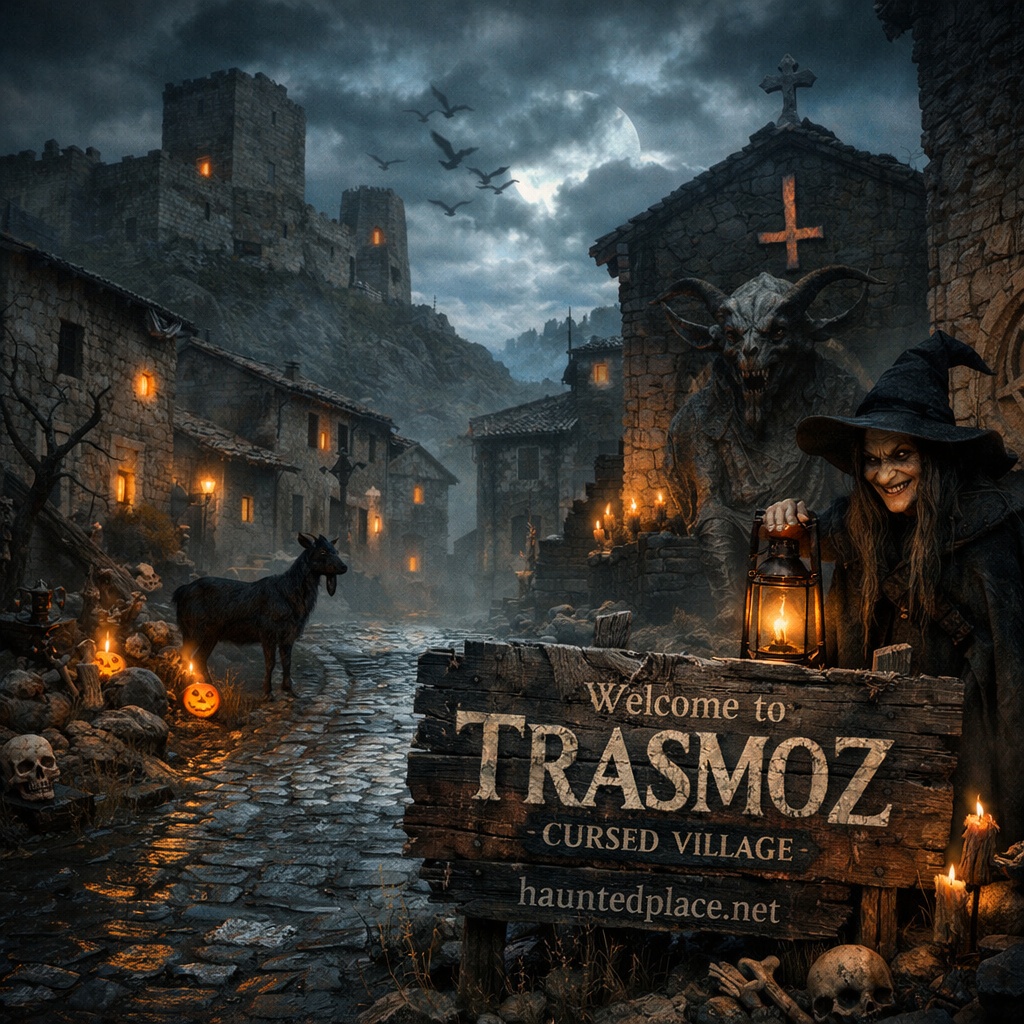
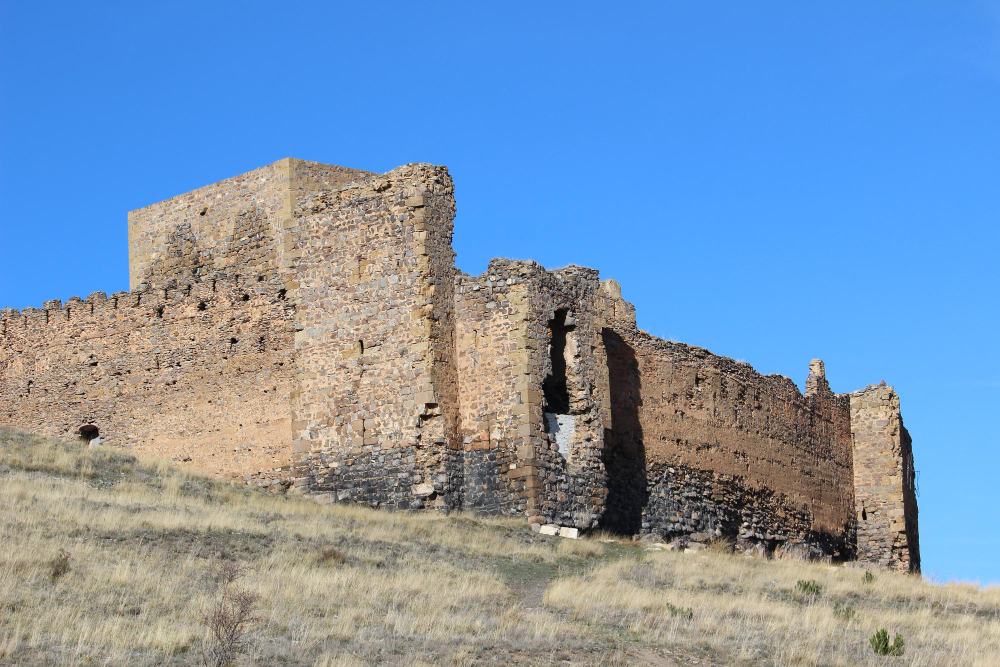
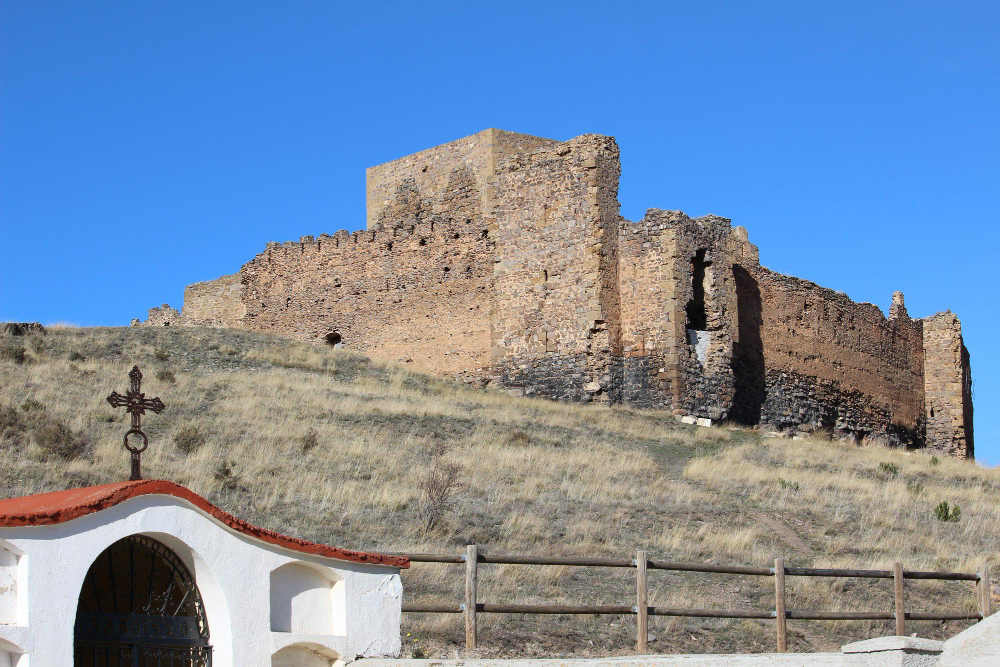
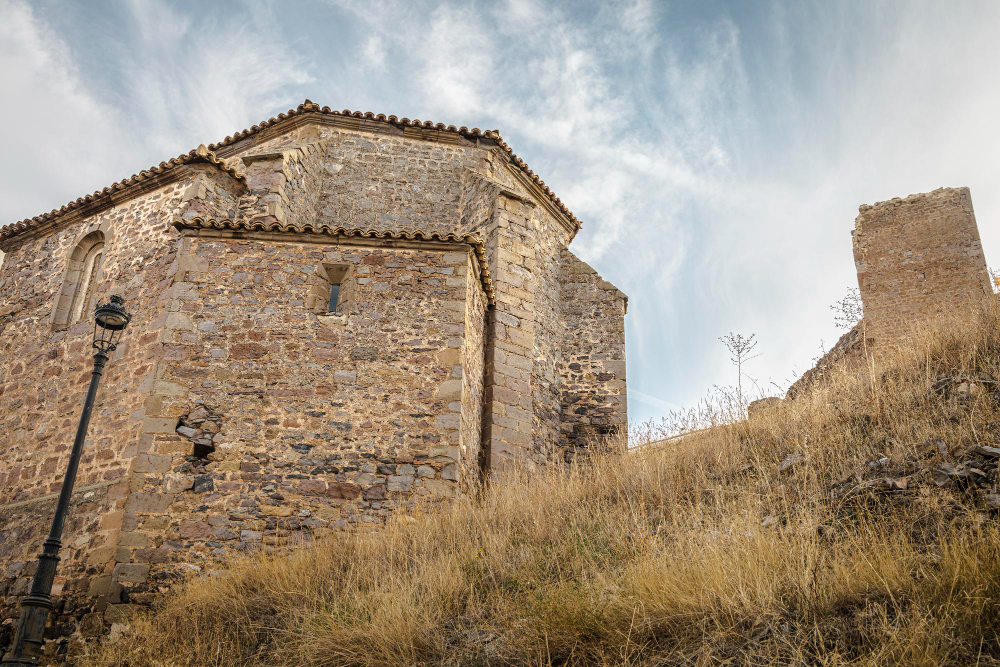
Few places in Europe bear the grim legacy of history as poignantly as Trasmoz, a small village in the province of Zaragoza in northeastern Spain. Hidden in the hills of the Moncayo Mountains, this place is shrouded in an eerie atmosphere. Its legends of witchcraft, devil worship, and curses are still alive today—and for this reason, the Church excommunicated Trasmoz centuries ago. Anyone who delves into the history of this village encounters eerie myths deeply rooted in the region’s culture and identity, myths that attract and repel visitors in equal measure.
The Origin of the Curse – According to legend, it all began with a conflict between Trasmoz and the nearby monastery of Veruela. In the Middle Ages, it was common for monasteries to own land and manage its wealth—and it was precisely this wealth that led to tensions here. The residents of Trasmoz were repeatedly in dispute with the monastery, particularly over the use of resources and land. The dispute finally reached its climax when the monastery claimed that the village practiced black magic and was in league with the devil. These accusations were not only a welcome opportunity to publicly brand Trasmoz, but also prompted Pope Julius II to officially excommunicate the village in 1511. This was an extremely rare step taken against an entire settlement, and it meant that Trasmoz was henceforth “cursed” in the eyes of the Church. This stigma still clings to the village today—and without any hope of redemption, for the excommunication was never revoked.
Trasmoz: A Refuge for Witches? – Later accounts of Trasmoz recount that in the centuries that followed, the village became a refuge for people who turned to witchcraft or were simply cast out of society. It is said that on dark nights, eerie rituals were held around the village: incantations, black smoke rising from the chimneys, and mysterious lights in the cemetery. People came here to buy potions, cast curses, or seek love spells. The village’s reputation was sealed for good. It is noteworthy that Trasmoz already had a clear connection to witchcraft in the period before its excommunication. The village’s name is said to be derived from the Arabic word “Taramuz,” meaning “woven shadows” or “place of darkness.” This lends new weight to the theory that Trasmoz had long been a center for occult practices.
Myth or Reality – What Lies Behind the Stories? – The stories surrounding Trasmoz may have been partly inspired by very practical circumstances. Some historians believe that the village was targeted primarily because of its wealth. Trasmoz was known for its silver mines and coin minting, which was a thorn in the side of both the monastery and other neighboring villages. Rumors of witchcraft may have been deliberately spread to isolate Trasmoz economically and socially. In an era marked by superstition, belief in supernatural forces was often reason enough to discredit a rival. Yet although economic motives seem plausible, there are numerous stories that go beyond this theory. One of the best-known legends tells of an alchemist named Demetrio, who allegedly lived in the village and was known for making potions and amulets. He is said to have conducted experiments to summon demons. At night, mysterious noises were said to be heard coming from the village—and many travelers reported nightmarish apparitions when they stopped to rest near Trasmoz.
The Shadow of the Witch La Tía Casca – A name that appears time and again in the legends of Trasmoz is La Tía Casca. She is said to have been a powerful witch who lived in the region in the 19th century. It is said that she made a pact with the devil to gain more power and influence. In return, the devil demanded her soul. After her death, which allegedly occurred under mysterious circumstances, La Tía Casca is said to continue watching over Trasmoz to ensure that no one reveals her secrets. To this day, stories circulate in the area that one can hear her voice at night or perceive her ghostly laughter—especially during a full moon. Some residents even believe that she has cast a curse over the entire village, ensuring that Trasmoz will never be free of dark forces and prejudice.
Modern Fascination: The Trasmoz Witch Museum – Today’s Trasmoz is a quiet, almost forgotten village with fewer than a hundred residents. Yet despite its small size, the village attracts curious visitors every year—amateur historians, occult enthusiasts, and tourists eager to follow the trail of its dark legends. Particularly popular is the Trasmoz Witch Museum, dedicated to the history of the village and witchcraft. Here, visitors can learn more about the medieval trials, the role of the Inquisition, and the myths surrounding Trasmoz. The village also celebrates an annual festival dedicated to witchcraft and its legends. On this occasion, Trasmoz truly comes to life: the streets fill with market stalls, artists, and onlookers, while performers reenact the darkest scenes from the village’s history.
The Curse Lives On – Despite its historical and cultural significance, Trasmoz remains a place full of secrets. Even locals admit that they sometimes feel uneasy at night. Whether this is merely the power of suggestion or whether something supernatural truly lies dormant within the village walls remains unclear. But one thing is certain: Trasmoz has secured its place as a “cursed village” in European history—and its dark legends will continue to capture people’s imaginations for a long time to come.
Perhaps one day researchers will discover how much truth lies behind these stories. Until then, Trasmoz remains a place that hovers between reality and myth, leaving visitors to wonder: Are the shadows really just shadows—or does something evil lurk where the night is darkest?