 Isabella Mueller Baroness of Stainton le Vale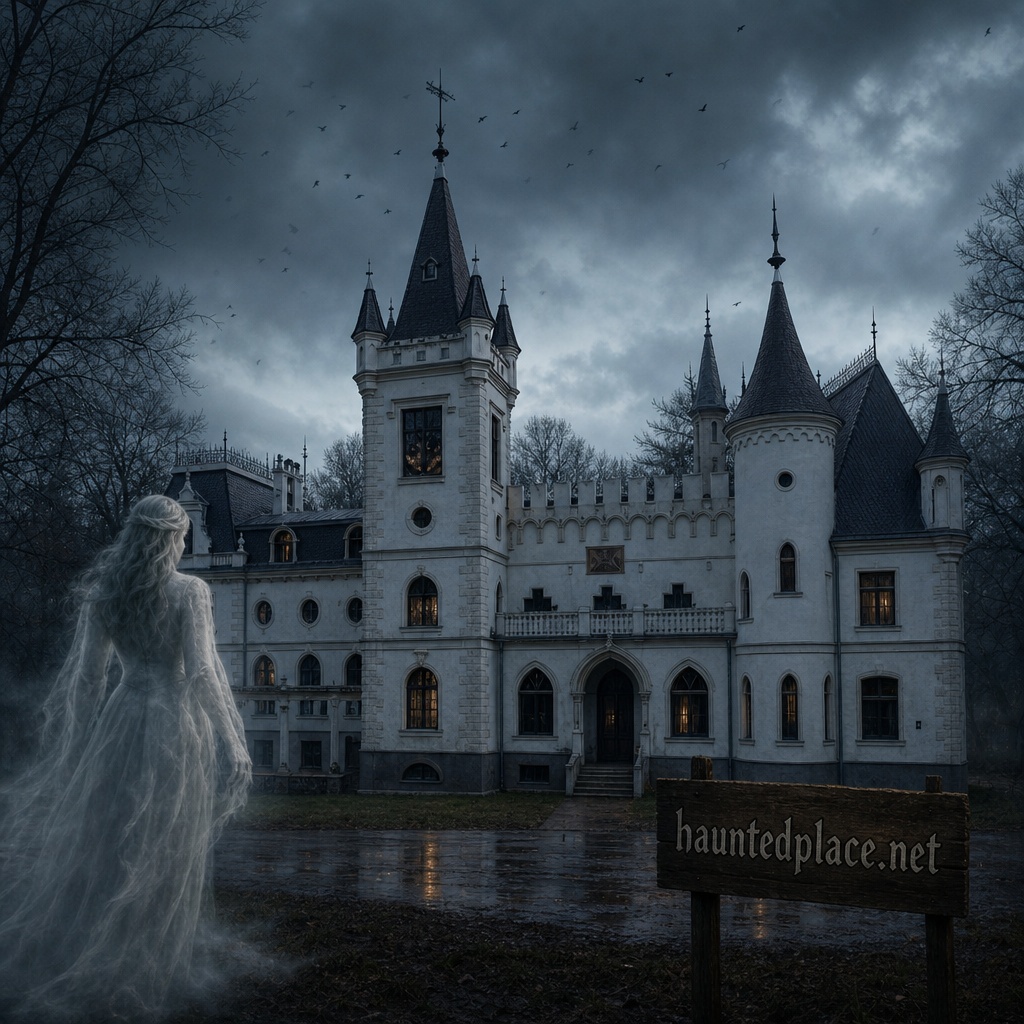
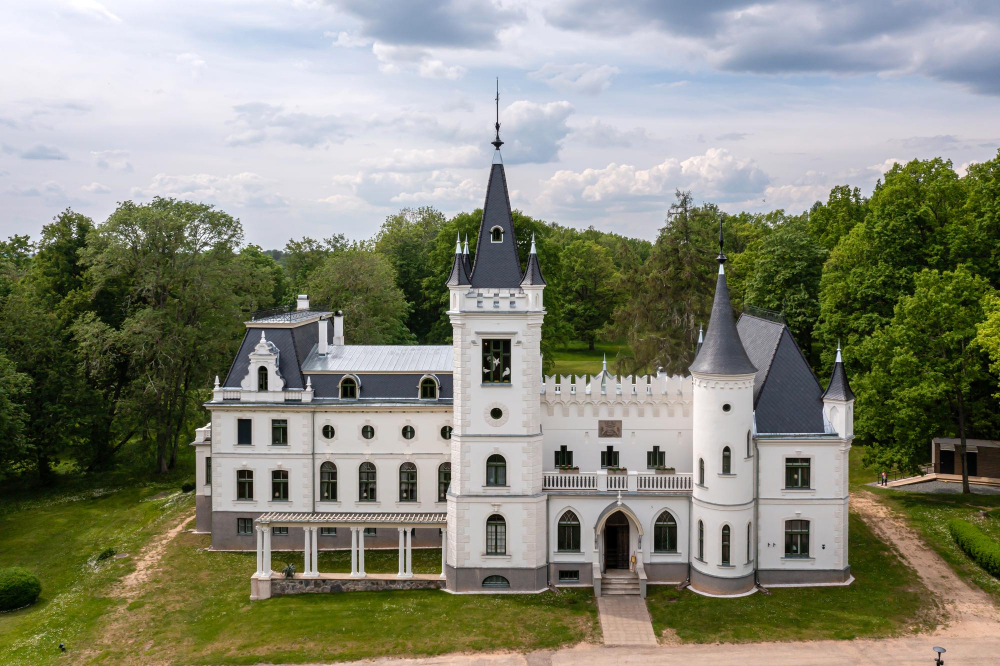
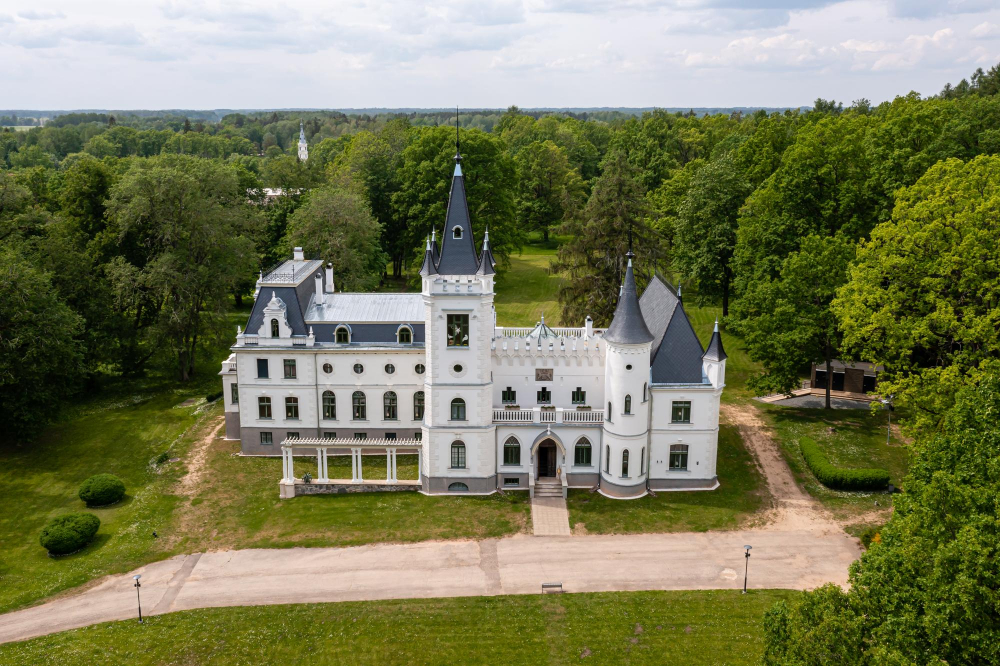
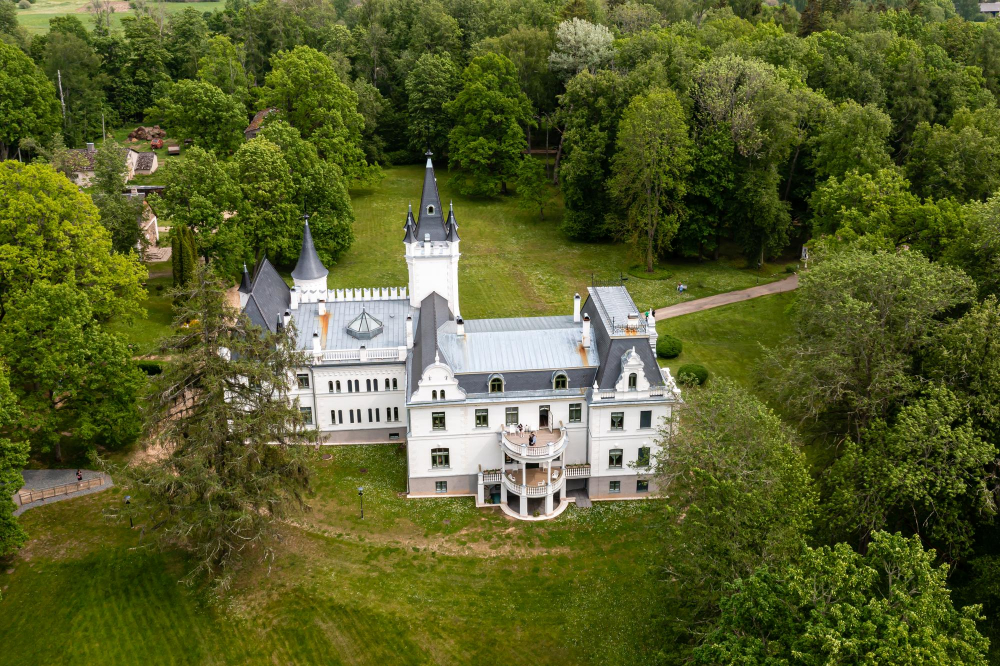
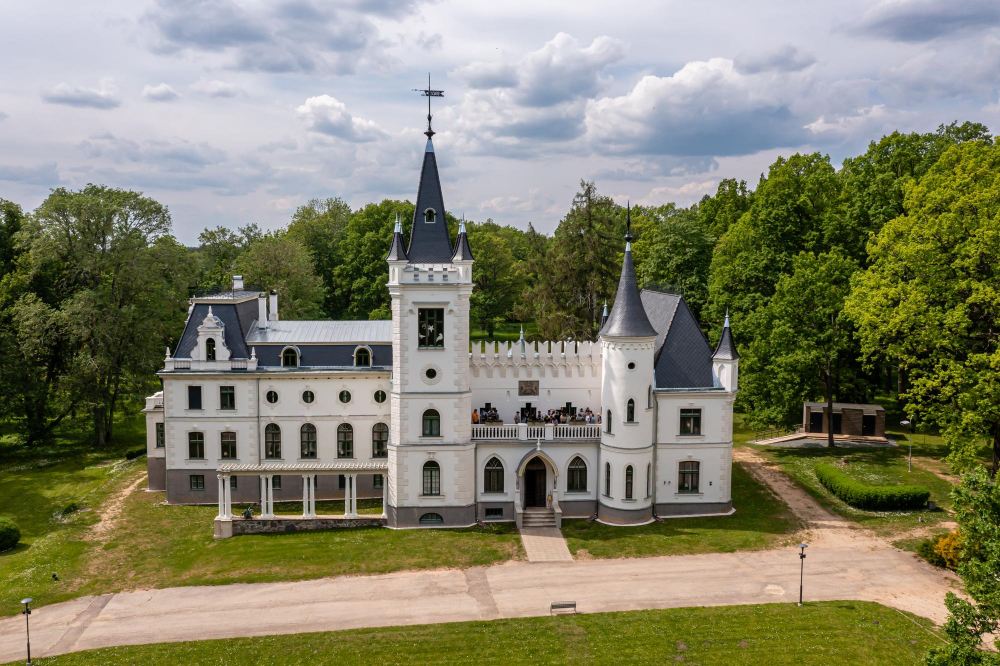
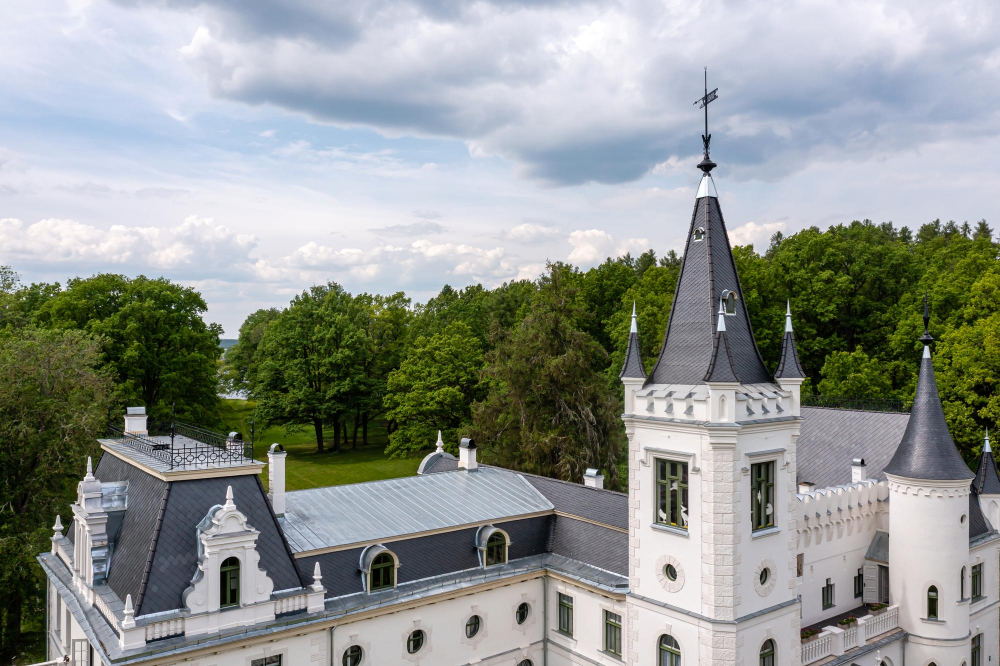
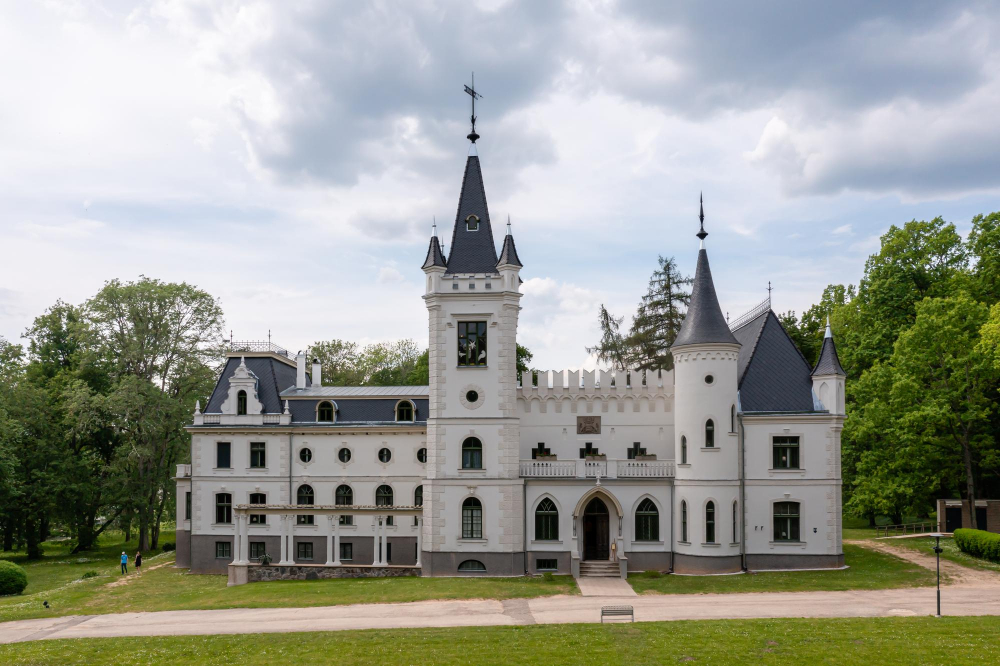
Like a shadow that never fades, Stāmeriena Castle is shrouded in an eerie aura that has inspired countless stories for generations. Nestled deep within the forests of Latvia, the imposing structure of stone and glass rises up—a magnificent relic of times past. Yet behind the majestic facade lies something else, something unsettling. Stories of ghostly apparitions and ominous omens swirl around the ancient walls, and many claim that the castle’s dark history has never truly been laid to rest.
Particularly well-known is the tragic legend of a woman whose misfortune has forever marked the castle: Alexandra von Wolff-Stomersee. Her existence is inextricably linked to a forgotten love story whose ending was so bitter that it allegedly opened the gates to darkness. Even today, visitors immerse themselves in the castle’s mysterious halls, searching for answers—or a fleeting glimpse of the ghosts said to linger there to this day.
A Castle Full of Secrets – Stāmeriena Castle, also known as Stomersee Castle, was built in the 19th century and is one of the finest examples of historicist architecture in Latvia. Yet behind the splendor of its craftsmanship, behind the elaborately decorated walls and the ornate ceiling decorations, lies a past marked by death, pain, and betrayal. The most famous and at the same time darkest story associated with the castle revolves around Alexandra von Wolff-Stomersee, a noblewoman of extraordinary beauty and intelligence. Her marriage to Giuseppe Tomasi di Lampedusa, a Sicilian writer, seemed happy at first, but soon the initial joy gave way to deep sorrow. The reasons for her tragedy remain a mystery to this day; some speak of a fateful quarrel, others of an insatiable desire for power and control. What is certain, however, is that Alexandra never found peace—neither in life nor after her death. It is said that she died in the castle, and that her spirit has been wandering the halls ever since, tirelessly seeking redemption. Visitors report cold drafts, whispers in the darkness, and the sudden feeling of being watched—always accompanied by an inexplicable fear that sends even the bravest among them fleeing.
The Creeping Shadow of a Writer – But Alexandra is not the only ghost said to haunt the castle. Giuseppe Tomasi di Lampedusa, who became world-famous for his novel The Leopard, is also occasionally spotted by the castle’s residents and guests. According to legend, he returned from Italy to Latvia in the autumn of his life to see Alexandra again, but instead of harmony, he found only coldness and pain. It is said that Lampedusa brought his manuscript of The Leopard with him to the castle, determined to encode the dark chapters of their shared history within its pages. He wrote feverishly, as if possessed, while roaming the silent corridors of the castle—until his death. Now his restless spirit is said to linger in the building’s library, clutching the pages of his novel as if he wanted to preserve the truth and put the suffering that had befallen him into words.
The Uncanny Within the Walls – Another aspect that makes the castle even more eerie are the reports of strange noises and apparitions, which occur most frequently at night. Eyewitnesses report hearing footsteps in the empty corridors—heavy, slow, and with an ominous echo. Some claim to have seen figures floating through the rooms, only to vanish the next moment. Others say that doors and windows move on their own, as if invisible hands were opening and closing them. Particularly unsettling, however, is the fact that some visitors speak of an involuntary urge to leave the castle—as if the walls themselves were pushing them out. A deceptive feeling is said to emanate from the estate, an oppressive heaviness that no one can really explain. One room in the castle draws guests’ attention in particular: a small, unassuming room at the end of a long corridor. According to legend, this was Alexandra’s private retreat, where she would remain in solitude for hours and go unseen for days. Today the room stands empty, and yet those who enter it are said to feel a strong sense of sadness and fear—a sensation that wraps itself around the visitor’s heart like an invisible hand.
Dark Prophecies – Of course, there are also those who do not believe in the castle’s supernatural phenomena. They view the stories as fabrications, as the remnants of a vivid imagination, or as an attempt to attract tourists. Yet even the skeptics must admit that the castle exerts a strange fascination—a power that transcends rational thought and speaks directly to the emotions. An ancient prophecy also seems to link the castle to a dark future. It is said that the castle will one day be completely engulfed by darkness if the spirits of Alexandra and Giuseppe find no peace. A sign of this, they say, are the increasingly frequent incidents that appear to have no natural cause. Whether this prophecy will actually come true remains to be seen—but for many locals, it is another piece of the puzzle in the eerie atmosphere that surrounds Stāmeriena.
Swallowed by the Past – Stāmeriena Castle is more than just a place—it is a symbol of the unpredictability of the human soul. Every corner, every stone, every ray of light seems to tell stories that reach far beyond the boundaries of time and space. Its legends make it a magical yet eerie destination for all those seeking the incomprehensible. Whether Alexandria truly roams the halls or whether Giuseppe still desperately guards his manuscripts, we cannot know for certain. What remains, however, is a feeling—the feeling that something lies hidden behind the castle’s facade that we cannot comprehend. A part of the darkness seems to have settled over Stāmeriena like a cloak, and perhaps it is this darkness that keeps drawing visitors back. Perhaps, as the oldest legends say, the castle will never find complete peace—and that is precisely what makes it a place where the shadows of the past continue to spread. And who knows? Perhaps the ghosts aren’t the most dangerous thing one can find in the castle’s corridors. Perhaps the castle’s true villain lies much deeper—hidden in the hearts of the people who once ruled it.