 Isabella Mueller Baroness of Stainton le Vale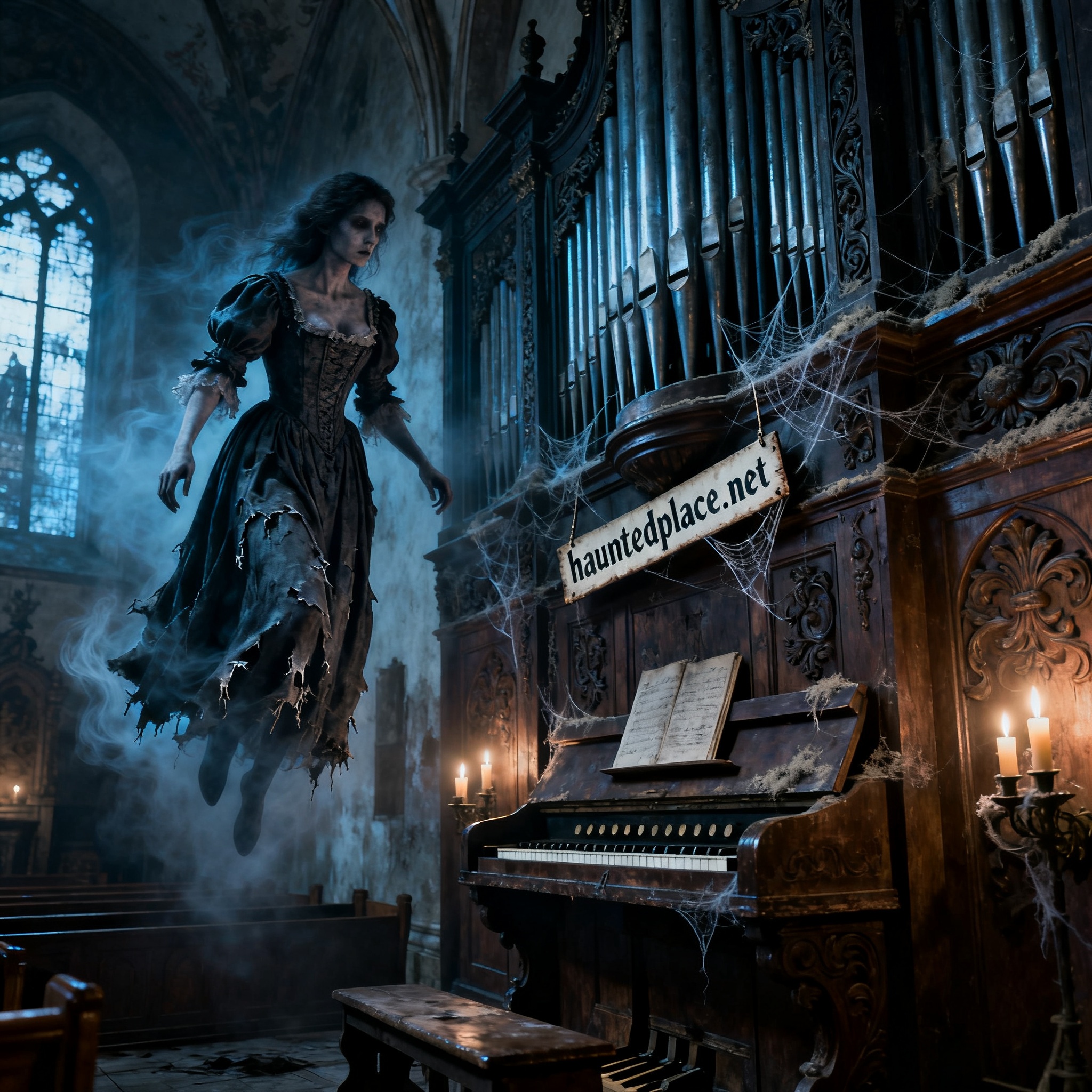
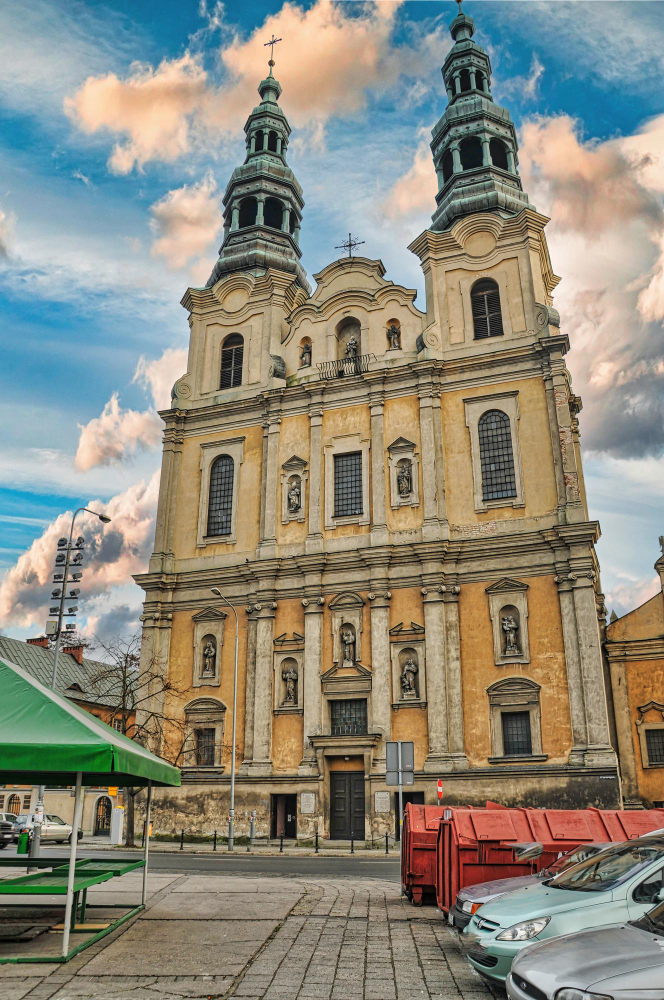
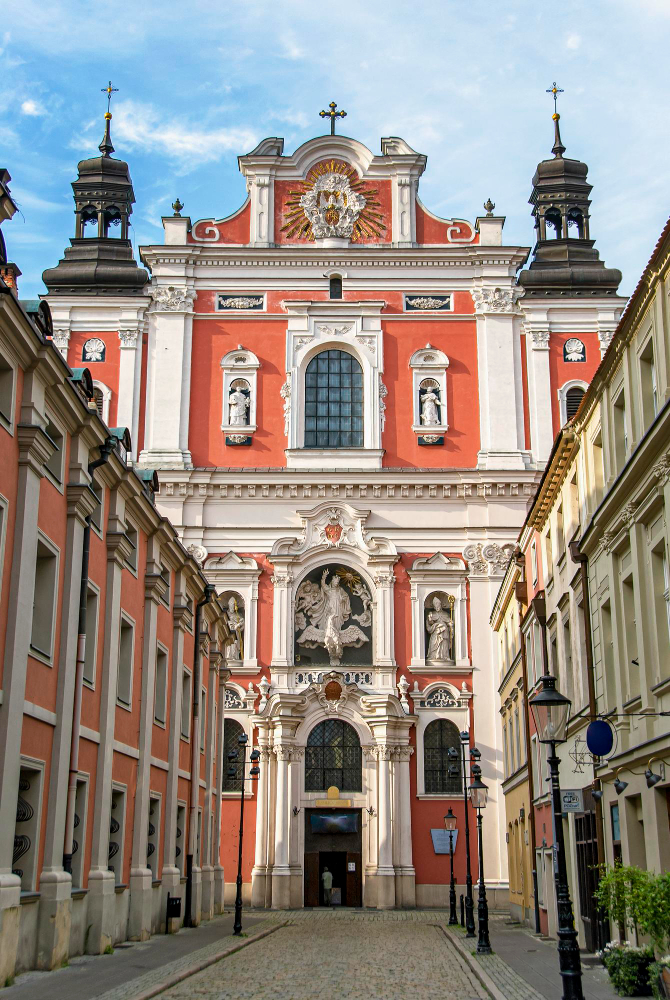
The magnificent Baroque basilica of Poznańska Fara, also known as St Stanislaus’s Church, is not only one of the architectural gems of the city of Posen (now Poznań in Poland), but also the setting for a centuries-old legend that captivates visitors and locals alike. Behind the intricately decorated altars, the gilded ornaments and the imposing organ lies a dark tale that still sends shivers down the spine today: the legend of the Black Lady.
A place full of beauty and mysticism – The Fara Church was built by the Jesuits between the 17th and 18th centuries, and its impressive architecture reflects the splendour of the European Baroque. The monumental organ, which towers over the nave, is a particular eye-catcher for visitors. Yet it is precisely this majestic instrument that seems to be linked to a dark secret. According to tradition, a mysterious woman dressed in black repeatedly appears near the organ – a ghost who raises more questions than she answers. The ‘Black Lady’ is described as a shadowy figure who, according to eyewitness accounts, wanders through the church in an old-fashioned black dress. Eyewitnesses report an icy chill and an uneasy feeling that comes over them when they catch sight of the apparition. But who is this mysterious woman? And why does her spirit return to this very place of all places?
The Benefactor and the Poznań Organ – The legend tells of a wealthy benefactor from Poznań, whose name has been lost to history over the centuries. It is said that she was a passionate lover of music and art and once generously funded the construction of the magnificent organ in Fara Church. In her day, an organ was not merely a musical instrument, but also a symbol of power, prestige and divine reverence. But why should the spirit of this woman – who, after all, seems to have done nothing but good – haunt the church? At this point, the legend takes a sinister turn. One version of the story claims that the benefactress made a dark pact. To raise the funds needed to finance the organ, she is said to have sold her soul to the devil. As a result of this pact, she found no peace after her death and has since been condemned to wander through the church as a restless spirit. Other versions of the tale suggest that the ‘Black Lady’ committed grave sins during her lifetime, which she kept secret even from the church. Perhaps it was remorse that drove her to donate so much money – in the hope of buying her way to salvation. Yet despite her generous act, she was granted no forgiveness, and now she haunts the church she once supported as a shadowy figure.
Encounters with the Darkness – Over the centuries, there have been numerous reports of encounters with the Black Woman. Some of the organists who played the famous organ claimed to have caught a fleeting glimpse of a dark figure out of the corner of their eye, whilst others reported strange noises coming from the gallery – as if footsteps were echoing across the wooden floor, even though no one was there. Visitors and tourists, too, claim to have sensed this eerie presence: a cold draught in the otherwise warm church, fleeting shadows, or the distinct feeling of being watched. A particularly eerie incident is said to have taken place in the 19th century, when a young organist was practising alone in the church late one evening. He was just climbing the stairs to the organ gallery when a dark figure suddenly seized him from behind. The man later recounted how he felt paralysed, his hands turned ice-cold, and he had the sensation that someone was whispering in his ear. When he finally turned round, the figure had vanished. Deeply shaken, he left the church and never returned.
The connection with the supernatural – Churches, monasteries and other sacred sites are, by their very nature, places of protection and safety. Yet they also possess a mystical side that has, since time immemorial, attracted stories of ghosts and supernatural phenomena. Interestingly, many cultures have legends about ‘Black Ladies’, who are often associated with tragic life stories or unatoned guilt. Although each tale is unique, they are all linked by the theme of penance and restlessness. In Fara Church, it is particularly the presence of the organ, combined with the legend of the Black Lady, that captures the imagination. The connection between music and mysticism is a recurring theme in folklore. Organs, with their deep sound and sacred character, have often been associated with the supernatural – whether in old ghost stories or in classical literature.
Between Legend and Reality – So how much truth lies behind the story of the ‘Black Lady’? Over the years, historians and theologians have sought to get to the bottom of the legend. Yet there is no concrete evidence, either in the church archives or in historical documents, of the existence of such a benefactress or of a ‘curse’. Nevertheless, many people cling to the tale, whether out of tradition, superstition or a simple interest in the darker side of history. Psychologists see the legend as a kind of mirror reflecting human fears of sin and punishment. The notion of a ghost that cannot find peace may stem from the human need to project moral transgressions onto a supernatural plane. This approach may be rational, but for the people who recount their eerie encounters in the Fara Church, these experiences feel all too real.
The Allure of the Unknown – Although the story of the Black Woman has no scientific basis, it has become deeply ingrained in the collective memory of the city of Poznań. It makes Fara Church a magnet not only for history and architecture enthusiasts, but also for lovers of the paranormal. Particularly in the evening, when the last rays of sunlight filter through the church’s ornate stained-glass windows, creating a mystical atmosphere, it is hard to deny that this place possesses a unique aura. Ultimately, the question remains unanswered as to whether the ‘Black Woman’ is merely a figment of the imagination or actually a restless spirit. Perhaps the appeal of the story lies precisely in this limbo between myth and reality. Anyone visiting Fara Church should certainly be prepared not only to experience impressive Baroque art, but perhaps also to encounter an eerie presence from another world.