 Isabella Mueller Baroness of Stainton le Vale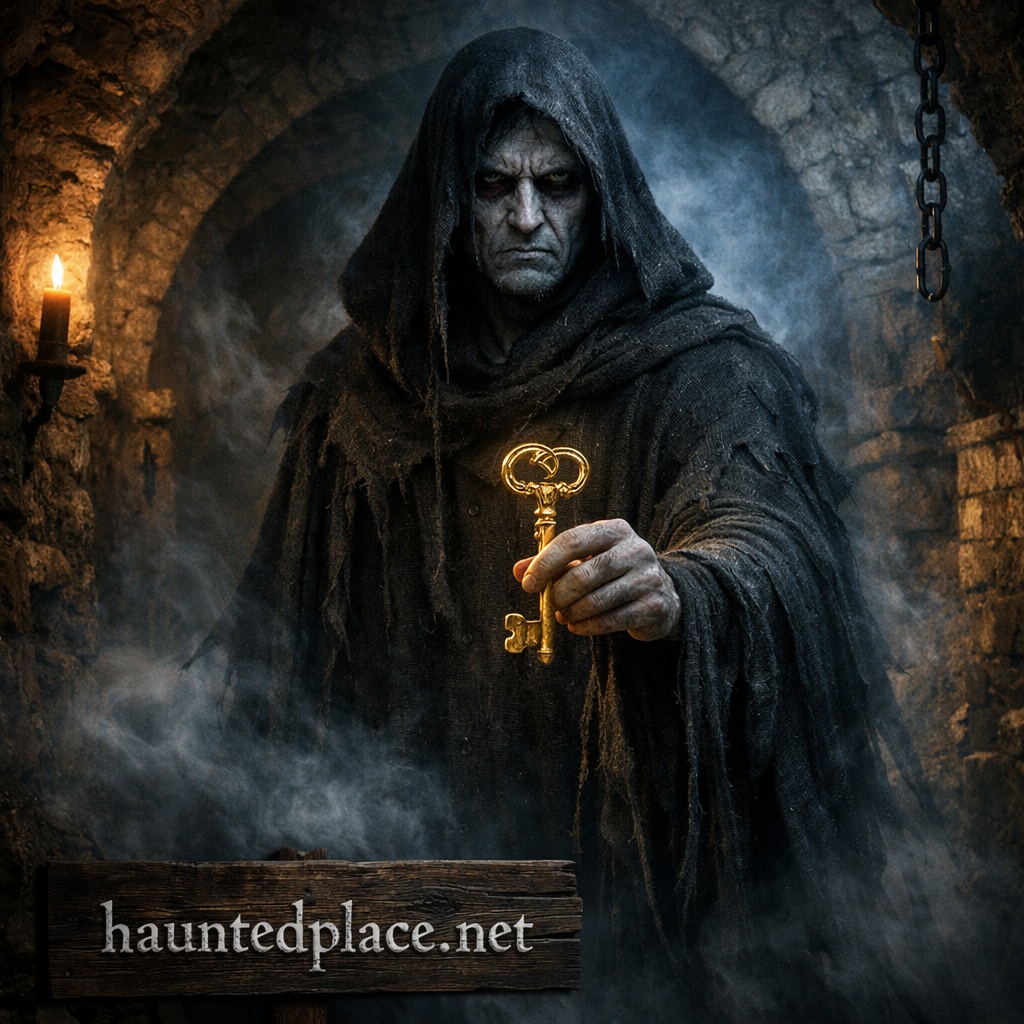
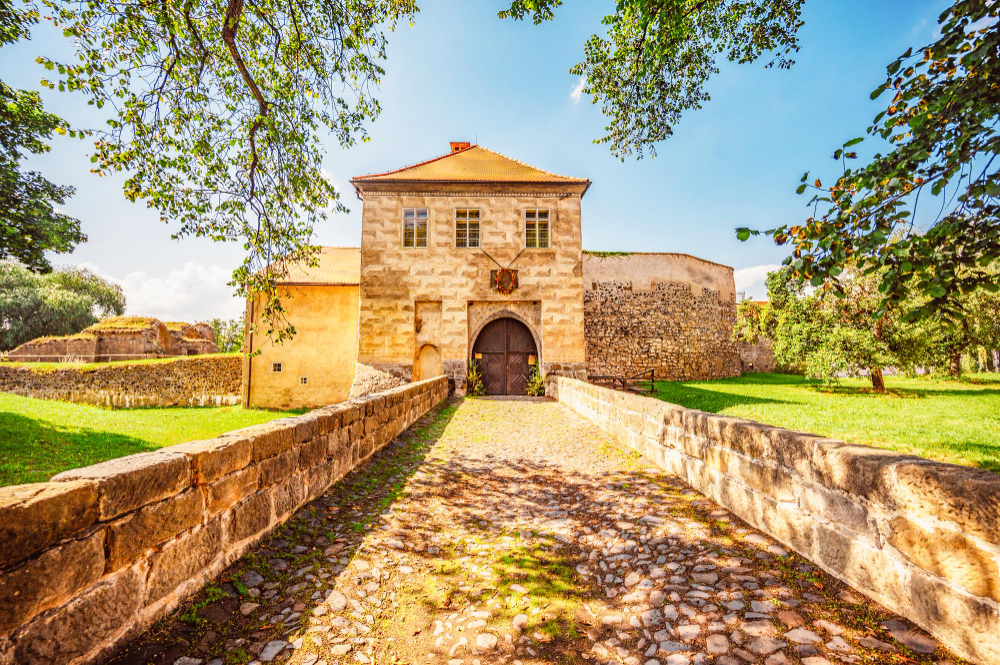
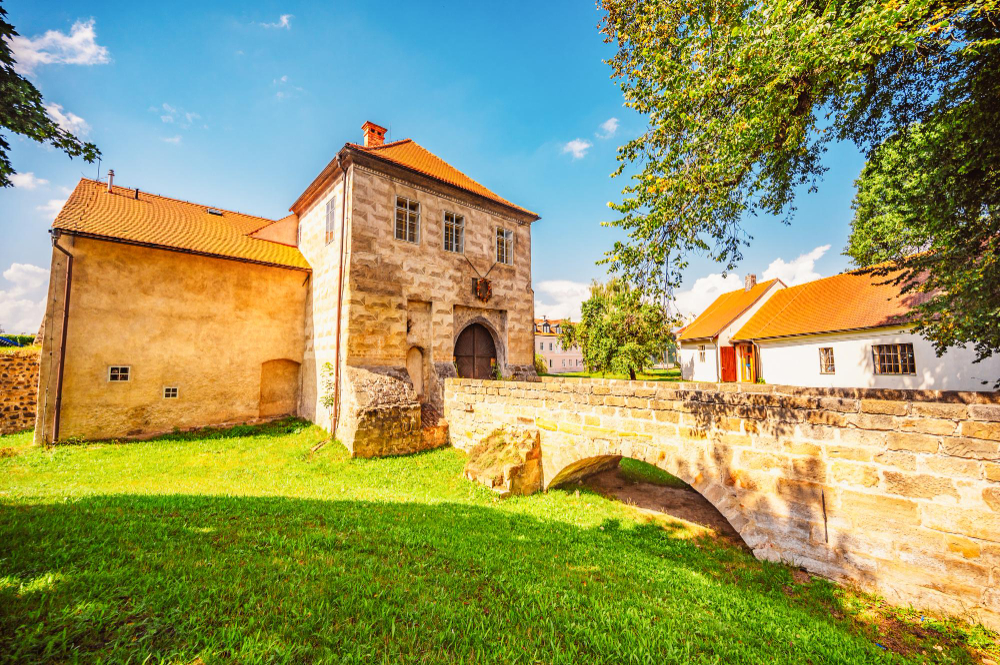
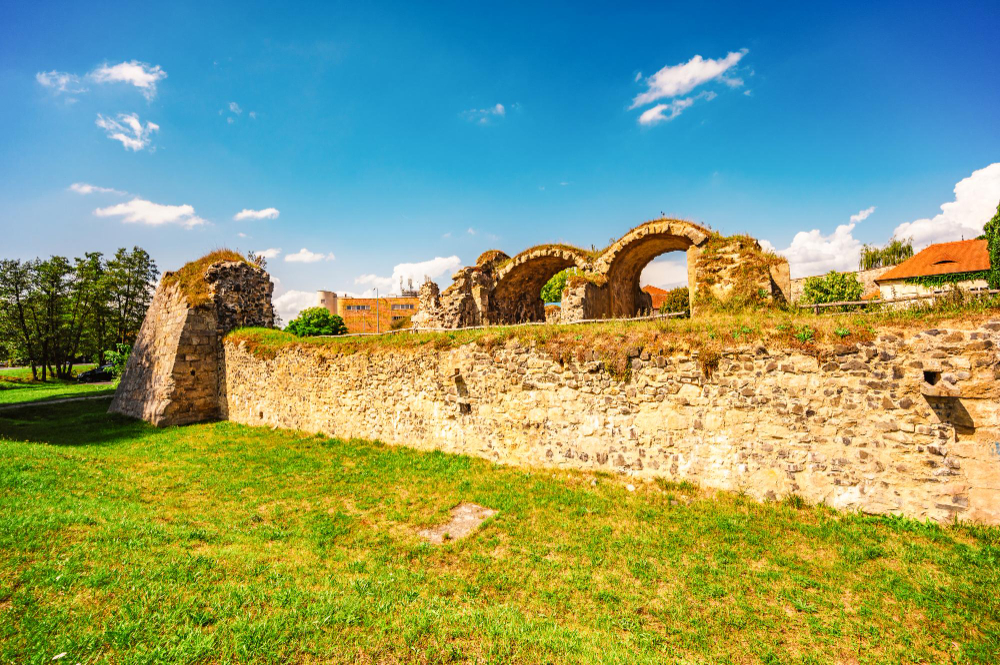
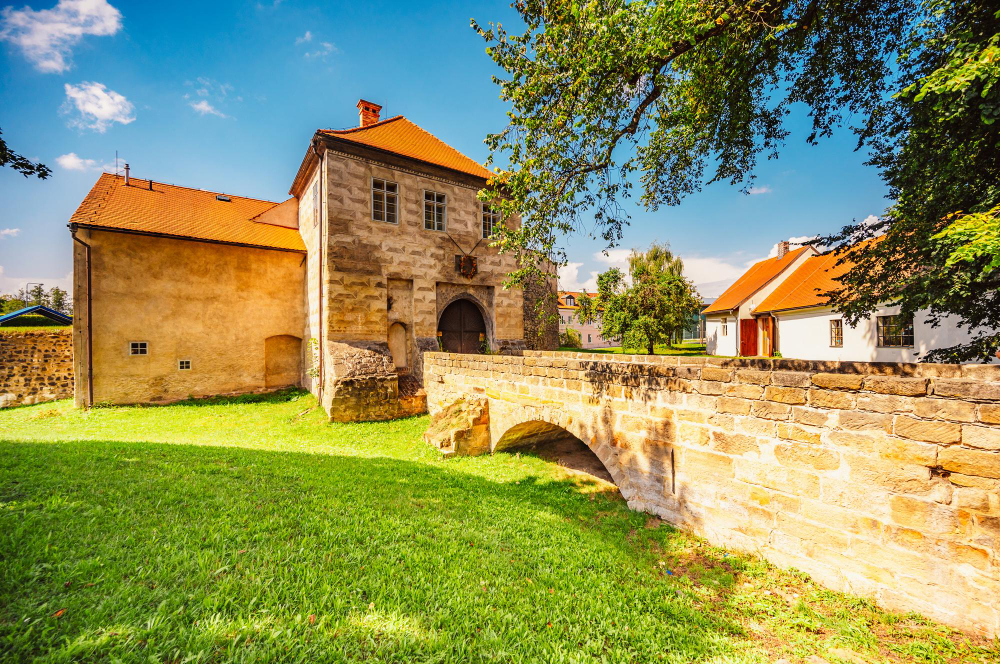
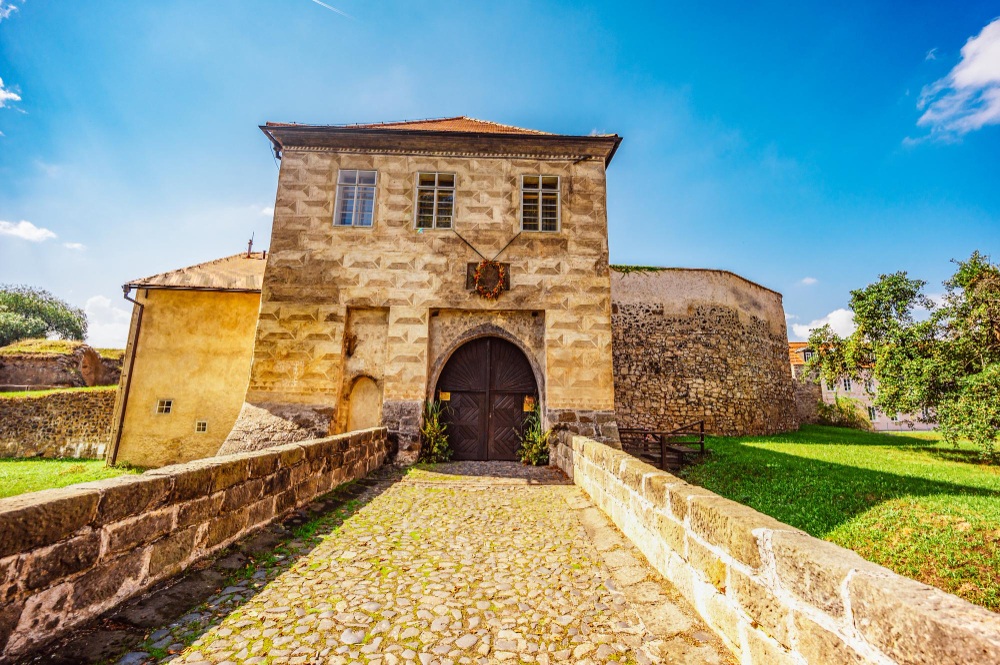
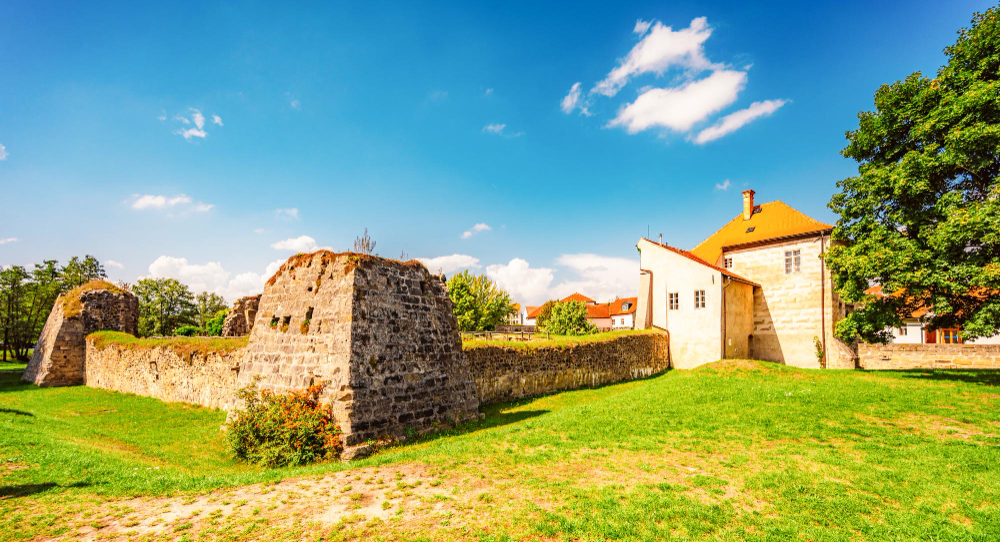
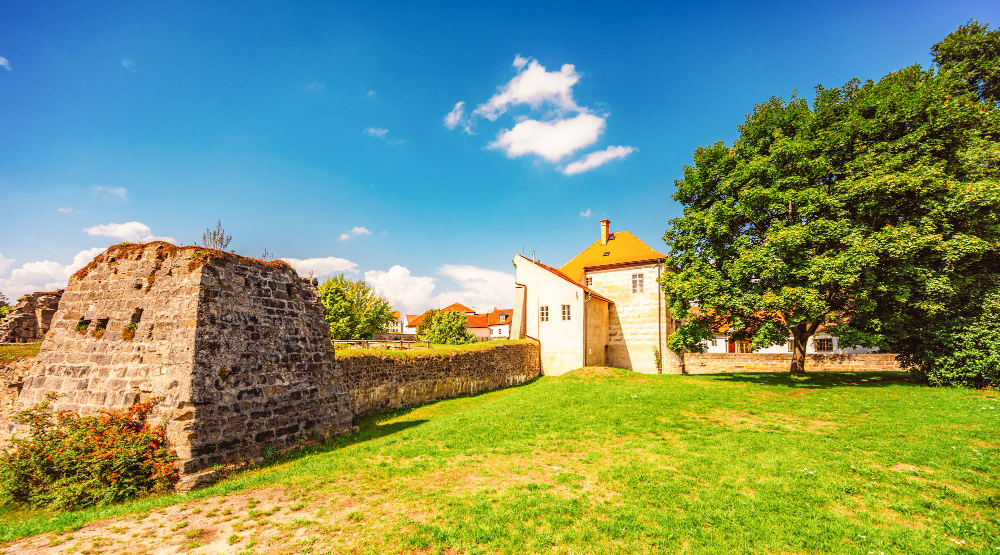
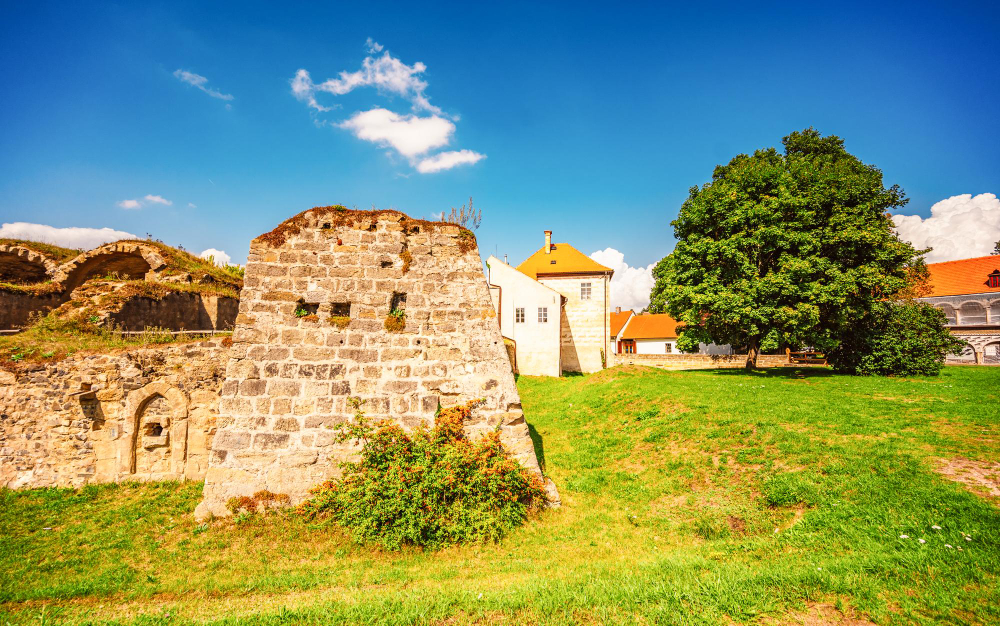
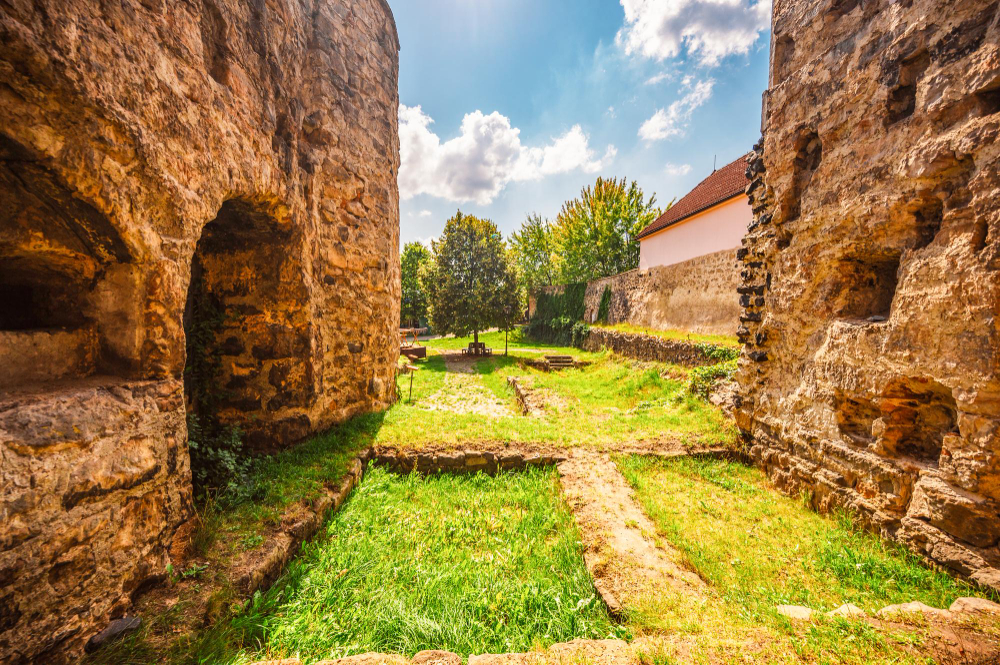
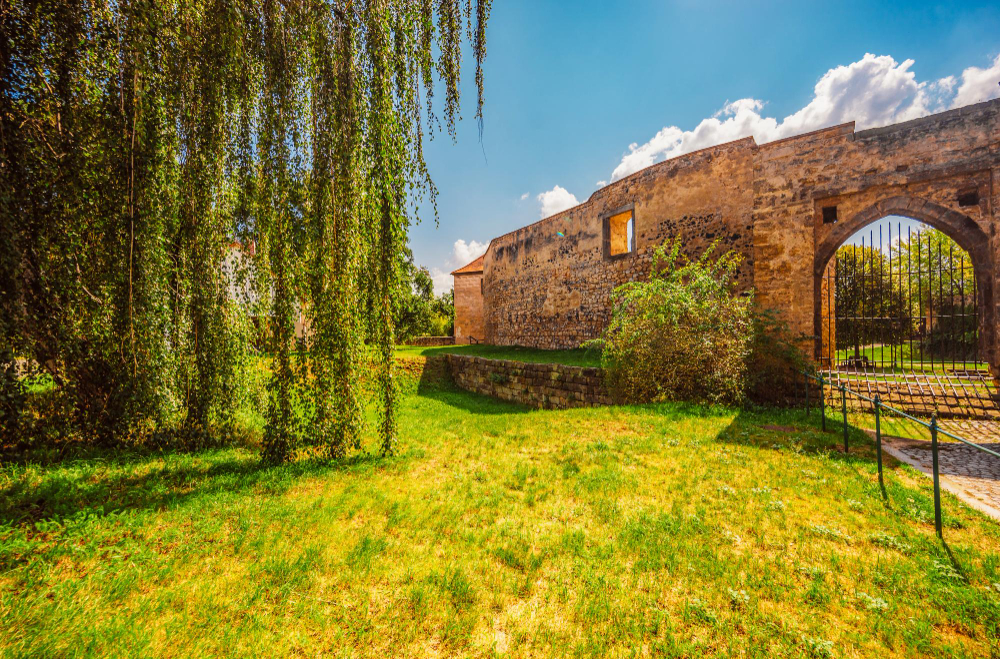
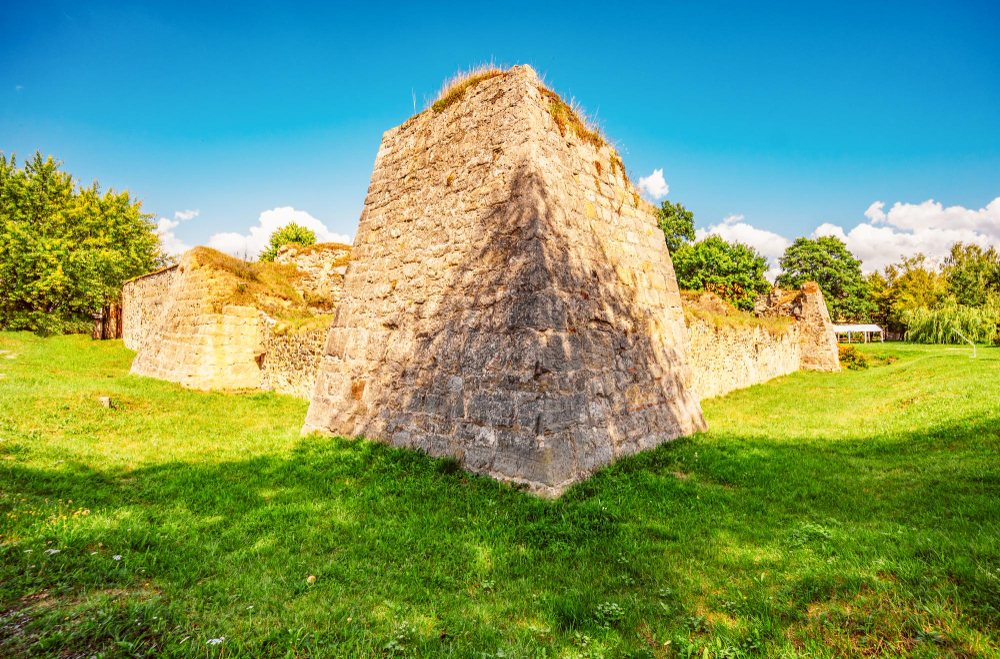
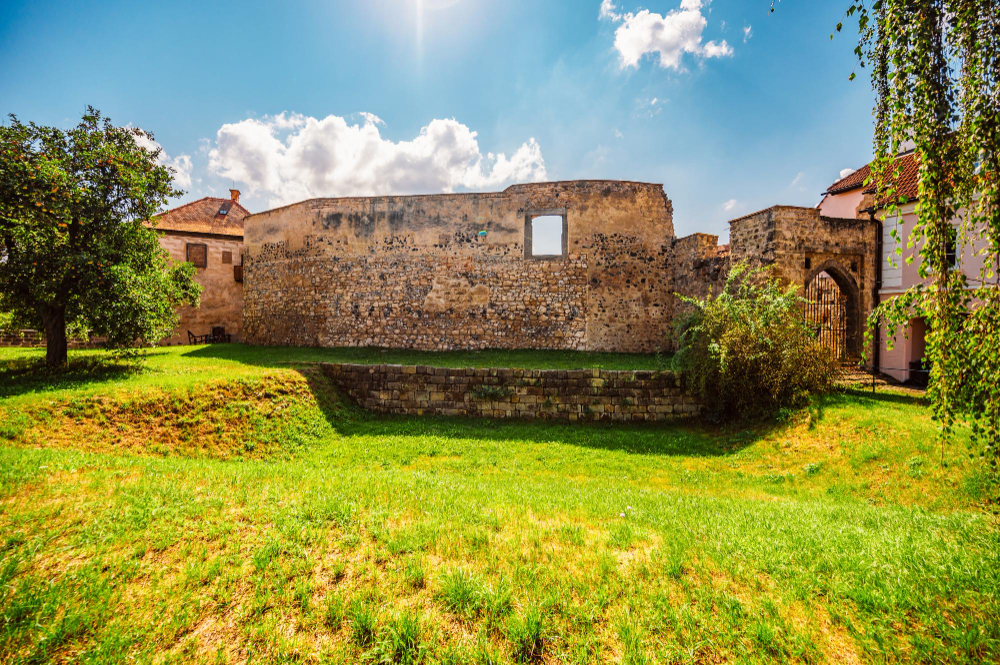
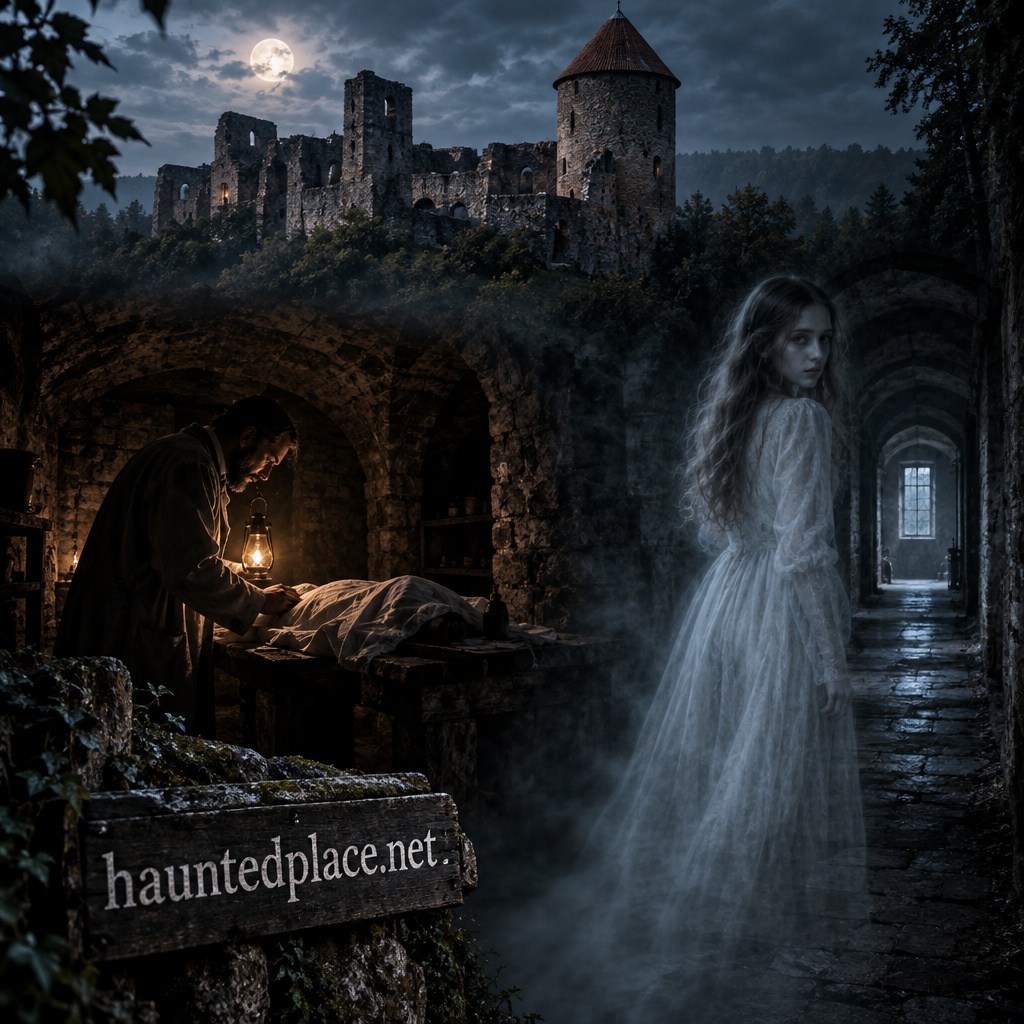
Set amidst the picturesque countryside of Česká Lípa, a town in the Liberec Region of the Czech Republic, stands a mysterious ruin with a dark past: Lipý Castle. Once an imposing structure that dominated the town centre, today only a silent reminder of times long past remains. Yet what at first glance appears to be an ordinary remnant of medieval architecture harbours a harrowing secret. It is said that a ghost roams the shadows of this castle, spreading nameless terror: Zikmund, the restless spectre.
A castle steeped in history and darkness – Lipý Castle, whose origins date back to the 13th century, long served as the strategic and cultural centre of the region. Its walls have witnessed numerous rulers and historic turning points. Yet a very special legend surrounds it, one deeply rooted in the mystical folklore of the area. The story is about Zikmund, an eerie ghost who is said to continue his sinister schemes in the dark cellars of the ruins. No one knows exactly when this story began. Yet, over generations, it has been passed down, embellished and embedded in the hearts of the people of Česká Lípa – both as a warning and as a ghost story.
The Origin of the Haunting – Who Was Zikmund? – Zikmund, so the story goes, was once a wealthy but unscrupulous landowner who ruled the area around Lipý Castle in the late Middle Ages. His greed for power and wealth is said to have been legendary, and it is told that he did not shy away from murder or treachery to achieve his goals. The peasants and servants on his estates suffered particularly under his harsh rule, for Zikmund was regarded as merciless and cruel – a man without compassion. But pride comes before a fall. According to one legend, Zikmund amassed his wealth through despicable means. He is said to have stolen the gold of those who trusted him and hidden it in the castle’s deep dungeons. Yet it is said that it was not only riches that were buried there. Grim tales speak of innocent souls who lost their lives within the damp walls of the cellars after falling victim to Zikmund’s bloody tyranny. His end was as tragic as his life had been cruel. During a popular uprising against him, Zikmund was brought to justice by the mob. Yet as the castle burned and its walls collapsed, Zikmund is said to have sought refuge in the underground passages with part of his treasure. He never found his way out, however. His fate remains a mystery – and that is precisely what fuels the legend of his restless spirit.
Encounters with the Inevitable – Since those events, eerie phenomena are said to have occurred time and again in the ruins of Lipý Castle. Above all, those who have ventured into the winding cellar vaults report inexplicable occurrences: a sudden cold draught, even though not a breath of wind penetrates the ancient stones; footsteps echoing in the silence, even though no one else is present apart from the visitor. voices whispering softly, yet remaining incomprehensible. And occasionally, according to some particularly brave adventurers, a ghostly apparition has even been sighted. Zikmund is often described as a tall man in sombre clothing, his face marked by deep sadness and, at the same time, anger. Sometimes he wears a large cloak, and in his hand glimmers a golden key, which is said to lead to his hidden treasure. Yet every encounter with him leaves one with an oppressive feeling – as if the room itself were filled with an invisible burden. An eyewitness who was exploring the ruins at night later reported how he suddenly felt as though he was being watched. As he looked around, he noticed a glimmer of light in a corner of the cellar – faint, but clearly visible. He followed the glimmer in the hope of perhaps finding a burning lantern or a reflection. Instead, he eventually found himself standing before a stone wall, behind which a faint tapping could be heard, as if someone on the other side were calling for help. But when he touched the wall, the glimmer of light vanished, and an icy shiver ran down his spine.
The symbolism of the legend – The story of Zikmund has been handed down not merely as a ghost story, but also as a cautionary tale. For many locals, it serves as an allegory warning of the consequences of greed, the abuse of power and recklessness. Zikmund symbolises those who, in their arrogance, believe they can escape the consequences of their actions. Yet in the end, the legend suggests, guilt catches up with even the most powerful, binding their souls to the very places where they committed their treachery. But whether one believes in ghosts or not – the fascination with ghost stories such as this remains undiminished. Lipý Castle attracts not only tourists captivated by the romantic notion of medieval ruins, but also those seeking the eerie. Paranormal investigators, history buffs and adventure seekers flock to the area to follow in Zikmund’s footsteps – and perhaps even catch a glimpse of the infamous ghost.
An Invitation into the Unknown – Today, the ruins of Lipý Castle offer a unique blend of history, culture and folklore. Visitors can explore the imposing remains, which provide a striking backdrop for events and exhibitions. But as soon as the sun goes down and the shadows lengthen, the atmosphere seems to shift. The narrow staircases leading into the darkness of the vaulted cellars suddenly seem unsettling, and even the bravest feel their hearts racing. In these moments, the stories surrounding Zikmund seem to take on a very real dimension – and no one leaves the castle without feeling a sense of awe and unease.
The haunting continues – Whether Zikmund will ever find redemption remains unclear. Perhaps he is still waiting for someone to claim his treasure and set his soul free – or perhaps he is doomed to wander eternally amongst the crumbling walls of the castle. Until then, he remains an integral part of the legends of Česká Lípa and a reminder of the darker sides of human nature. Either way – anyone who dares to visit the ruins of Lipý Castle should exercise caution. For as soon as darkness falls and silence descends upon the place, Zikmund’s ghost might be closer than one realises.