 Isabella Mueller Baroness of Stainton le Vale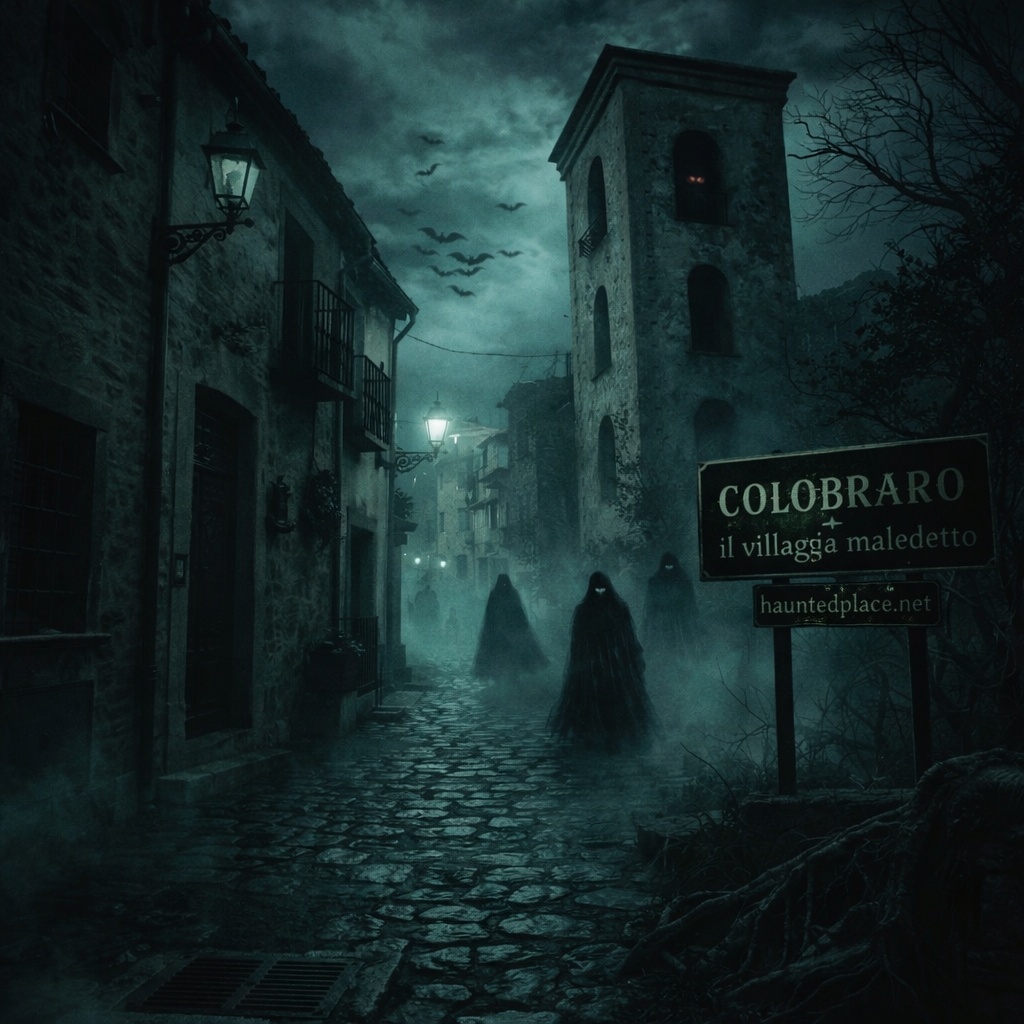
In the heart of Basilicata, a region in southern Italy, lies a small village that has been the setting for mysterious tales for decades. Colobraro, a place that at first glance appears modest and unassuming, has made a name for itself—albeit, unfortunately, not a flattering one. Often mentioned by locals only in hushed tones, the village is considered “cursed.” Its grim reputation has shaped the lives of its residents, molded its history, and even attracted tourists seeking thrills and dark legends. What lies behind this reputation? Is Colobraro truly a place of doom, or merely a product of superstition and exaggeration?
The Origin of the Curse – The legend of Colobraro began many decades ago. According to the tales, even the village’s name itself is said to be ominous. The term “Colobraro” is often linked to the Latin word “coluber,” meaning “snake”—a symbol associated with betrayal and evil in many cultures. However, the village did not become the focus of dark tales solely because of its name. It was an incident in the 20th century that added a new dimension to the legend. The story goes that there was once a lawyer practicing in the region who was known for his arrogance and intelligence. During a court proceeding, he is said to have confidently declared: “If I am lying, may this lamp fall off the table!” As if by a strange coincidence—or by evil forces—the lamp actually fell to the floor moments later. For the people, this was a sign: Colobraro was no ordinary village, but a place haunted by the devil’s curse.
Dark Events and Eerie Stories – The stories surrounding Colobraro have evolved over generations. Time and again, there are reports of inexplicable events that fill people with fear and dread. Whether it’s a neighbor’s unexpected illness, the sudden death of a pet, or strange occurrences like objects moving for no reason—the villagers attribute many things to the village’s curse. Particularly eerie are the reports of witches and sorcerers who supposedly live in the area. It is said that they perform nocturnal rituals, are in contact with dark forces, and manipulate people’s destinies. In earlier times, it was also said that some women from Colobraro possessed extraordinary abilities, such as the power to cast the “evil eye”—an old superstition that is widespread in southern Italy. Those struck by this curse are said to have experienced misfortune, suffering, and misadventures.
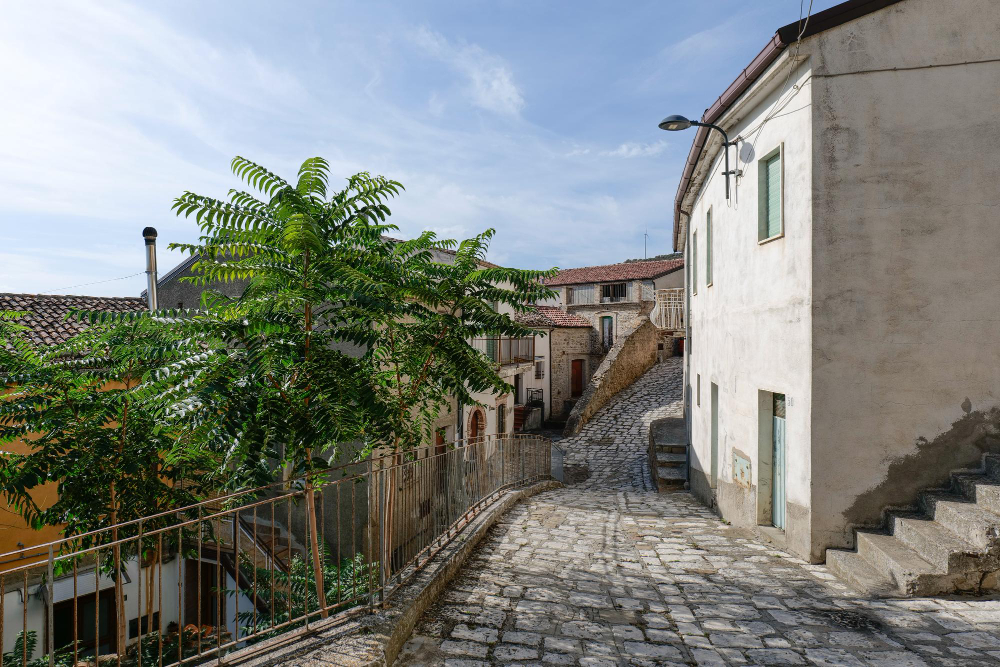
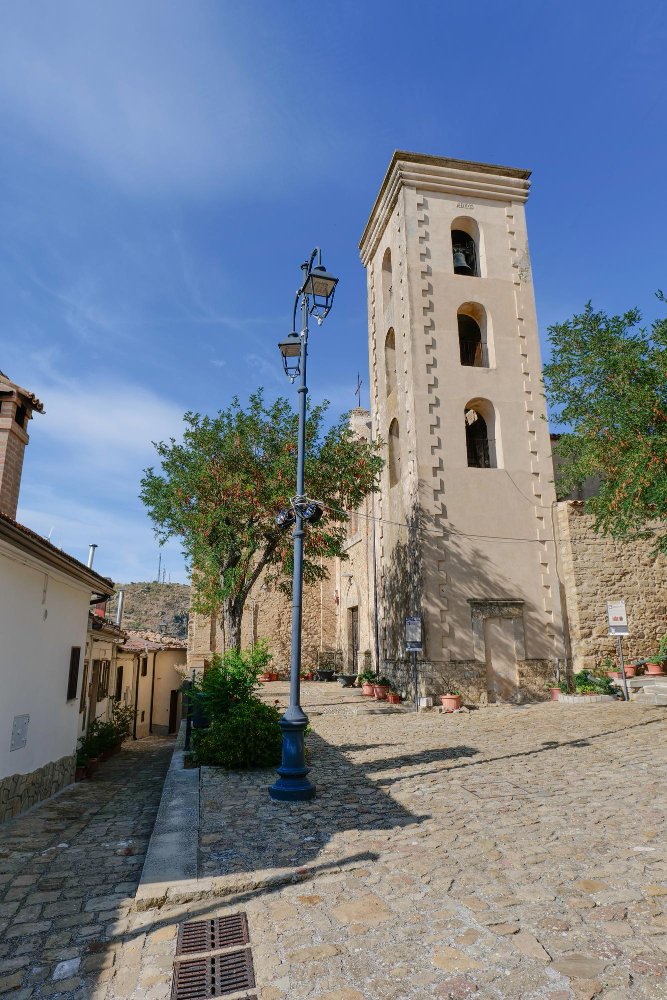
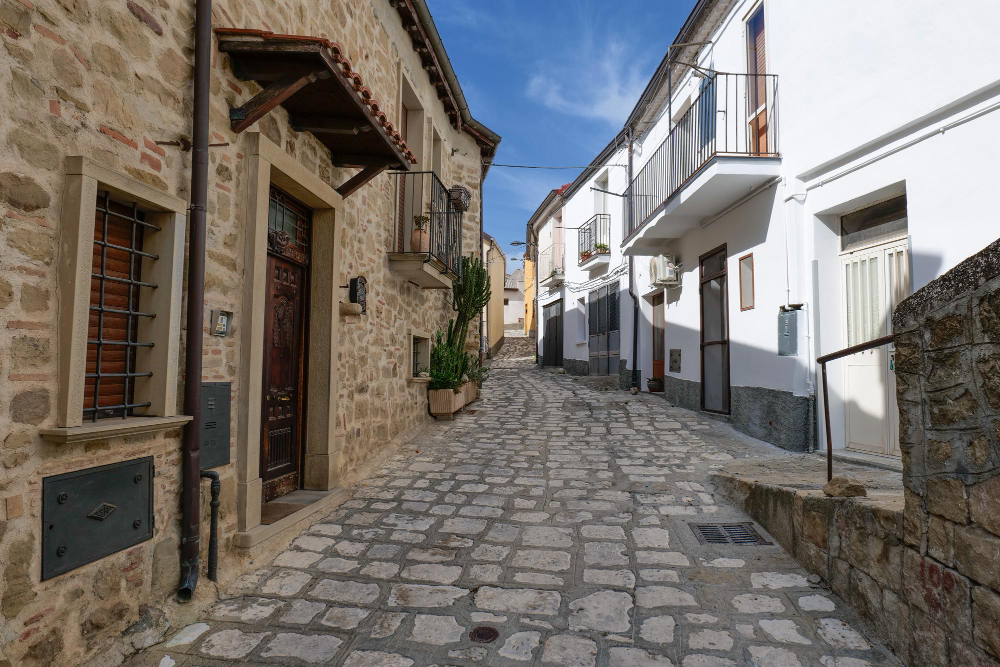
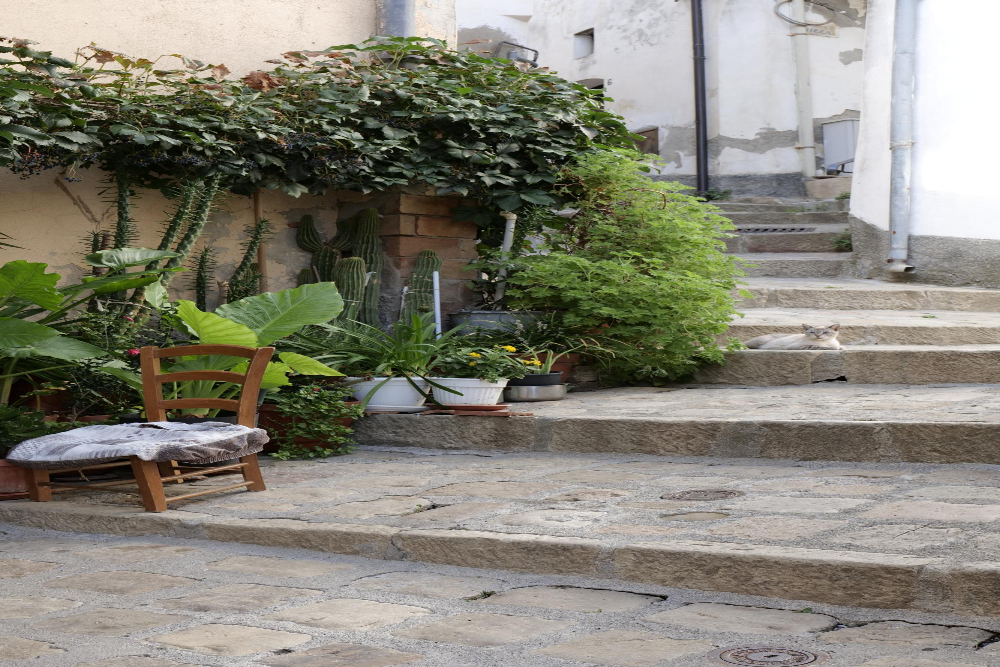
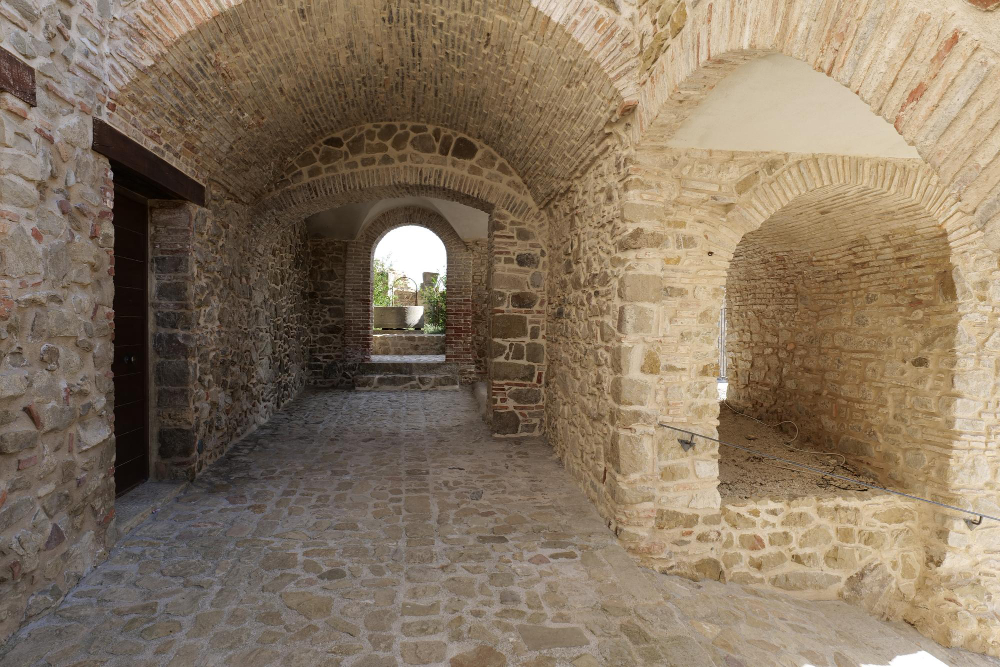
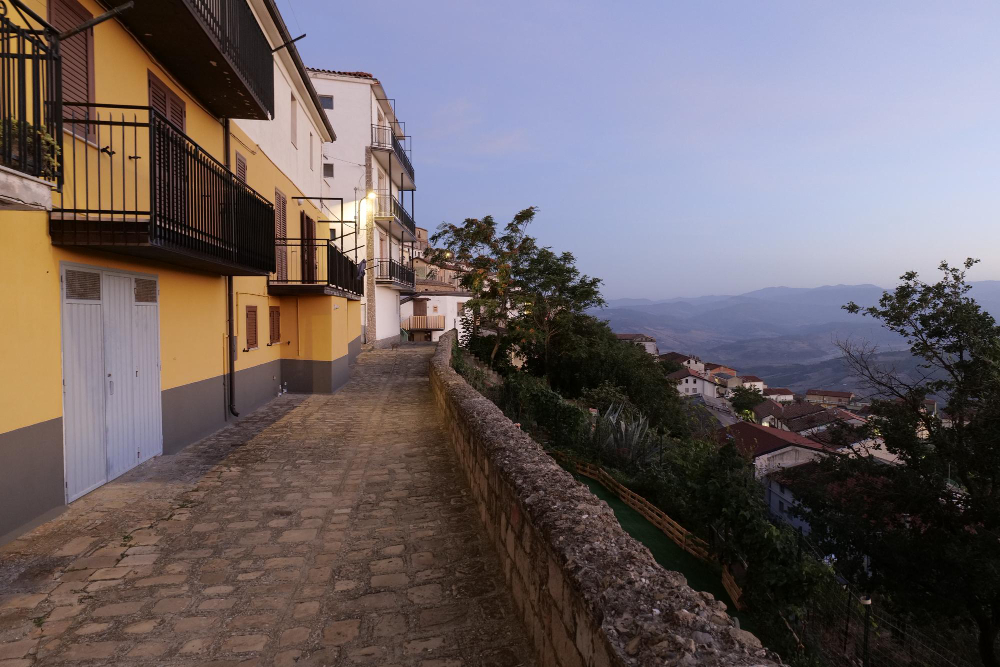
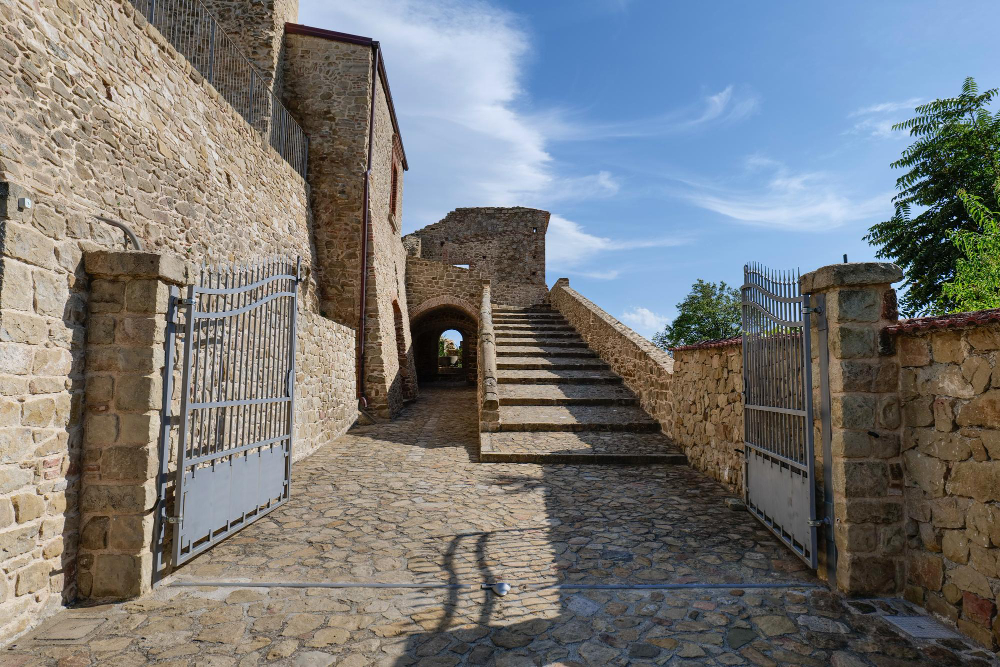
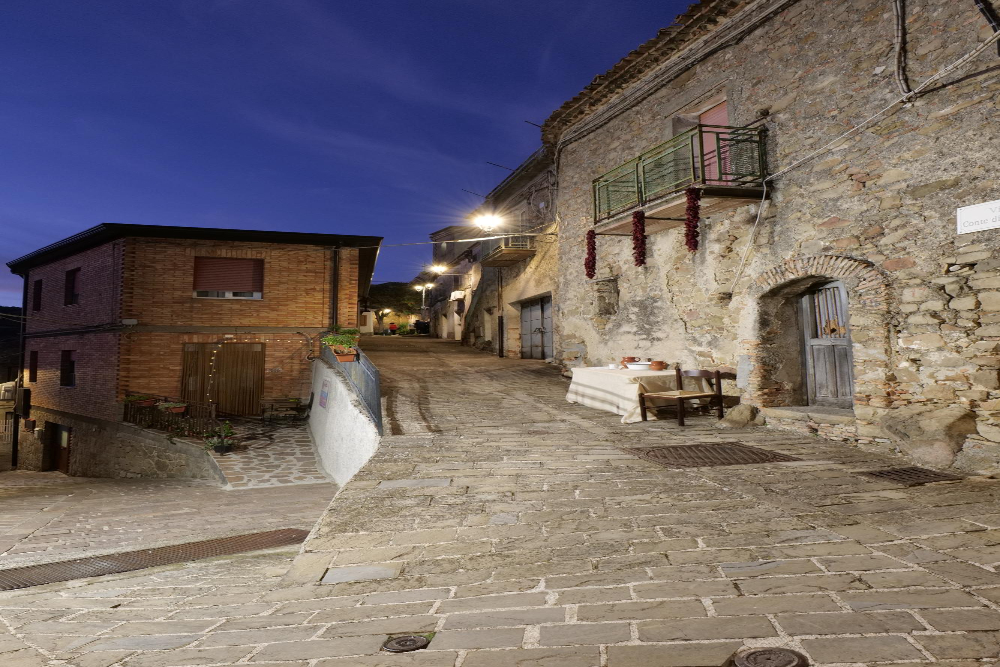
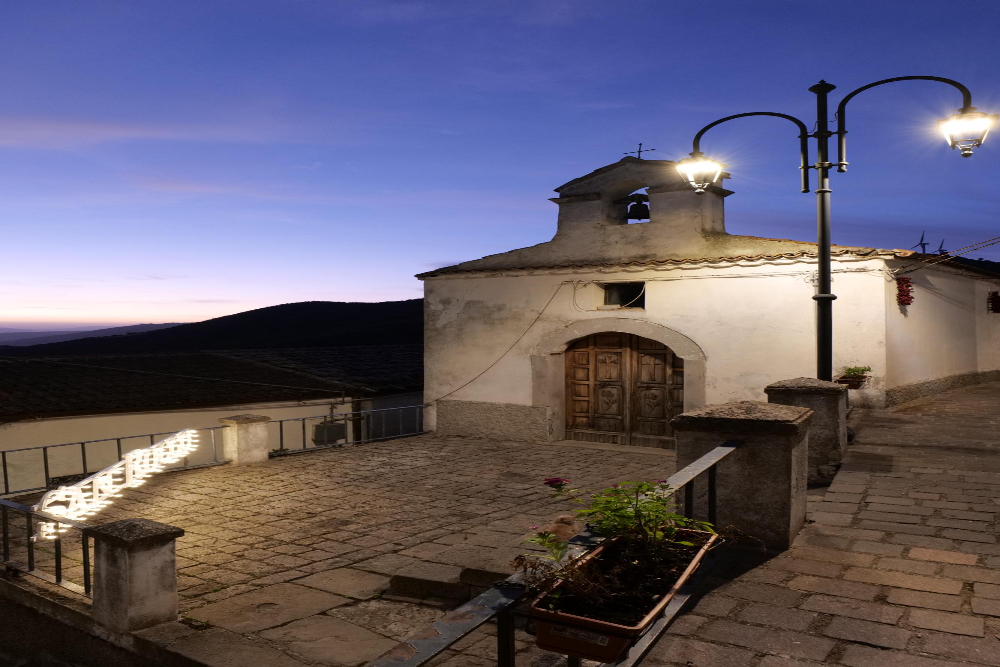
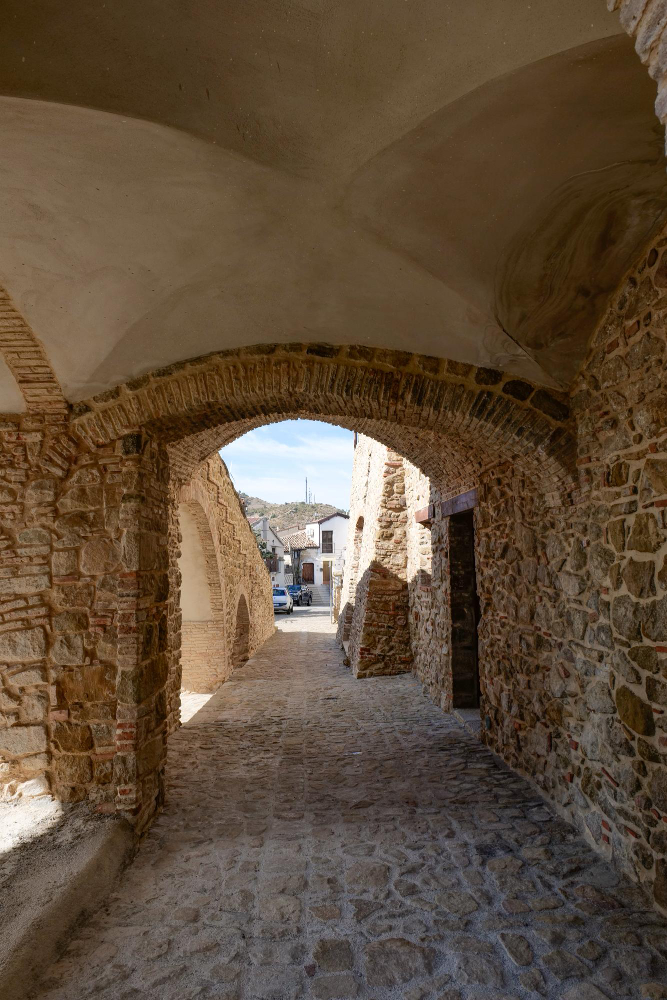
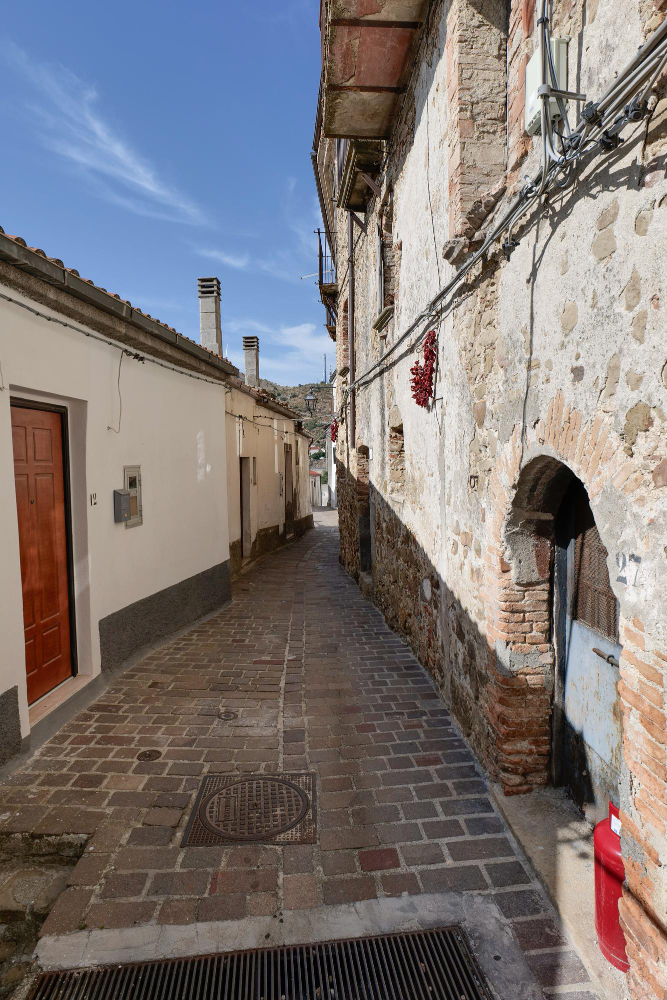
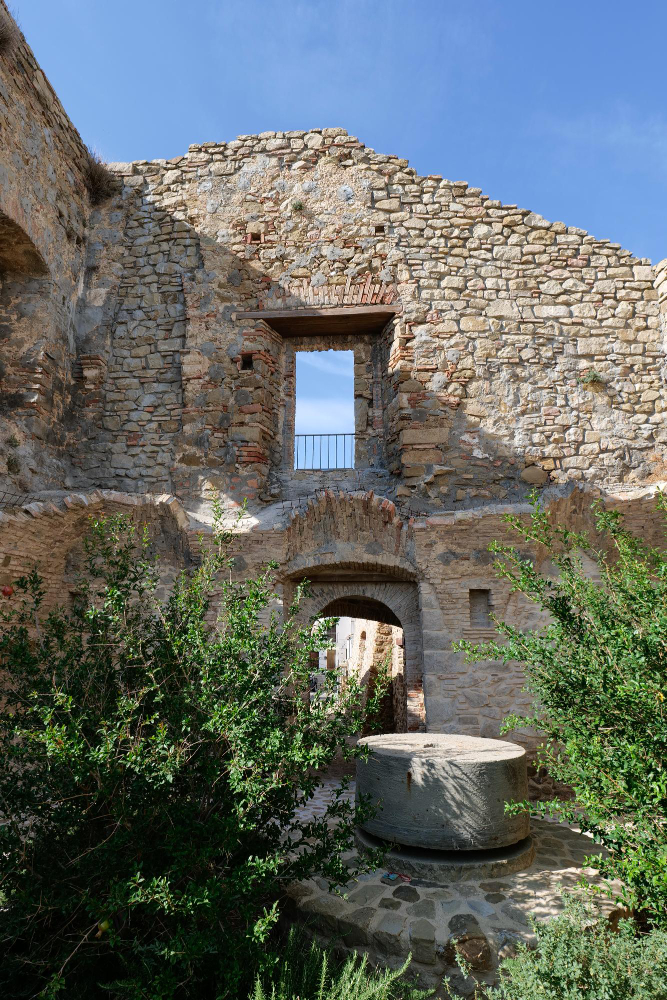
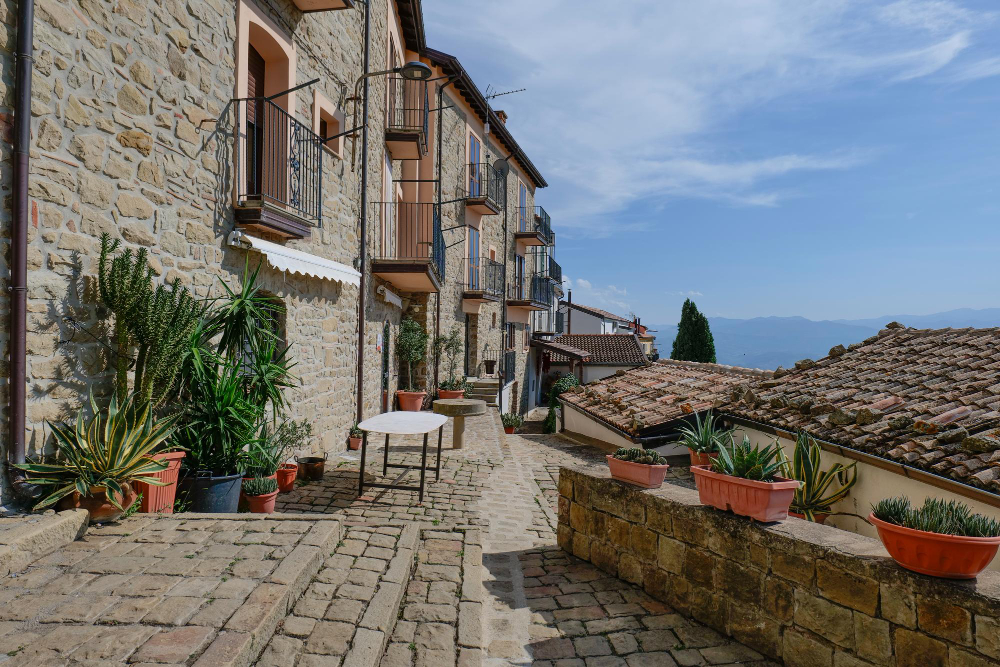
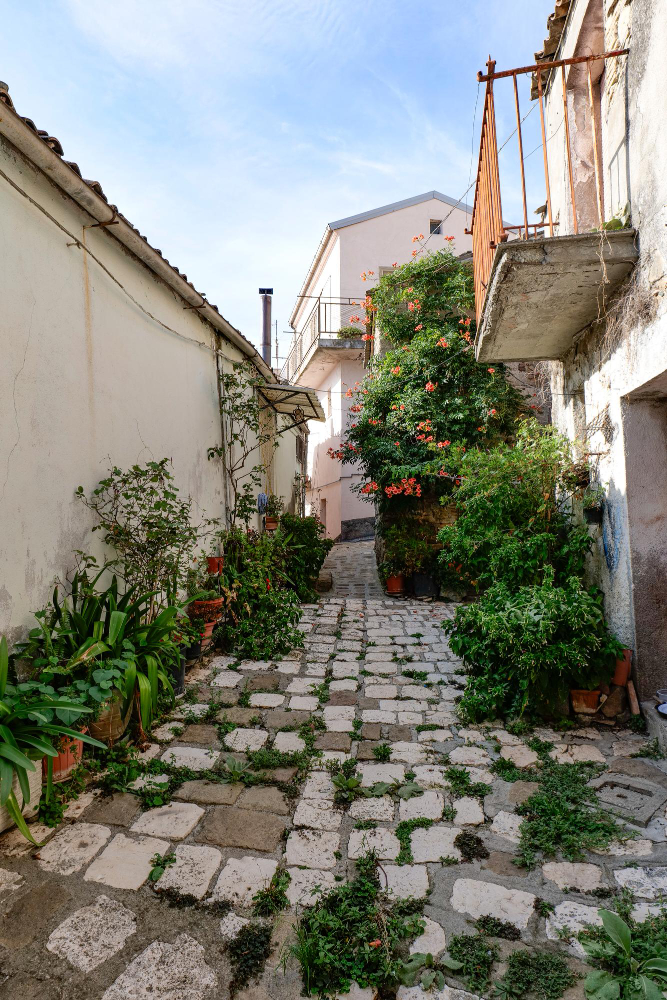
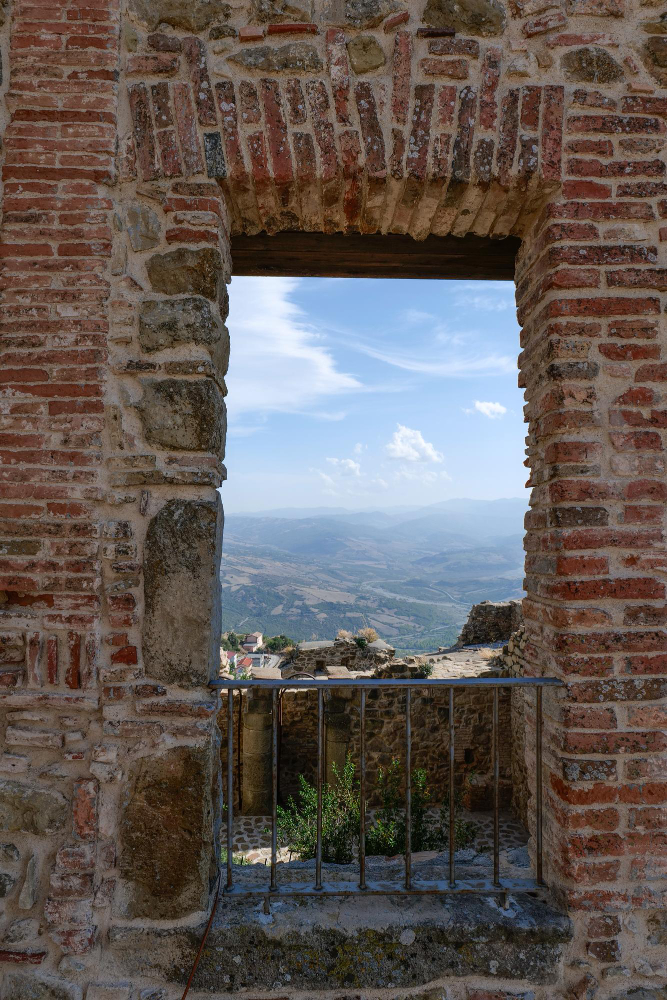
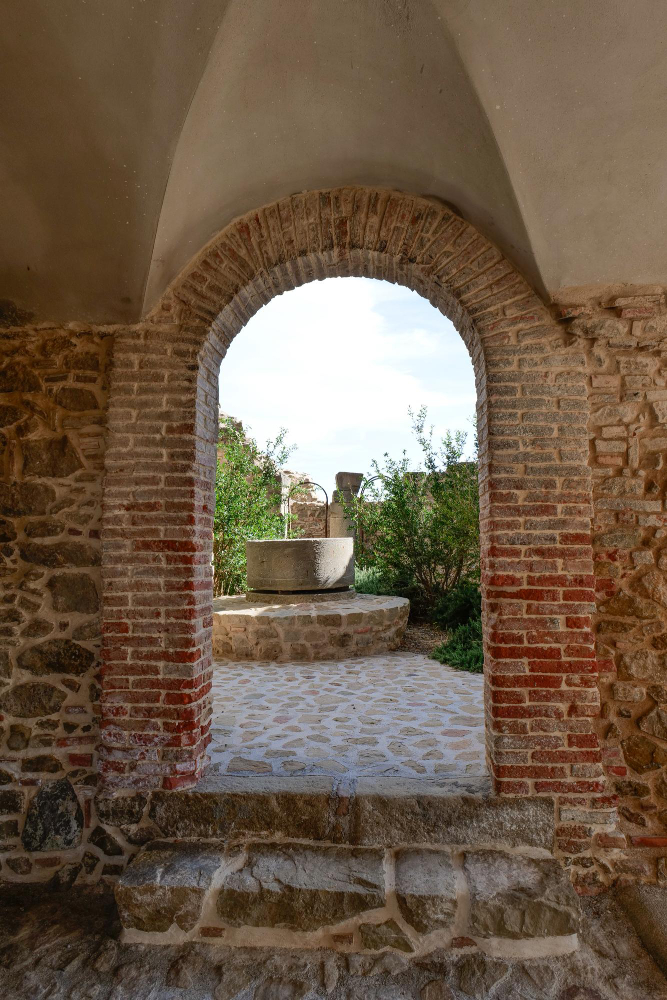
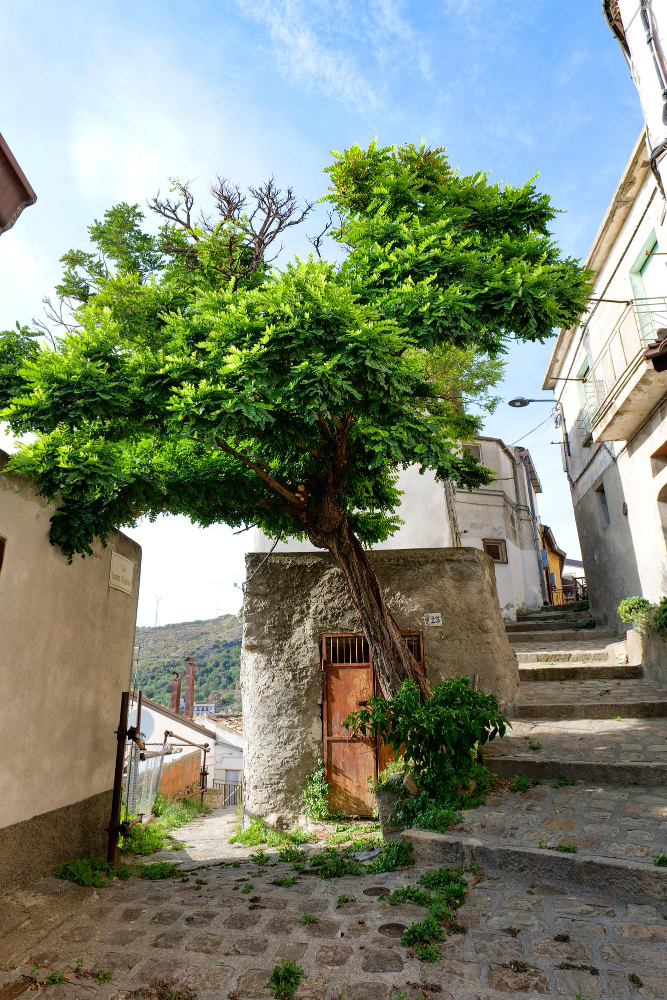
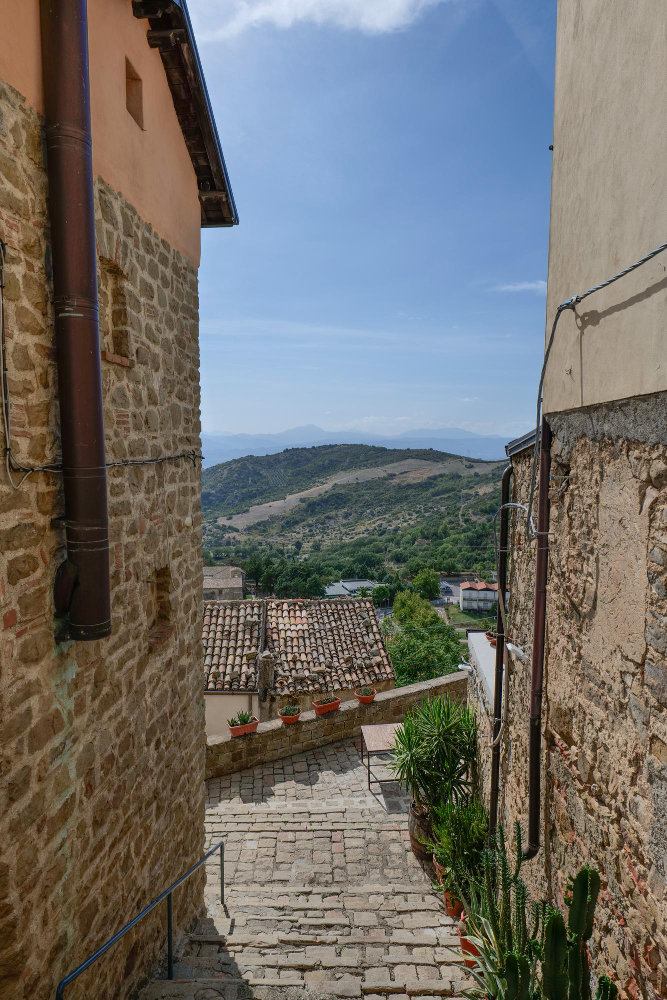
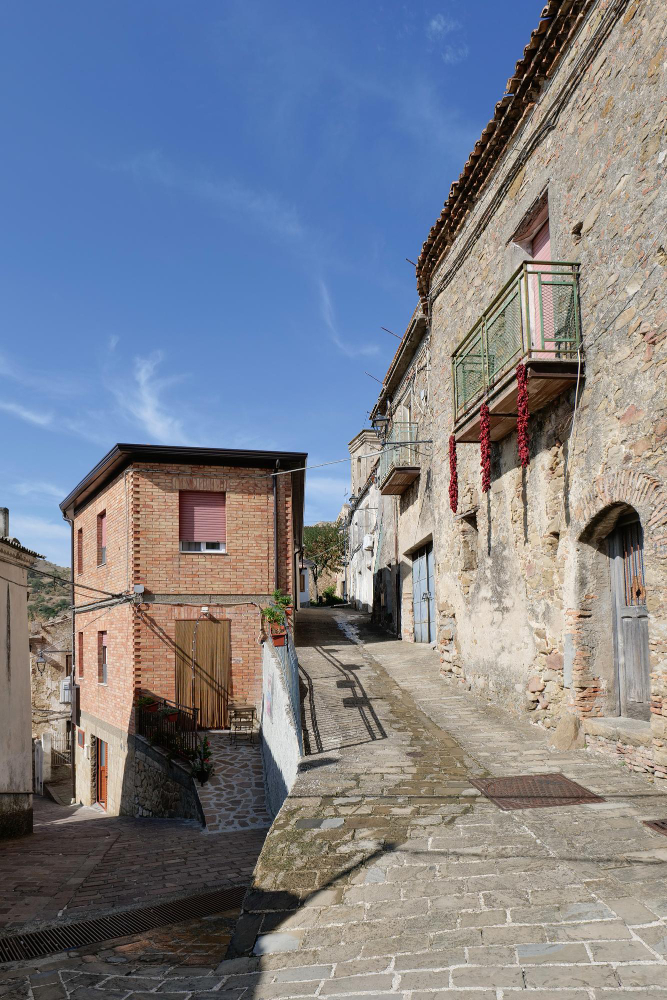
Science or Mysticism? – As with many legends, there are also skeptical voices in Colobraro who attempt to explain the mysterious events rationally. Some historians and researchers believe that the village’s bad reputation is mainly due to social and cultural circumstances. In remote regions like Basilicata, poverty and a lack of education were widespread for centuries. Superstition and fear of the unknown were often invoked to “explain” inexplicable phenomena. The village’s geographical location is also frequently cited as the cause of the grim tales. Colobraro sits on a hill with breathtaking views, surrounded by a rugged and partly barren landscape—a setting that practically invites itself to serve as the backdrop for spooky tales. The narrow alleys, the old buildings, and the shadows that fall across the narrow streets at sunset give the place an atmosphere that could have come straight out of a horror movie. Another point that should not be overlooked is the fact that such legends can also bring economic benefits. In recent years, Colobraro has actively leveraged its reputation as a “cursed village” to attract visitors. During the summer months, the village organizes “La notte della leggenda,” an event where the town’s dark stories and myths are brought to life. Street performers, actors, and historians take guests on a journey into the past, bringing the dark legends to life. Ironically, the curse that was once seen as a burden has helped the village achieve new fame and attract a growing number of visitors.
The Residents’ Perspective – Of course, not everyone in Colobraro is thrilled by this reputation. For many older residents who have lived with this stigma their entire lives, it is a source of annoyance and frustration. “Who wants to be considered cursed?” asks an elderly woman who has lived in Colobraro since birth. Her family was repeatedly confronted with prejudice whenever they left the village. It is even said that some outsiders refused to shake hands with the villagers out of fear of an imaginary curse. At the same time, there are younger people who accept—or even celebrate—the village’s gloomy atmosphere as part of their identity. “That’s our unique selling point,” says a 25-year-old resident involved in organizing the summer events. “Stories like these attract people. Why should we fight against it?”
Between Reality and Fiction – Colobraro is a place where myth and reality intertwine. While some dismiss the village’s bad reputation as merely a product of superstition, others see it as proof of dark forces that still hover over the place today. Ultimately, however, the question remains: What is Colobraro really? A cursed place of evil, or simply a victim of centuries-old stories passed down from generation to generation? One thing is certain, however: The “curse” has made the village famous. Today, Colobraro is more than just a small town in Basilicata. It is a symbol of the power of storytelling, the human capacity to be captivated by mysteries, and the way culture and history can shape us. Those who dare to visit this village may discover that the true horror lies not necessarily in dark forces, but in the shadows of one’s own imagination. Perhaps it is this blend of reality and illusion that makes Colobraro so unique—a place where good and evil coexist, and where the curse, whether real or imagined, makes every visitor’s blood run cold, at least for a moment.