 Isabella Mueller Baroness of Stainton le Vale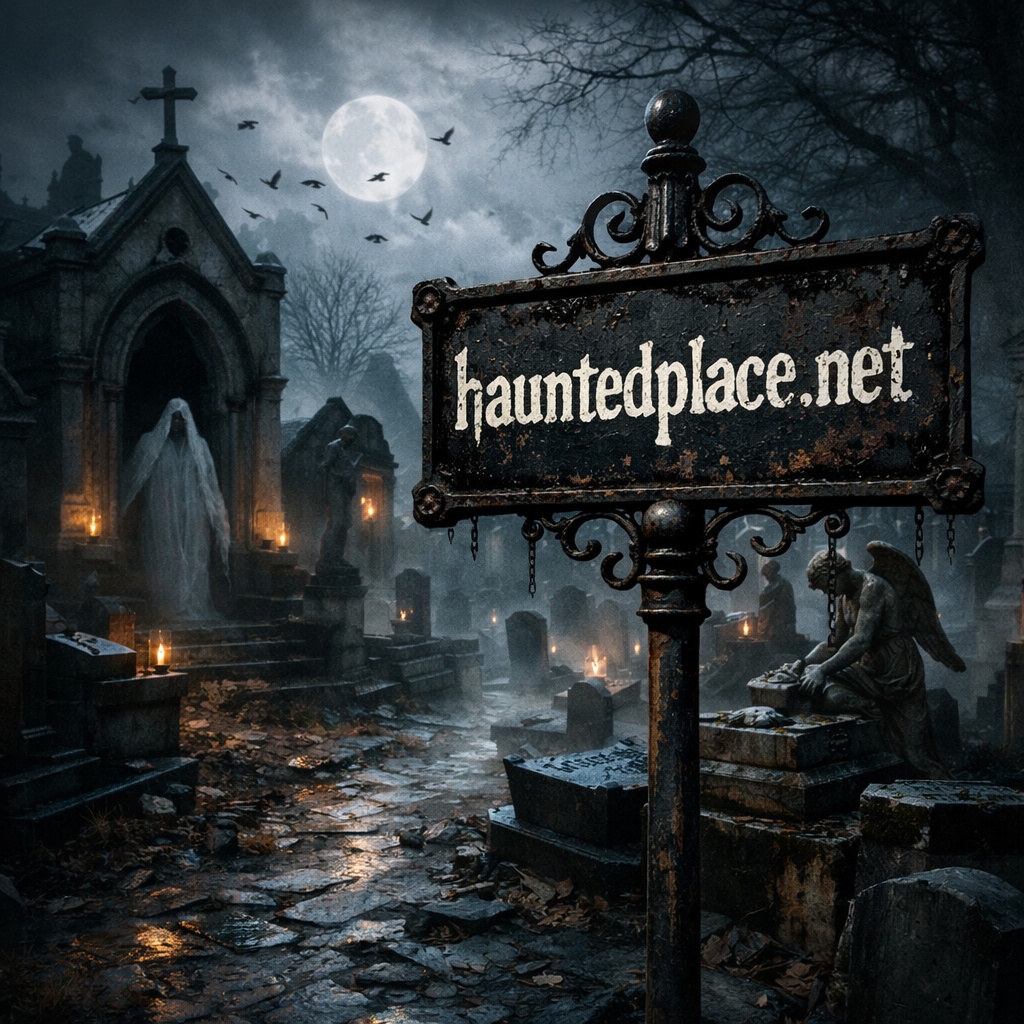
Père Lachaise Cemetery in eastern Paris is more than just a cemetery. It is a place where history, legends, and an undeniably mystical atmosphere intertwine. With its winding paths, imposing tombs, and a multitude of prominent figures who have found their final resting place here, it is one of the most famous cemeteries in the world. Yet away from the tourist crowds and history books, dark tales and eerie legends swirl around this place. A place where the boundary between life and death, between reality and fiction, seems to dissolve into thick fog.
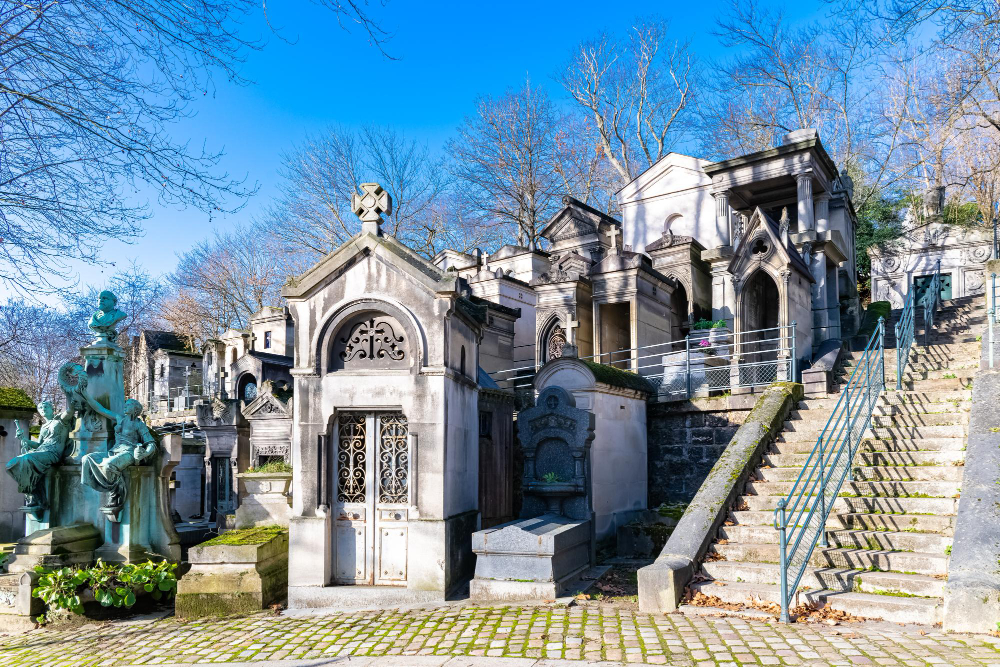
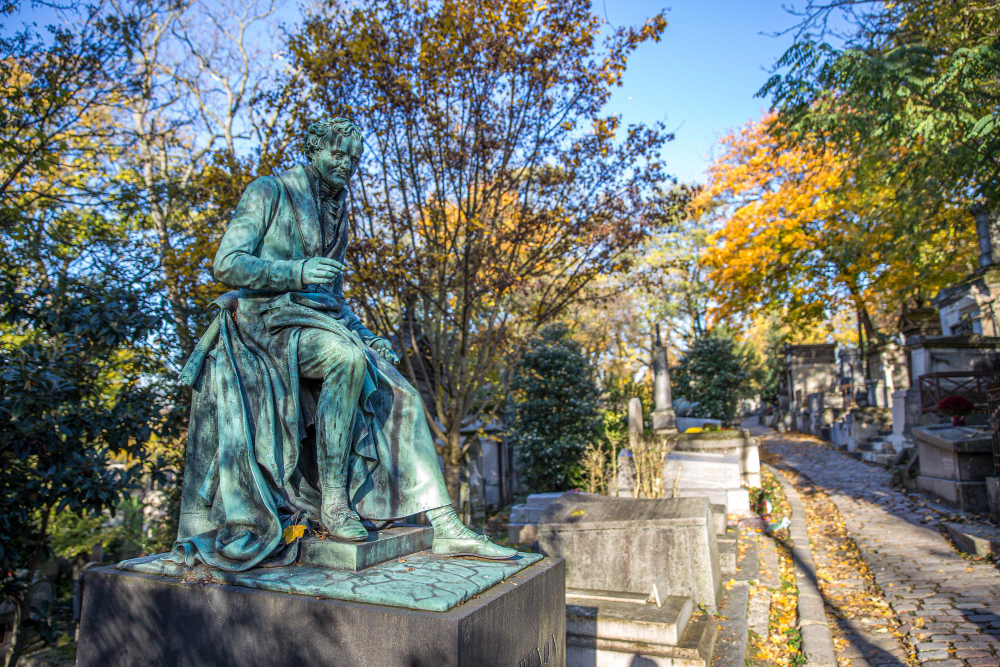
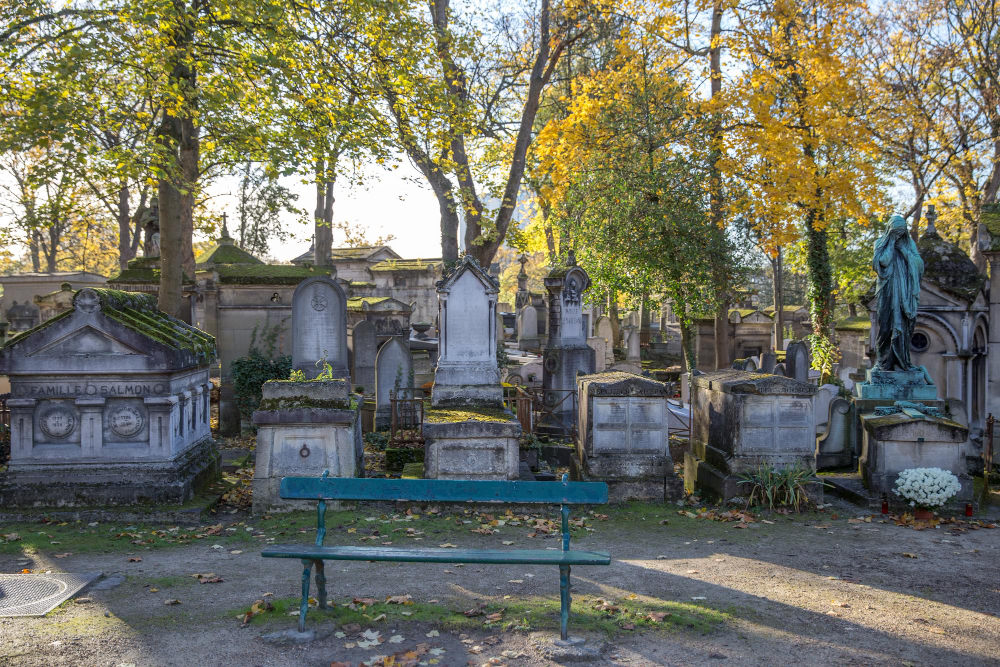
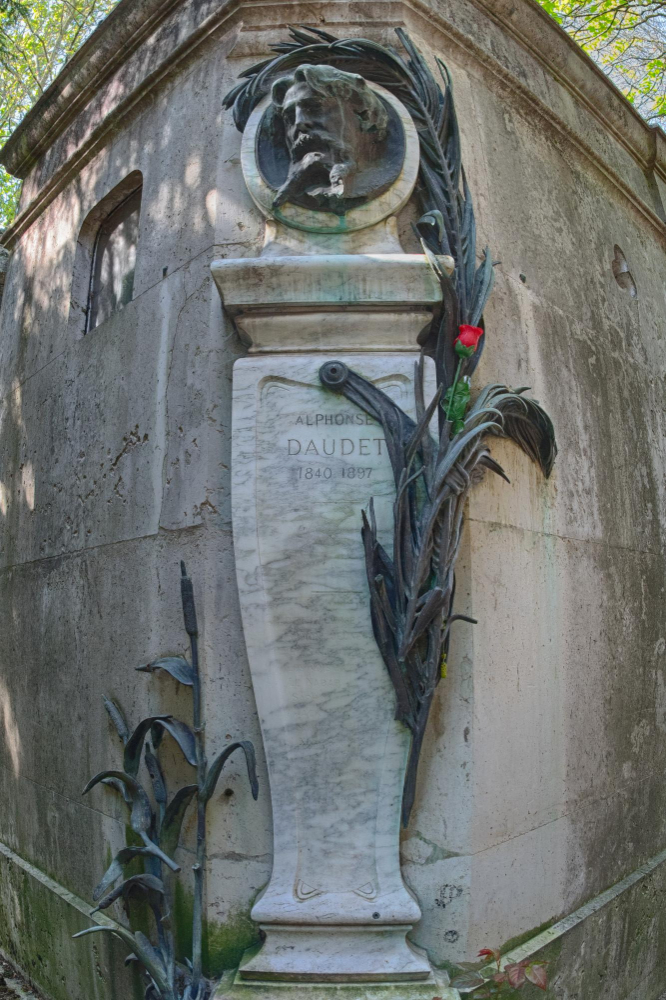
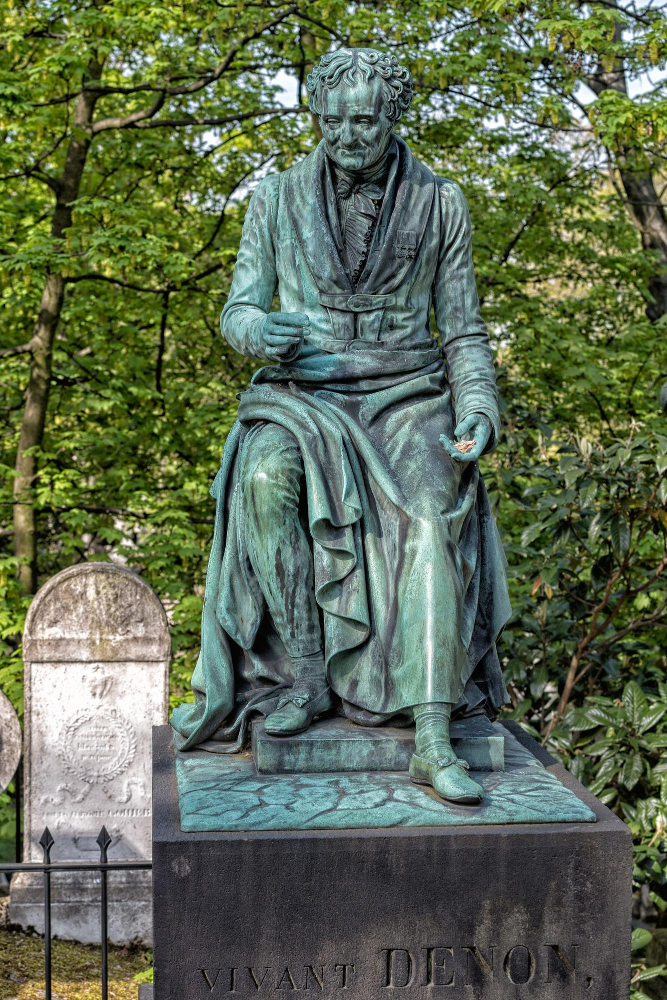
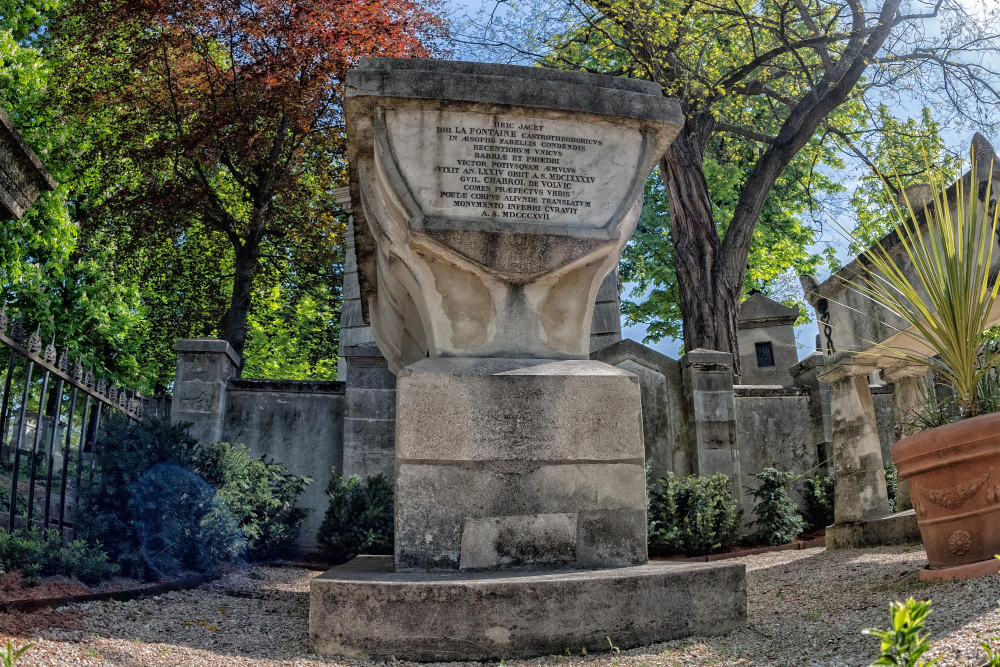
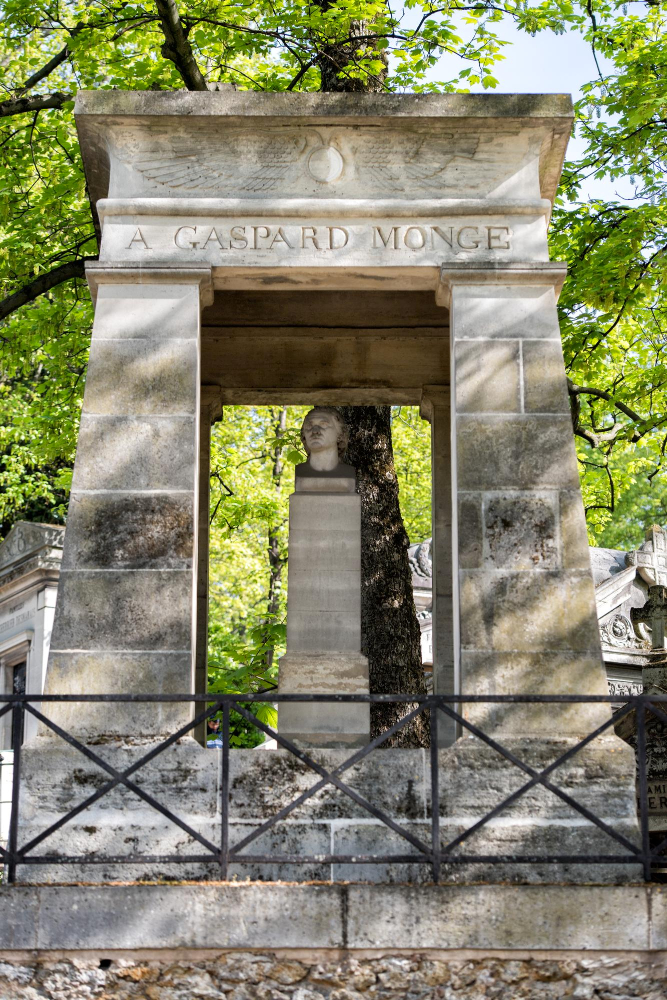
The History of a Venerable Place – Père Lachaise opened in 1804 and is named after the Jesuit priest François d’Aix de La Chaise, who was once the confessor to King Louis XIV. Originally, the cemetery lay outside the city limits of Paris, but the growing metropolis has long since swallowed it up. The cemetery serves not only as a final resting place for thousands, but also as a kind of open-air museum. From simple graves to grandiose mausoleums, every corner of the cemetery offers a different facet of its thought-provoking character. Spanning an area of about 44 hectares, Père Lachaise is home to the remains of celebrities such as Oscar Wilde, Edith Piaf, and Jim Morrison of “The Doors.” Yet beyond this glamorous side, there are many who enter the place with a certain unease, especially as darkness falls and the flickering of the lanterns intensifies the huge shadows cast by the ancient trees.
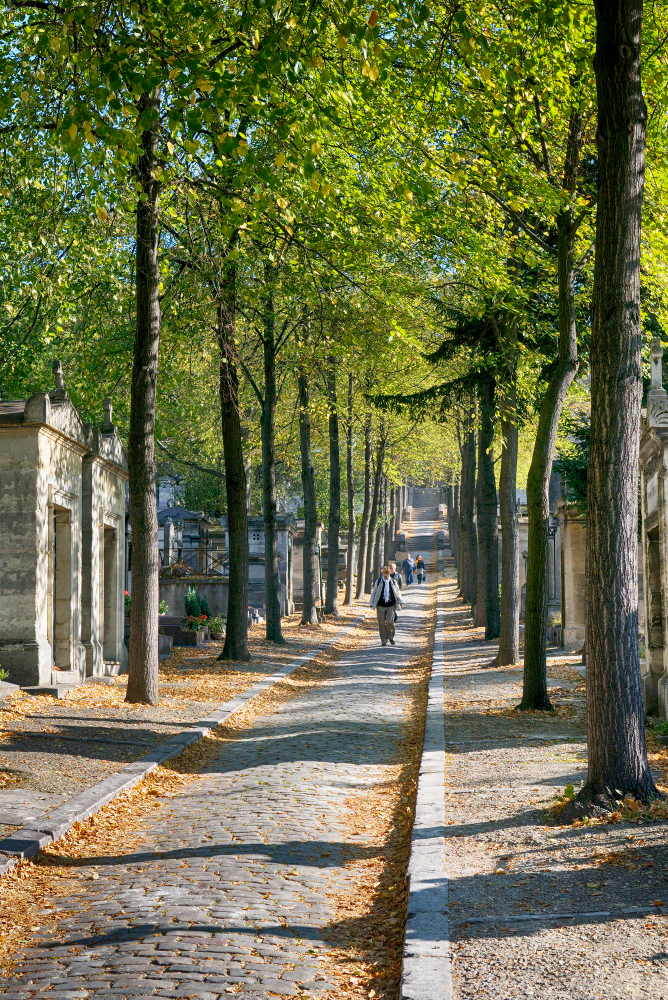
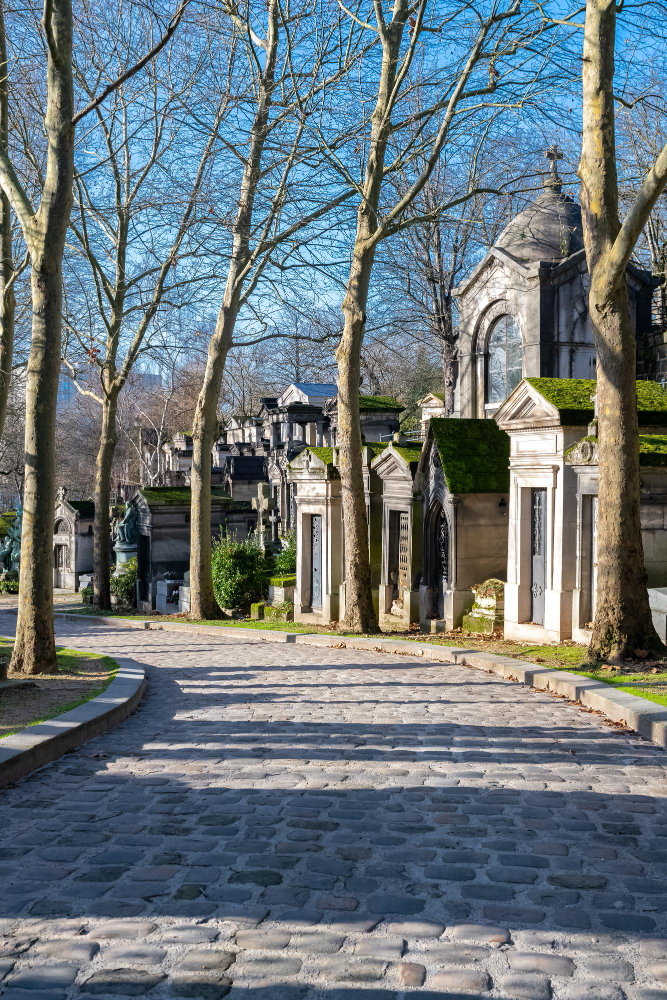
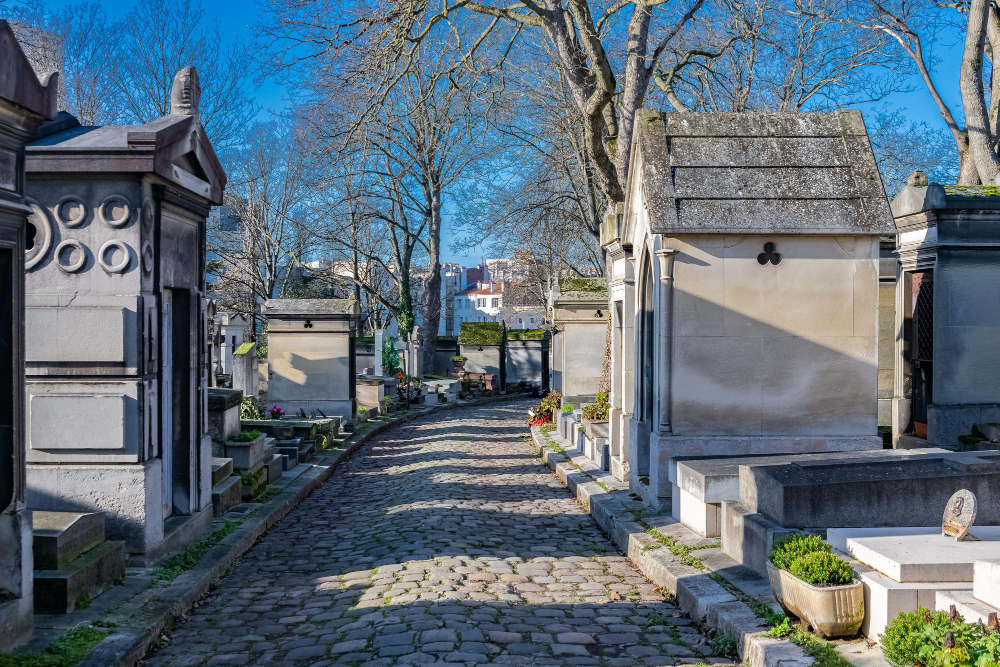
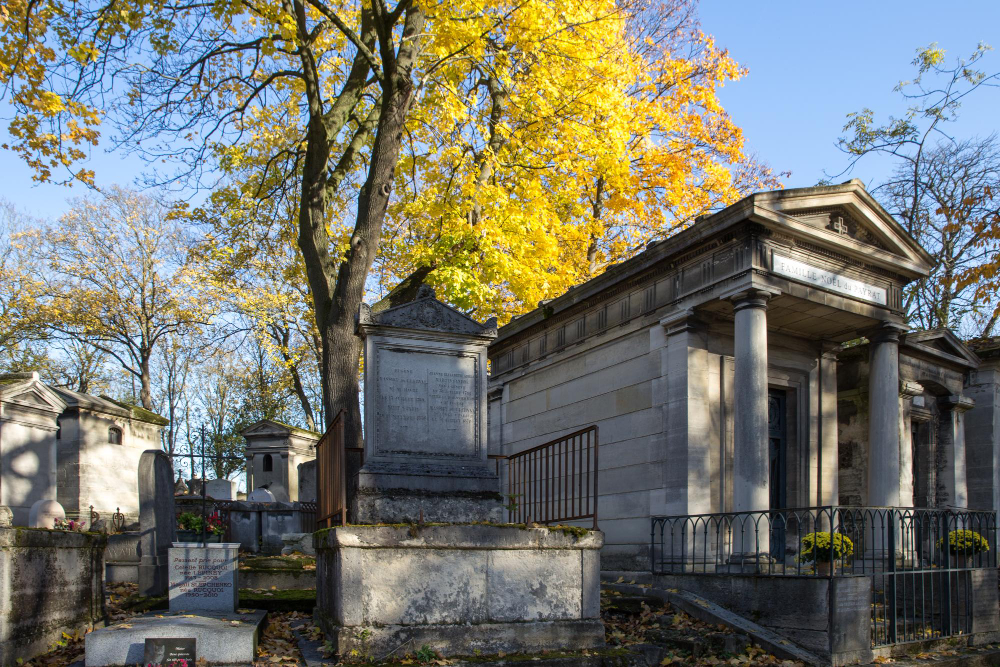
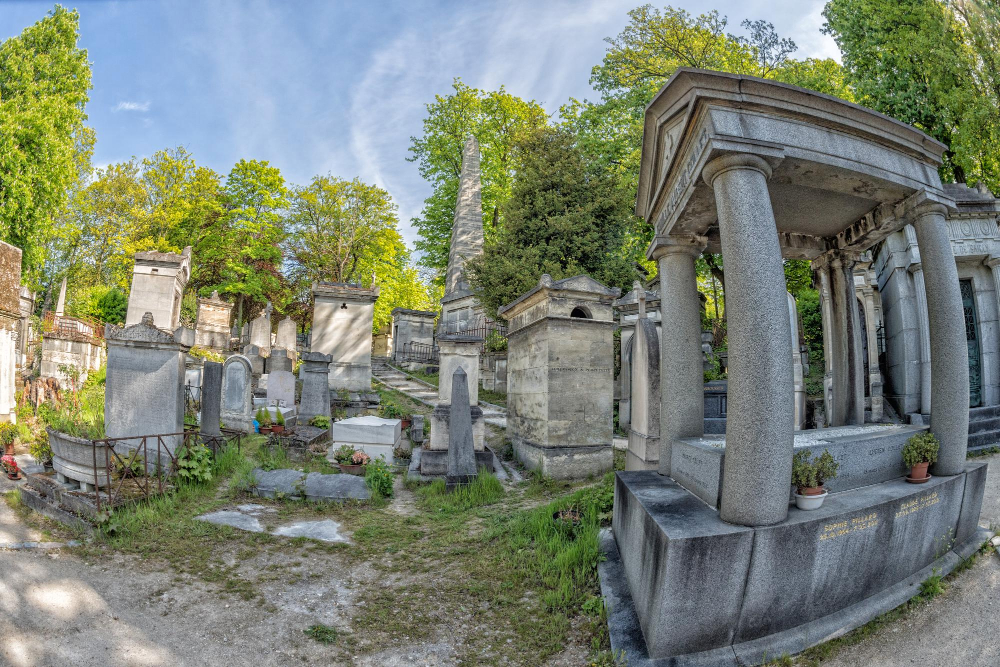
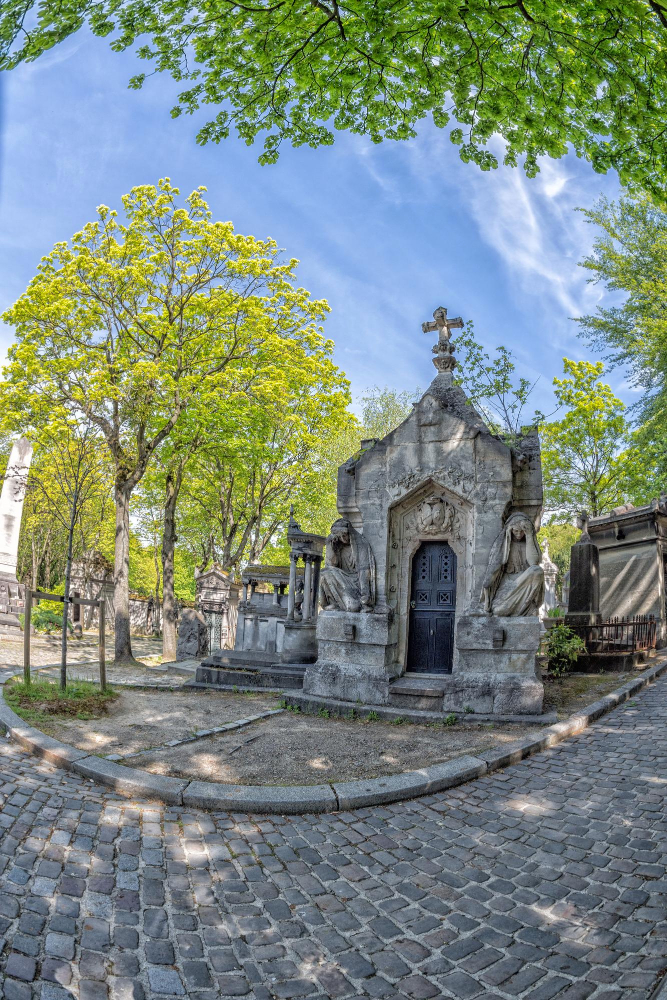
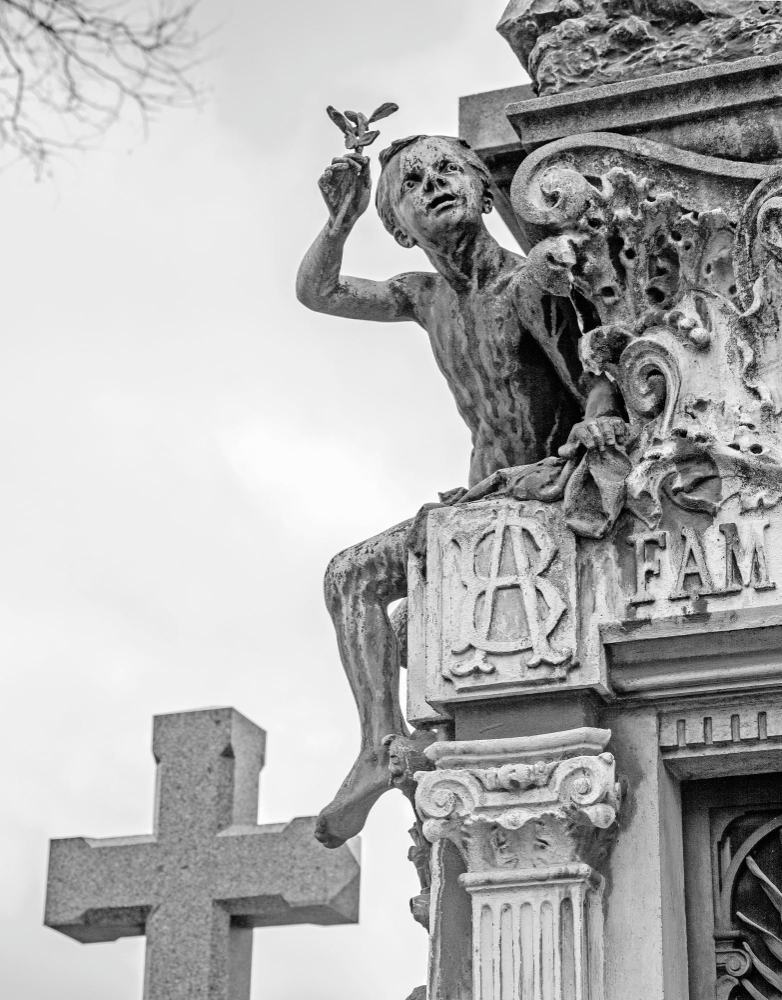
A Labyrinth of Grief and Secrets – The cemetery’s layout alone feels like an enchanted labyrinth. The winding paths, which sometimes end abruptly or disappear into dense vegetation, create an atmosphere that seems tailor-made for eerie tales. It is easy to imagine how a lone visitor, lost among the tall, weathered gravestones and the shadowy avenues, might suddenly feel a chill, as if not only the wind but something invisible were brushing against them. The architecture of many of the graves and mausoleums reinforces this somber mood. Some look like small stone houses with locked doors and shutters, behind which—who knows—perhaps more than just silent memories lie hidden. Ancient reliefs depict angels or weeping figures whose faces have been weathered by time and the elements, making them seem almost alive.
Ghost Stories and Supernatural Encounters – There are countless reports of people who claim to have experienced paranormal activity at Père Lachaise. Especially at night, the cemetery seems to leave a more intense impression. Some report hearing voices from the darkness, even though there is no one to be seen far and wide. Others feel as though they are being watched as they walk through the narrow paths, unable to pinpoint the source of this unsettling sensation. A particularly well-known legend tells of Eloise and Abélard, a famous medieval couple who found each other despite adverse circumstances. After their deaths, their remains were buried together, and their grave at Père-Lachaise Cemetery is considered a symbol of eternal love. Yet according to the stories, their bond was so strong that their spirits are occasionally seen in the cemetery. Visitors report seeing two shadowy figures holding hands and slowly disappearing between the graves—a sight that is both soothing and eerie. The grave of rock star Jim Morrison is also shrouded in myth. For years, fans and artists have made pilgrimages to his final resting place, yet some claim to have experienced strange things there. Voices murmuring song lyrics, or the feeling that the charismatic musician himself still watches over his grave, ensure that his resting place is repeatedly cited as the site of supernatural events.
The Energy of Death and Remembrance – Some experts on the paranormal believe that places like Père Lachaise possess a special energy. The cemetery was built on a hill that previously held religious significance. The sheer number of people buried there could also contribute to this “supernatural tension.” More than a million people rest in its shadows—their life stories, tragedies, and hopes have left traces that may not have completely faded yet. There is also a theory that the emotions of mourners and visitors help keep Père Lachaise a kind of resonance point for the supernatural. The constant stream of people seeking solace here, reviving old memories, or simply wanting to reverently experience the atmosphere of this place could lead to something “taking hold” that cannot be rationally explained.
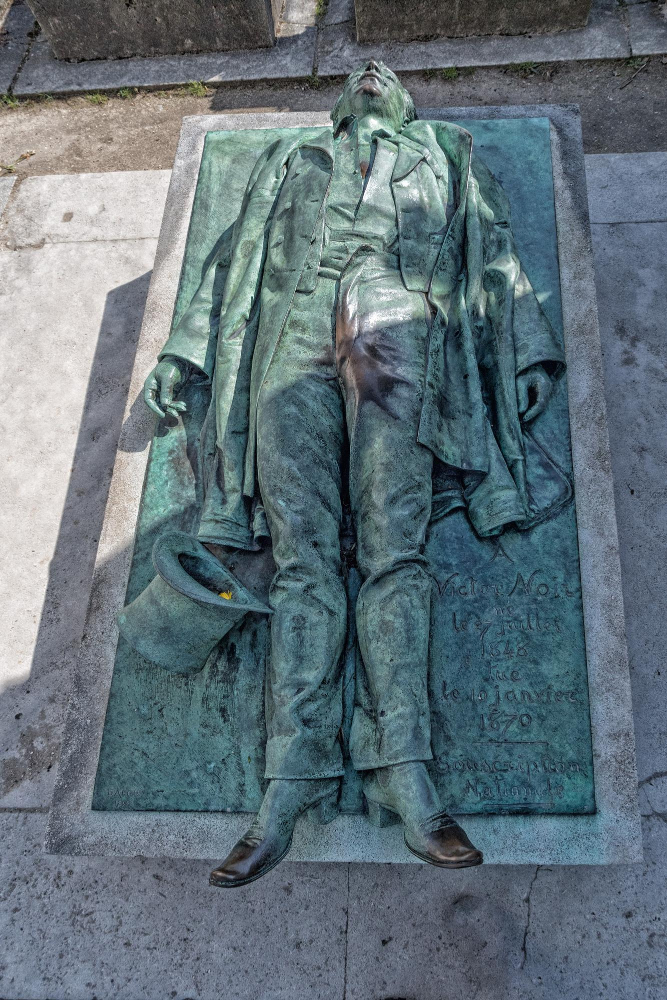
The Dark Side of Tourism – While the spooky stories attract many tourists, cemetery tourism also has a dark side. There are reports of disrespectful visitors who damage graves or take inappropriate photos. In particular, the resting places of famous figures are often the target of such questionable behavior. Sometimes one might think that this gives the “ghosts of Père Lachaise” cause to become aware of their presence and make themselves known—at least that is what those who have had eerie experiences believe.
The Magic of Darkness: A Personal Experience – Among the many stories, there are also personal accounts that reinforce Père Lachaise’s reputation as one of the creepiest places in the world. An author who visited the cemetery alone at dusk spoke of a truly electrifying feeling. She heard footsteps behind her that abruptly fell silent when she turned around. Her heart was racing, yet no one was there. “The silence was both oppressive and deafening,” she described. And then there were the shadows, shifting even though not a breath of wind blew through the avenues. It was as if the cemetery itself had come to life—or was filled with the presence of the dead.
A Place of Contrasts – Père Lachaise is undoubtedly a fascinating place that holds the stories and memories of many generations. While for some it represents a peaceful refuge that speaks of art and history, for others it is a setting of the uncanny—a border zone between this world and the next. Thus, this cemetery remains a mystery that holds a unique meaning for everyone. Whether viewed as a cultural site, the setting for horror stories, or a memorial to the transience of life—Père Lachaise inevitably captivates everyone who visits it. And perhaps it is precisely these contrasts that make it so unique: between light and shadow, history and myth, life and death.