 Isabella Mueller Baroness of Stainton le Vale
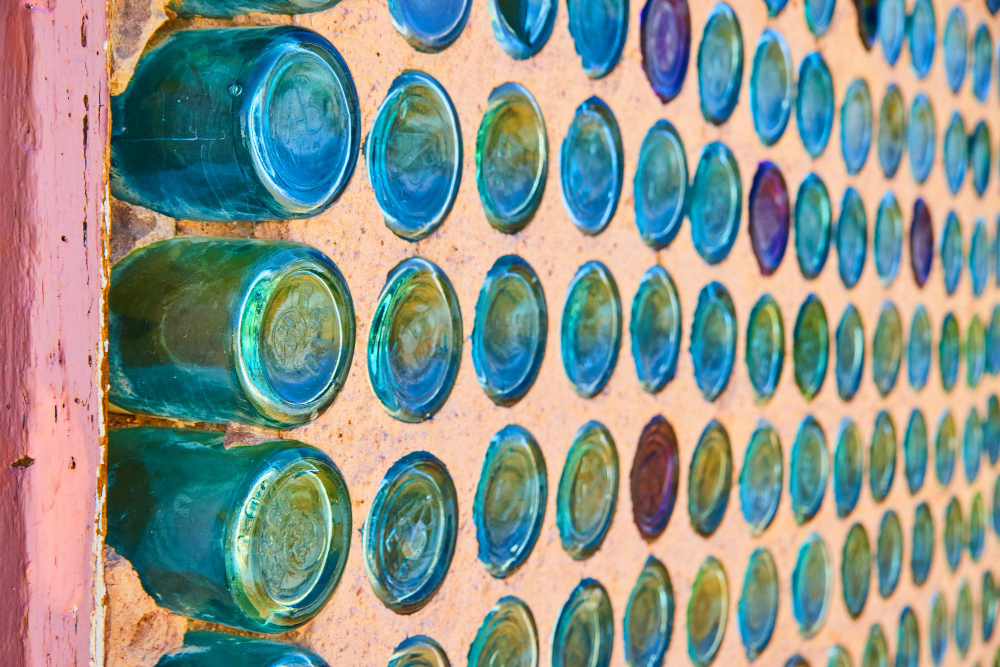
There are places in this world that exert an eerie pull—abandoned towns where life once flourished, yet today only silence reigns. One such place is Rhyolite, a ghost town in Nevada’s Mojave Desert that impresses not only with its history of rise and fall, but also with an eerie atmosphere that has given rise to legends of demonic beings and a menacing power. What if there is more behind the ruins than just the failures of people in the past? The following lines take you on a journey to one of the creepiest places in the western United States.
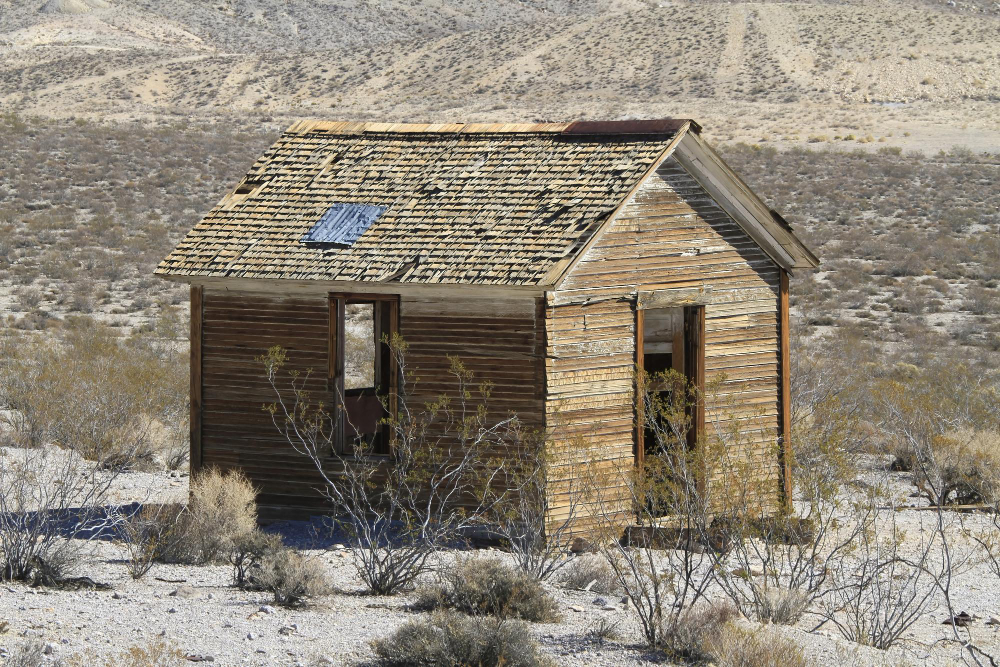
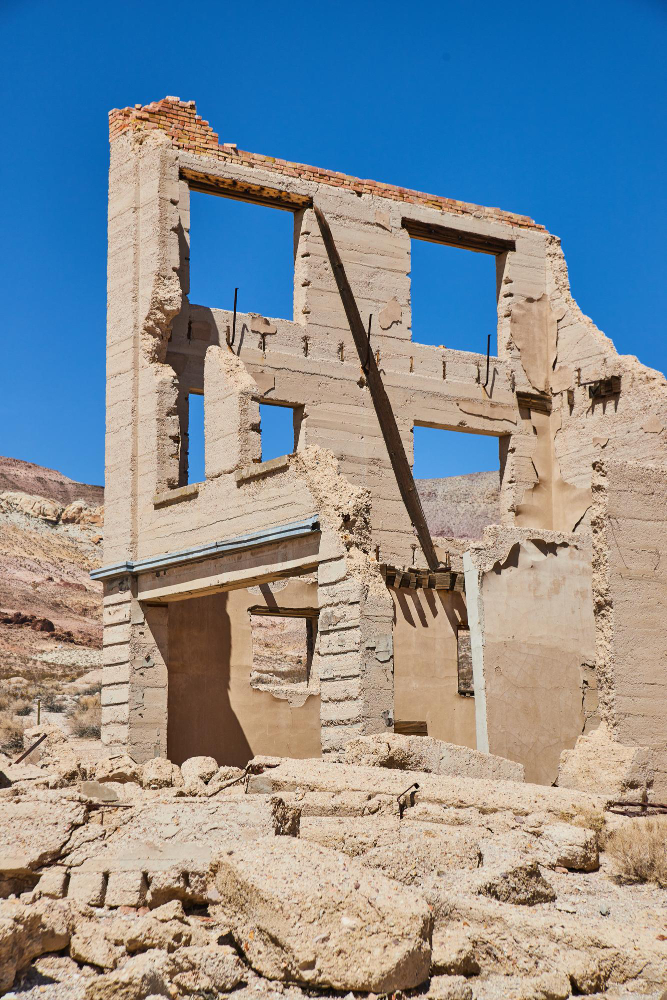
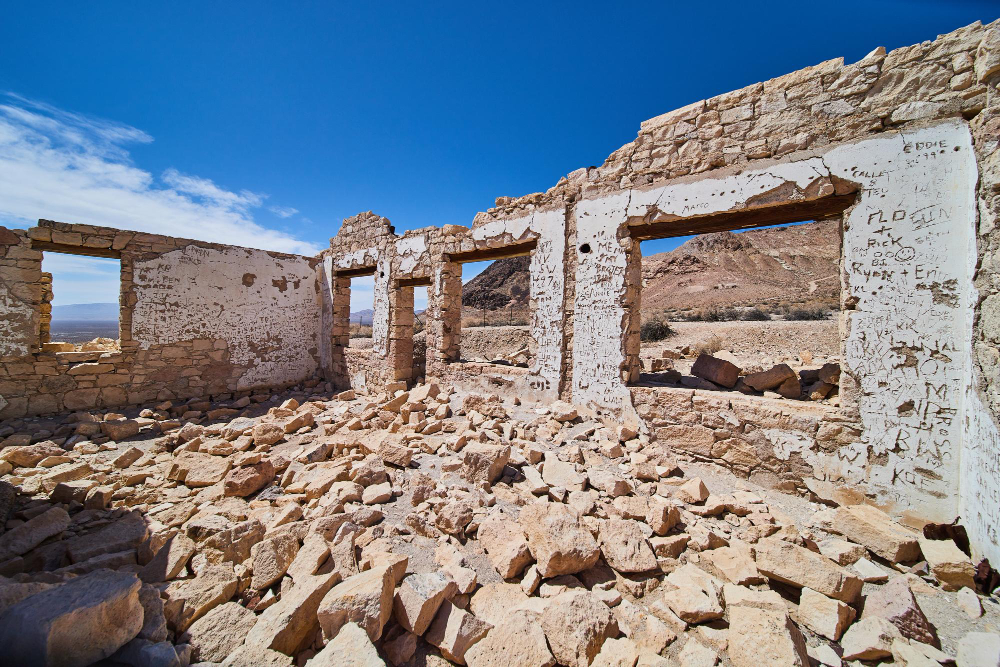
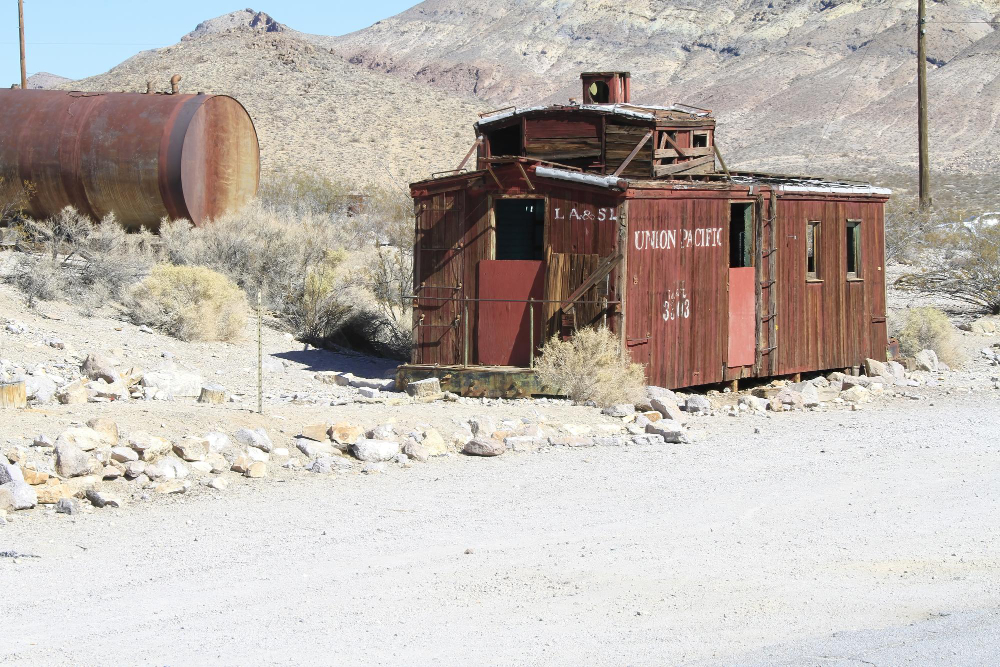
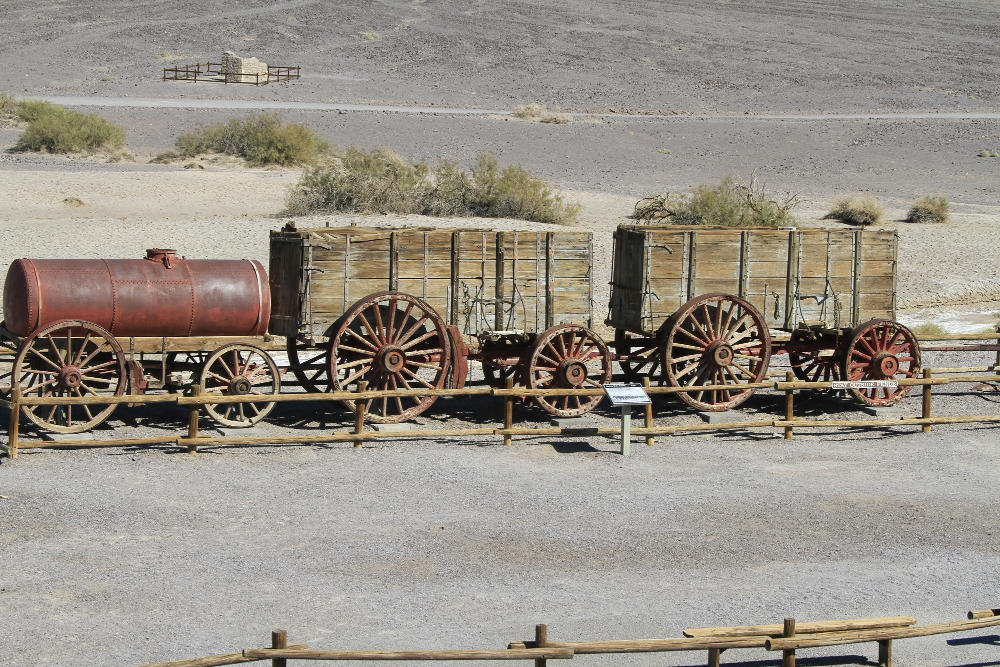
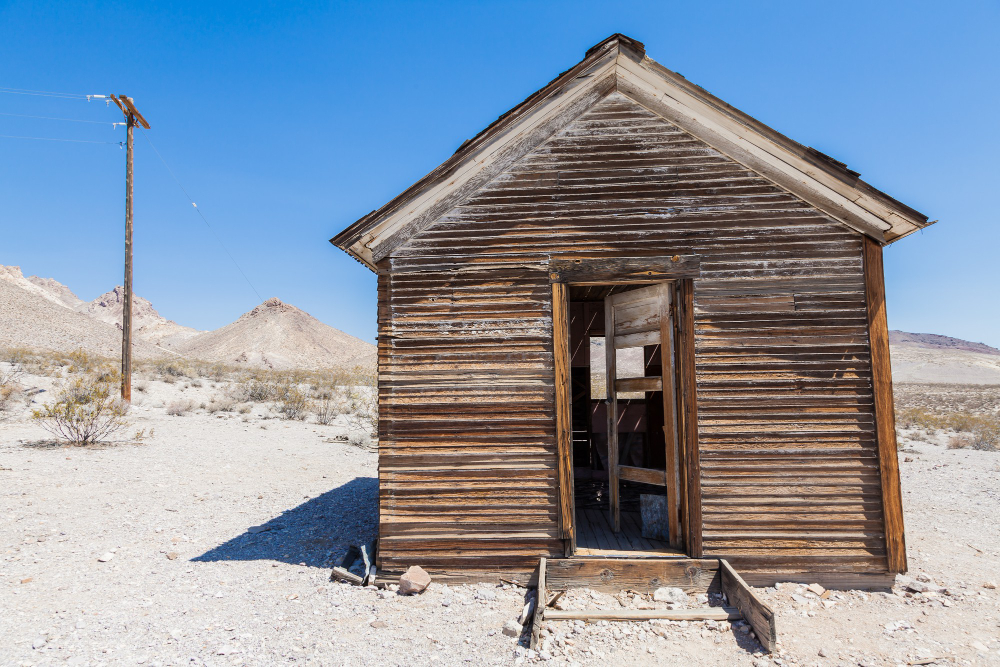
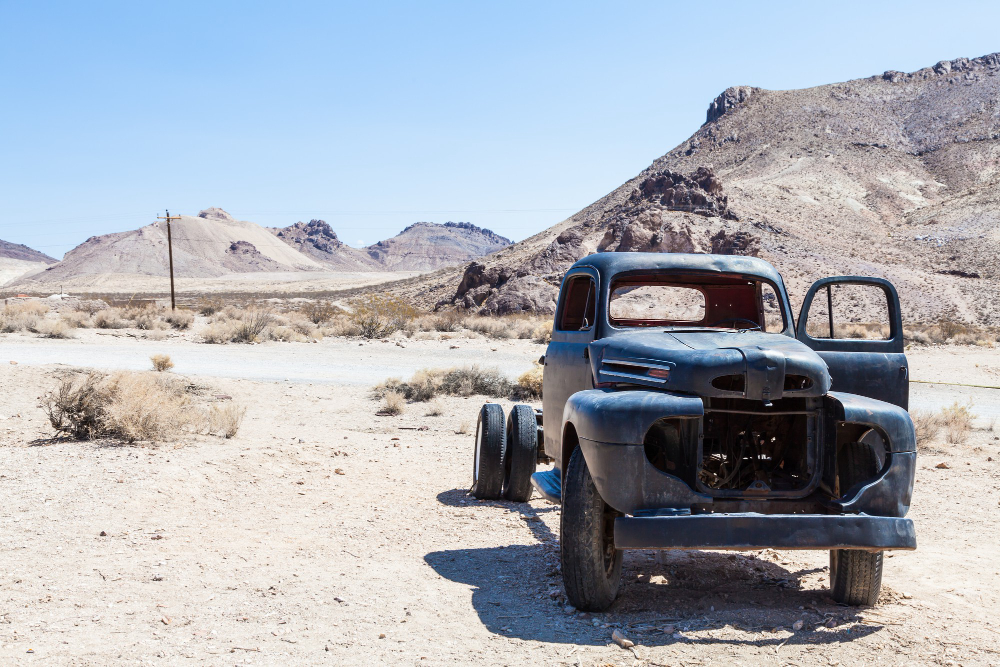
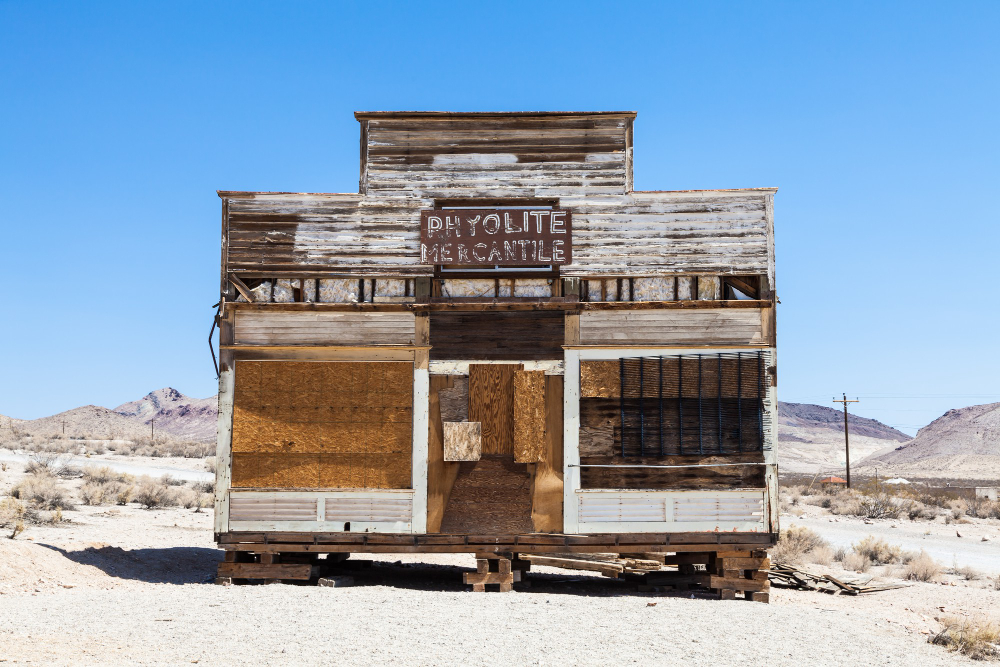
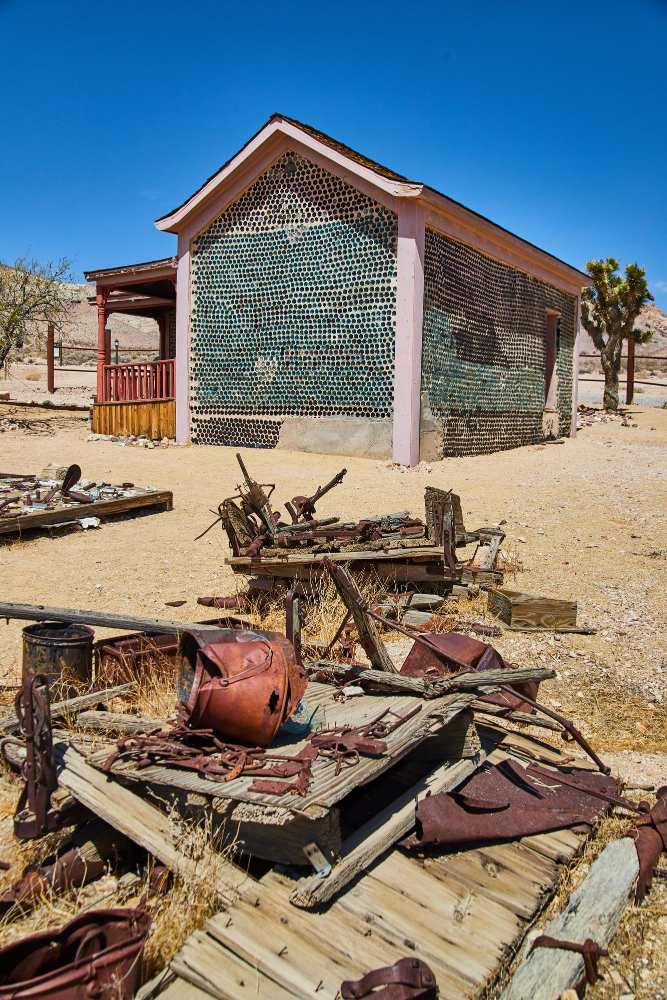
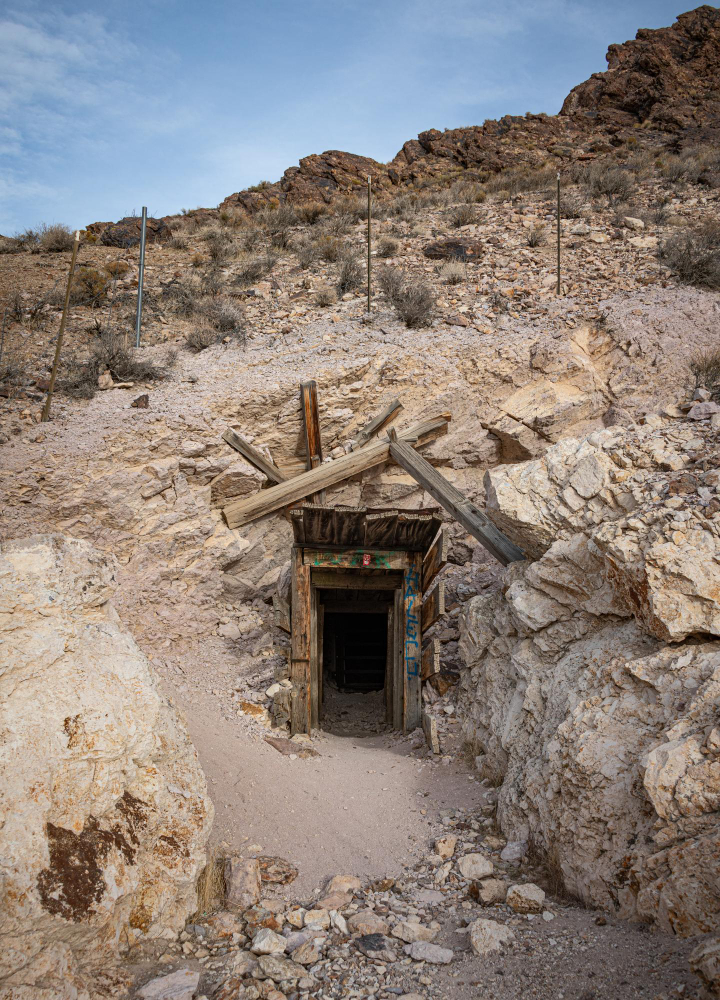
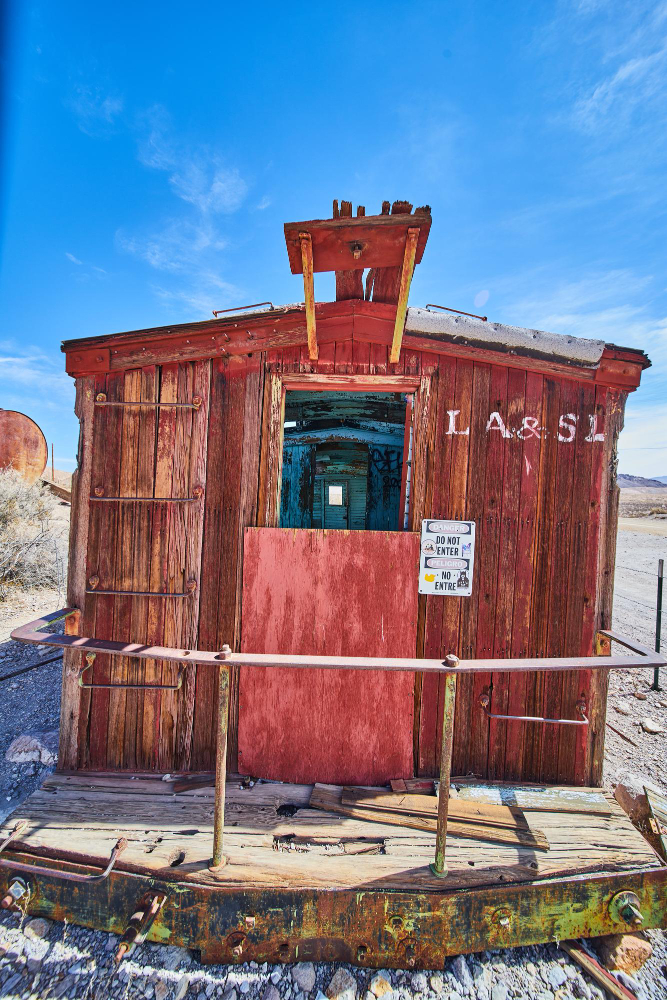
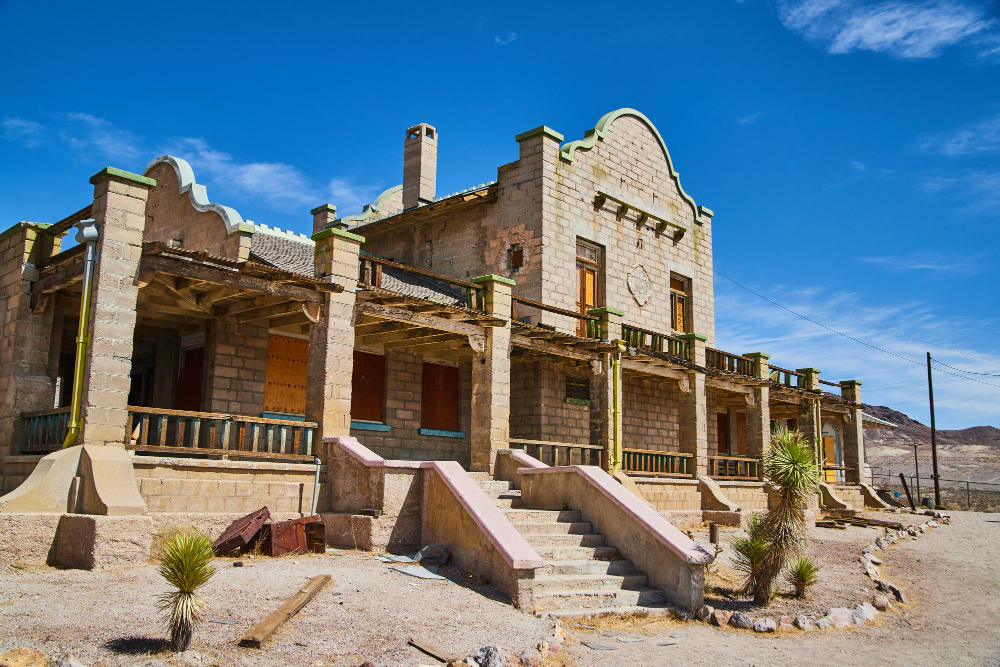
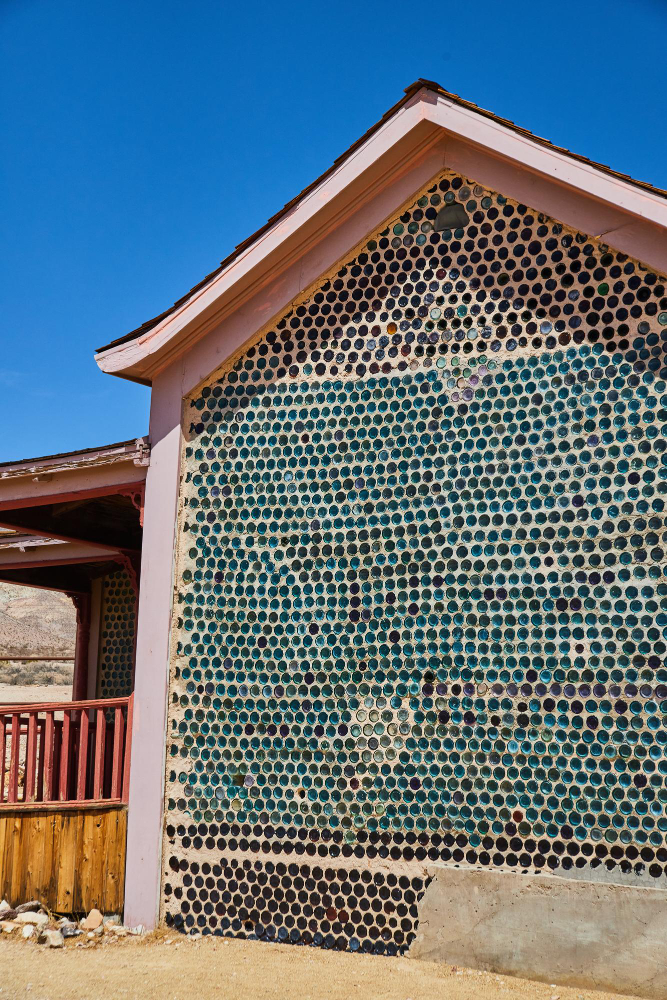
The Rise of Rhyolite – A Town on the Fast Track to Success – Rhyolite emerged in the early 20th century during the gold rush that drew thousands of fortune seekers and entrepreneurs to the inhospitable Nevada desert. The discovery of rich gold deposits in the surrounding mountains led to a thriving town being built from the ground up in a very short time. With its striking train station, a bank, several schools, and even an opera house, Rhyolite flourished until economic hopes were dashed and the town fell into ruin just as quickly. Today, only empty buildings remain here, abandoned and weathered by the wind—a place that seems to have outlived itself and is steeped in tales of creeping doom. But it is not just the ruins or the history of Rhyolite that send a chill down visitors’ spines. A dark myth surrounds this abandoned patch of earth, whose origin is as nebulous as its effect on the human psyche. It is said that when the barren land is bathed in silver light during a full moon, the boundary between our world and the dark realms becomes particularly thin. And it is precisely in these moments that they come—the demons said to haunt Rhyolite.
Demonic apparitions or pure fiction? The myth of Rhyolite – For decades, visitors have reported feeling an inexplicable sense of unease in the ghost town as darkness falls. Many swear they have seen bizarre shadows darting back and forth among the ruins, even though there is not a soul to be seen far and wide. Others tell of unbearable screams that seem to come from the depths of another dimension. According to legend, Rhyolite is haunted by an ancient demon who is said to have once been trapped underground and was freed by the construction of the town. Since then, he is said to feast on the souls of those who dare to set foot on its unholy ground. A particularly terrifying account dates back to the early 1970s, when a group of urban explorers decided to explore the dilapidated buildings at night. One of the men later reported, completely distraught, that a black, deformed figure with glowing eyes had pursued him through the streets. Although the group returned unharmed, all members of the expedition subsequently suffered from nightmares and psychological issues—a eerie coincidence?
Abandoned yet alive: The artworks of Rhyolite and their unsettling effect – While the town itself exudes a gloomy aura, the modern artworks placed around the ruins do little to soothe the soul. One of the most famous works is “The Last Supper,” a sculptural recreation of Leonardo da Vinci’s famous painting, but depicted with ghostly white and spectral figures. The fiberglass figures stand like silent sentinels in the middle of the desert, appearing surreal by day but extremely menacing by night. Their presence seems to amplify Rhyolite’s already gloomy atmosphere, leaving many visitors with the feeling that they are being watched—by the silver sentinels, or perhaps by something darker and invisible? Another work is “Ghost Rider,” a statue of a ghostly motorcyclist. It is said that people who touch this statue suddenly feel a strong sense of panic and anxiety—as if it were radiating an eerie energy.
Psychological Explanations vs. Paranormal Phenomena – Of course, there are also those who try to provide rational explanations for the eerie occurrences in Rhyolite. Experts on paranormal phenomena often attribute these perceptions to the remote location, the spooky appearance of the ghost town, and the creepy artwork that fuels the imagination. Skeptics also suspect that acoustic phenomena, such as the aforementioned screams, could be caused by the wind or animals in the area. The Mojave Desert itself, with its endless expanses and dangerous nature, contributes to people feeling lost here. Fear and loneliness can easily cause our senses to play tricks on us. Yet even the most scientific explanations must admit that Rhyolite is a unique place that offers more questions than answers.
The Demon Within Ourselves – Whether a demon truly lurks in the depths of Rhyolite or whether the ghost town merely serves as a canvas for our deepest fears remains an open question. What is certain, however, is that the place exerts a powerful emotional and psychological effect on everyone who visits it. Perhaps the true power of this place lies in the fact that it forces us to confront our inner demons—those fears we normally suppress successfully, but which come to light in Rhyolite. The fascinating yet terrifying nature of places like Rhyolite reminds us that evil is not always tied to physical beings or events. Rather, it often lurks right inside our minds, ready to strike as soon as our surroundings provide it with enough room to do so. Perhaps the demon of Rhyolite is nothing more than the manifestation of the terror we bring with us.
Rhyolite may be a ghost town today, but its spirit lives on—whether in the form of eerie myths, unexplained sightings, or the architectural remnants that serve as silent witnesses to a bygone era. While skeptics dismiss the stories as the product of overactive imaginations, the experiences of many visitors persist, ensuring that Rhyolite remains one of the most mysterious and eerie places in the world. Should you ever muster the courage to visit this ghost town yourself, be warned: the demons of Rhyolite—whether real or imagined—might be closer than you think.