 Isabella Mueller Baroness of Stainton le Vale
In the tranquil lagoons of Venice lies an island best avoided. Poveglia, also known as the “Island of Terror,” has accumulated countless grim tales and dark secrets over the centuries. Today it stands abandoned and slowly decaying, yet its eerie aura remains ever-present. Its history is marked by tragedy, suffering, and the echoes of evil souls.
The origins of this place of fear and terror date back to the year 421, when the first inhabitants fled from the barbarians and settled on the island. During the plague outbreaks of the Middle Ages, however, Poveglia became a place of profound misery and death. Entire caravans of plague victims were brought here to die in isolation, thereby curbing the spread of the disease. It is reported that over 160,000 people met their end on the island and their bodies were buried in mass graves.
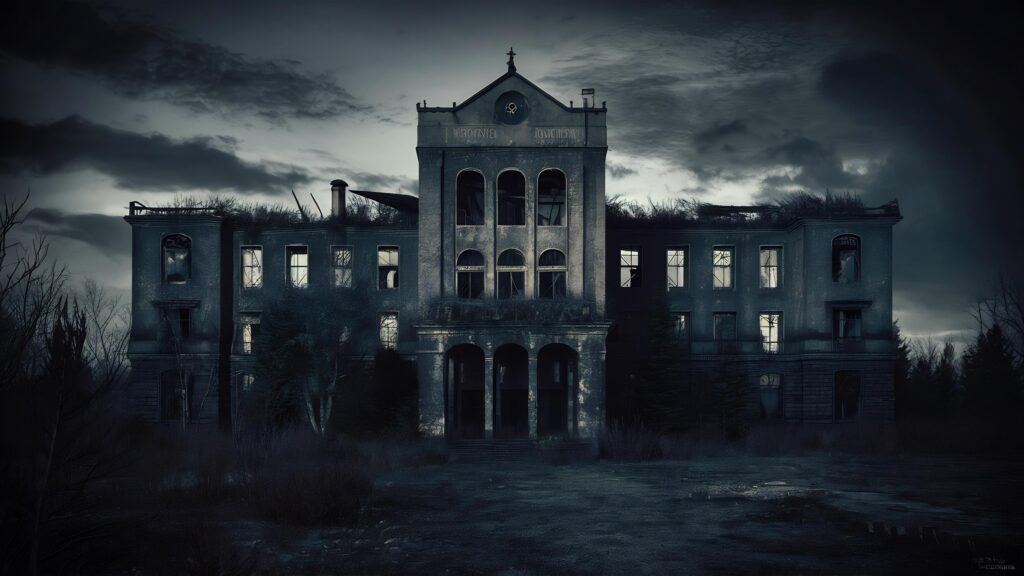
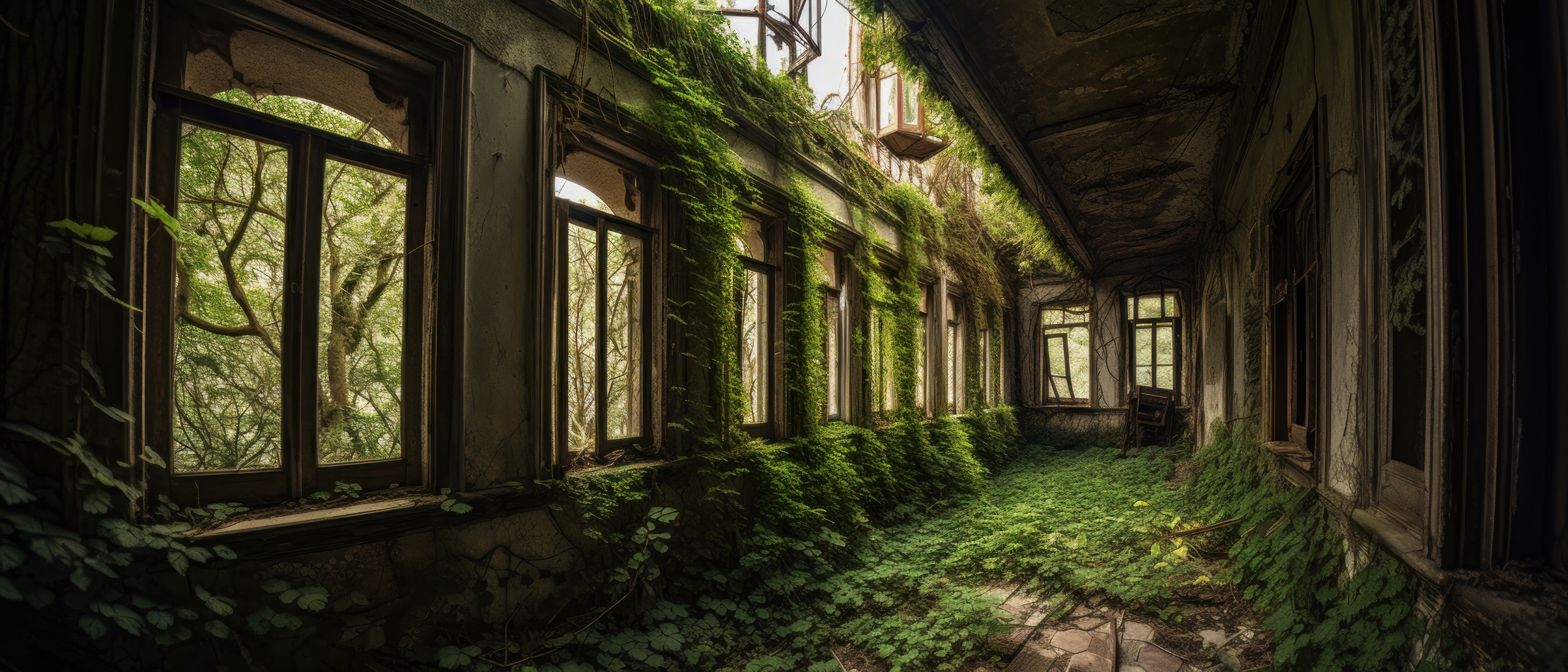
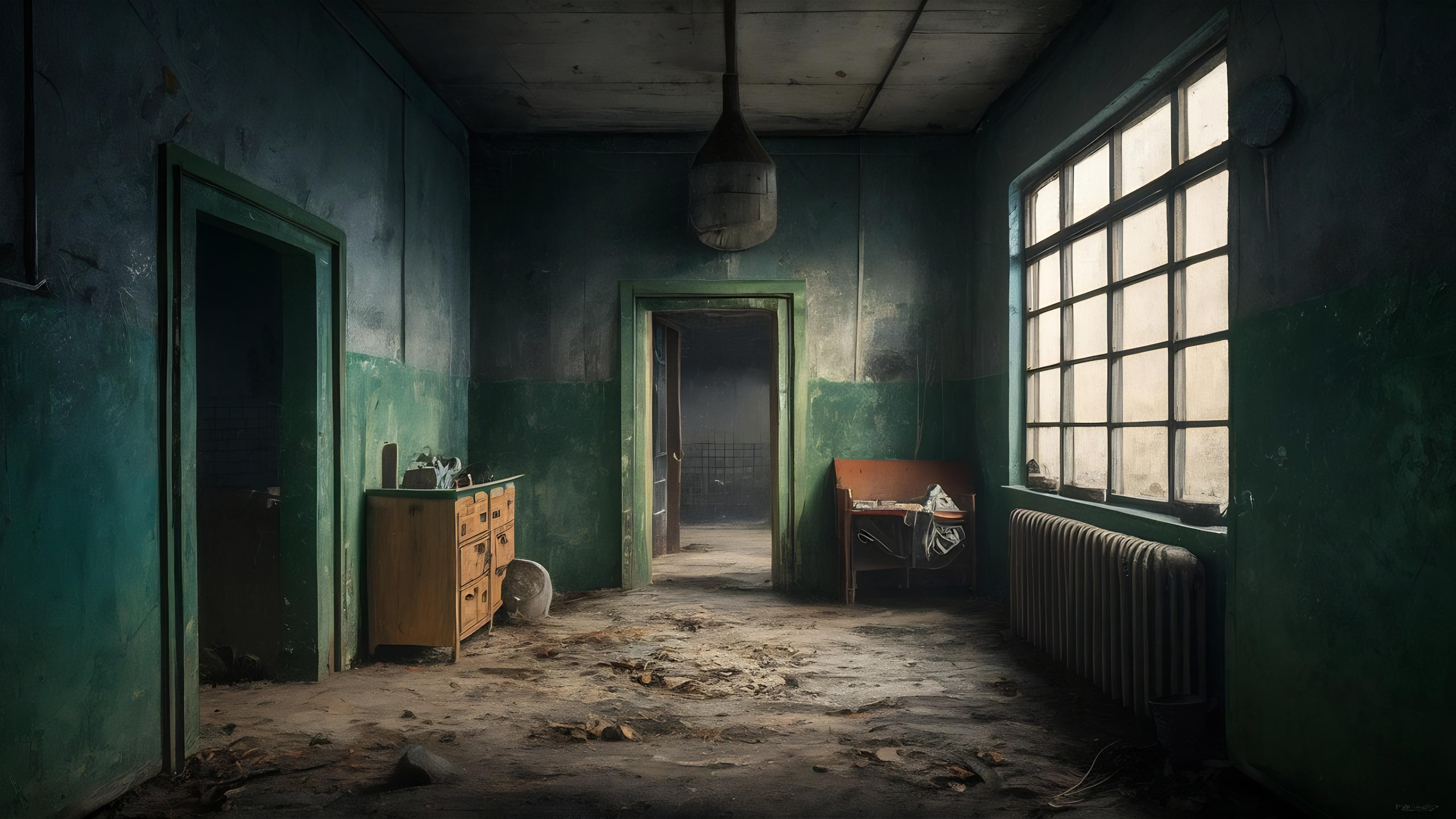
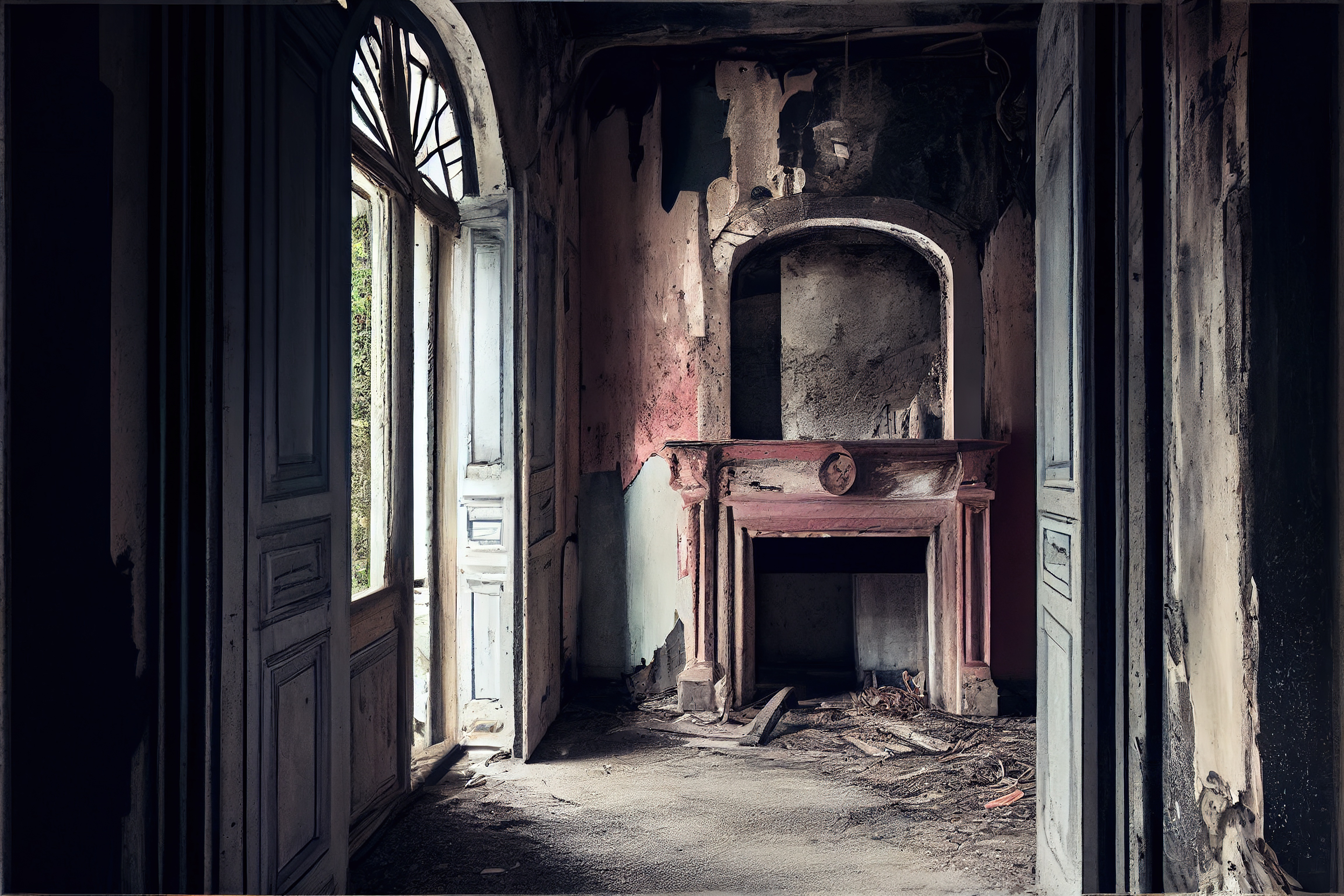
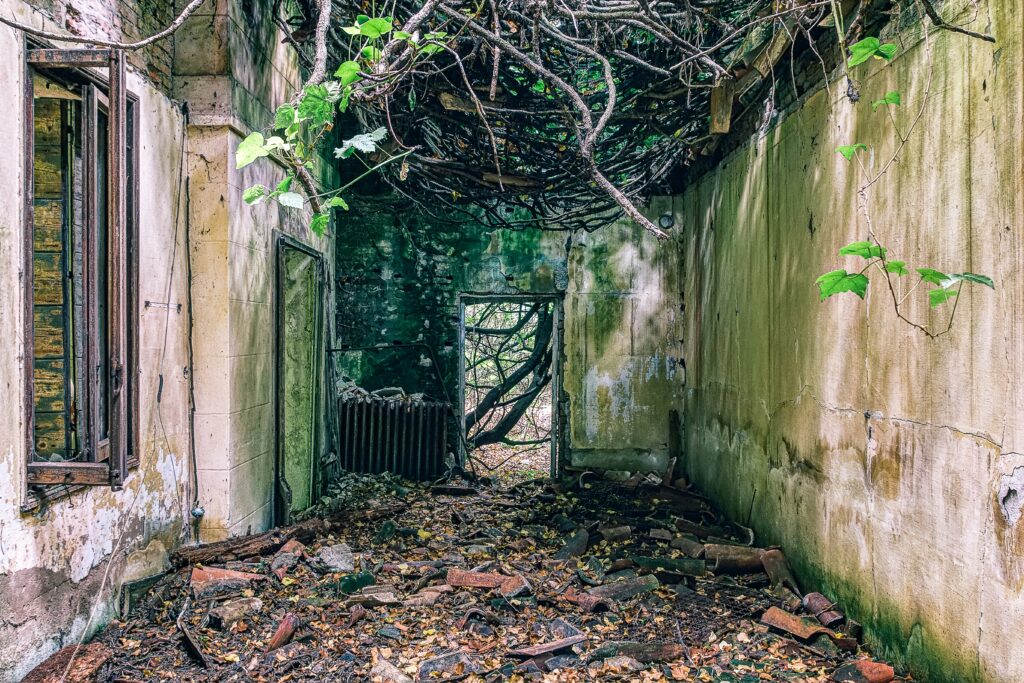
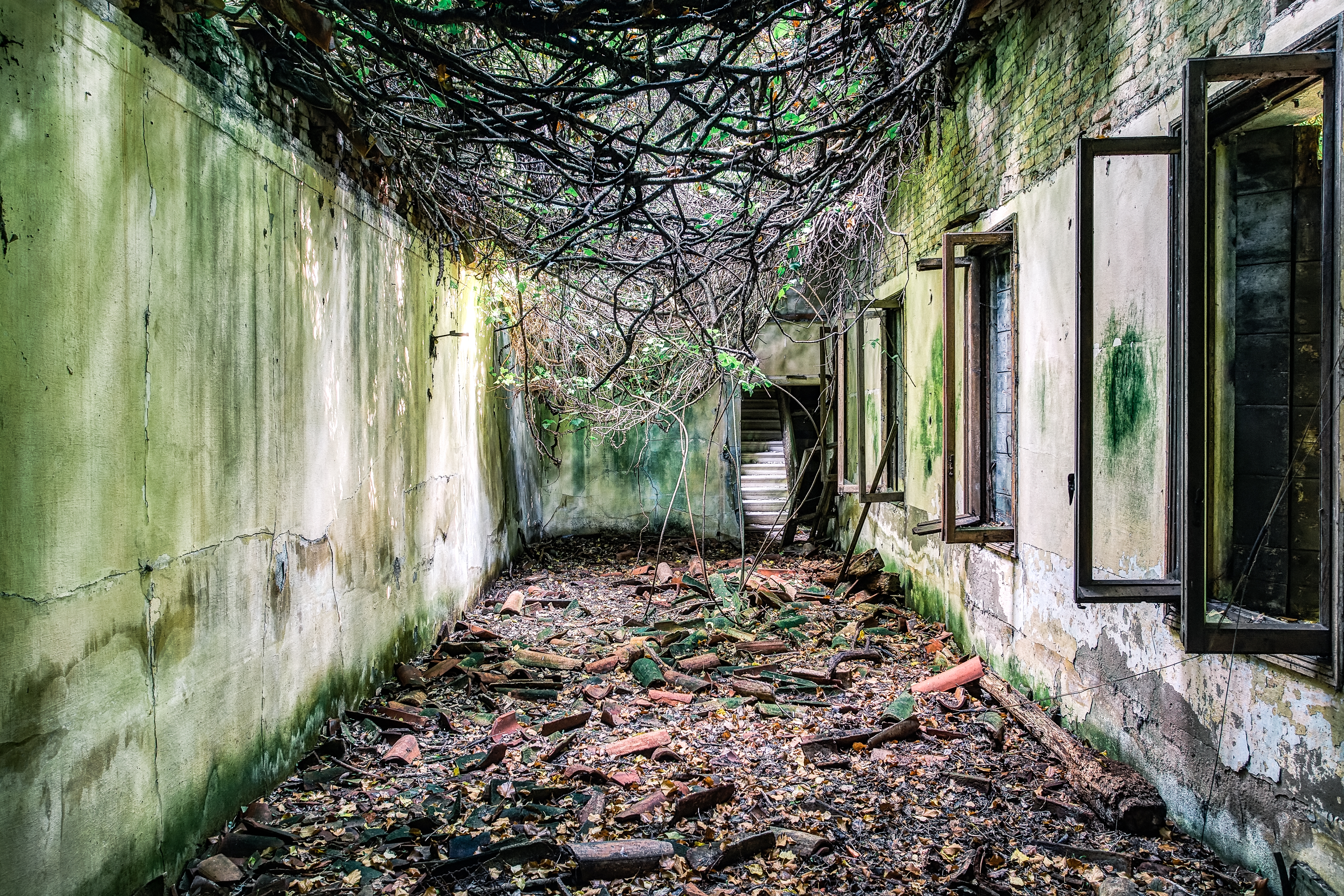
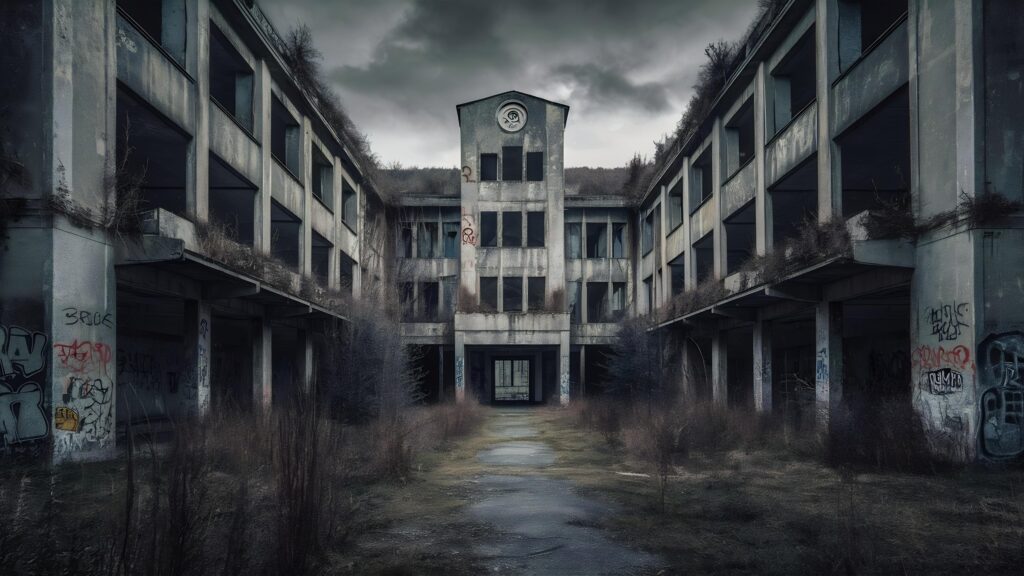
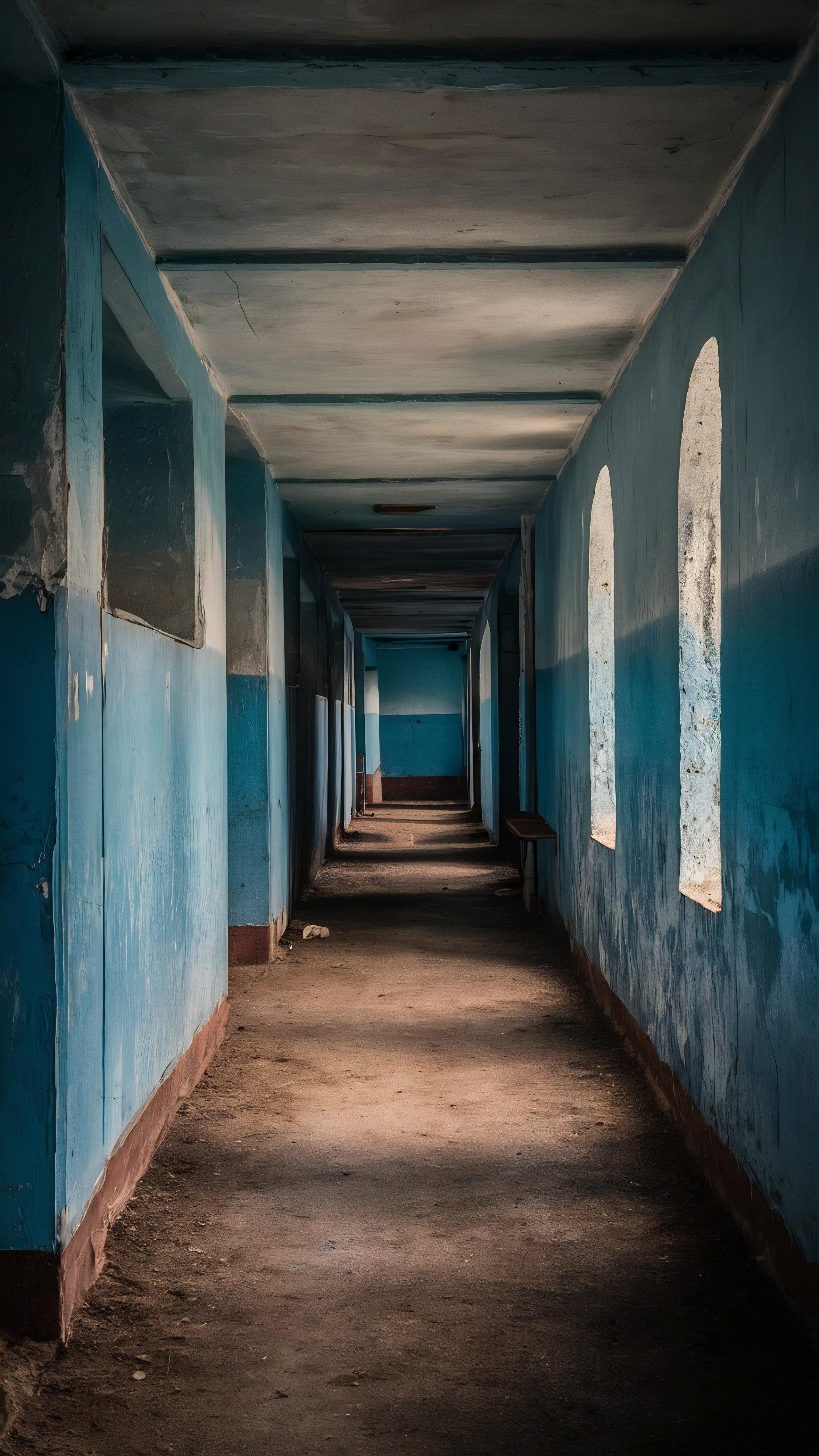
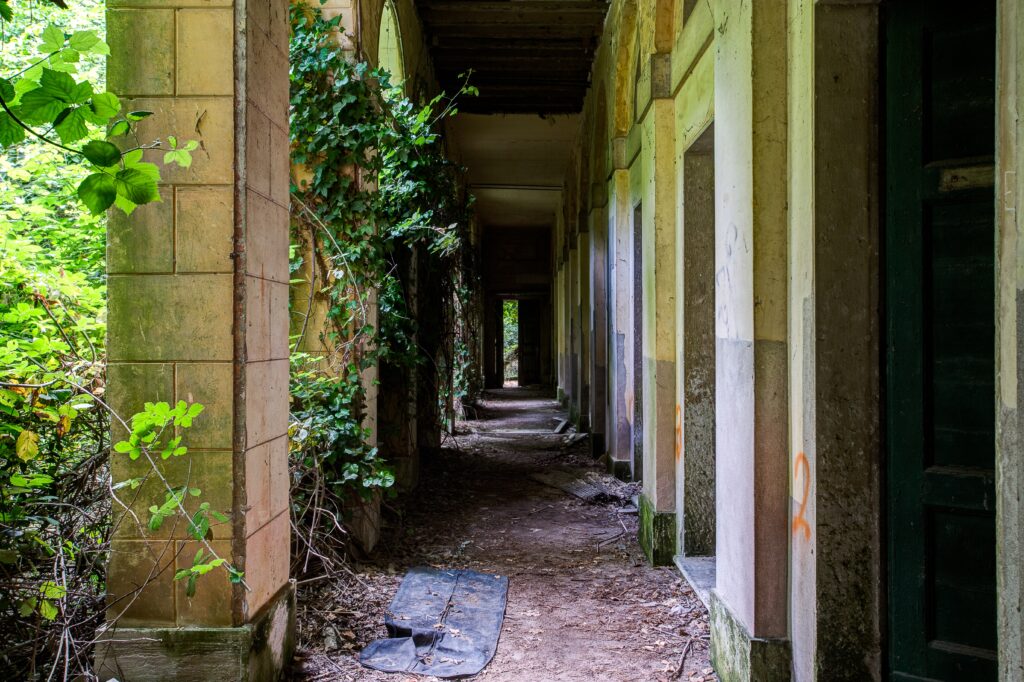
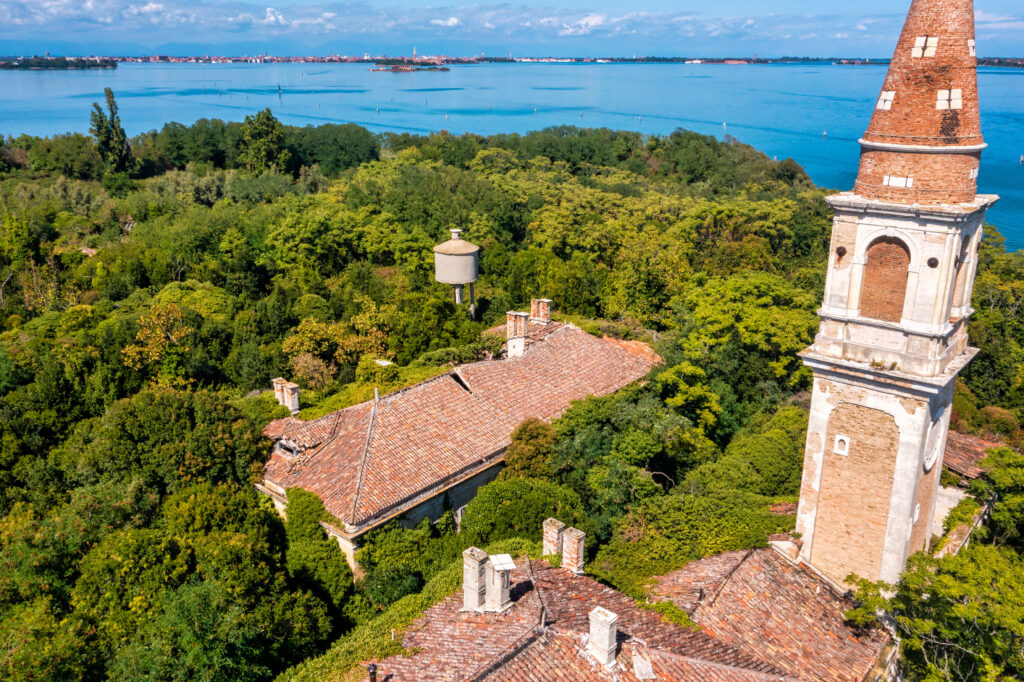
This grim chapter in the island’s history is said to have laid the foundation for the countless eerie legends that surround Poveglia. A chill runs down your spine the moment you set foot on the island. The dilapidated buildings, the walls overgrown with ivy and moss, and the omnipresent silence lend the place an almost undead atmosphere. The wind howling through the ruins seems to carry the desperate voices of lost souls.
Of particular interest is the former sanatorium, built at the beginning of the 20th century, which would soon turn into a nightmare for its inmates. Patients reported cruel experiments conducted by the chief physician, whose name has been erased from the records. Rumor has it that he was obsessed with the abhorrent idea of dissecting the human soul. His victims suffered inhuman torment as they were cut open while fully conscious—all in the name of science.
The fate of this doctor, however, was just as cruel as the suffering of his patients. One night, he is said to have lost his mind and thrown himself from the sanatorium’s bell tower. Yet his death did not end the horror. According to eyewitnesses, his scream as he fell could be heard across the entire island, and on windless nights, it can still be heard today.
Another eerie detail is the bell, which is said to ring repeatedly even though it was removed long ago. Some locals report hearing the melancholic toll of the ghost bell wafting across the water on quiet nights. It is a sign that the island’s lost souls have never found peace.
In addition to the many human remains and ghosts said to haunt the island, there are reports of a being that exists far beyond our imagination: the Devil himself. Historical sources and modern legends suggest that the many deaths and immense suffering may have created the perfect breeding ground for such a malevolent presence. Some claim to have seen the Devil wandering in the shadows, an eerie veil floating through the ruins and leaving behind a chill that freezes even the hardest of souls.
Although Italian authorities have officially banned access to the island, its allure for paranormal investigators and daring adventurers remains undiminished.
Documentaries and reality shows have already attempted to unravel the island’s mysteries, often with terrifying results. Entire film crews report unexplained phenomena, sudden technical failures, and an unbearable sense of fear that took their breath away.
Yet the bravest—and at the same time the most foolish—explorers are those who venture onto the cursed island at night. Equipped with flashlights and camera gear, they attempt to uncover the truth behind the centuries-old stories. Most return changed, some with a vacant stare and a broken spirit, unable to put their experiences into words.
The question arises: Will we ever succeed in unraveling the true nature of Poveglia? Is this island merely a sad place, scarred by unimaginable tragedies, or does it actually harbor something evil that defies the limits of human understanding? Perhaps it is better for these mysteries to remain unsolved than for someone to open the gates of hell.
For most, Poveglia remains a memorial to human cruelty and superstition. The remaining ruins and the still waters that surround them are a reminder of dark times and serve as a warning that there are places where evil truly dwells. The next time someone looks out over Venice’s Grand Canal and sees the island’s silhouette, they will involuntarily feel a chill—the knowledge that some places are better left untouched forever.