 Isabella Mueller Baroness of Stainton le Vale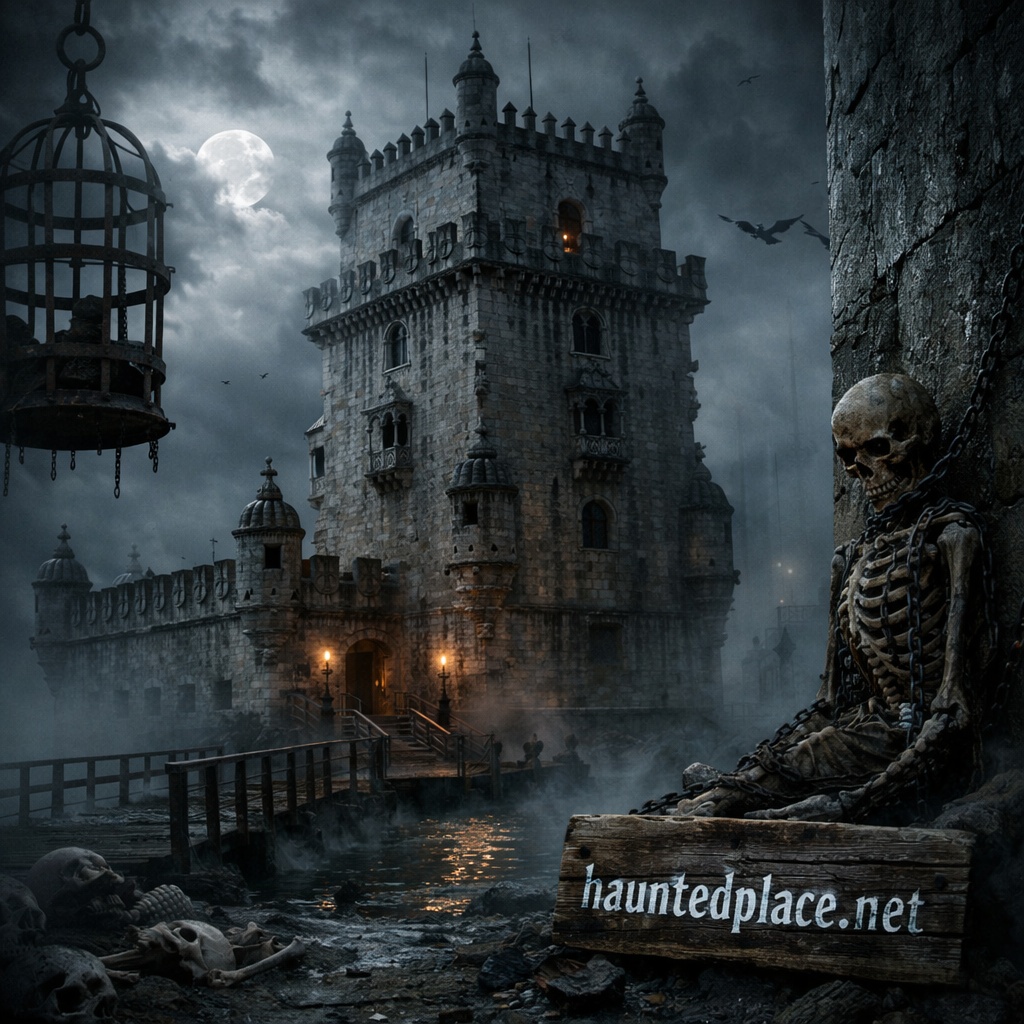
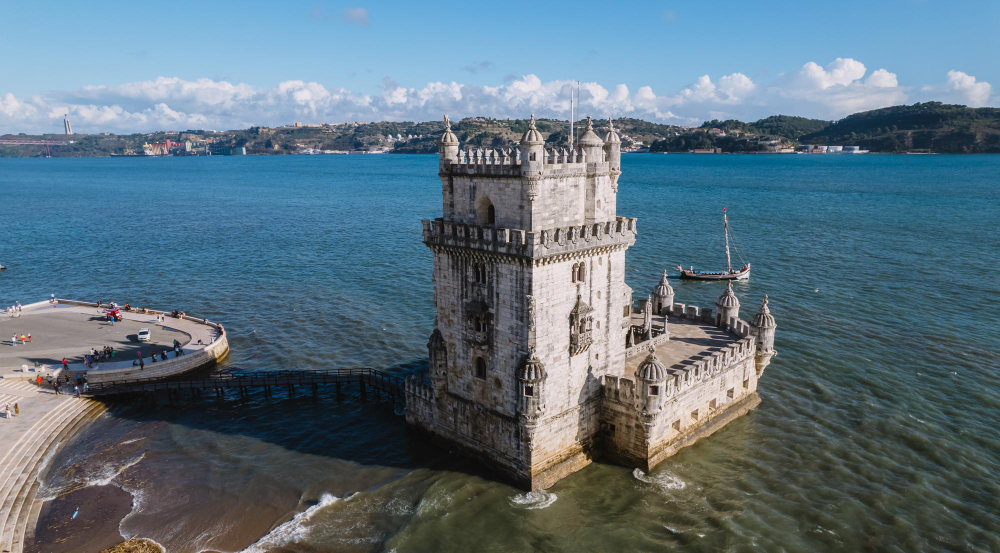
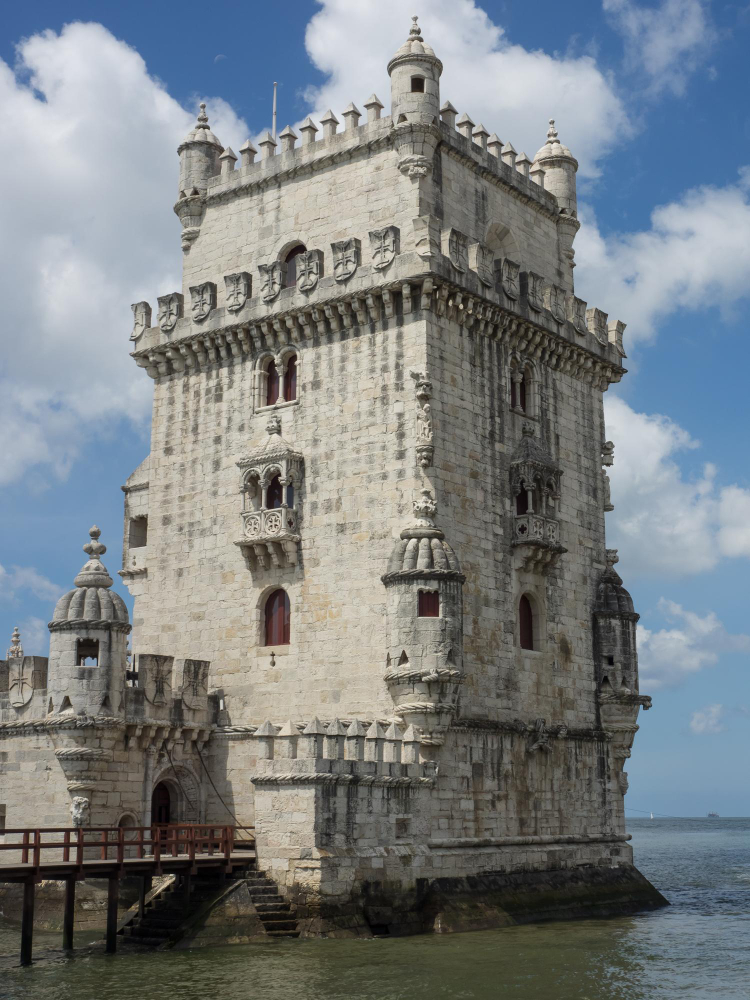
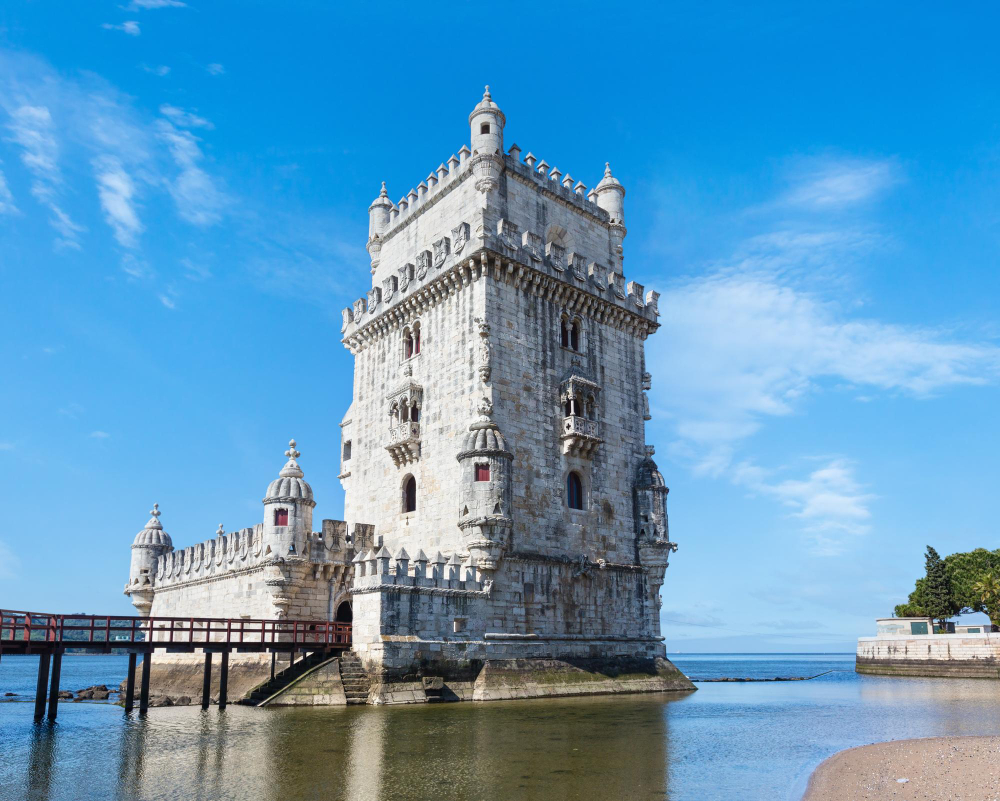
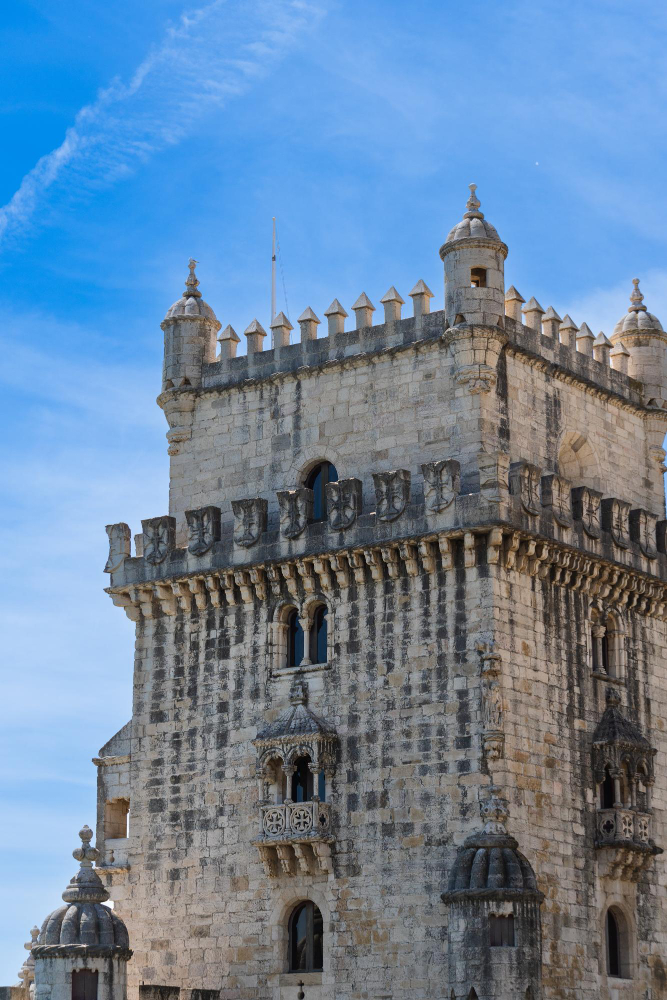
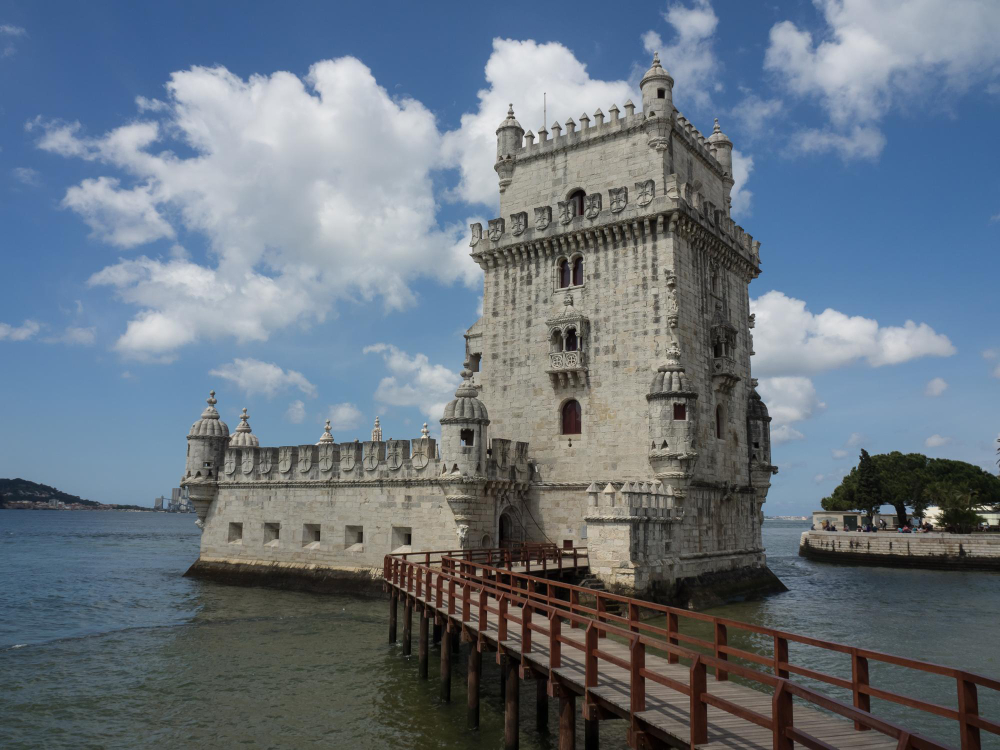
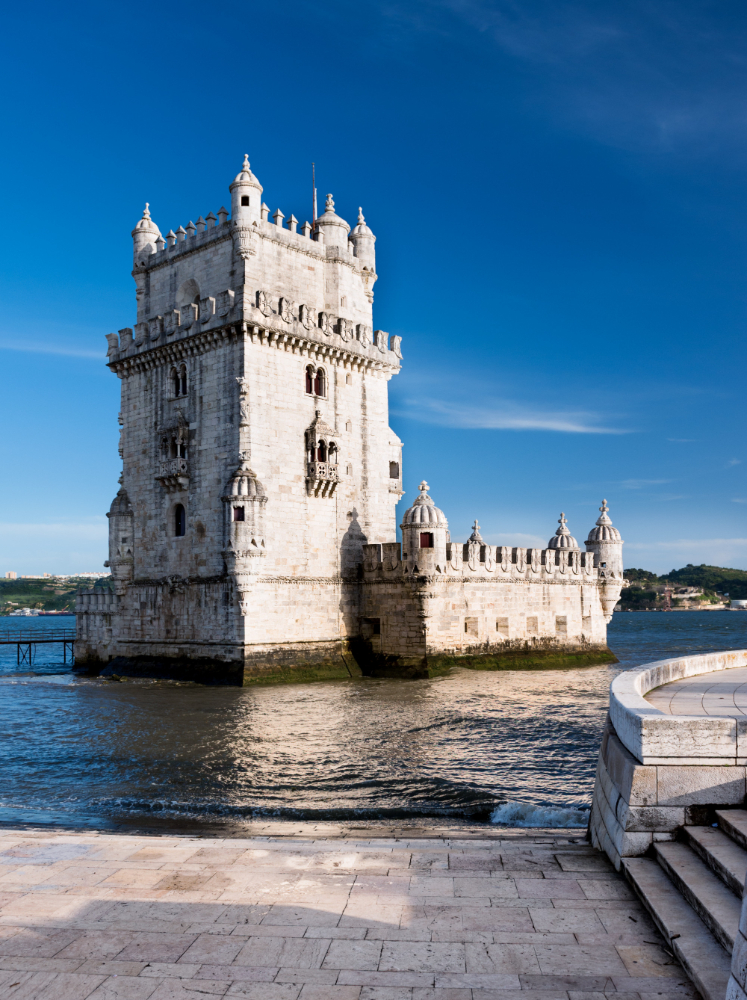
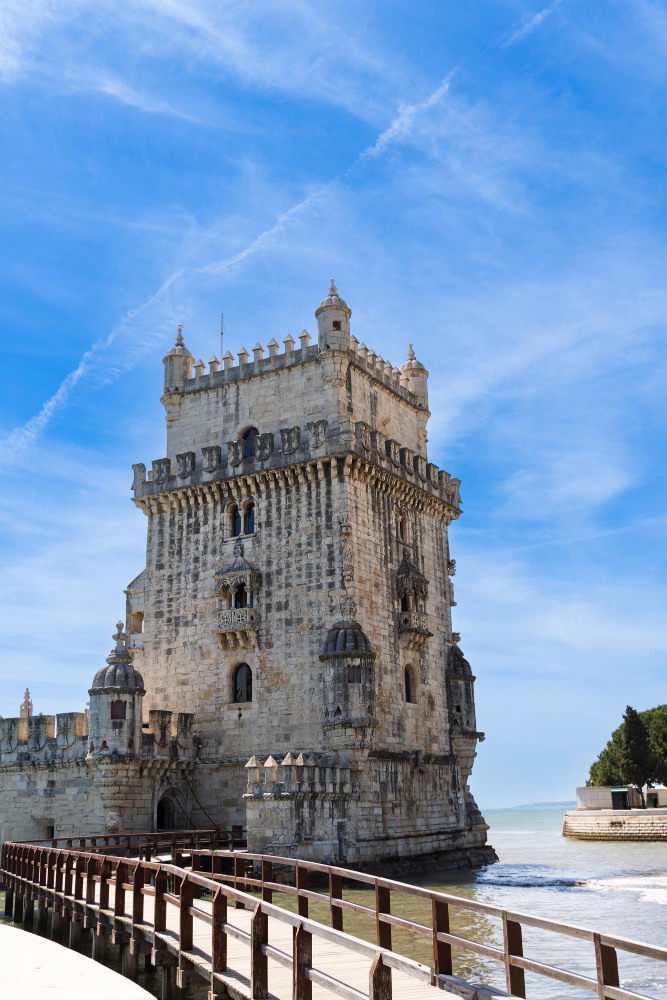
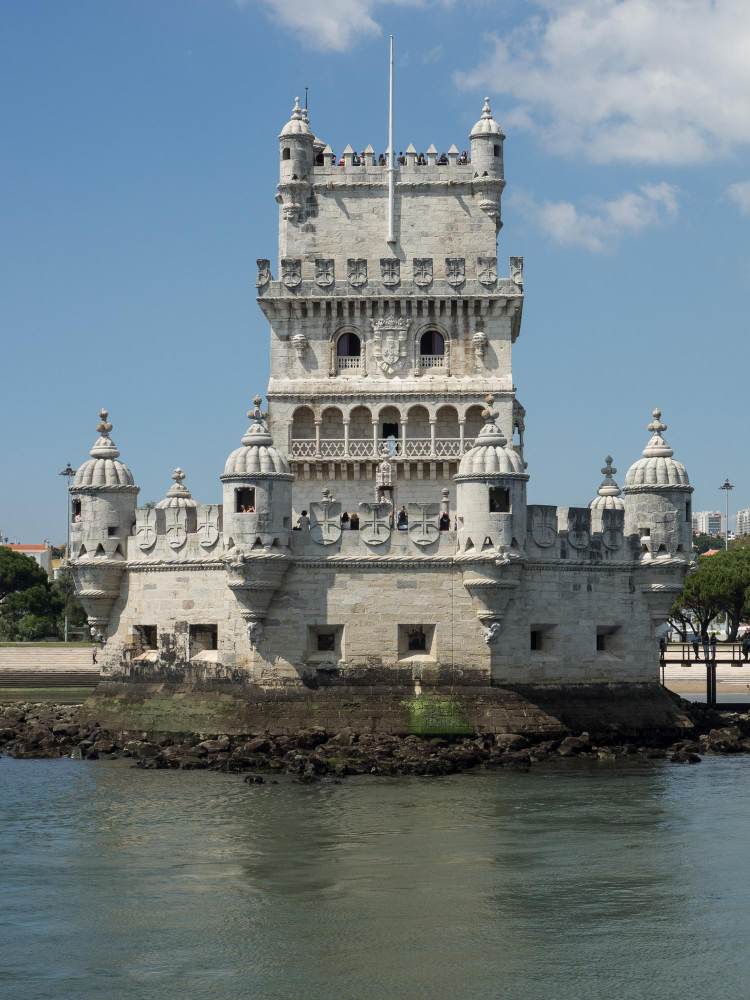
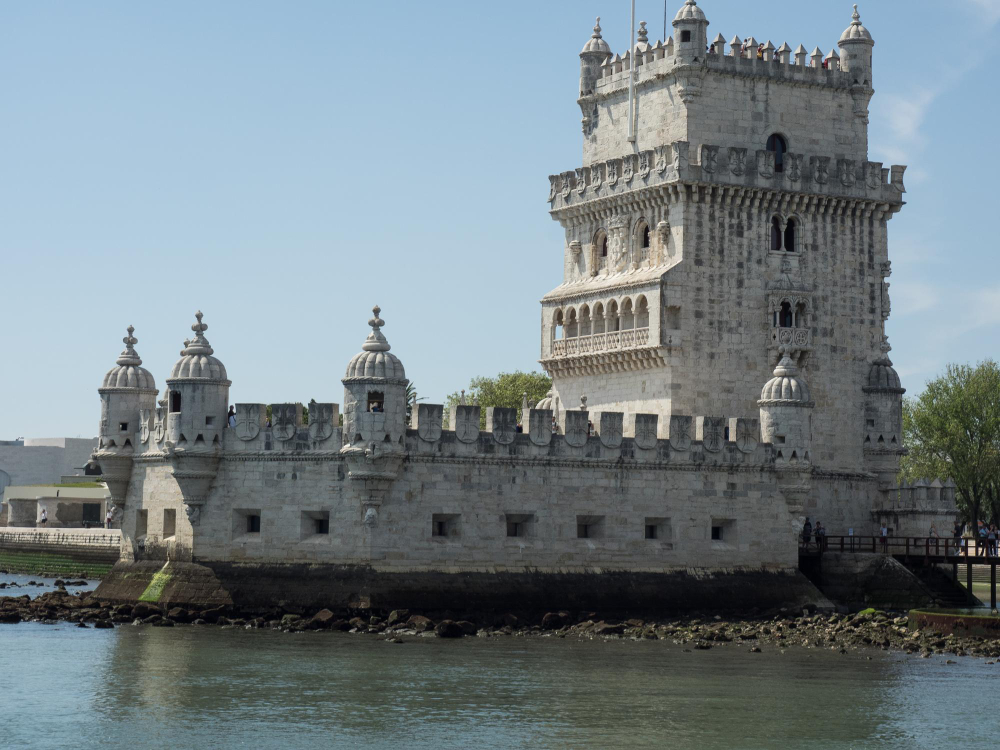
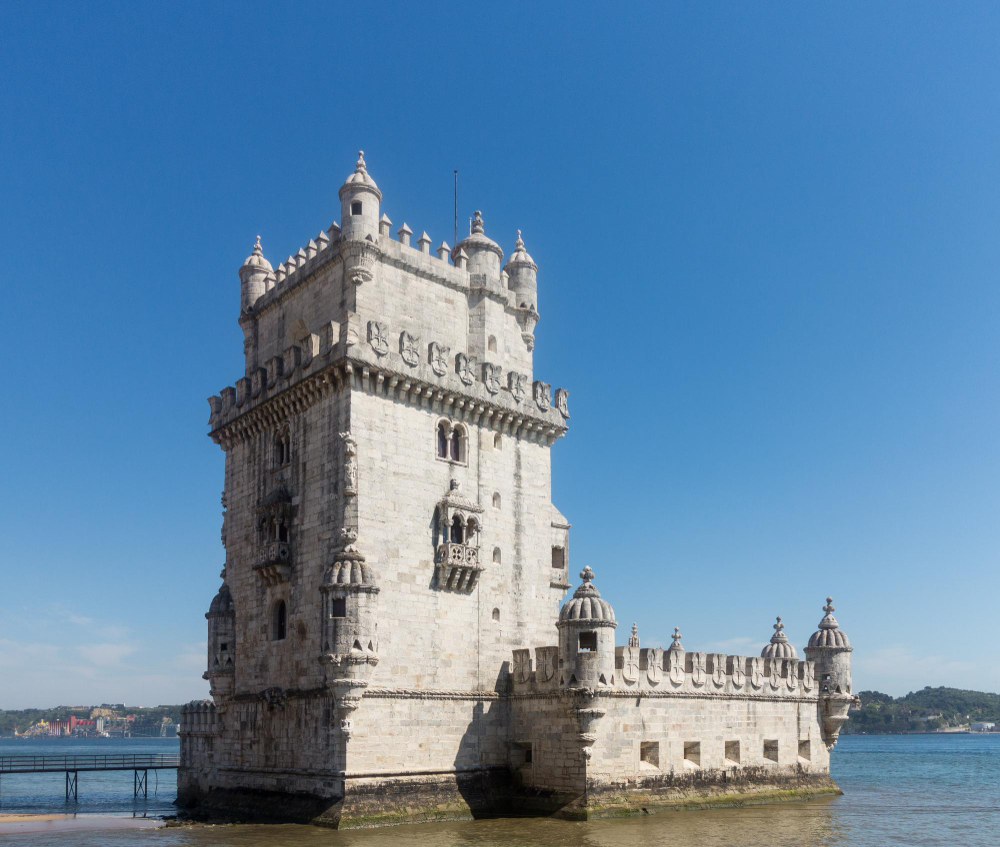
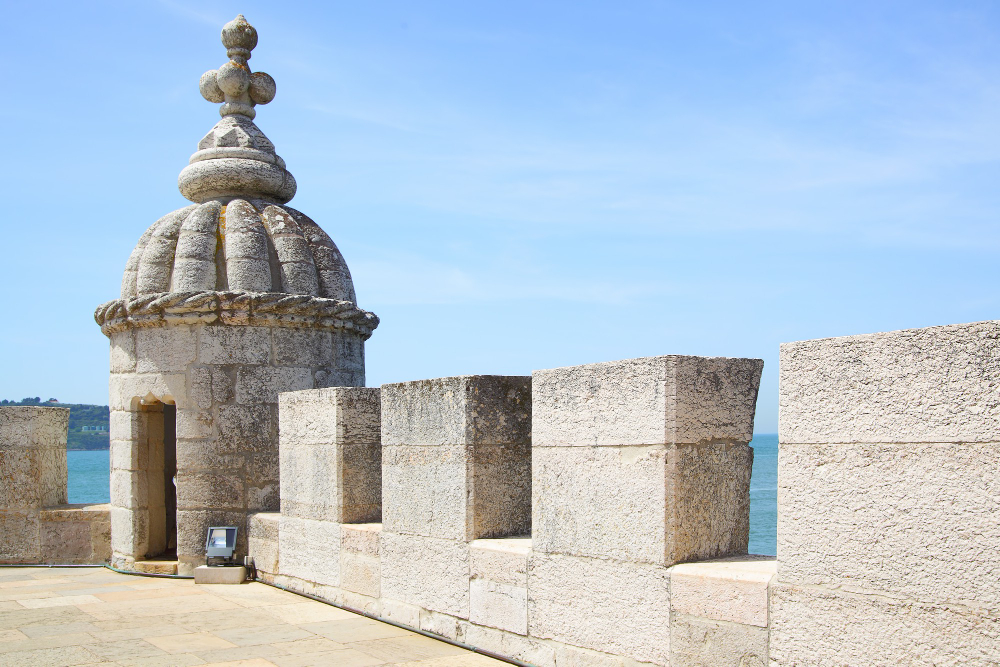
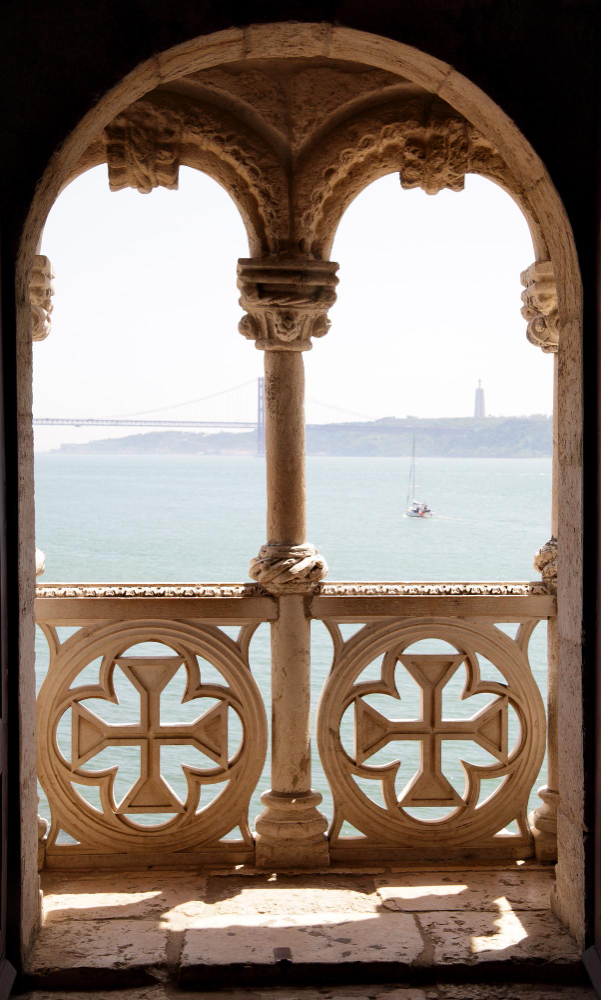
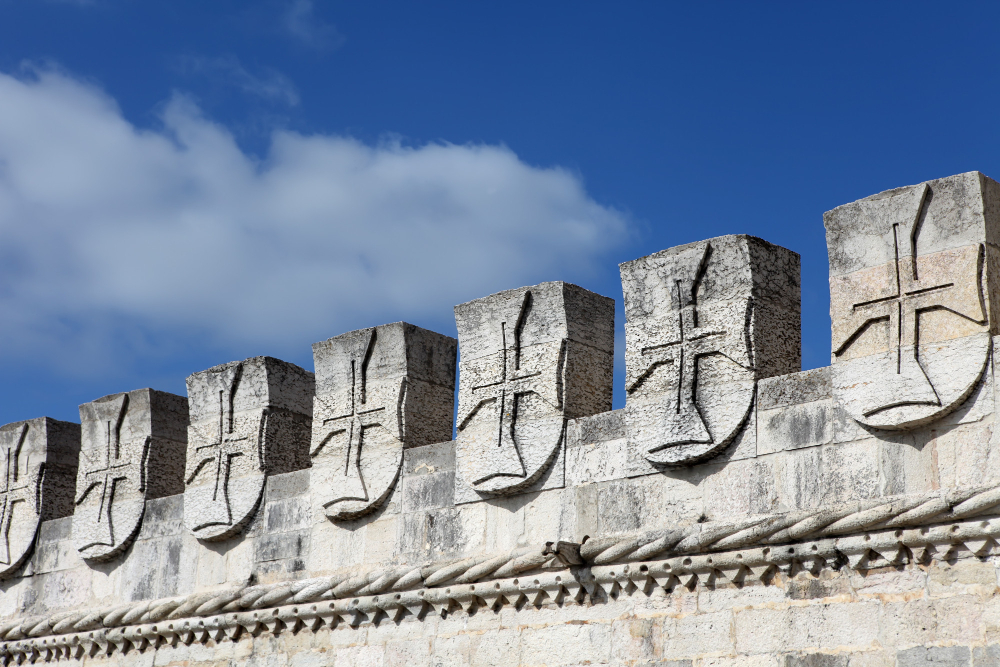
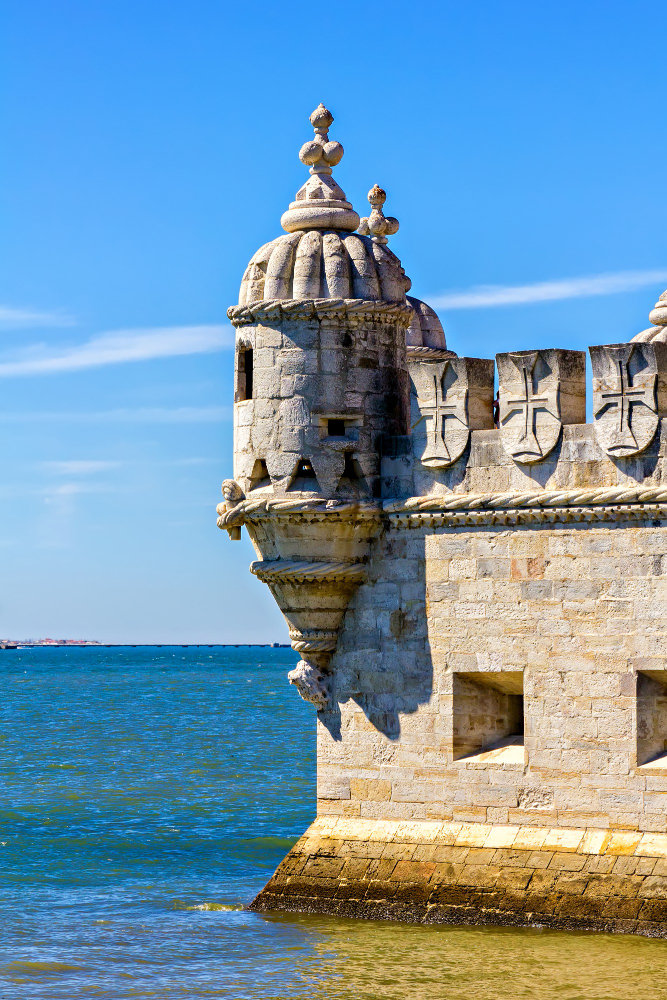
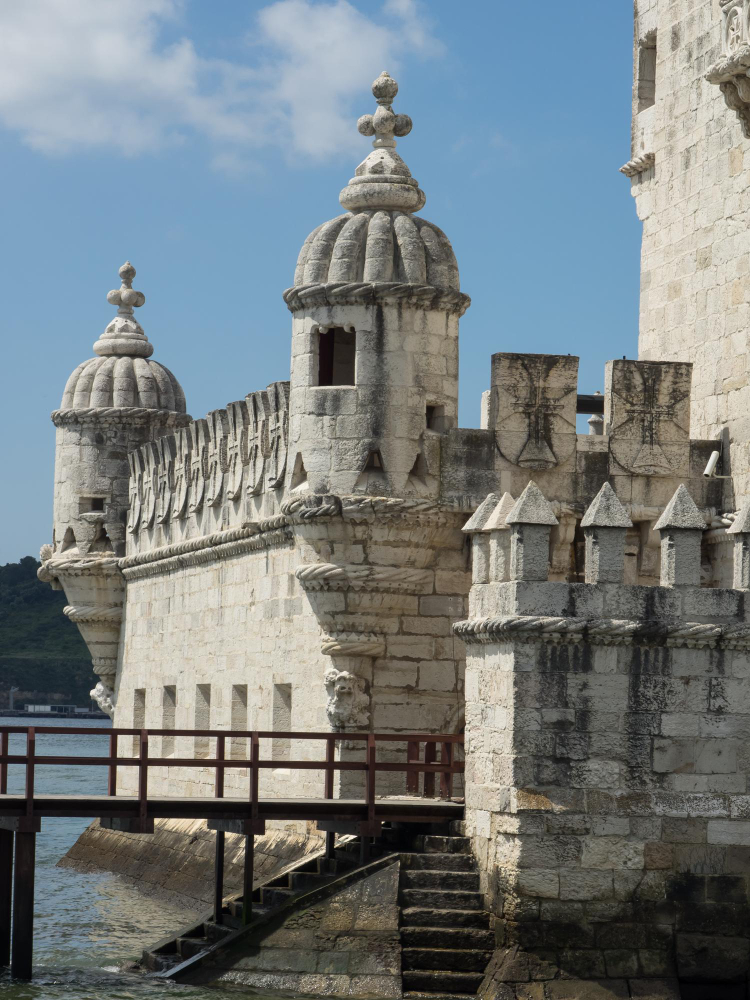
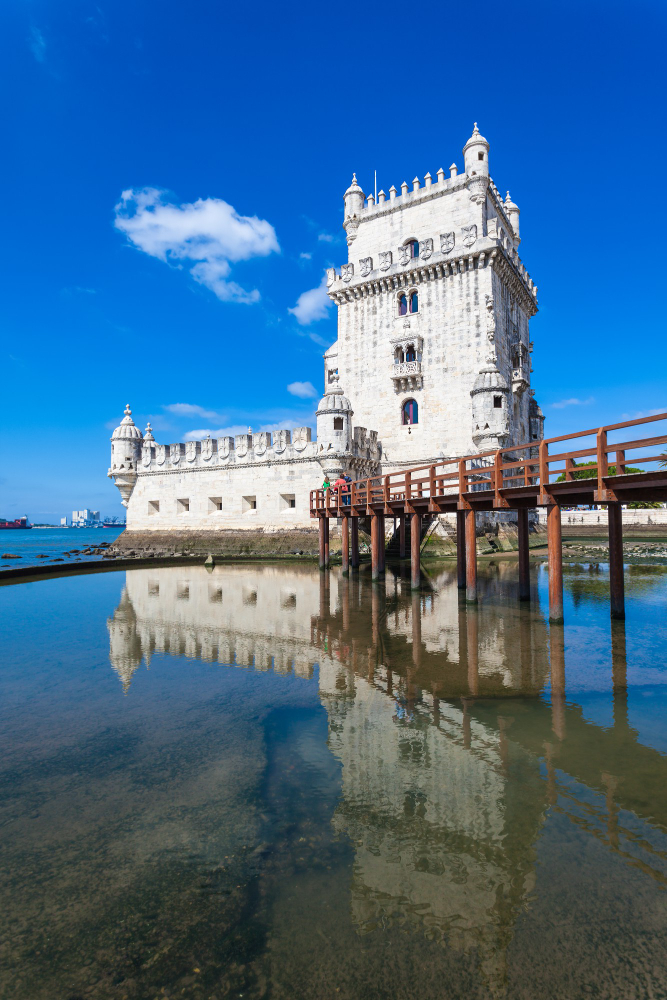
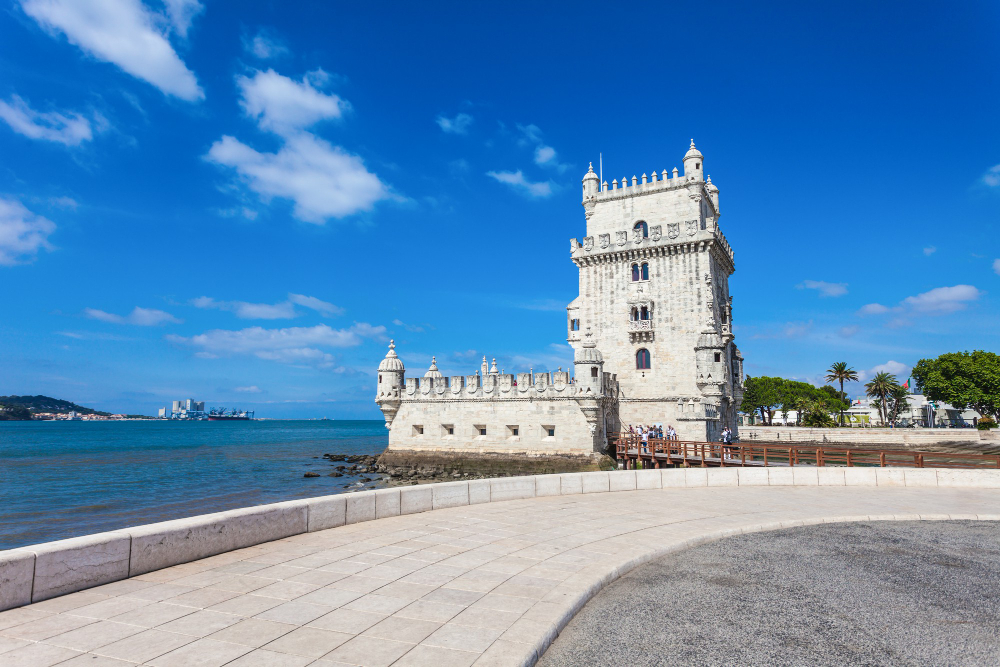
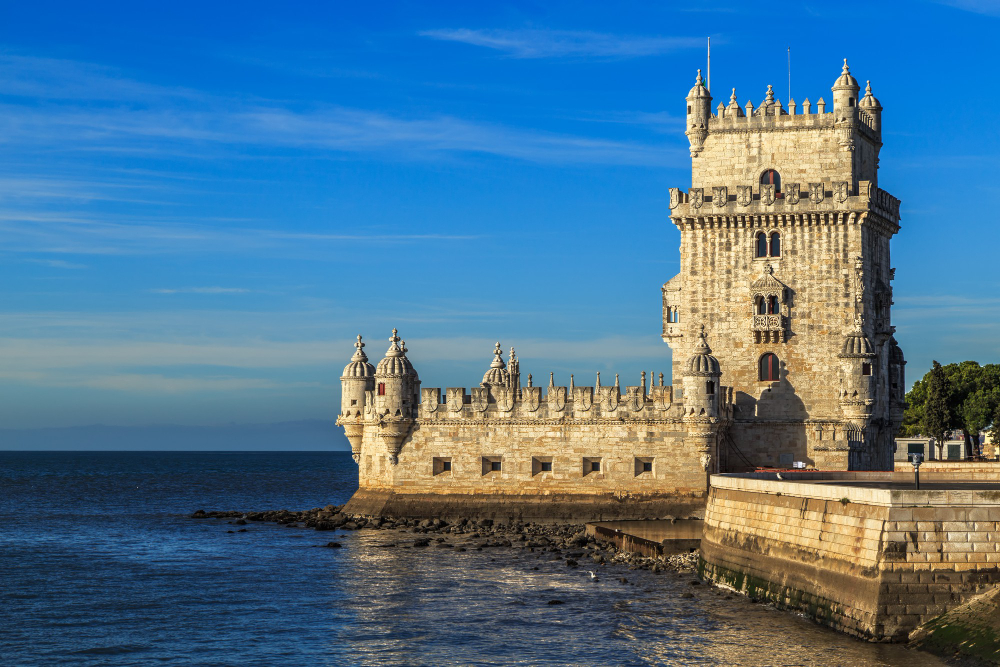
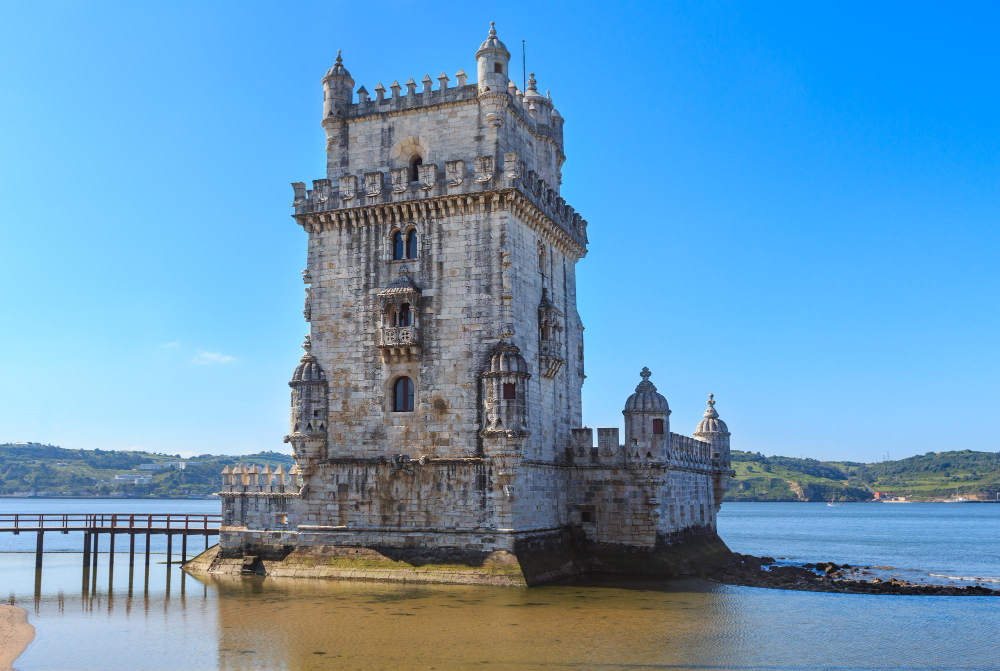
The Torre de Belém, arguably one of Lisbon’s most famous landmarks and a symbol of the glorious era of Portuguese exploration, reveals its architectural beauty especially in daylight. Yet behind its picturesque façade lies a past shrouded in shadow—one that is anything but glorious. In the tower’s chilly chambers, stories were once written whose horrors still echo today. Originally built as a defensive structure and later used as a warehouse for weapons and cannonballs, the tower gradually transformed into a place of horror—a prison that drove political opponents to despair and pushed them to the brink of madness.
From Proud Bulwark to Gloomy Fortress – Built in 1519 under the reign of King Manuel I, the Torre de Belém was originally a military bulwark that proudly guarded the mouth of the Tagus River. It was regarded as a symbol of Portuguese power and a gateway to the world. Its strategic importance during the heyday of the Age of Discovery made it a central stage in maritime history. But the years of glory did not last forever. With the decline of Portuguese naval power, the tower’s function also changed drastically. In the 19th century, under King Miguel I, the Torre de Belém became a place of darkness. Political tensions tore the country apart, and liberal thinkers and freedom fighters—who were a thorn in the side of the monarch’s absolutist regime—suddenly found themselves in the tower’s cold, damp chambers. These rooms, once intended for the secure storage of military supplies, were transformed into cramped cells where suffering and torment reigned. The tower’s walls had to endure not only the screams of despair but also the whispers of secrets that were never meant to reach the public.
The Cruel Reality of Imprisonment – As a prison, the Torre de Belém was not suited for long-term detention or mass incarceration. Yet it was precisely this cramped space and the cold that contributed to the few inmates quickly losing their courage and their sanity. According to reports from that time, it was not uncommon for prisoners to show the first signs of a nervous breakdown after just a few weeks. It smelled of mold and dampness, and the few rays of light that penetrated through the narrow embrasures were barely enough to keep hope alive. A survivor of this dark time later wrote that the nights in the Torre de Belém were the worst. In complete darkness, accompanied by the sound of waves crashing against the outer walls, the inmates were tormented by their own thoughts. The isolation made time stand still, and soon many no longer knew whether days or weeks had passed. A sense of disorientation took hold of them, which could ultimately destroy their psyche forever.
Rumors and Eerie Legends – A particularly spooky aspect of the Torre de Belém are the stories about the eerie events that are said to have taken place there. Even if some of these accounts may have sprung from the imagination of desperate ghost story enthusiasts, there are indications that the tower harbors its own dark legends. It is said that the souls of the prisoners never truly found rest. Nighttime visitors to the tower report strange noises—soft whispers that seem to come from the walls, or mournful cries that suddenly rise from the lower floors of the building, only to fall silent again shortly thereafter. Some even claim to have felt as though they were being watched, even though they were alone in the tower. The name of a prisoner whose identity was never fully established comes up particularly often. This man, it is said, went mad during his imprisonment and repeatedly muttered incomprehensible words in a strange language. When he was finally found dead in his cell, the walls around his body were reportedly covered with strange symbols that no one has been able to decipher to this day. Whether this story is true or not, however, remains questionable, as there are no official records of it. But perhaps that is precisely where the true horror story lies—the dark chapters of the Torre de Belém were deliberately kept secret.
Painful Memories Best Forgotten – Why are so few details known to this day about the tower’s use as a prison? The answers to this question could be just as unsettling as the stories themselves. Historians suspect that many government officials of that time attempted to cover up the events of that era. Consequently, there are hardly any documents or reports dealing with the lives of the prisoners or their treatment. Only a few personal diaries, letters, and oral accounts shed a faint light on this dark chapter in the history of the Torre de Belém. One sad fact remains, however: the physical and psychological torture that took place within these walls is not something one can simply forget. Some of the victims of this system had no way to share their experiences with the outside world. Their voices fell silent—just like the screams that echo only as reverberations among the tower’s stones.
A Place of Remembrance—or of Forgetting? – Today, thousands of people visit the Torre de Belém every year, admiring its beauty and drawing inspiration from Portugal’s rich history. Yet few are aware of the dark secrets the tower holds. The guided tours and exhibitions mostly focus on the glorious Age of Discovery, while the part of history that marks the tower as a prison is often mentioned only in passing. Some say this is an attempt to suppress the dark chapters and highlight the positive aspects instead. But can a place like the Torre de Belém ever truly be separated from its past? Or will the prisoners’ screams continue to lurk in the shadows, unheard by the visitors strolling through the tower’s magnificent corridors? It remains a matter of perspective—and of the truth that often lies hidden behind historical facades.
A Warning from the Past – The Torre de Belém is more than just a monument to Portugal’s spirit of discovery; it is also a memorial to the darkness that can dwell in the hearts of people. Its history teaches us that behind every gleaming facade, shadows may lurk that are not always so obvious. May the horrors of the past never be forgotten—as a reminder that power and control often come at a price.