 Isabella Mueller Baroness of Stainton le Vale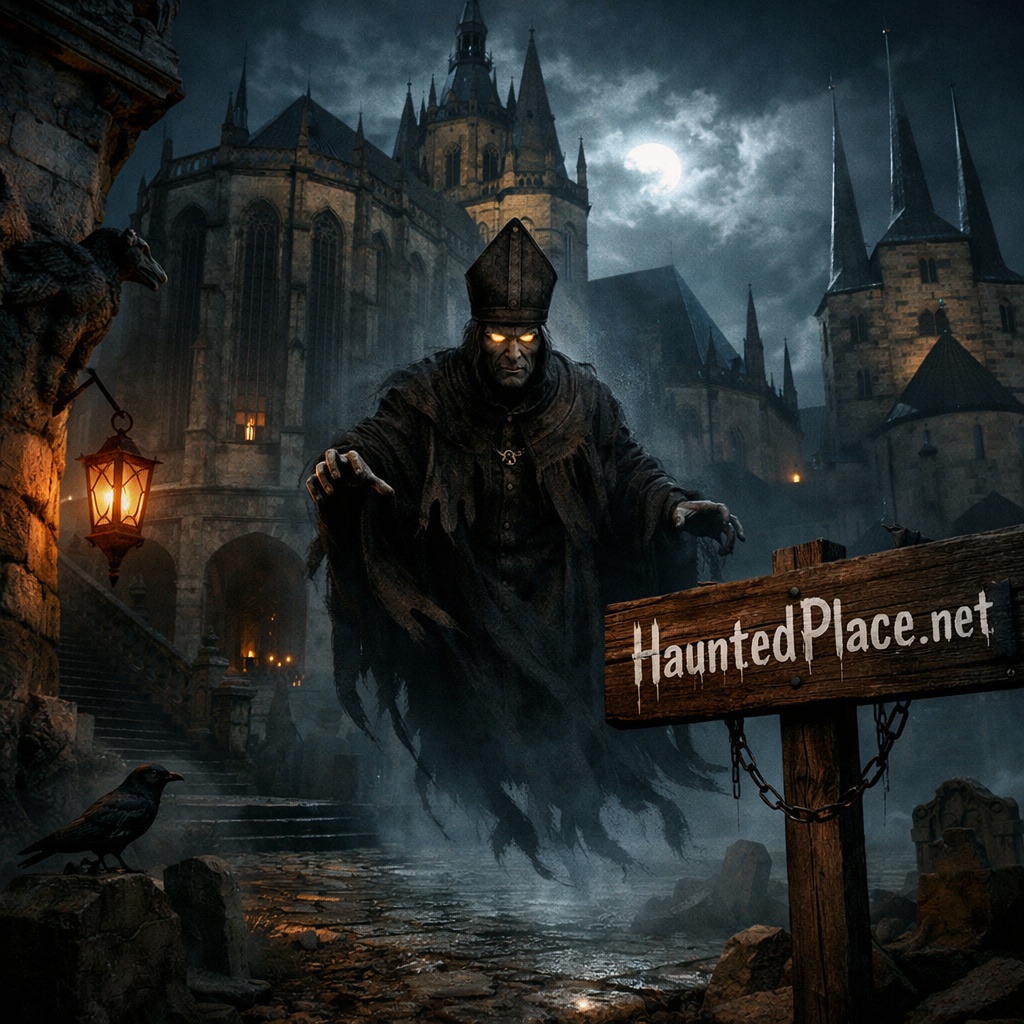
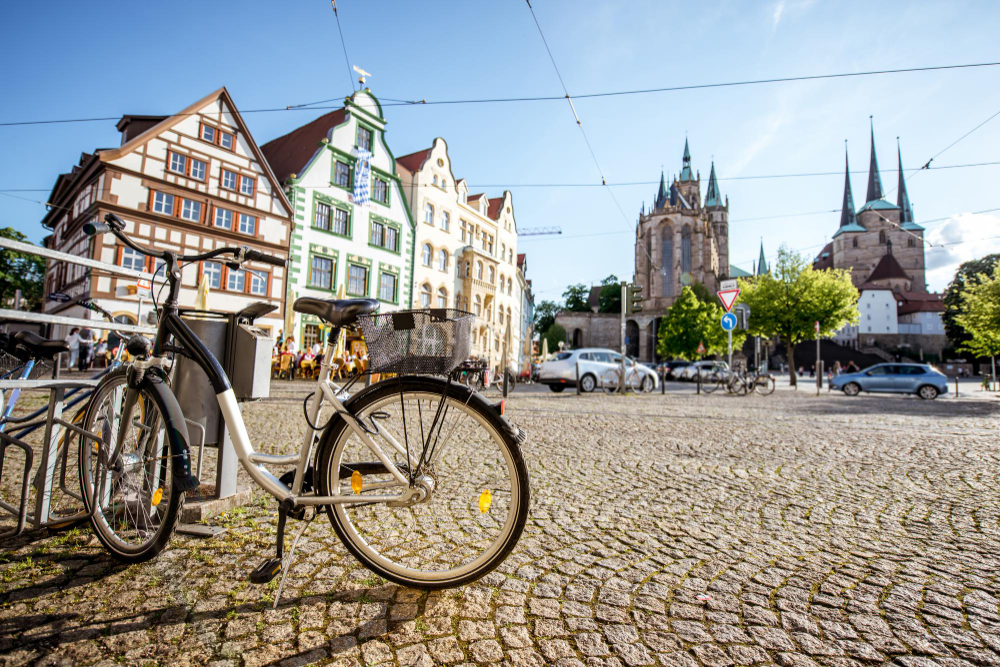
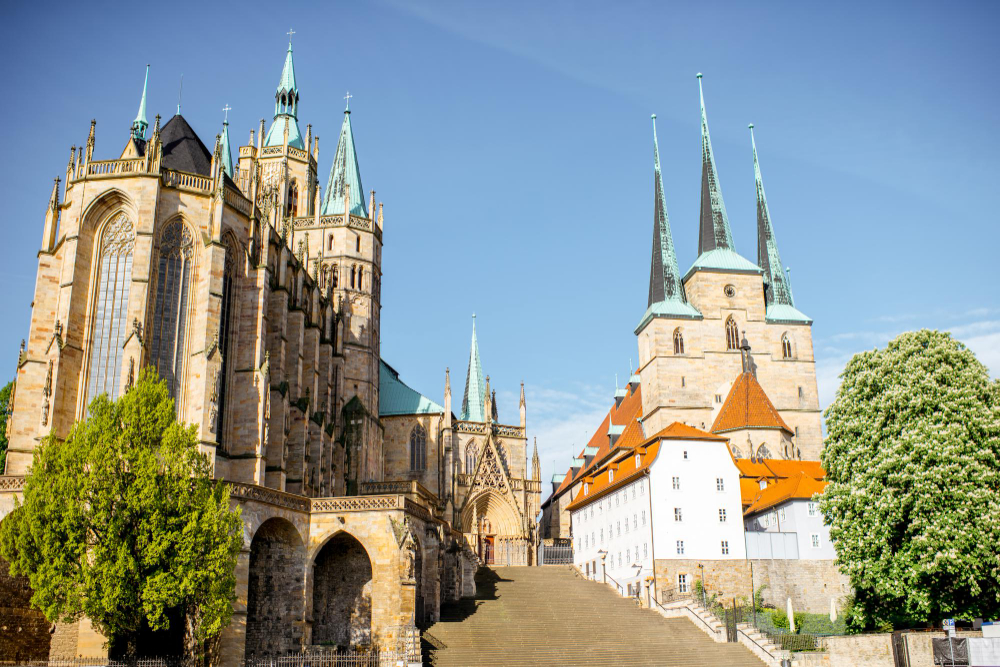
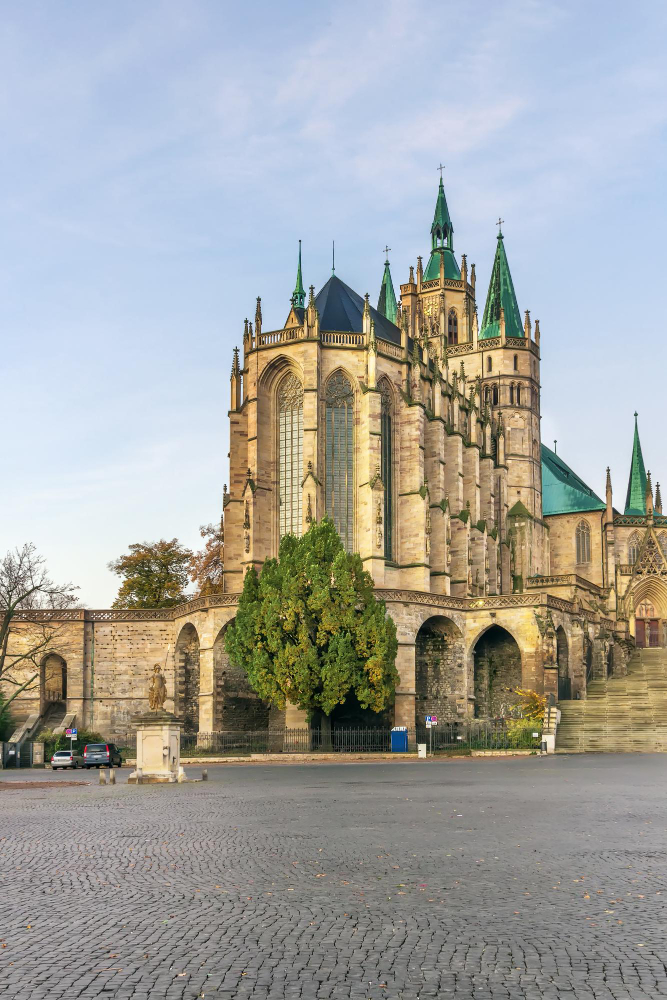
Erfurt’s Domberg is not only a historically impressive site with a long history, but also the setting for one of the region’s best-known legends. The legend of the “Domspuk” is woven around the ancient walls of Erfurt Cathedral and tells of ghostly apparitions said to have been sighted there in centuries past. To this day, this legend remains firmly rooted in Erfurt’s culture and captures the imagination of locals and visitors alike. But what lies behind these mysterious tales? Could there actually be a grain of truth to them, or are they nothing more than fairy-tale stuff? Let us delve deeper into the dark past of the Domberg.
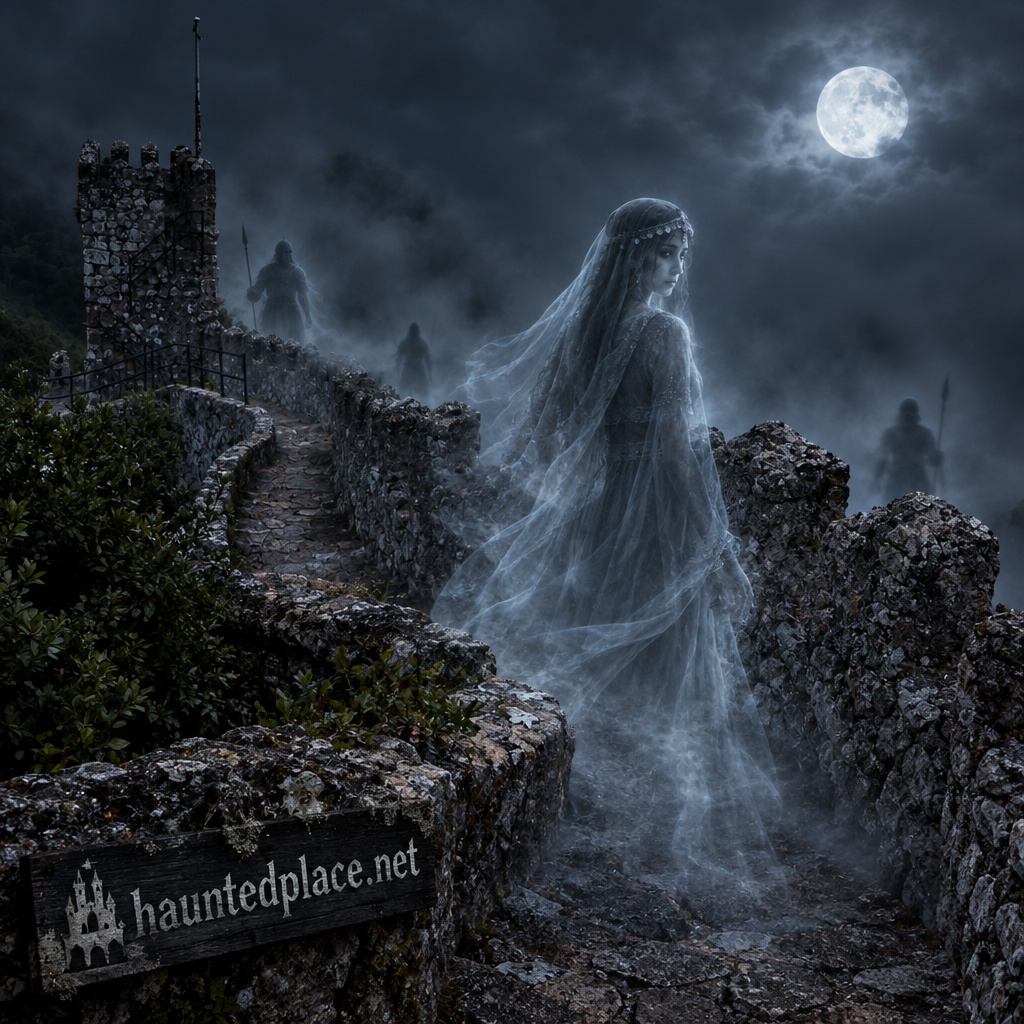
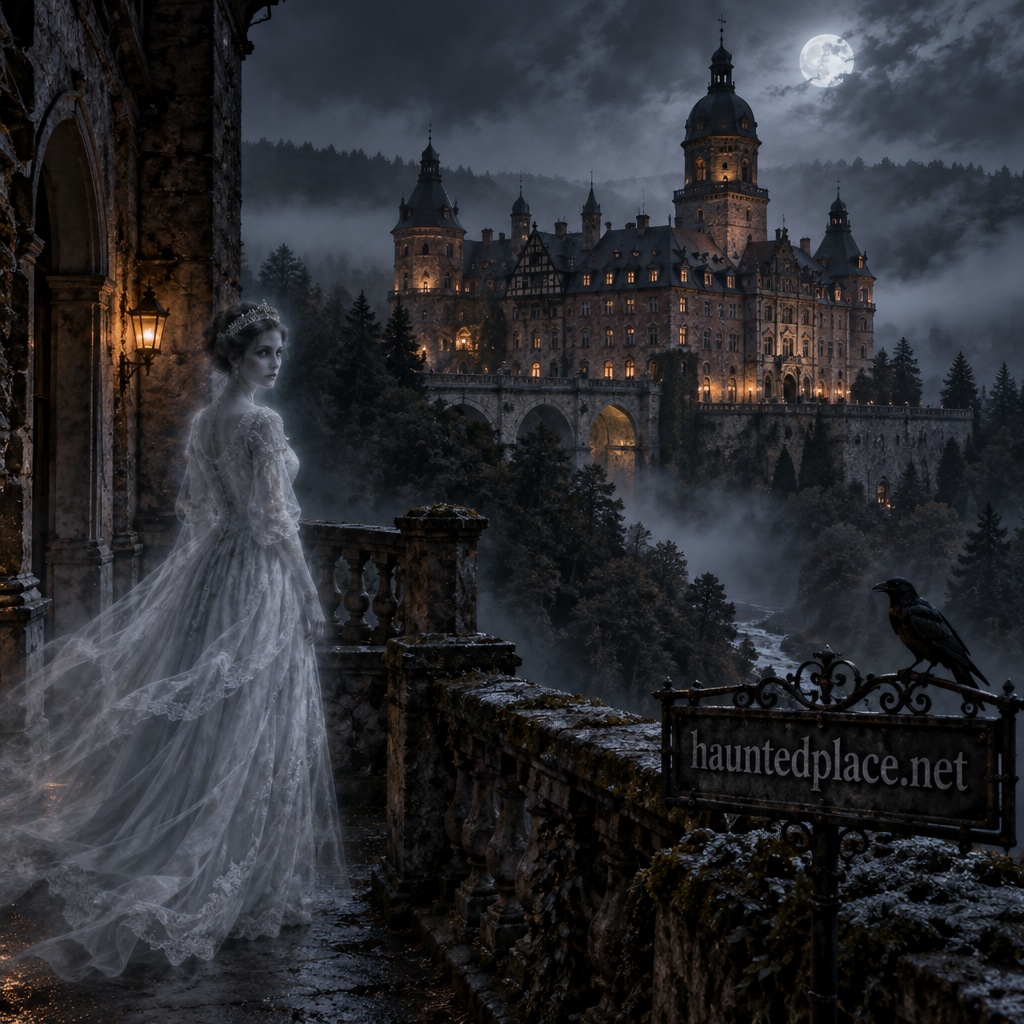
The Legend of the Haunted Cathedral: A Glimpse into Times Past – The origins of the legend stretch far back to the Middle Ages, a time when superstition and tales of ghosts and demons were a common part of everyday life. The Domberg, on whose hill the majestic Erfurt Cathedral stands, was back then a place of spiritual significance, but also the scene of sinister events. It is said that whenever night falls and the streets are empty, strange figures flit through the corridors and halls of the cathedral. Whispering voices, footsteps and cold draughts have been described by people who ventured near the cathedral at night – supposedly the signs of restless souls who found no salvation in death. A particularly haunting version of the legend tells of a clergyman who once served the cathedral and, in his greed for power and wealth, led a sinful life. His dark machinations and his abuse of ecclesiastical privileges are said to have condemned him, after his death, to linger forever in the shadow of the cathedral. It is said that his tormented soul still wanders today, sometimes visible as a shadowy spectre with glowing eyes. Other accounts speak of a white woman who floats through the nave at full moon, and whose appearance is said to herald misfortune.
Historical Context of the Legend – Ghost stories such as that of the cathedral ghost have always been an important part of local folklore, and they often reflect fears and hopes that were widespread in earlier societies. The Cathedral Hill, with its imposing structures, has always had an awe-inspiring quality about it. For ordinary citizens of that time, it was almost inconceivable that the mighty cathedrals could have been built without divine or supernatural assistance. This made places like Erfurt Cathedral, for many, a seat of higher powers – both religious and diabolical in nature. Furthermore, the Cathedral Hill was not only of spiritual significance. Historical records show that decisive social and political events took place there over the centuries. During the Middle Ages, the hill served not only as a centre of faith, but also as a place of intrigue and conflict. In an era when honour, power and faith were often intertwined, such legends may have arisen to convey moral messages and warn against sinful behaviour.
Traditions that might support the phenomenon – Interestingly, there is a wealth of stories and accounts that lend credibility to the cathedral haunting – particularly when one considers how long this legend has been passed down. For instance, there are old documents and diary entries from pilgrims and travellers who passed through Erfurt centuries ago and reported inexplicable occurrences on the Domberg. A 17th-century chronicler, for example, writes of ‘strange lights and voices’ during a night-time passage through the city. Some at the time called the apparitions divine warnings, whilst others saw them as demonic activity. Even in more recent times, there have been repeated reports of unusual experiences around the cathedral. Some visitors claim they felt as though they were being watched. Others spoke of a sudden chill running down their spine as they entered the cathedral – even on warm summer evenings. And finally, there are even photographs said to show shadowy figures or unexplained luminous forms, taken on the Domberg or inside the cathedral.
Scientific explanations and sceptical voices – However fascinating the reports and tales may be, there are of course those who view the legend with a critical eye. Sceptics emphasise that many of these stories could be attributed to psychological phenomena. The atmosphere of a dark, creaking cathedral with its high ceilings and dim light can easily deceive the senses. Particularly in the past, when candlelight and darkness were the norm, the human imagination could run wild all too easily, transforming harmless sounds such as footsteps or draughts into ghostly apparitions. Modern scientists who study such paranormal phenomena often point to the possibility of electrical or magnetic fields, which can trigger unease or even hallucinations in some people. Old buildings such as Erfurt Cathedral often contain materials or structures that could encourage such effects. Added to this are acoustic phenomena that can be amplified by the building’s architecture, as well as natural temperature differences that are perceived as ‘cold spots’.
Fascination and Tourism – Regardless of whether one believes in the legend or considers it a mere fabrication, one thing remains undisputed: the ‘Cathedral Haunting’ exerts a powerful fascination. For many people, the idea that ancient walls might be haunted by ghostly beings is what truly brings historical sites to life. The blend of history, mysticism and eeriness attracts tourists from all over the world and makes Erfurt’s Domberg a popular destination for guided tours and events. Particularly on night-time tours dedicated to the legend, many visitors hope for a touch of the supernatural – be it a genuine haunting or a playful thrill.
Legend or truth? – The legend of the ‘Domspuk’ is one of the most fascinating and enigmatic stories from the Erfurt region. Whether one believes in ghosts or dismisses the accounts as pure fantasy is up to each individual. The fact remains, however, that the Domberg, with its centuries-old history and imposing atmosphere, is a place that fires the imagination. Perhaps the magic of such legends lies precisely in the fact that they arouse our curiosity and prompt us to pause for a moment and reflect on the mysteries of the past. The “Domspuk” thus remains an example of just how closely history and myth can be intertwined – and how important such stories are to a region’s cultural heritage. Whether you set out in search of clues or simply enjoy the wonderful view from the Domberg, this special piece of Erfurt’s history is sure to stay with you. Who knows, perhaps one night you too will encounter the fleeting image of a restless soul waiting for redemption within the cathedral walls.