 Isabella Mueller Baroness of Stainton le Vale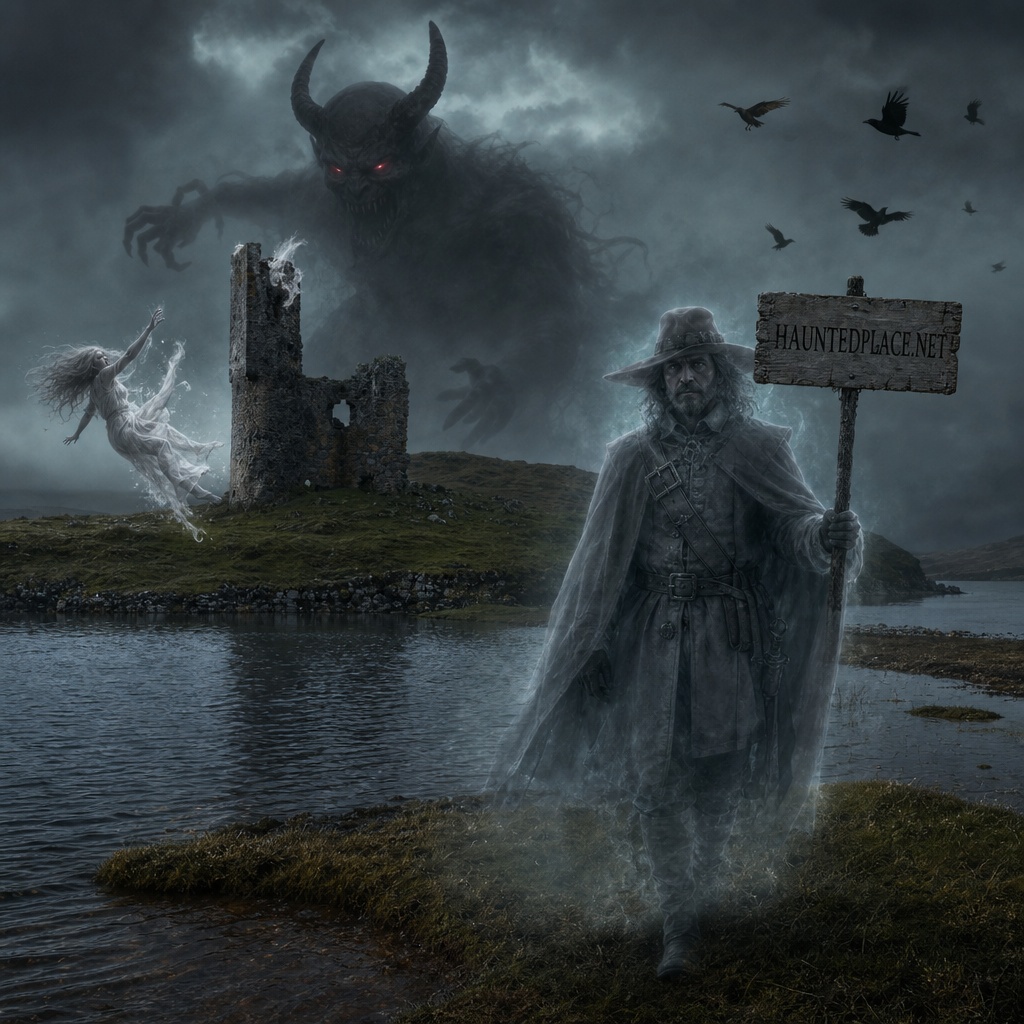
With their rugged mountains, dark lochs and endless moorlands, the barren Scottish Highlands already seem like a haven for secrets and legends. Yet few places are as steeped in history, tragedy and dark legends as the ruins of Ardvreck Castle on the northern shore of Loch Assynt. This remote castle, built in the late 15th century by the MacLeods of Assynt, harbours tales of betrayal, death and an alleged pact with the devil.
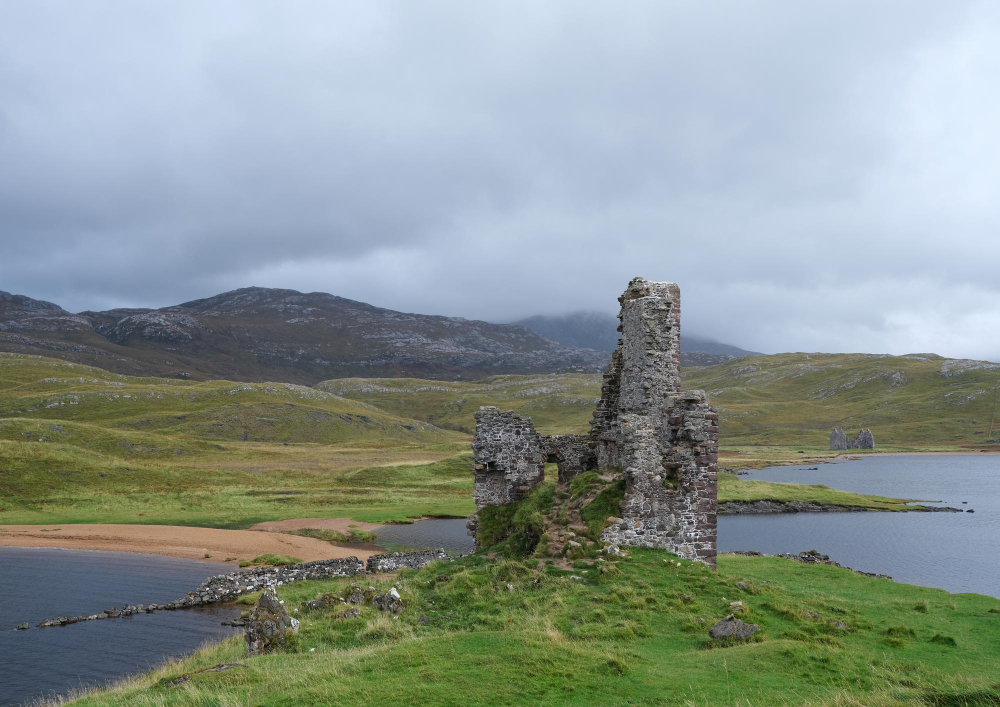
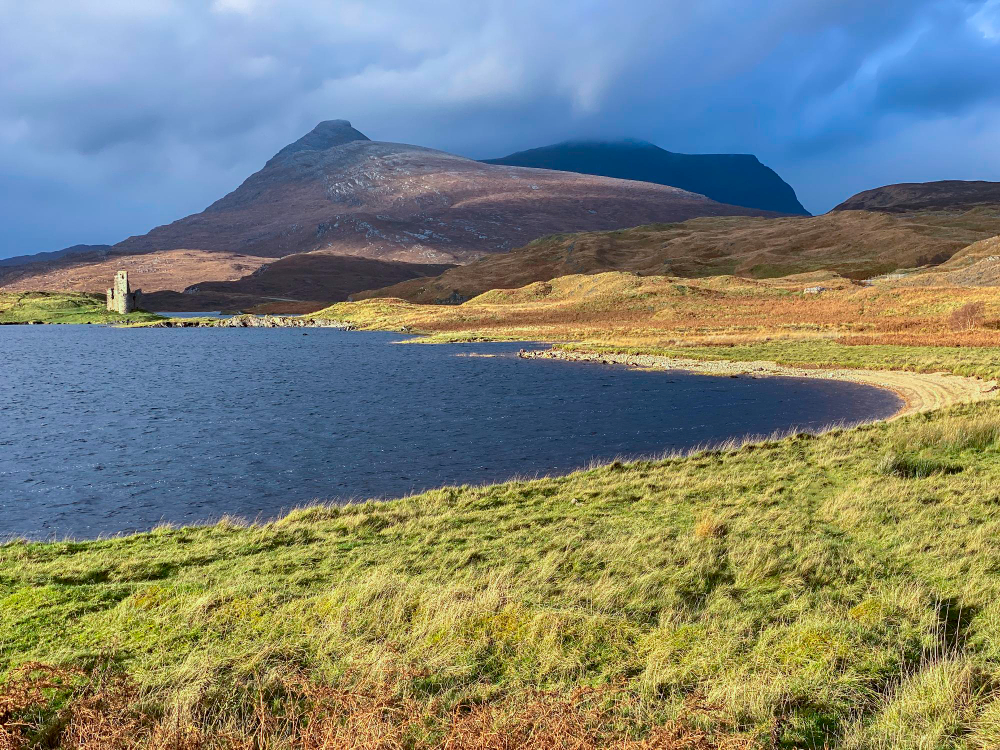
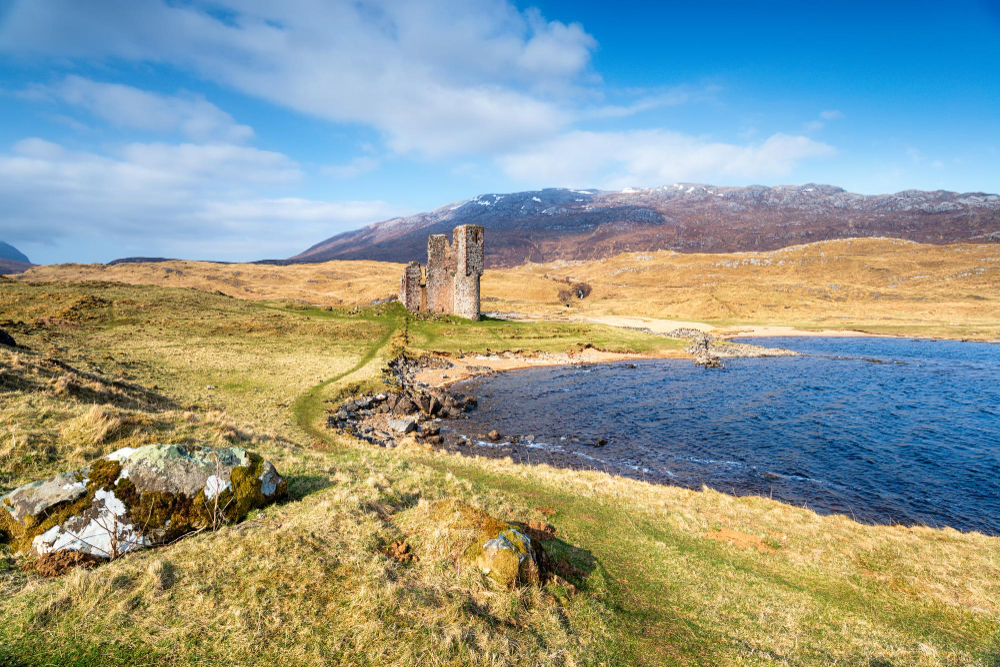
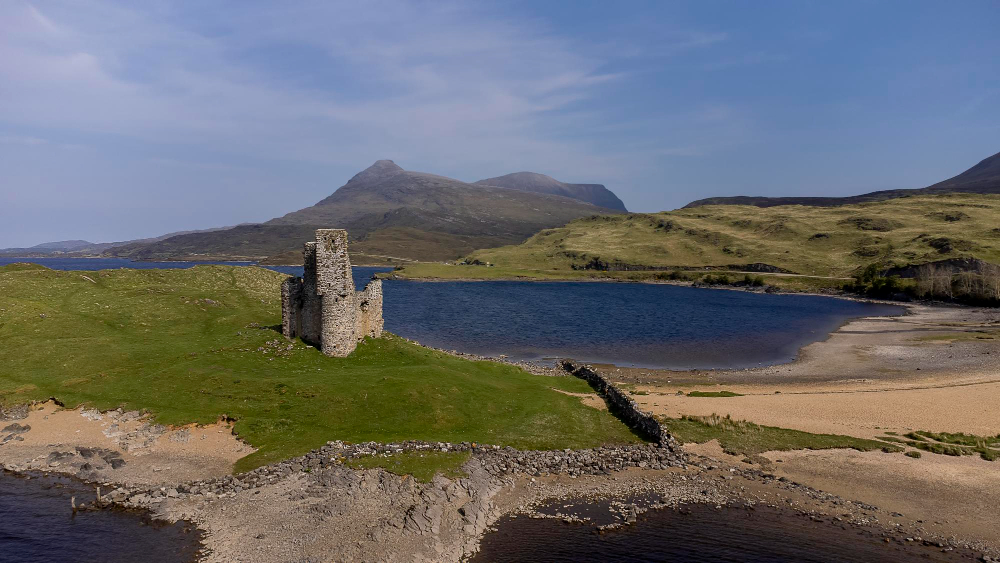
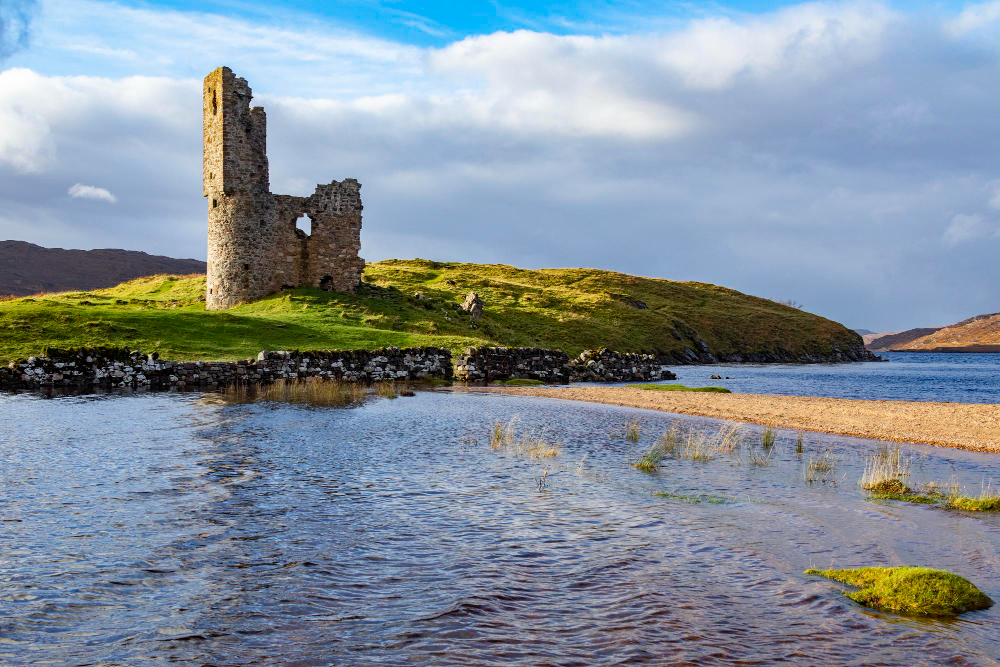
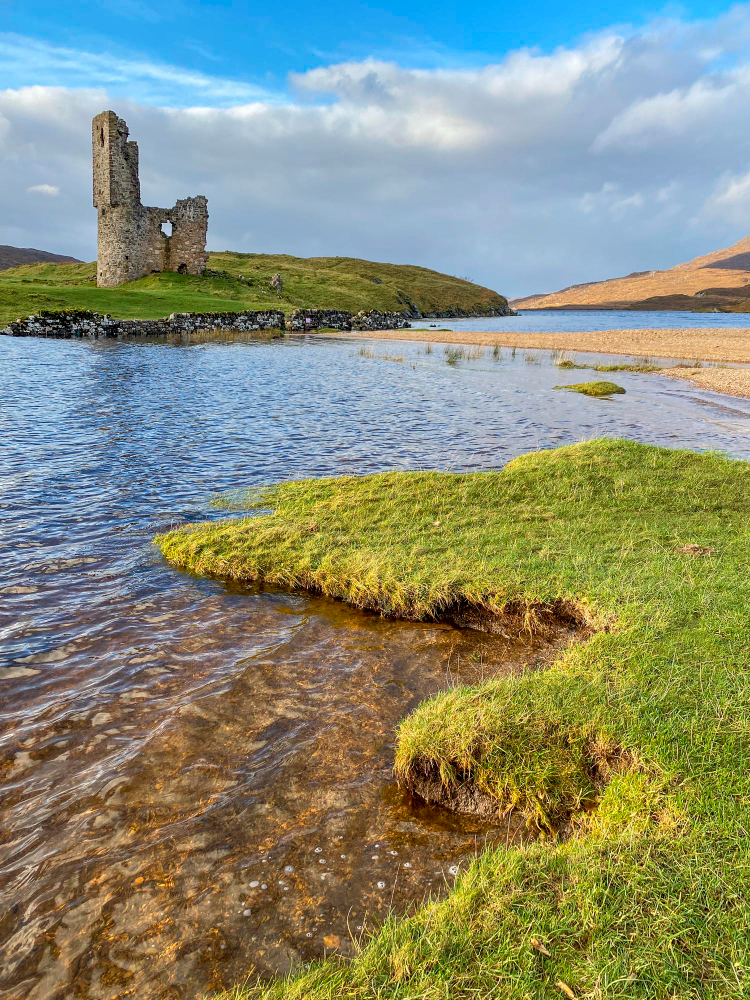
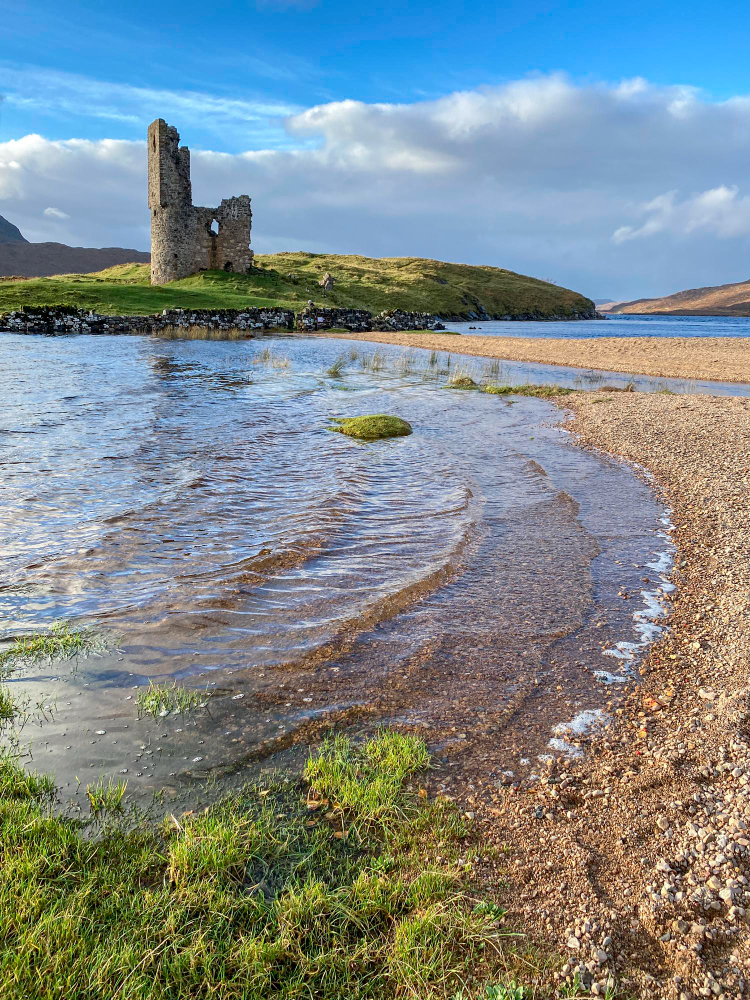
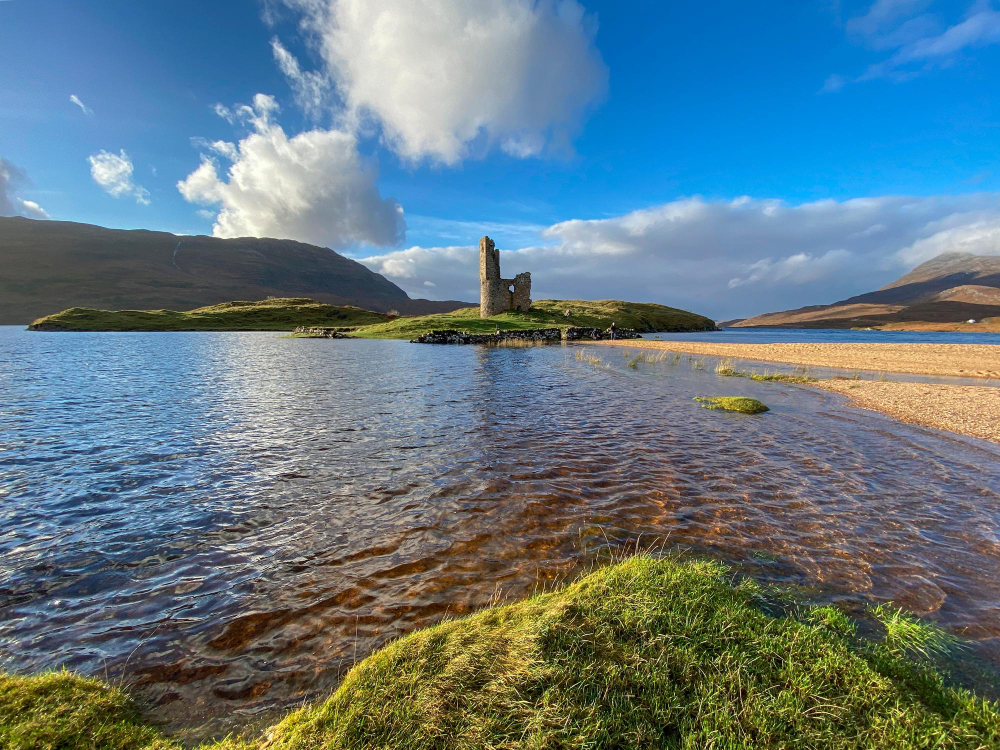
A fortress in a rugged landscape – Ardvreck Castle is perched on a small peninsula in Loch Assynt, which becomes an island at high tide – a dramatic sight that testifies to the solitude and isolation of the place. The building’s original design, a simple tower house dating from 1490, met the needs of the ruling MacLeod family, who had held sway over Assynt since the 14th century. The simple design was expanded around 1590 by Donald Ban MacLeod of Assynt; a circular stair tower and extensive surrounding walls were added. This extension gave the castle a more stately appearance and presumably a small garden. The walls, most of which later disappeared, not only offered protection from enemies but also provided the basis for a saga that has survived to this day: the legend of the ‘Devil’s Pact’, which centres in particular on the fate of the lord of the castle’s daughter. But more on that later.
Betrayal and the Fall of the Marquess of Montrose – The dark chapter in Ardvreck Castle’s history began around the mid-17th century, when the castle became the scene of a historic betrayal. James Graham, 1st Marquess of Montrose, was a general loyal to the king who, following the execution of King Charles I, attempted to secure the reign of his son, Charles II. He had landed in Scotland with a small army to rally the clans to his cause. But his plan failed miserably. On 27 April 1650, Montrose suffered a crushing defeat at the Battle of Carbisdale against the Covenanters, a group of radical Presbyterians. Starving and on the run, he sought refuge with Neil MacLeod of Assynt, then Laird of Ardvreck Castle. Yet this fateful refuge proved to be a deadly trap. MacLeod’s wife, Christine, whose family were opponents of the Royalists, had the exhausted Montrose imprisoned. It remains unclear to this day whether Neil MacLeod himself was involved in this betrayal or whether his wife acted alone. In any case, Montrose was handed over to the Covenanters and later executed in Edinburgh. This betrayal marked a turning point for the MacLeods. Following the restoration of the monarchy by General Monck in 1660, they were deemed unreliable by the government. Their estate came under the scrutiny of the influential MacKenzies, who eventually succeeded in taking control of Ardvreck Castle in 1672, having deliberately bought up the MacLeods’ promissory notes.
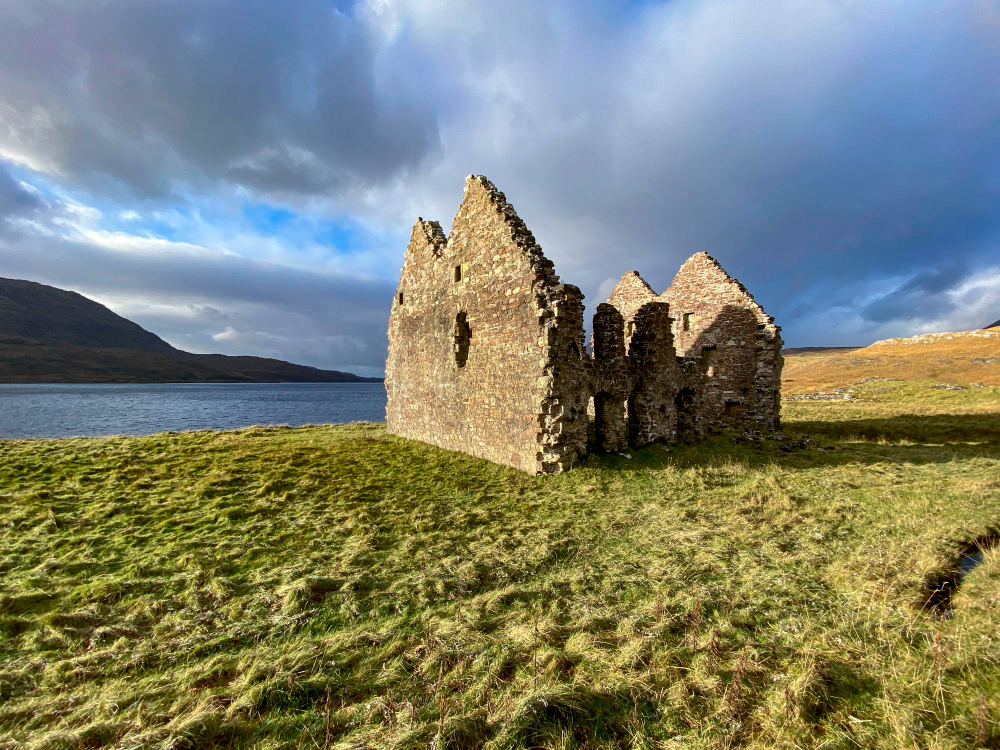
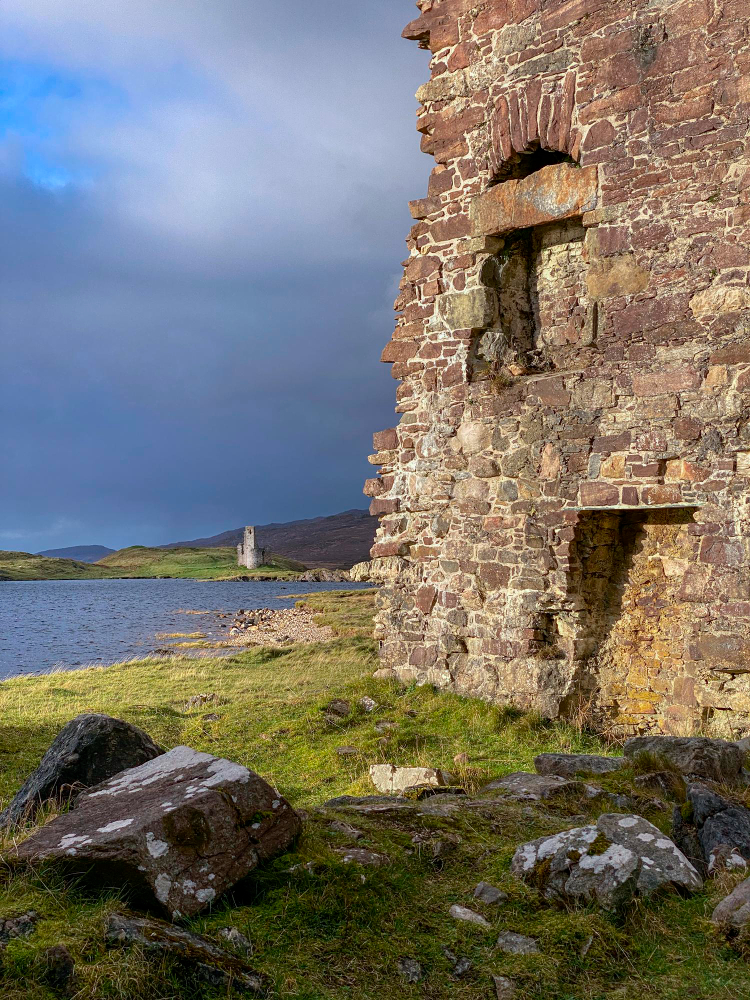
From Manor House to Ruin – However, the MacKenzies did not hold the castle for long. In 1726, they built a modern manor house called Calda House in the immediate vicinity of the old castle. This building was intended to symbolise their power and influence – a luxurious contrast to the limited facilities of the medieval Ardvreck Castle. Yet Calda House, too, met with an unfortunate fate: As early as 1737, it fell victim to a fire, allegedly set by the MacKenzies themselves to prevent the building from being taken over by their rivals, the Sutherland clan. Following the Jacobite defeat at the Battle of Culloden in 1745, the MacKenzies’ estate was also confiscated by the government. Eventually, the estate passed into the hands of the Earl of Sutherland. By this time, Ardvreck Castle was already severely damaged; parts of its walls had been used in the construction of Calda House. In 1795, large sections of the ruin finally collapsed following a lightning strike. The remains, which are still visible today, bear witness to a past full of conflict and destruction.
The Legends of Ardvreck Castle – Alongside the real historical events, dark tales and myths surround the ruins. One of the best-known legends tells of a pact between a MacLeod laird and the Devil. To build the castle more quickly and magnificently, the laird is said to have offered his own daughter to the Devil as a bride. When the Devil finally came to claim his part of the bargain, the desperate young woman is said to have thrown herself from the tower. Ever since, it is said, her ghost haunts the ruins, haunted by her tragic fate. Another ghost said to haunt Ardvreck Castle is that of the Marquess of Montrose. He is said to wander the peninsula as a man clad in grey, a symbol of his betrayal and violent death. Such stories heighten the mysterious and eerie atmosphere that surrounds this place.
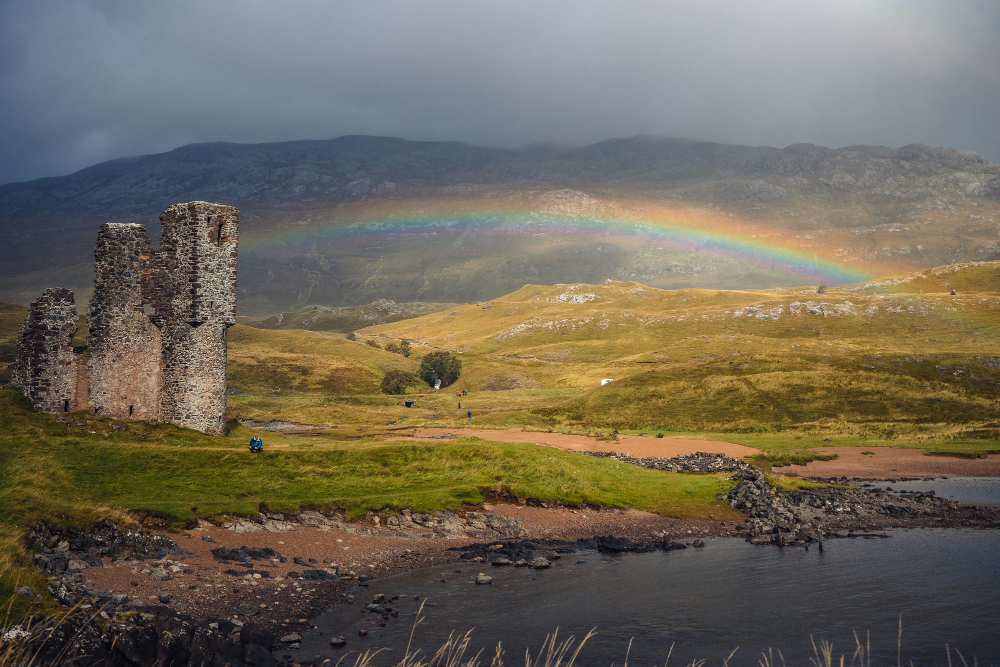
The ruins today – Today, all that remains of Ardvreck Castle is the south wall of the former tower house and small sections of the east and west walls. Parts of the stair tower are also still visible, albeit in a dilapidated state. The atmosphere is both melancholic and ghostly – a testament to the former power and tragic downfall of the people who once lived there. In 2003, the Historic Assynt Trust began restoration work to safeguard the last remaining parts of Ardvreck Castle and Calda House. This ensures that the history and legends surrounding this site are preserved for a new generation of visitors.
A Place of Shadows – Ardvreck Castle is more than just a castle ruin – it is a place marked by the shadows of its past. Amidst betrayal, political intrigue and tragic fates, the walls reflect the violence and uncertainty of a time long past but never forgotten. The sombre backdrop of the Highlands and the legends told here make this place a fascinating and eerie piece of Scottish history.