 Isabella Mueller Baroness of Stainton le Vale
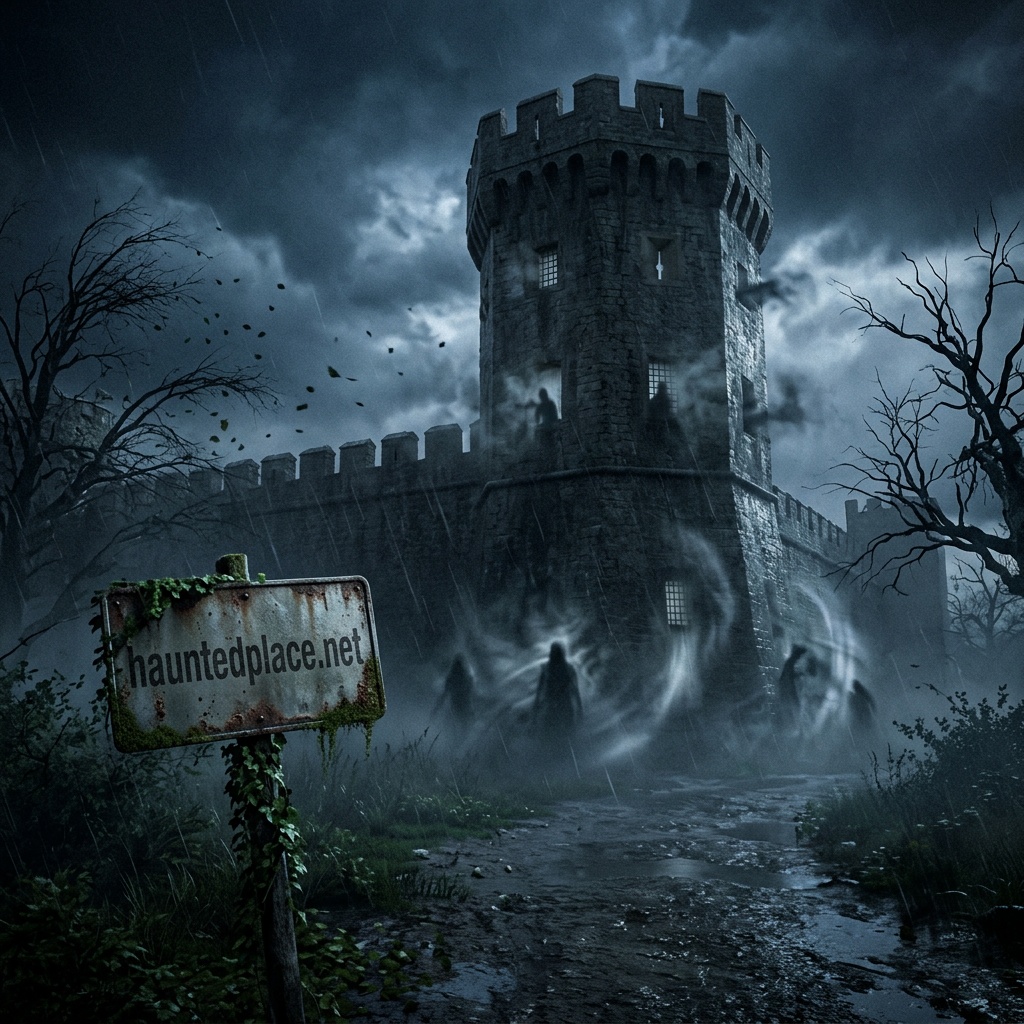
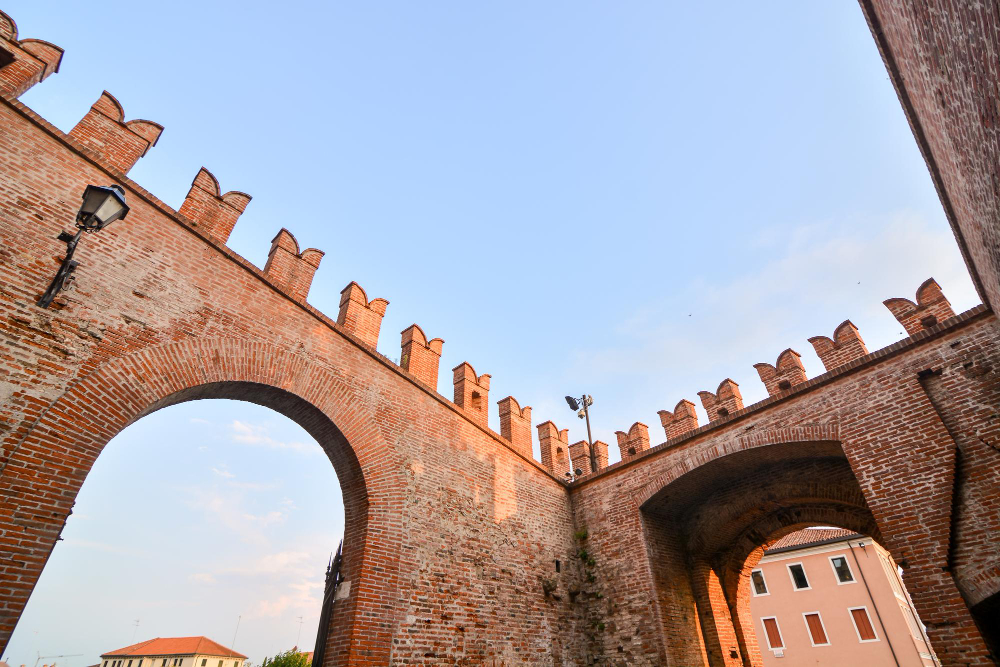
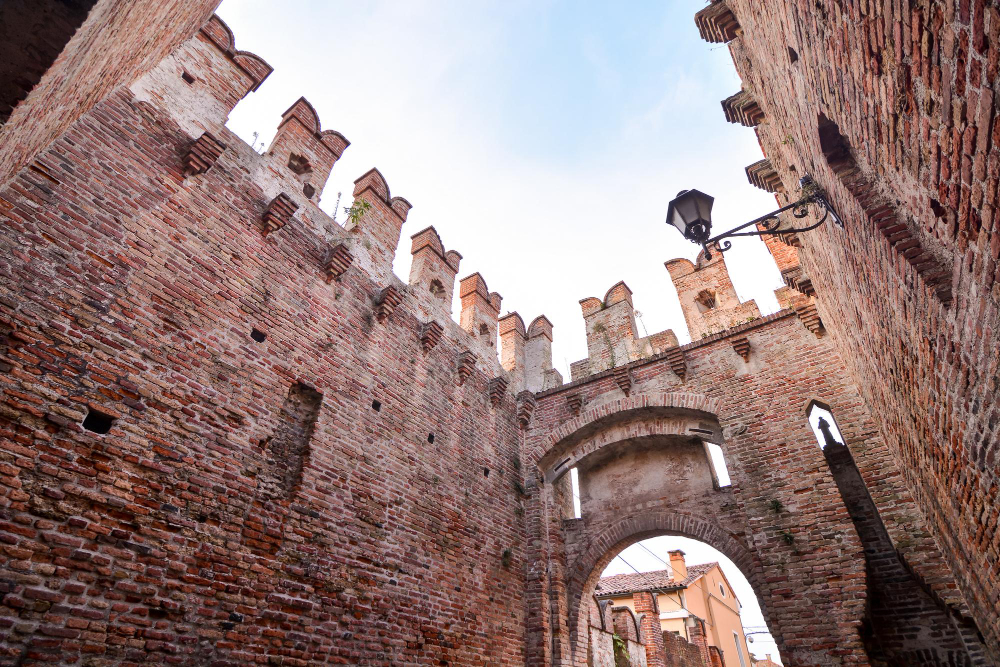
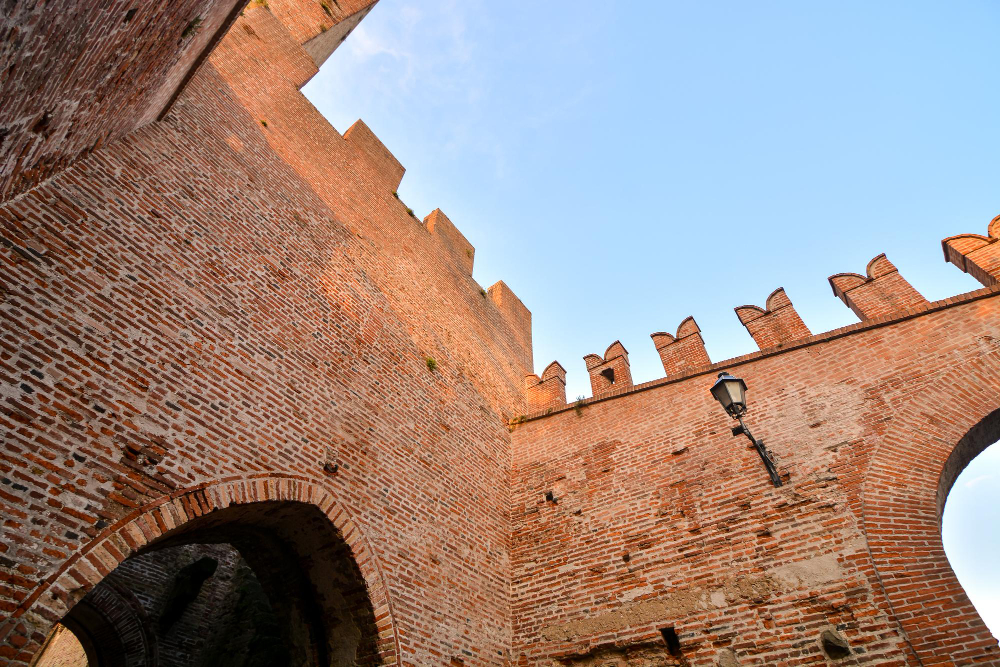
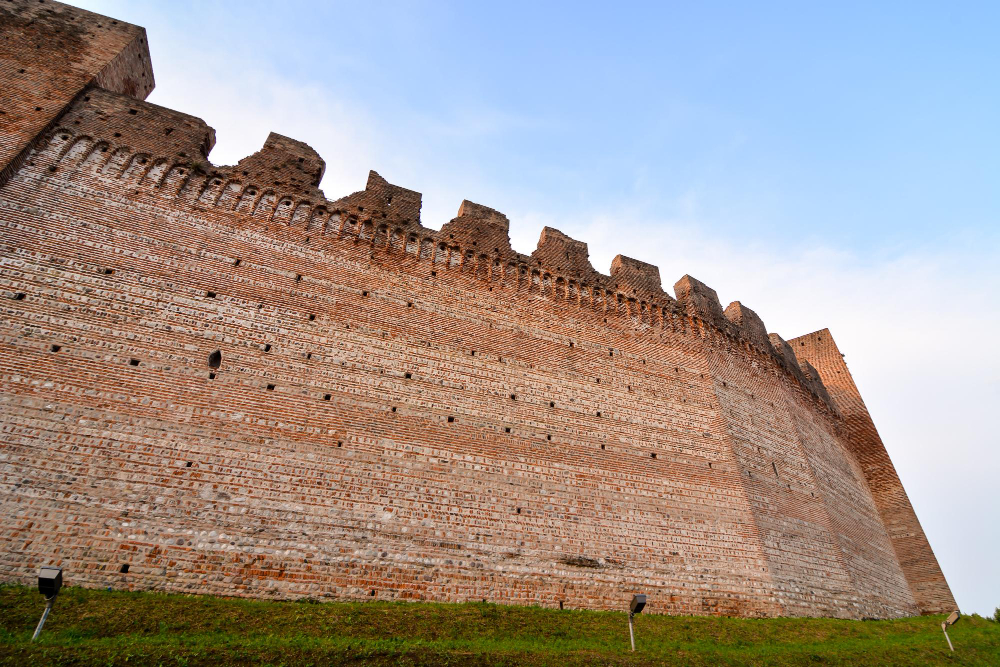
Anyone walking through the medieval streets of Cittadella in the northern Italian region of Veneto at night will encounter a town that looks like a preserved picture from the 13th century. The city walls, which are entirely accessible to walk along, along with the towers, battlements and gates, still characterise the townscape today. Yet behind this picturesque backdrop lies a legacy of violence, fear and political power struggles. The Torre di Malta in particular – a tower near the Porta Padova – lies at the heart of one of the darkest legends in the town’s history. According to local legend, on stormy nights, screams, wails and the echo of despair can still be heard coming from the tower. These are said to come from the people who were imprisoned there in the Middle Ages, mistreated and left to die. It is historically well documented that the tower is linked to the reign of Ezzelino III da Romano – a ruler whose name struck fear into people’s hearts even during his lifetime and who later became a symbol of tyrannical cruelty.
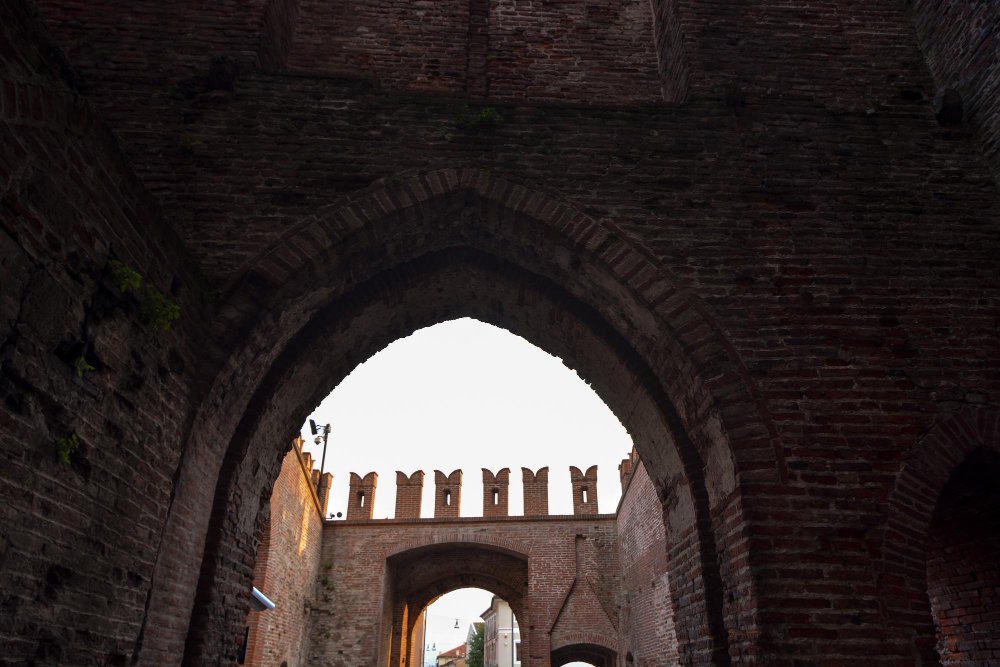
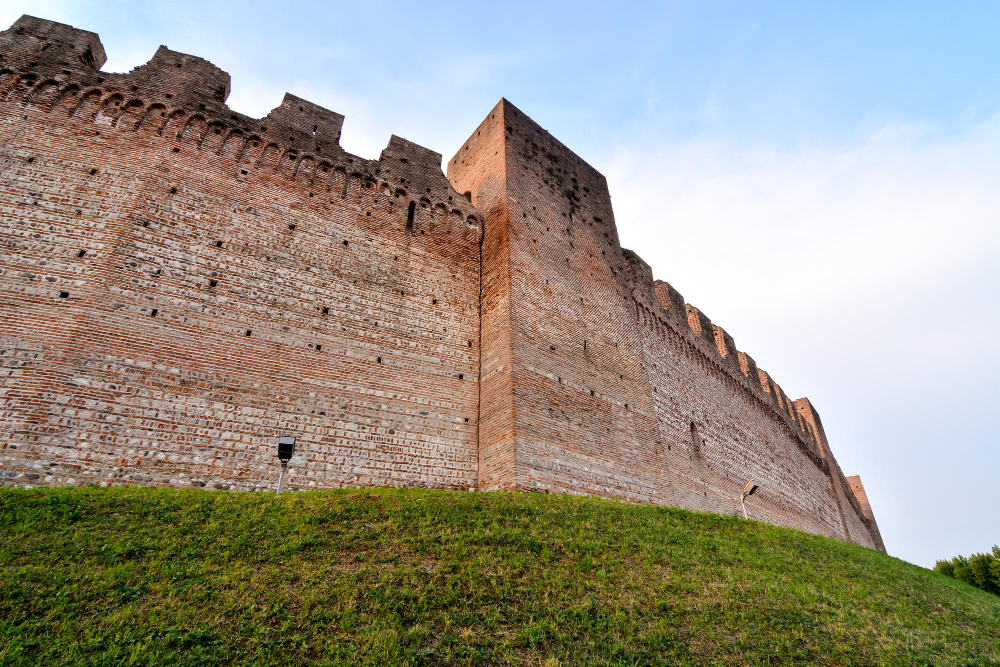
A tower in a fortified town – Cittadella was founded in 1220 by the city of Padua. The settlement was established during a period of political unrest, when northern Italian communes, noble families and ecclesiastical rulers were vying for territory and influence. The town was intended, above all, to secure Padua’s power in the border region against the rival cities of Vicenza, Treviso and Bassano. Its most striking feature is the almost completely preserved city wall, approximately 1.5 kilometres long. It encloses the historic centre with a system of walls, towers and four city gates. The Porta Padova, near which the Torre di Malta is situated, was of particular strategic importance: it marked the route towards Padua and controlled a key access point to the city. The Torre di Malta is not merely a medieval defensive tower. In local memory, it has been handed down primarily as a place of terror. The structure is traditionally dated to the year 1251 and attributed to Ezzelino III da Romano. Whether all the details of this attribution, in their present form, are historically substantiated is a matter for scholarly debate. It is undisputed, however, that Ezzelino ruled over large parts of Veneto in the mid-13th century and that his style of government was already described by contemporaries as exceptionally brutal.
Ezzelino III da Romano: The Tyrant of Veneto – Ezzelino III da Romano, born in 1194, belonged to an influential family from the Bassano del Grappa area. In the conflicts between the Guelphs and the Ghibellines, he sided with the Staufer Emperor Frederick II. His power was based not only on military successes, but also on a complex system of alliances, intimidation and personal rule. Between the 1230s and his death in 1259, Ezzelino ruled over large areas of north-eastern Italy, including Vicenza, Verona, Padua and Treviso. His opponents accused him of having his political enemies persecuted without mercy. According to historical accounts, arrests, expropriations, torture and executions were among the means by which he exercised his power. Medieval historiography, in particular, painted an extremely grim picture of him. However, caution is warranted: many sources originate from opponents or from a political context in which the demonisation of defeated rulers was commonplace. Nevertheless, even in modern scholarship, Ezzelino is regarded as an exceptionally harsh and repressive ruler. His reputation as a tyrant did not, therefore, arise long after his death, but was already shaped by contemporary accounts. The Torre di Malta became, in this memory, a symbol of his rule. Tradition has it that Ezzelino used the tower as a prison for political opponents. The prisoners are said to have been held in appalling conditions. The accounts speak of starvation, disease, torture and a slow death in cramped, dark rooms. Particularly striking is the suggestion that not only armed opponents, but also women and children were affected. Such accounts are partly drawn from local tradition and later accounts. Specific figures for the number of victims or any individual episode cannot be fully corroborated today by independent sources. However, the fundamental association of the tower with imprisonment and violence is deeply rooted in the history and collective memory of Cittadella.
Dante and the image of a place without hope – The story of the Torre di Malta gained further prominence through Dante Alighieri. In the Divine Comedy, specifically in the ninth canto of Inferno, Dante mentions Ezzelino da Romano amongst a series of violent tyrants. The passage is set in the seventh circle of Hell, in the river of boiling blood where those who have committed acts of violence against others are punished. There, Dante refers to Ezzelino by the epithet ‘the Tyrant’. The verses are neither a description of the Torre di Malta itself nor a historical account of the conditions of imprisonment there. However, they demonstrate how deeply Ezzelino’s reputation as a brutal ruler was already embedded in Italy’s cultural memory. For Dante, he was one of those figures whose violence deserved moral condemnation even beyond death. This literary association reinforced the tower’s aura. A place associated with the prisons of a tyrant condemned by Dante inevitably takes on a special significance. As a result, the Torre di Malta is not merely a stone building, but a setting upon which images of fear, legends and historical memory have accumulated over the centuries.
Cries in the Wind: The Legend of the Haunting – The actual haunting story belongs to the realm of folklore. It cannot be historically proven – any more than other accounts of ghostly apparitions. Yet legends rarely arise without reason. They provide a community with a language to express a traumatic past, unresolved violence and places where history seems particularly tangible. In Cittadella, it is said that in bad weather and strong winds, one can hear voices near the Torre di Malta: muffled cries, weeping, wailing or screams from the depths. Some versions of the story speak of shadows behind the tower’s small openings. Others speak of an oppressive chill or the feeling of being watched. Although such descriptions cannot be treated as factual accounts, they fit a widespread pattern of European haunted sites: places that were once prisons, battlefields or execution sites often become canvases onto which memories of suffering are projected. The notion of restless souls makes the past emotionally tangible. It transforms abstract data and political conflicts into a personal, terrifying image. At the Torre di Malta in particular, the effect is especially powerful because the structure still stands. Anyone standing before it is not looking at a vanished castle from the annals of history, but at massive walls that actually date back to the era of medieval power struggles. The darkness inside the tower, the echo of footsteps and the wind sweeping along the city walls are enough to lend credibility to the legend – even without a supernatural explanation.
Between tourism, remembrance and historical responsibility – Today, Cittadella is known above all for its exceptionally well-preserved fortifications. Visitors can stroll along sections of the city walls and enjoy the view over the rooftops of the old town and the Venetian plain. The town stands as a significant testament to medieval architecture and urban planning. Yet the Torre di Malta serves as a reminder that defensive architecture was not merely a romantic backdrop. Whilst walls protected a city’s population, they also served the purposes of control, warfare and the demonstration of power. Towers could be vantage points – or prisons. It is in this tension that the site’s particular historical power lies. A responsible account must therefore distinguish between verifiable history and legend. The reign of Ezzelino III da Romano, his reputation as a tyrant and his mention in Dante’s works are well-documented aspects of 13th-century history. The screams from the tower, on the other hand, belong to oral tradition and cultural imagination. They cannot be proven, but they reveal something about the way Cittadella comes to terms with its past. Perhaps this is the true essence of the haunting: it is not necessarily ghosts that roam the Torre di Malta, but memories. The story of Ezzelino, the accounts of his imprisonment and the grim images from Dante’s ‘Inferno’ have become so deeply intertwined with the structure that the tower is still perceived today as a place of horror. When the wind rattles the walls of Cittadella, the question remains as to what people actually hear. Yet the notion of voices from the past continues to resonate – as a reminder that even the most beautiful medieval towns may also have been the scenes of violence, oppression and human suffering.