 Isabella Mueller Baroness of Stainton le Vale
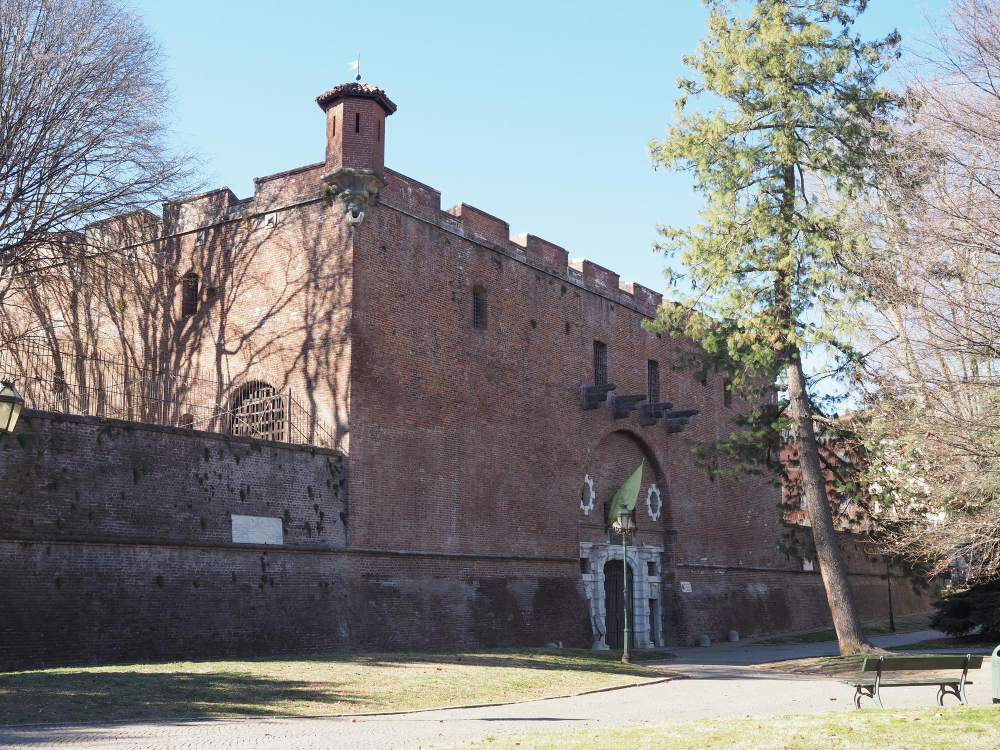
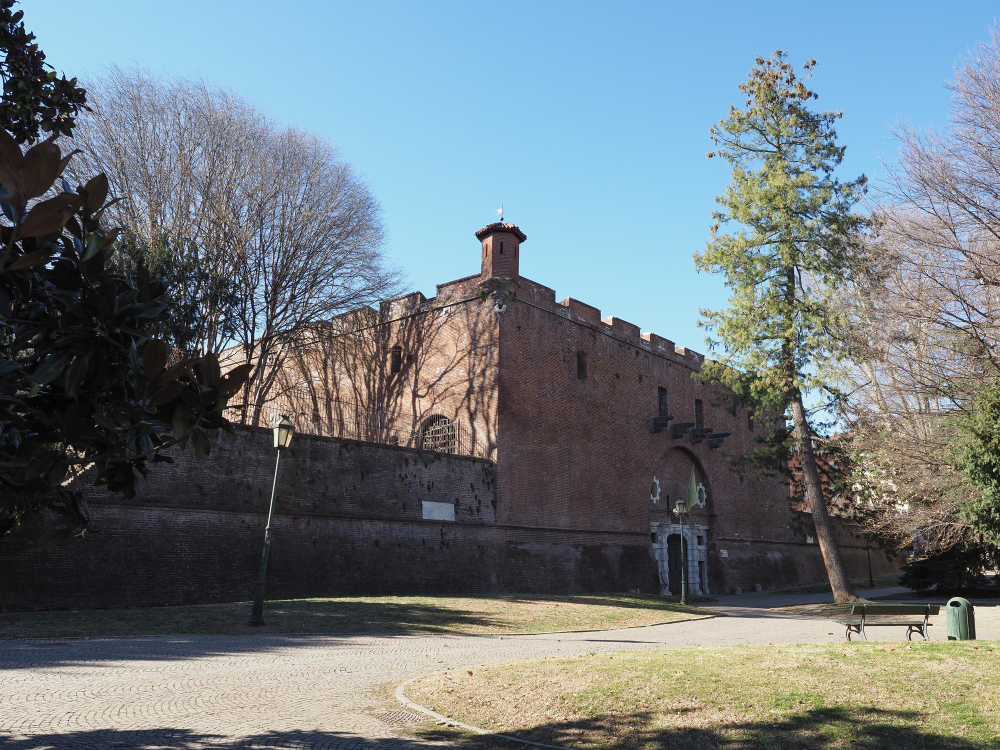
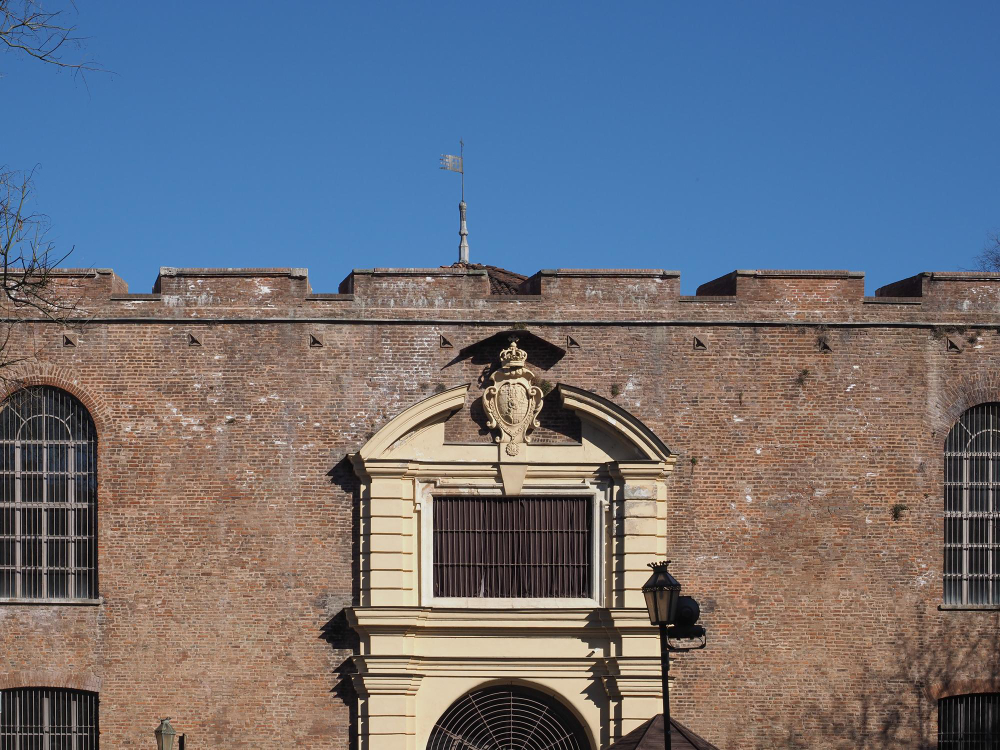
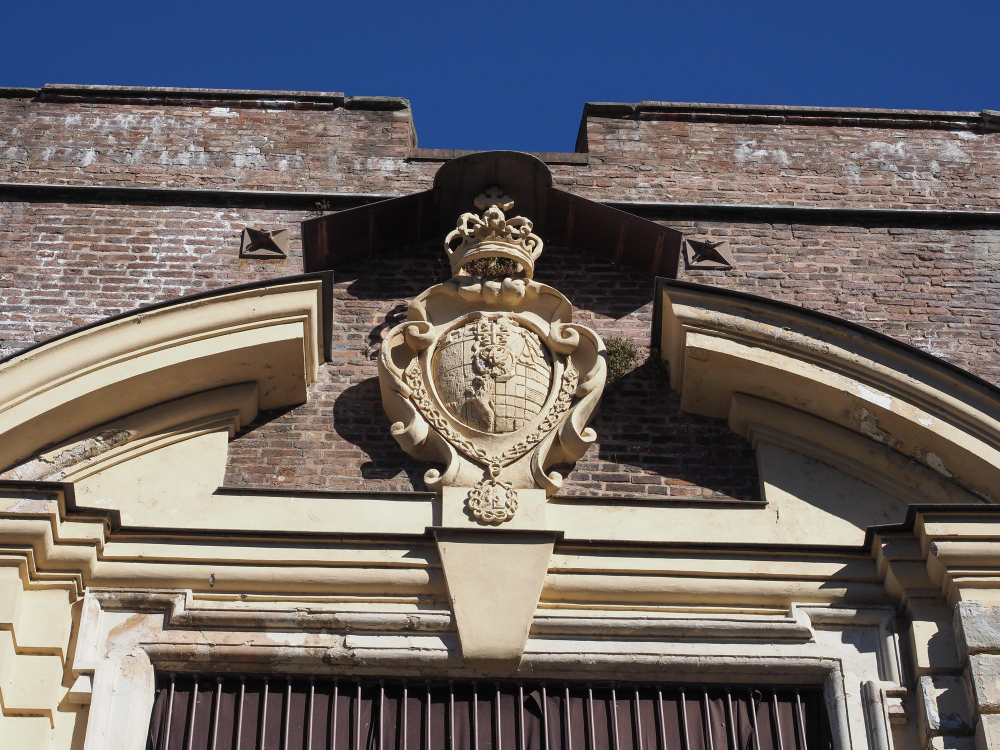
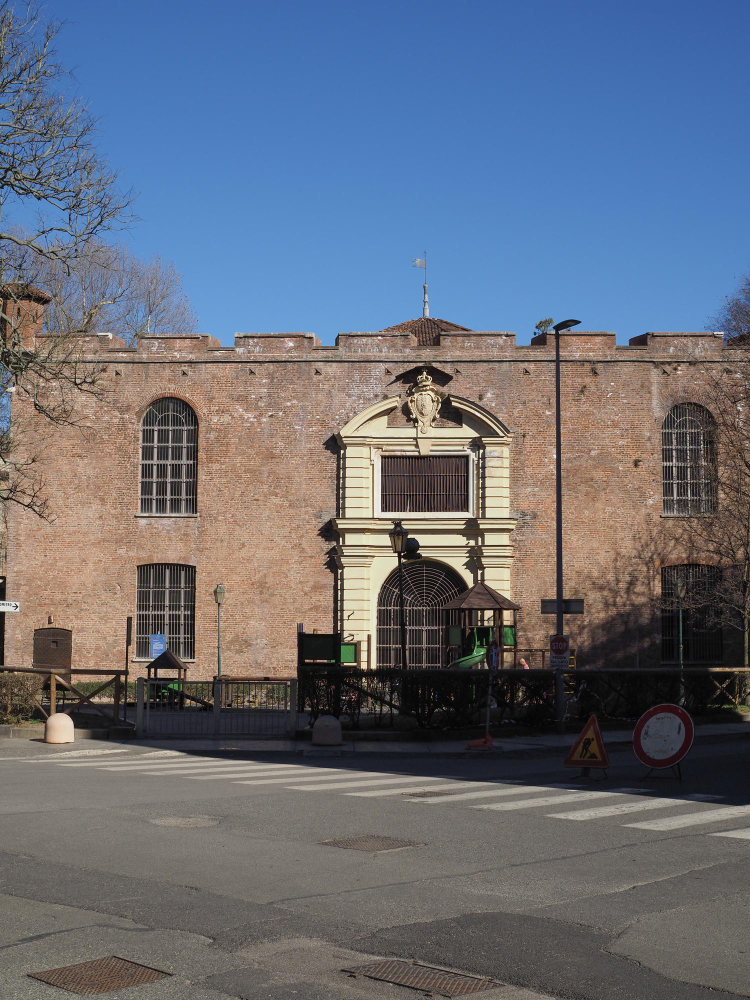
The Turin Citadel, an imposing 18th-century structure, is not only a significant example of Baroque military architecture but also a place where history and eerie tales are intertwined in a truly unique way. Beyond its stone walls and underground passages, dark legends abound—particularly the tale of a vivandière and a ghostly troupe from 1799, which sends chills down the spines of visitors and historians alike.
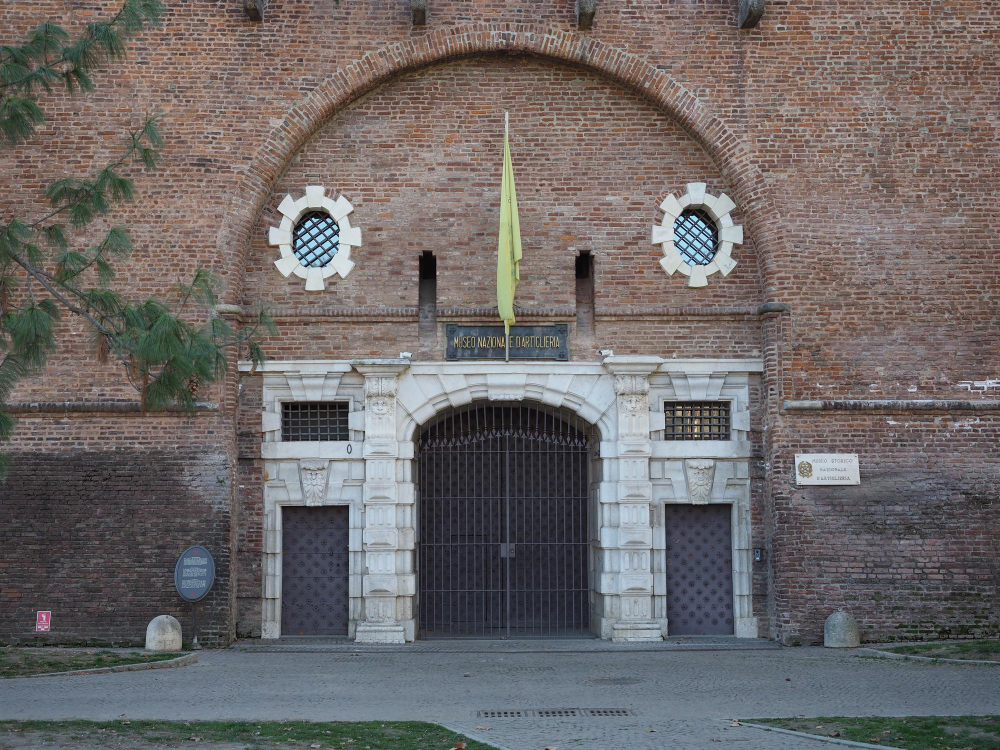
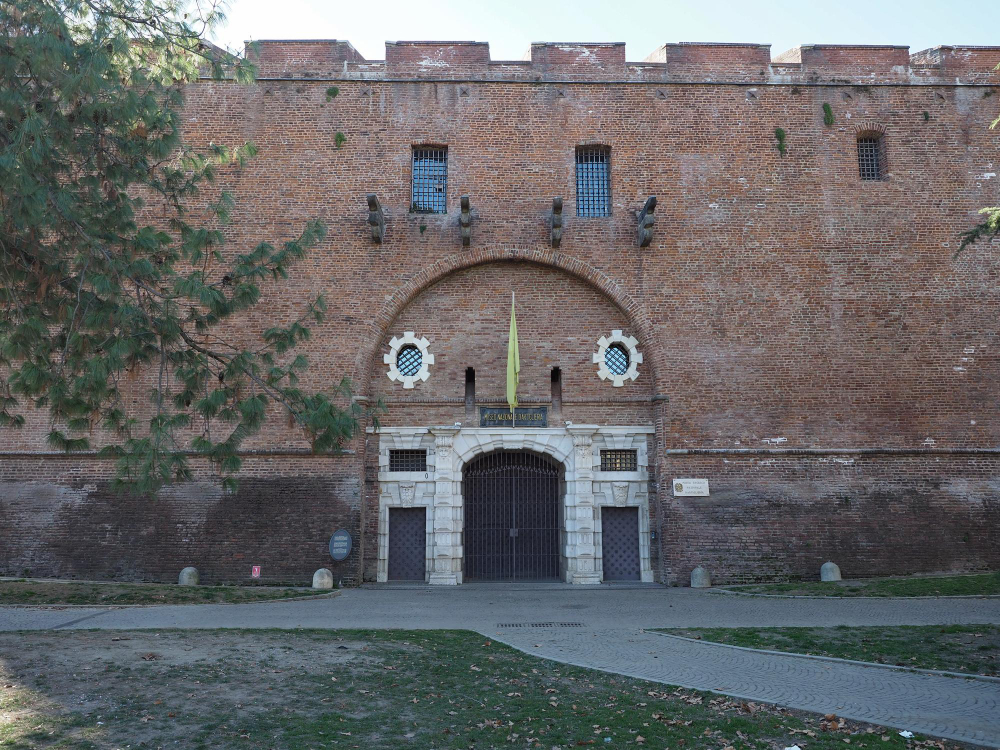
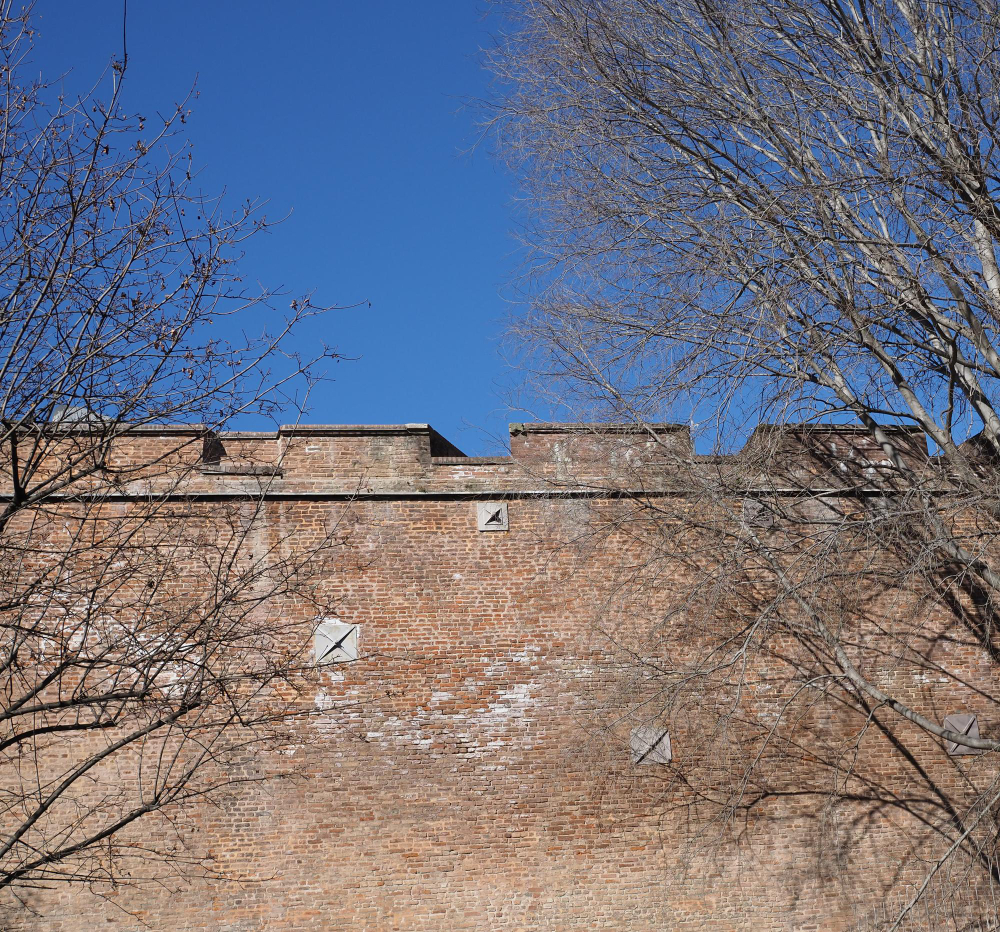
The Turin Citadel—A Historic Stronghold with Dark Secrets – Built between 1706 and 1721 according to plans by Ignazio Bertola, the Turin Citadel originally served as a defense against enemy invaders and symbolized the power and military influence of the House of Savoy. Its massive walls, sprawling bastions, and labyrinthine underground tunnel systems offered protection against sieges while also facilitating strategic warfare. But beyond its military significance and architectural mastery, numerous stories surround the citadel, recounting unexplained apparitions and hauntings. Particularly mysterious are the reports of a “vivandière”—a camp attendant and provider for the soldiers—and a ghostly troupe that allegedly roams the old tunnels, evoking memories of the year 1799.
The Vivandier – More Than Just a Historical Figure – In the 18th and early 19th centuries, vivandières were women who supported soldiers in the field by providing provisions, beverages, and small services. They accompanied troops on marches or camped near barracks and fortresses to supply the hardy army. Their role was essential, as they ensured the soldiers’ well-being and morale by providing simple yet vital services. In the Turin Citadel, the memory of a particularly well-known vivandière has been preserved—a young woman said to have served there during the turbulent times around 1799. The turmoil of the Coalition War against the revolutionary French troops left deep scars on the region and claimed many lives. It is said that the vivandière played a central role during those days, yet her fate remains tragic.
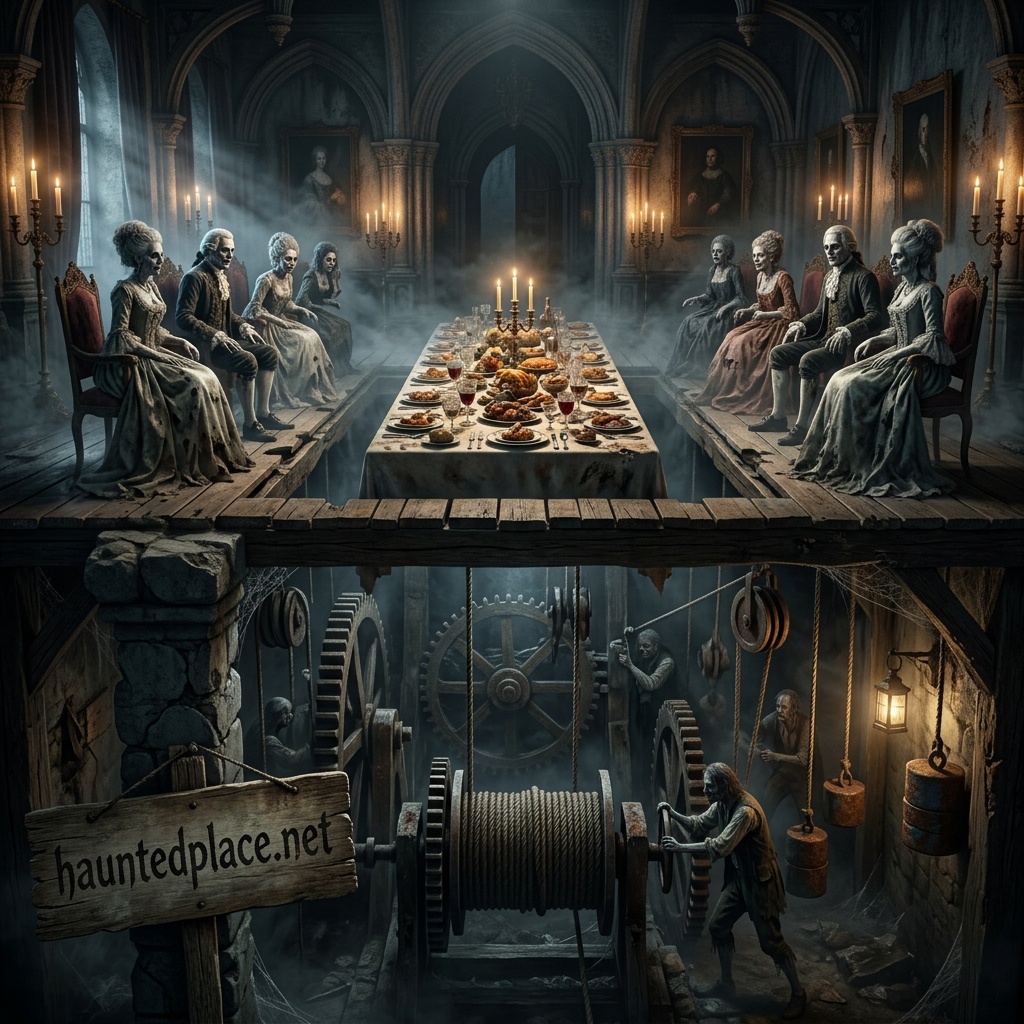
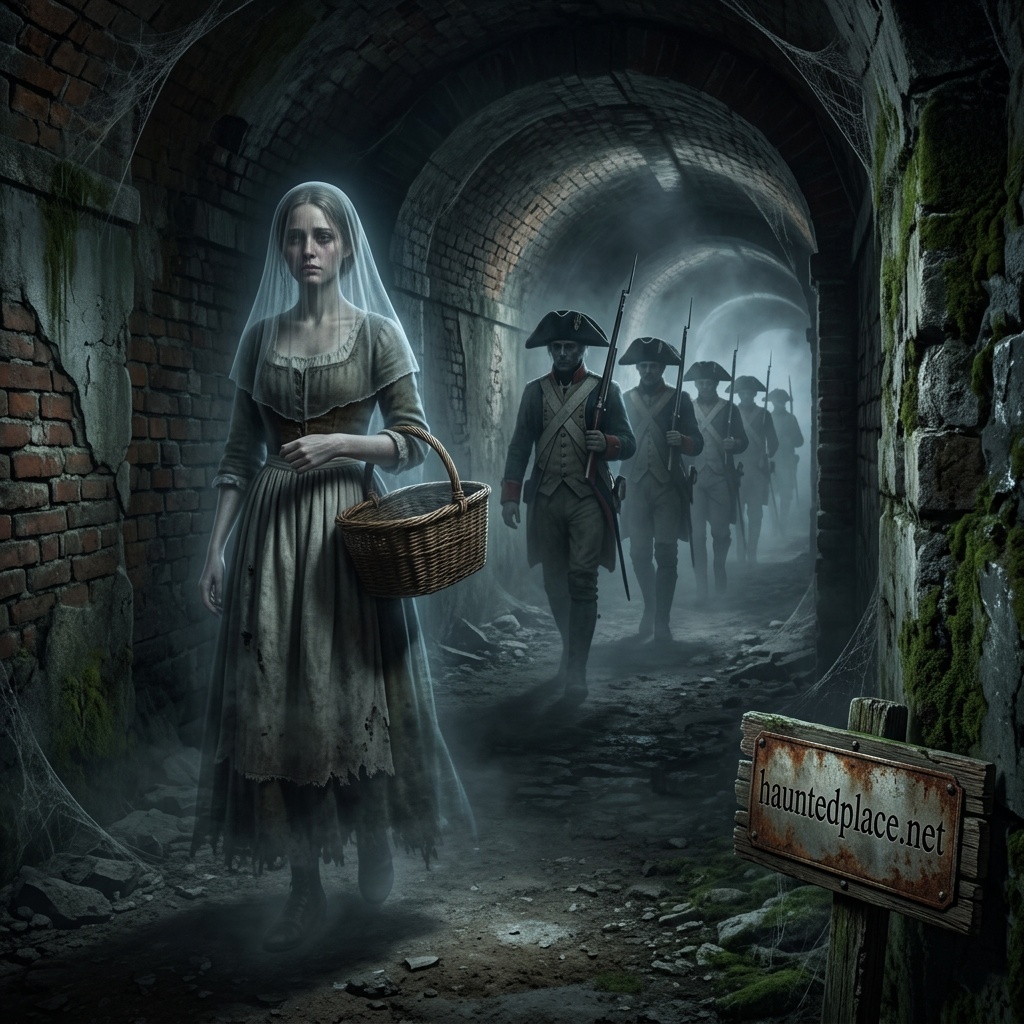
The Ghost of 1799: Apparitions in the Underground Passages – Several eyewitness accounts speak of a female apparition striding through the darkness of the historic tunnels, often dressed in a simple, period-appropriate gown and carrying a basket that likely once held provisions. This so-called “vivandière” is described as pale, with sad eyes and an almost transparent veil covering her face. She is also said to be accompanied at times by soft voices and the clinking sounds of dishes and bottles. Alongside these sightings, there are reports of an entire troupe of ghosts—soldiers who presumably lost their lives around 1799 in the fierce battles or died later from the lingering effects of the war. These ghostly figures, clad in dust-covered uniforms, are said to wander in single file, silently and unwaveringly, through the narrow corridors and casemates. Their presence is accompanied by a chilly draft, muffled footsteps, and a feeling of inexplicable foreboding.
Historical Context: The Year 1799 in Turin – The year 1799 was a time of great political and military upheaval for Turin and all of northern Italy. The French Revolutionary Wars had shaken Europe, and the citadel served as a strategic outpost in this conflict. During the battles and sieges, there were numerous casualties and much suffering. Infirmaries and makeshift shelters within the fortress were filled with the wounded, while the soldiers struggled with deprivation. Against this backdrop, one can understand the emotional and tragic circumstances of the vivandière. Her existence was marked by worry, the struggle for survival, and daily confrontation with death and injury. Such emotional strain, combined with the immediate reality of war, is often the source of legends that live on for centuries.
Sources and Accounts of the Legend’s Origins – Although the primary source of this legend is oral tradition and local folklore, there are also historically documented references. Documents from military archives and reports by contemporary observers describe the presence of vivandières in military installations of that time. Likewise, war diaries confirm that the citadel was heavily besieged during the hostilities. Recent studies by historians and paranormal investigators have attempted to link the apparitions to physical explanations such as acoustic phenomena, reflected light, and emotionally charged locations. Nevertheless, the vivid image of a ghostly procession and the lonely vivandier remains deeply rooted in the collective memory.
Between History and Myth – The story of the vivandière and the ghostly procession from 1799 is a fascinating blend of historical facts and legend-building. While the Turin Citadel is undoubtedly a significant site of military history, these somber tales enrich the cultural memory and lend the structure a special aura. Whether one believes in ghosts or not—the emotions and experiences of the people from that era leave their mark on the collective consciousness. The “Vivandier” and the nameless soldiers are thus not only figures of horror but also memorials to the sufferings and hopes of past generations. For all lovers of the eerie, the Turin Citadel remains a magnet that brings history to life—in the whispers of the tunnels, in the shadows of the walls, and in the nocturnal encounters with unforgettable ghosts of the past.