 Isabella Mueller Baroness of Stainton le Vale
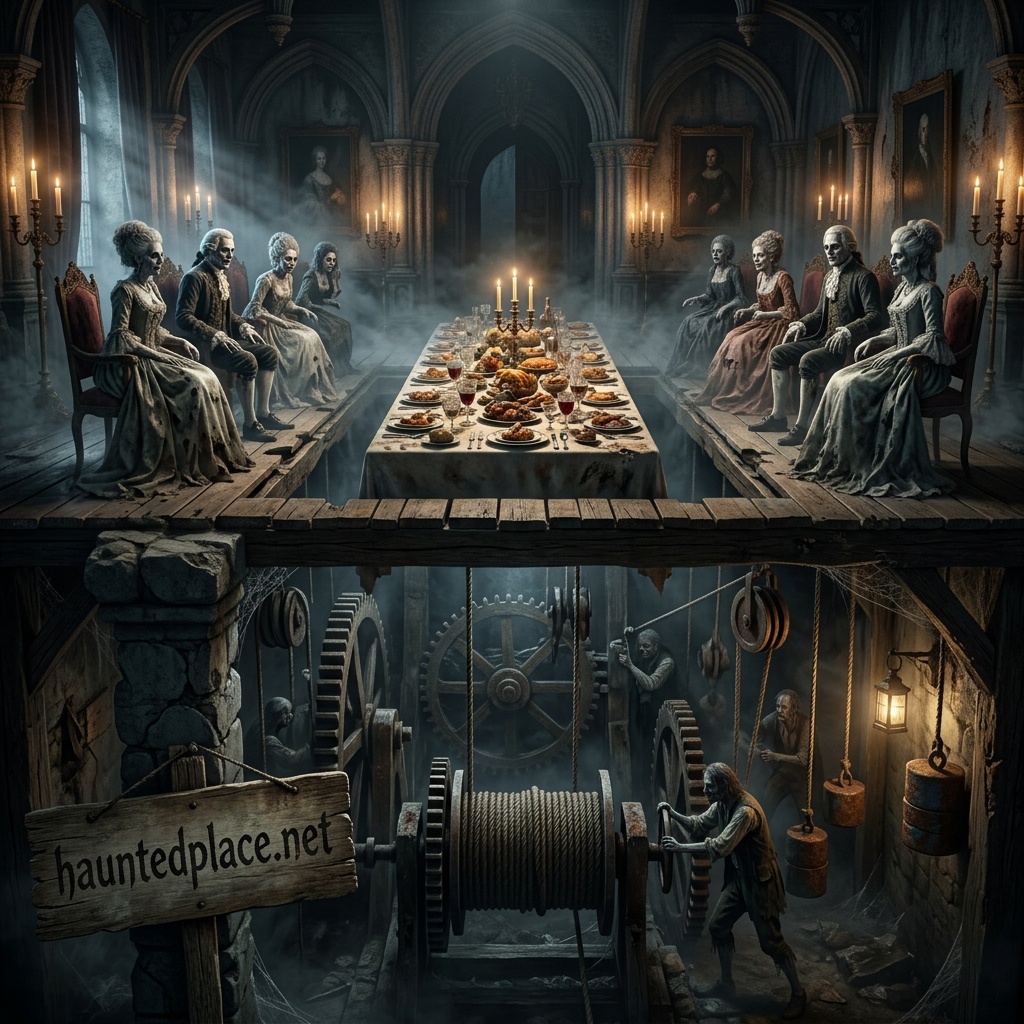
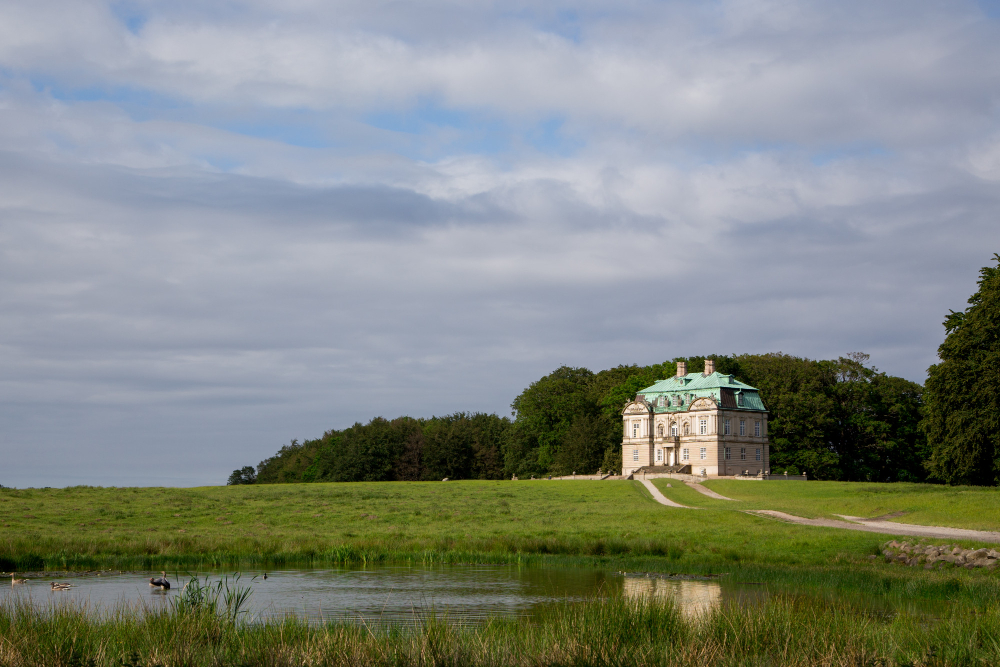
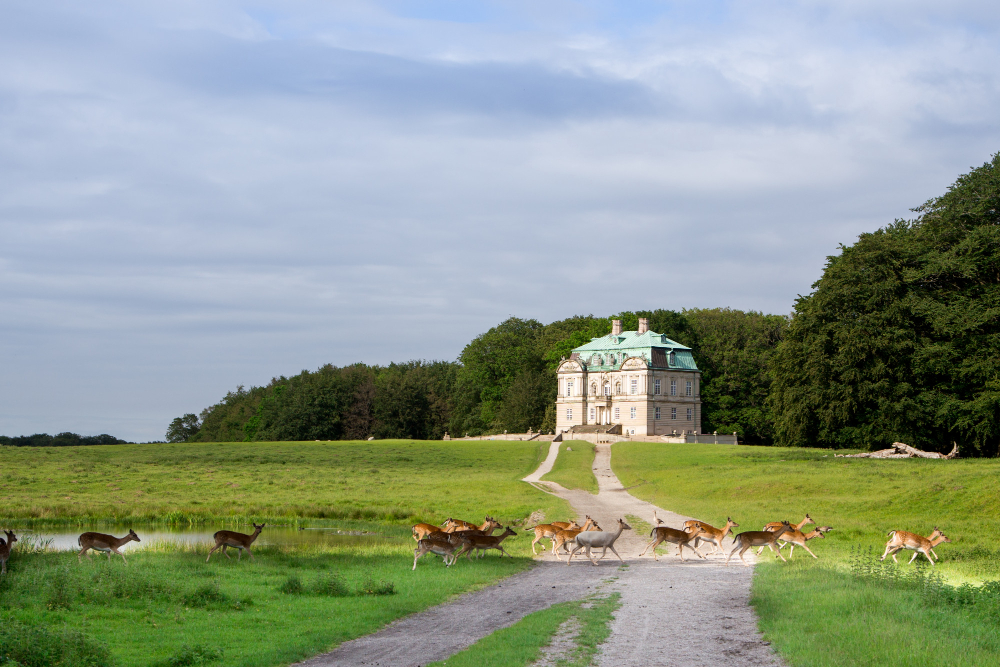
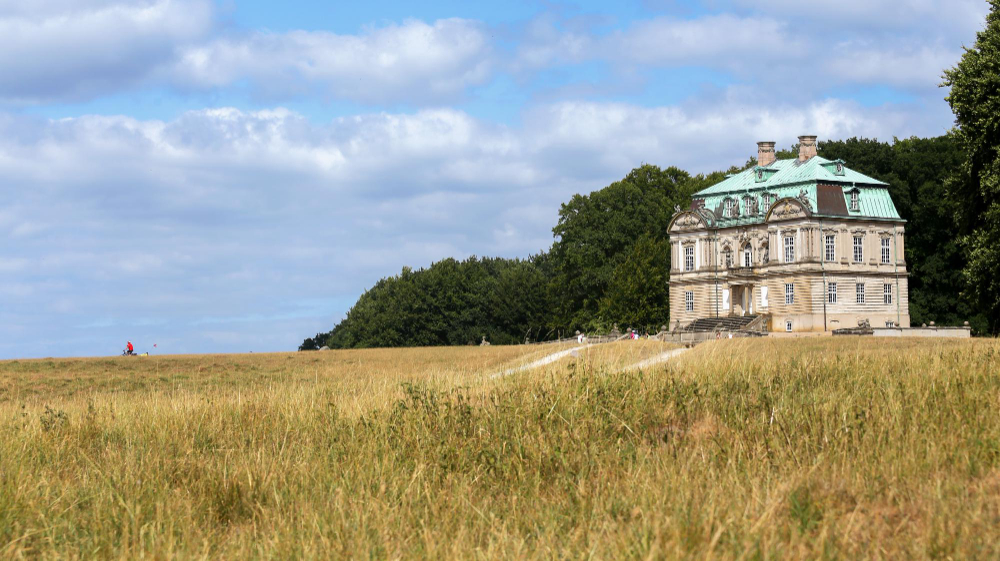
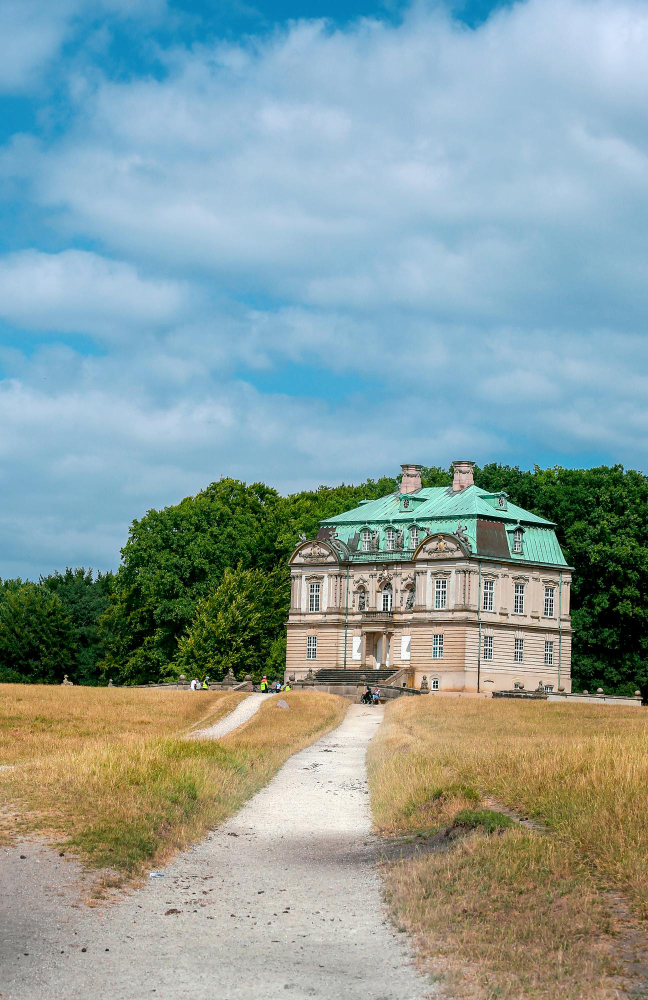
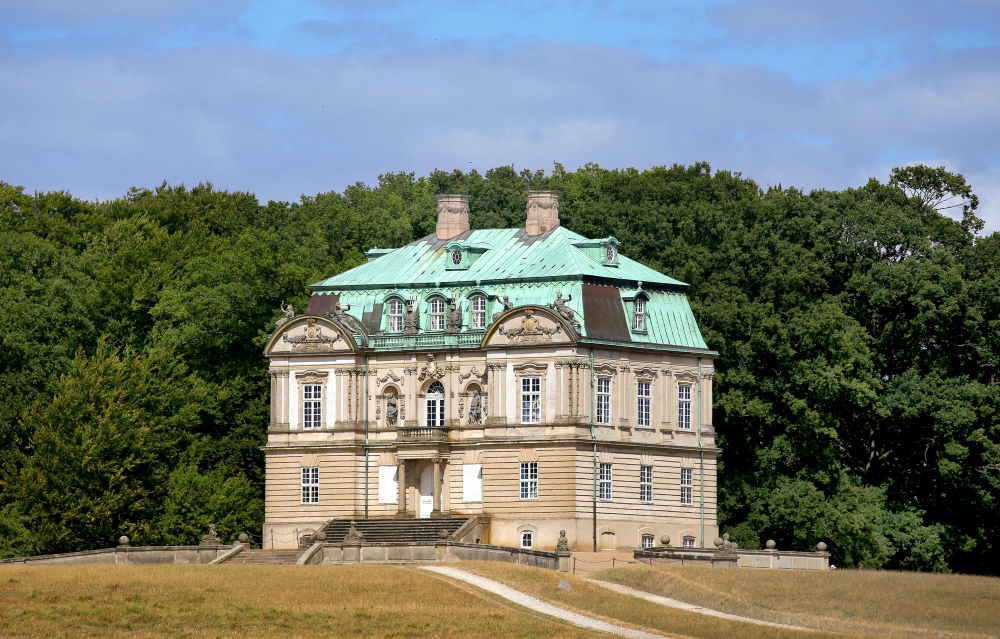
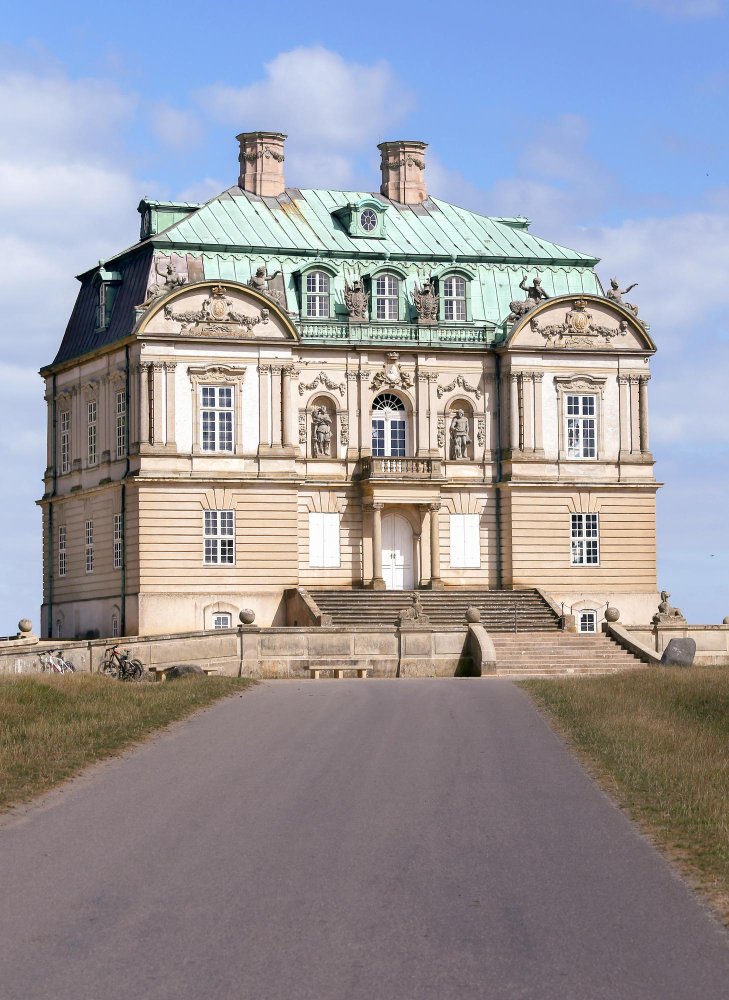
Amidst the thick mist of Danish history, there is a legend that inspires both fascination and dread – the so-called ‘Ghostly Dinner’ at Eremitage Castle near Copenhagen. This mysterious meal, during which dishes seemingly appeared out of nowhere and vanished just as suddenly without a trace, owes its origins to a technical masterpiece and a peculiar longing for solitude. In this article, we delve deep into the background, the historical context and the fascinating technology behind the Hermitage table – a dining table that not only fulfilled culinary desires but also conjured up ghost stories.
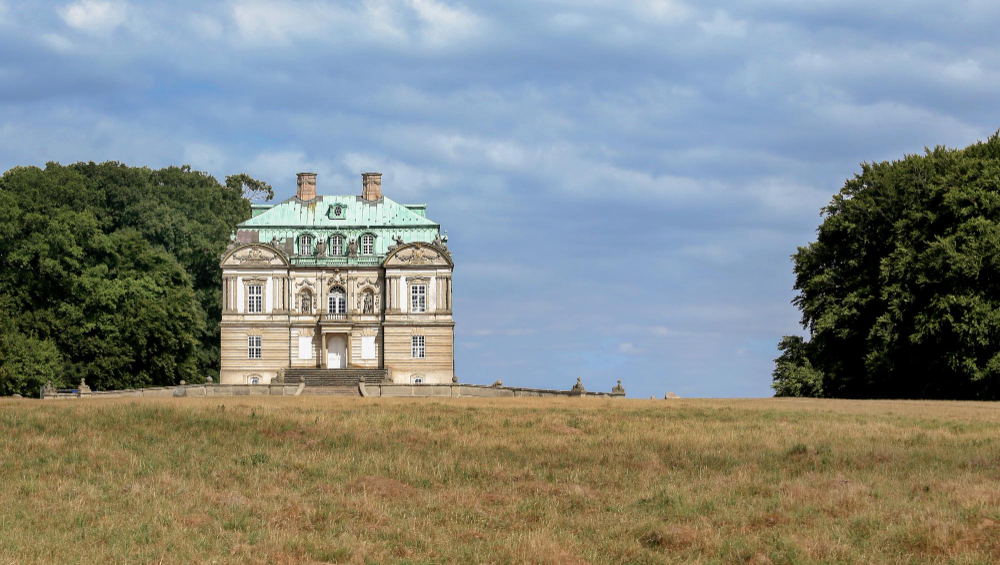
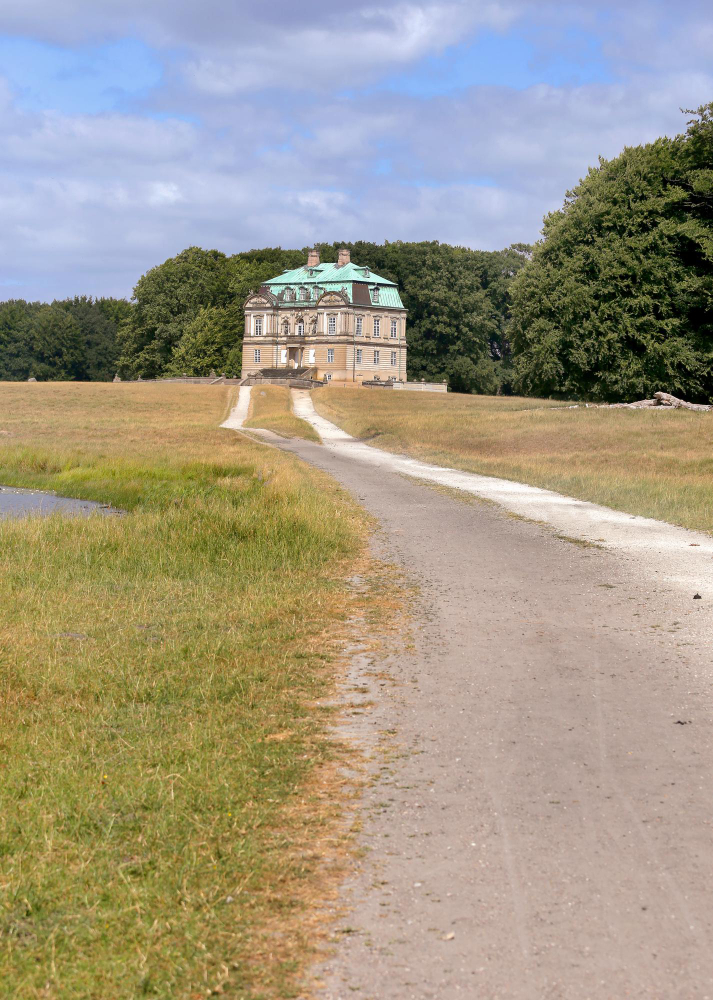
Solitude as a luxury: the origin of the name ‘Hermitage’ – The name ‘Eremitage’ derives from the French term ‘en ermitage’, which translates as ‘in solitude’. The palace is situated in the secluded Jægersborg Dyrehave, north of Copenhagen, and was built in the 18th century under King Christian VI. Originally, the estate served primarily as a royal hunting ground. Yet the king also sought a place of tranquillity, far removed from the hustle and bustle of court life and the prying eyes of his servants. However, this idyll was not to come at the expense of conviviality. Christian VI wished to dine undisturbed with his invited guests – without the presence of servants, who disrupted both the flow of conversation and privacy. This provided the impetus for an unusual technical innovation: the so-called ‘Taffelmaskine’ – a lift table that seemed almost magical.
Taffelmaskine – The technology behind the ‘ghost table’ – During the Age of Enlightenment, mechanics and engineering increasingly became a stage for astonishing experiments and practical solutions. The royal court had a large lift table installed in the kitchen beneath the dining hall. This was fully laid with plates, glasses and food and then – as it seemed – transported upwards into the castle’s hall as if by magic. With the aid of an ingenious system of ropes, pulleys and counterweights, the kitchen staff were able to raise the table into the centre of the room, where the guests then dined. After the meal, the table disappeared back through the floor. To the spectators, the whole thing seemed almost supernatural: plates and dishes appeared as if out of nowhere, and vanished just as tracelessly. The absence of servants made the whole affair seem like a genuine ‘ghostly dinner’. As well as its practical benefits, this ingenious mechanism also had a striking psychological effect. On the one hand, it fostered an intimate atmosphere, free from formalities and the constant presence of service staff. On the other hand, the experience itself became a topic of conversation – evoking both a shiver of awe and amazement.
Historical Significance and Cultural Context – King Christian VI, who reigned from 1730 to 1746, was known for his piety and his interest in discipline. The Eremitage Palace suited his desire for seclusion. At the same time, the technical innovation behind the ‘ghost dinner’ also reflected the optimism about progress characteristic of the era. The development of the ‘Taffelmaskine’ is part of a series of mechanical achievements at European courts. Similar devices existed in France and England, for example, but none achieved the elegant perfection realised at the Eremitage Palace. Rumours and ghost stories quickly spread amongst the courtiers. It was rumoured that ghosts served the meals. The fascination of such tales probably lies in the fact that, back then, technology and magic were not as clearly separated as we are accustomed to today. Mechanical devices often still seemed like sorcery.
The Eremitage Palace today: a place steeped in atmosphere and history – Today, the Eremitage Palace stands as a popular destination for day trips in the heart of the leafy Jægersborg Dyrehave. Visitors can explore the surroundings and view the remains of the unique terrace where the ‘ghostly dinner’ took place. Although the original table has long since ceased to be in use, the legend lives on. Historians and historians of technology alike admire the sophisticated construction that once blurred the boundaries between reality and illusion. The palace has been restored several times and now serves as a cultural monument showcasing the interplay of history, art and technology.
A dining experience between magic and reality – The Ghost Dinner at the Eremitage Palace is a fascinating example of how technology and human imagination can combine to create an atmosphere that is both awe-inspiring and terrifying. The elevating table – a unique 18th-century invention – not only served a functional purpose but also brought a touch of magic to the lives of royal society. The fact that the table appeared to outsiders to be moved as if by ghostly hands shows just how thin the line between science and superstition once was. Today, in the age of modern technology, such stories seem all the more mysterious and spark our imagination. The myth surrounding the ‘Ghostly Dîner’ reminds us that even the most rational thinking cannot prevent us from fearing or being fascinated by the inexplicable. Thus, the Hermitage Palace remains not only a monument to history, but also a place where the shadows of the past continue to play their eerie games – to the amazement and shudder of our present day.