 Isabella Mueller Baroness of Stainton le Vale
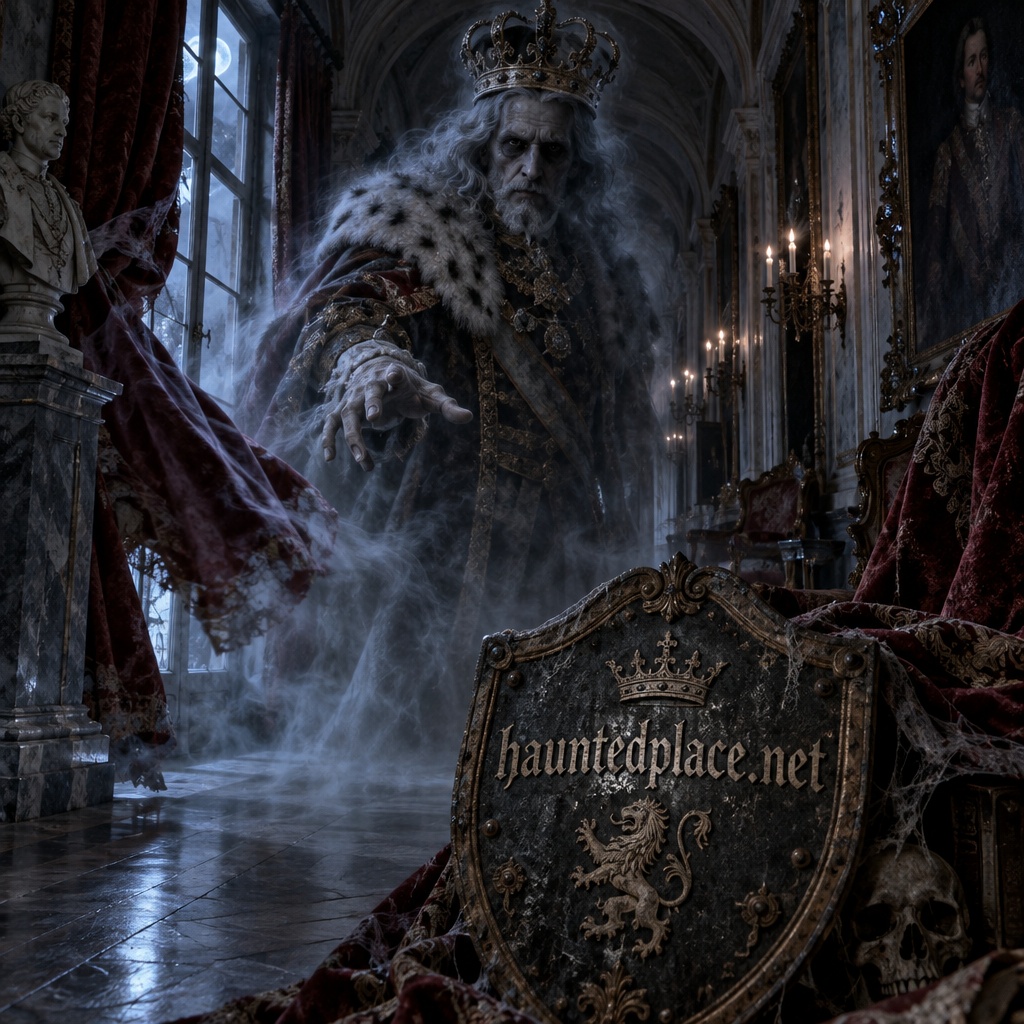
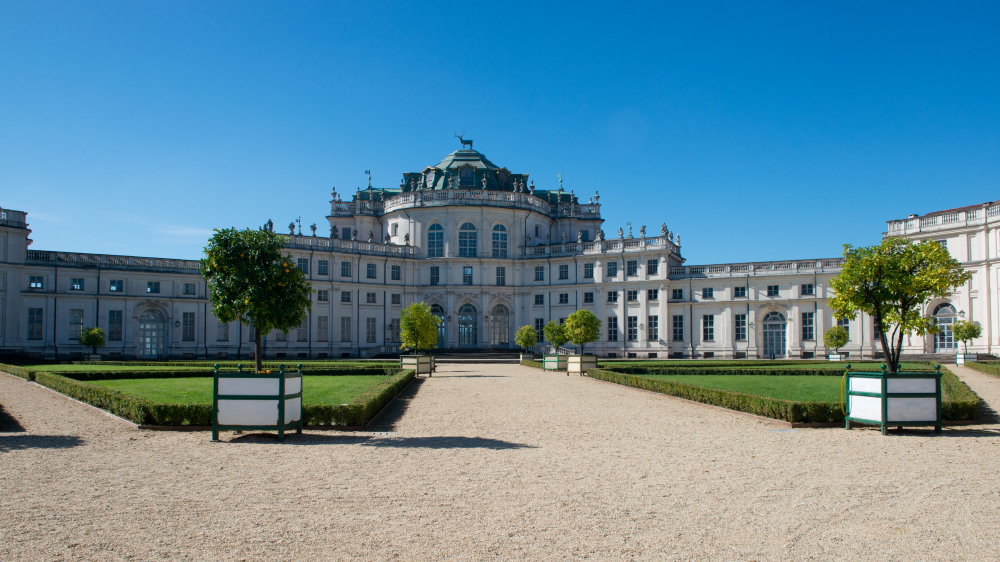
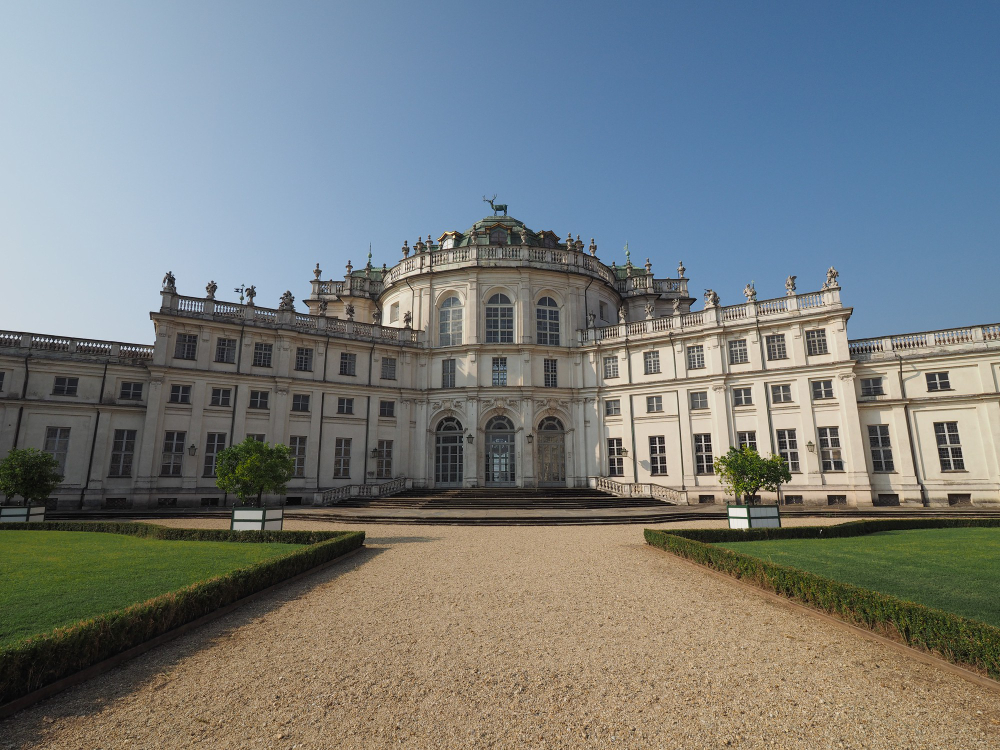
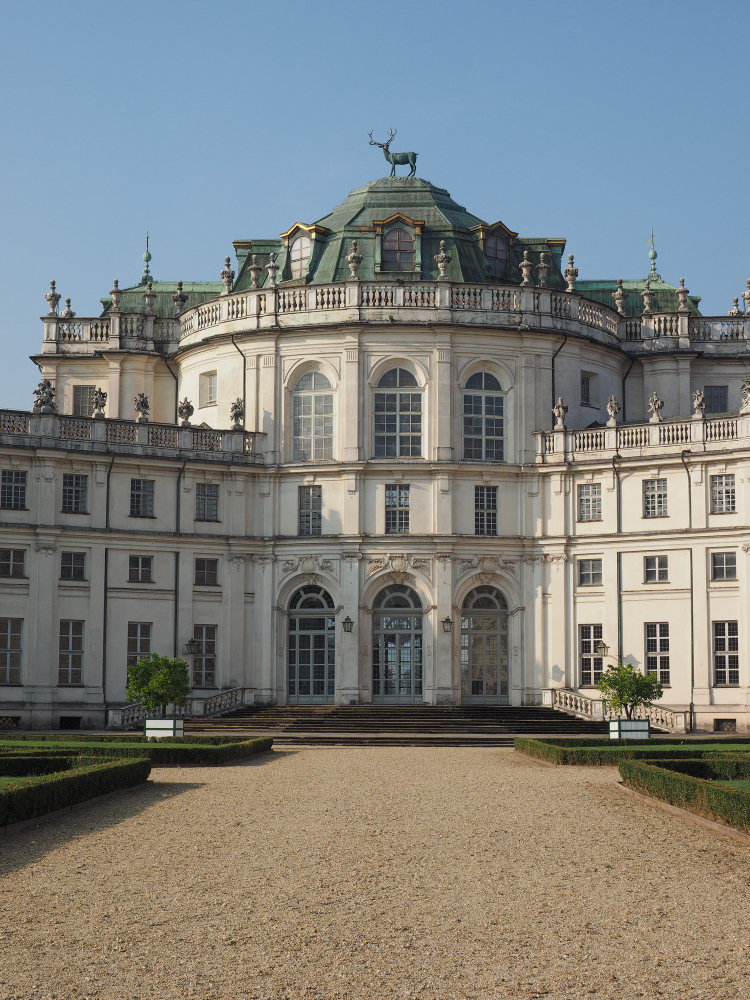
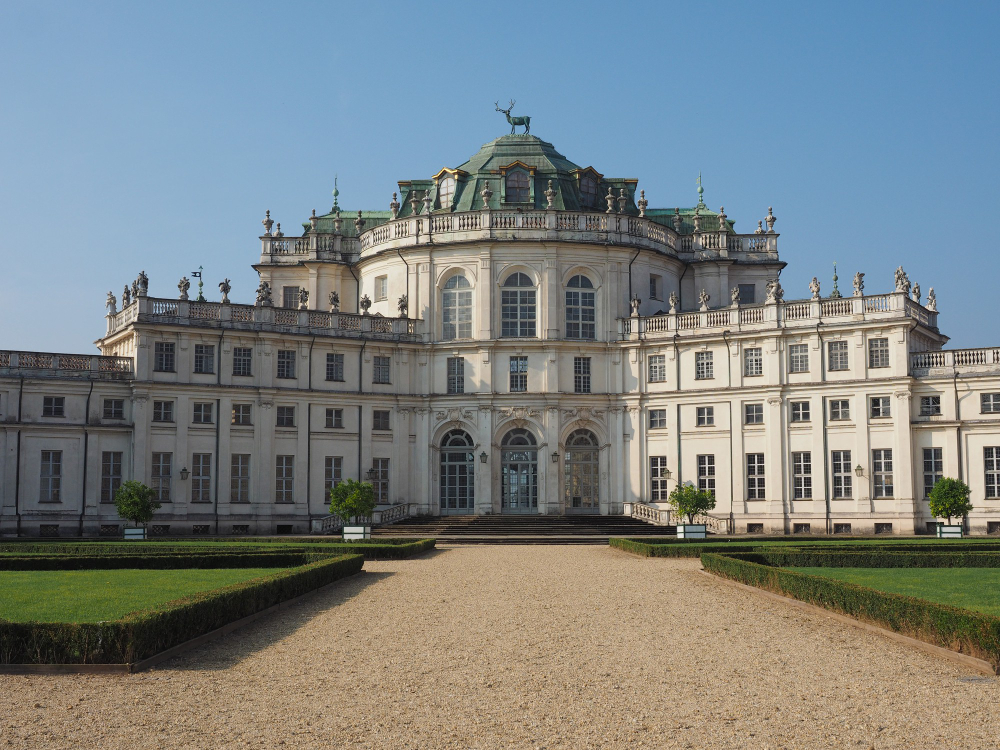
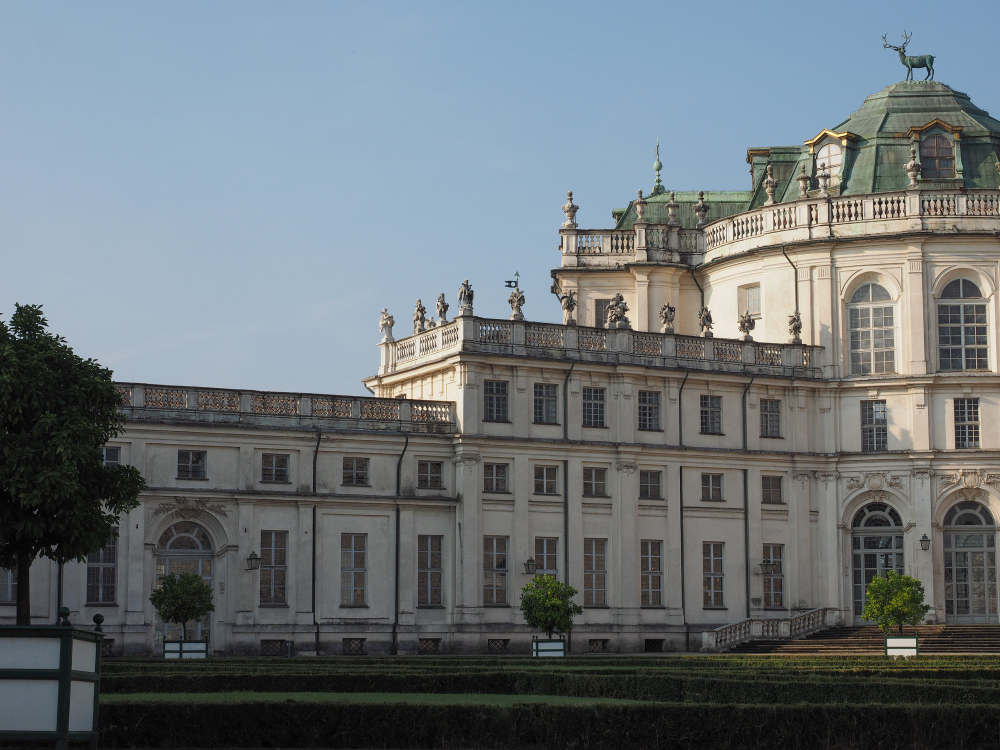
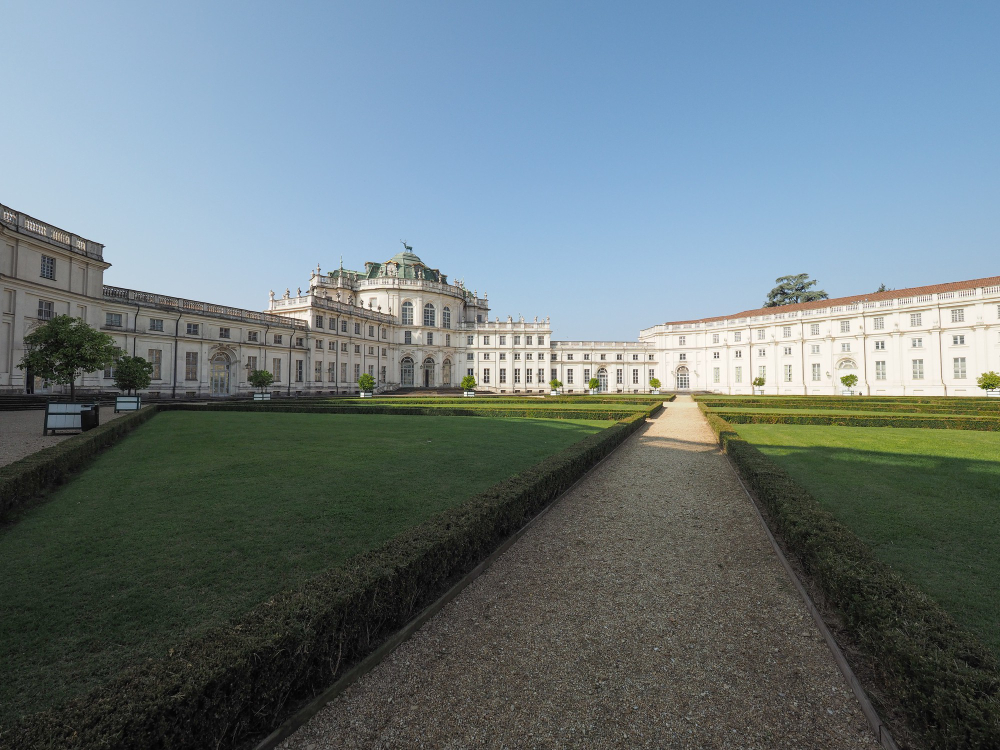
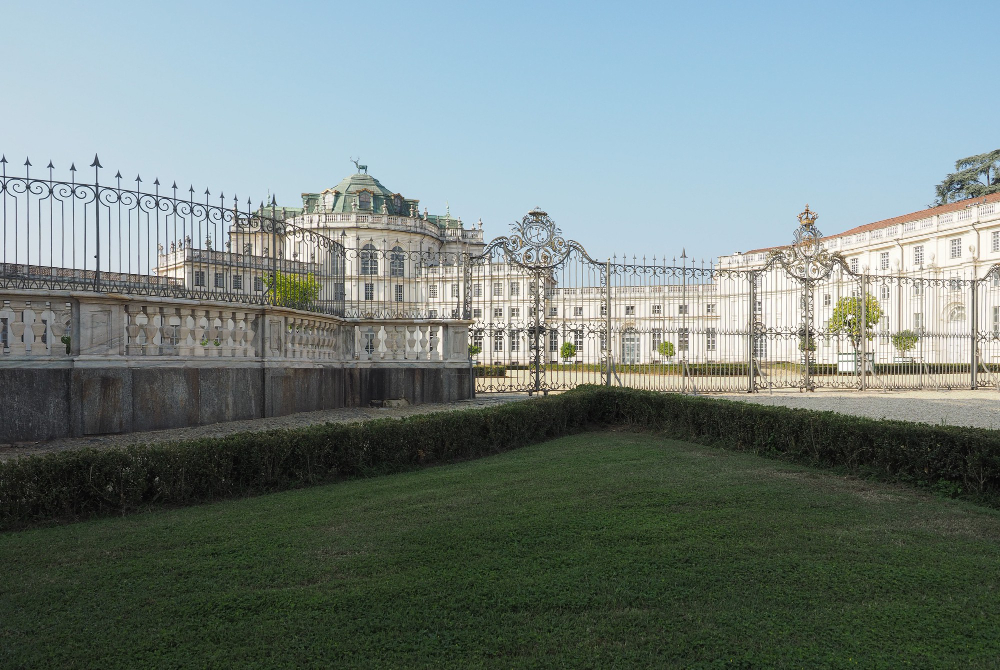
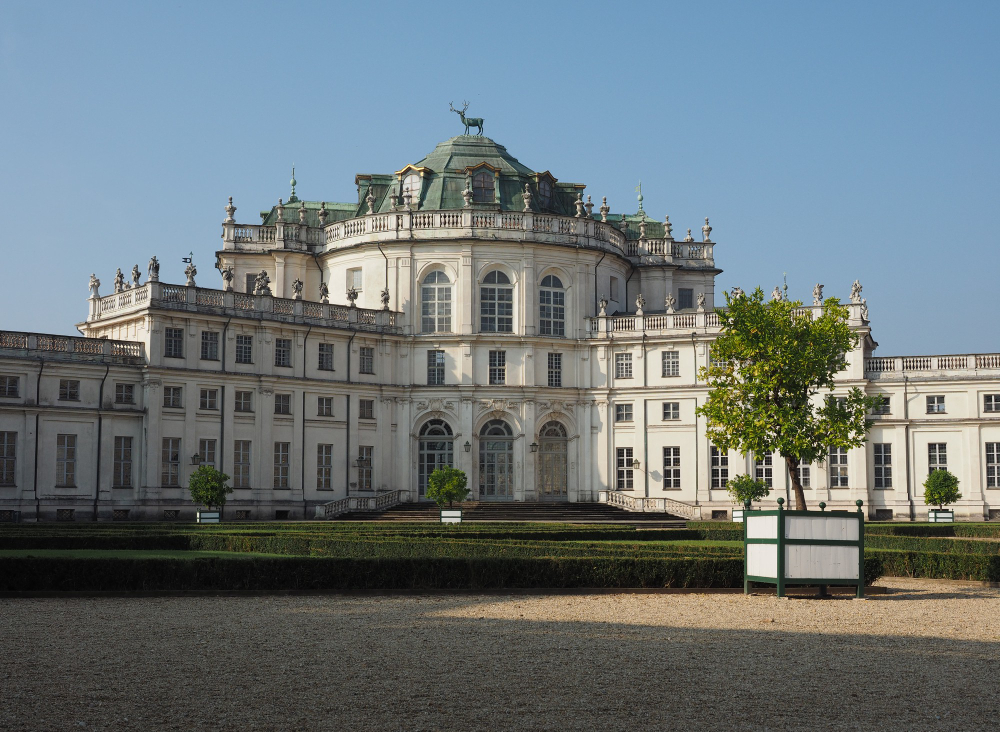
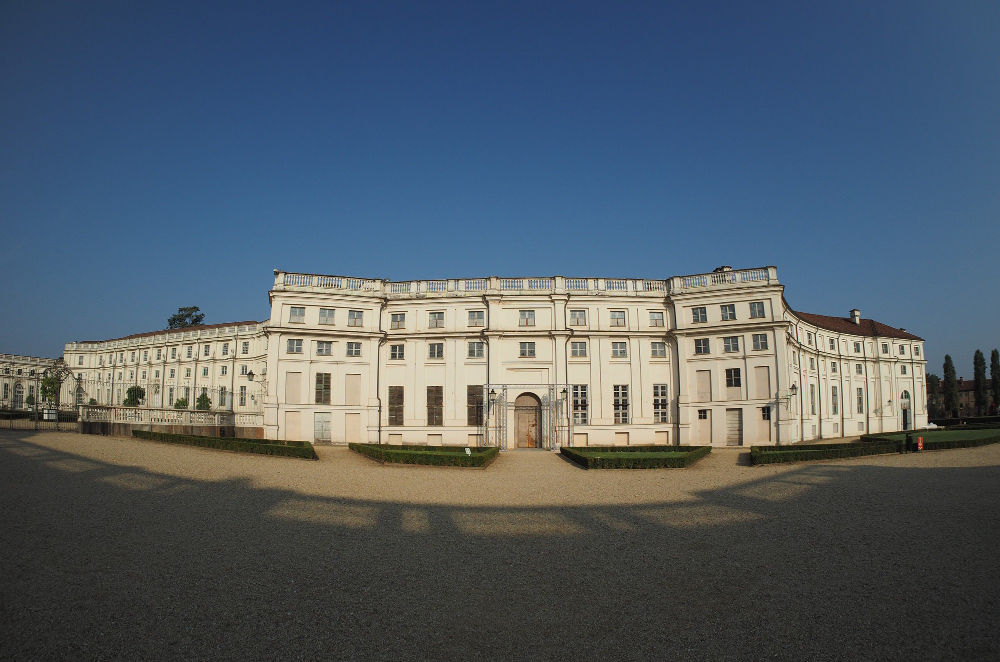
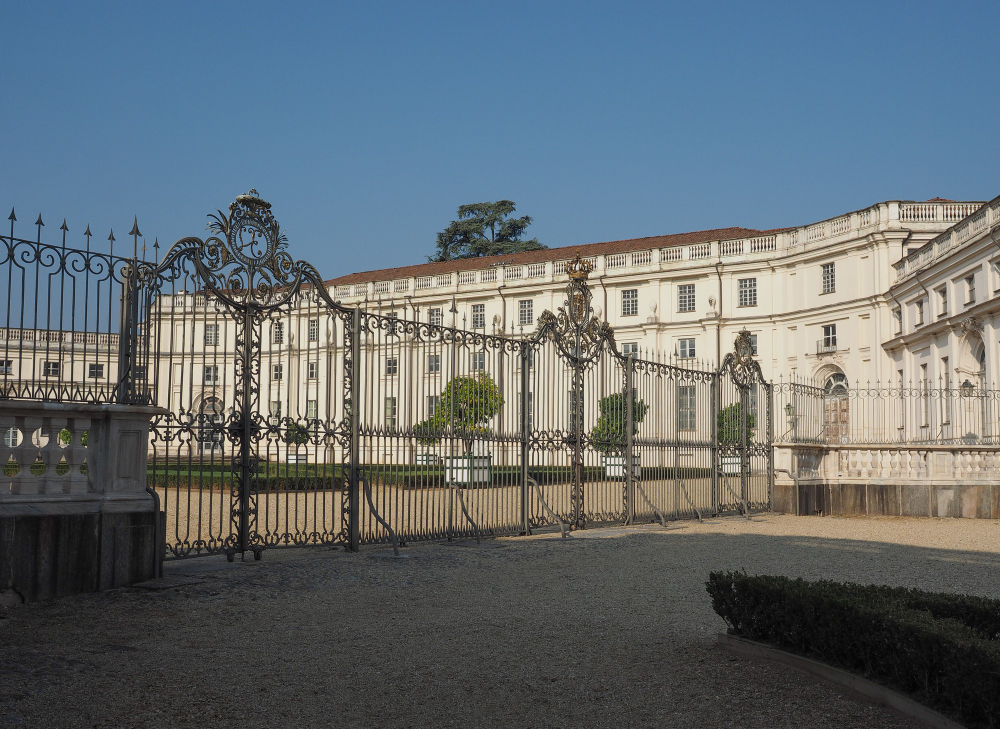
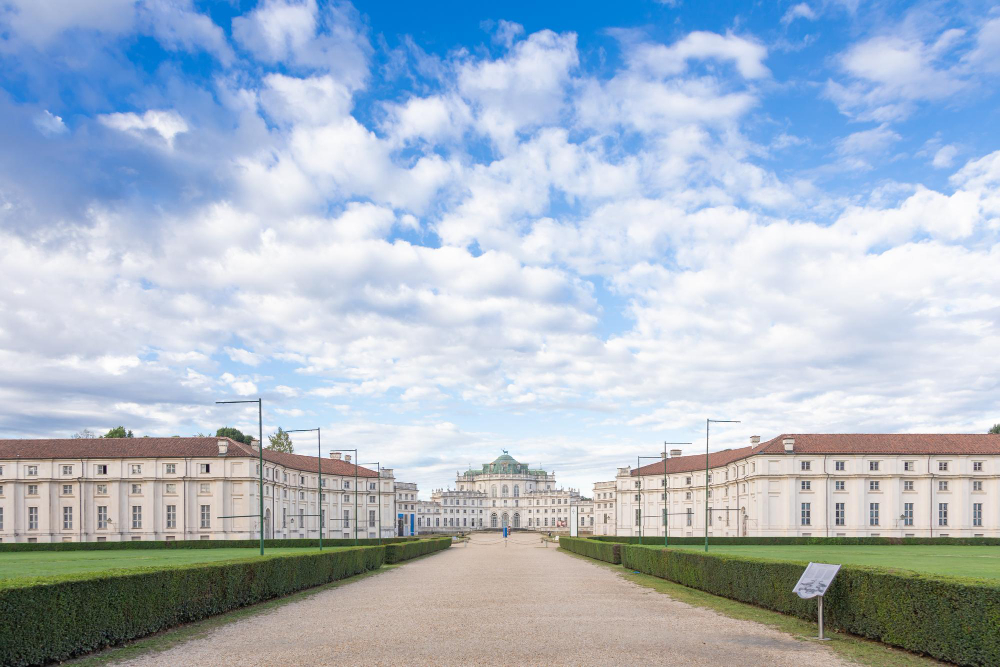
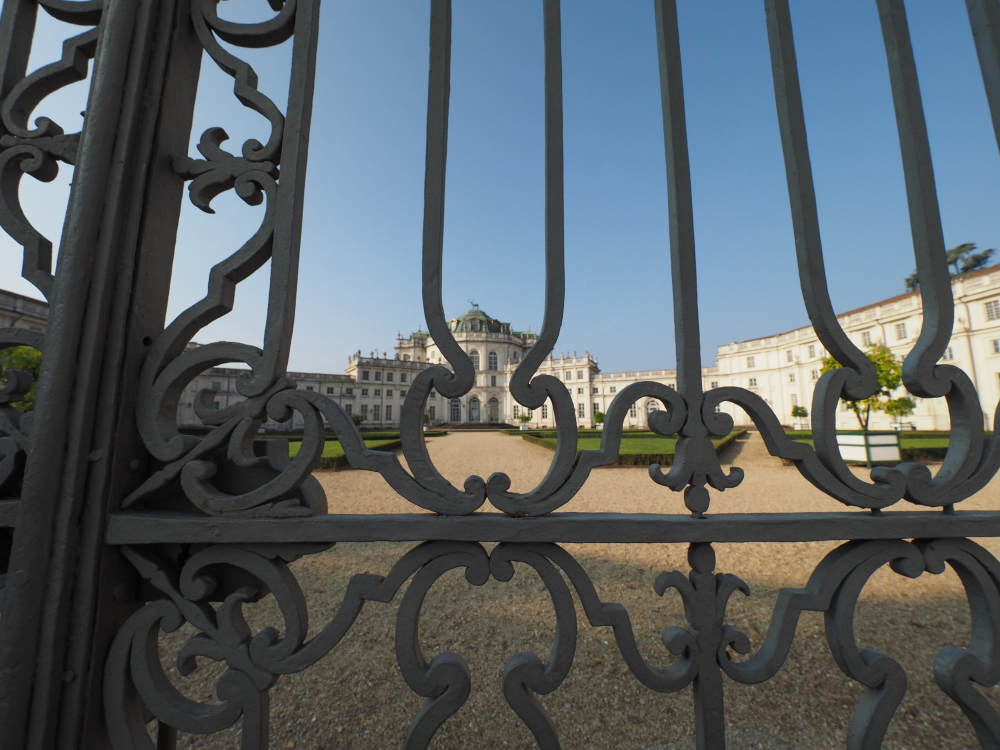
The Palazzina di Caccia di Stupinigi, a Baroque hunting lodge near Turin, is not only an architectural gem and a symbol of the royal power of the House of Savoy. Beneath the ornately decorated walls and sumptuous halls lurks a sombre legend that continues to captivate visitors and staff alike to this day: the ghost of King Victor Amadeus II is said to haunt the estate – a myth deeply rooted in history and the tragic events of his life.
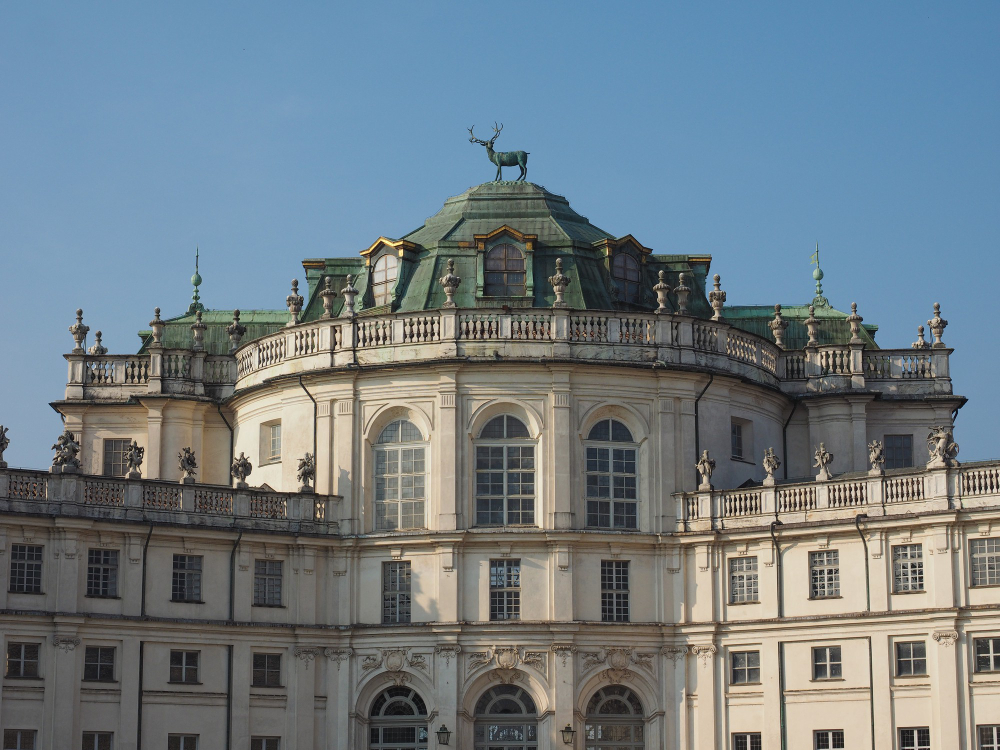
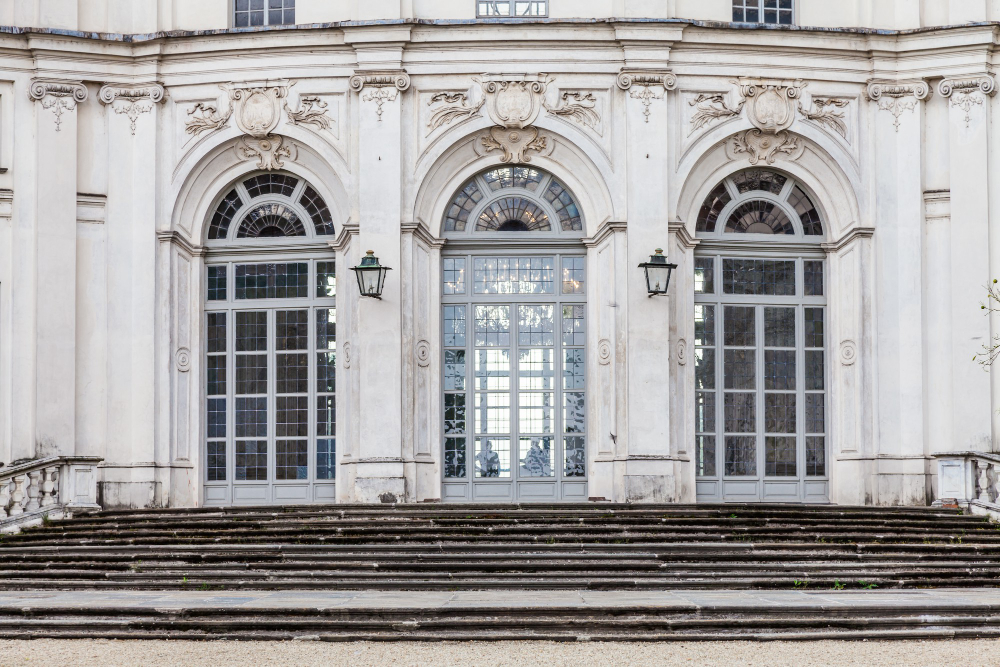
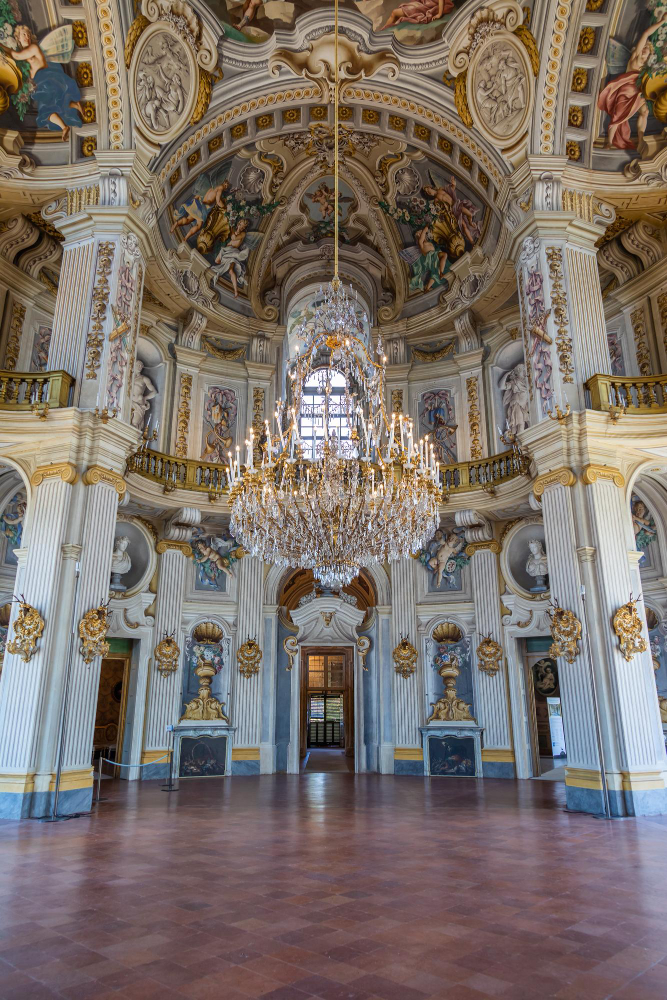
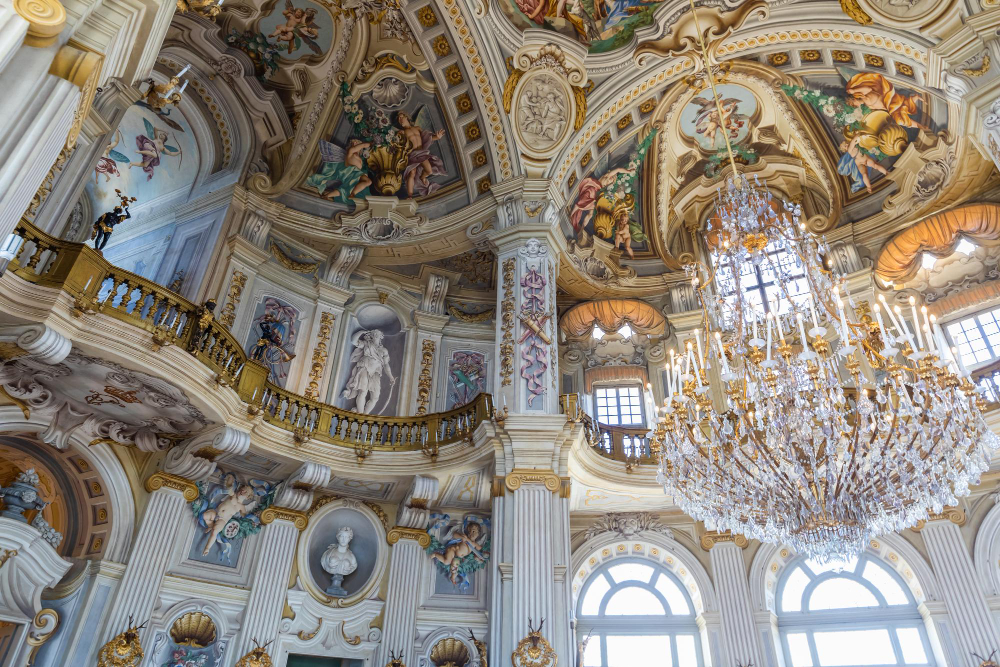
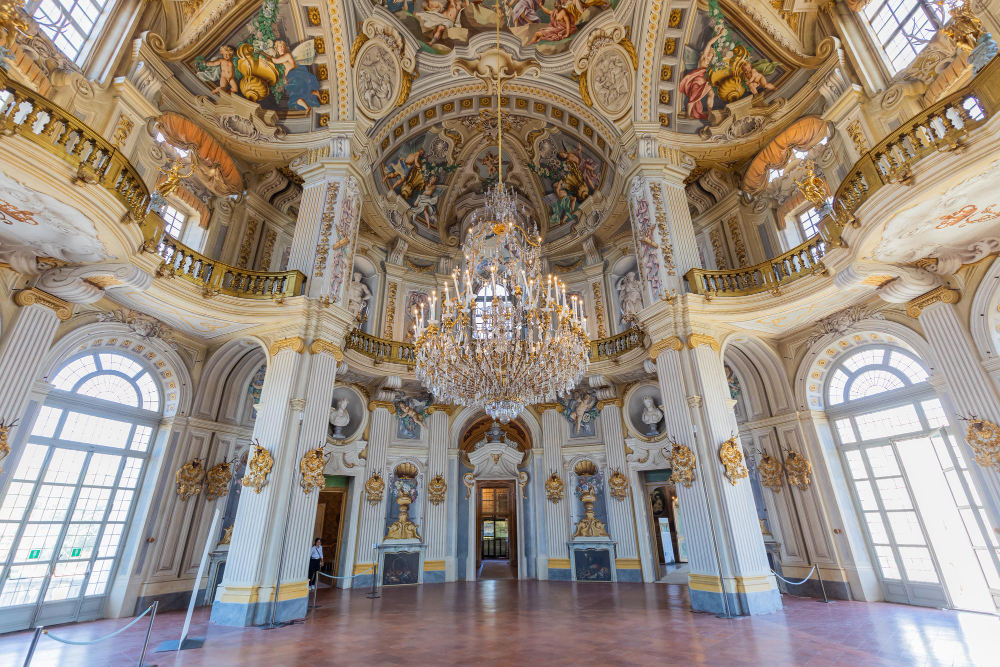
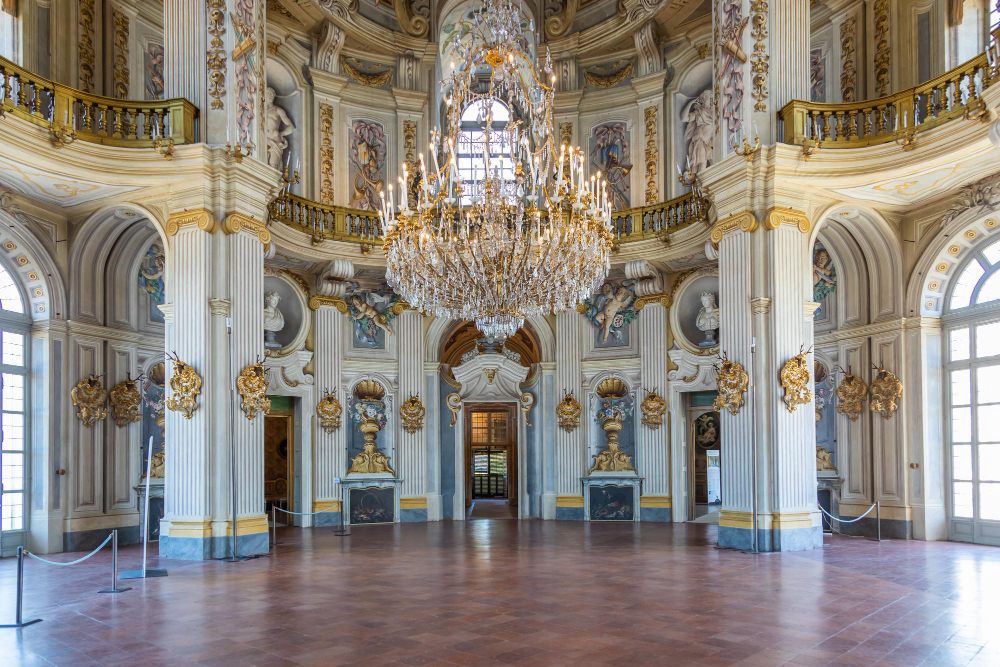
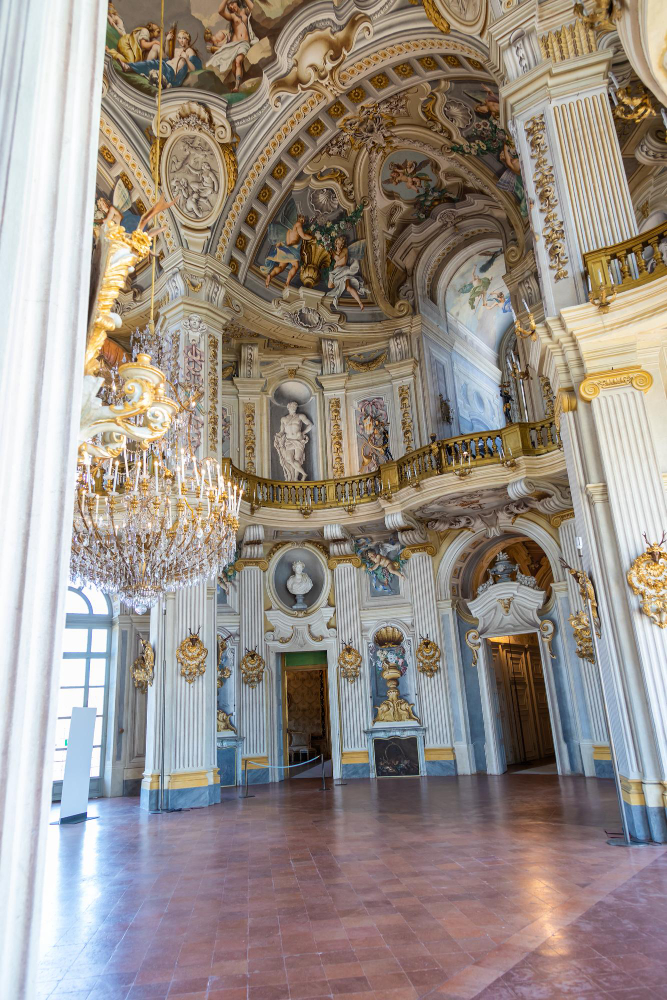
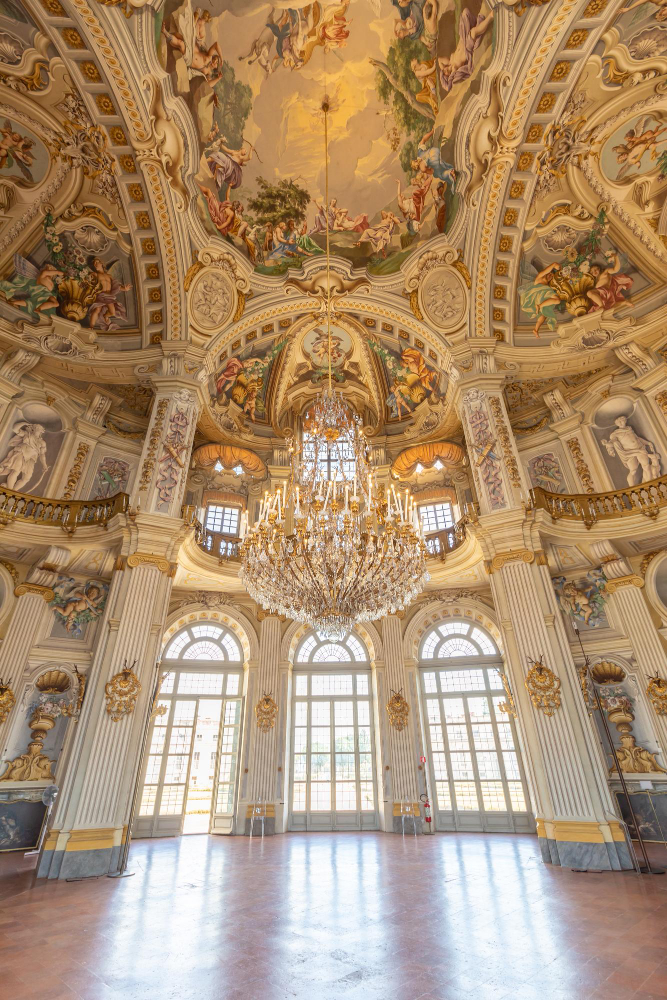
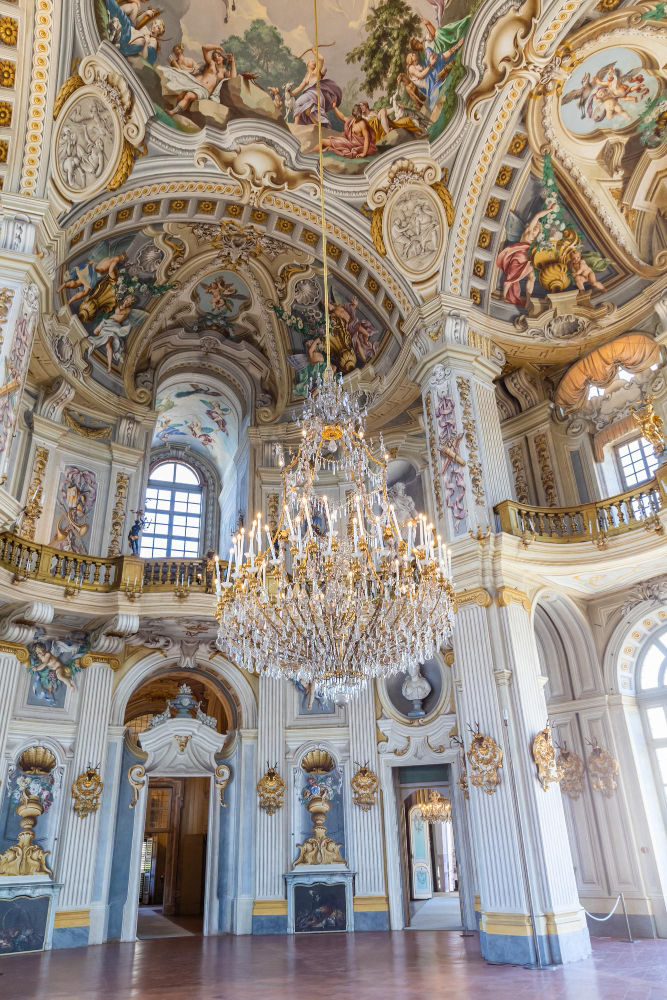
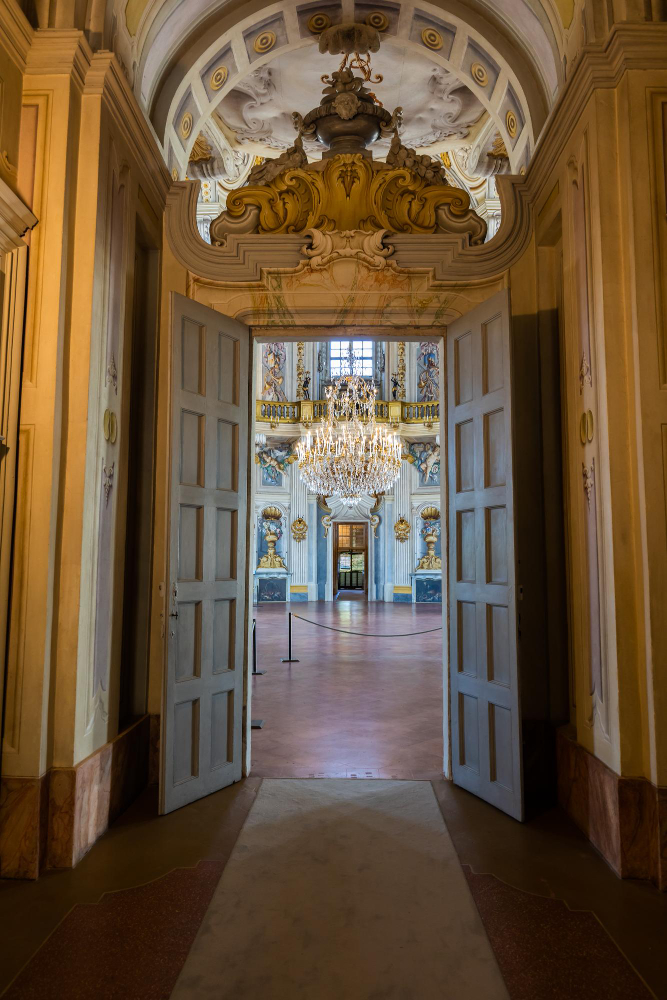
A palace steeped in history and secrets – Built in 1729 at the behest of the Piedmontese ruler Victor Amadeus II, the Palazzina di Caccia originally served as a luxurious hunting lodge and a retreat from the political turmoil. Its architect, Filippo Juvarra, created a Baroque masterpiece whose central hall – the Salone Centrale – is connected by imposing rooms, hidden servants’ passageways and ornate corridors. Even today, every stone of this building exudes history, yet dark tales also entwine around its magnificent façade.
The legend of the restless king – For centuries, eyewitnesses have reported inexplicable phenomena within the walls of the Palazzina. They are said to occur particularly in the chambers once occupied by Victor Amadeus II himself: footsteps echo across creaking wooden floors, heavy fabrics rustle suddenly, as if an invisible presence were striding through the halls. Suddenly, the temperature plummets to freezing levels, and cold draughts cut through the already chilly corridors like knives. Some staff members swear they have seen the shadowy figure of a man in royal attire – the last breath of the ill-fated monarch still seems to linger in the shadows.
Victor Amadeus II: A king with a tragic end – To understand the origin of these ghost stories, it is worth taking a look at the life of Victor Amadeus II, who was born in 1666 and reigned as Duke of Savoy from 1675 to 1730 – later becoming King of Sicily and Sardinia. His reign was characterised by political cunning and shifting alliances, which ultimately helped him secure the crown. Yet his personal fate was to end dramatically. After years on the throne, in 1730, Victor Amadeus II unexpectedly abdicated in favour of his son, Charles Emmanuel III. Yet this abdication was no peaceful retirement. The former king sought to seize power once more and plotted a coup. This rebellion failed; Victor Amadeus was isolated from court and placed under house arrest – a broken man who lost all hope of regaining his crown. In 1732, he died in captivity, embittered and scarred by his defeats.
Grief, betrayal and the roots of the haunting – The circumstances of Victor Amadeus’s life evoke emotions that are often associated with ghostly apparitions in folklore: betrayal, unfulfilled longings and an abrupt, unresolved end. In many cultures, it is believed that souls who have suffered such fates cannot rest in peace. From a historical perspective, the fact that Victor Amadeus was frequently perceived as a dominant presence by his servants and contemporaries, despite his abdication and exile, reflects the idea that his spirit lingers in the rooms that once formed the basis of his power and life.
Architectural features that heighten the eerie effect – The Palazzina’s design contributes to its mystical atmosphere: narrow servants’ corridors, hidden doors and mirrors that refract light in peculiar ways create an unusual ambience. The interplay of light and shadow in the opulently furnished rooms heightens the sense of unease. Some experts even suspect that architectural features encourage acoustic phenomena which sound to the untrained ear like voices or footsteps.
The significance of the legend today – Although science and technology can explain many unresolved questions, the legend of the ghost of Victor Amadeus II retains its fascination. For visitors, the Palazzina di Caccia is not only a testament to Baroque elegance, but also a place where history comes to life – sometimes in an eerie way. Guided tours use these tales to bring the history of the building to life and heighten the suspense. At the same time, accounts of hauntings serve as a cultural bridge to the past, appealing to the human need for stories about life and death, power and loss.
Between history and myth – The idea that the ghost of a fallen king wanders the corridors of a castle is a recurring motif across numerous cultures. The story of Victor Amadeus II and his alleged haunting of the Palazzina di Caccia di Stupinigi blends real historical events with deeply rooted folklore – thus creating one of Piedmont’s most thrilling and spine-chilling legends. His tragic life story, combined with the mysterious phenomena still reported by witnesses to this day, makes the ‘restless king’ a fascinating figure straddling the line between reality and the supernatural. Anyone venturing into the halls of the Palazzina should be prepared for more than just architectural beauty – perhaps they will encounter the shadow of a king who never found peace.