 Isabella Mueller Baroness of Stainton le Vale
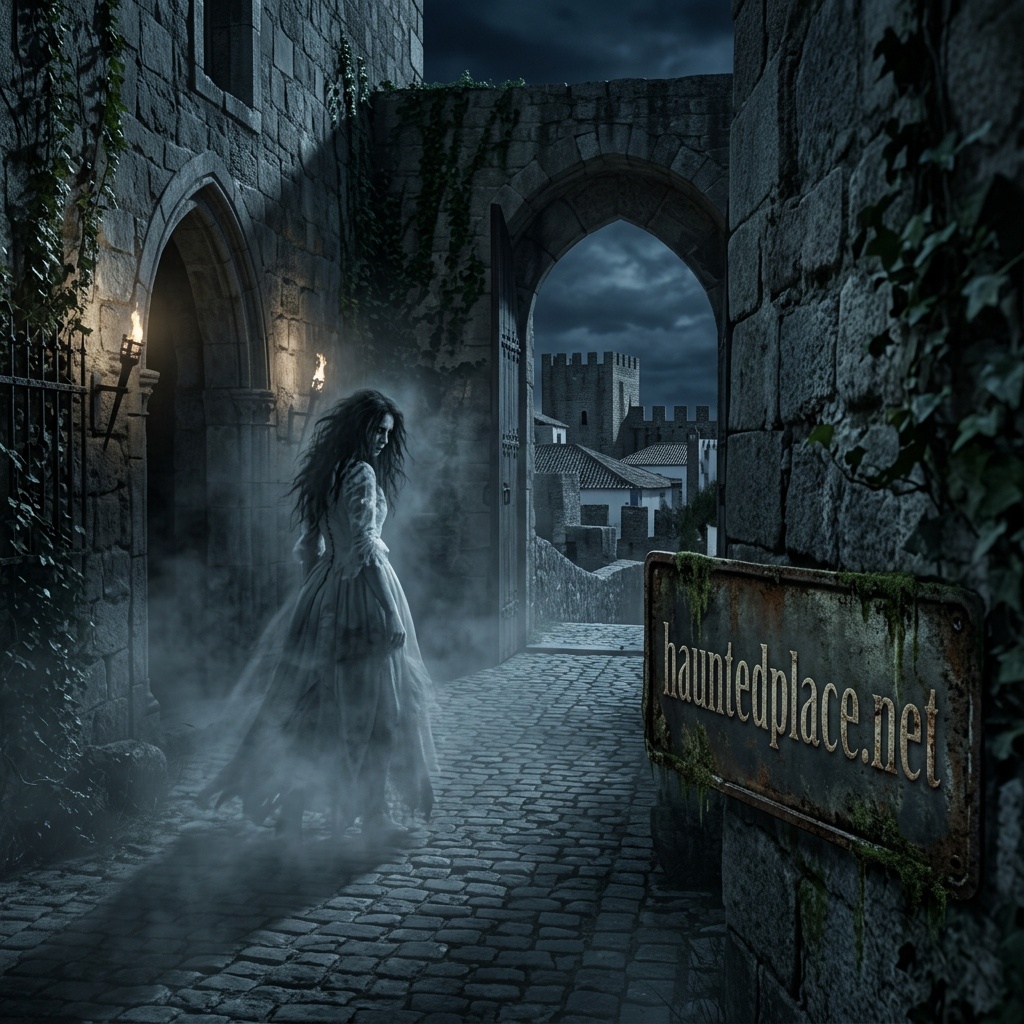
When fog settles over the walls of Óbidos at night and the narrow streets of this small Portuguese town fall silent, an old tale takes on new life: the story of the “Lady in White.” Visitors and locals have long told of a female figure in a light-colored dress said to wander through the corridors of the castle and the pousada housed there. Sometimes there are reports of soft moans; other times, of a sudden chill in the air. Yet behind what is arguably Óbidos’s most famous ghost lie primarily legends passed down orally—not historically documented deaths. It is precisely this line between documented history and eerie folklore that makes the myth so fascinating. The Castelo de Óbidos is not merely a backdrop for ghost stories. It is one of Portugal’s most significant medieval fortifications, is closely linked to the history of the Portuguese monarchy, and became one of the country’s first historic hotel complexes in the 20th century. The Lady in White thus wanders through a place where centuries-old architecture, military history, royal memories, and tourist imagination converge.
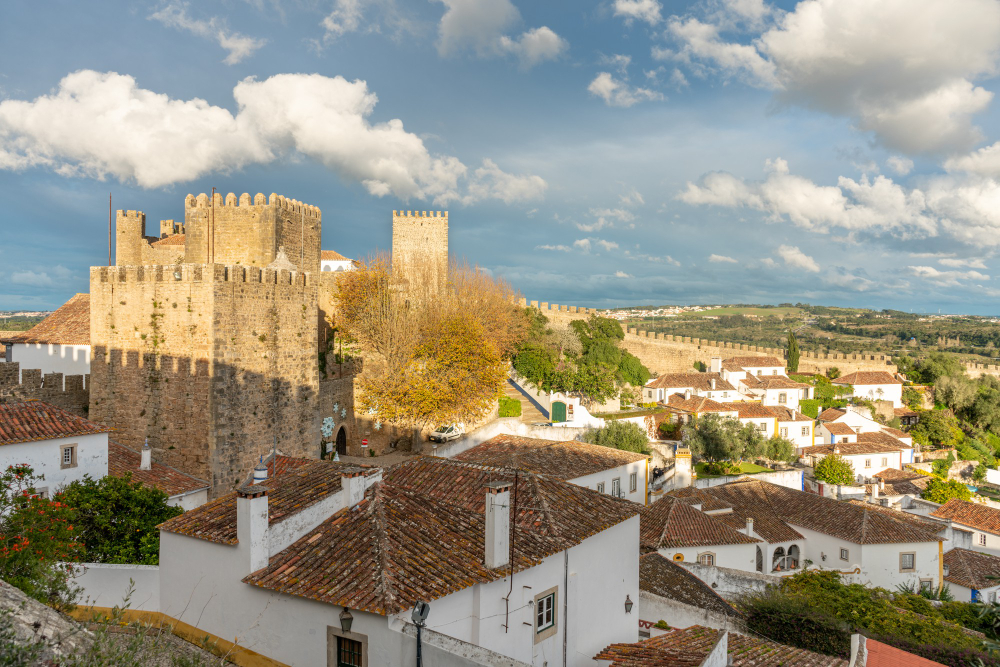
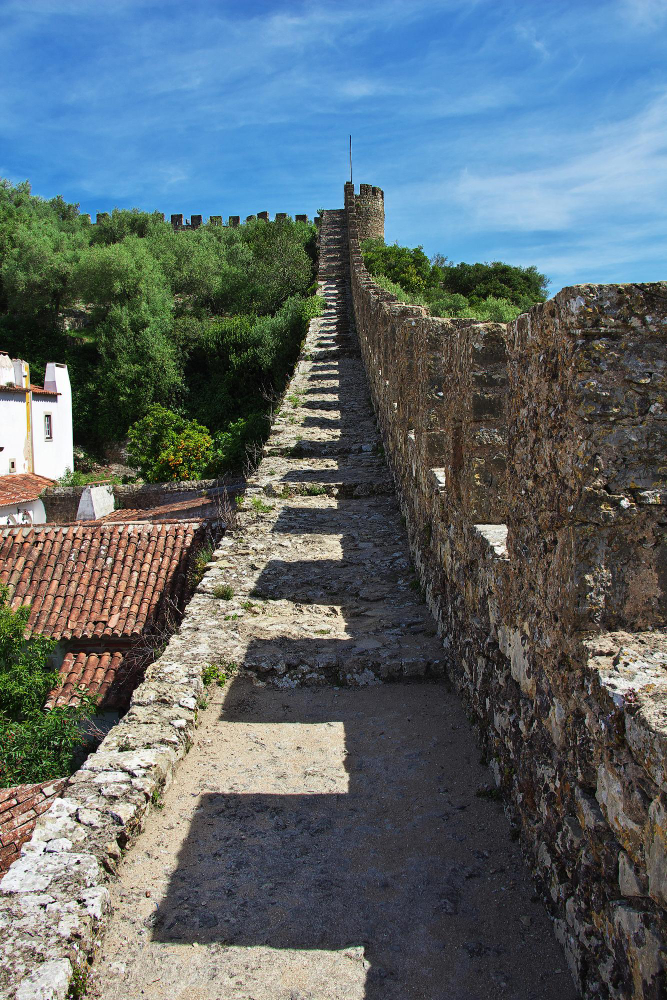
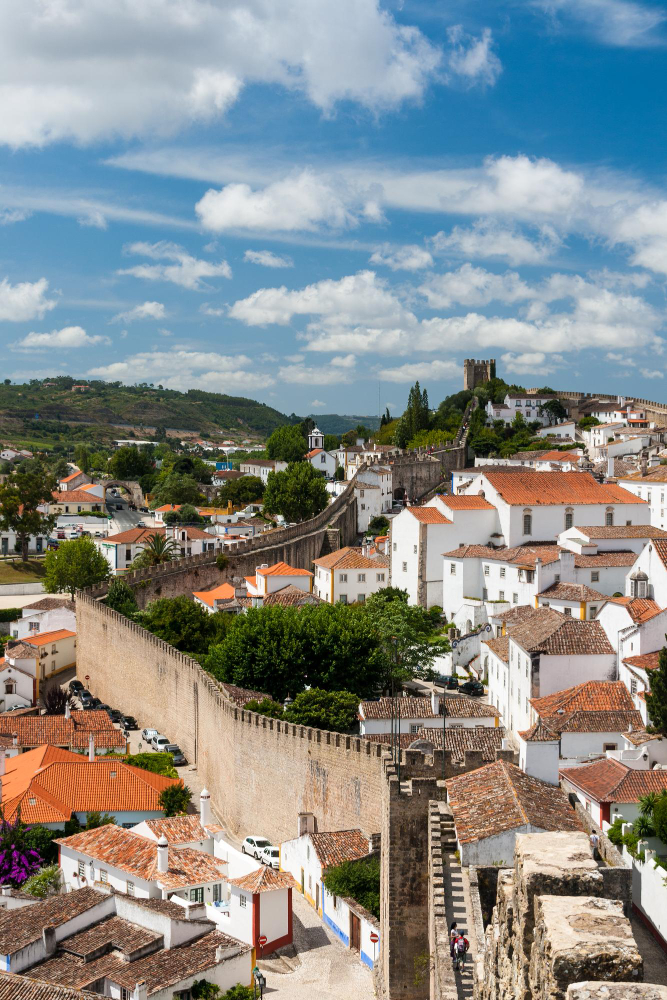
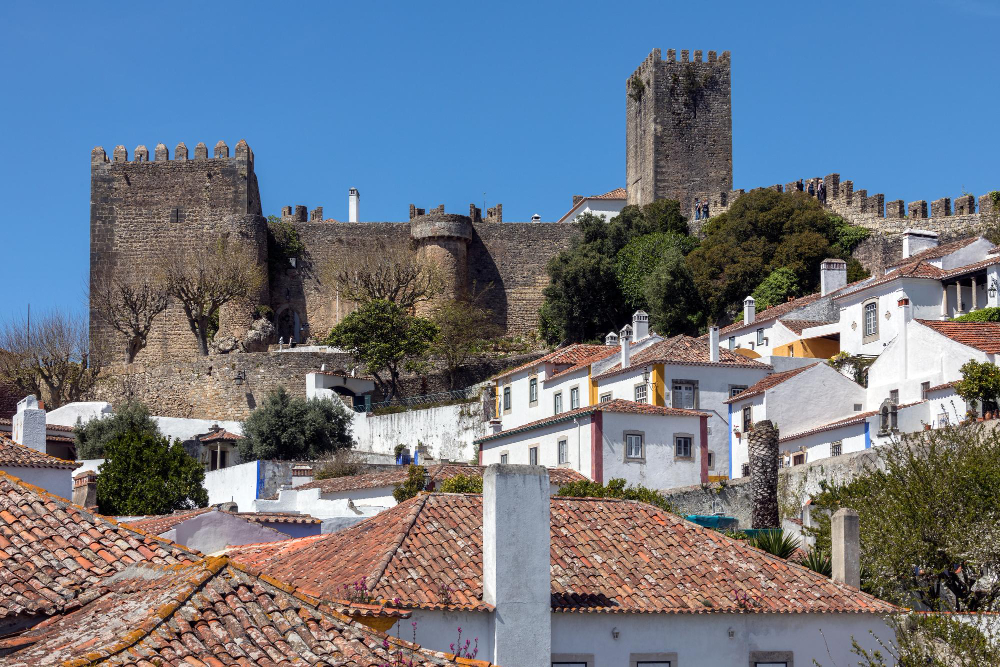
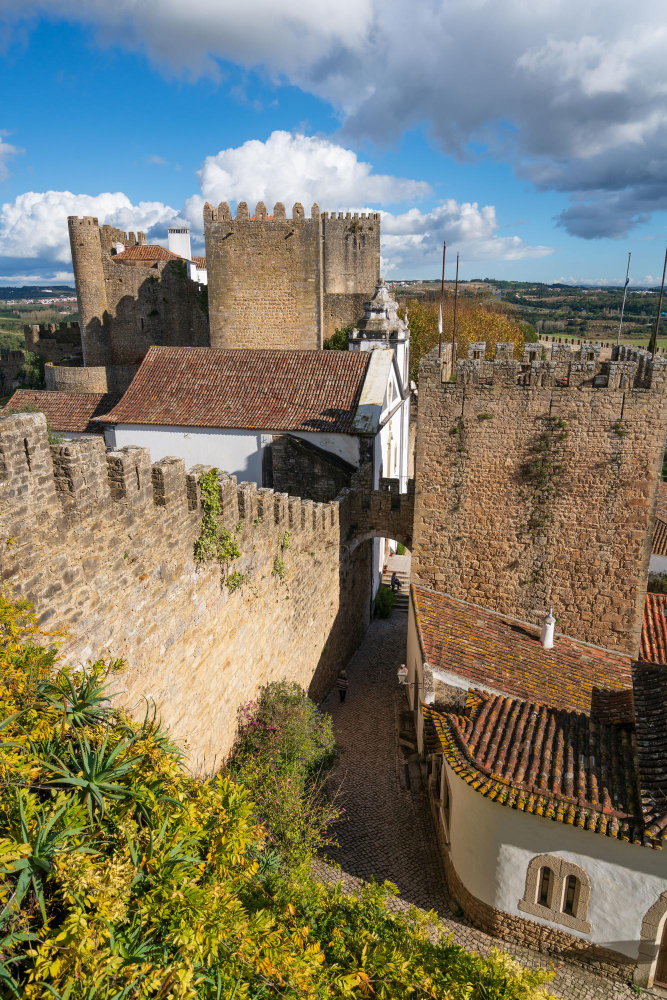
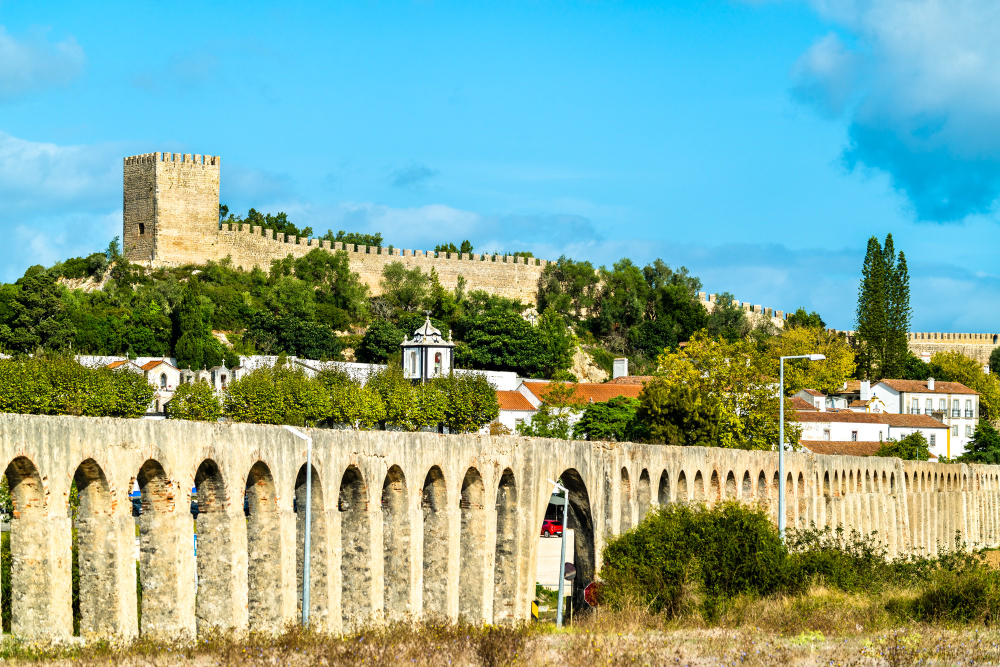
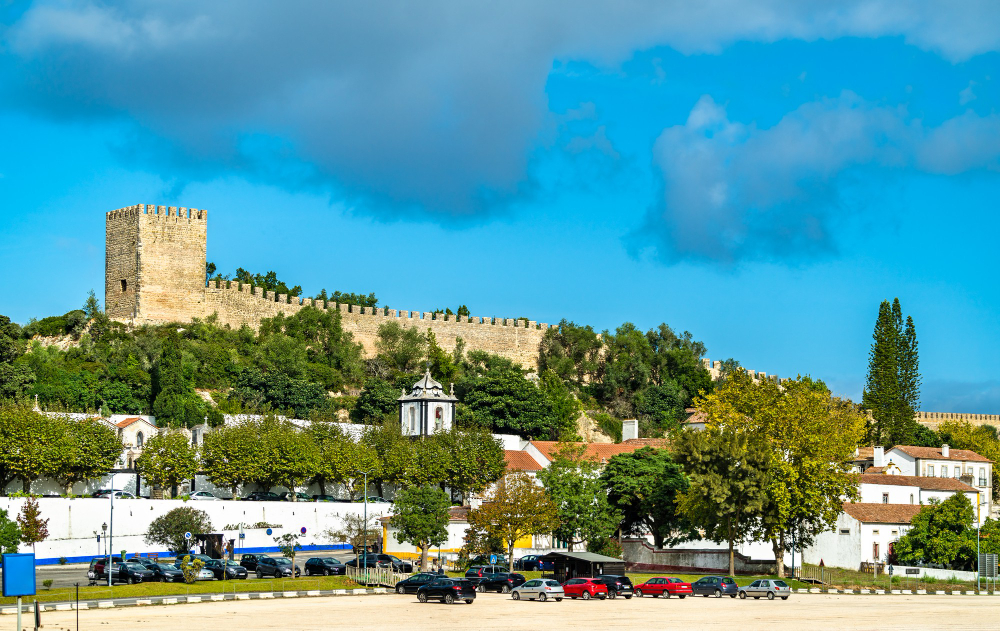
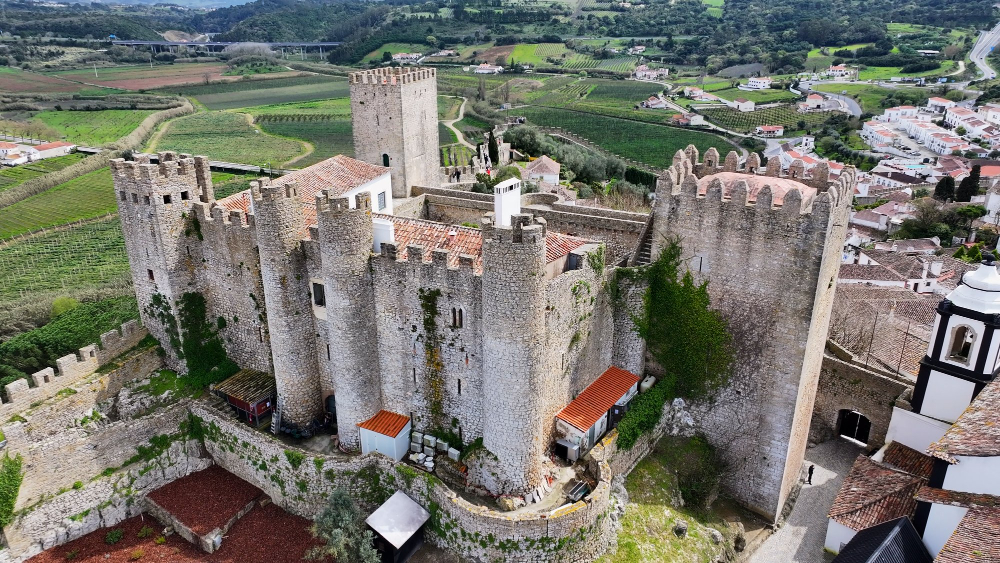
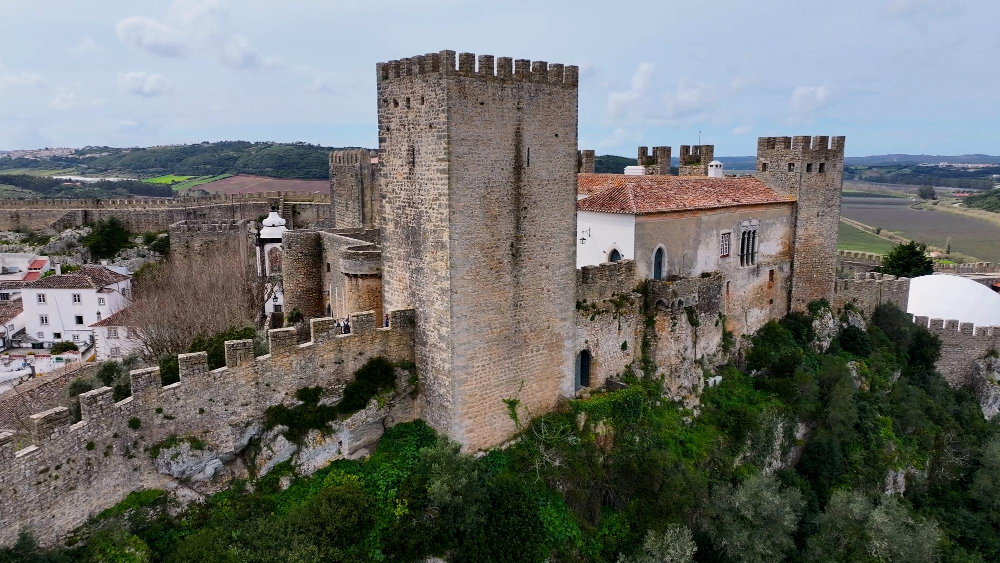
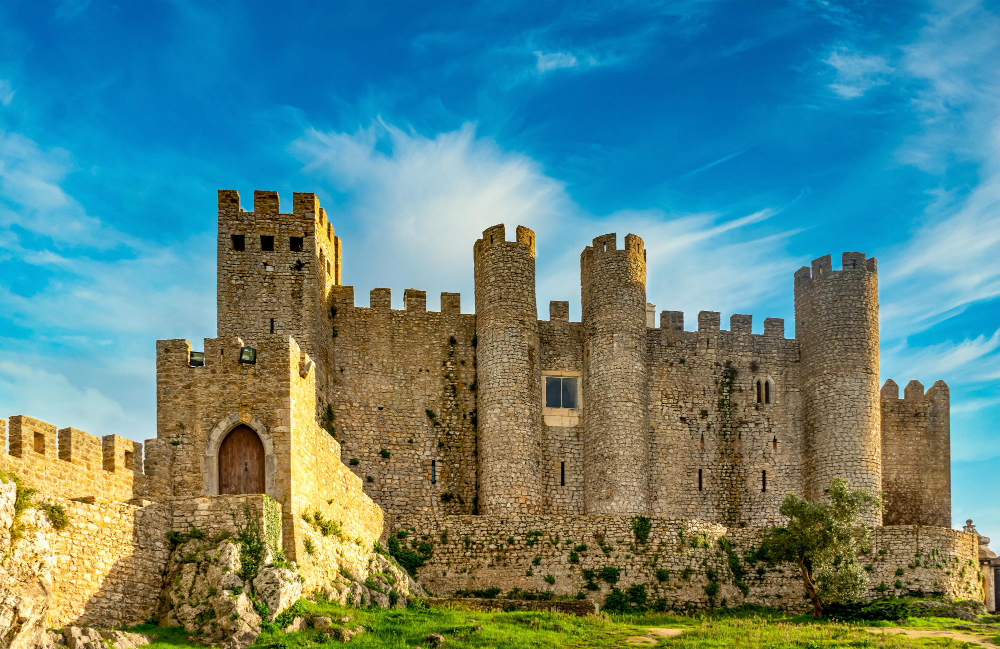
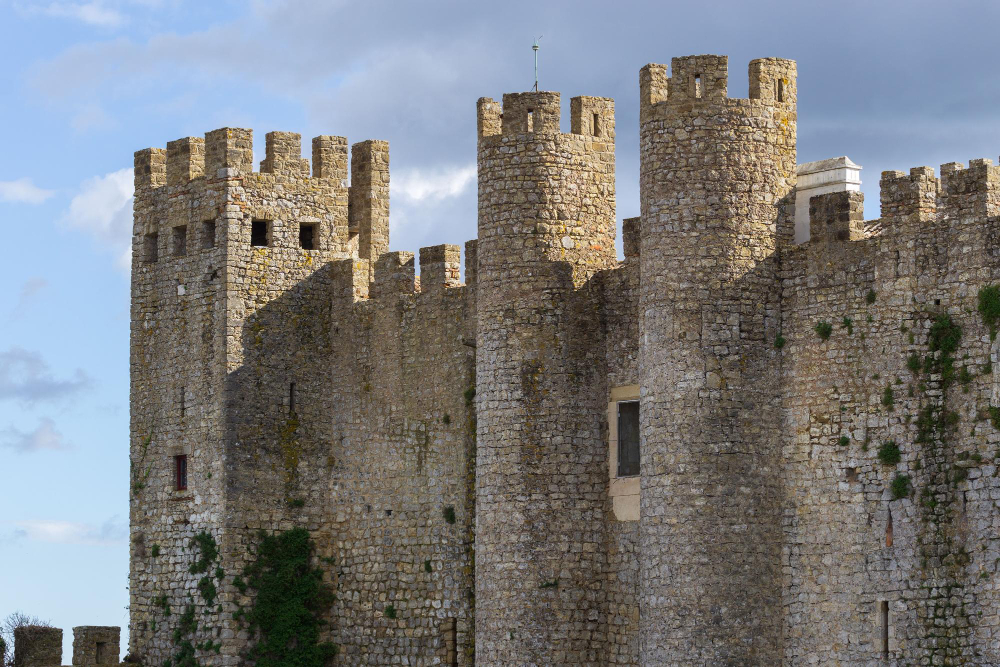
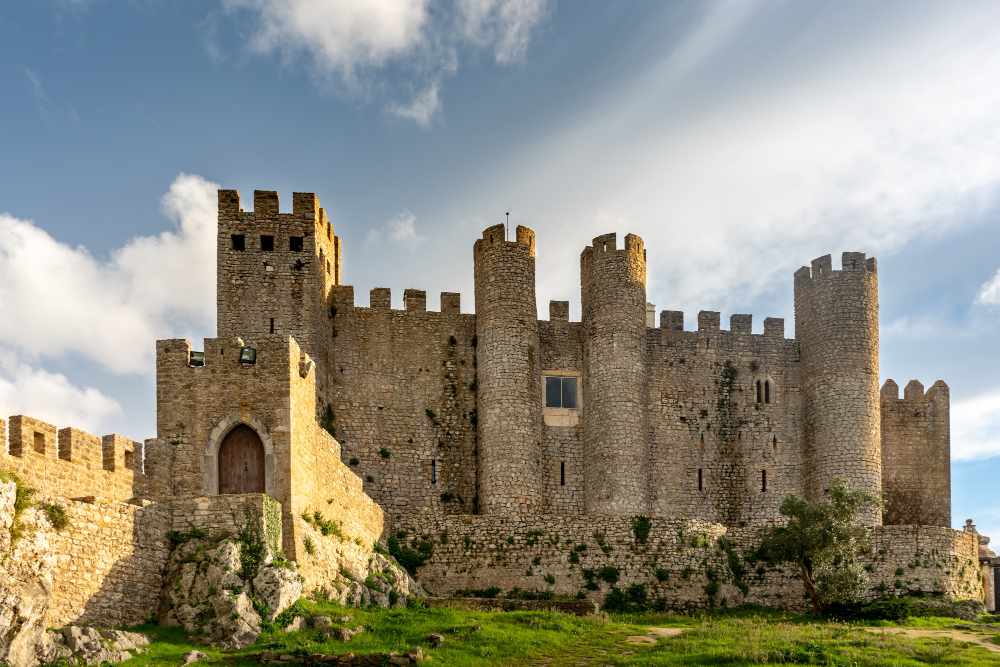
A Fortress Overlooking the Town – The Castelo de Óbidos is situated above the town of the same name in what is now the municipality of Santa Maria, São Pedro e Sobral da Lagoa in the Óbidos district, northwest of Lisbon. Its location alone explains its strategic importance: from the walls, the surrounding area could be easily surveyed. The complex stands on a hill and is connected to the town by a largely preserved ring of walls. The history of the site stretches far back in time. Archaeological and historical evidence suggests that the area was already inhabited in prehistoric times. In antiquity, the region fell within the Roman sphere of influence. Later, the Moors took advantage of the strategic position and further fortified the site. However, many parts of the castle complex visible today date back to the Middle Ages and later renovations. The year 1148 plays a central role. In that year, Portugal’s first king, Afonso Henriques, conquered Óbidos as part of the Christian reconquest of the Iberian Peninsula. Tradition tells of a capture achieved through trickery: soldiers are said to have disguised themselves as Moors and thus gained access to the fortress. Whether every detail of this story is accurate as it has been handed down is difficult to assess with certainty today. What is certain, however, is that after the conquest, Óbidos became part of the expanding Portuguese kingdom. In the centuries that followed, the castle underwent numerous alterations and expansions. King Dinis had the fortifications reinforced in the 13th and 14th centuries. The walls, towers, and battlements that visitors see today therefore reflect various phases of construction. Particularly striking is the keep, the mighty Torre de Menagem, which towers over the complex. Walking along the battlements, one looks out over red-roofed houses, churches, and the rolling hills of the Estremadura region—a panorama that appears picturesque by day and, after dark, provides fodder for dark imaginings.
The “Gift of the Queens” – Óbidos is also known in Portugal as “Vila das Rainhas,” the Town of Queens. This nickname stems from a tradition that began in the 13th century. In 1282, King Dinis gave the town to his wife, Isabel of Aragon, as a wedding gift. Consequently, Óbidos belonged to Portuguese queens for centuries. This circumstance lends the legend of a female apparition an additional, almost inevitable air of authenticity. In a place so closely associated with queens, court life, and female patronage, the figure of a mysterious woman in white seems to fit almost perfectly into the historical backdrop. Nevertheless, a clear distinction must be made: Óbidos’ documented connection to the queens of Portugal is a historical fact. The Lady in White, on the other hand, belongs to the realm of folklore. There is no reliable archival source that unequivocally identifies a woman named Dona Catarina or Dona Maria as a historical figure whose ghost is said to haunt the castle. Nor is the oft-repeated claim that a woman was killed there by a jealous husband substantiated as a verified historical event. Such details appear in different variations of the legend and vary depending on the narrator, travelogue, or tourist account.
The Woman in the White Dress – The best-known version of the story describes a woman who walks through the corridors of the castle or the pousada at night in a white dress. Sometimes she is said to appear at windows; other times, she glides along the old passageways. Other accounts link her presence to a sudden chill or to barely audible sobbing. In some versions, she is the victim of a jealous relationship: a man is said to have killed her out of suspicion or anger. In other interpretations, she is a young woman who was broken by unrequited love or the loss of a loved one. Her white gown is often interpreted as a symbol of innocence, mourning, or an unconsummated marriage. But it is precisely the multitude of explanations that shows how ambiguous the story is. There is no clearly defined biography of the Lady in White. Her names change, the cause of her death varies, and even the exact location of her apparitions remains unclear. For historians, this is a key characteristic of a legend: it thrives not on verifiable records, but on repetition, embellishment, and local memory. The figure of the “White Lady” is also not exclusively a Portuguese phenomenon. Similar ghostly figures exist in many European countries. They are often associated with castles, palaces, monasteries, or old manor houses. Most are women whose deaths are linked to love, betrayal, violence, or grief. The motif is so widespread because it evokes powerful imagery: a bright dress in dark corridors, a solitary figure behind a windowpane, footsteps on cold stone. With its medieval walls, narrow passageways, and hilltop castle, Óbidos offers the ideal setting for such a tale. The architecture itself provides the framework within which the imagination takes flight.
From Royal Castle to Historic Pousada – The Castelo de Óbidos underwent a decisive transformation in the 20th century. The complex was damaged by the devastating Lisbon earthquake of 1755. Subsequent restorations restored the castle’s stately appearance. In 1951, the Pousada do Castelo opened there. It is considered Portugal’s first Pousada Histórica—a concept in which historic buildings are used as high-quality inns. As a result, the castle became not only a historic monument but also a place where people can stay overnight. This is significant for the legend: Those who sleep within ancient walls hear the creaking of wood, the whistling of the wind, and the echo of footsteps in a way that is different from a brief daytime visit. On a quiet night, ordinary sounds can easily become eerie omens. Today, the pousada is called Pousada Castelo de Óbidos. It combines the atmosphere of a historic building with modern tourist facilities. It is precisely this blend that attracts travelers: they don’t just want to visit a castle, but to become part of its history for a few hours or nights. The Lady in White is part of the mysterious aura attributed to the place in these tales. Of course, the legend itself is not proof of paranormal phenomena. Neither historical sources nor scientific studies confirm the existence of a ghost. However, this does not diminish its cultural significance. Ghost stories are often an expression of how people perceive places. They make history emotionally tangible, even if their narrative should not be taken as a factual account.
Between Fascination and Historical Responsibility – Those who visit Óbidos can therefore understand the Lady in White as part of the local folklore—not as a verified historical account. The castle’s documented past is already impressive enough: Moorish and medieval fortifications, the conquest by Afonso Henriques, its connection to Portuguese queens, the destruction and reconstruction, and its transformation into a historic pousada. The legend adds another layer to this story. It speaks of loss, loneliness, and unresolved emotions—themes that seem particularly credible within ancient walls. Perhaps that is where its true terror lies: not in the fact that a figure in a white dress has been proven to wander the corridors, but in the fact that a place with nearly a thousand years of history possesses enough silence and shadow for people to imagine her. When the last visitors leave the battlements after sunset and the light in the alleys below the castle fades, Óbidos seems like a town outside of time. Then it’s easy to imagine a white dress vanishing at the end of a dark corridor. There is no historical evidence for this apparition. But as a legend, the Lady in White has long been part of the mysterious character of Castelo de Óbidos.