 Isabella Mueller Baroness of Stainton le Vale
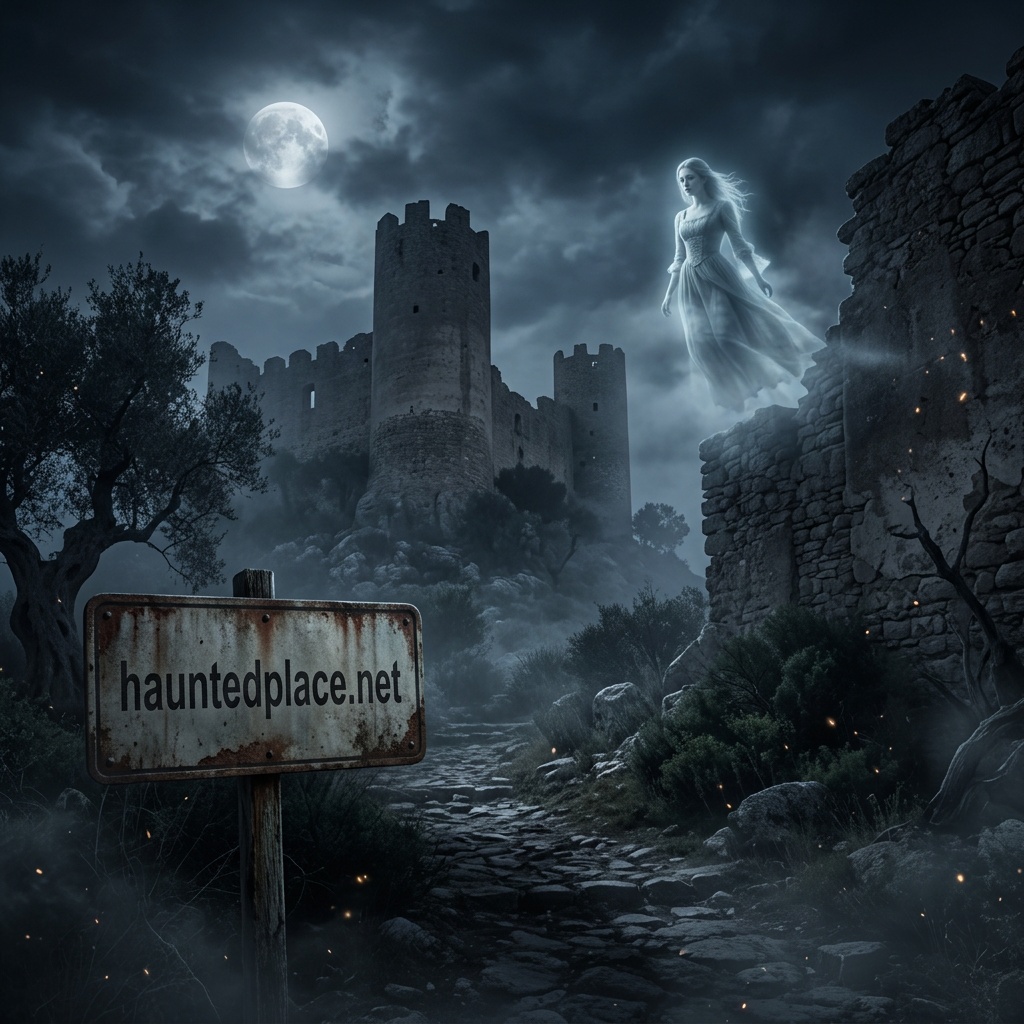
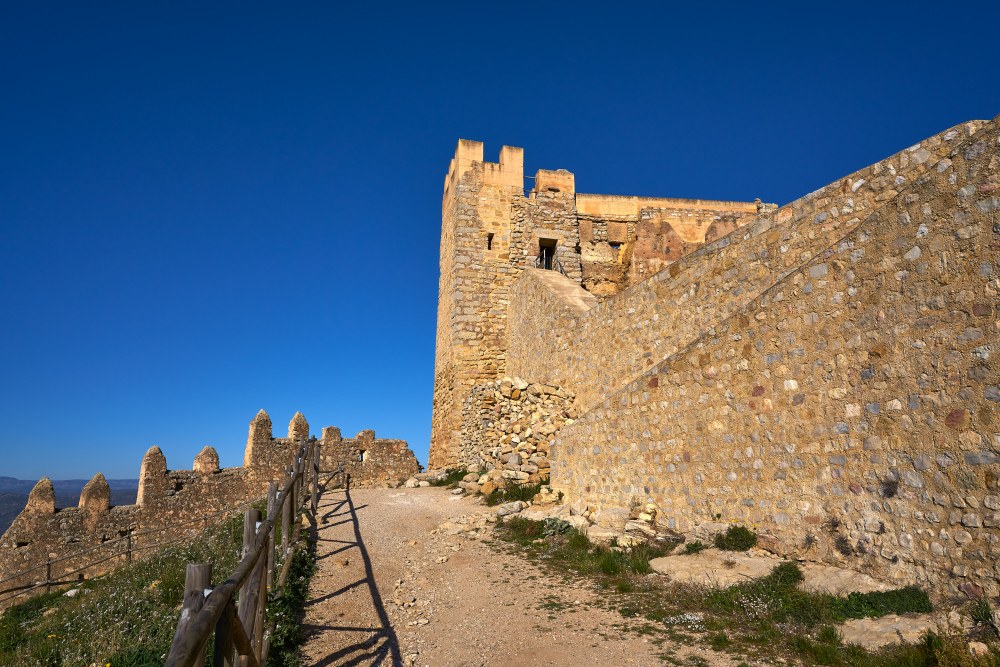
High above the Mediterranean landscape of the Spanish province of Castellón lie the ruins of Castillo de Xivert. The sprawling complex on a ridge near Alcalà de Xivert is a place where centuries of history have layered upon one another: Islamic rule, Christian conquest, the era of the Knights Templar and, later, administration by the Order of Montesa. Yet alongside archaeological finds and historically documented events, there is a second, far darker tale. It tells of a young woman who is said to have fled the castle in despair one night – and whose ghost, according to local lore, still wanders the walls to this day. The story belongs to the realm of folk legends. According to publicly available historical accounts, there is no reliable written evidence of an actual death that corresponds exactly to the circumstances described. Nevertheless, the tale is closely linked to the site. It lives on in oral traditions, regional accounts and reports from visitors who find the atmosphere of the abandoned fortress oppressive.
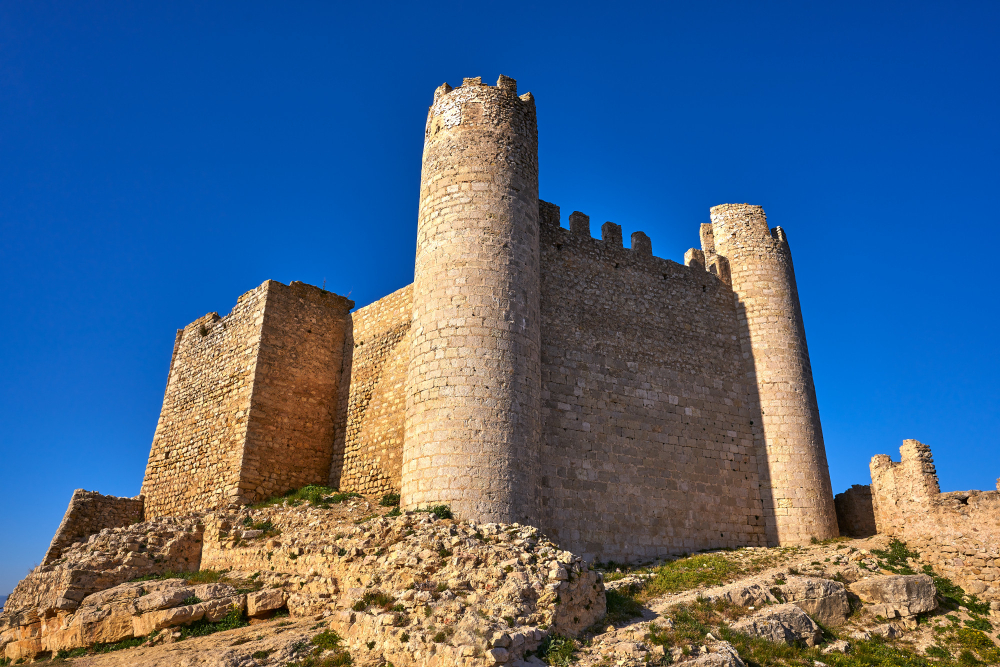
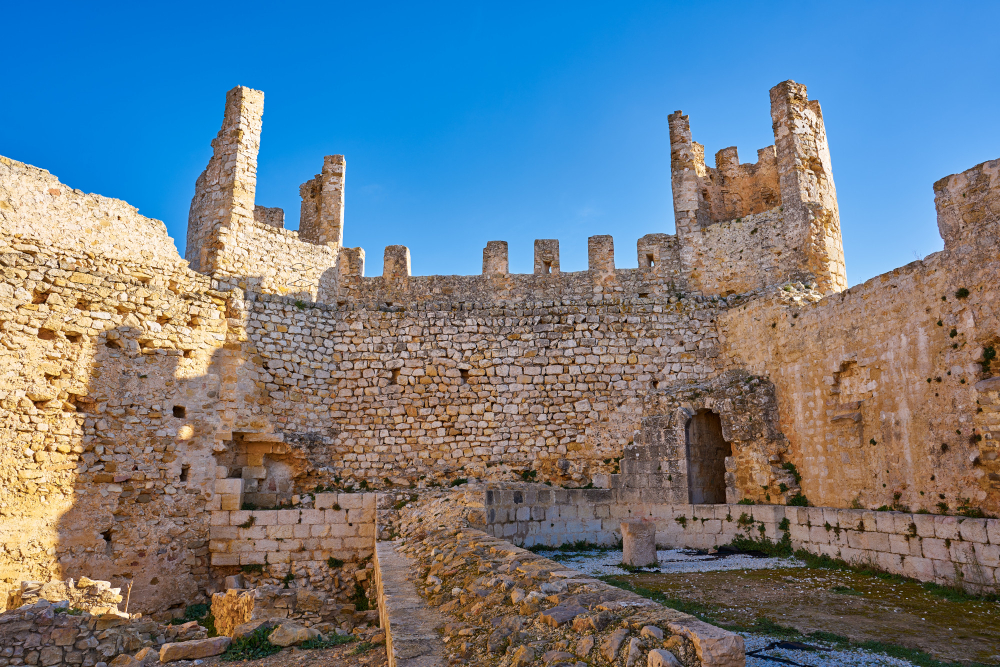
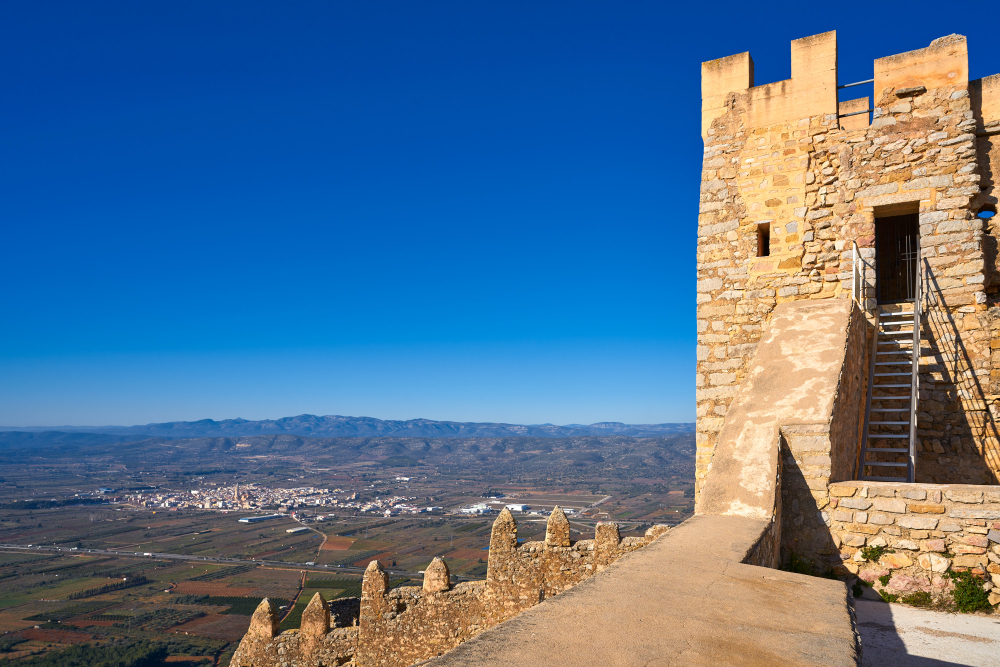
A castle between history and solitude – The Castillo de Xivert is situated within the Serra d’Irta Natural Park, not far from the coast of the Costa del Azahar. Its location was strategically chosen: from the heights, the surrounding area could be controlled, whilst the mountain range simultaneously offered protection. Today, paths lead through the arid, rocky landscape to the ruins. Upon reaching the site, one first sees the imposing remains of the walls, towers and traces of various phases of construction. Particularly when the sun is low in the sky or after dark, the site exudes an atmosphere that easily gives the impression that the past is still very much present here. Historically, Xivert is regarded as an important fortress with Islamic roots. During the era of al-Andalus, the complex formed part of a fortified settlement and defence system. The Moorish castle did not stand in isolation: below the fortress itself lay a settlement, the remains of which also bear witness to the site’s long history of occupation. Following the Christian conquest in the 13th century, Xivert came under the influence of the Order of the Templars. They rebuilt the fortifications and played a decisive role in shaping the upper castle’s present-day appearance. Following the dissolution of the Knights Templar in the early 14th century, the complex passed to the Order of Montesa. Over the following centuries, however, the fortress gradually lost its military significance. The population moved to lower-lying settlements, and the castle became increasingly deserted. What remains are ruins – and stories.
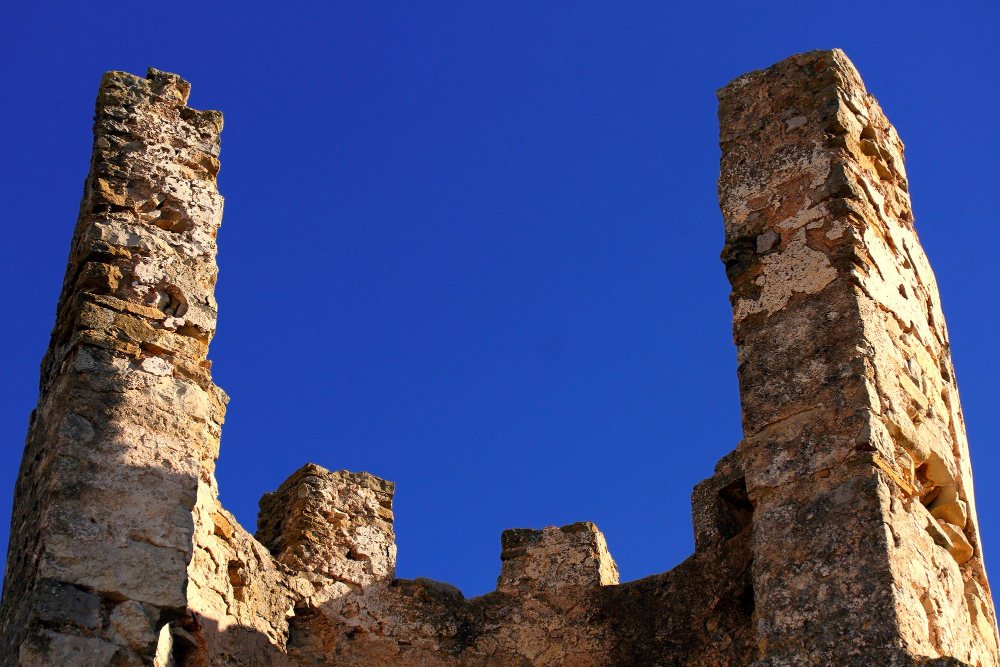
The Escape in the Night – At the heart of the ghost legend is a young woman whose name is not recorded in the widely circulated versions of the tale. She is said to have lived in the castle or to have been brought there. According to the legend, she was held captive by a tyrannical nobleman. Whether this lord is portrayed as the lord of the castle, a military commander or a powerful landowner varies depending on the retelling. What all versions have in common, however, is the motif of threat: the young woman sees no other way out but to flee. The night is described as a crucial element in this. Under cover of darkness, she attempts to scale the castle walls and escape down the steep slope. Her escape ends in death. Whilst attempting to reach safety by scaling the fortifications, she is said to have fallen from a high wall or a rocky ledge. It is precisely this image that shapes the narrative: a solitary figure in the dark, the wind sweeping over the battlements, the view of the barely visible paths below the castle. The legend combines the real danger posed by the complex with a classic tale of abuse of power, fear and a failed escape. Given the topography of the ruins, it is entirely plausible that an escape down the steep, treacherous slopes would have been life-threatening. However, there is no historical evidence for the specific figure in question.
The Ghost of the Young Woman – According to tradition, the woman found no rest. Her ghost is said to appear near those walls from which she plunged to her death. Some accounts do not explicitly speak of a visible apparition, but rather of a presence: a feeling of being watched, a sudden change in atmosphere, or an oppressive silence that grips visitors within the ruins. Other accounts speak of unusual sounds. These include footsteps, even though no one is nearby, faint wailing or voices that cannot be identified. Cold draughts are also mentioned – particularly in places that seem sheltered from the wind or lie within more enclosed sections of the walls. Such experiences are interpreted as signs of paranormal activity in many European castle ruins. For Xivert, they form part of the local folklore, but are not scientifically confirmed phenomena. The straightforward explanation is obvious: the ruins are exposed to wind, temperature fluctuations and acoustic effects. Passages, wall niches and underground or half-buried structures can channel air currents. Footsteps on uneven stone, the rustling of plants, or birds and animals in the crevices of the walls can produce sounds that are difficult to identify in the dark. Added to this is the psychological effect of the place. Anyone who already associates a castle with a tragic legend often perceives unfamiliar sensations more intensely. However, this does not mean that the legend is insignificant. On the contrary: it shows how people interpret historical sites. A ruin is not merely an architectural monument; through memories, conjectures and narratives, it also becomes a cultural space.
A place that breeds legends – The Castillo de Xivert possesses almost all the characteristics that make a ghost story seem particularly credible: its remote location, the height of its walls, the visible traces of destruction and reconstruction, and the region’s long and conflict-ridden history. Over the centuries, the castle was the scene of political and military upheavals. Where rule changed hands, people lived, fought and eventually left the site, creating space for stories of loss and unresolved fates. The tale of the young woman also fits a widespread pattern found in Iberian castle legends. These often centre on women who are under duress, experience forbidden love, or seek to escape a violent regime. Their deaths serve to explain why a place is considered haunted or ‘not abandoned’. Such legends are usually not intended as historical chronicles. They condense fears, social conflicts and notions of guilt into a dramatic story. What is remarkable about Xivert is that the legend is not told in isolation from the castle’s architecture. The alleged fall is directly linked to the high defensive walls and the steep slopes. Anyone standing there understands why such a story could have taken root. The landscape provides the backdrop, whilst the ruins offer visible traces of a distant past.
The Ruins as a Repository of Memory – Today, the Castillo de Xivert is a destination for walkers, history enthusiasts and travellers seeking traces of the past away from the beaches of the Costa del Azahar. In daylight, the view across the landscape dominates. The walls tell of strategic planning, religious orders and the shifting balance of power in the Middle Ages. But as soon as the sun sets, one’s perception of the ruins changes. Then the ancient tale gains power: the flight, the fall, the lament of a woman who is said to be unable to walk. Whether one sees this as a ghost story, a piece of regional folklore or a symbolic warning against violence and oppression is left to the individual. One thing is certain: the Castillo de Xivert preserves more than just stones from the Moorish and Christian eras. It also preserves the stories that people have woven around these stones. And some of them are passed on precisely because they can never be definitively proven.