 Isabella Mueller Baroness of Stainton le Vale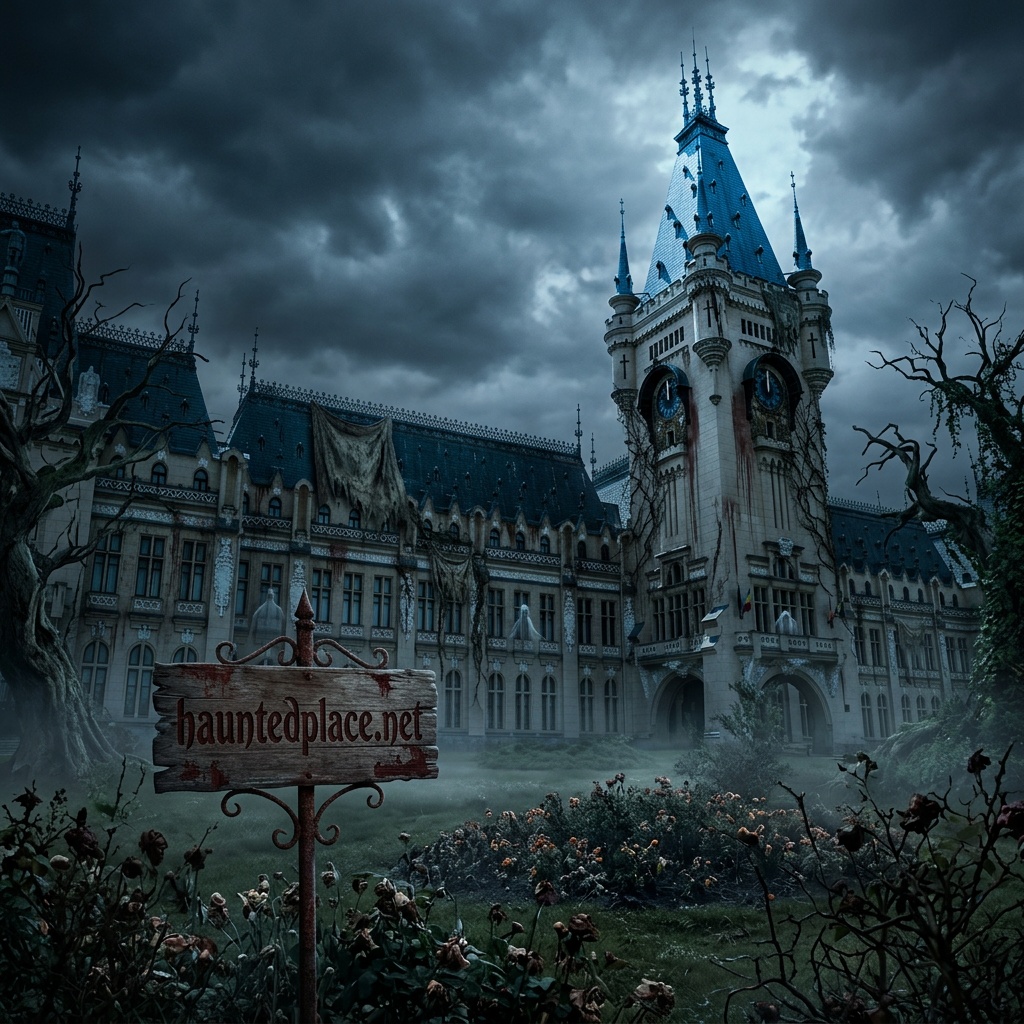
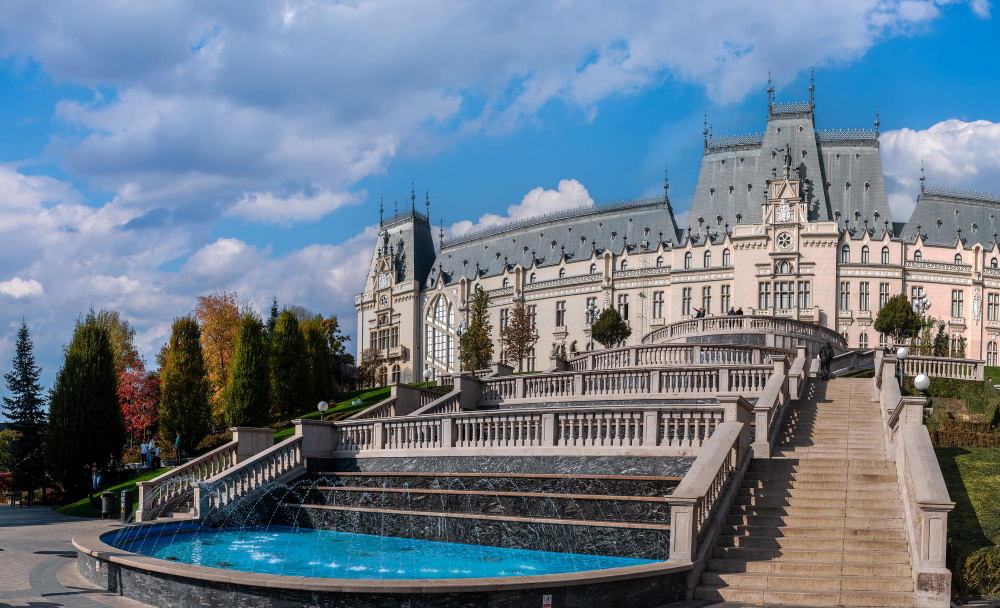
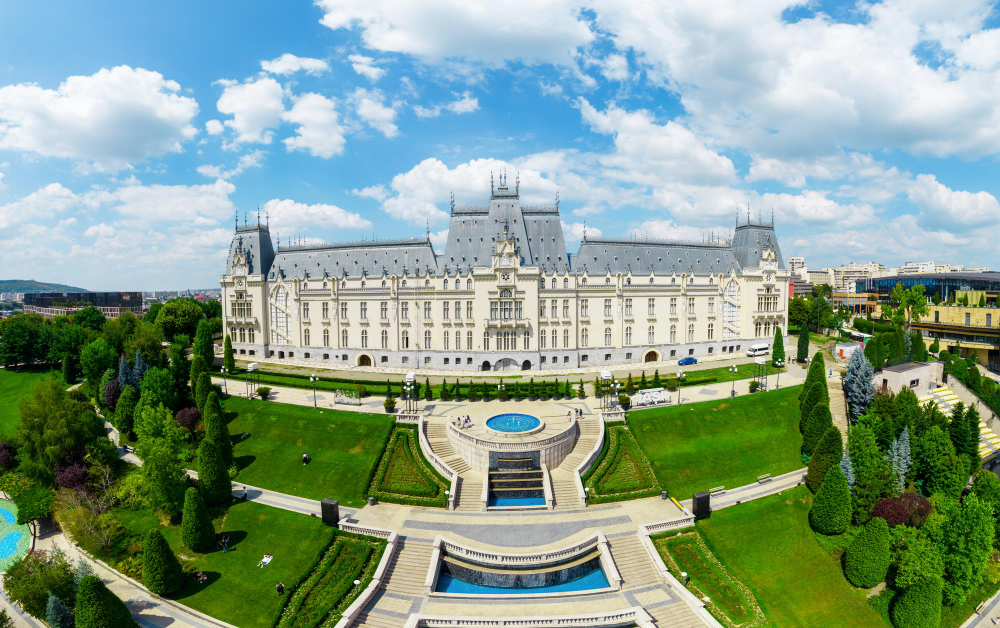
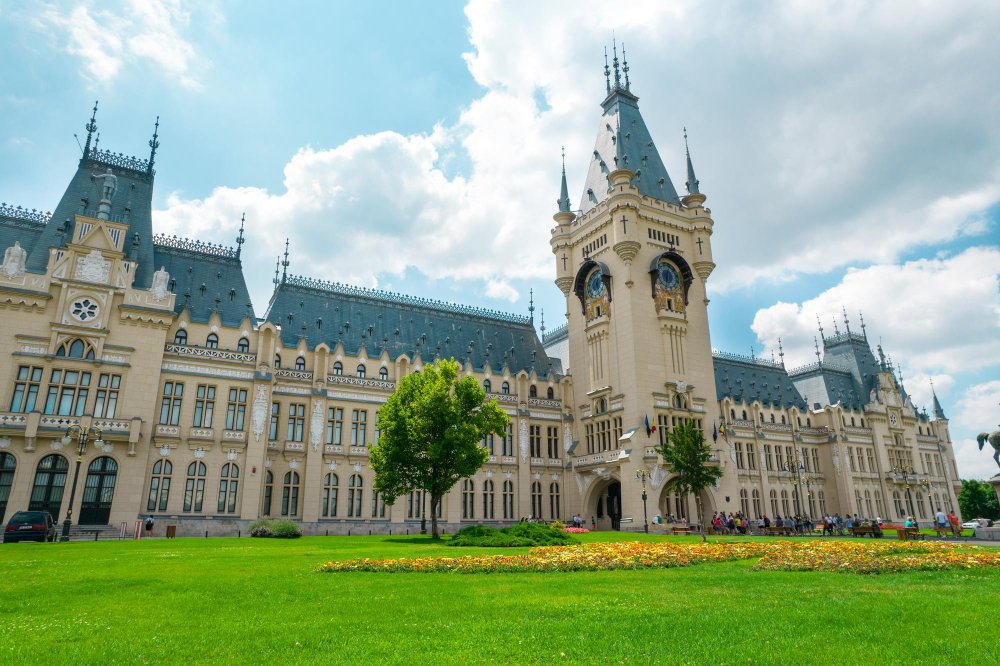
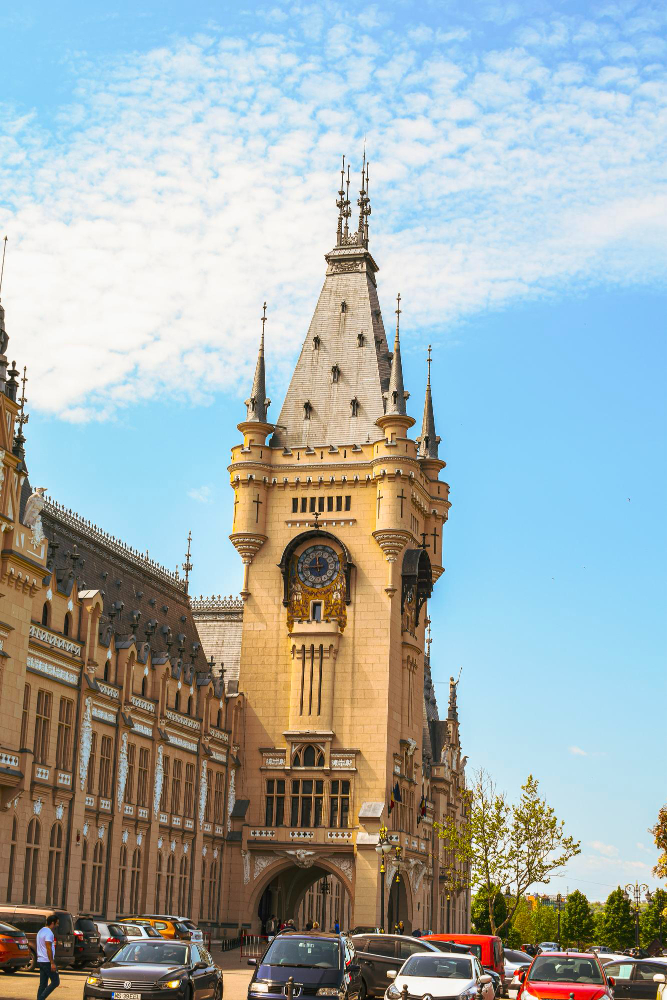
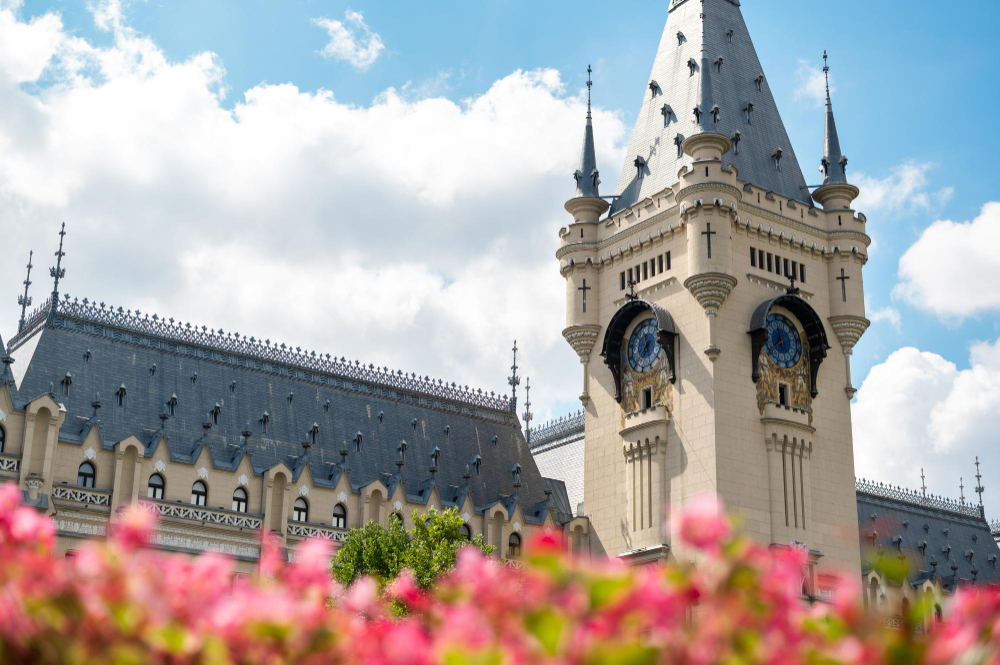
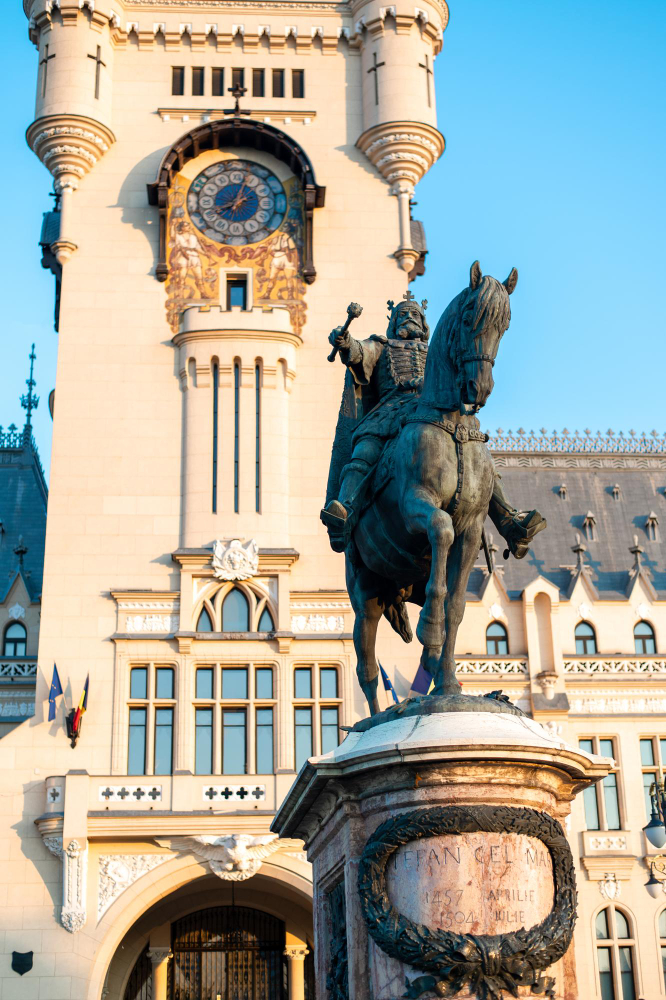
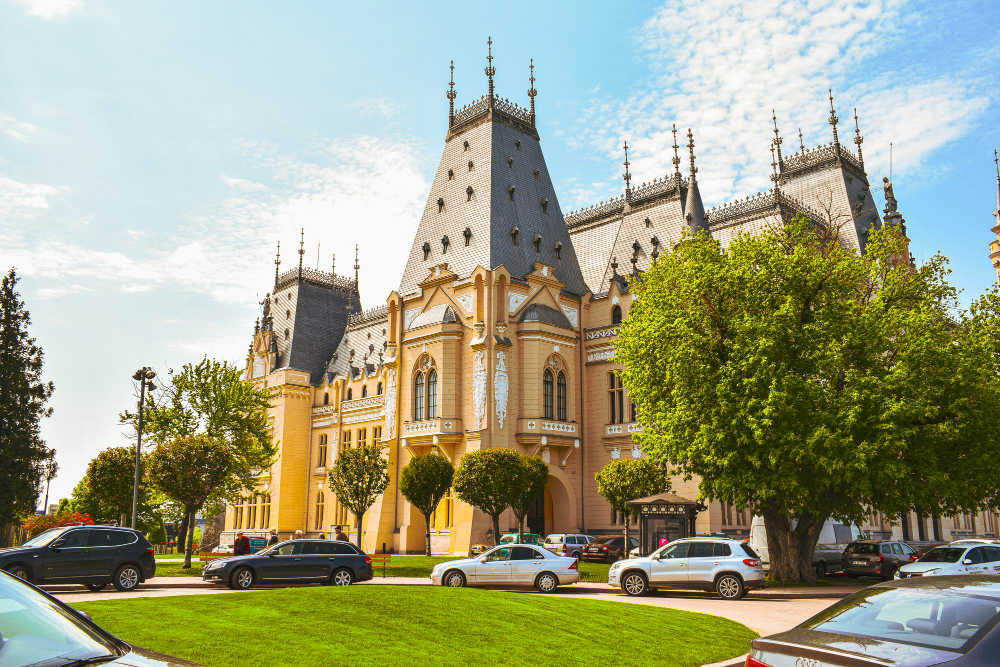
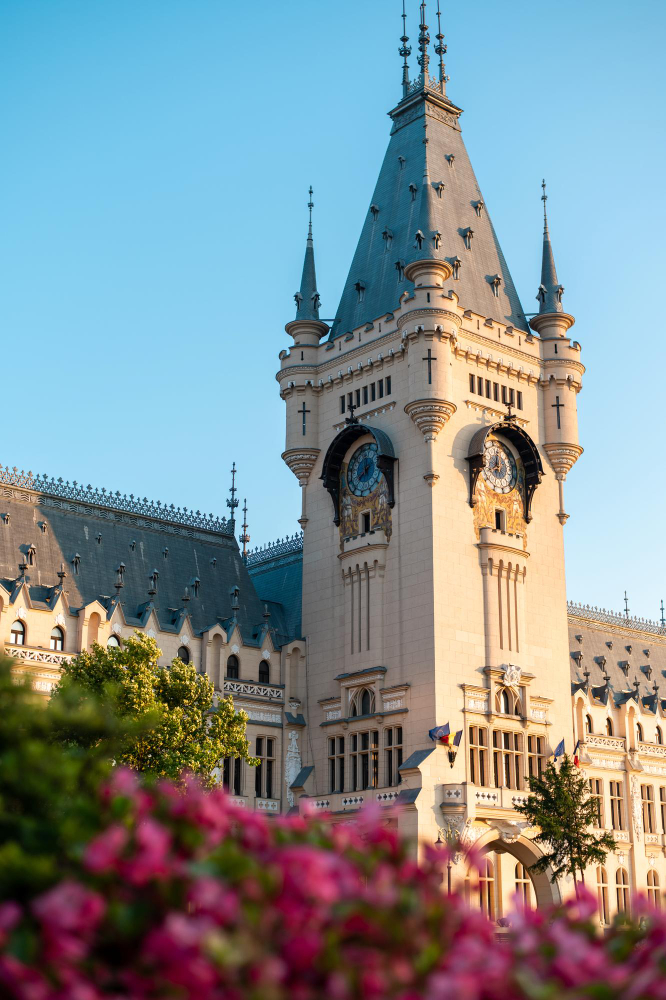
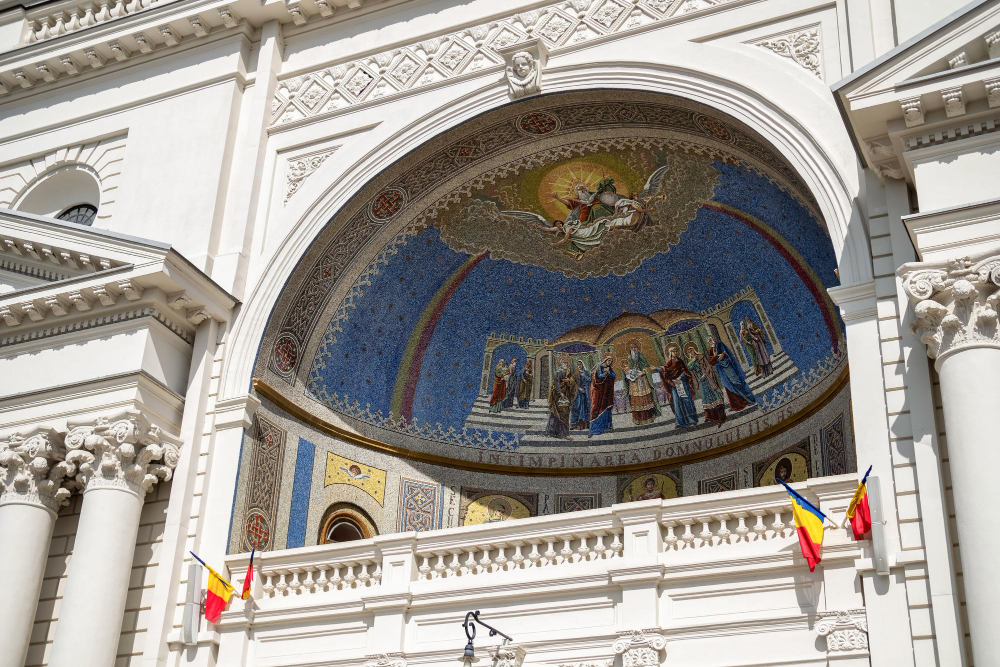
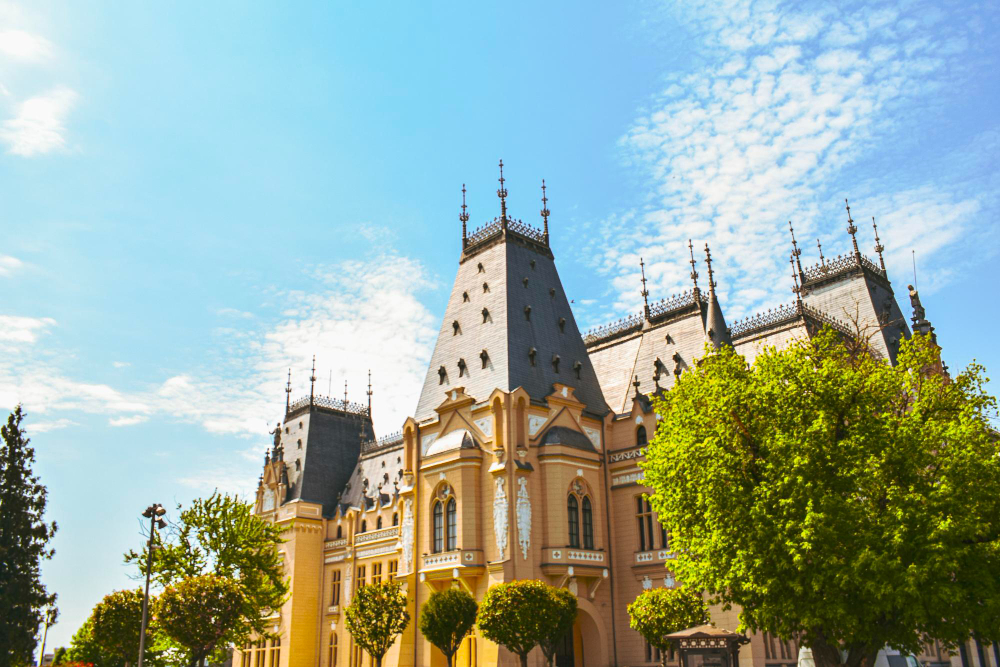
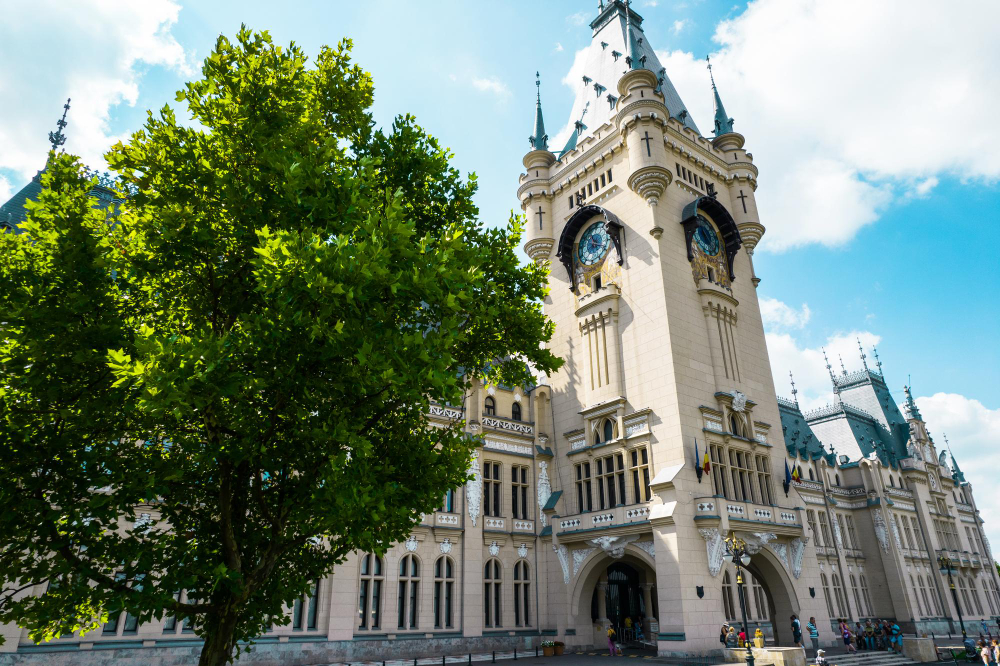
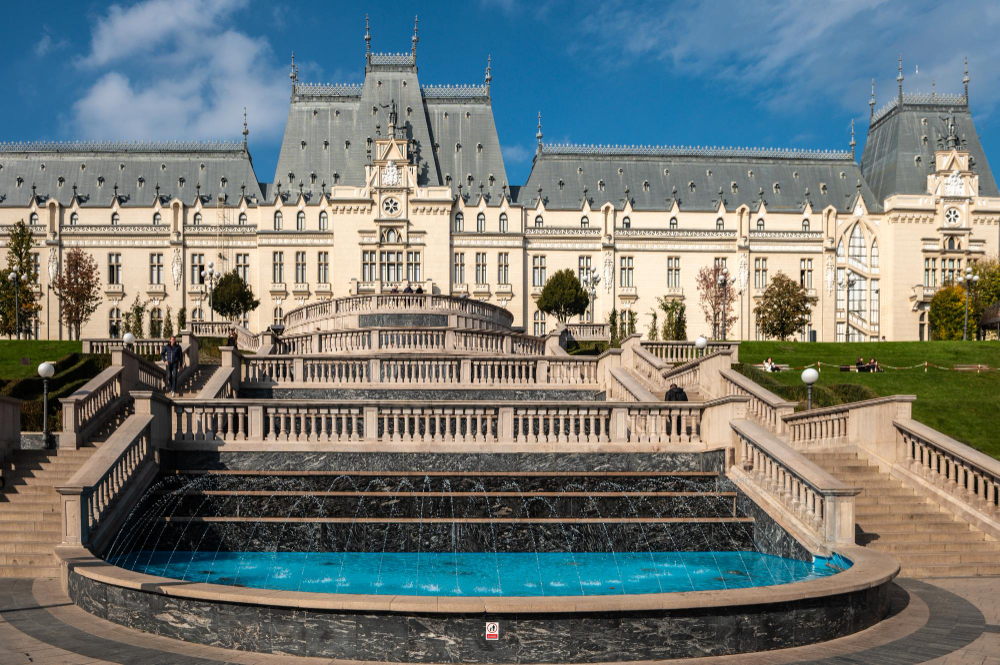
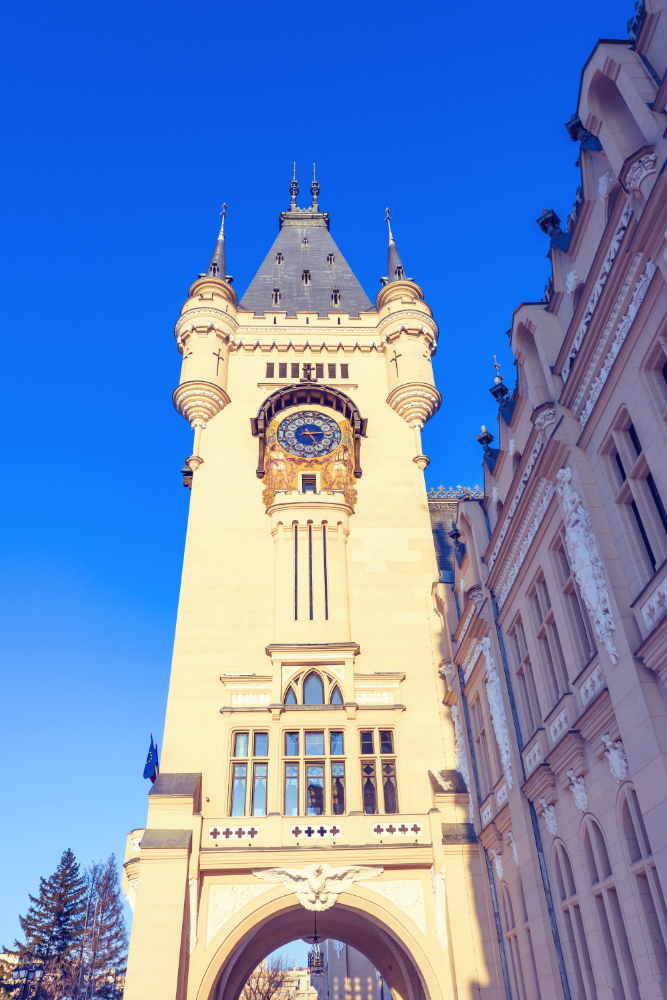
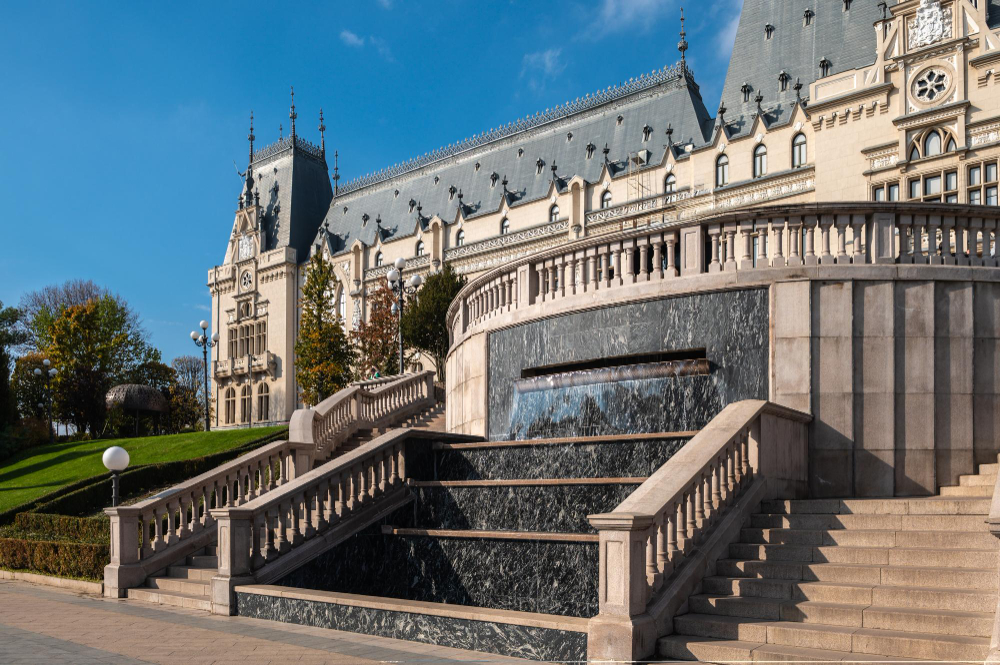
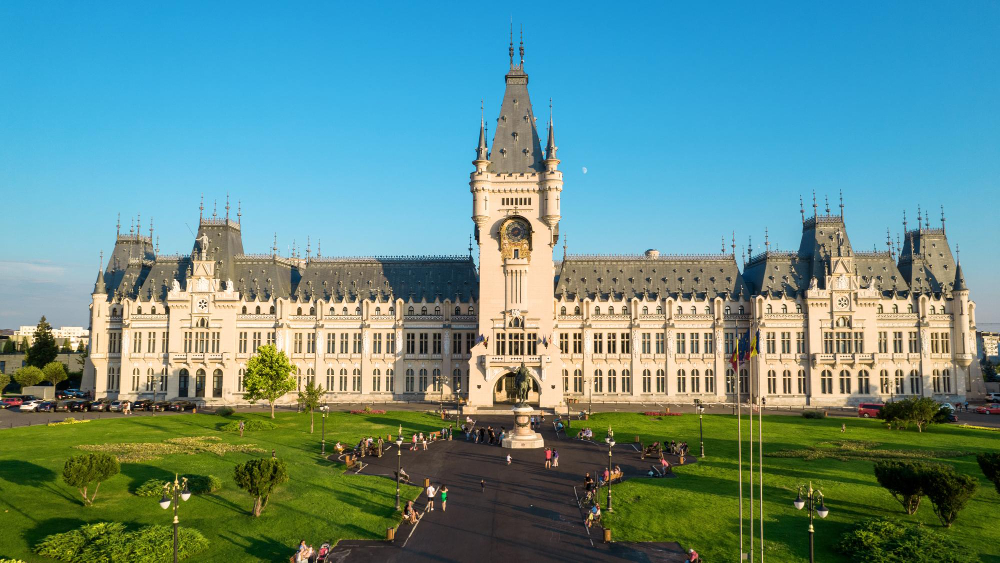
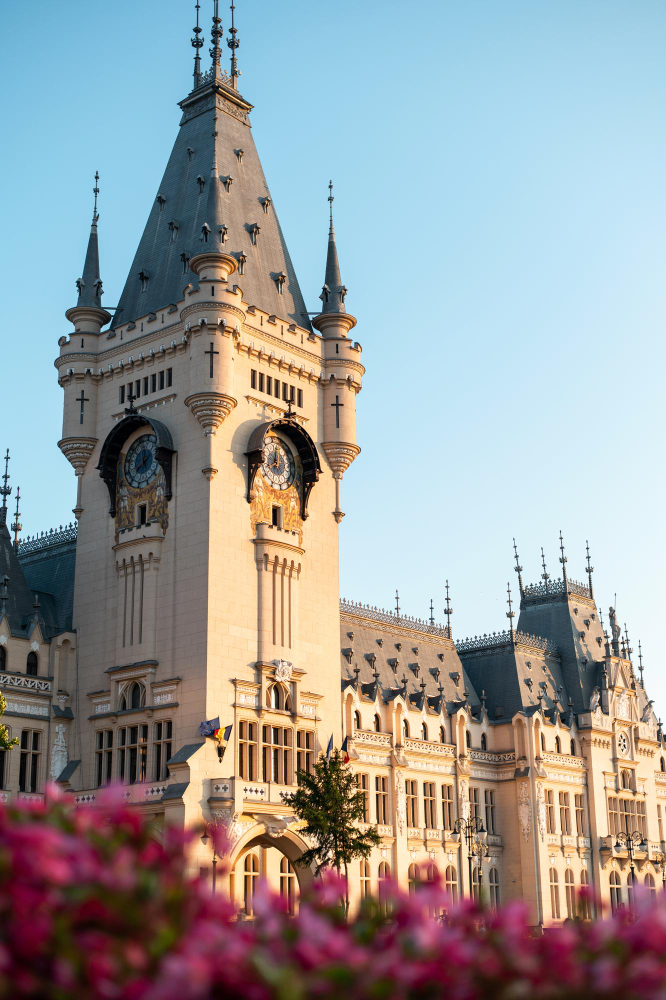
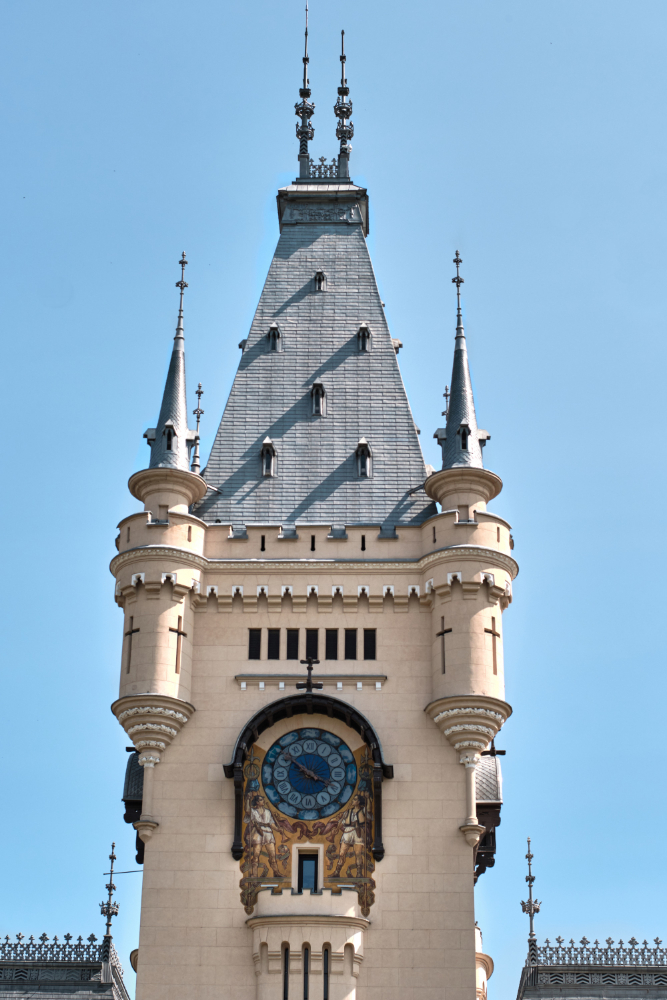
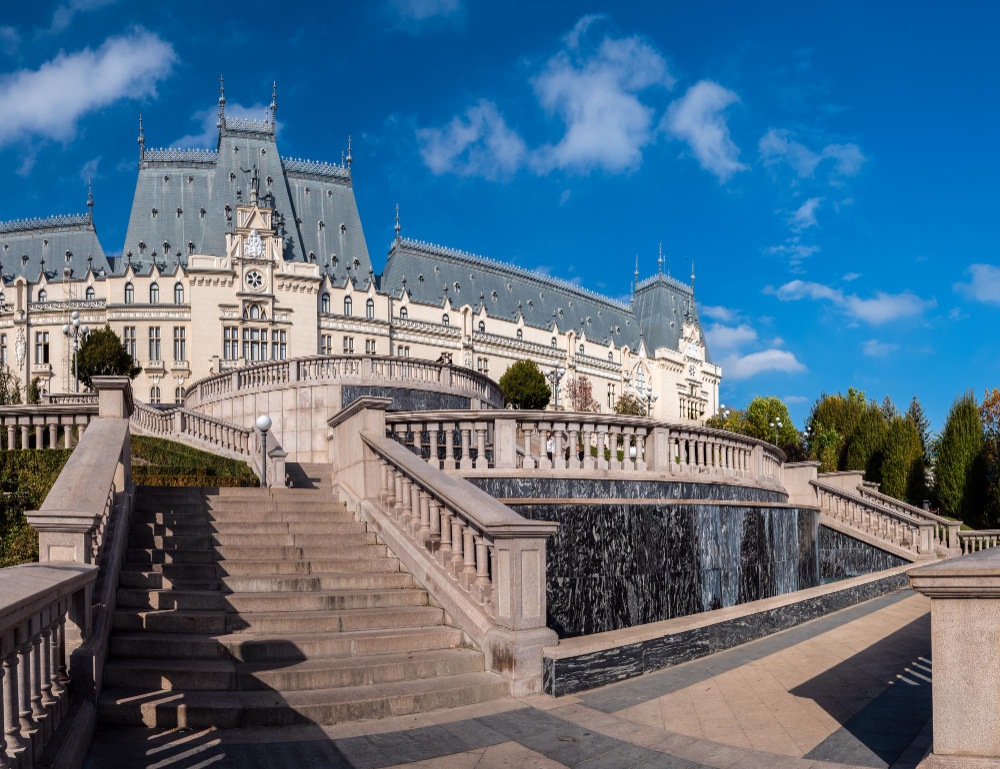
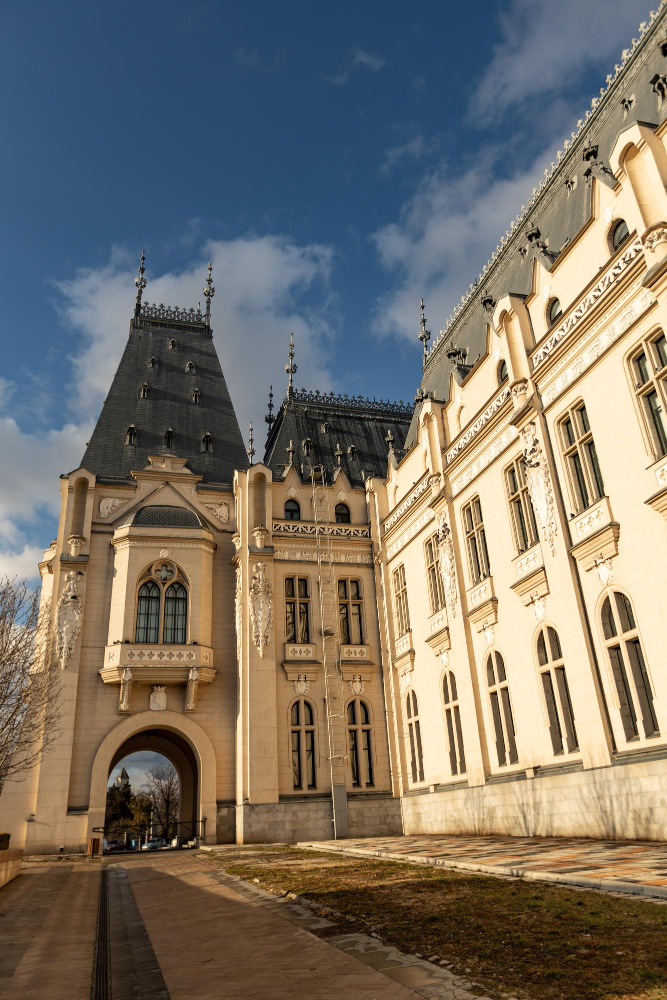
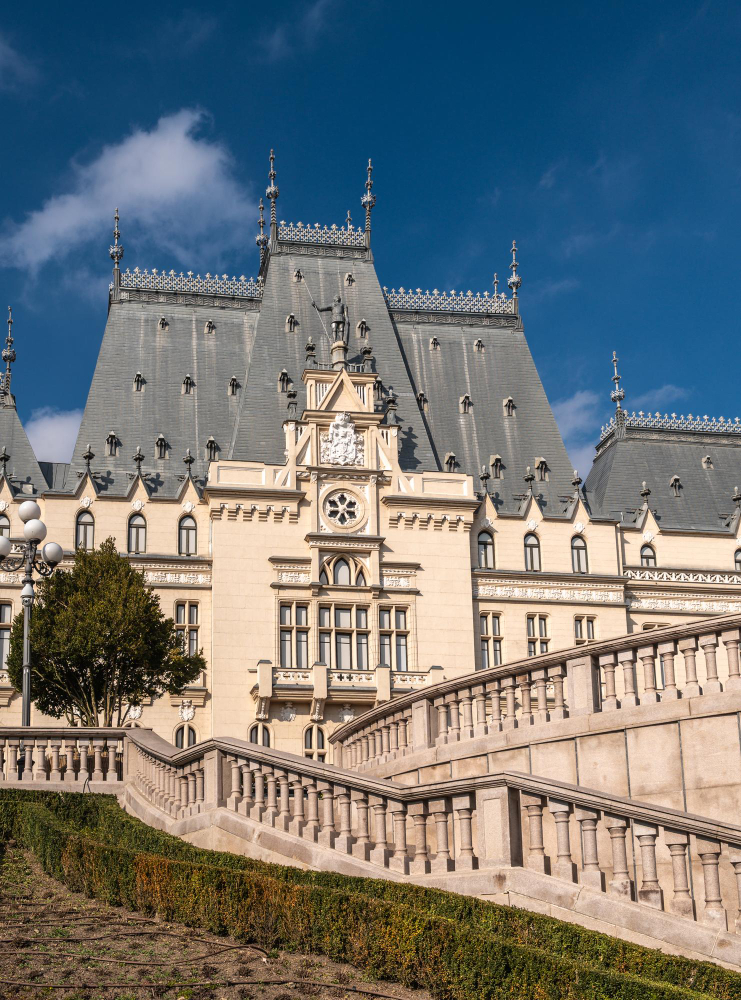
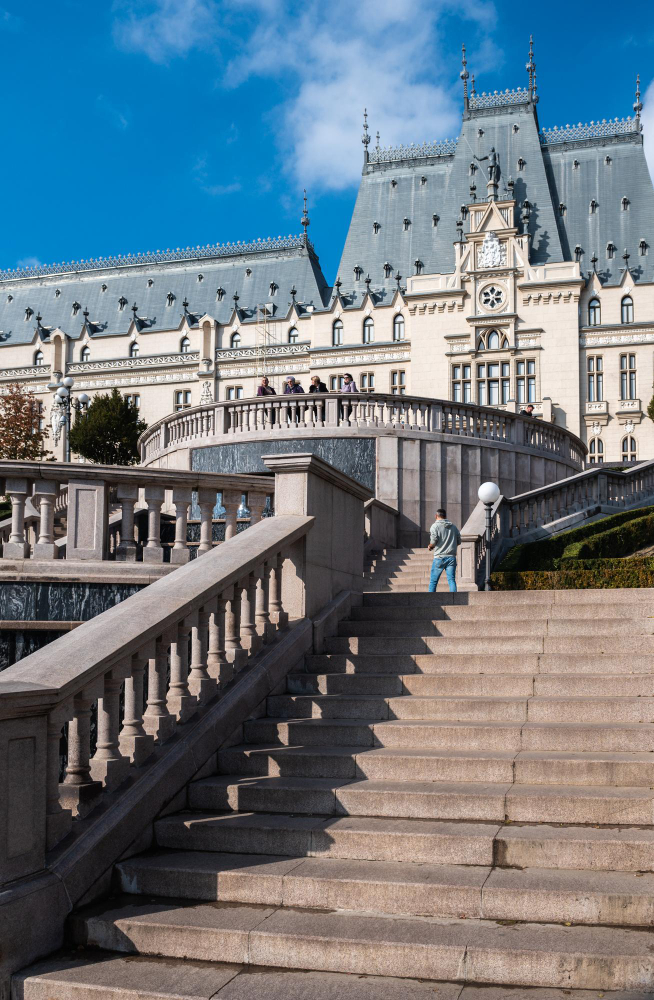
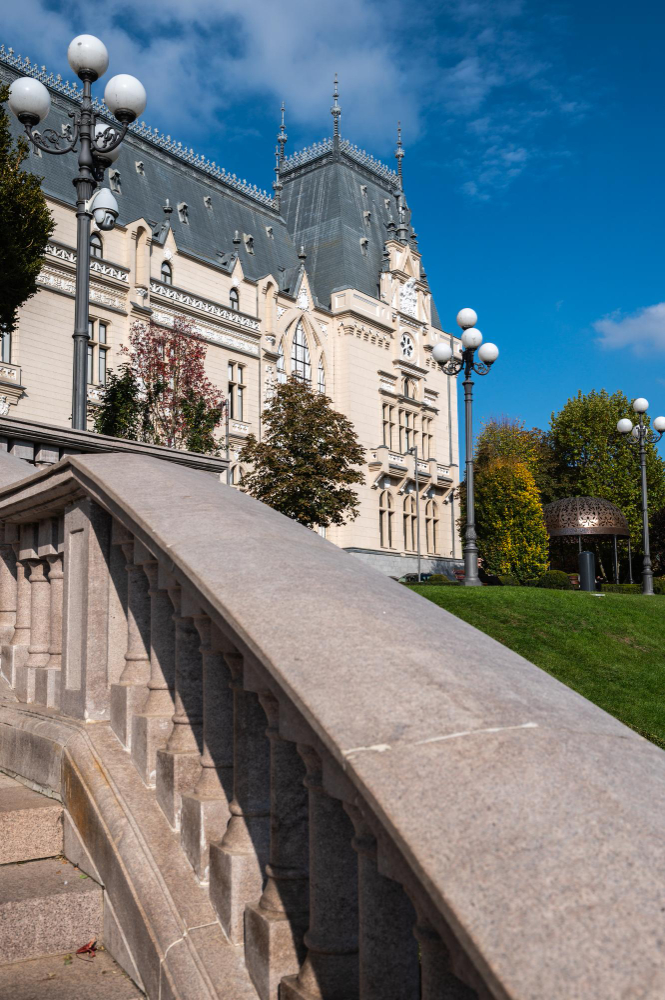
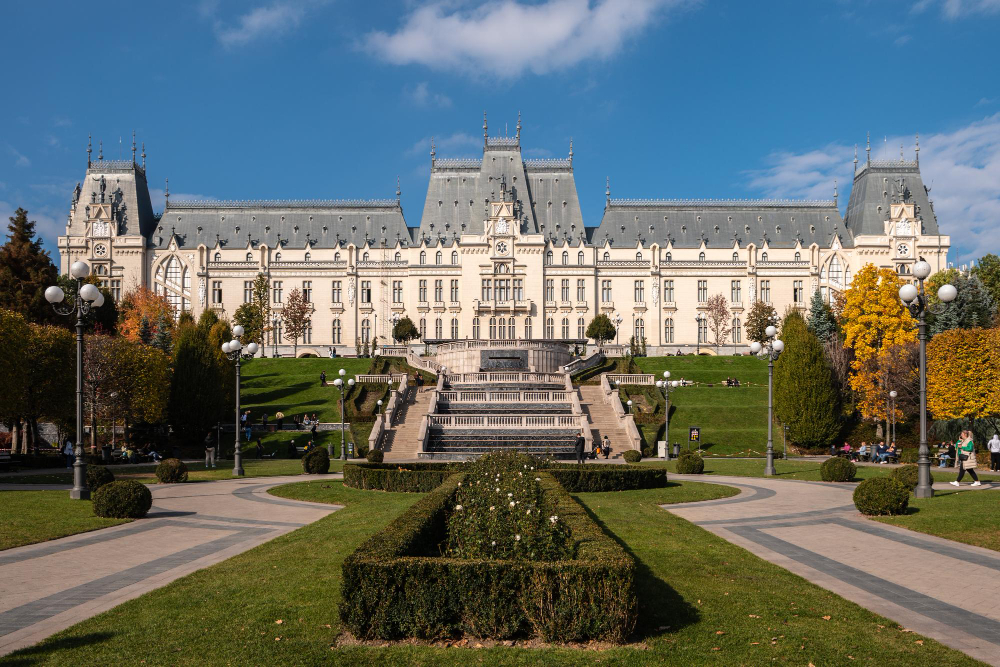
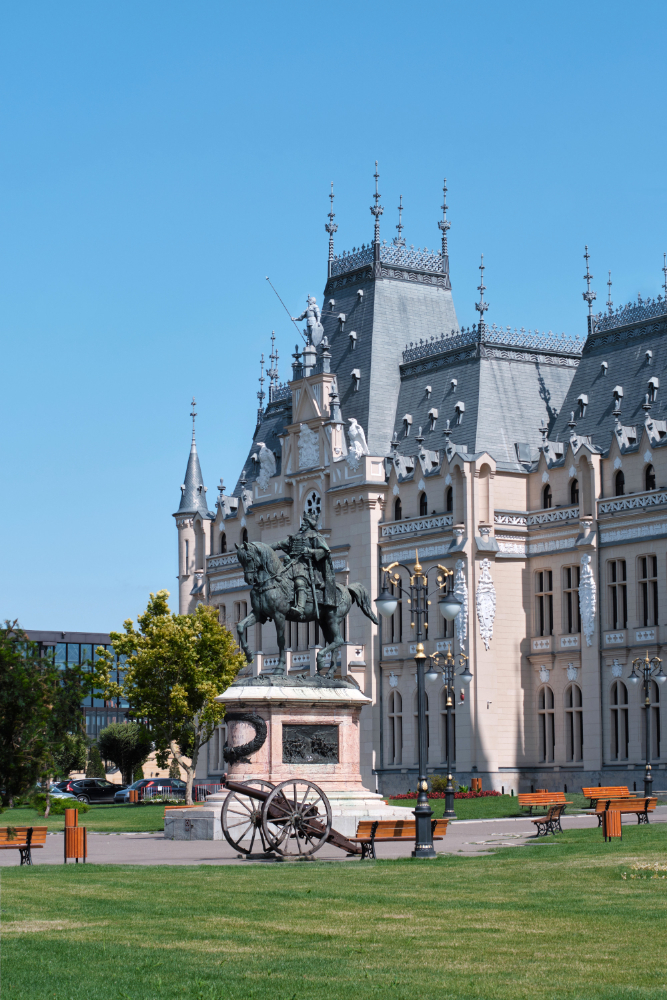
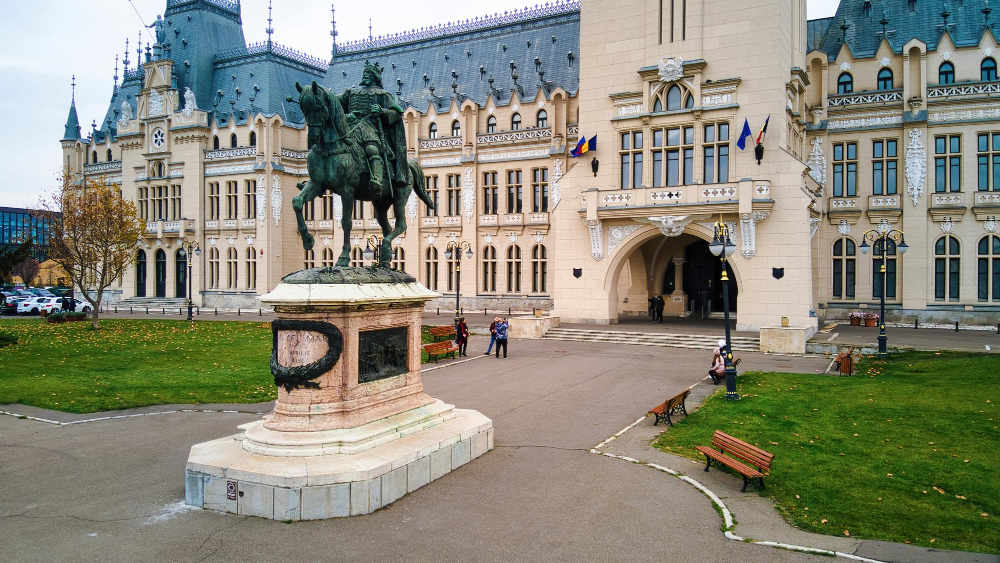
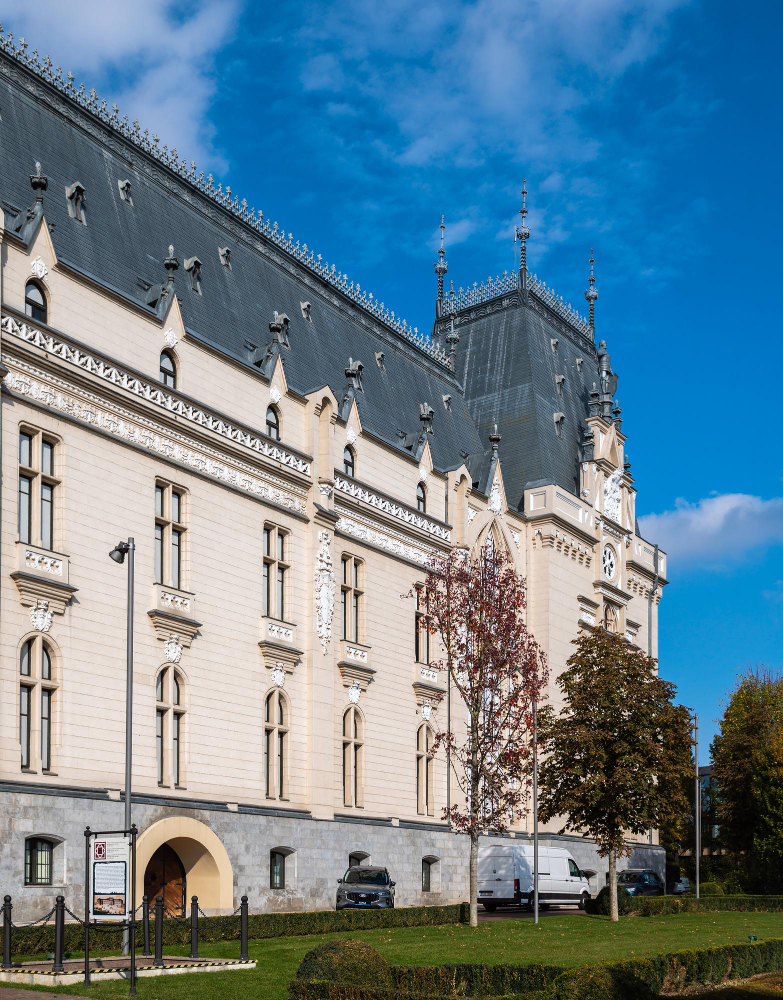
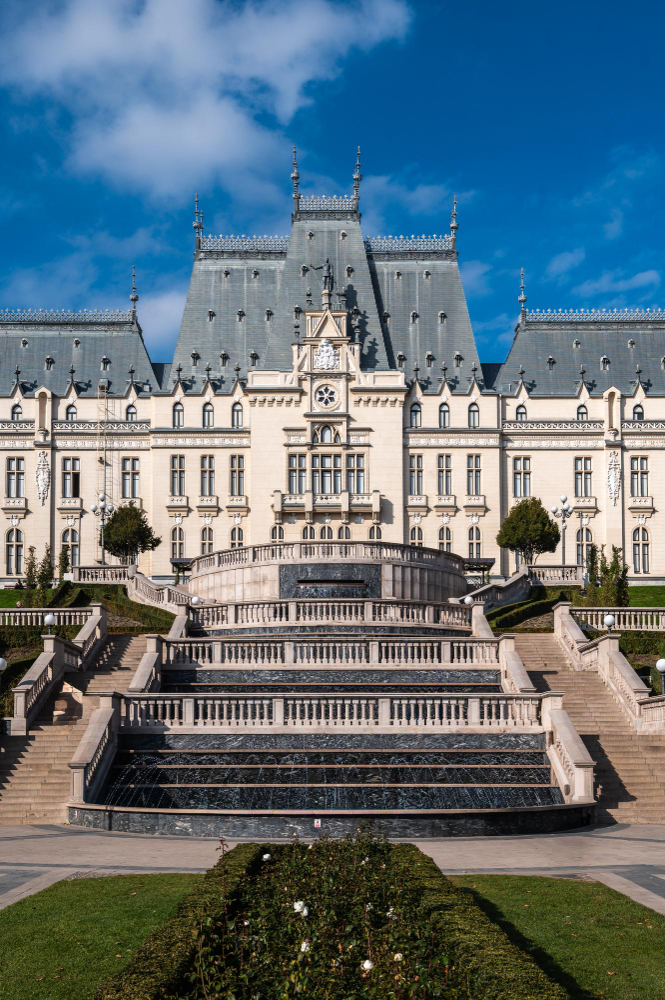
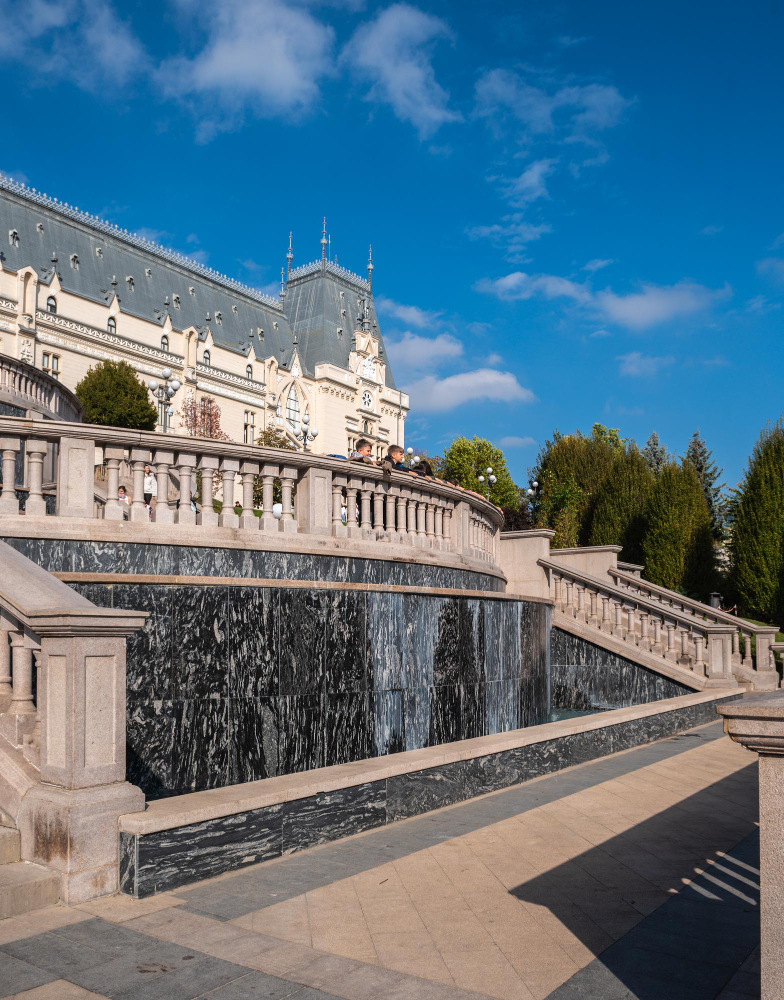
In the heart of the Romanian city of Iași stands a majestic building that both impresses and unsettles the observer: the Palace of Culture (Palatul Culturii). Behind its magnificent stone and glass façade lie stories far darker than its ornate architecture would suggest. Legends have swirled around this place for centuries, and many claim it is imbued with an ominous energy. The urban myth that clings tenaciously to it is just as grim as the history of the site itself on which the palace was built.
A scene of horror: the site’s bloody past – The palace’s current location has never been a place of innocence. Even before the building was erected, the site served as a stage for acts of violence by various rulers and powers. According to tradition, numerous executions took place here, and power struggles repeatedly shaped the area. The ground on which the palace’s foundations rest is said to be soaked in the blood of those who once lost their lives here. The Middle Ages are particularly notorious, when public executions were the order of the day here. Not only were criminals executed in the square, but also political opponents and innocent victims of intrigue. Their screams are said to still echo within the palace walls – at least if one is to believe the tales of the locals. The thought that every stone of this imposing structure is linked to this blood-soaked history evokes a sense of unease in many visitors.
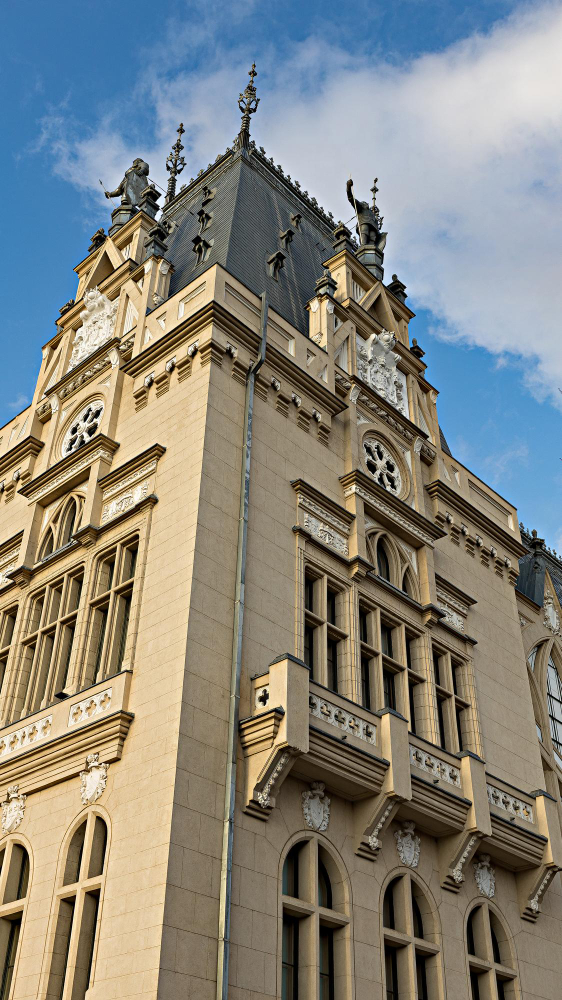
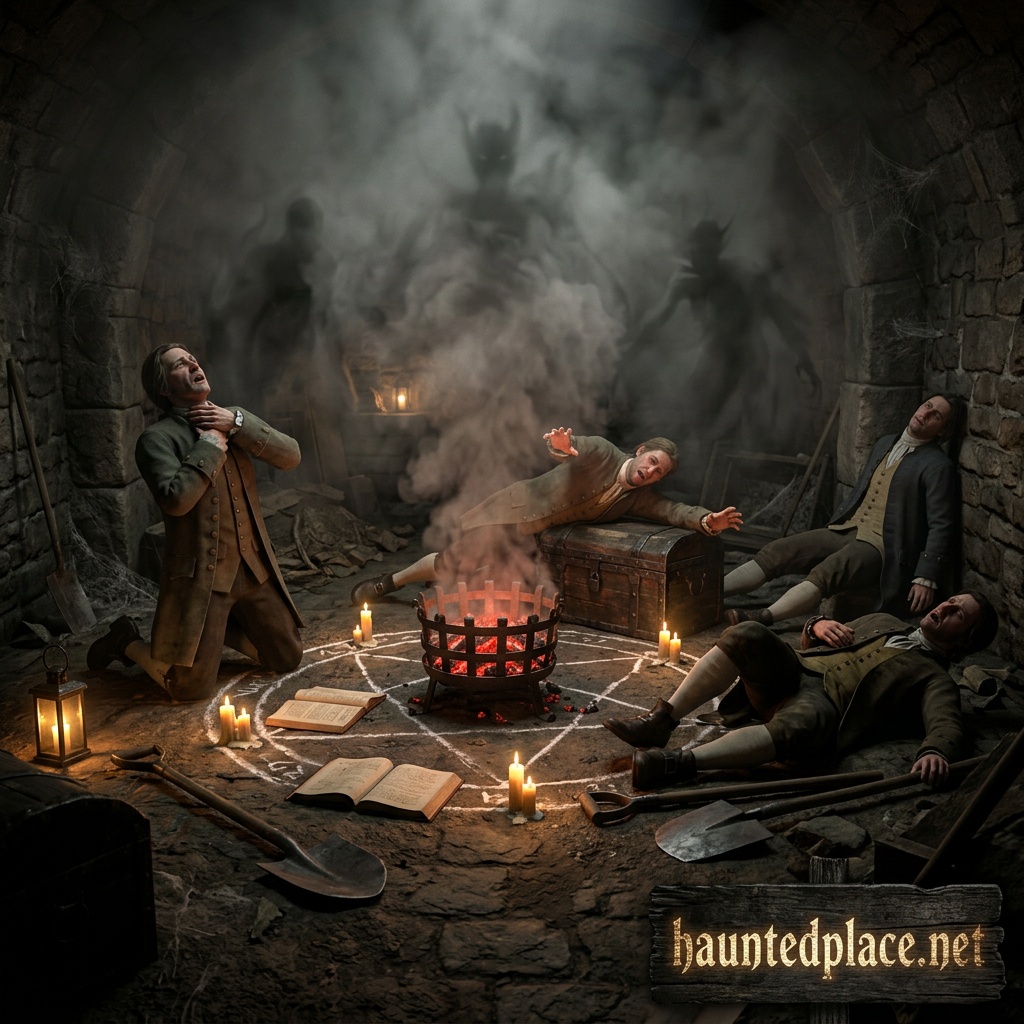
The construction of the Palace: A disaster with consequences – Between 1906 and 1925, the Palace of Culture was built under the direction of architect Ion D. Berindey. It was intended not only to shine as an architectural masterpiece, but also to serve as the region’s central cultural hub. Yet from the very beginning, the project was accompanied by ominous omens. Workers reported eerie apparitions. Tools mysteriously vanished, construction accidents became frequent, and some workers lost their lives in inexplicable accidents. A particularly horrific incident occurred during the laying of the palace’s foundation stone. According to reports, a strange light is said to have risen from the ground, accompanied by a deafening, howling noise. Some of those present fled in panic, whilst others fainted. The events were quickly hushed up, but from then on a rumour circulated amongst the workers that the ground on the site was cursed. Some even believed that the spirits of the executed were demanding their rest.
The urban legend: Voices from another world – Today, the palace is considered one of the most famous places in Iași, yet it is not merely a meeting place for art lovers and historians. Time and again, visitors report eerie encounters within its walls. Particularly at night, when the halls are silent and deserted, the atmosphere is said to become eerie. A popular theme in the legends is the voices that are said to echo from the walls of the building. Some claim to have heard soft weeping, others a barely intelligible whisper. Still others speak of screams and cries that seem to come from nowhere. A security guard who worked in the palace at night later reported that he had repeatedly heard footsteps – even though there was no one else in the building apart from him. On several occasions, he had the feeling he was being watched, and once he even saw a shadow flit through the darkness. Shortly afterwards, he resigned from his job. Another part of the legend revolves around a specific room in the palace, which is said to be particularly steeped in evil. It is a small, windowless chamber that formerly served as a storeroom. Visitors who approach the chamber report a sudden chill and a heavy pressure on their chest, as if the air in that area were denser. Some even claim to have heard whispered words urging them to leave the room immediately.
The dark energy of the place – Psychologists and paranormal investigators have attempted to unravel the palace’s mysteries. Whilst sceptics dismiss the stories as the product of an overactive imagination, others are convinced that the place is indeed permeated by a dark energy. Some experts believe that the traumatic events that have taken place at this location over the centuries may have left a kind of energetic imprint. In particular, the theory of so-called ‘residual haunting’ is frequently associated with the palace. It suggests that emotional trauma, such as that caused by violence and death, can have a lasting effect on certain places. Voices, noises and apparitions are therefore not real ghosts, but rather a kind of ‘echo chamber’ of past events. Critics of this theory, however, point out that many of the phenomena described involve concrete interactions or reactions – which would suggest the existence of active, malevolent beings.
A place of art – and horror – Despite its grim reputation, the Palace of Culture attracts thousands of tourists and locals year after year. Its museums and galleries serve as showcases for creative works and cultural achievements. Yet even art seems unable to fully dispel the building’s eerie aura. Many artists who exhibit here report feeling overwhelmed whilst working – whether by sudden fear, restless thoughts or even visions of strange figures. Visitors to the Palace should be warned: however beautiful and radiant the building may appear, it remains a place filled not only with art, but also with an ever-present darkness. For those who believe in ghosts, the Palace is a clear-cut case of a ‘haunted house’, whilst sceptics simply regard it as the victim of supernatural rumours.
A spooky attraction for the curious – Today, the Palace of Culture stands between two worlds – the world of art and culture and the gloomy underworld of past tragedies. Whether the stories surrounding it are true or not ultimately matters little. What matters is the eerie magic it exudes and the fascination it holds for everyone who visits it. Dare to enter this place, but never forget: behind every wall, under every stone, something evil could be lurking – something waiting to be discovered.