 Isabella Mueller Baroness of Stainton le Vale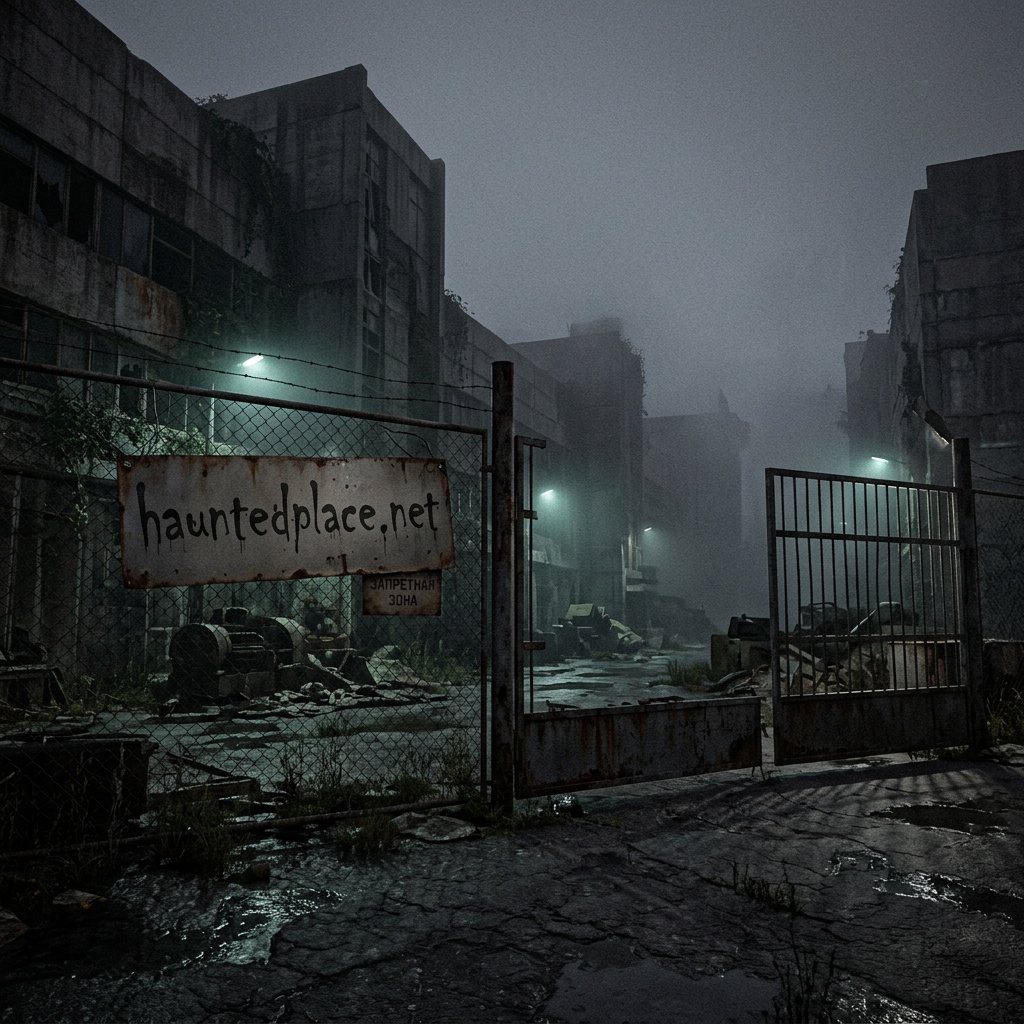
Nestled amid Estonia’s rugged coastal landscape lies Sillamäe, a town that strikes many as reserved and mysterious. Once a vibrant hub of strategic importance, today its past and essence are shrouded in dark legends. Sillamäe is not only a historic industrial town but also a place often associated with mysterious tales and paranormal phenomena. This eerie atmosphere makes it a sort of “ghost town” of Europe, whose history is as fascinating as it is frightening.
The Closed Chapter of a Hidden City – The origins of Sillamäe date back to the 19th century, when the small village was primarily known as a health resort. The turning point, however, occurred during World War II and the subsequent Soviet era. The idyllic coastal town was transformed overnight into a top-secret city. With the construction of a uranium enrichment plant for the Soviet nuclear industry, Sillamäe took on a completely new identity. From then on, the town was isolated. Access was permitted only with special permits—its name was rarely even mentioned on maps or in documents. Its seclusion from the public eye and the secrecy that accompanied it continue to fuel dark myths to this day. It is said that Sillamäe was not only a site of strategic activities but also the setting for experiments that went far beyond what was ever made public. This isolation contributes to the town appearing to many as a parallel universe where reality and fantasy blend.
Environmental Risks, Cursed Ground? – Beyond its political and military significance, Sillamäe also harbors ecological challenges that further intensify its eerie aura. The radioactive materials processed here during the Soviet era have left their mark—not only in the soil but also in people’s minds. The massive retention basin, where tons of radioactive waste were stored, remains a memorial to that dangerous era to this day. Even the slightest ground movement could release this toxic waste—a scenario frightening enough to cause nightmares. But it’s not just the environmental impact that fuels the town’s dark legends. It is said that the soil of Sillamäe is “cursed.” Hikers who venture alone into the forests surrounding the town report a strange sense of foreboding. Some speak of voices that seem to whisper to them in the darkness, or of shadows creeping through the trees. No one knows exactly where these apparitions come from, yet the stories multiply—and for many, they turn the region into an eerie place where the boundaries between reality and the supernatural blur.
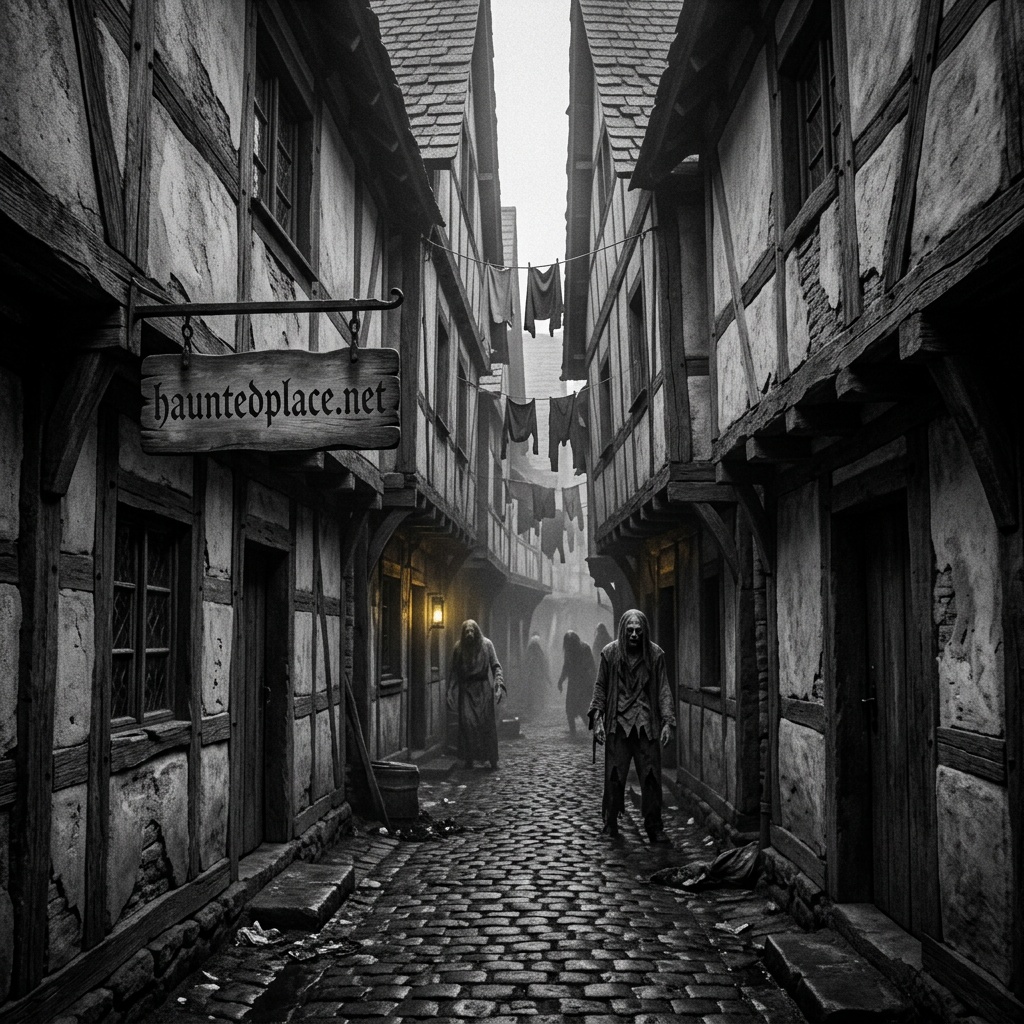
The Ghosts of the Past – One of the most persistent urban legends about Sillamäe concerns the “worker ghosts.” These eerie figures are said to wander through the abandoned industrial facilities at night—in dirty clothes and with empty eyes, always silent but present. Some claim they are remnants of the tragic working conditions under which hundreds of people suffered in the secret facilities. Others see them as nature’s revenge for decades of desecration of its soil. Whatever the truth may be, the stories about the ghosts ensure that the town leaves a lasting impression. Many visitors also report strange behavior among the animals in the region. Birds suddenly fly just a few centimeters above the ground and vanish into the darkness, dogs avoid certain paths, and cats seem to be constantly looking upward—as if they were observing something invisible to the human eye. Interactions with animals have taken on a peculiar symbolism in Sillamäe and are another factor contributing to the town’s reputation as an eerie place.
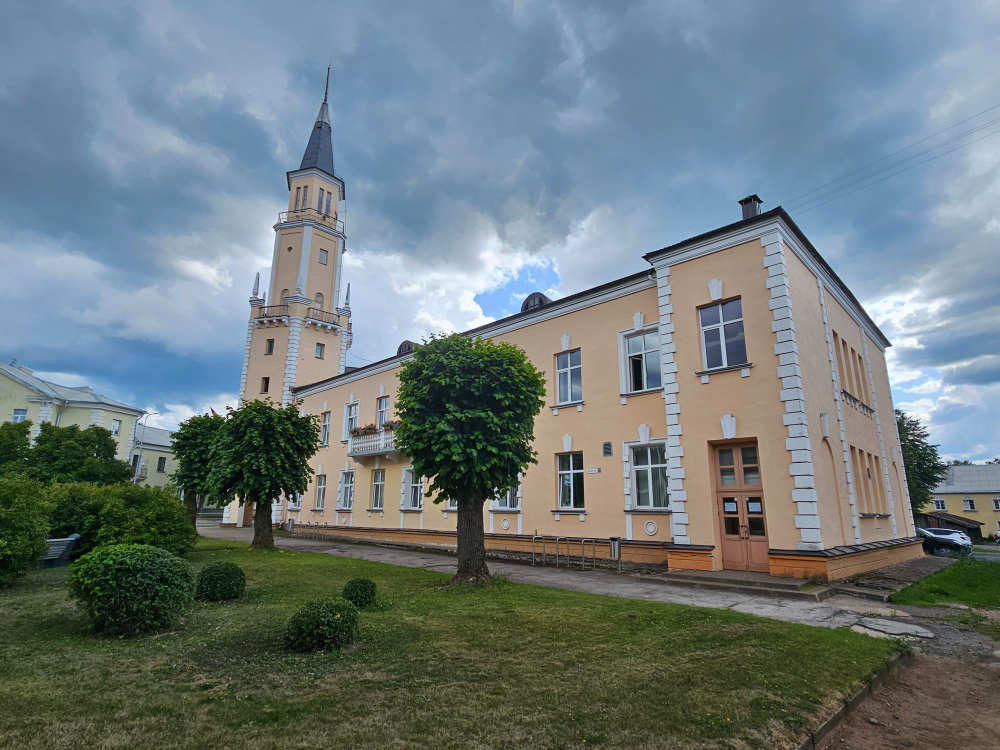
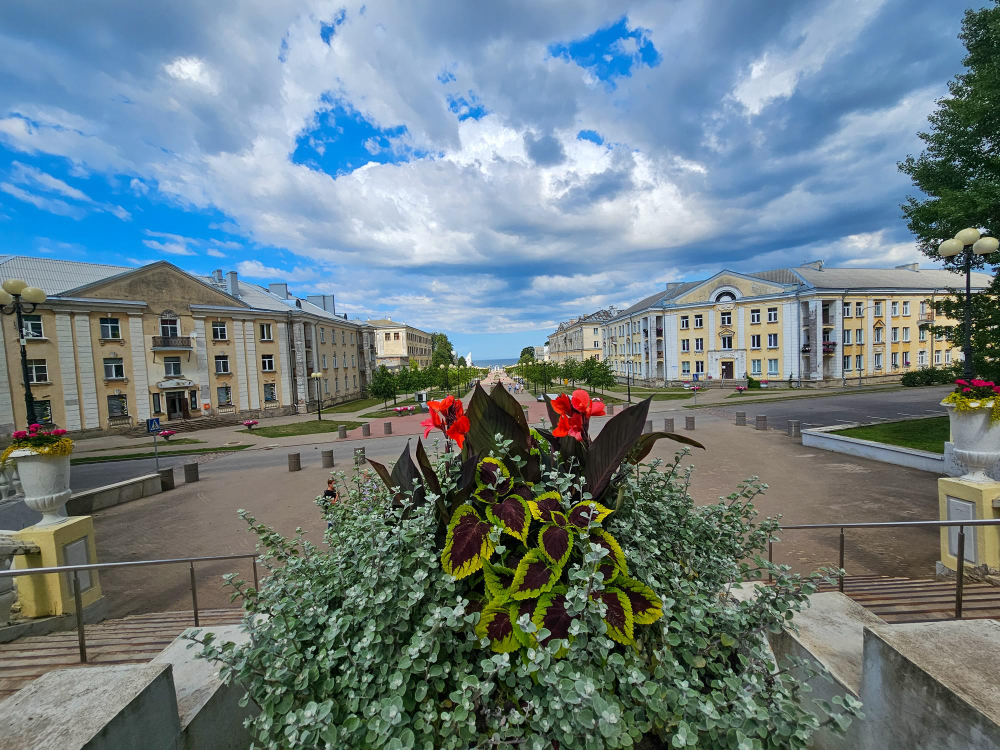
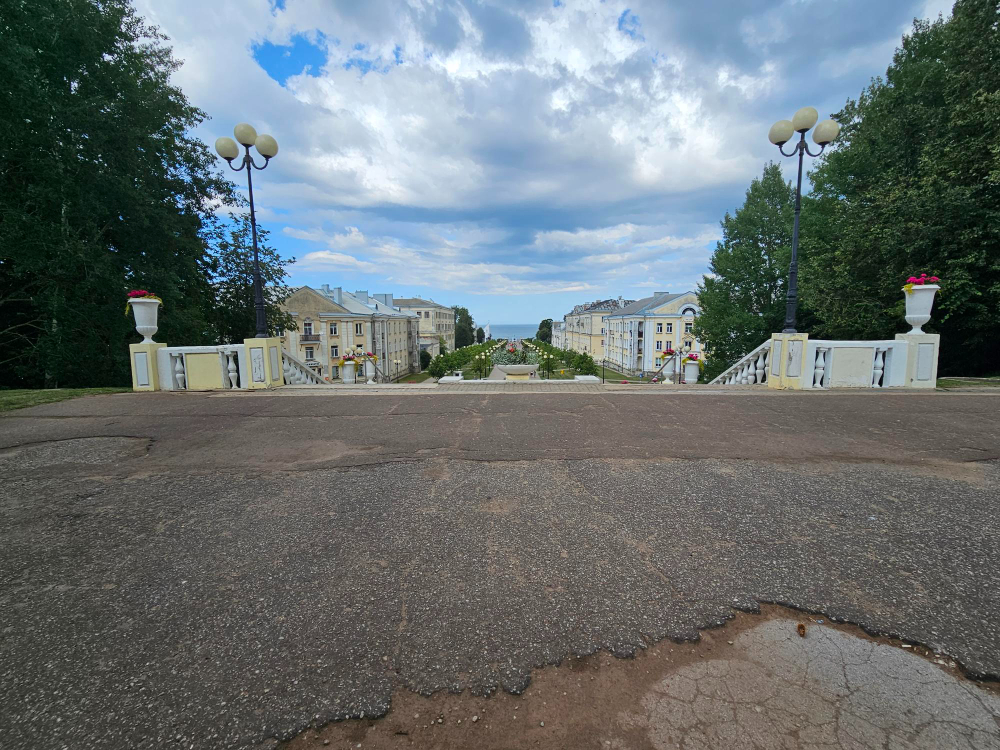
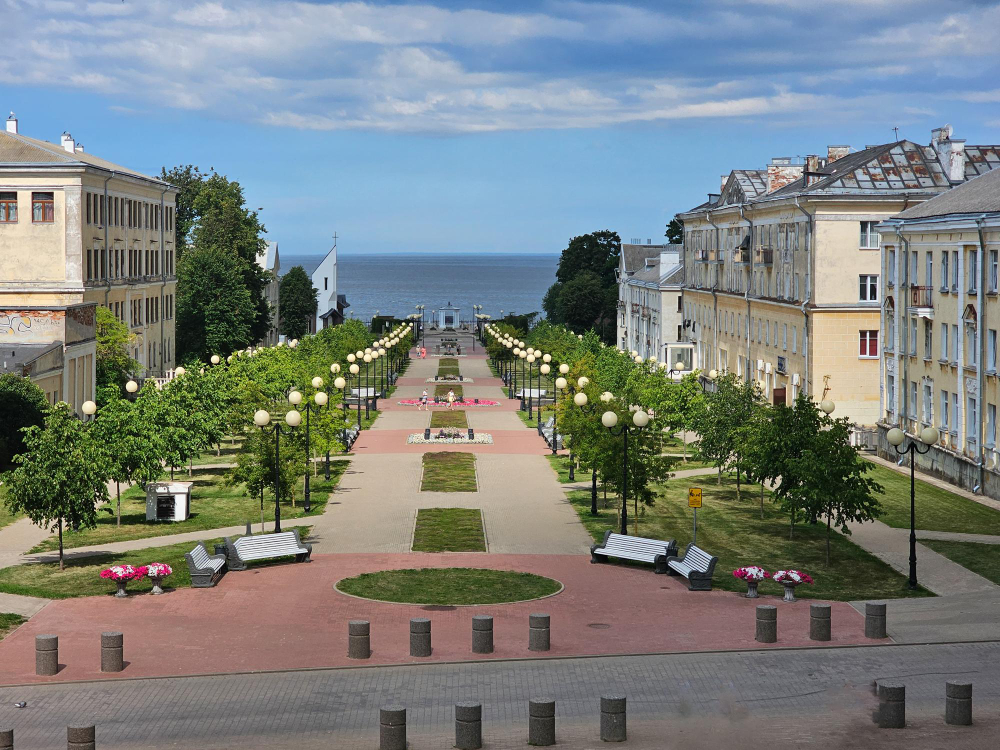
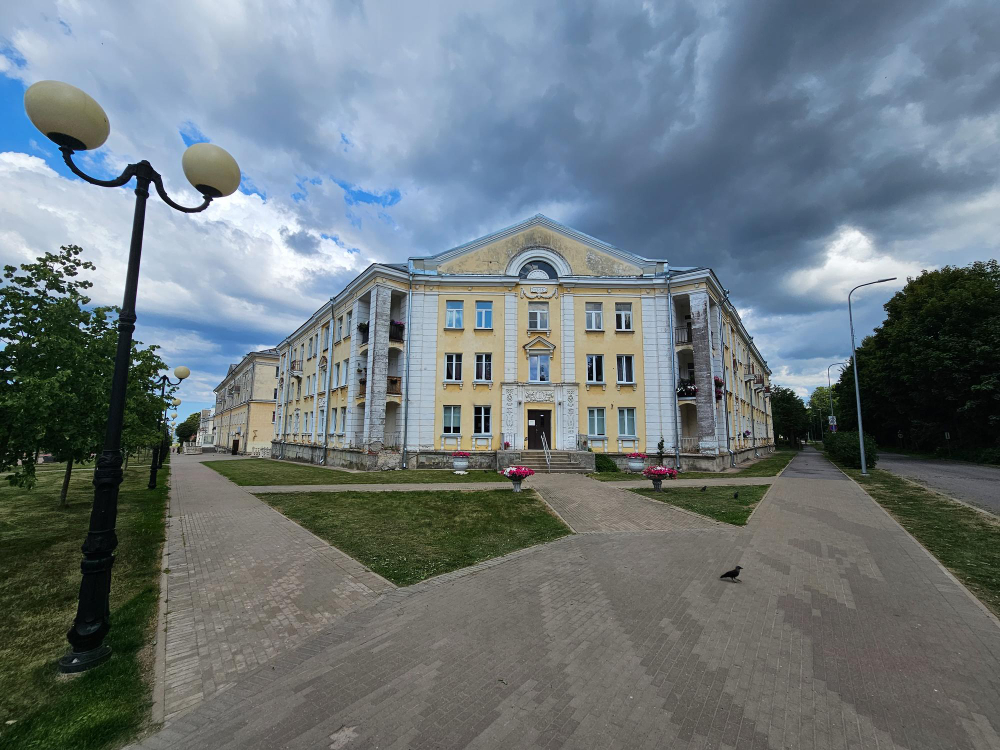
Shaped by History – Today, Sillamäe has, in a sense, lost some of its mystery—the once-closed town is now accessible and known for its Stalinist architecture and port facilities. Yet its past remains palpable. Many buildings, especially the old factory complexes, exude an oppressive atmosphere that rarely leaves visitors unmoved. Even during the day, the sun seems to shine less intensely here, while at night a sense of unease settles over the town. A distinct chill runs through visitors as they gaze upon the sterile, deserted streets and the monotony of the prefabricated buildings. The wind whistling through the alleys seems to tell stories—stories full of suffering, secrets, and horror. It is almost as if the city cannot free itself from its dark past and reminds everyone who visits it of this.
The Future of a Haunting Past – The question remains: what place should Sillamäe occupy in today’s world? On the one hand, the city is an important place of learning—an example of the impact of human technology and the dangers of isolation and secrecy. On the other hand, it is a memorial to the dark chapters of history, a place that never seems to be entirely free of its shadows.
Perhaps that is precisely the reason for the eerie fascination that emanates from Sillamäe. It is a city that not only exists physically but also lives on in the thoughts and nightmares of those who grapple with its past. Sillamäe may be open today—yet its doors to its own past seem to be locked forever.