 Isabella Mueller Baroness of Stainton le Vale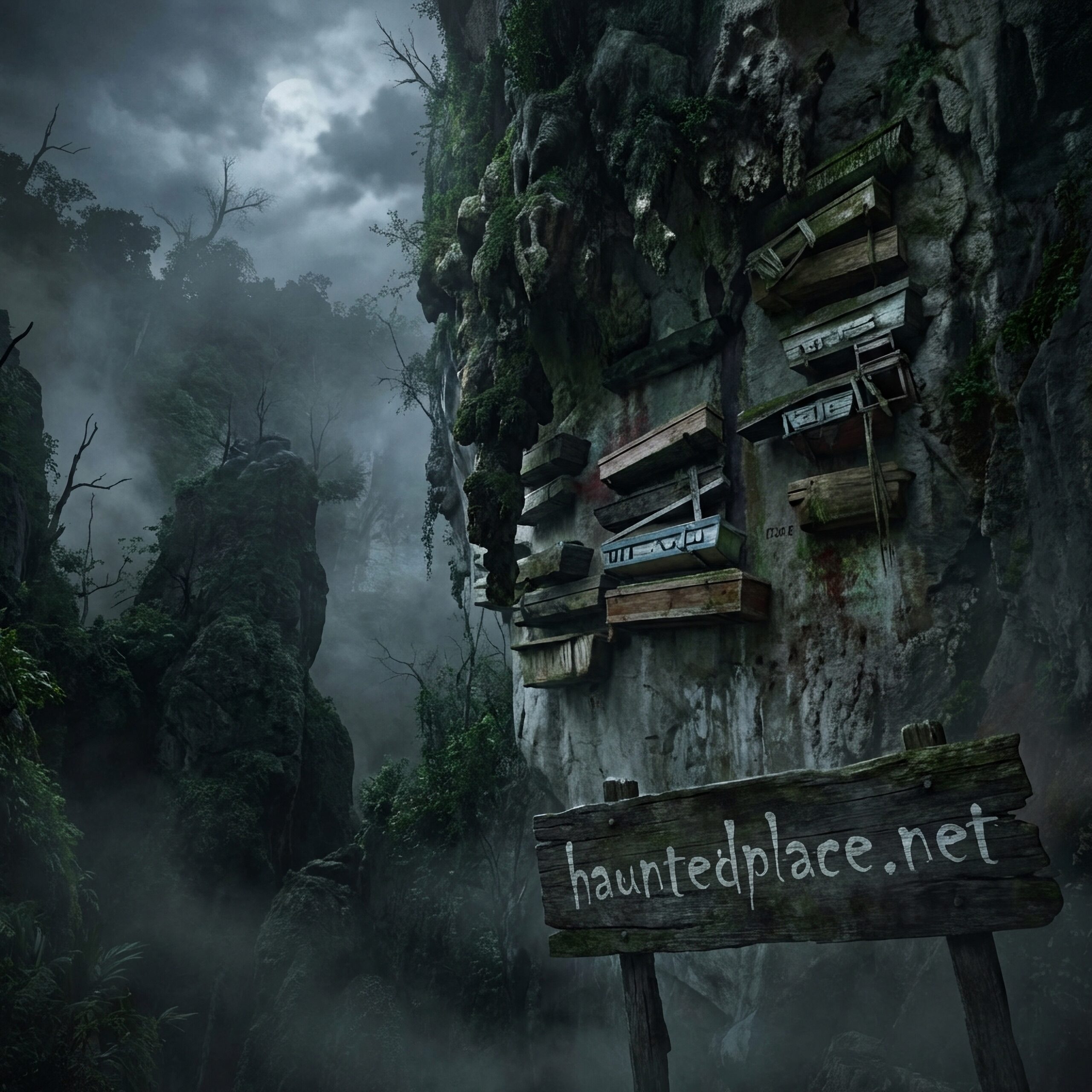
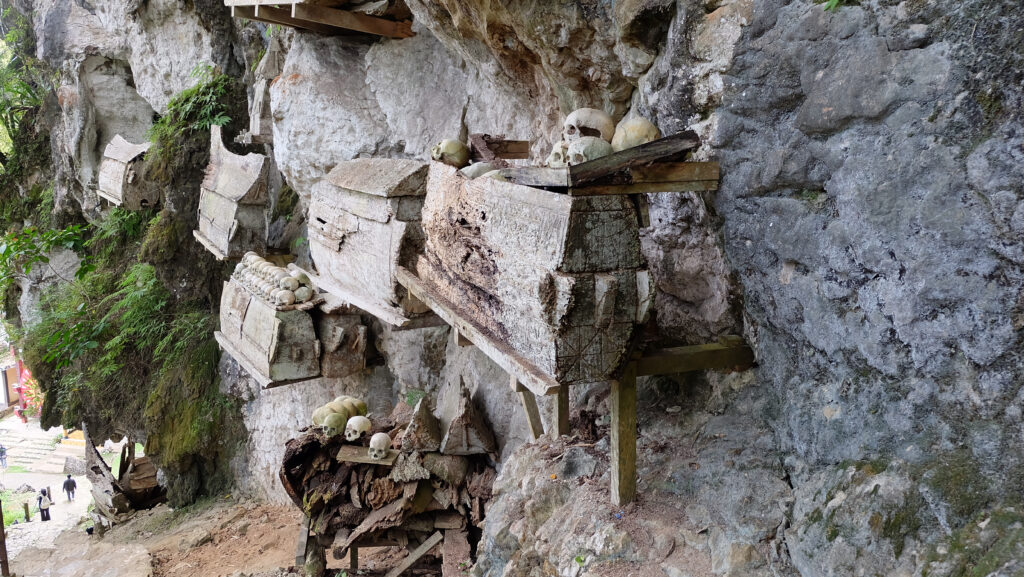
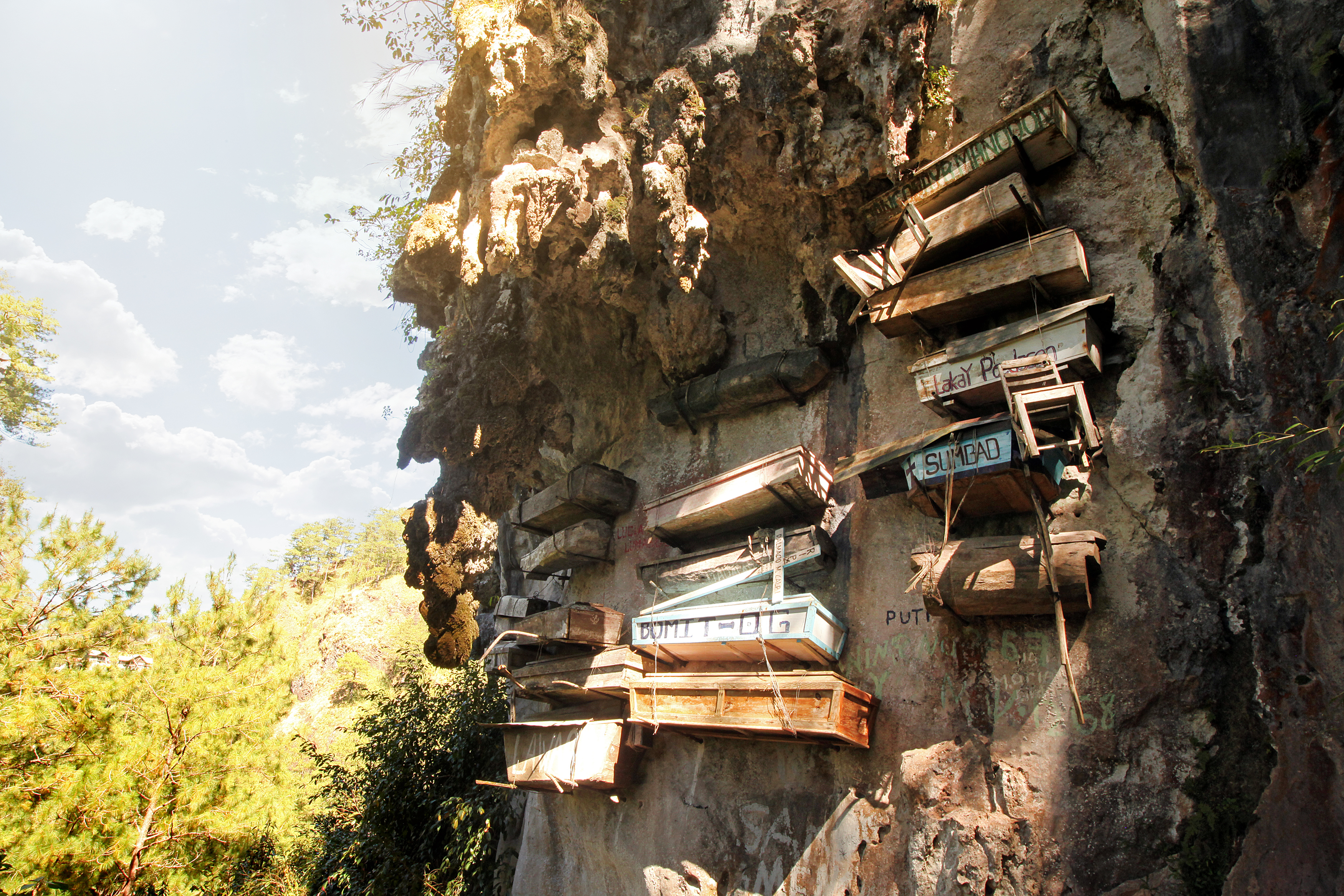
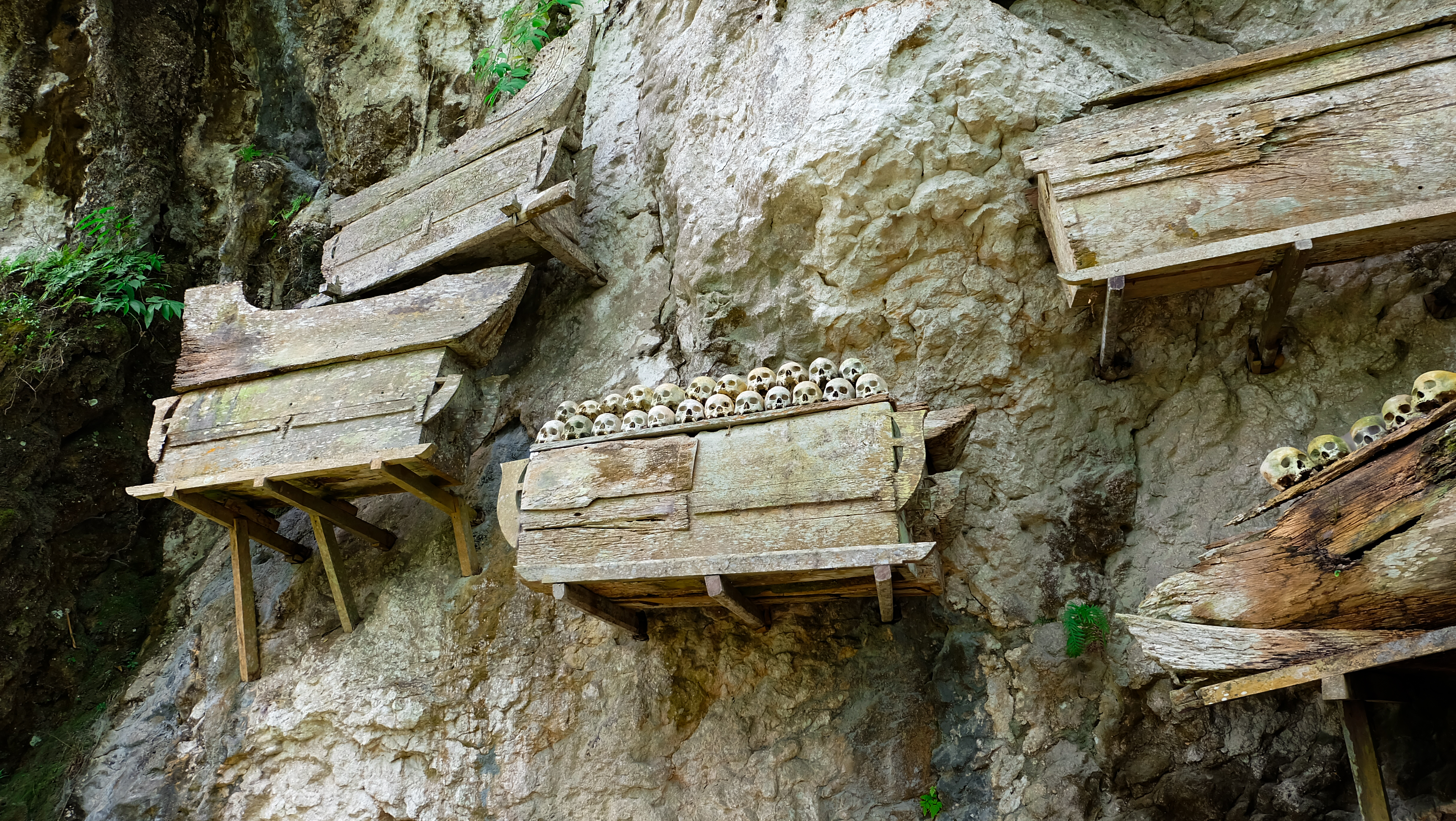
In the remote, rugged regions of the Philippines, there is an ancient, grim tradition that strikes fear into even the bravest of souls. Coffins left behind by generations of mysterious locals dangle from steep rock faces. These eerie witnesses to times past, watching over the gorges like silent guardians, tell stories that still make the hearts of those who see them tremble with fear.
The origins of an eerie tradition – The practice of hanging coffins, most commonly found among the Igorot ethnic group in northern Luzon, dates back centuries. The Igorot community has a deep spiritual connection to nature and firmly believes that the souls of the deceased have a closer connection to the spirit world when their earthly remains rest closer to the sky. However, this explanation only scratches the surface, as deeper, more gruesome myths surround this ghostly tradition. An ancient belief states that if the souls of the deceased are buried too close to the ground, they could enter the bodies of evil spirits that live in the underworld. It is said that people who died in this way roamed the villages at night as malevolent beings, bringing death and destruction.
The eerie ritual of preparation – Before a corpse is placed in a hanging coffin, it undergoes a series of rituals that are not for the faint of heart. The corpse is first draped in a sitting position for several days, often with its hands folded under its chin—as if in a state of endless prayer. To maintain this state, the body is repeatedly fumigated and rubbed with herbs. This process not only serves to preserve the body, but also to dispel its life force in order to prepare it for its journey to the afterlife. The biggest challenge is attaching the coffin to the cliffs. Family members or villagers often have to risk their lives climbing dangerous cliffs. Rumor has it that some of the more daring climbers have fallen to their deaths while securing the coffins—their tormented souls now float between heaven and earth, doomed to wander forever.
Dark legends and modern encounters – The region around the hanging coffins is full of legends that send a cold shiver down your spine. Old stories tell of the songs of the dead echoing through the valleys on moonless nights. Travelers who stay near the cliffs report eerie apparitions and inexplicable whispers in the wind. One particularly disturbing story is about a young explorer who explored the region at the end of the 19th century. During a stormy night, he found shelter in a nearby cave, but was soon haunted by ghostly figures who woke him from his sleep and stared at him with empty eye sockets. In the morning, he was found unconscious and completely distraught by villagers. His hair had turned white, and he never spoke another word about the experience. Even today, visitors report eerie encounters. Local guides warn against approaching the coffins after dark. Some believe that it brings bad luck to disturb the peace of the dead, and stories circulate among the villagers of hikers who have disappeared and whose tracks have been lost near the cliffs.
The reality behind the horror – Scientists and anthropologists are trying to find rational explanations for the phenomenon. They emphasize cultural and social aspects of the burial tradition and point to similar practices in other parts of the world, such as hanging coffins in China. However, these assessments do little to diminish the eerie fascination that the hanging coffins of the Philippines exert on their viewers. The anthropological value of this tradition should not be underestimated, as it offers valuable insights into the belief systems and ways of life of ancient cultures. But even the most sober scientific observations cannot dispel the oppressive feeling that comes over you when you stand in front of the cliffs laden with coffins.
A touch of horror in the present – At a time when many ancient traditions are falling into oblivion, the hanging coffins of the Igorot remain – silent, eerie witnesses to a transience that weighs heavily on the souls of their descendants. Modern influences and the spread of Christianity have supplanted many rites, but here, in the shadow of the mountains, the ancient customs remain alive and integrated into everyday life. For the courageous traveler who ventures into these inaccessible areas, there are not only breathtaking landscapes to see, but also an unforgettable insight into the depths of the human soul. A visit to the hanging coffins is an encounter with death itself, embodied in a terrifying symbiosis of nature and superstition.
In summary, anyone embarking on a journey to the hanging coffins should be aware that they are not only following in the footsteps of ancient customs, but also potentially testing the limits of their own courage. For here, high up in the air where the dead reside, the veil between the worlds seems to be particularly thin.