 Isabella Mueller Baroness of Stainton le Vale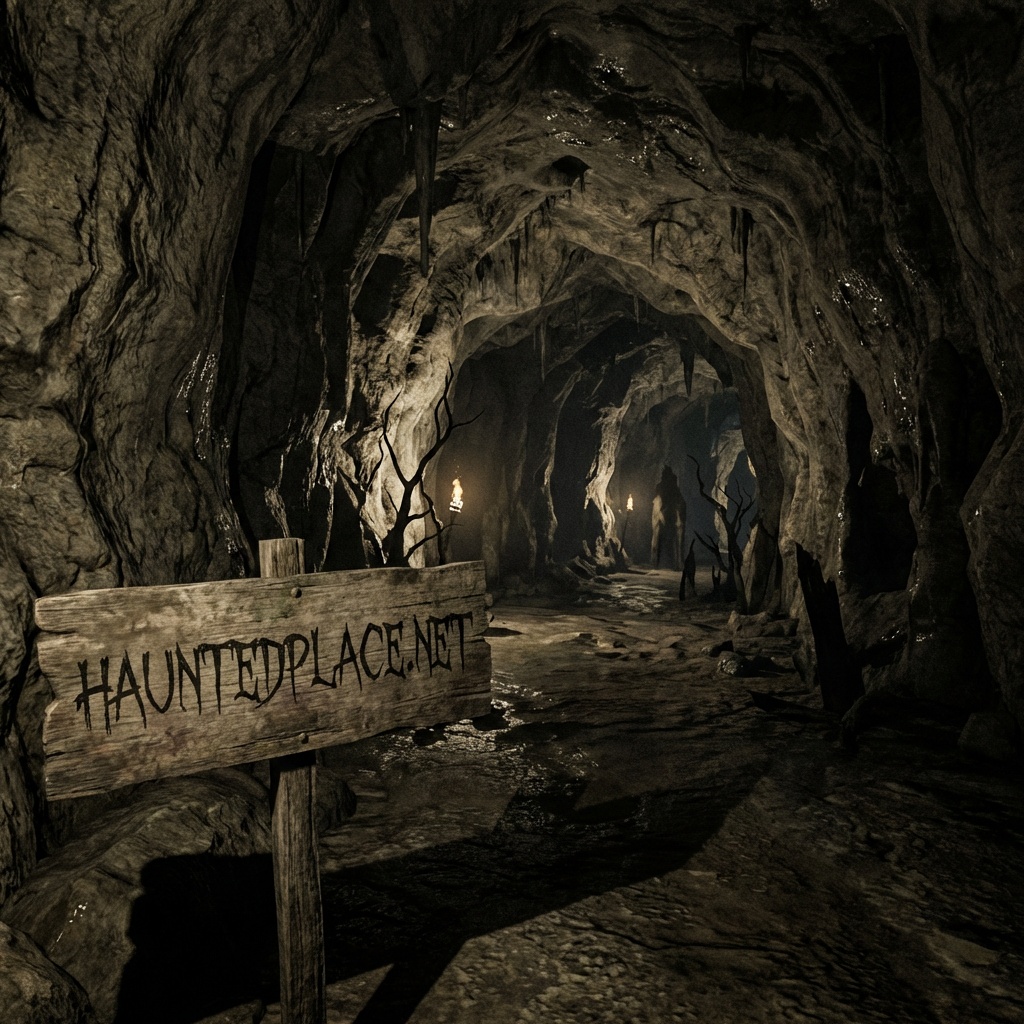
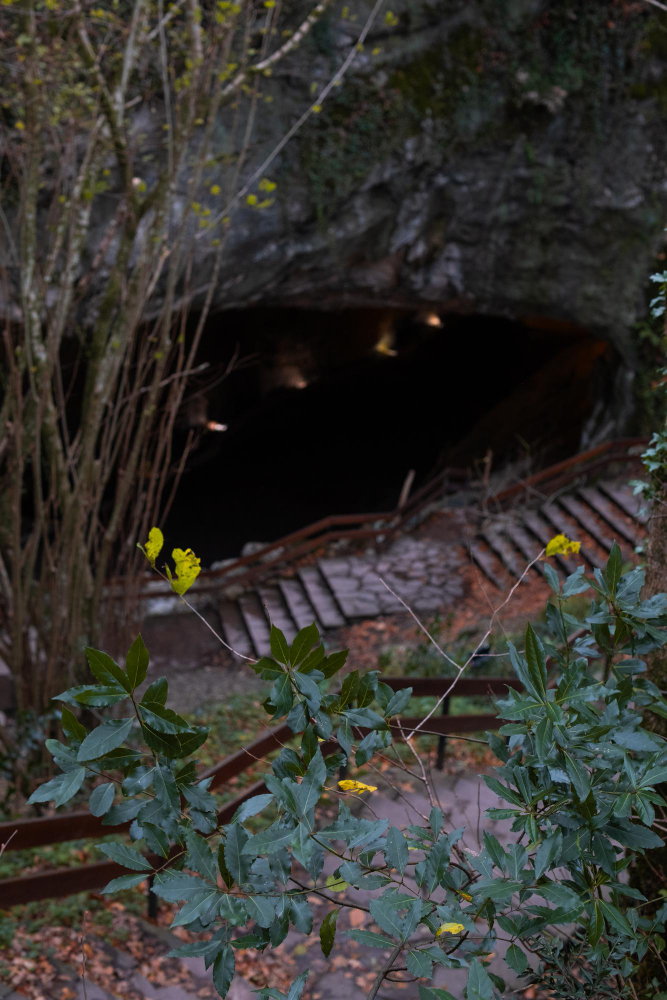
Hidden in the lush, wild valleys of the Spanish region of Navarra lies a place whose reputation still evokes a mixture of awe and unease. The Zugarramurdi Caves—also known as the “Witches’ Caves”—are an impressive natural phenomenon that captivates not only with its geological beauty but also with the dark stories and legends that surround this place. Here, the mist of history mingles with the shadow of the supernatural, creating a setting that is both mystical and eerie.
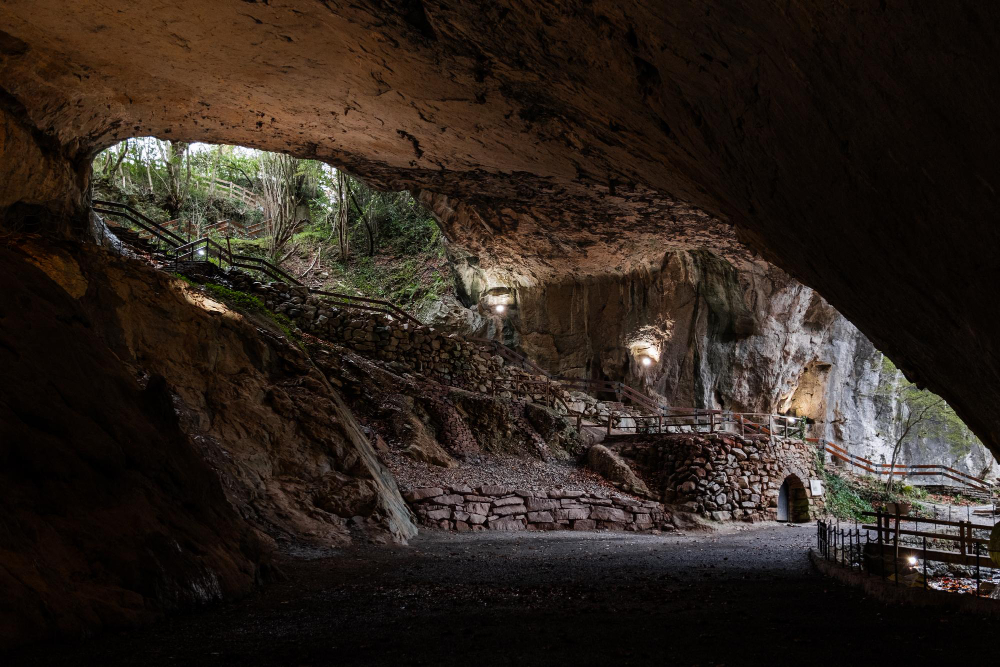
A Natural Stage for the Paranormal – The Zugarramurdi Caves were formed over thousands of years by a small underground river, now known as the “Regata del Infierno” – Hell’s Stream. The name alone hints at the dark secrets lurking beneath the stone roof of this massive karst cave. The main grotto is about 120 meters long, and its height and width give the space almost cathedral-like dimensions. This natural structure, as beautiful and majestic as it may seem, was once the setting for a story full of fear, superstition, and cruelty. For centuries, it has been said that witches gathered in these caves to hold Akelarres under the cover of darkness—nocturnal gatherings during which they allegedly made contact with dark forces, practiced magic, and performed bizarre rituals. But how much truth lies in the stories surrounding these caves? And how did a natural formation become a symbol of terror and evil?
The Witch Craze of Zugarramurdi – The dark legends surrounding the caves of Zugarramurdi became a significant part of European history in the late 16th and early 17th centuries, when the witch craze swept through numerous regions. Spain, in particular, was marked by the Inquisition, which had made it its mission to persecute alleged heretical behavior and witchcraft with extreme severity. In 1610, the village of Zugarramurdi came under the scrutiny of the Spanish Inquisition. It was reported that witches had gathered there to perform satanic rituals and summon evil forces. These rumors soon reached the ecclesiastical court, and thus began one of the most brutal witch hunts in Spanish history. In total, over 50 villagers were accused of practicing witchcraft and being in league with the devil. Yet the accusations were often absurd and based on mere rumors or rivalries within the village community. The climax of this witch hunt was the so-called “Autodafé of Logroño,” a public trial and public punishment that took place on November 7 and 8, 1610. Six women were burned alive there, while further confessions were extracted under torture. Their crimes? They were accused of holding witches’ sabbats in the caves of Zugarramurdi and worshipping the devil. The cruel reality of these events quickly became intertwined with fantasy and myth, so that the legends surrounding witches and dark forces have survived to this day.
The Eerie Aura of the Caves – Anyone who visits the caves of Zugarramurdi feels the unique atmosphere of this place—a mixture of awe for nature and a touch of unease, intensified by the site’s history. During the day, the caves may seem less menacing, but as twilight falls and the shadows lengthen, it’s easy to imagine how torchlight once illuminated the walls here and the voices of mysterious chants echoed through the rocks. A particularly impressive part of the caves is the large central hall, where the so-called Akelarres are said to have taken place. It is here that witches are said to have performed their dances and communicated with dark forces. Historians believe, however, that these festivities had less to do with Satanism and evil forces and were instead pagan celebrations deeply rooted in the ancient traditions of the Basques. Yet in an era dominated by superstition and fear of the supernatural, such practices were enough to have deadly consequences.
The Myth Lives On – Today, the myth of the Zugarramurdi Caves attracts numerous visitors. The site is a popular destination for tourists who wish to experience both the impressive natural beauty of this karst complex and its fascinating history. Near the caves is also the Witches’ Museum (Museo de las Brujas), which sheds light on the events and legends surrounding the Zugarramurdi witch trials. The museum offers visitors the opportunity to explore the historical dimension of the site and understand the connection between myth, belief, and reality. Yet despite the scientific explanations, a hint of mystery remains. Some claim that the caves are still a gathering place for modern witch cults. There are also reports of people who have experienced strange phenomena—from unexplained noises to the feeling of being watched. Are these stories merely products of the imagination? Or is there actually a connection to the dark forces that were once summoned in these caves?
The Connection Between Nature and Horror – The caves of Zugarramurdi are a perfect example of how closely nature and myth can be intertwined. Beneath the massive rock arches of these karst caves, the line between reality and fiction seems to blur. Yet perhaps the true fascination of this place lies in the fact that it offers us a glimpse into the depths of the human psyche—into the fear of the unknown, the power of superstition, and the cruelty of which humans are capable in the name of their beliefs.
A place that touches the soul – The caves of Zugarramurdi may be a popular tourist destination today, but their history is by no means forgotten. They remind us of the dark chapters of human history—of the price many had to pay for being different, and of the power of legends that endure for centuries. Those who visit this place will be impressed not only by its geological beauty, but also by the mysterious and eerie atmosphere that still hangs over the caves like a veil. The caves of Zugarramurdi are far more than a natural monument—they are a memorial to the consequences of fear, superstition, and intolerance. And that is precisely why their name remains inextricably linked to the ghostly glow of a bygone era.